Top 7 Castles around Stradella
Best castles around Stradella are found in the Oltrepò Pavese region of Italy, characterized by its strategic hills and historical significance. The area features a landscape where ancient fortresses once held military importance, often offering commanding views of the surrounding terrain. These historical sites reflect centuries of feudal power and architectural evolution. The region provides opportunities to explore structures that have been transformed from defensive strongholds into civilian residences over time.
Best castles around Stradella
- The most popular castles is…
Last updated: July 13, 2026
Cicognola Castle and Viewpoint
Highlight • Castle
Translated by Google •
Tip by

Church of San Michele Arcangelo, Belgioioso
Highlight • Religious Site
The castle was originally built in the 14th century by the Belgioioso family. It served as a fortified residence to …
Translated by Google •
Tip by

Sign up now to discover places like this
Get recommendations on the best single tracks, peaks, & plenty of other exciting outdoor places.
Sign up for free
Castello di Luzzano
Highlight • Castle
Translated by Google •
Tip by

Arena Po Castle
Highlight • Castle
Translated by Google •
Tip by

View of Cigognola Village and Its Castle
Highlight • Viewpoint
Translated by Google •
Tip by

Start today with a free account
Your next adventure awaits.
Login or Signup


Tips from the Community

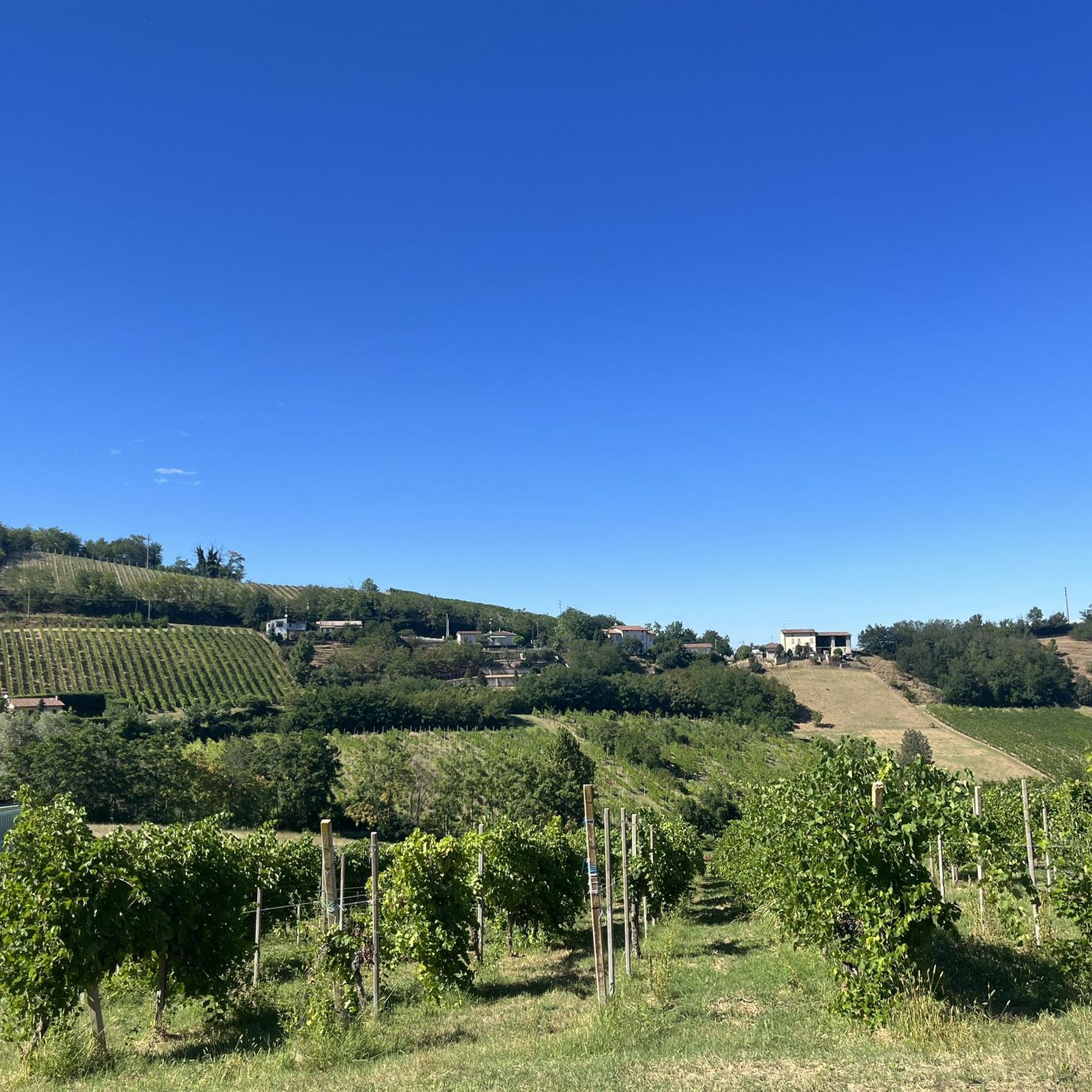
The view of the village is simply spectacular.
0
0

Great place to take fabulous photos if you find the right day.
13
0

The church of San Michele Arcangelo is in an excellent state of conservation thanks to recent restorations. The façade shows a typical style of the 17th century and is divided into two parts by a horizontal brick frame. At the bottom, there are three portals flanked by slender pilasters. Above the central portal is a fresco dedicated to the saint. The upper half is framed by two curly volutes and two hollow niches that enclose a central window. The façade is crowned by a slightly projecting tympanum with a cross and three columns. The colours of the façade, a delicate balance between white and brown, give a foretaste of the opulence and wealth inside.
6
0
The Castello di Belgioioso, has a rich and fascinating history. The castle was originally built in the 14th century by the Belgioioso family. It served as a fortified residence to protect the surrounding area and as a symbol of power and prestige. In the 16th century, the castle underwent important renovations and extensions. The architecture was influenced by the Renaissance style, with elegant loggias, arcades and beautiful frescoes. In the 18th century, Antonio Barbiano obtained the elevation of Belgioioso to a principality in 1796 and expanded and rebuilt the medieval castle, enriched with extensive gardens and greenhouses in neoclassical style by the architect Leopold Pollack. In the 19th century, the castle became a meeting place for artists, writers and philosophers. It was a breeding ground for creativity and intellectual exchange. Today, the Castle of Belgioioso is managed by the Ente Fiera dei Castelli di Belgioioso e Sartirana. It organizes exhibitions and events that highlight the history, art and culture of the region.
6
0

Place of cultural, artistic, historical and tourist interest Via Dante Alighieri, 1, 27011 Belgioioso PV https://www.belgioioso.it/ 0382970525
2
0

Vicobarone, of Roman origins, takes its name from a 'Vicus Varroni' of the imperial era and has been known as "Vici Baruni" since the year 833. Possession of the monastery of Bobbio and considered one of the first organized communities in the area, it expanded thanks to the numerous and important monastic cells of the Bobbio monastery, present in the area. The transformation of the castle dates back to the end of the seventeenth century, carried out by the Marquises Malvicini Fontana who made it an elegant residence with large and well-kept cellars. A final renovation was recently carried out by the current owners who adapted the building to accommodate tourists without altering its architectural characteristics and recovering the thousandth tower in which the "blade well" from the feudal era was located.
0
0

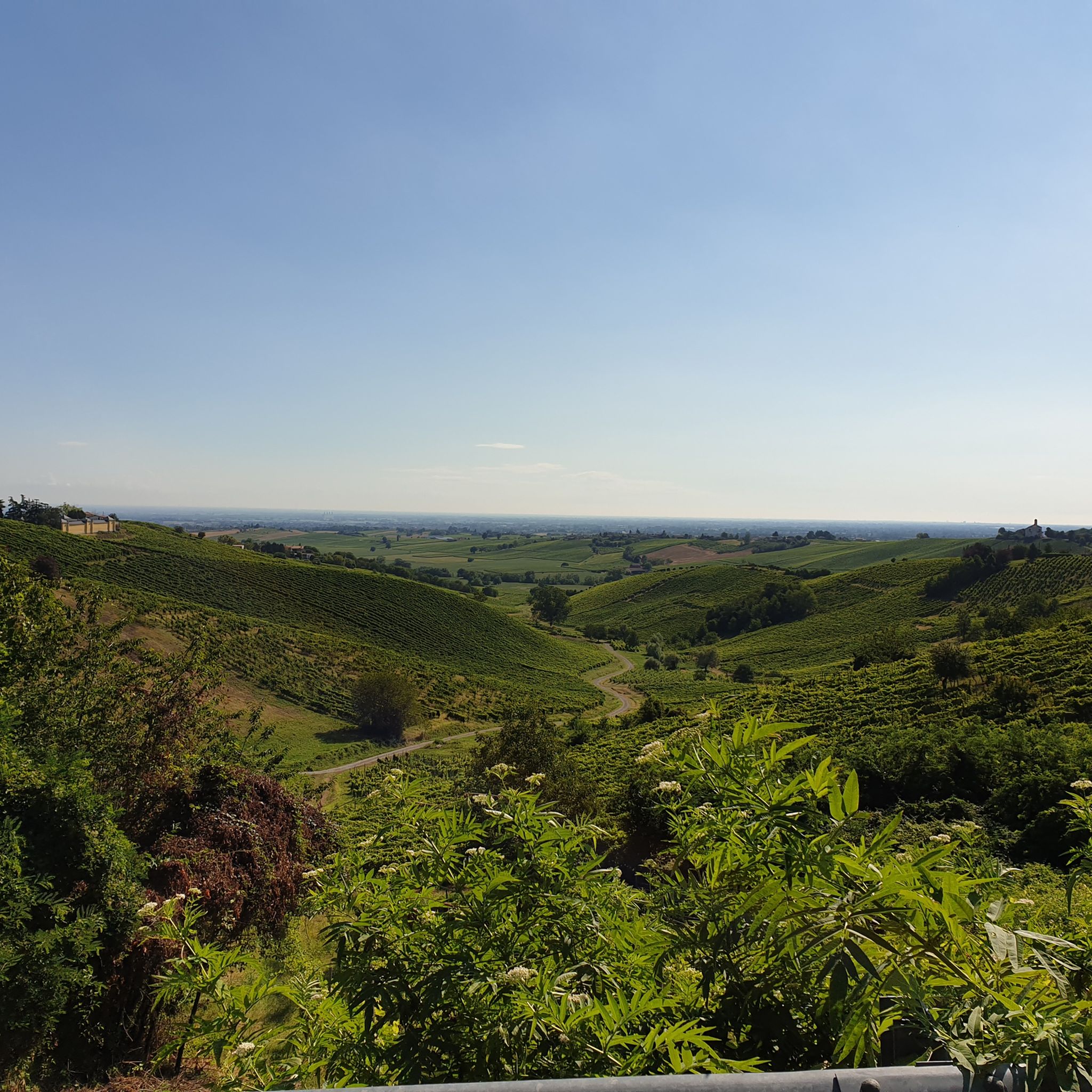
Cicognola offers a splendid castle and an equally interesting panoramic point on the hills of the Oltrepò Pavese. Stop in this small town for a break and to admire its beauties.
1
0

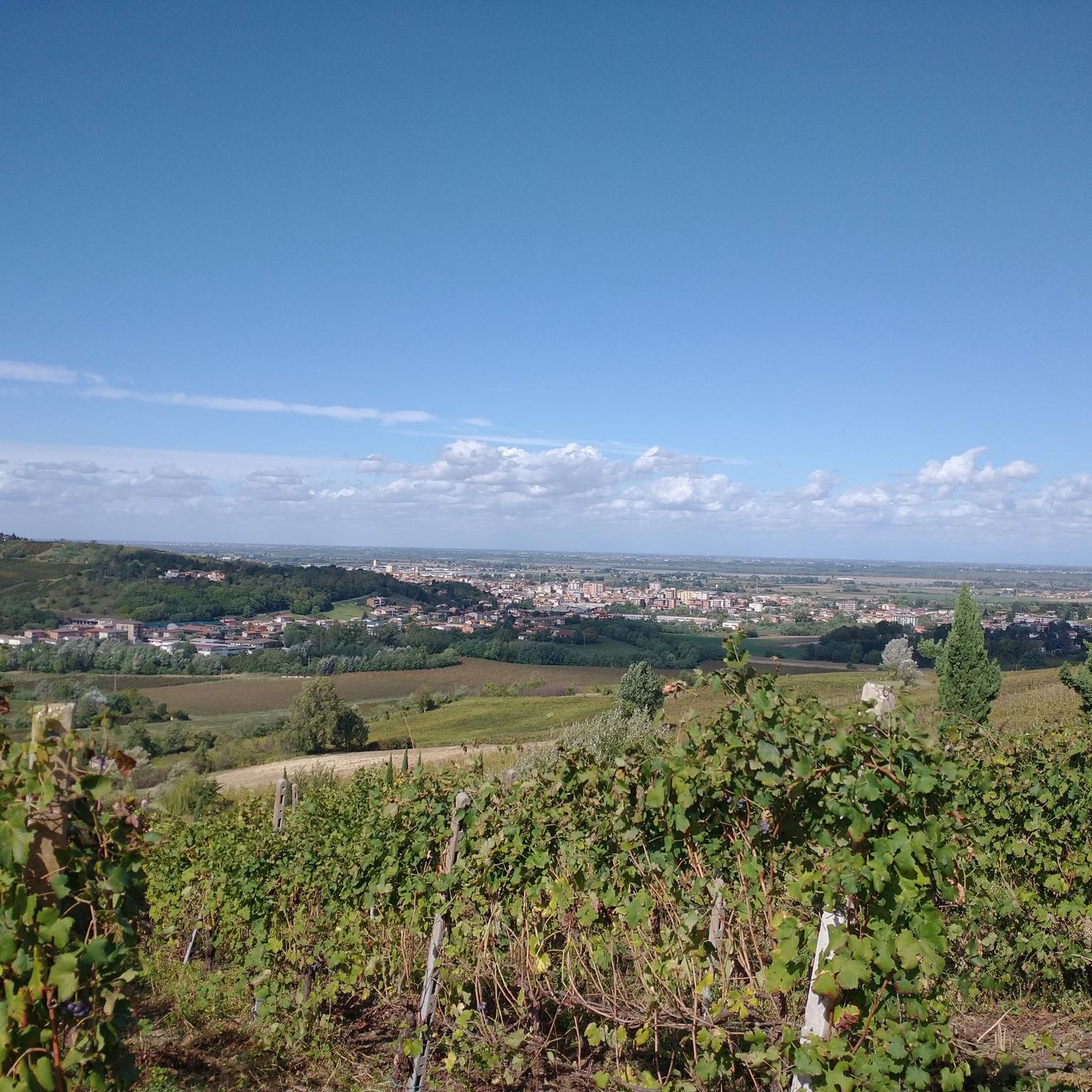
Panoramic point on the first hill with a breathtaking view over the whole Po valley and view up to the skyline of Milan (from sunset to evening)
2
0
Frequently Asked Questions
What are the most historically significant castles in the Stradella region?
The region boasts several castles with deep historical roots. Cicognola Castle and Viewpoint, built in the early 13th century, played a crucial defensive role controlling traffic towards Emilia. Arena Po Castle has documented existence dating back to 1145 and was uniquely equipped with a moat connecting it to the Po river. Additionally, Castello Montalino, also known as Rocca di Montalino, has origins potentially predating the year 1000 and was a significant feudal stronghold for centuries.
Are there any castles near Stradella that offer scenic views?
Yes, several castles and viewpoints provide picturesque panoramas. Cicognola Castle and Viewpoint is situated in a strategic position on the Scuropasso Valley, offering great views. The View of Cigognola Village and Its Castle is specifically highlighted for its spectacular photo opportunities. Castello Montalino, perched on a strategic hill, also offers commanding views of the Oltrepò Pavese landscape.
What kind of architectural styles can I expect to see in the castles around Stradella?
The castles showcase a range of architectural styles reflecting their long histories. You'll find medieval defensive structures, such as the crenellated tower of Castello Montalino, which later underwent transformations into civilian residences. For example, Castello di Luzzano, of Roman origins, was transformed into an elegant residence with cellars in the late 17th century. The Castello di Belgioioso, associated with the Church of San Michele Arcangelo, underwent Renaissance-style renovations in the 16th century, featuring elegant loggias and frescoes, and later neoclassical additions.
Are there family-friendly activities or castles suitable for families in the area?
While specific family activities at each castle may vary, the Castello di Belgioioso, associated with the Church of San Michele Arcangelo, hosts exhibitions and events that highlight the region's history, art, and culture, which can be engaging for families. The View of Cigognola Village and Its Castle is also noted as family-friendly, offering a pleasant spot for a visit and photos.
What outdoor activities can I do near the castles around Stradella?
The Oltrepò Pavese region offers excellent opportunities for outdoor activities, especially cycling and mountain biking, often passing by or near historical sites. You can explore various routes like the 'Montescano Hill Climb – Rocca di Montalino loop' for road cycling, or the 'Cigognola Castle – Colombarone loop' for mountain biking. For more details on routes, check out the Road Cycling Routes around Stradella, Cycling around Stradella, and MTB Trails around Stradella guides.
Can I visit Castello Montalino in Stradella?
Castello Montalino, also known as Rocca di Montalino, is a significant historical landmark in the Stradella region. However, it is currently a private property and serves as a private residence. While its historical significance and architectural presence are notable, direct public access may be limited. You can find more historical context on Wikipedia or general information on Visititaly.
What do visitors particularly enjoy about the castles in the Stradella area?
Visitors appreciate the historical depth and scenic beauty of the castles. For instance, Cicognola Castle is often cited as one of the most beautiful in the Oltrepò. The strategic locations of many castles offer excellent viewpoints for photography, such as the View of Cigognola Village and Its Castle. The komoot community has shown significant appreciation, with over 110 upvotes and more than 40 photos shared across the various castle highlights.
Are there any castles that have been converted into elegant residences or offer unique features?
Yes, Castello di Luzzano, originally of Roman origins, was transformed into an elegant residence with large cellars at the end of the 17th century. Similarly, Castello Montalino, after its military importance waned, underwent transformations in the 18th century to become a civilian residence, retaining its structural solidity and unique polygonal plan.
What is the best time of year to visit the castles around Stradella?
While specific opening hours for each castle may vary, the Oltrepò Pavese region is generally pleasant for exploration during spring and autumn. These seasons offer mild weather, ideal for combining castle visits with outdoor activities like cycling or walking through the vineyards. Summer can also be enjoyable, though it might be warmer, and winter offers a different, often quieter, perspective on the historical sites.
Are there any castles near Stradella that are known for their defensive history?
Absolutely. Cicognola Castle was built in the early 13th century specifically for its defensive function, controlling traffic in the Scuropasso Valley. Castello Montalino also held significant military importance until the 18th century, with its imposing crenellated tower serving as a testament to its past as a 'strong city'.
Are there any castles that are associated with cultural events or exhibitions?
Yes, the Castello di Belgioioso, historically a fortified residence, became a meeting place for artists, writers, and philosophers in the 19th century. Today, it is managed by the Ente Fiera dei Castelli di Belgioioso e Sartirana and organizes exhibitions and events that highlight the history, art, and culture of the region, making it a vibrant cultural hub.
Most popular routes around Stradella
Most popular attractions around Stradella

Get inspired with the komoot mobile app


Explore more
Looking for the best castles somewhere else? Discover other guides around Stradella:
