Top 5 Caves around Coriano
Best caves around Coriano are found within the Province of Rimini, an area characterized by a diverse natural landscape. This region features significant geological formations, including gypsum karst complexes and tuff caves, shaped by natural processes over millennia. Coriano itself is situated in a locale that provides access to these notable subterranean attractions, offering insights into both natural history and human ingenuity. The area's geology and historical use of these underground spaces make it a point of interest for exploration.
…Last updated: November 27, 2026
Onferno Caves
Highlight • Cave
Translated by Google •
Tip by

The Canepa Waterfalls
Highlight • Waterfall
Translated by Google •
Tip by

Sign up now to discover places like this
Get recommendations on the best single tracks, peaks, & plenty of other exciting outdoor places.
Municipal Tuff Caves of Santarcangelo di Romagna
Highlight • Cave
Translated by Google •
Tip by

World War II Shelters (Rifugio 91)
Highlight • Historical Site
Translated by Google •
Tip by

Refuge 1 (1944) Cave Entrance
Highlight (Segment) • Cave
Translated by Google •
Tip by
Sign up for free to discover even more caves around Coriano.
Already have an account?
Start today with a free account
Your next adventure awaits.

Tips from the Community

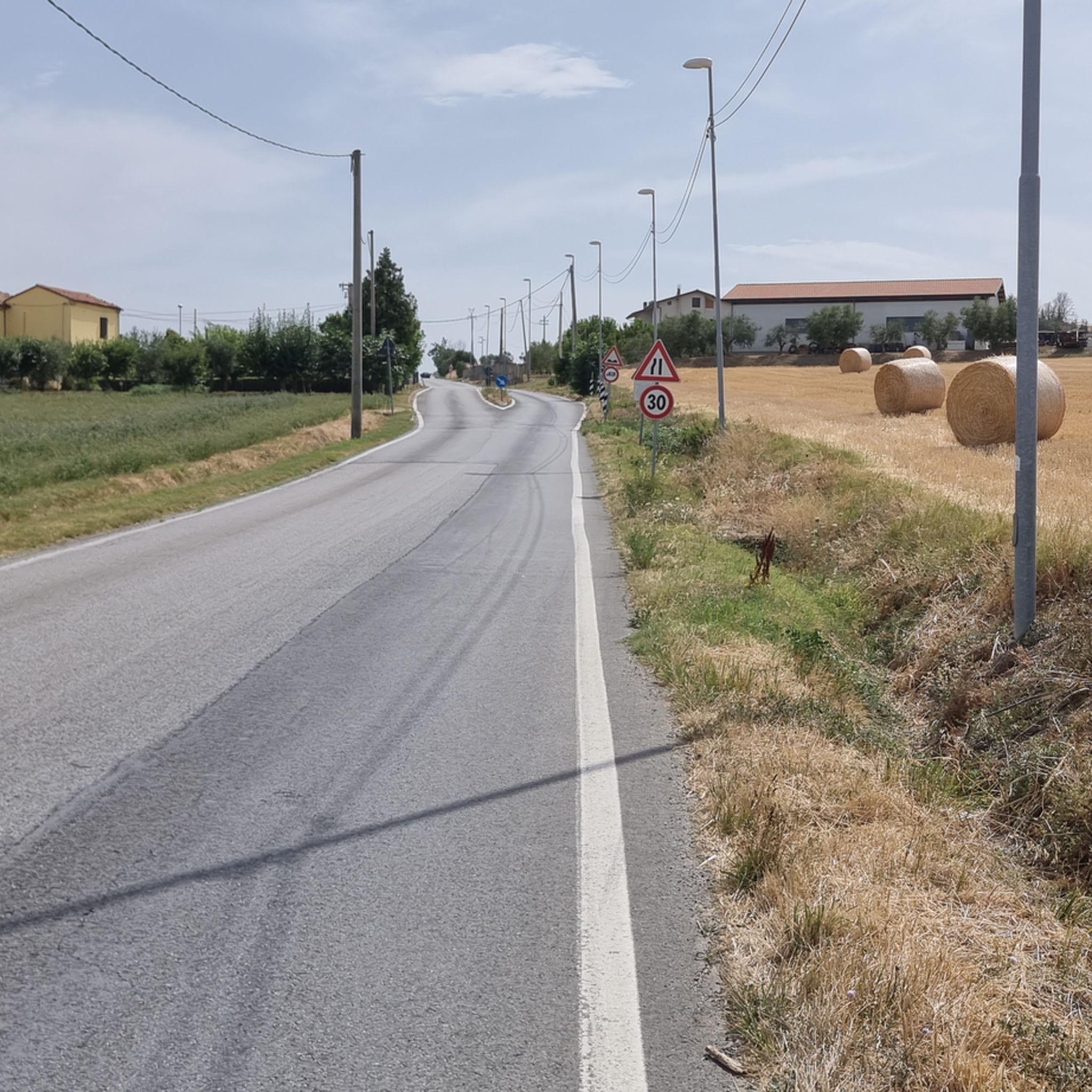
There are two spots from which to admire the water falling from the rocks, the larger one is the Canepa waterfall, and not far away there is a smaller spot, still on path 2.
2
0


In the eastern part of the Giove hill of Santarcangelo di Romagna, approximately 150 hypogea are excavated in the sandstone and clay, forming an underground route of approximately 5–6 km. Most date back to the medieval period, in which period they were used as warehouses and cellars for the conservation of Sangiovese (given that the temperature is constantly around 12 °C and the humidity 80-90%) and others, according to scholars, had more ancient origins, used in particular as early Christian caves and places of Roman or Byzantine worship. During the Second World War they were excellent refuges for the inhabitants of the city and, for this reason, they were all connected. taken from Wikipedia
0
0

The Onferno Caves are a karst complex of caves located in the chalk.
2
0
World War II shelters
0
0

This second part - for those descending from Monte Scudo - is equally interesting in particular because two refuges from the Second World War are clearly visible. Attention ⚠️ the first part of the path is covered by vegetation (at least during the summer when I walked it). There are so many joints that it's really hard to see where you're going. Follow the trail. The second part of the path after the caves is much cleaner probably because it is traveled from below from where there are signs for the provincial sp41 after Trarivi (near the church of Peace)
0
0
Interesting to see, it's not clear to me if they were military posts or for civilians. In shelter 2 there is stagnant water
2
0

Beautiful hidden path in the Canepa forest (San Marino). You reach the old mills. The descent in some sections is impossible ... some sections you have to abseil with a rope, in others you have to pull yourself up with a rope ... To try for those who love adventure and a type of MTB out of the conventional.
3
0
Frequently Asked Questions
What types of caves can I explore around Coriano?
Around Coriano, you can explore a variety of underground spaces. These include natural karst caves, such as the renowned Onferno Caves with their unique gypsum formations, historical sites like the World War II Shelters (Rifugio 91), and ancient man-made structures like the Municipal Tuff Caves of Santarcangelo di Romagna, which were used for storage and refuge.
What makes the Onferno Caves a significant attraction?
The Onferno Caves are a significant natural attraction due to their unique gypsum karst formations, including rare conical structures called 'mammelloni'. They also host the most important bat colony in the Emilia-Romagna Region, with over 8,000 individuals from seven species. Furthermore, they were declared a UNESCO World Heritage Site in 2023, recognizing their outstanding natural value.
Are there any historical caves or shelters to visit near Coriano?
Yes, you can visit historical sites such as the World War II Shelters (Rifugio 91), which offer a glimpse into their past use as refuge during the war. Additionally, the Municipal Tuff Caves of Santarcangelo di Romagna, excavated in sandstone and clay, date back to the medieval period and were used as warehouses and cellars, with some potentially having older origins.
What unique geological formations can I expect to see in the caves?
The Onferno Caves are particularly known for their gypsum karst, featuring crystalline chalk formations, deeply grooved meanders, and large chambers with unique conical structures called 'mammelloni'. These formations are a result of an underground stream carving through a chalk cliff over millennia.
Are the caves around Coriano suitable for families with children?
The Onferno Caves offer an easy and spectacular 400-meter route open to visitors of all ages. Guided tours, lasting around 90 minutes, provide an educational experience about geology, speleology, and wildlife, making them suitable for families. Visitors are equipped with helmets and electric torches for an immersive exploration.
What should I wear or bring when visiting the Onferno Caves?
When visiting the Onferno Caves, it's recommended to wear comfortable shoes with good grip, as paths can be wet and slippery. Bringing a light jacket is also advisable, as the cave maintains a cool temperature of 12-14 degrees Celsius (53-57°F) year-round.
Can I find hiking trails near the caves around Coriano?
Yes, the area around Coriano offers several hiking opportunities. For trails near the caves, you can explore options like the 'Albereto Village and Woodland loop from Montescudo' or the 'Albereto Village and Woodland – World War II Shelters loop from Montescudo'. You can find more details on these and other routes in the Hiking around Coriano guide.
Is it possible to visit the Onferno Caves year-round, or is there a best time?
The Onferno Caves maintain a constant cool temperature year-round, making them accessible in different seasons. However, it's always best to check their official website for current opening hours and tour availability, as these can vary seasonally.
What kind of wildlife can be found in the caves near Coriano?
The Onferno Caves are home to the most important bat colony in the Emilia-Romagna Region, hosting over 8,000 individuals belonging to seven different species. The cave serves as a crucial nursery for mother bats and their young.
How accessible are the Onferno Caves for visitors?
The Onferno Caves are part of the Onferno Nature Reserve. While the path to the cave entrance involves a descent through a wooded environment, the 400-meter route inside the cave is described as easy and spectacular, suitable for all ages. Information on parking and public transport options to the reserve should be checked with local tourism resources.
What is the historical significance of the Municipal Tuff Caves of Santarcangelo di Romagna?
The Municipal Tuff Caves of Santarcangelo di Romagna are a system of approximately 150 hypogea excavated in sandstone and clay. Most date back to the medieval period, used as warehouses and cellars. Some scholars suggest older origins, possibly as early Christian caves or Roman/Byzantine worship sites. During World War II, they served as important refuges for the city's inhabitants.
Are there guided tours available for the caves?
Yes, guided tours are available for the Onferno Caves. These tours typically last around 90 minutes and provide insights into the geology, speleology, vegetation, and fauna of the reserve, often led by specialized guides. Visitors are equipped with helmets and electric torches for the exploration.
What other outdoor activities are available near the caves around Coriano?
Beyond cave exploration, the region around Coriano offers various outdoor activities. You can find mountain biking trails, such as those detailed in the MTB Trails around Coriano guide, and gravel biking routes, which can be explored via the Gravel biking around Coriano guide. The Onferno Nature Reserve itself provides opportunities for enjoying dense vegetation and diverse wildlife.
Most popular routes around Coriano
Most popular attractions around Coriano

Get inspired with the komoot mobile app


Explore more
Extend your search for the best caves by checking out these guides of the top ones around Coriano:
