Top 11 Castles around Pieve Di Soligo
Best castles around Pieve Di Soligo are found amidst the picturesque Prosecco hills, a UNESCO World Heritage site known for its rolling vineyards and historical significance. The region, while featuring a few notable historical sites with connections to fortifications, offers a blend of medieval fortresses and renovated residences. These landmarks provide commanding views of the surrounding valleys and a tangible connection to the area's strategic past.
Best castles around Pieve Di Soligo
- The most popular castles is Conegliano Castle,…
Last updated: June 2, 2026
Castello di San Salvatore (Susegana)
Highlight • Castle
Translated by Google •
Tip by

View of Susegana
Highlight • Viewpoint
Translated by Google •
Tip by

Sign up now to discover places like this
Get recommendations on the best single tracks, peaks, & plenty of other exciting outdoor places.
Sign up for free
Collalto Castle
Highlight • Castle
Translated by Google •
Tip by

Conegliano Castle
Highlight • Castle
Translated by Google •
Tip by
Castelbrando
Highlight • Castle
Translated by Google •
Tip by

Sign up for free to discover even more castles around Pieve Di Soligo.
Sign up for free
Already have an account?
Start today with a free account
Your next adventure awaits.
Login or Signup
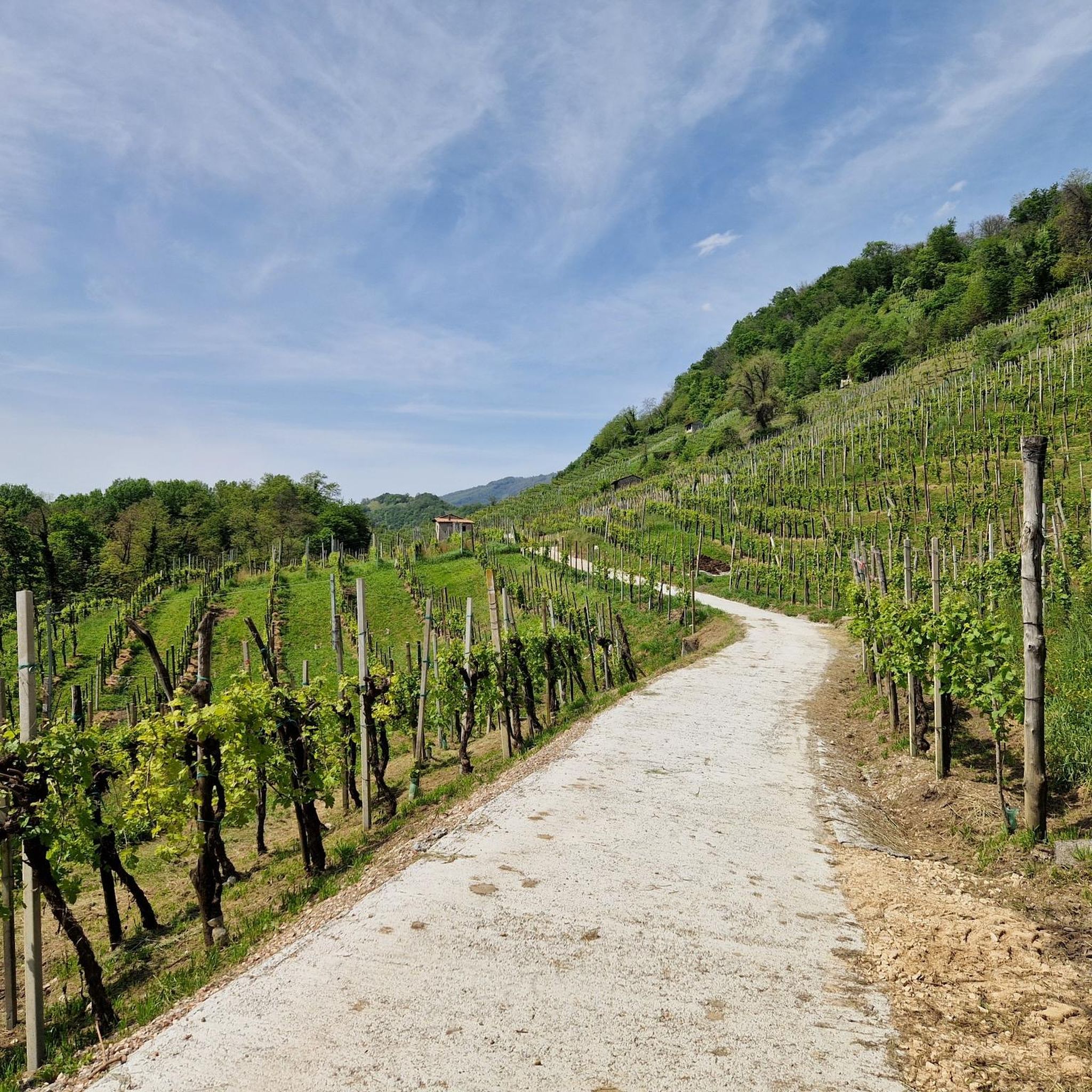


Tips from the Community

Located on the summit of Colle di Giano, the Castle of Conegliano is the historical emblem of the city and a privileged sentinel over the Venetian plain. Of the ancient medieval complex, the strategic heart of the village since the 12th century, the Bell Tower stands out today, the only surviving element along with part of the walls and the Guard Tower. Inside, the Civic Museum houses a precious collection ranging from archaeological finds to important pictorial works. From the top of the tower, the view is breathtaking: on clear days, the gaze sweeps from the rooftops of the historic center, adorned by the frescoed facades of via XX Settembre, to the crests of the Prealps and the Prosecco vineyards. Reachable via charming cobbled streets or staircases immersed in greenery, the castle is not just a monument, but a meeting place where history blends with the beauty of the Treviso landscape.
0
0

Climbing up the steep path from the parking lot.
0
0

Conegliano Castle dominates the city from its hilltop position. The first document mentioning it dates back to 1016 AD, but the structure reached its maximum extension in the fourteenth century, thanks to the influence of the Scaligeri and Carraresi rulers.
0
0

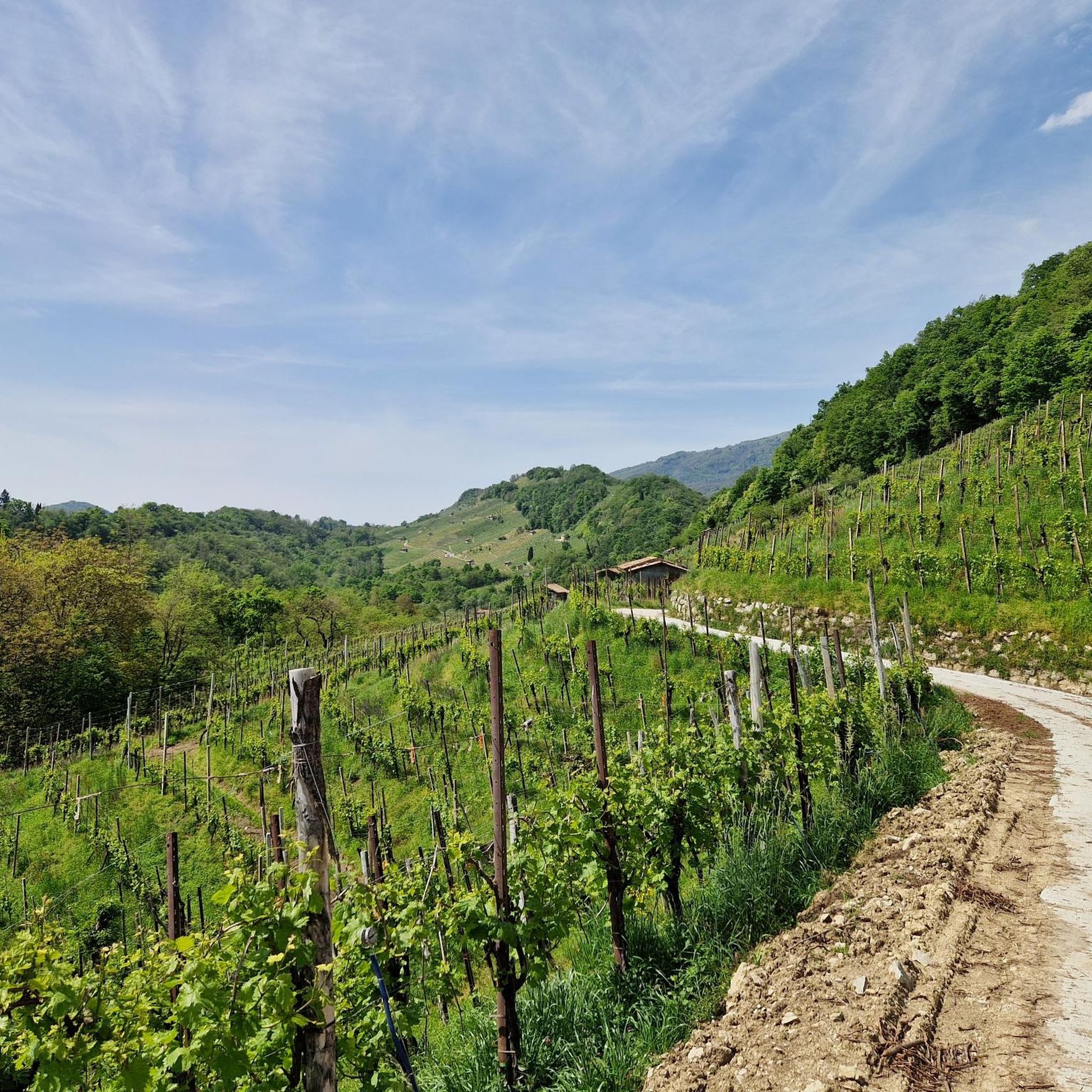
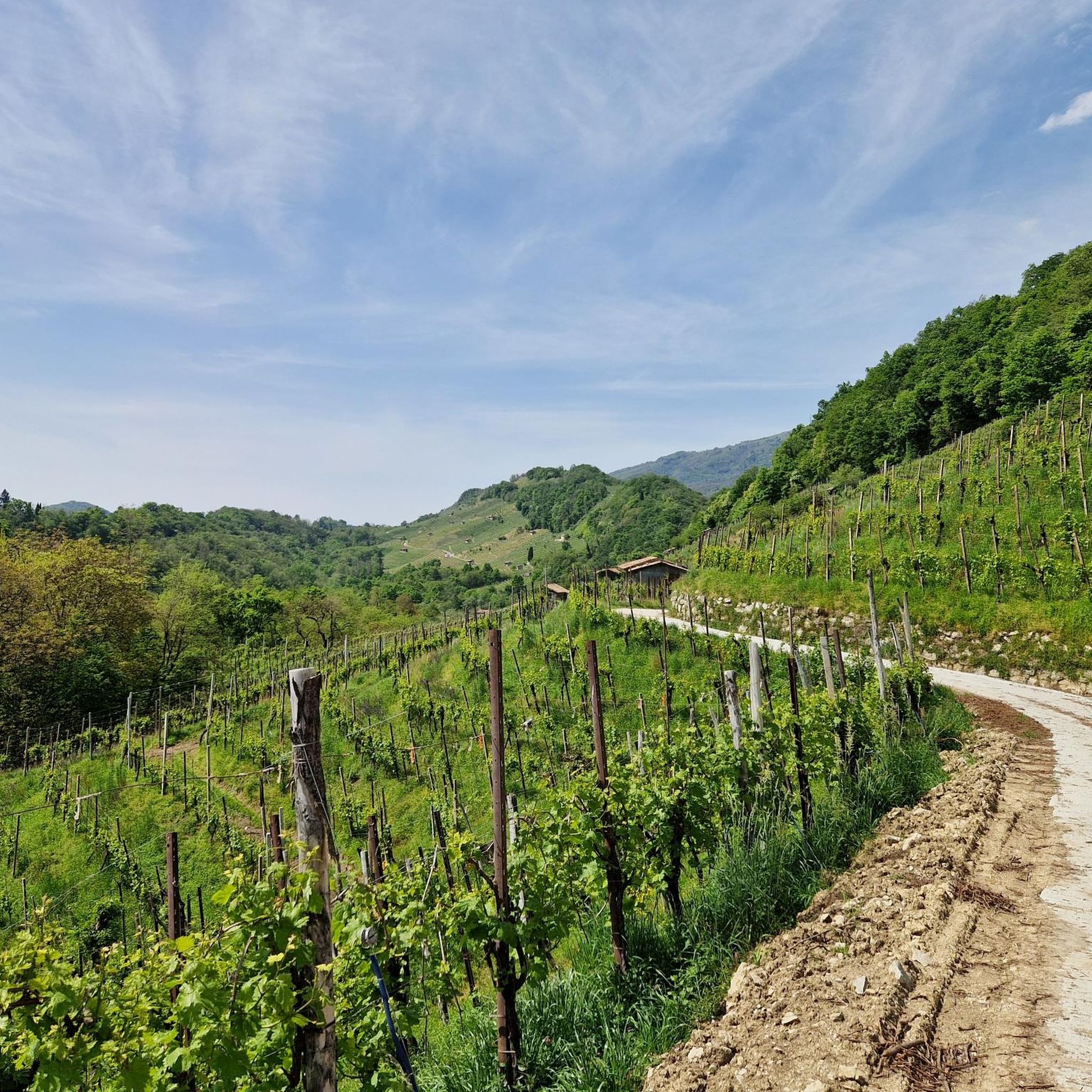
Departure of the new Eroica, with a view of the castle and the vineyards of the area. Very beautiful
2
0

Castelbrando, a grand medieval castle, sits on a dolomitic limestone rock at an altitude of 370m above sea level, overlooking the villages of Cison di Valmarino and Valmareno. The name is due to the Brandolini family from Forlì, who were the lords of the castle. The castle was originally built in Roman times to protect the Via Claudia Augusta, which connected the Po valley to Rhaetia (modern Austria). The original castrum from 46 AD is still visible. A recent archaeological dig has uncovered a bread oven and the original Roman baths, as well as the original pipes of the aqueduct that supplied water from three nearby natural springs. These springs still provide water for the castle. Later the fortress became an important defensive position against barbarian invasions. During the 13th century the castle was significantly enlarged and the imposing battlements and central tower were added. The castle was awarded by the Republic of Venice to the condottieri Giovanni Brandolino and Erasmo da Narni, better known as "Gattamelata". After the fall of the Venetian Republic it became the property of the Brandolini Counts. In 1700 the castle was expanded with the southern part and the castle chapel, the church of San Martino. During World War I, the castle was invaded by Imperial Austrian troops and used as a military hospital. After 10 years of restoration work, the castle was reopened as a residence in 1929. In 1959, the castle was sold by the Brandolini family to the Salesian Fathers, who used it as a monastery and as a center for spiritual studies. In 1997, CastelBrando was purchased by Quaternary Investments SpA, who transformed it into a 4-star hotel, museum and theater. Visitors can take the cable car to the castle from the village.
1
0

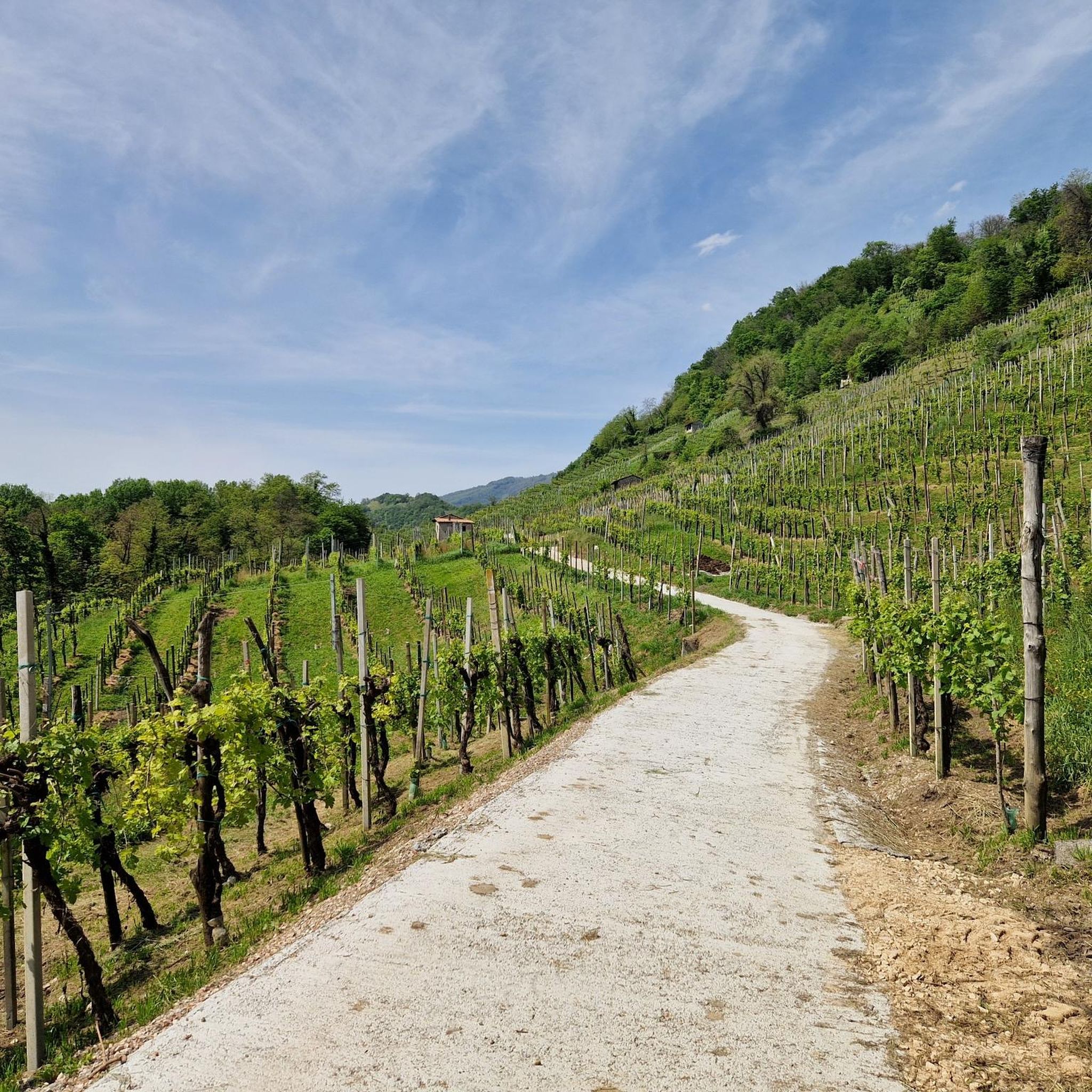
simple track between the castle and the town
0
0

an obligatory stop if you pass through these areas, a quick visit to admire a show from times gone by
0
0

At the top of the Janus Hill, the Conegliano castle dominates the valley and houses a civic museum which preserves works of great value, including those by Giambattista Pittoni and Palma il Giovane. Of the original complex, dating back to the 12th century, today only the Bell Tower, part of the ancient cathedral and part of the city walls are still standing.
1
0
Frequently Asked Questions
What are some notable castles to visit around Pieve di Soligo?
The region offers a mix of medieval fortresses and renovated residences. You can explore Conegliano Castle, which dominates the valley from Colle di Giano, or the impressive Castello di San Salvatore (Susegana), known for its eight centuries of history and crenellated walls. Castelbrando, a grand medieval castle, is also a significant site. Additionally, the 'Medieval Castle' in Pieve di Soligo offers historical ruins and panoramic views, and the rebuilt 'Castelletto di Pedeguarda' near Solighetto provides a blend of history and scenic beauty.
Are there family-friendly castles in the Pieve di Soligo area?
While specific family-friendly activities vary by castle, many offer open spaces and historical exploration that can be engaging for families. For instance, the 'Medieval Castle' in Pieve di Soligo provides ruins to explore and commanding views. View of Susegana, which includes the castle, is also categorized as family-friendly. Castelbrando, with its museum and theater, can also be an interesting visit for families.
What is the best time of year to visit the castles around Pieve di Soligo?
The Prosecco Hills region, where many of these castles are located, is beautiful year-round. Spring and autumn offer pleasant temperatures for exploring and enjoying the vineyards. Summer is also popular, though it can be warmer. Winter visits are possible, but some outdoor areas or specific castle sections might have reduced hours or be less accessible depending on weather conditions.
What kind of views can I expect from the castles in this region?
Many castles in the Pieve di Soligo area are strategically located on hills, offering breathtaking panoramic views. For example, the 'Medieval Castle' in Pieve di Soligo provides commanding views of the valley. Castello di San Salvatore (Susegana) offers fabulous views of the plain below, and Conegliano Castle, perched on Colle di Giano, overlooks the entire city and surrounding area. The View from the Arch of the Bishop's Castle also provides a suggestive panoramic vista.
Are there outdoor activities or routes near the castles?
Yes, the region is excellent for outdoor activities. You can find various routes for cycling and mountain biking that pass by or offer views of these historical sites. For example, the 'Terraced Vineyards of Rolle – Conegliano Castle loop' is a cycling route. You can explore many options for mountain hikes, cycling tours, and road cycling routes around Pieve di Soligo, many of which offer scenic views of the castles and the surrounding Prosecco Hills.
Is parking available at the castles near Pieve di Soligo?
Parking availability varies by castle. Larger, more developed sites like Castelbrando often have dedicated parking facilities, sometimes with a cable car connection to the castle. For smaller ruins or those integrated into towns, you may need to use public parking in the nearby village or town center and walk to the site. It's advisable to check specific castle websites for detailed parking information.
Are there any castles that are part of a UNESCO World Heritage site?
Yes, Castelletto di Pedeguarda, located near Solighetto, is situated amidst the Prosecco Hills, which are a UNESCO World Heritage protected site. While the castle itself is a private holiday getaway, its location within this renowned landscape adds to its charm and historical significance. You can learn more about the UNESCO site at unesco.org.
What do visitors particularly enjoy about the castles in this region?
Visitors appreciate the blend of historical significance and stunning natural beauty. Many enjoy the panoramic views offered from the castle vantage points, the tangible connection to the area's strategic past through exploring ruins and ancient walls, and the picturesque settings amidst the Prosecco Hills. The opportunity to combine castle visits with hiking or cycling through the vineyards is also a highlight for many.
Are there any hidden gem castles worth exploring around Pieve di Soligo?
While not a 'hidden gem' in the sense of being unknown, the 'Medieval Castle' within Pieve di Soligo itself, with its 14th-century ruins and commanding views, offers a direct connection to the town's history without being as grand or commercialized as some larger castles. Castelletto di Pedeguarda, though rebuilt, offers a unique, tranquil experience amidst vineyards.
Are there cafes or amenities near the castles?
Many castles are located near or within towns and villages, offering access to cafes, restaurants, and other amenities. For example, Castelbrando itself operates as a 4-star hotel with dining options. For other castles, you'll typically find cafes and local eateries in the closest settlement, such as Conegliano for Conegliano Castle or Susegana for Castello di San Salvatore.
Do I need permits to visit the castles near Pieve di Soligo?
Generally, you do not need special permits to visit the exterior or public areas of castles. However, some castles, especially those that are privately owned, converted into hotels, or host events, may require an entrance fee or specific booking for tours or access to certain sections. It's always best to check the individual castle's official website for their specific visitor policies and any associated costs.
What are the accessibility options for castles near Pieve di Soligo for wheelchairs?
Accessibility for wheelchairs can be challenging at many historical castle sites due to their age, uneven terrain, and numerous stairs. While some modern facilities or renovated sections might offer better access, many ruins or older structures may not be fully accessible. For example, the Bishop's Castle involves stairways to reach. It is recommended to contact specific castles directly to inquire about their current accessibility provisions.
Most popular routes around Pieve Di Soligo
Most popular attractions around Pieve Di Soligo

Get inspired with the komoot mobile app


Explore more
Looking for the best castles somewhere else? Discover other guides around Pieve Di Soligo:
