Top 8 Castles around Farra Di Soligo
Best castles around Farra Di Soligo are found in the Veneto region of Italy, an area with a rich medieval past and strategic importance. The landscape features remnants of castles and fortified structures, providing insights into the region's history. Situated within the picturesque Prosecco hills, Farra Di Soligo offers a blend of historical sites and natural beauty. These locations provide a connection to the area's early medieval history and architectural styles.
Best castles around Farra Di Soligo
- The most popular…
Last updated: October 31, 2026
Castello di San Salvatore (Susegana)
Highlight • Castle
Translated by Google •
Tip by

San Salvatore-Collalto
Highlight (Segment) • Castle
Translated by Google •
Tip by
Sign up now to discover places like this
Get recommendations on the best single tracks, peaks, & plenty of other exciting outdoor places.
Castelbrando
Highlight • Castle
Translated by Google •
Tip by

Cison di Valmarino
Highlight • Settlement
Translated by Google •
Tip by

Via Sottocroda
Highlight (Segment) • Trail
Translated by Google •
Tip by

Sign up for free to discover even more castles around Farra Di Soligo.
Already have an account?
Start today with a free account
Your next adventure awaits.
Popular around Farra Di Soligo
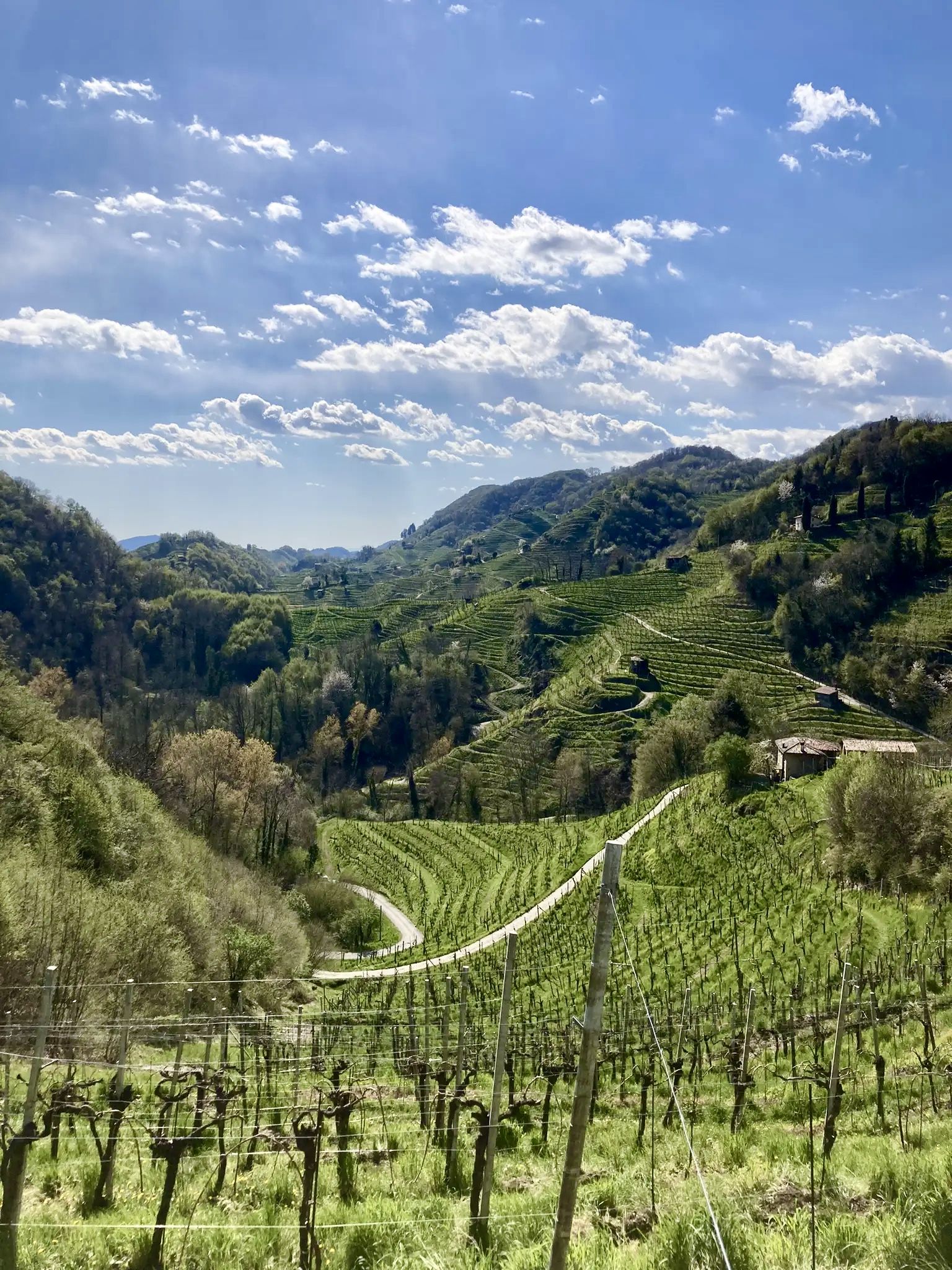
Bikepacking in Italy’s Prosecco hills – 5 days in Conegliano, Asolo and Valdobbiadene
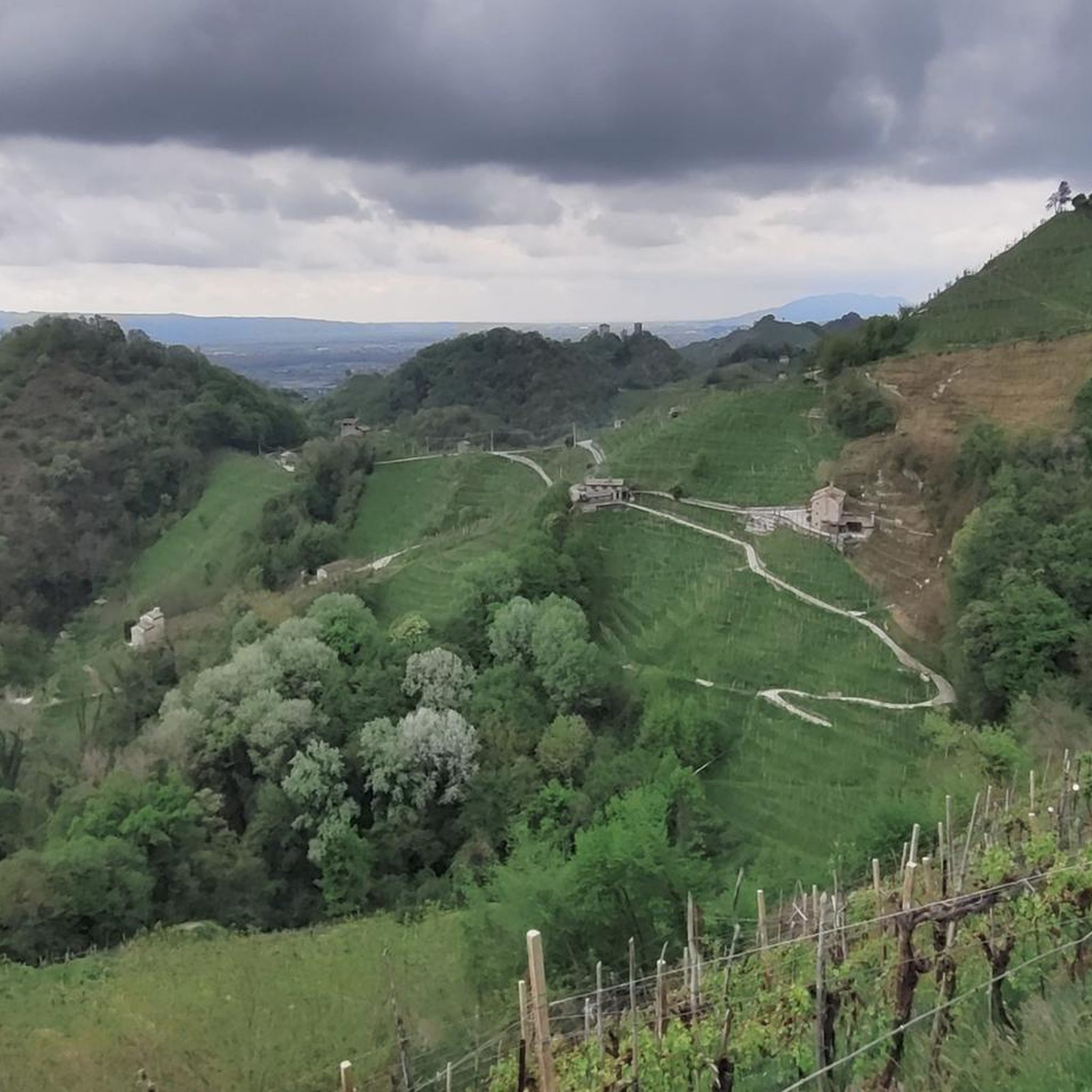
Hiking around Farra Di Soligo
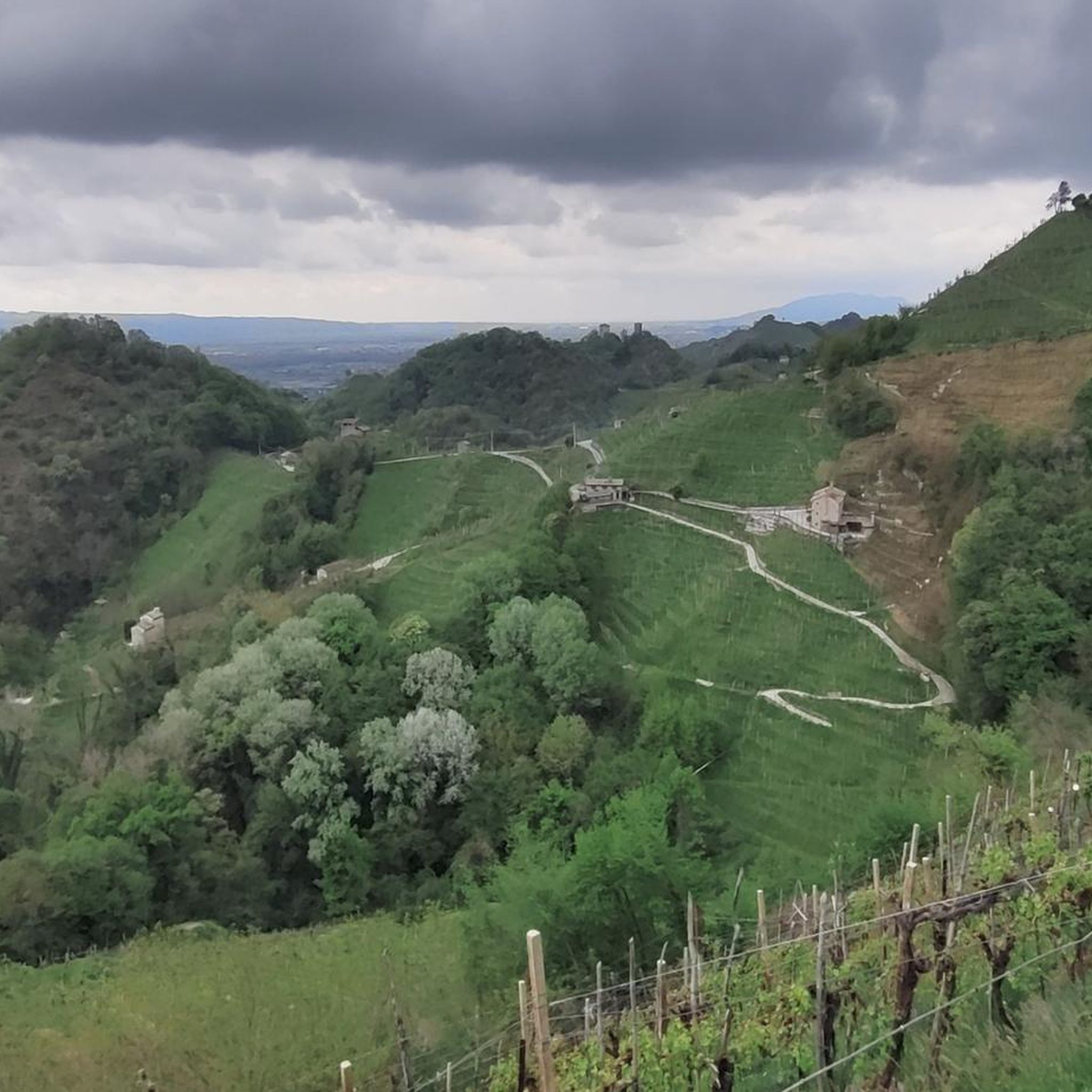
MTB Trails around Farra Di Soligo
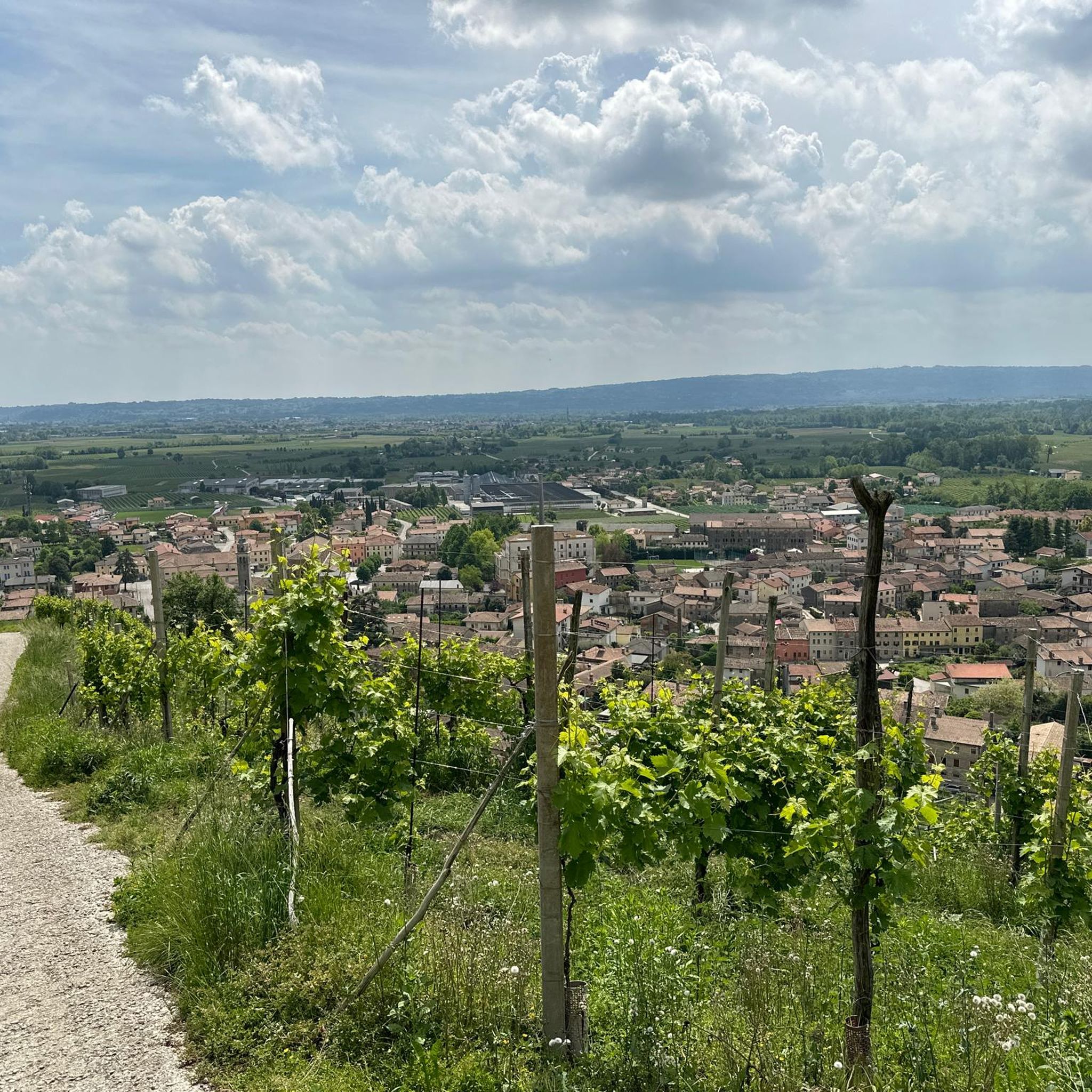
Road Cycling Routes around Farra Di Soligo

Gravel biking around Farra Di Soligo
Running Trails around Farra Di Soligo
Cycling around Farra Di Soligo

Mountain Hikes around Farra Di Soligo
Other adventures around Farra Di Soligo

Tips from the Community

The Castello di San Salvatore, which dominates the town of Susegana, is one of the most imposing late medieval fortifications in Italy and the symbol of the power of the Counts of Collalto. Built starting from the 13th century, it transformed over time into a lavish Renaissance residence, becoming a cultural center of international importance. Despite the very serious damage suffered during the Great War, when it was on the Piave front line, the castle has been carefully restored by the Collalto family. Today, it welcomes visitors with its crenellated walls and splendid hanging garden, offering a breathtaking view of the Prosecco hills and testifying to eight centuries of aristocratic history amidst art, battles, and excellent wine-making traditions.
0
0

Climbing up the steep path from the parking lot.
0
0

The castle can be visited! Every first Wednesday of the month with prior online registration.
0
0

Unfortunately it cannot be visited
0
0


The best descent of Collalto. Absolutely to be avoided when climbing and with gravel bikes.
1
0
The most beautiful descent of Collalto. To be tackled only downhill, never uphill and with mountain bikes, no gravel.
0
1

Collalto Castle, a large architectural complex enclosed by a double wall with a drawbridge; inside part of the Mastio, the Palazzo Odoardo, the Cappella Vecchia, the church of Santa Croce with the Torre Grande, the Cavallerizza tower, various dwellings from different eras: rural annexes on the right, more imposing buildings on the left.
0
0
Frequently Asked Questions
What historical castle remnants can I find directly in Farra di Soligo?
While not all are fully preserved castles, Farra di Soligo offers significant historical sites. You can explore the believed remains of the medieval Castello di Soligo, first mentioned in 962, which was a key feudal seat. Additionally, the Hermitage of San Gallo stands on what are thought to be the remains of a 14th-century castle.
Are there well-preserved medieval structures near Farra di Soligo?
Yes, the Towers of Credazzo, dating back to the 10th century, are a testament to medieval defensive architecture. These imposing towers offer a sense of the area's fortified past within the beautiful Prosecco hills landscape.
What is the most prominent castle to visit near Farra di Soligo?
The most prominent castle is San Salvatore Castle, which dominates Susegana. Built by the Collalto family in the 13th century, it served as a defensive fortress and later a noble residence, offering breathtaking views of the plain below.
Can I visit a castle that has been transformed into a hotel or museum?
Yes, Castelbrando, a grand medieval castle, has been transformed into a 4-star hotel, museum, and theater. It sits on a dolomitic limestone rock overlooking Cison di Valmarino and offers insights into its Roman origins and medieval expansions. You can even take a cable car to reach it from the village.
Are there any family-friendly castle-related attractions in the area?
Yes, the picturesque village of Cison di Valmarino, dominated by Castelbrando, is considered family-friendly. The area around View of Susegana, offering views of San Salvatore Castle and vineyards, is also suitable for families.
What kind of views can I expect when visiting castles near Farra di Soligo?
Many castle sites offer stunning panoramic views. For example, the View of Susegana provides excellent vistas of San Salvatore Castle and the surrounding vineyards. The Hermitage of San Gallo also offers enchanting views of the Quartier del Piave and the entire Treviso plain.
What outdoor activities can I do near these castles?
The region around Farra di Soligo, including areas near its castles, is excellent for outdoor activities. You can find numerous hiking and mountain biking trails. For example, explore routes like the 'Gor della Cuna Trail' or 'Le Costalliere Trail' for hiking, or try 'Vineyards of Cobertaldo – Prosecco Hills loop' for MTB. You can find more details on these and other routes in the Hiking around Farra Di Soligo and MTB Trails around Farra Di Soligo guides.
Are there hiking trails that connect to or offer views of the castles?
Yes, there are several hiking routes in the area. For instance, the 'Gor della Cuna Waterfall – View of the Torri di Credazzo loop from Farra di Soligo' offers views of the historic Towers of Credazzo. Many trails also provide scenic viewpoints overlooking the castles and the Prosecco hills.
What is the historical significance of Castello di San Salvatore?
Castello di San Salvatore (Susegana) was an impregnable fortress in the Middle Ages and later an elegant stately home. It played a crucial role in controlling surrounding towns and communication routes, being involved in struggles between Treviso, Padua, and Venice in the late Middle Ages.
What do visitors particularly enjoy about the castles and historical sites in this region?
Visitors frequently praise the breathtaking views from sites like Castello di San Salvatore and the panoramic spots overlooking the castles. The historical depth, the well-preserved medieval structures like the Towers of Credazzo, and the blend of history with the beautiful Prosecco hills landscape are highly appreciated.
What is the best time of year to visit the castles and historical sites around Farra di Soligo?
The region is beautiful year-round, but spring and autumn offer pleasant temperatures for exploring the outdoor sites and enjoying the scenic views without the summer heat. The vineyards surrounding many of the castles are particularly picturesque during these seasons.
Are there any castles with Roman origins near Farra di Soligo?
Yes, Castelbrando has Roman origins, initially built to protect the Via Claudia Augusta. The original *castrum* from 46 AD is still visible, and archaeological digs have uncovered Roman baths and an aqueduct system on the site.
Most popular routes around Farra Di Soligo
Most popular attractions around Farra Di Soligo

Get inspired with the komoot mobile app


Explore more
Looking for the best castles somewhere else? Discover other guides around Farra Di Soligo:
