Top 5 Caves around Mussolente
Caves around Mussolente offer a unique blend of natural and historical exploration. Mussolente is characterized by its natural beauty, historical World War I sites, and diverse hiking trails. The landscape features areas with biodiversity and significant historical remnants, including trenches and walkways. While not primarily known for extensive natural cave systems, the region presents various smaller caves, often with historical or geological interest.
Best caves around Mussolente
- The most popular caves is Campolongo Trenches (WW1), a historical site that…
Last updated: May 2, 2026
Campolongo Trenches (WW1)
Highlight (Segment) • Historical Site
Translated by Google •
Tip by

War Caves
Highlight • Cave
Translated by Google •
Tip by

Sign up now to discover places like this
Get recommendations on the best single tracks, peaks, & plenty of other exciting outdoor places.
Sign up for free
Translated by Google •
Tip by

Bus de Refos Cave
Highlight (Segment) • Cave
Translated by Google •
Tip by

Alpinisti Historical Mini Tour
Highlight • Historical Site
Translated by Google •
Tip by

Start today with a free account
Your next adventure awaits.
Login or Signup


Tips from the Community

historical path
0
0

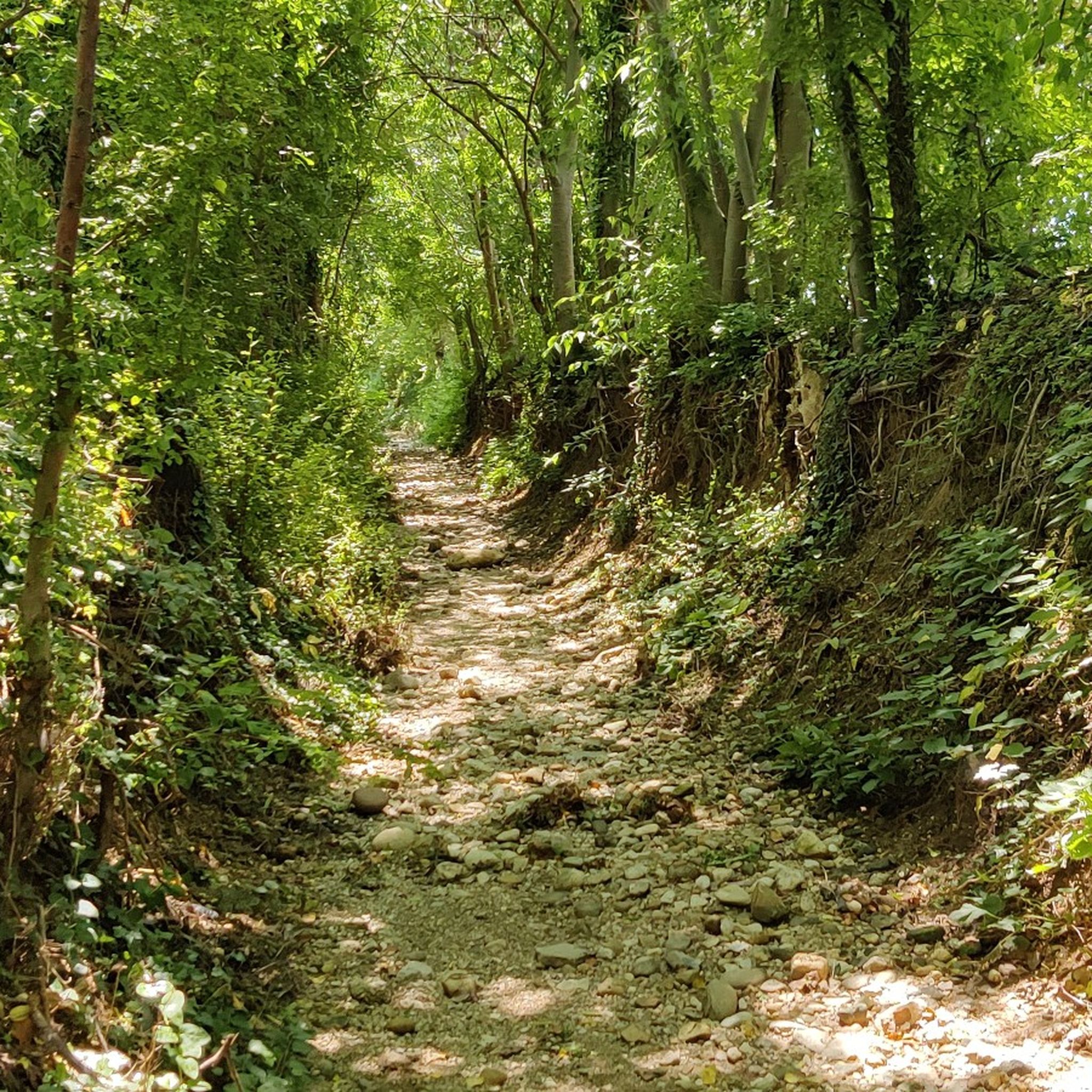
Karst gorge from which, in rainy periods, water flows. It can be reached by MTB except for the last 100m.
0
0

The Trenchers of Monte Campolongo - not to be confused with the mountain of the same name and its fort exactly on the opposite western side of the Asiago Plateau - are a long and deep Italian trench from the First World War, dug on a promontory which dominates the final stretch of the Val Brenta. It had no active role during the Great War, but served as an extreme bulwark to prevent a possible invasion of the Austro-Hungarian army from Valsugana. Cleaned and recovered, it features walkways, outposts, tunnels and shelters in a dense and silent forest: today the vegetation largely covers the view, especially in summer, but at the time the view of the valley was clean. You can follow the winding of the trench from inside or from above, along a path complete with little bridges... or a little and a little!
2
0

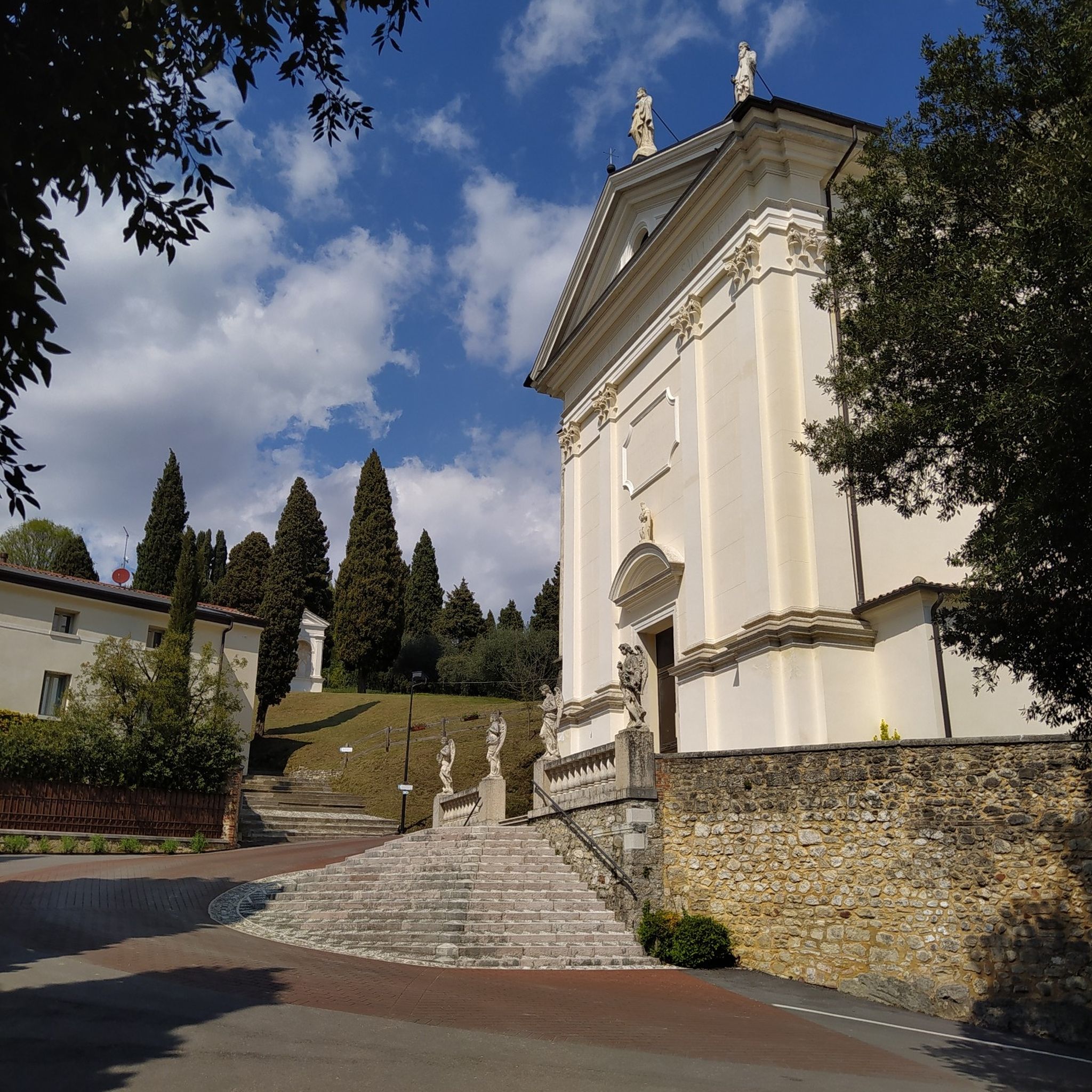
The alpinists have created a small historical circular route here with lots of information
0
0

Impressive as the sound rumbles in the caves, I can hardly believe that the few surviving boys came home completely unnerved, try it. Beware of the few bats, if you see them try not to disturb them
1
0

Panoramic point with the monument dedicated to the stonemason (680 m). In this area since the sixteenth century there were quarries from which precious marble was extracted. The nearby forest road allows you to quickly reach a large disused quarry which today has become a climbing wall. Also nearby is the “house of the stonemasons” and a picnic area.
0
1

It can be reached from both sides of the hill, following rather challenging climbs, but it is worth it. The area overflows with history.
3
0
Frequently Asked Questions
What types of caves can I explore around Mussolente?
The caves around Mussolente primarily offer a blend of historical and geological interest. You'll find World War I trenches and tunnels, former quarry caves where marble was extracted, and some natural karst formations. The region is rich in historical war sites adapted into cave-like structures.
Are there significant natural cave systems near Mussolente?
While Mussolente itself is not known for extensive natural cave systems, the wider Veneto region features notable karst phenomena. The Bus de Refos Cave is a local example of a karst gorge. For a more significant natural cave experience, the Oliero Caves, located near Valbrenta, are a classic example of karst formations with multiple caverns and underground rivers.
What historical caves can I visit around Mussolente?
Mussolente is particularly rich in historical war caves. You can explore sites like the Campolongo Trenches (WW1), which feature a long and deep Italian trench with walkways, outposts, tunnels, and shelters. Another significant historical site is the War Caves, offering impressive historical insights, though they can involve challenging climbs.
Are there any caves around Mussolente that were used for quarrying?
Yes, the Priare Caves and Panoramic Viewpoint on the Sentiero delle Gallerie are a notable example. This area features quarries where precious marble was extracted since the sixteenth century, alongside a panoramic viewpoint.
What is the difficulty level for exploring caves in the Mussolente area?
The difficulty varies. Some historical sites like the Campolongo Trenches (WW1) can be explored via paths and walkways. However, sites like the War Caves are described as requiring rather challenging climbs. The Bus de Refos Cave is generally accessible by MTB except for the last 100m, indicating some intermediate sections.
Are there family-friendly cave exploration options near Mussolente?
For families, historical sites like the Campolongo Trenches (WW1) offer an engaging experience with walkways and tunnels, providing an educational insight into history. The Alpinisti Historical Mini Tour is another historical circular route that includes a cave and provides information, suitable for a family walk.
What outdoor activities can I combine with a visit to the caves around Mussolente?
The area around Mussolente is excellent for various outdoor activities. You can find numerous hiking trails, including easy loops like the 'San Pierin Chapel loop from Mussolente' or moderate ones like 'Le Volpere Trail'. There are also extensive MTB trails and road cycling routes, with some even passing near cave sites, such as the 'Pleasant gravel road – War Caves loop from Mussolente'.
What geological features are present in the caves around Mussolente?
The region exhibits karst phenomena, where water has dissolved soluble rocks like limestone. The Bus de Refos Cave is a karst gorge where water flows during rainy periods. Additionally, the Priare Caves are notable for their history as marble quarries, showcasing human interaction with geological formations.
Do I need permits or guides to visit the caves near Mussolente?
For the historical and quarry sites around Mussolente, general access is often available via trails. However, for more significant natural cave systems in the broader Veneto region, such as the Oliero Caves, entry typically requires a ticket and is only allowed with a guide to ensure safety and provide information.
What do visitors enjoy most about the caves and historical sites in Mussolente?
Visitors appreciate the unique blend of history and nature. The Campolongo Trenches (WW1) are valued for their well-preserved structures and the immersive experience of walking through history. The War Caves are noted for their impressive atmosphere and historical significance, despite challenging access. The panoramic views from sites like the Priare Caves and Panoramic Viewpoint are also highly regarded.
Are there any hidden gems or less-known caves to explore?
While the main highlights are well-documented, the Alpinisti Historical Mini Tour offers a less-trafficked historical circular route that includes a cave, providing a quiet and informative experience created by local alpinists. The Bus de Refos Cave, a karst gorge, is another natural spot that might offer a more secluded experience, especially outside of peak seasons.
Most popular routes around Mussolente
Most popular attractions around Mussolente

Get inspired with the komoot mobile app


Explore more
Extend your search for the best caves by checking out these guides of the top ones around Mussolente:
