Top 3 Castles around Arquà Polesine
Best castles around Arquà Polesine offer a glimpse into the rich history of the Polesine region. Arquà Polesine is home to the Castello di Arquà Polesine, also known as the Este Castle, which stands as the most well-preserved medieval structure in the area. This historical site features distinct architectural elements, including a 12th-century crenellated tower and 17th-century arches. The castle, now serving as the municipal seat, provides insights into local heritage and the extensive history of the region.
Best castles…
Last updated: May 18, 2026
Torre Morosini
Highlight • Monument
Ally of '45
Translated by Google •
Tip by

Delizia di Fossadalbero
Highlight • Castle
According to tradition, …
Translated by Google •
Tip by

Sign up now to discover places like this
Get recommendations on the best single tracks, peaks, & plenty of other exciting outdoor places.
Sign up for free
Rovigo Castle Towers
Highlight • Castle
Translated by Google •
Tip by

Estense Castle of Arquà Polesine
Highlight • Castle
Translated by Google •
Tip by

Torre Donà and Torre Grimani of Rovigo
Highlight • Historical Site
Translated by Google •
Tip by

Start today with a free account
Your next adventure awaits.
Login or Signup
Tips from the Community


The Morosini Tower is all that remains of Villa Morosini, destroyed during a bombing raid on April 20, 1945. It remained inhabited until 1983 and was then restored by the municipal administration. Built of masonry with a square base, the tower is 22 meters tall and has a 53 cm slope. It comprises three floors above ground, connected by a spiral staircase with 128 marble steps; the summit features elegant terracotta battlements and decorative ashlar work on the sides and windows. The tower's connections with the lost older buildings are still visible.
0
0

I didn't even recognize it when I passed by today, now it's too beautiful 🤣 (Torre Morosini)
0
0

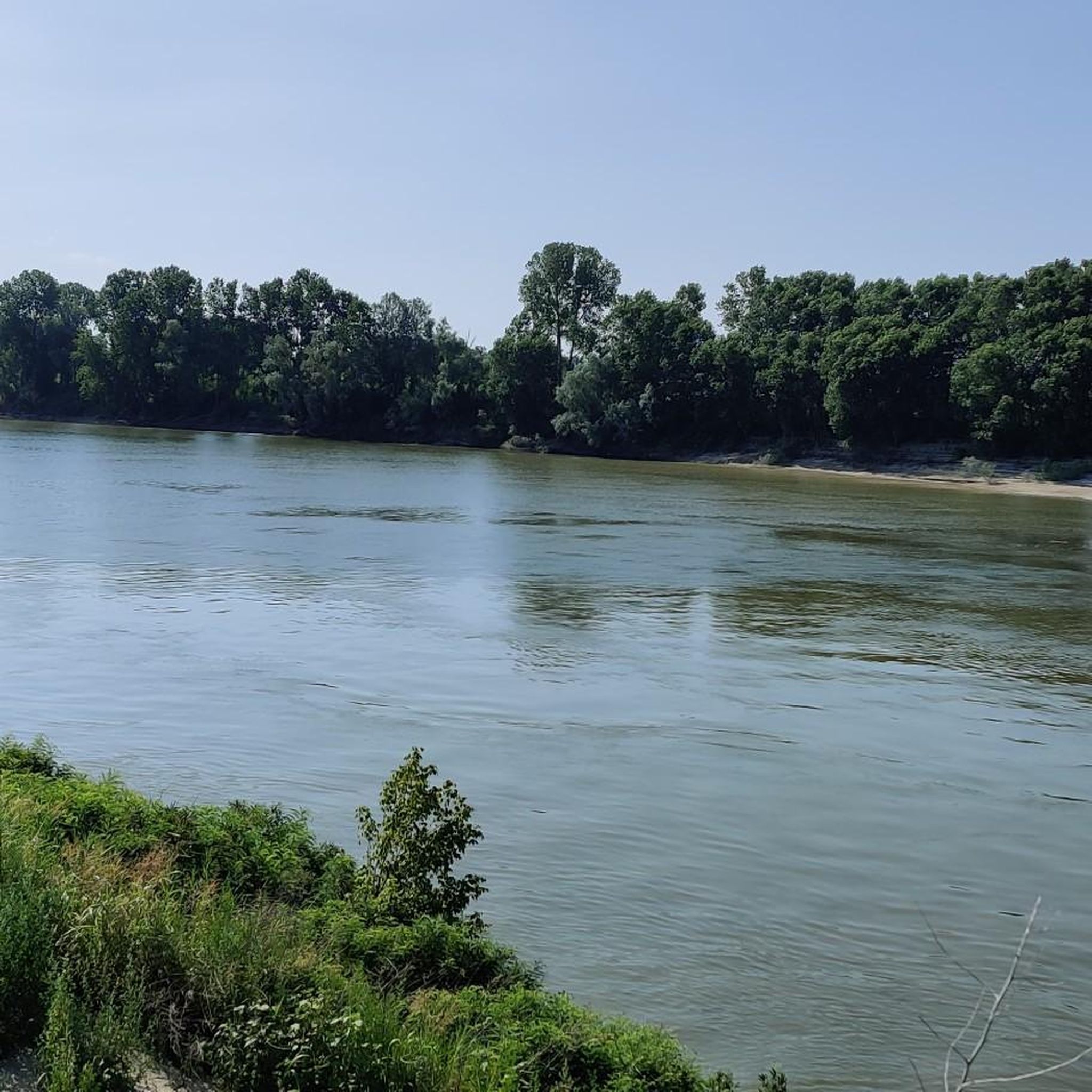
Near the Lusia bridge (RO) on the Adige river, you can see the Morosini crenellated tower, with its 22 meters of height. An internal spiral staircase, composed of 128 steps, allows you to go up three floors, before reaching its top. The tower is what remains of an ancient villa of the same name, half destroyed by the Allied bombings (!) on April 20, 1945. The villa occupied the space of the tower, to the right, where the road is currently. The villa was built by will of the Venetian Morosini family, at the beginning of the 17th century, transforming the medieval castle built by the Este family in the 11th century. The villa remained the property of Countess Loredana Morosini Gatterburg until her death (1884) and in 1889 it became the property of the Oliva family. In 1935 it was purchased by the municipality of Lusia who adapted it to the town hall and elementary schools. After the bombing, the municipality did not consider it appropriate to rebuild it.
0
0

Now it is restored all blue (more or less)
1
0

The two towers of Rovigo, the larger is the Torre Donà, the smaller the Torre Grimani, both heavily listed, are the remains of a castle and still one of the symbols of the city.
3
0
Frequently Asked Questions
What is the most historically significant castle in Arquà Polesine?
The Castello di Arquà Polesine, also known as the Estense Castle, is considered the most well-preserved medieval structure in the entire Polesine region. Built in 1146, it has a rich history, distinct architectural elements like its 12th-century crenellated tower, and houses exquisite secular and allegorical frescoes. You can find more details about it at Estense Castle of Arquà Polesine.
Are there any family-friendly castles to visit near Arquà Polesine?
Yes, several castles and historical sites in the area are suitable for families. The Estense Castle of Arquà Polesine itself is listed as family-friendly. Additionally, the Rovigo Castle Towers and the Torre Donà and Torre Grimani of Rovigo are also noted as family-friendly historical sites, offering green spaces and insights into medieval history.
What unique architectural features can I expect to see at the castles?
The Castello di Arquà Polesine features a prominent 12th-century crenellated tower, standing 26.10 meters tall, with thick masonry walls and barrel-vaulted ceilings. The complex also includes a courtyard with thirteen 17th-century arches. The Delizia di Fossadalbero is a crenellated castle in the Guelph style with ravelins and forepart, boasting 44 large rooms, coffered ceilings, and an internal garden.
What outdoor activities can I do near the castles around Arquà Polesine?
The area around Arquà Polesine offers various outdoor activities. You can explore numerous routes for gravel biking and MTB. For example, there are moderate gravel biking loops like the "Torre Morosini – Former Lusia MTB Trail loop from Rovigo" or the "Adige Cycle Path – Adige Cycle Path loop from Rovigo." For hiking, consider the "Rovigo City Center Loop" or the "Destra Adige Cycle Trail." Find more routes in the Gravel biking around Arquà Polesine, MTB Trails around Arquà Polesine, and Hiking around Arquà Polesine guides.
Can I visit the castles using public transport?
The Castello di Arquà Polesine serves as the municipal seat and houses communal offices, making it integrated into the village. While the village itself is accessible, specific public transport options directly to the castle or other historical sites may vary. It's advisable to check local bus schedules or regional train connections to Arquà Polesine or Rovigo, and then consider local transport or walking to the specific castle locations.
What is the current use of the Castello di Arquà Polesine?
Today, the Castello di Arquà Polesine functions as the municipal seat, housing various communal offices. It also serves as an adaptable space for exhibitions, conferences, and cultural events, seamlessly integrating its historic setting with modern community use. The village library is also located within the castle complex.
Are there any castles that offer good viewpoints?
Yes, the Torre Morosini, which is what remains of Villa Morosini, is noted as a viewpoint. Additionally, the Rovigo Castle Towers are also categorized as offering viewpoints, providing elevated perspectives of the surrounding area and the city of Rovigo.
What do visitors enjoy most about the castles in this region?
Visitors appreciate the rich historical significance and well-preserved medieval architecture, particularly at the Castello di Arquà Polesine. The tranquil village setting and surrounding green areas offer a peaceful environment for exploration. For sites like the Rovigo Castle Towers, visitors enjoy the historical interest surrounded by greenery in the city center, often noting Rovigo as an elegant city with interesting art exhibitions and a museum of great rivers.
Where can I find information about the opening hours for the Castello di Arquà Polesine?
The opening hours for the Castello di Arquà Polesine can be limited, which might complicate spontaneous visits. For the most current information on opening times and any potential booking requirements, it is recommended to check the official website of the municipality or the castle directly. You can find more general information about the castle on Italia.it or Wikipedia.
Are there any castles with unique historical anecdotes?
The Delizia di Fossadalbero has a fascinating history. According to tradition, it was the meeting place of Ugo, son of Marquis Niccolò III, and Parisina, the young wife of the Marquis, whose love ended tragically. It also holds the distinction of being the location of the first tennis court in the province, built in 1900 by Tancredi Trotti Mosti.
What is the significance of the Torre Donà and Torre Grimani in Rovigo?
The Torre Donà and Torre Grimani of Rovigo are significant remains of Rovigo's medieval history. They were once part of a larger fortress built in 920 and today stand as prominent symbols of the city. The larger Torre Donà is accessible only with a guided view, offering a glimpse into the past within a green park setting.
Most popular routes around Arquà Polesine
Most popular attractions around Arquà Polesine

Get inspired with the komoot mobile app


Explore more
Looking for the best castles somewhere else? Discover other guides around Arquà Polesine:
