Top 8 Castles around La Salle
Best castles around La Salle are primarily found in Italy's Aosta Valley, a region nestled at the foot of Mont Blanc. This area is characterized by its alpine setting and rich historical heritage, evident in its numerous medieval fortifications. The castles reflect centuries of strategic importance and cultural development in the valley. Visitors can explore a variety of structures, from ancient ruins to well-preserved residences, offering insight into the region's past.
Best castles around La Salle
- The most popular castles…
Last updated: July 27, 2026
Introd Castle
Highlight • Castle
Translated by Google •
Tip by

Saint-Pierre Church and Castle
Highlight • Castle
11010 Saint-pierre AO
Translated by Google •
Tip by

Sign up now to discover places like this
Get recommendations on the best single tracks, peaks, & plenty of other exciting outdoor places.
Sign up for free
Écours Castle
Highlight • Castle
Translated by Google •
Tip by
Montmayeur Castle
Highlight • Castle
Translated by Google •
Tip by

Châtel-Argent Castle
Highlight • Castle
Translated by Google •
Tip by
Sign up for free to discover even more castles around La Salle.
Sign up for free
Already have an account?
Start today with a free account
Your next adventure awaits.
Login or Signup
Popular around La Salle
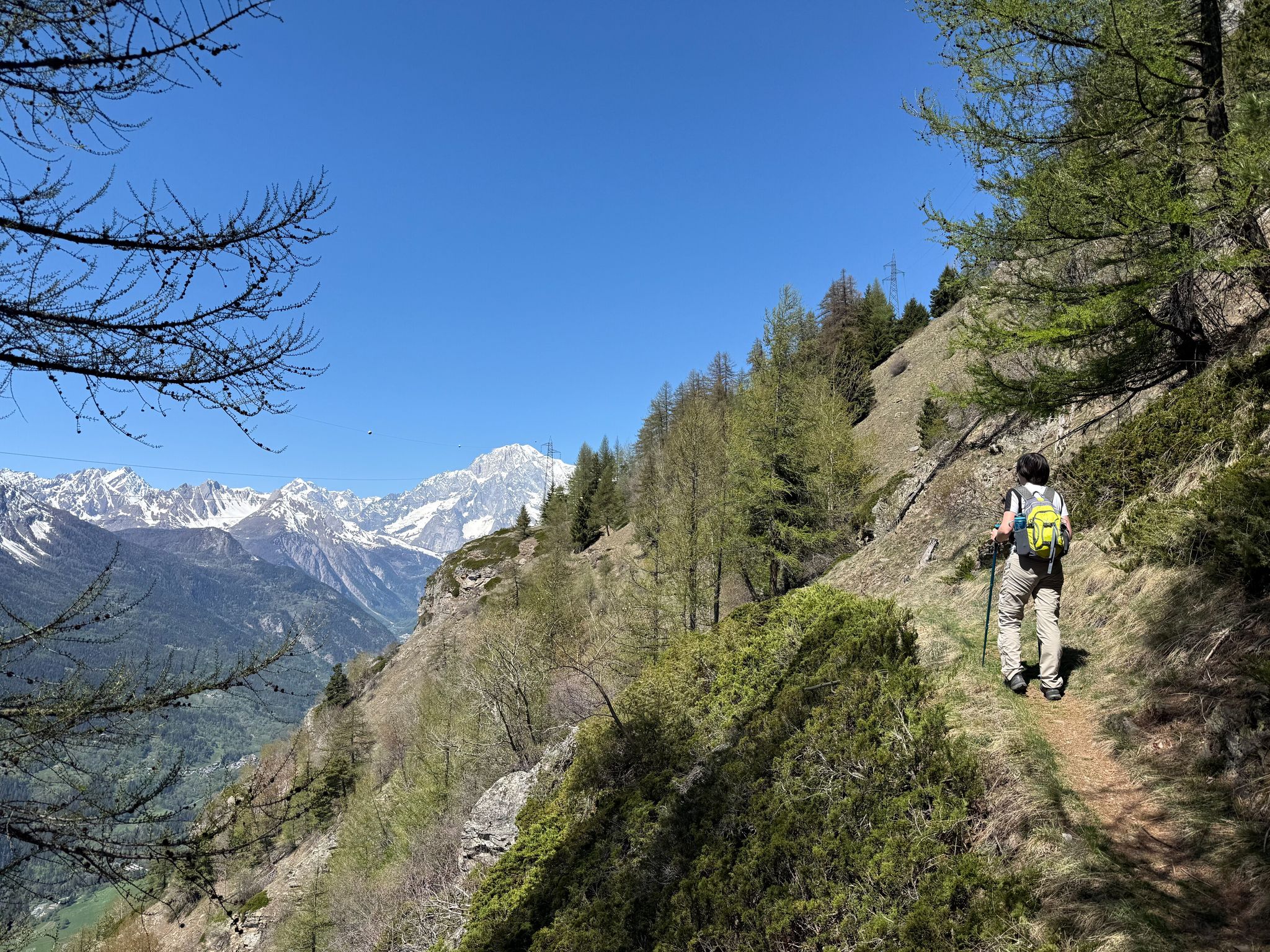
Cammino Balteo – castles, vineyards and trails of the Aosta Valley
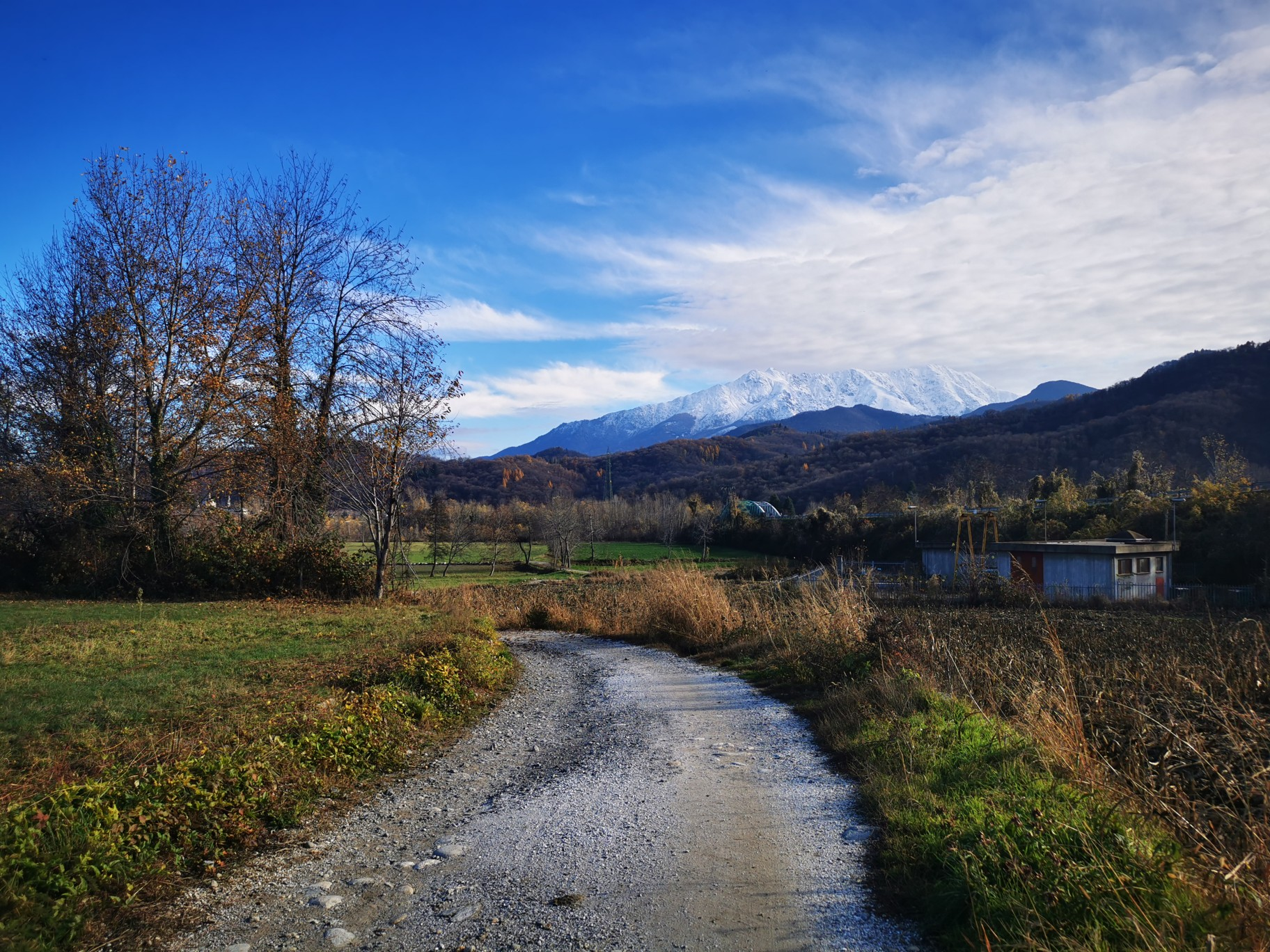
The alpine northwest – mountain gravel between Piedmont and the Aosta Valley
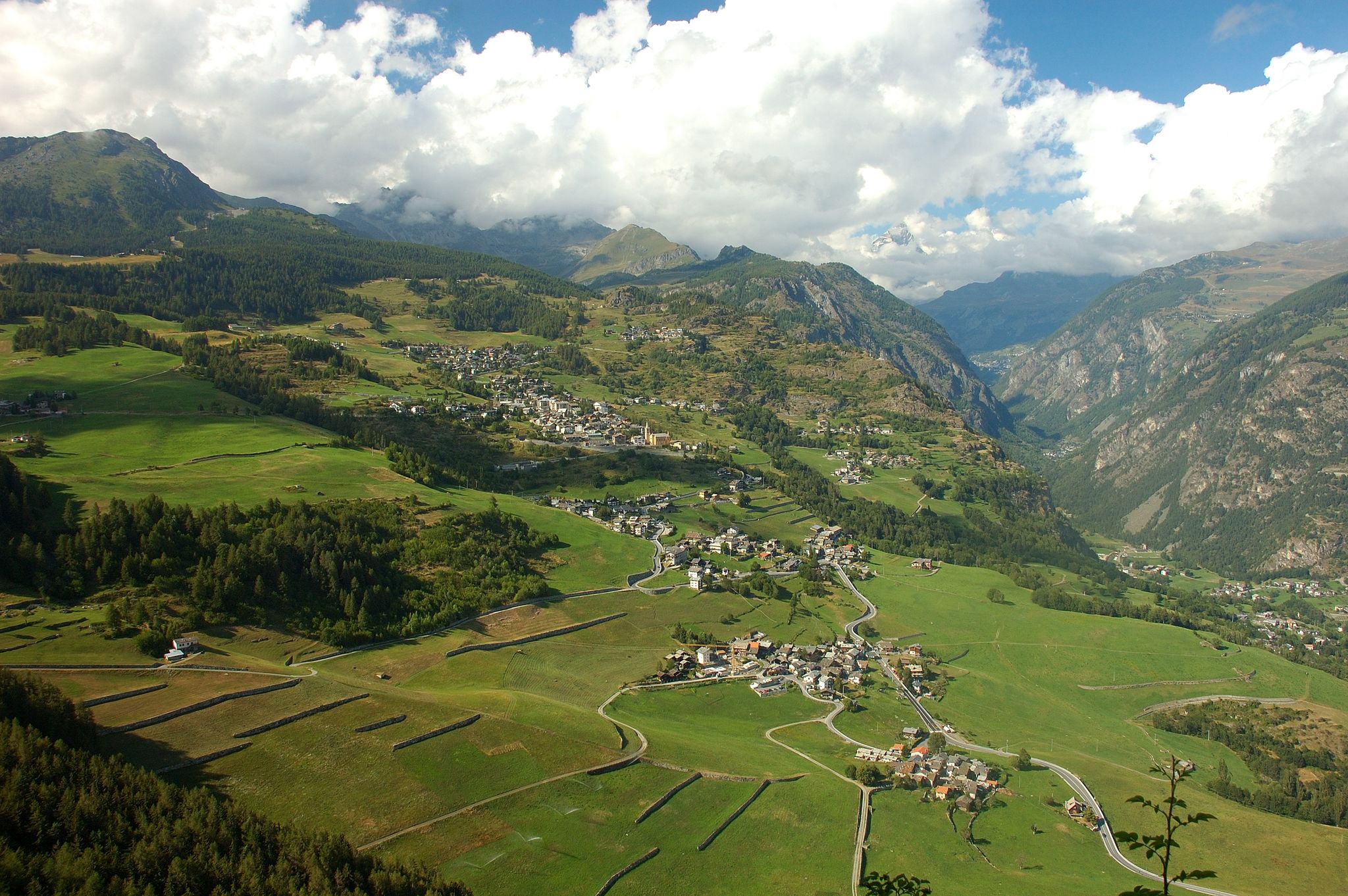
Paths, castles and views of Italy’s Aosta Valley – Cammino Balteo
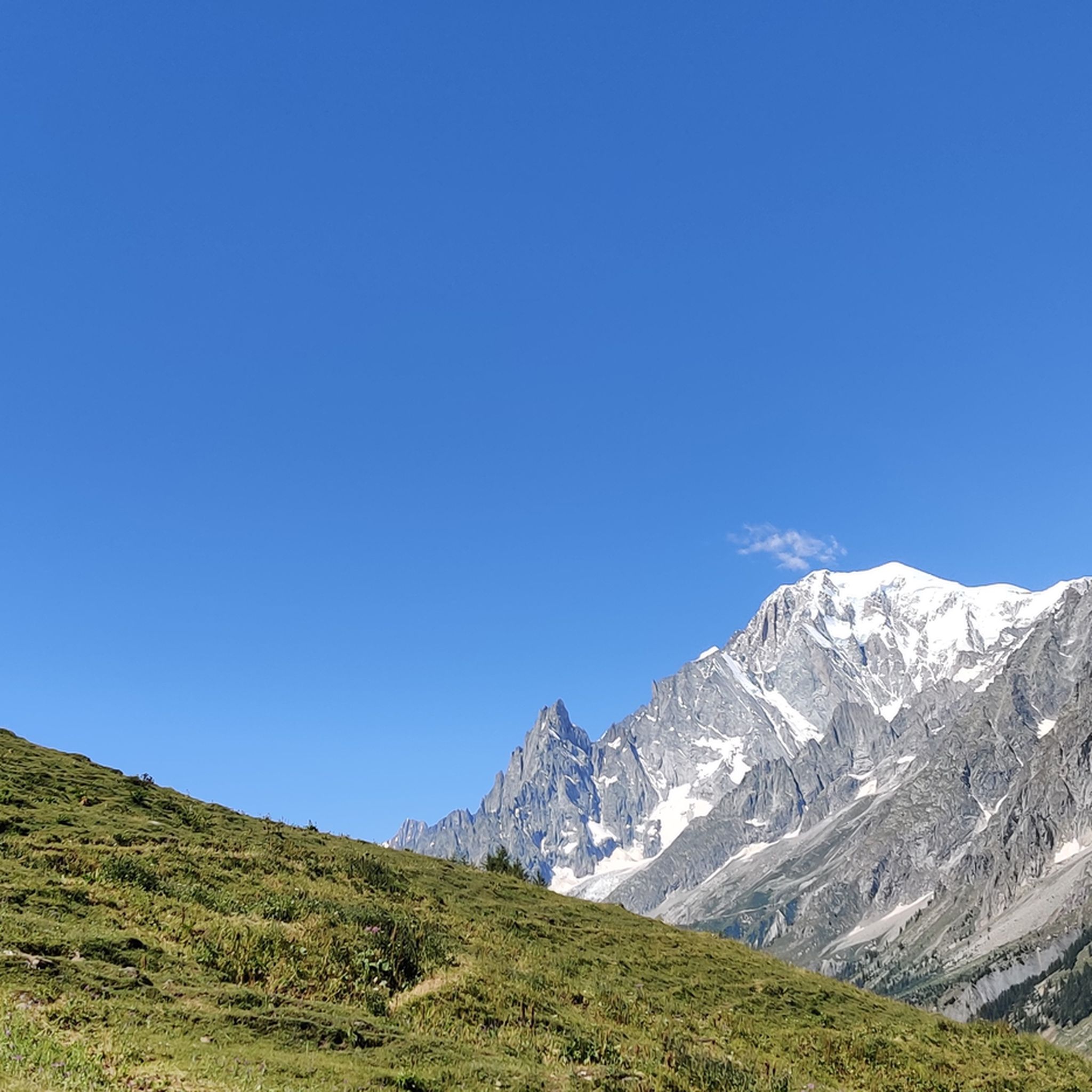
Hiking around La Salle
Road Cycling Routes around La Salle
MTB Trails around La Salle
Cycling around La Salle
Running Trails around La Salle

Gravel biking around La Salle
Mountain Hikes around La Salle
Other adventures around La Salle


Tips from the Community

Very beautiful ruins at height. Caution for those with vertigo not to go to the north side of the tower which overlooks the void! Large fireplace for a picnic available.
0
0

Now the castle is no longer owned by the Caracciolo family but has been purchased by the Autonomous Region of Aosta valley.
0
0

The origin of Introd Castle dates back to the 12th century. It was built with a simple structure with a square central keep surrounded by an enclosure. Pierre Sarriod d'Introd enlarged it in 1260, followed by subsequent modifications in the 15th century that completed the castle. Two fires, the first in the second half of the 19th century and the second in the early 20th century, necessitated restoration work. In the latter case, they were completed by architect Jean Chevalley and commissioned by the then owner, knight Gonnella. Opposite the castle is a Renaissance-style attic. It is entirely made of wood and has two magnificent wrought-iron gates. Nearby is the stable called Ôla. Today, Introd Castle is owned by the counts Caracciolo of Brienza and is managed by the Grand-Paradis Foundation 1. The living room is decorated with frescoes. Near the ceiling are scenes depicting a different tree each, above which is trompe l'oeil wallpaper.
0
0

Located in the hamlet of Écours in the municipality of La Salle
0
0

Recent studies have shown that the castle was built in its current appearance around 1275, although the toponym Castrum Argenteum appears as early as 1176. The castle is accessible on foot, in a quarter of an hour, from the small road that starts from the bridge over the Dora Baltea in the town center of Villeneuve.
0
0
Positioned north of the capital, along the road that leads to the hilly villages, the massive square tower of Ecours castle is the only remnant of the 13th century construction, together with a short stretch of the ancient surrounding wall. The building, which once belonged to the Lescours (De Curiis) family, among the most eminent of the Valdigne in the Middle Ages, was half enfeoffed to the nobles of Chatelard already in 1430. In 1551, the castle passed into the hands of the Bozel and subsequently, again in the 16th century, it became co-lordship of the Gal and the Malliet. In the following century, the fiefdom was reunited by the Passerins, who were still its owners in 1730.
0
0
The castle of Introd stands on a promontory protected by the rugged gorges of the Savara torrent and the Dora di Rhêmes (the name of Introd, in fact, derives from "entre-eaux", or "between the waters") and probably dates back to the 12th century; like Graines Castle, it originally probably consisted of a square keep surrounded by a wall. After numerous fires and subsequent restoration, today it is open to visits and special events.
1
0

Small castle with frescoed chapel
0
1
Frequently Asked Questions
What are the most popular castles to visit around La Salle?
The castles around La Salle, primarily in Italy's Aosta Valley, are appreciated by the komoot community. Popular choices include Montmayeur Castle, known for its cylindrical tower and historical ruins, and Introd Castle, a 12th-century fortress open for visits and special events.
Are there any family-friendly castles in the La Salle area?
Yes, Introd Castle is categorized as family-friendly. Its historical significance and open-for-visit status make it suitable for families to explore.
What kind of historical significance do the castles around La Salle hold?
The castles in the Aosta Valley, including those near La Salle, reflect centuries of strategic importance and cultural development. They range from ancient ruins like Écours Castle, a remnant of a 13th-century construction, to renovated residences such as Castello di Sarre, which served as a residence for the Savoy family.
Can I visit the interiors of these castles, or are they mostly ruins?
It varies by castle. Introd Castle is open for visits and special events, offering a glimpse into its historical past. Castello di Sarre also allows visitors to admire its original furniture and art. However, others like Montmayeur Castle and Castello di Châtelard are mostly in ruins, with visitors appreciating their exteriors and historical remnants.
What outdoor activities can I do near the castles around La Salle?
The region offers various outdoor activities. You can find options for hiking, cycling, and gravel biking. For example, there's a 'Châtelard Castle – Pré-Saint-Didier loop' for gravel biking, and numerous hiking trails like 'Trail 21 to Liconi Lake'.
Are there any castles that offer scenic viewpoints?
Yes, Châtel-Argent Castle is listed as a viewpoint. Its strategic location, built around 1275, likely offers picturesque views of the surrounding Aosta Valley.
What is Castello di Châtelard, and can I visit it?
Castello di Châtelard is one of the oldest castles in the Aosta Valley, first documented in 1248. It is privately owned and mostly in ruins, but visitors can appreciate its exterior and historical significance in its alpine setting. While not directly listed as a highlight, a nearby gravel biking route includes a 'Châtelard Castle – Pré-Saint-Didier loop'.
Are there any castles near La Salle that are easily accessible?
Châtel-Argent Castle is accessible on foot, about a quarter of an hour from the bridge over the Dora Baltea in Villeneuve. For other castles, accessibility may vary, but many are located within or near villages.
What is unique about Castello di Sarre?
Castello di Sarre, built around the mid-13th century, is notable for serving as a residence for the Savoy family until their exile. Its current architecture features a massive longitudinal body with a tall, rectangular, crenelated tower, and visitors can explore its interior with original furnishings.
What kind of architectural styles can be seen in the castles around La Salle?
The castles showcase various medieval architectural styles. For instance, Castello di Châtelard originally featured a circular tower reminiscent of fortified constructions from the Count of Savoy era. Castello di Sarre exhibits a massive longitudinal body with a crenelated tower, while Écours Castle features a massive square tower, typical of 13th-century fortifications.
Are there any religious historical sites combined with castles in the area?
Yes, Saint-Pierre Church and Castle is a notable site that combines historical, cultural, and architectural interest, serving as both a place of worship and a historical castle.
How long should I plan for a visit to the castles around La Salle?
The duration of your visit will depend on the castle. For ruins like Montmayeur Castle or Écours Castle, you might spend less time exploring the exteriors. For castles with accessible interiors and exhibitions, such as Introd Castle or Castello di Sarre, you could easily spend a few hours.
Most popular routes around La Salle
Most popular attractions around La Salle

Get inspired with the komoot mobile app


Explore more
Looking for the best castles somewhere else? Discover other guides around La Salle:
