Top 5 Castles around Putumajore/Pozzomaggiore
Castles around Putumajore/Pozzomaggiore offer a unique historical experience, focusing on ancient megalithic structures known as Nuraghe rather than traditional medieval castles. This area in Sardinia is characterized by its distinctive Bronze Age edifices, which served various purposes including defensive and residential functions. The landscape features rugged terrain and strategic plateaus, providing insights into the architectural ingenuity and societal organization of the Nuragic civilization. Pozzomaggiore tourism highlights these archaeological sites as key attractions.
Best castles around Putumajore/Pozzomaggiore
- The most popular castles…
Last updated: May 18, 2026
Bosa Old Town
Highlight • Settlement
Translated by Google •
Tip by

Malaspina Castle, Bosa
Highlight • Castle
Translated by Google •
Tip by

Sign up now to discover places like this
Get recommendations on the best single tracks, peaks, & plenty of other exciting outdoor places.
Sign up for free
Stairs to Castello Malaspina
Highlight • Trail
Translated by Google •
Tip by

View of the Ponte Vecchio and Castello Malaspina in Bosa
Highlight • Viewpoint
Translated by Google •
Tip by

Rocca Doria
Highlight • Settlement
Tip by

Start today with a free account
Your next adventure awaits.
Login or Signup
Tips from the Community

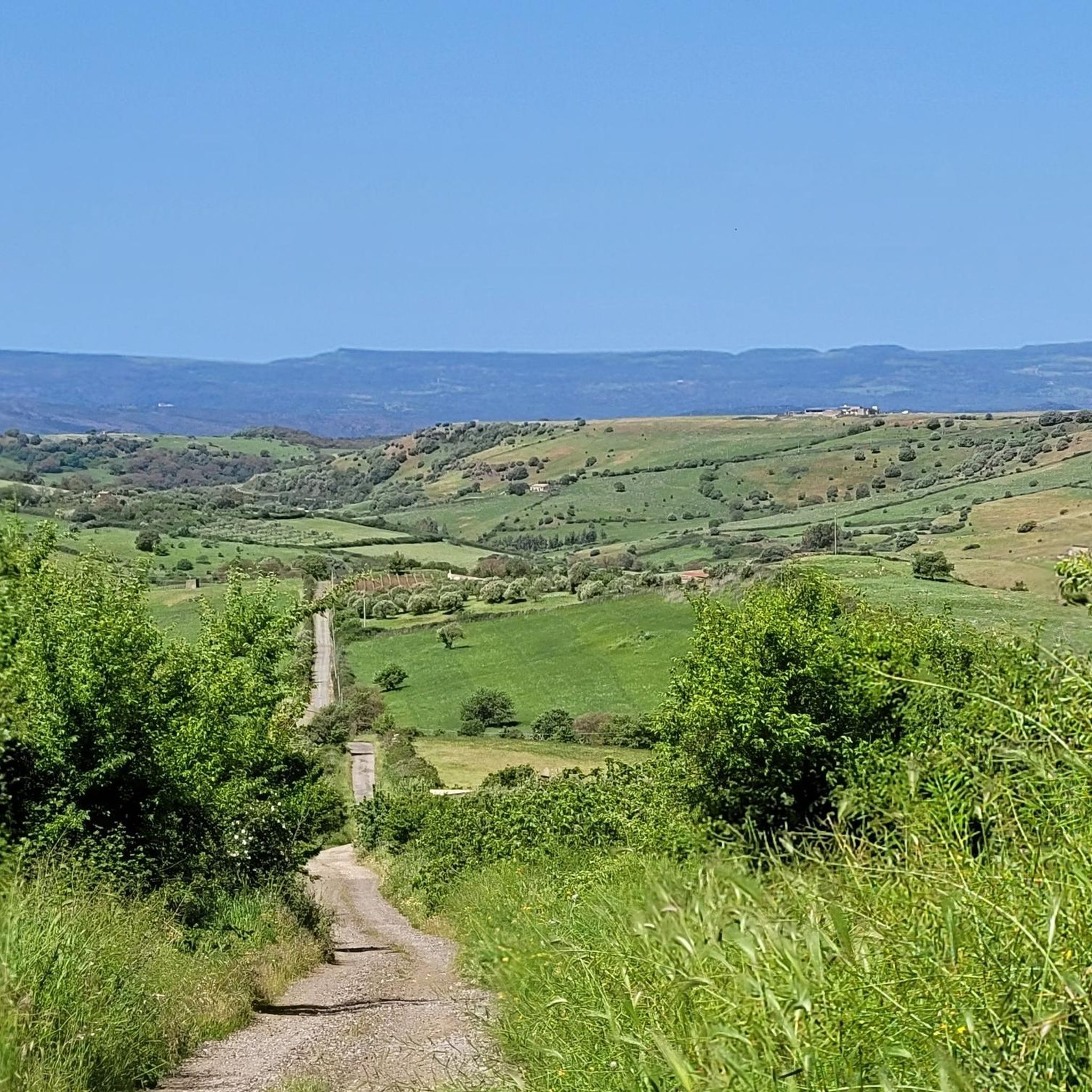
It is the second smallest town in Sardinia, with less than 100 souls to its name, located at the top of a plateau which can be reached by climbing a steep serpentine. The views of the surrounding valleys are beautiful.
1
0

Steep stairs and tiring in warm temperatures but definitely worth it :-)
1
0


As you climb the old, winding path through the colorful town of Bosa, you already feel that something special awaits you. Between the colorful house facades and the winding streets, the imposing Castello Malaspina, which towers high above the city, inevitably attracts your attention. Every step you take on this historic climb is not only a movement upward, but also a journey through time. When you finally reach the remains of this mighty fortification, a panorama that is second to none opens up before you. From here you can see the entire city, see the Temo River winding through the valley like a silver ribbon, and if the weather is good you can even see the sparkling blue of the sea. This castle, built in 1112 by the Tuscan noble family Malaspina dello Spino Secco, hides not only its architectural beauty but also mysterious legends. The stories about the jealous Marchese, who cut off his wife's fingers out of anger and madness, cast the walls of the castello in an even more intense light. Legend has it that some of the castle's rocks are the fossilized fingers or stone witnesses to this gruesome incident. But it's not just the old walls and legends that make this castle special - inside there's a small church with impressive frescoes that tell the stories of bygone times. And as you walk through these historic halls, you will be accompanied by the feeling that time has stood still here, high above Bosa.
3
0

Actually almost everything here is a photo point
3
1
Remains of a fortification above the city. The climb is worth it because of the view.
3
0

Walking up the many steps will be rewarded with a magnificent view over Bosa
3
0
Frequently Asked Questions
What types of historical structures can I explore in the Putumajore/Pozzomaggiore area?
The region is primarily known for its ancient megalithic structures called Nuraghe, dating back to the Bronze Age. These unique edifices served various purposes like defense, residence, and religion. You can also find traditional castles, such as Malaspina Castle in Bosa, which offers a great view of the city.
Which Nuraghe are particularly notable in Pozzomaggiore?
Several Nuraghe stand out for their unique features. Nuraghe Alvu is known for its distinctive two-toned construction of dark basalt and white limestone. Nuraghe Ala, a single-tower structure, features well-preserved internal elements like cross-shaped niches and a hidden staircase. Nuraghe Ruggiu is a significant example of a complex quadrilobate Nuraghe, while Nuraghe Cae is a complex structure with remnants of an associated village and evidence of Roman reoccupation.
Are there any traditional castles to visit near Putumajore/Pozzomaggiore?
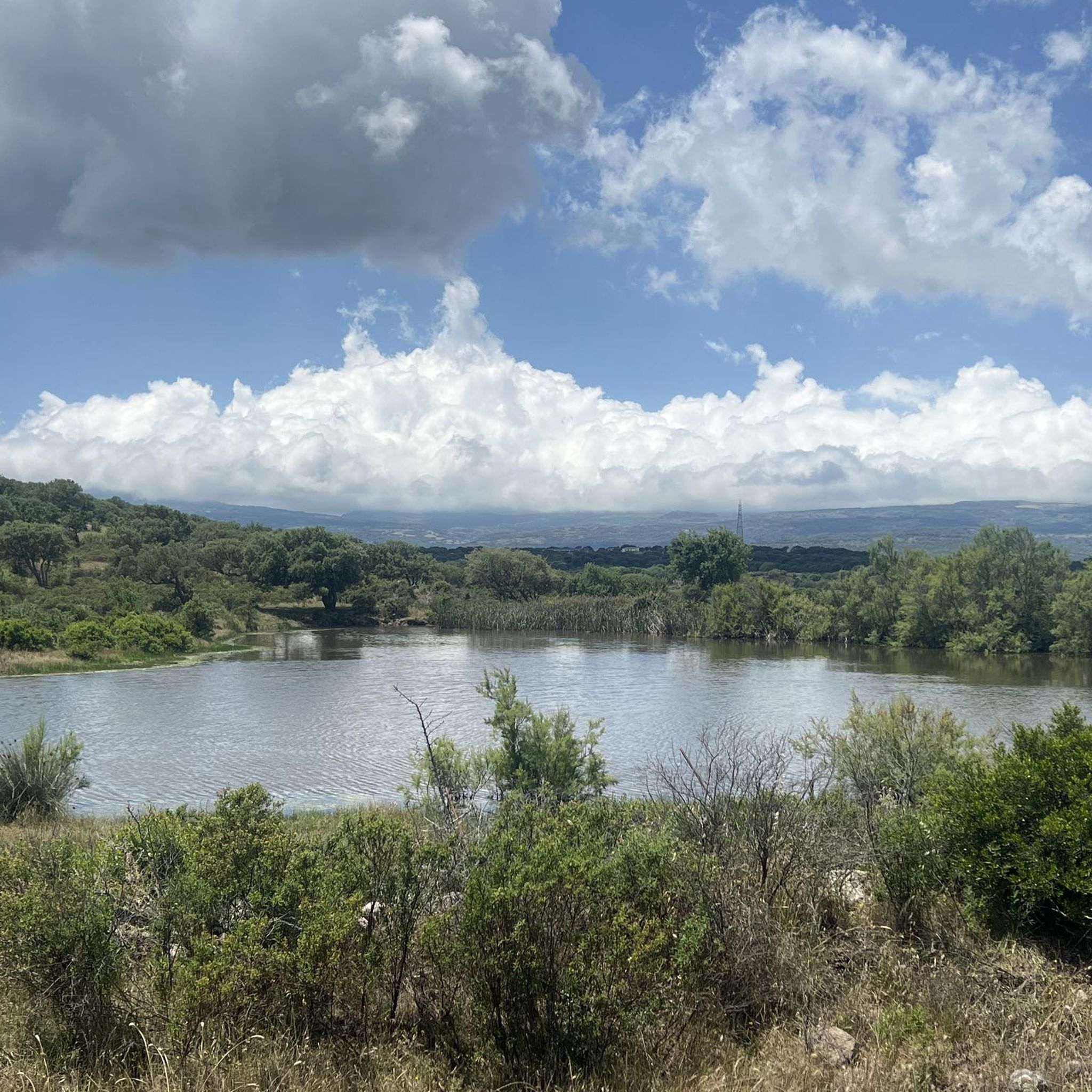
Yes, while the area is rich in Nuraghe, you can visit Malaspina Castle in Bosa. This castle offers impressive frescoes in its church and provides a fantastic panoramic view over Bosa and the Temo River to the sea. Another historical site is Rocca Doria, a small village with an old castle ruin offering nice views of the lake.
What are the entrance fees for Malaspina Castle in Bosa?
The entrance fee for Malaspina Castle in Bosa is 4 €.
What kind of views can I expect from the castles and Nuraghe?
Many of these historical sites offer stunning panoramic views. From Malaspina Castle in Bosa, you get a great view over Bosa and the Temo River to the sea. Bosa Old Town, with its castle, also provides a fantastic panoramic vista. Nuraghe like Nuraghe Ala, perched on Monte Rughe, offer a sense of strategic placement and views of the surrounding landscape.
Are there family-friendly attractions among the castles and historical sites?
Yes, several spots are considered family-friendly. Bosa Old Town, with its colorful houses and festivals, is a charming place for families to explore. The View of the Ponte Vecchio and Castello Malaspina in Bosa is also a great spot for families to enjoy the scenery and atmosphere.
What outdoor activities can I do near these historical sites?
The region offers various outdoor activities. You can find numerous routes for mountain biking, running, and hiking. For example, there are moderate mountain bike loops like the 'Mountainbike loop from Monteleone/Monteleone Rocca Doria' and running trails such as the 'Bosa Old Town – Bosa's Ponte Vecchio loop from Bosa'. Hiking options include the 'Archaeological Area of Tamuli' and coastal walks. You can find more details on these activities in the hiking guide, MTB guide, and running guide for Putumajore/Pozzomaggiore.
What do visitors enjoy most about the castles and Nuraghe in this region?
Visitors frequently praise the stunning views, the historical significance of the sites, and the unique architecture. The colorful charm of Bosa Old Town and the impressive frescoes in the chapel of Malaspina Castle are often highlighted. The ascent to Castello Malaspina, though strenuous, is considered well worth it for the panoramic rewards.
Are there any hidden gems or less-known historical sites worth visiting?
While not a traditional 'hidden gem' in terms of being obscure, the Nuraghe structures themselves, particularly the complex ones like Nuraghe Ruggiu and Nuraghe Cae, offer a profound connection to Sardinia's prehistoric past that might be less familiar to visitors expecting medieval castles. Their unique architectural characteristics and archaeological insights make them highly rewarding to explore.
What is the best time of year to visit the castles and Nuraghe?
The region's climate makes spring and autumn ideal for visiting, as temperatures are milder for exploring outdoor sites and hiking. While visiting in winter is possible, some areas might be less accessible due to weather, and the summer months can be very warm, making strenuous ascents to sites like Stairs to Castello Malaspina more challenging.
Can I find guided tours for the Nuraghe in the Pozzomaggiore area?
While specific guided tour information is not provided, archaeological sites like Nuraghe Alvu have undergone restoration and archaeological excavation, suggesting that local information centers or specialized tour operators in Pozzomaggiore or nearby towns might offer guided visits to these significant prehistoric monuments. It's recommended to check with local tourism offices upon arrival.
Where can I find more information about specific Nuraghe like Nuraghe Alvu or Nuraghe Ruggiu?
For more detailed information on Nuraghe Alvu, you can visit sardegnaversounesco.org. Similarly, for Nuraghe Ruggiu, further details are available at sardegnaversounesco.org. These resources provide insights into their features and historical significance.
Most popular routes around Putumajore/Pozzomaggiore
Most popular attractions around Putumajore/Pozzomaggiore

Get inspired with the komoot mobile app


Explore more
Looking for the best castles somewhere else? Discover other guides around Putumajore/Pozzomaggiore:
