Top 10 Gorges around Pitigliano
Best canyons around Pitigliano are primarily the "Vie Cave," ancient, deep pathways carved into volcanic tuff rock by the Etruscans. These unique geological features are not natural canyons but rather excavated roads, some reaching over 20 meters in height. They form an intricate network connecting Pitigliano with historical Etruscan settlements and necropolises. These passages offer a tangible connection to ancient civilization and remarkable engineering.
Best canyons around Pitigliano
- The most popular canyons is Via Cava di San Giuseppe, a…
Last updated: July 13, 2026
Via Cava di San Giuseppe
Highlight (Segment) • Trail
Translated by Google •
Tip by

Via Cava Madonna delle Grazie
Highlight • Gorge
Translated by Google •
Tip by

Sign up now to discover places like this
Get recommendations on the best single tracks, peaks, & plenty of other exciting outdoor places.
Sign up for free
Sorano
Highlight • Settlement
Translated by Google •
Tip by

Via Cava di San Rocco
Highlight (Segment) • Gorge
Translated by Google •
Tip by
Via Cava di Fratenuti
Highlight (Segment) • Gorge
Translated by Google •
Tip by
Sign up for free to discover even more gorges around Pitigliano.
Sign up for free
Already have an account?
Start today with a free account
Your next adventure awaits.
Login or Signup
Popular around Pitigliano



Tips from the Community

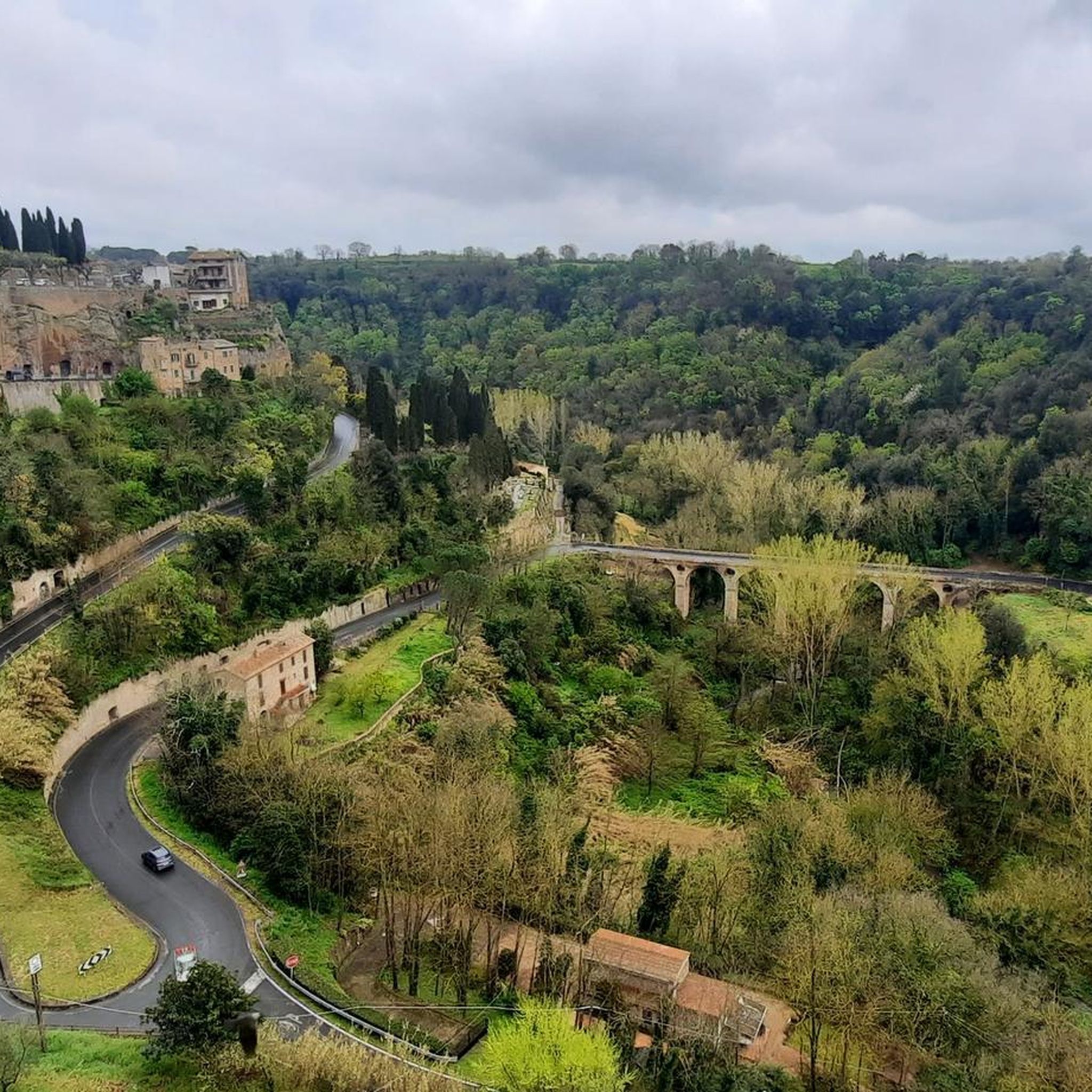
The Via Cava di San Rocco is one of the most impressive Etruscan paths in the area. The trail is entirely dug into the tuff, with vertical walls reaching up to 20 meters high, hosting lush vegetation of ferns and mosses. The route connects the Lente river valley with the plateau above. Along the ascent, you will encounter ancient water channeling systems and stairs carved into the rock. Once you reach the upper end, you arrive at the panoramic area of San Rocco, from which you can enjoy the most iconic view of the settlement of Sorano and the Orsini Fortress. The ground can be damp and slippery due to the cool microclimate of the walls.
0
0

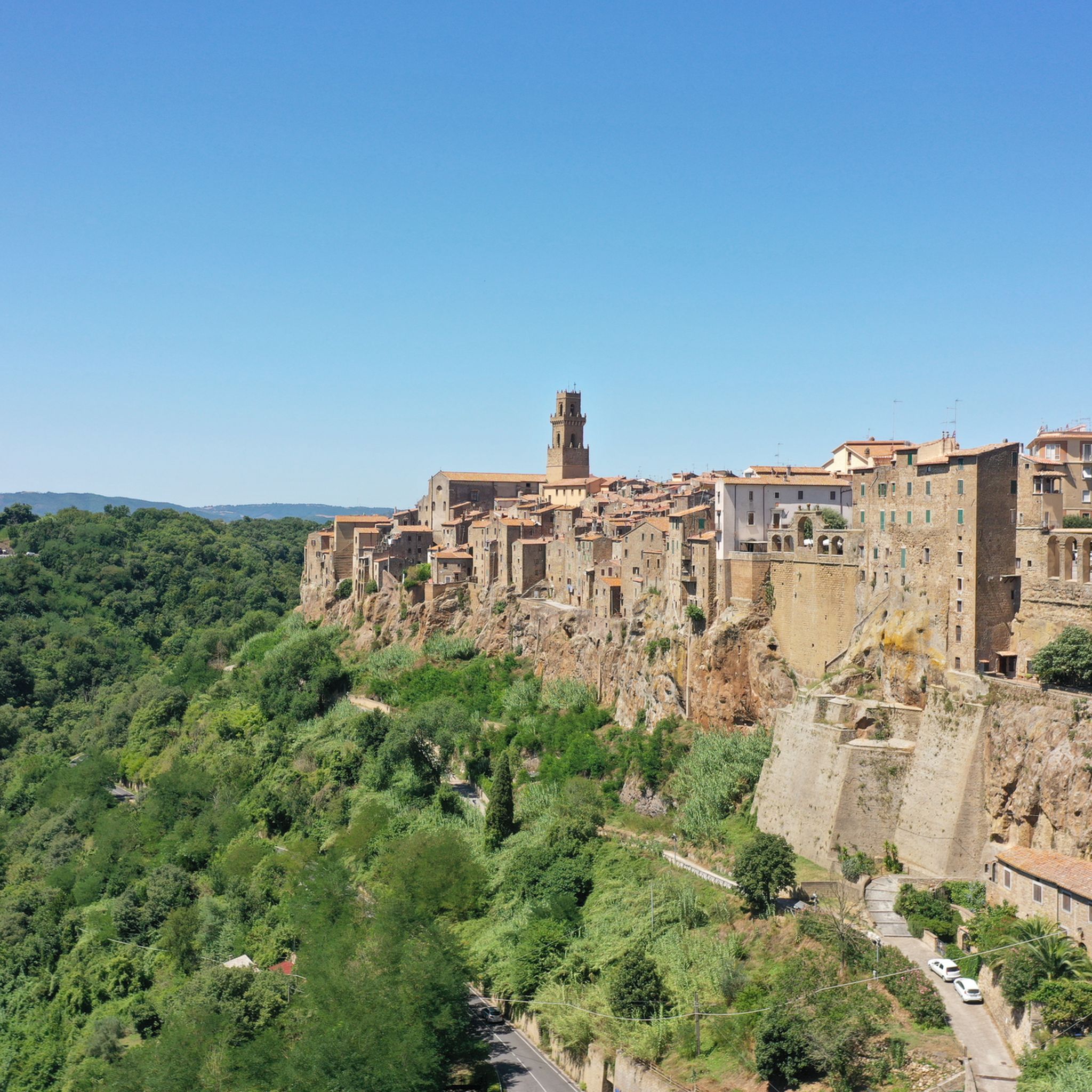
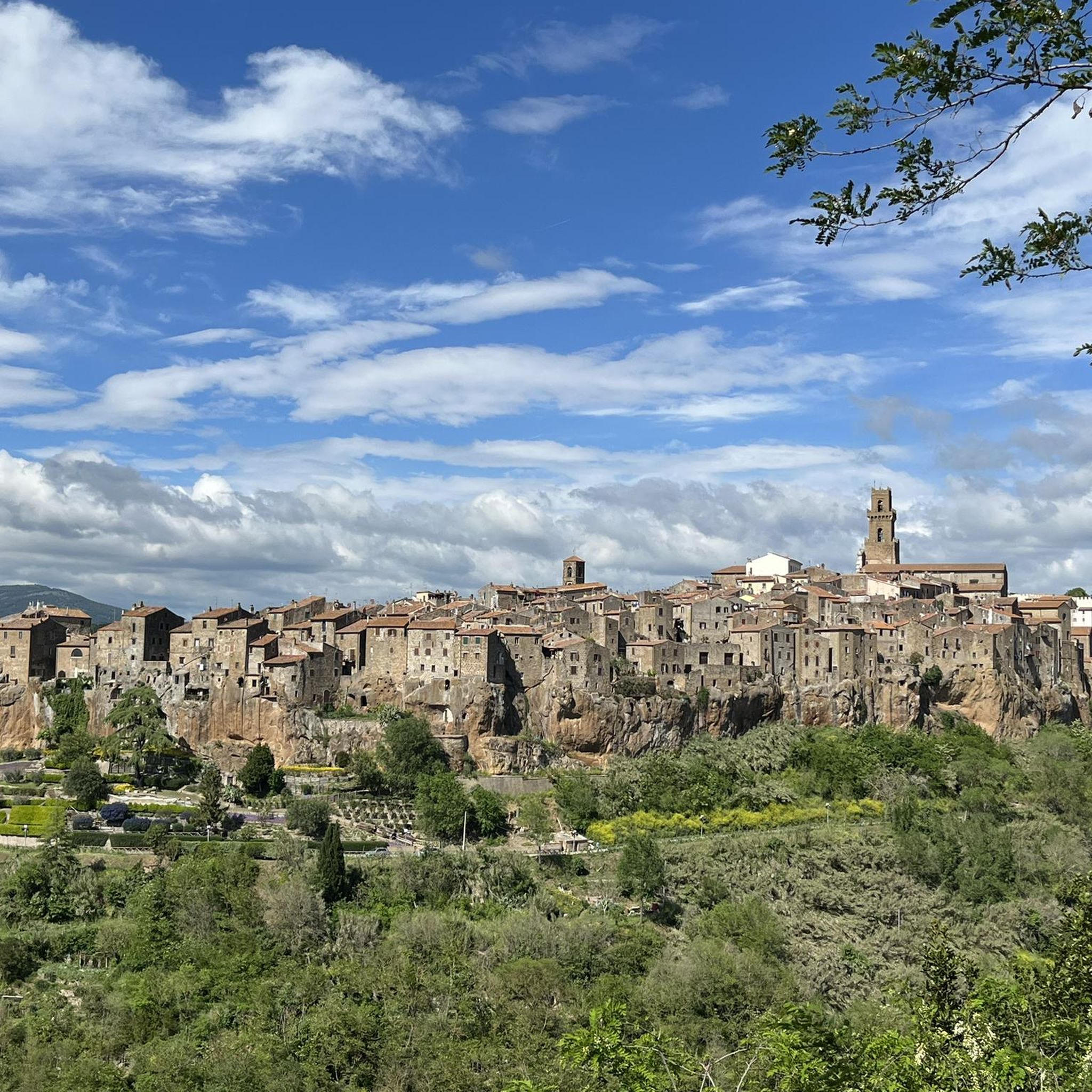
Sorano is a small medieval town built on tuff rocks in the province of Grosseto/Tuscany.
1
0


The Via Cava di Fratenuti is undoubtedly one of the most spectacular excavated Etruscan cave roads, characterized by walls up to twenty meters high adorned with engravings and inscriptions dating back to both the Etruscan and medieval times. Thanks to the particular temperature range of this deep corridor carved into the rock, a special microclimate has developed which favors the growth of a vast variety of ferns, mosses and lichens. It is a place of solitary and primitive beauty, where time seems to have stopped.
1
0
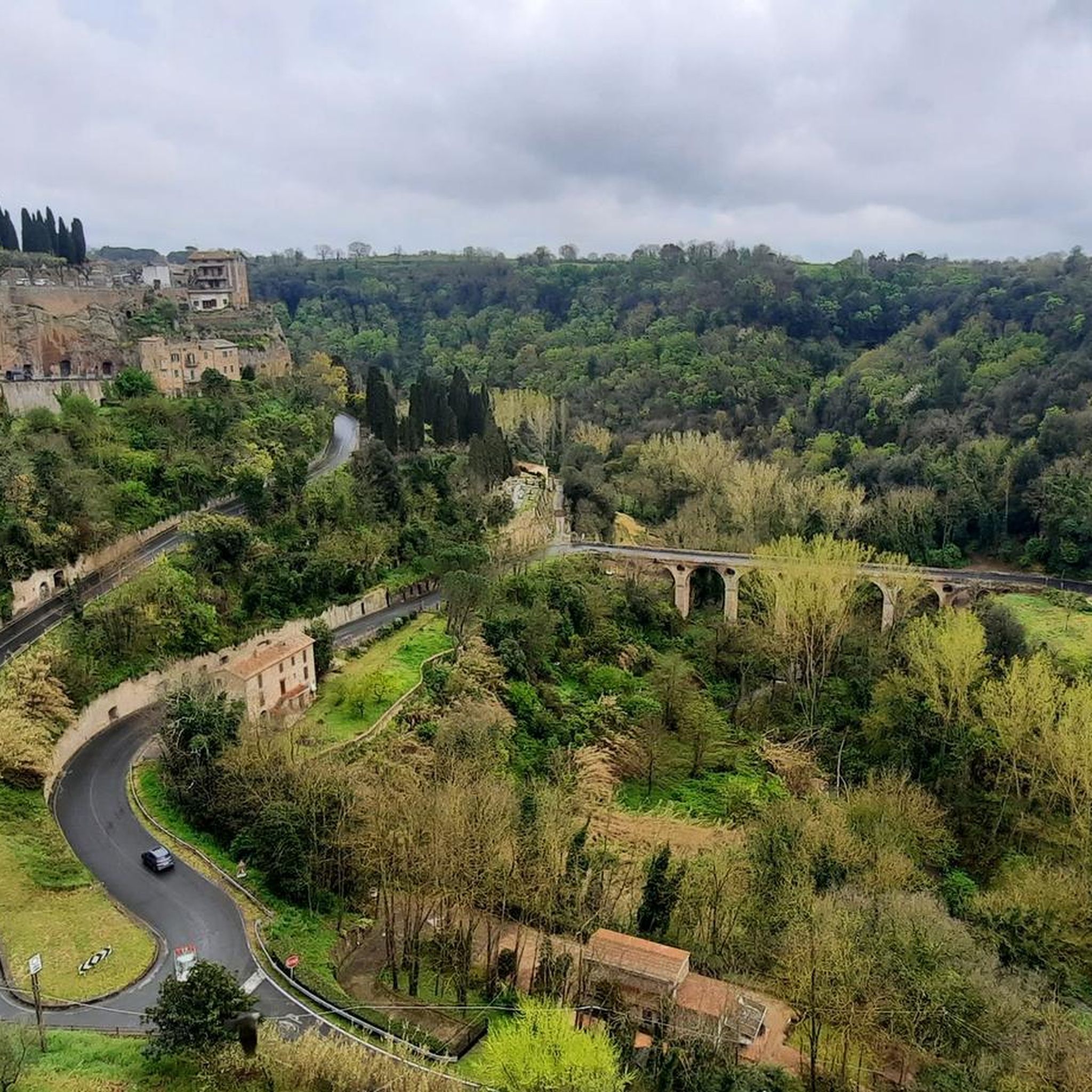
The Vie Cave, sometimes also called Cavoni, form a suggestive road system from the Etruscan era that connects various settlements and necropolises between Pitigliano, Sovana and Sorano. They mainly develop between steep tuff rock walls, some of which exceed twenty meters in height. In Roman times, these streets became part of a road network connected to the main trunk of the Via Clodia, an ancient road that connected Rome to Saturnia, passing through the city of Tuscania and branching off from the Via Cassia in Lazio. The Via Cava di San Giuseppe is one of the most evocative in the area, as well as the longest, leading up to Pitigliano. This street is associated with the traditional torchlight procession of San Giuseppe, which is held on March 19th. The link between ancient pagan rites and the dark atmosphere along the route, which still persists today, dates back to Christian times, when small niches with painted sacred images, known as "devil chasers", were dug to protect travellers.
4
1
The Via Cava di San Rocco goes up the opposite side of Sorano, skirting the remains of the church of San Rocco, a religious building in Romanesque style now reduced to ruins that maintain sections of the original wall structures. Behind these remains extends a vast Etruscan necropolis with tombs dug into the tuff. The Vie Cave, dug by the Etruscans about 3000 years ago in the tuff, are still shrouded in mystery regarding the technique used to sculpt the rock so precisely and vertically. This street represents the most important of the Vie Cave around Sorano, as it guided the Etruscans to their necropolis. Incredibly, for over six centuries, from the Middle Ages until 1940, it was the only road that connected the city of Sorano to Sovana. Every horse, cart and traveler had no choice but to travel this steep, damp road between its high walls.
1
0
Sorano is located in a suggestive mountainous region immersed in the richness of forests. The medieval village clings to a steep tuff rock called Masso Leopoldino, which dominates the valley of the Lente stream. The tower houses, the winding streets, the open spaces, the alleys and tunnels that intertwine in the heart of the rock give the neighborhood a unique charm. The panorama from the terrace on the top of the cliff offers exceptional views of Sorano, the volcanic gorges and the Lente valley. Over the centuries, Sorano has been the scene of disputes, sieges and wars, earning it the curious nickname of "Italy's match".
3
0
Frequently Asked Questions
What are the unique "canyons" around Pitigliano?
The "canyons" around Pitigliano are primarily the Vie Cave, which are ancient, deep, and narrow pathways carved directly into the soft volcanic tuff rock by the Etruscans thousands of years ago. These are not natural canyons but rather excavated roads, some with walls towering up to 25 meters high, creating a unique, almost cathedral-like atmosphere. They form an intricate network connecting Pitigliano with neighboring Etruscan settlements and necropolises.
Which are the most notable Vie Cave to explore near Pitigliano?
Among the most notable Vie Cave are Via Cava di San Giuseppe, known for its ancient inscriptions and being one of the longest. Another significant one is Via Cava Madonna delle Grazie, which offers an impressive historical experience. Additionally, Via Cava di San Rocco is important for its historical connection between Sorano and Sovana and its proximity to an Etruscan necropolis.
What historical and archaeological insights do the Vie Cave offer?
Walking through the Vie Cave is like stepping back in time, offering a tangible connection to the ancient Etruscan civilization and their remarkable engineering. Many paths intersect with Etruscan necropolises and tombs, providing a deeper archaeological context. The purpose of these carved roads is still debated, with theories suggesting they served as communication routes, drainage channels, religious sites, or defensive systems.
What is the best time of year to hike the Vie Cave near Pitigliano?
The best seasons for hiking the Vie Cave are typically spring and autumn. During these times, the weather is milder and more pleasant for exploration. Summer can be very hot, though the deep, shaded passages of the Vie Cave offer some respite from the sun. Winter can bring rain, making paths slippery, but also offers a unique, misty atmosphere.
Are the Vie Cave trails suitable for families and children?
Yes, many of the Vie Cave trails are suitable for families. For example, Via Cava di San Rocco is highlighted as family-friendly, offering a great hike in the footsteps of the Etruscans for young and old explorers. The unique, atmospheric environment and historical elements can be very engaging for children.
What should I wear and bring when exploring the Vie Cave?
It's advisable to wear sturdy hiking boots as paths can be uneven and slippery, especially after rain. The deep passages can be cool and damp, so a light jacket might be useful even on warmer days. Bringing a flashlight is also recommended for darker sections of the Vie Cave to fully appreciate the carved details and ensure safe passage.
Are there any permits or fees required to hike in the Vie Cave?
Generally, there are no specific permits required to hike the public Vie Cave trails around Pitigliano. However, some archaeological parks or specific sites, such as the Sovana City of Tuff Archaeological Park, may have an entrance fee. It's always a good idea to check local information for any specific area you plan to visit.
What outdoor activities can I do near the Vie Cave around Pitigliano?
Beyond exploring the Vie Cave, the region offers various outdoor activities. You can find numerous hiking trails that connect the "tuff towns" of Pitigliano, Sorano, and Sovana. There are also running routes and cycling tours that allow you to discover the beautiful Tuscan Maremma landscape.
Where can I find parking when visiting the Vie Cave?
Parking is generally available in or near the towns like Pitigliano, Sorano, and Sovana, from where many Vie Cave trails begin. Specific parking areas might be designated for trailheads, so it's best to check local signage upon arrival. Some trails, like the Via Cava di San Giuseppe, are directly accessible from Pitigliano.
Can I bring my dog on the Vie Cave trails?
While specific regulations can vary, many outdoor trails in the region, including some Vie Cave, are generally dog-friendly. It's always recommended to keep dogs on a leash and ensure you clean up after them. Check for any specific signage at trailheads regarding pet policies.
What makes the Vie Cave a unique photographic subject?
The Vie Cave offer exceptional photographic opportunities due to their dramatic and atmospheric environment. The towering rock walls, often covered in ferns and moss, create unique textures and light conditions. The deep, narrow passages with sunlight filtering through the high walls, especially in the early morning or late afternoon, can create stunning and otherworldly images.
What is Sorano and how is it connected to the Vie Cave?
Sorano is a medieval village located on a tuff cliff, often called "the Matera of Tuscany." It is one of the three "tuff towns" (along with Pitigliano and Sovana) interconnected by the network of Vie Cave. The Via Cava di San Rocco, for instance, was historically the main route connecting Sorano to Sovana for centuries, guiding Etruscans to their necropolis.
Most popular attractions around Pitigliano

Get inspired with the komoot mobile app


Explore more
Already discovered everything in this region? See additional gorges around Pitigliano for your next adventure:
