Top 6 Castles around Sinalunga
Best castles around Sinalunga, a town in Tuscany, features historical structures that offer insight into its medieval past. While not abundant with traditional fortified castles, Sinalunga includes notable defensive and administrative buildings that served similar functions. The region's landscape is characterized by its historical significance and traditional Tuscan architecture.
Best castles around Sinalunga
- The most popular castles is Massaini Castle, a castle located among vineyards, olive groves, and medicinal plants. It offers a blend of nature, tradition, and Tuscan…
Last updated: June 2, 2026
Borgo di Modanella
Highlight • Settlement
Translated by Google •
Tip by

Gargonza Castle
Highlight • Castle
Translated by Google •
Tip by

Sign up now to discover places like this
Get recommendations on the best single tracks, peaks, & plenty of other exciting outdoor places.
Sign up for free
Massaini Castle
Highlight • Castle
Source: palazzomassaini.com
Translated by Google •
Tip by

Scrofiano
Highlight • Settlement
Translated by Google •
Tip by

Gargonza Climb (La Chianina Ciclostorica)
Highlight (Segment) • Climb
Translated by Google •
Tip by

Sign up for free to discover even more castles around Sinalunga.
Sign up for free
Already have an account?
Start today with a free account
Your next adventure awaits.
Login or Signup
Popular around Sinalunga
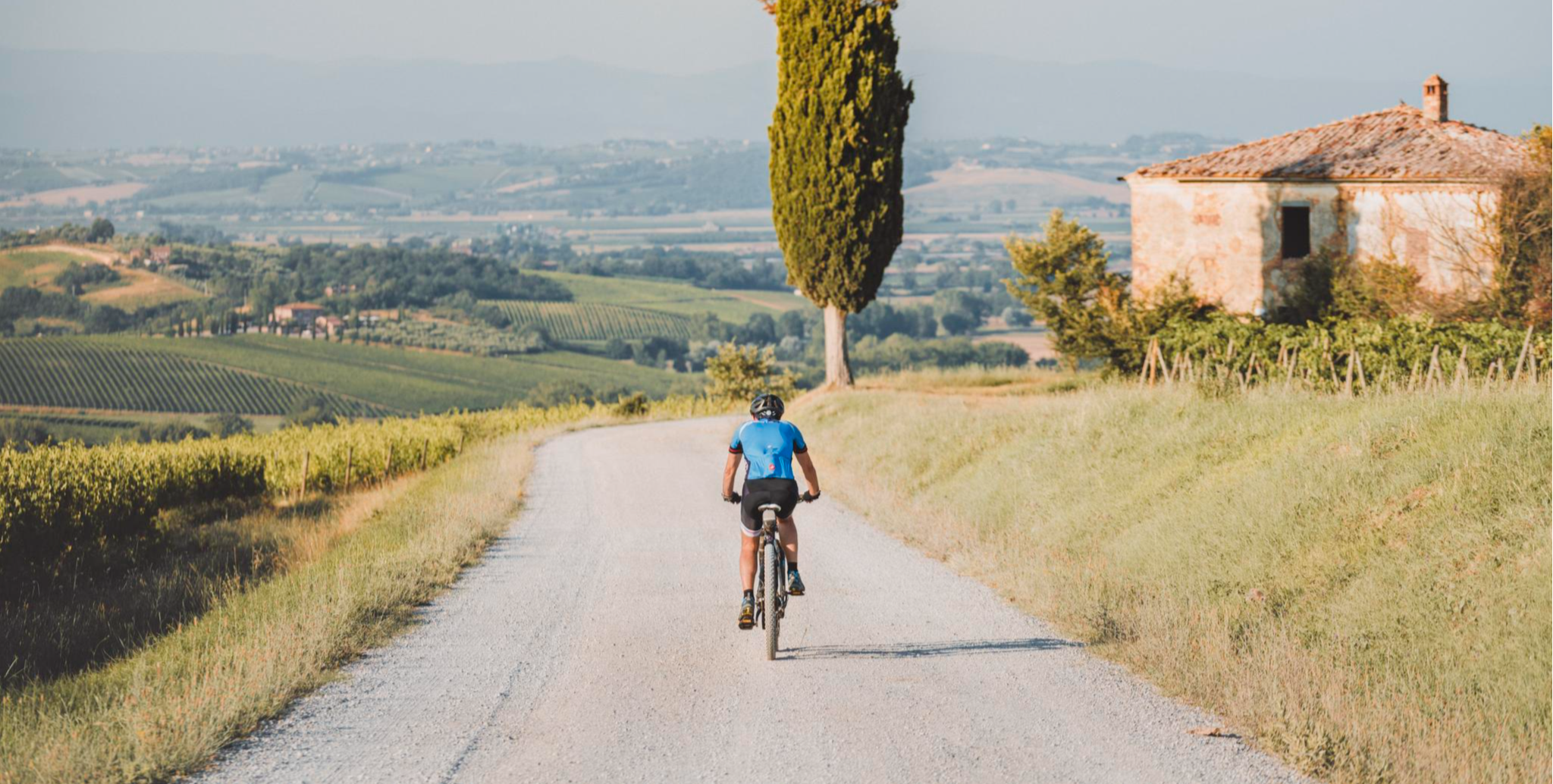
200 km in Valdichiana Senese – ride through the centuries in Tuscany
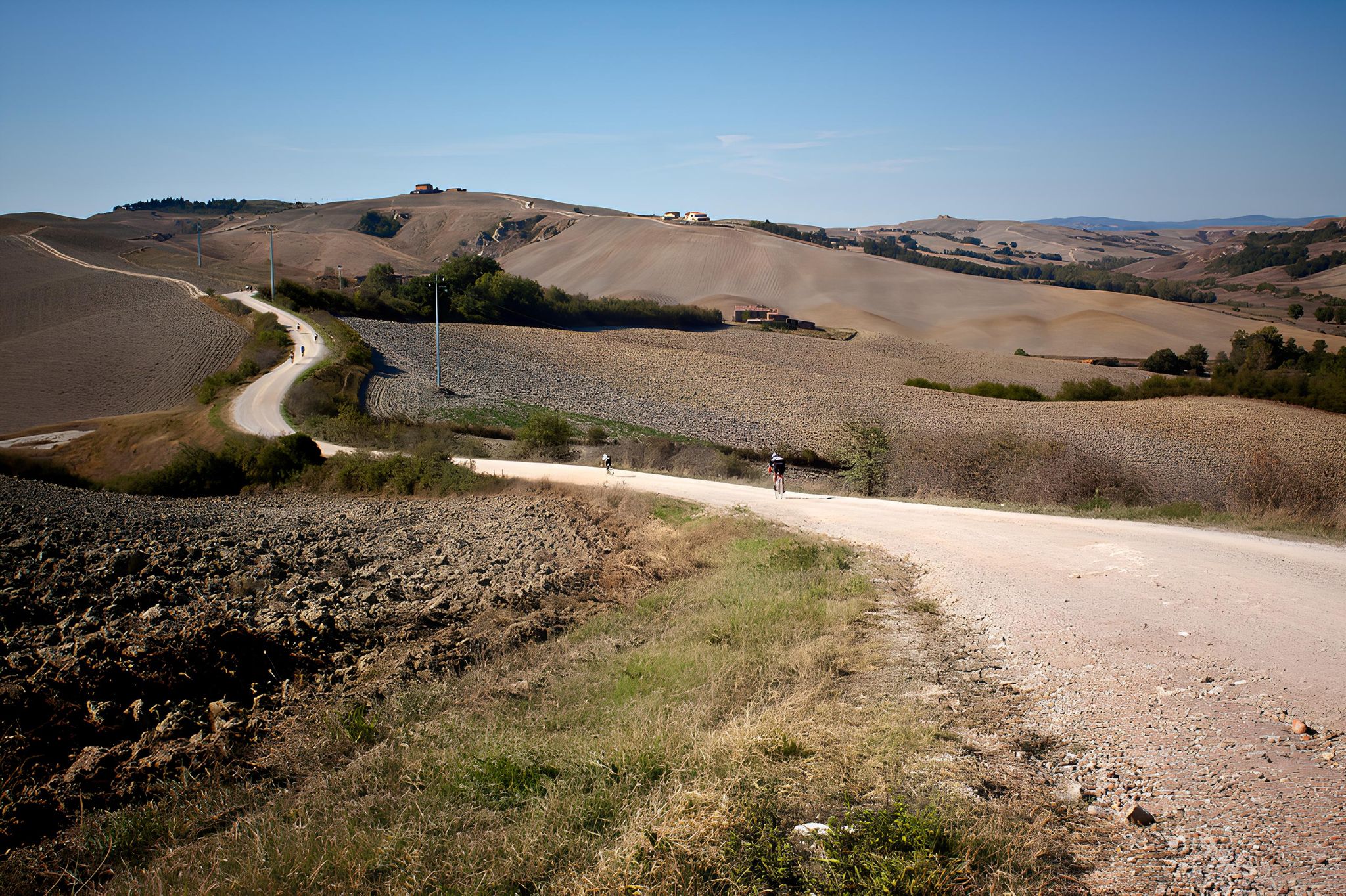
Via Lauretana - Tuscan crete, castles and vineyards
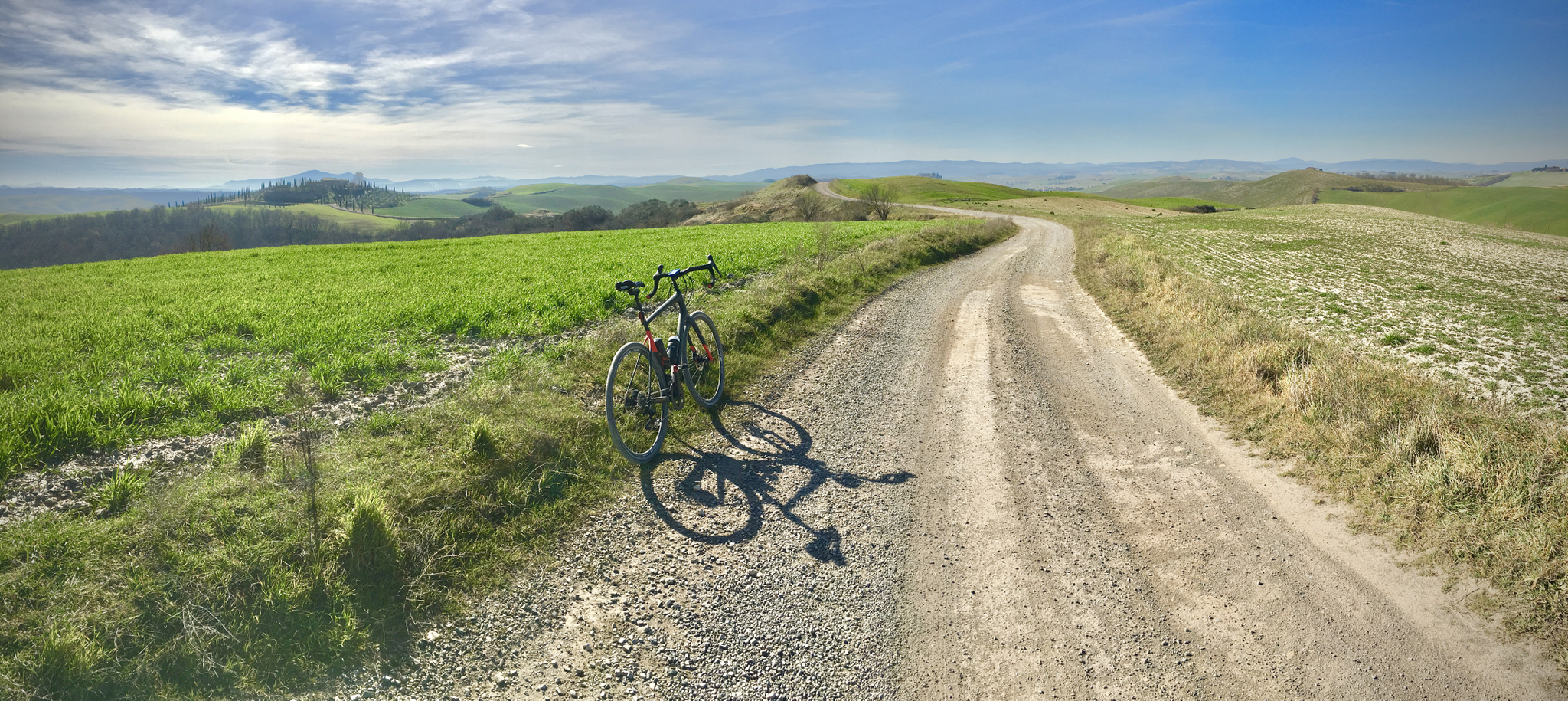
Cycling between Siena and Cortona – la Via Lauretana in Tuscany
Road Cycling Routes around Sinalunga
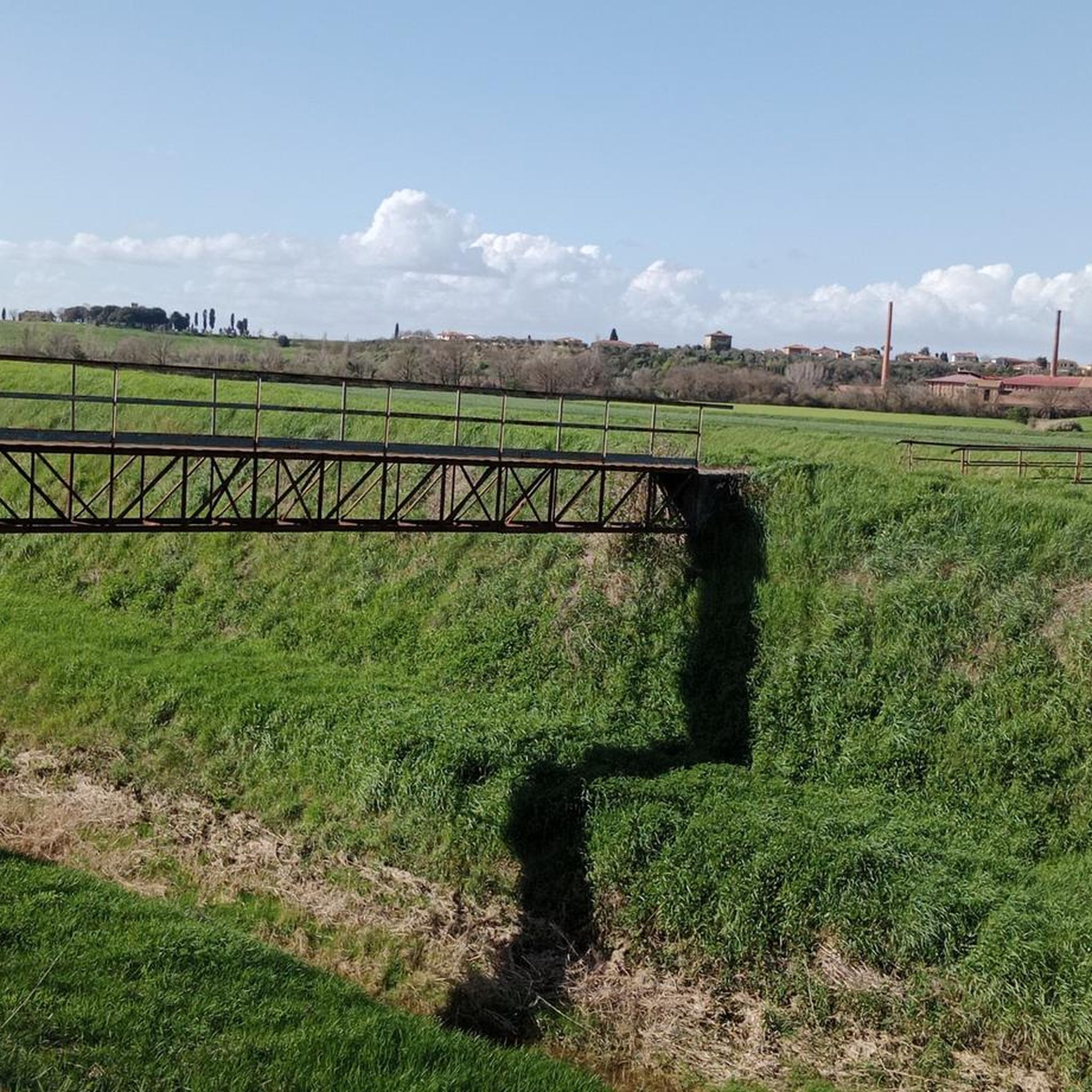
Cycling around Sinalunga
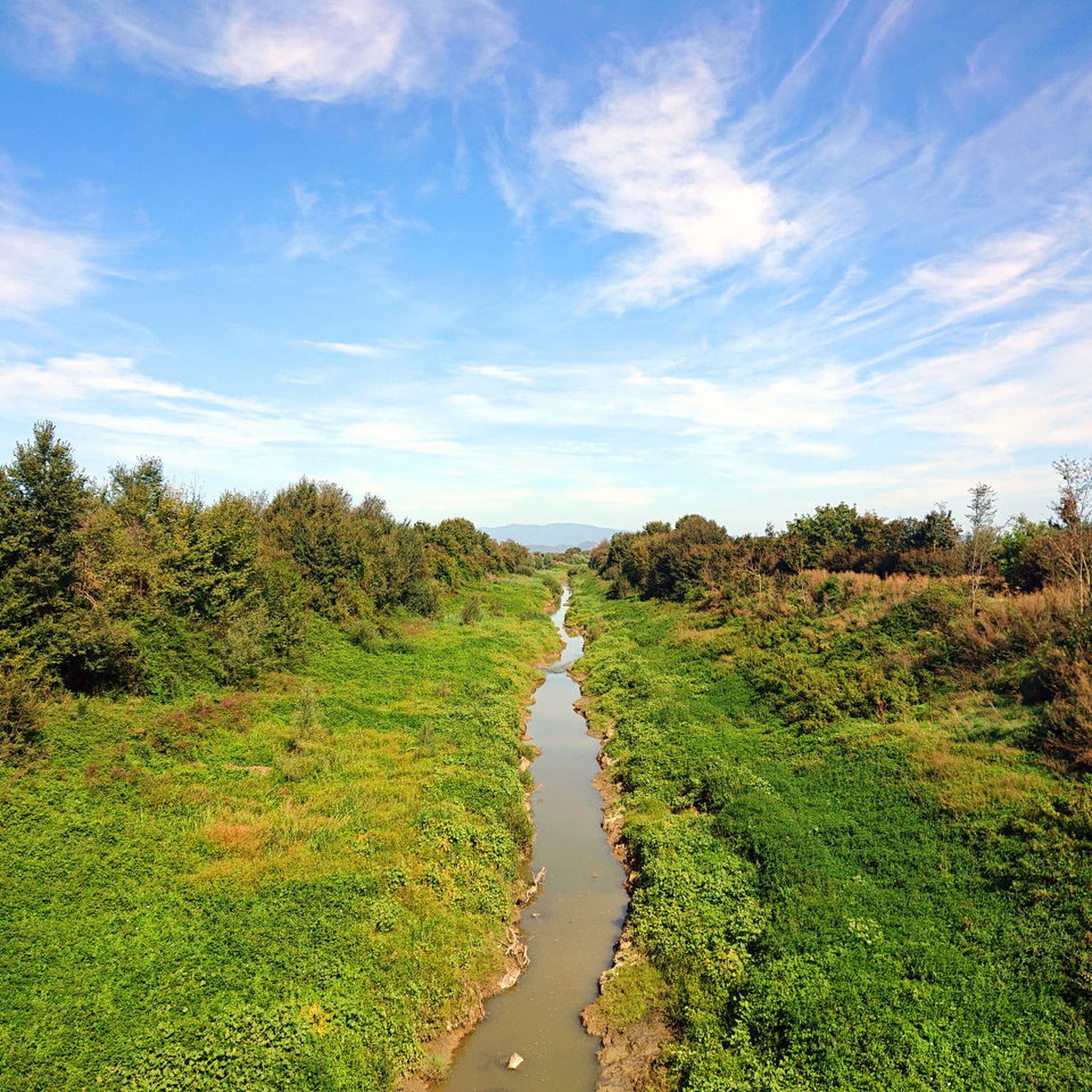
MTB Trails around Sinalunga
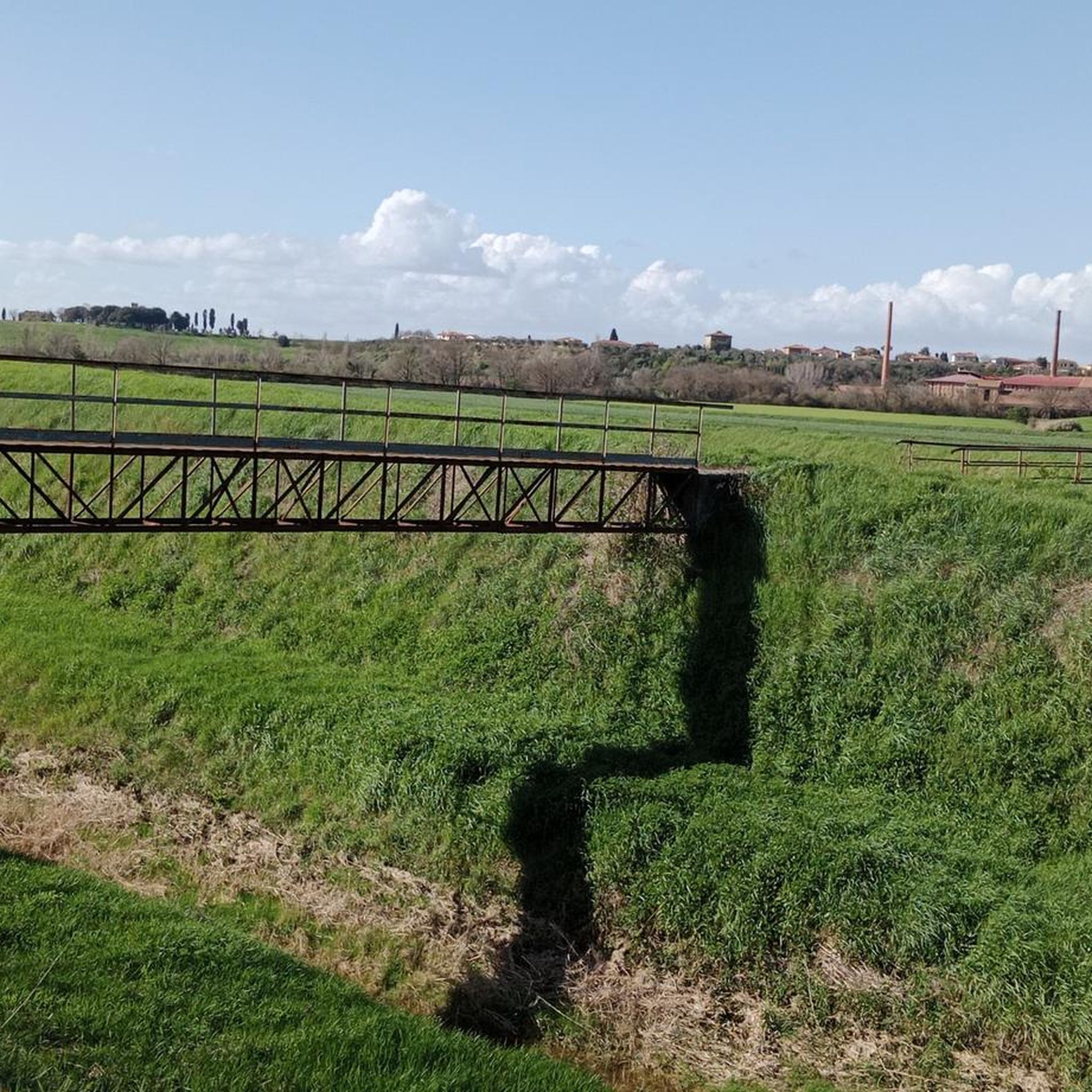
Hiking around Sinalunga

Gravel biking around Sinalunga
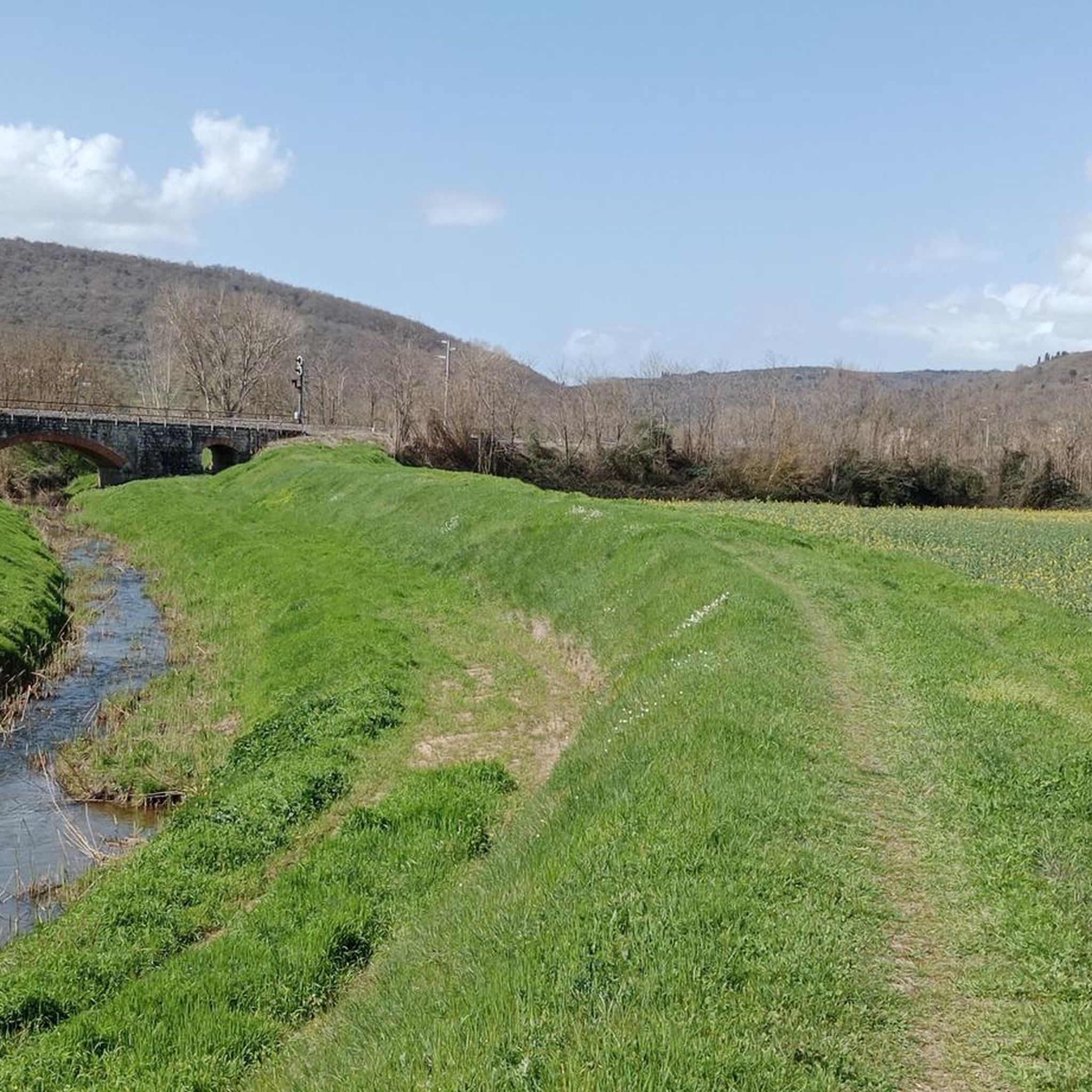
Running Trails around Sinalunga
Other adventures around Sinalunga


Tips from the Community

A panoramic spot from which to observe the entire Valdichiana.
0
0

A castle immersed in a forest, with an unmistakable tower visible from various points and with a wide view of the Valdichiana up to Arezzo and the Apennines.
0
0

beautiful dirt road ideal for gravel!
0
0

Località Modanella is a small village, or frazione, within the municipality of Rapolano Terme in the province of Siena, Tuscany. It is renowned for the Castello di Modanella, a medieval castle that stands as the focal point of the area. The castle's origins date back to the 12th century when it was constructed by the noble Cacciaconti family. In the 14th century, ownership transitioned to the Piccolomini family, who maintained possession for several centuries. The castle has undergone various modifications over the years but has retained its fortress-like appearance. Its architectural features include a well-preserved outer wall with towers featuring sloped bases. Within the castle grounds, the courtyard boasts a charming loggia and gardens, offering a glimpse into its historical grandeur. Adjacent to the castle is the Church of San Giovanni Evangelista, a medieval structure that once fell under the patronage of the Piccolomini family. In the 19th century, the church underwent a restoration that imparted a neoclassical facade, while its interior reflects 17th-century renovations. Notable artworks within the church include "The Supper at Emmaus," attributed to Raffaello Vanni, and a revered 1657 wooden crucifix, which is central to a local festival held annually on the first Friday of March. Today, Castello di Modanella and its surrounding estate span approximately 630 hectares. The meticulously restored farmhouses within the estate serve as accommodations for visitors seeking tranquility and a historical ambiance in the heart of Tuscany. The preservation of the entire village, including the castle, church, a
0
0

Very beautiful castle - excellent restaurant
0
0
From the crossroads of the state road, go up for about 5 km of dirt road to the castle of Gargonza. Not impossible woods and slopes, dirt road in good condition
0
0

Among vineyards, olive groves and medicinal plants, stands Palazzo Massaini, a place where nature, tradition, Tuscan food and wine merge. Source: https://palazzomassaini.com/
0
0

Frequently Asked Questions
What kind of historical structures can I expect to see around Sinalunga?
While Sinalunga isn't known for traditional fortified castles, the region features notable defensive and administrative buildings that served similar functions. You'll find structures like the medieval Palazzo Pretorio in the historic town center, which served as a court and prison, and medieval villages like Scrofiano with its ancient tower and walls.
Which historical sites offer a deep dive into Sinalunga's past?
The Palazzo Pretorio in Sinalunga is a prime example. Built in the 14th century, it showcases typical Tuscan 'cotto' construction, historical coats of arms, a pillory, and even preserved prison cells and dungeons. Exploring its interior provides a compelling educational experience into the town's administrative and judicial history.
Are there any medieval villages to explore near Sinalunga?
Yes, Scrofiano is a charming medieval village within Sinalunga known for its ancient tower, Palazzo Pretorio, and medieval walls. It offers a colorful labyrinth of ancient streets and historical perspectives. Another notable medieval settlement is Gargonza Castle, a perfectly preserved village with a castle and dining options.
What outdoor activities can I do near these historical sites?
The area around Sinalunga offers various outdoor activities. You can find numerous road cycling routes, gravel biking trails, and mountain biking trails. For example, there are challenging gravel routes like the Monte Sante Marie Gravel Road or easier MTB trails around Sinalunga itself. You can explore these routes and more in the Road Cycling Routes around Sinalunga, Gravel biking around Sinalunga, and MTB Trails around Sinalunga guides.
Are there any castles or historical sites that offer accommodation?
Yes, the historical complex of L'Amorosa, mentioned as a castle in historical frescoes, has been converted into an accommodation facility. Additionally, Borgo di Modanella, a small village centered around a medieval castle, offers meticulously restored farmhouses within its estate for visitors seeking tranquility and historical ambiance.
Which sites combine nature, tradition, and local food and wine?
Massaini Castle is an excellent choice. Located among vineyards, olive groves, and medicinal plants, it's a place where nature, tradition, and Tuscan food and wine merge, offering a unique experience.
What is the best time to visit the castles and historical sites around Sinalunga?
Tuscany, including Sinalunga, is beautiful in spring (April-May) and autumn (September-October) when the weather is mild and the landscapes are vibrant. These seasons are ideal for exploring historical sites and enjoying outdoor activities like cycling or walking without the intense summer heat.
Are there any viewpoints overlooking the historical sites?
Many of the historical villages and castles, such as Gargonza Castle and Massaini Castle, are situated on hillsides or elevated positions, offering picturesque views of the surrounding Tuscan countryside, including vineyards and olive groves.
Are there any family-friendly historical sites in the area?
Exploring medieval villages like Scrofiano can be a fun experience for families, allowing children to wander through ancient streets and imagine life in medieval times. The historical details and the general ambiance of these well-preserved sites offer an engaging educational outing.
What are some unique architectural features to look for in Sinalunga's historical buildings?
Look for the distinctive Tuscan 'cotto' (terracotta) brick construction, especially evident in the Palazzo Pretorio. You'll also notice numerous coats of arms on facades, which signify the historical allegiances and importance of the buildings. The bell tower of Palazzo Pretorio, similar to Siena's Torre del Mangia, is another notable feature.
Can I find places to eat near these historical sites?
Yes, some historical sites, like the medieval village of Gargonza Castle, feature dining options within their premises. Additionally, the towns and villages surrounding these sites will have local cafes and restaurants where you can enjoy traditional Tuscan cuisine.
What makes <a href="https://www.komoot.com/highlight/1117686" target="_blank" rel="noopener">Borgo di Modanella</a> a significant historical site?
Borgo di Modanella is centered around a 12th-century medieval castle, originally built by the Cacciaconti family. It features well-preserved outer walls with towers, a charming courtyard with a loggia, and historical gardens. The adjacent Church of San Giovanni Evangelista, with its neoclassical facade and 17th-century interior, further adds to its historical and cultural significance.
Most popular attractions around Sinalunga

Get inspired with the komoot mobile app


Explore more
Looking for the best castles somewhere else? Discover other guides around Sinalunga:
