Top 5 Castles around Monticiano
Castles near Monticiano Tuscany offer a glimpse into the region's rich history and architectural heritage, nestled within a landscape of wooded areas and rolling hills. The area, historically significant as a contested site, features numerous fortified villages and ancient settlements. Monticiano itself originated as a medieval castle, with its oldest part retaining visible remains of ancient walls. The surrounding territory includes diverse historical sites, from well-preserved castle ruins to unique fortified thermal baths.
Best castles around Monticiano
- The most popular…
Last updated: May 18, 2026
Bibbiano Castle
Highlight • Castle
castellitoscani.com/bibbiano
Translated by Google •
Tip by

Murlo Historic Village
Highlight • Historical Site
Translated by Google •
Tip by

Sign up now to discover places like this
Get recommendations on the best single tracks, peaks, & plenty of other exciting outdoor places.
Sign up for free
Murlo
Highlight • Settlement
Translated by Google •
Tip by
Castiglion del Bosco
Highlight • Settlement
Translated by Google •
Tip by

Sassoforte Ruins
Highlight • Historical Site
Translated by Google •
Tip by

Sign up for free to discover even more castles around Monticiano.
Sign up for free
Already have an account?
Start today with a free account
Your next adventure awaits.
Login or Signup
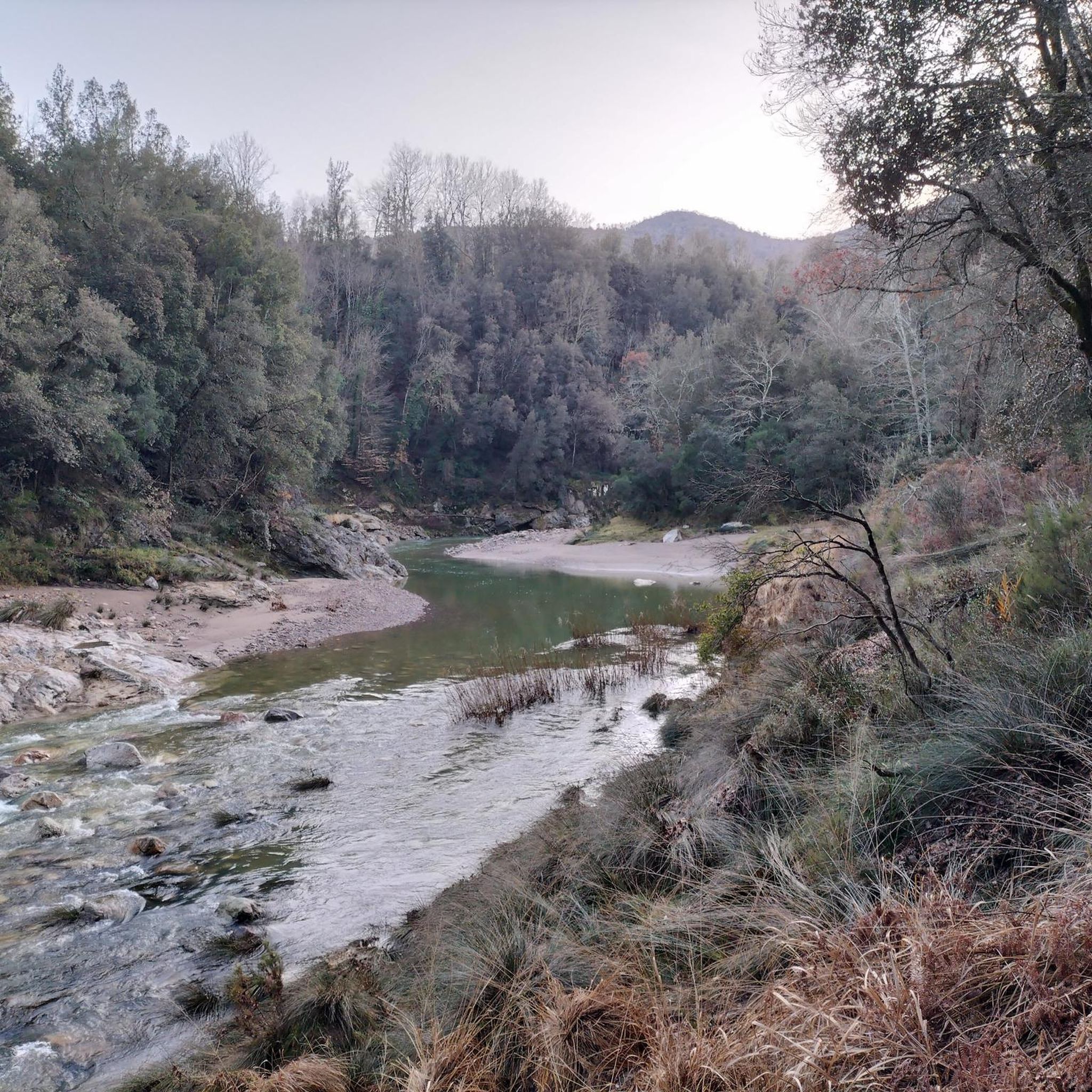

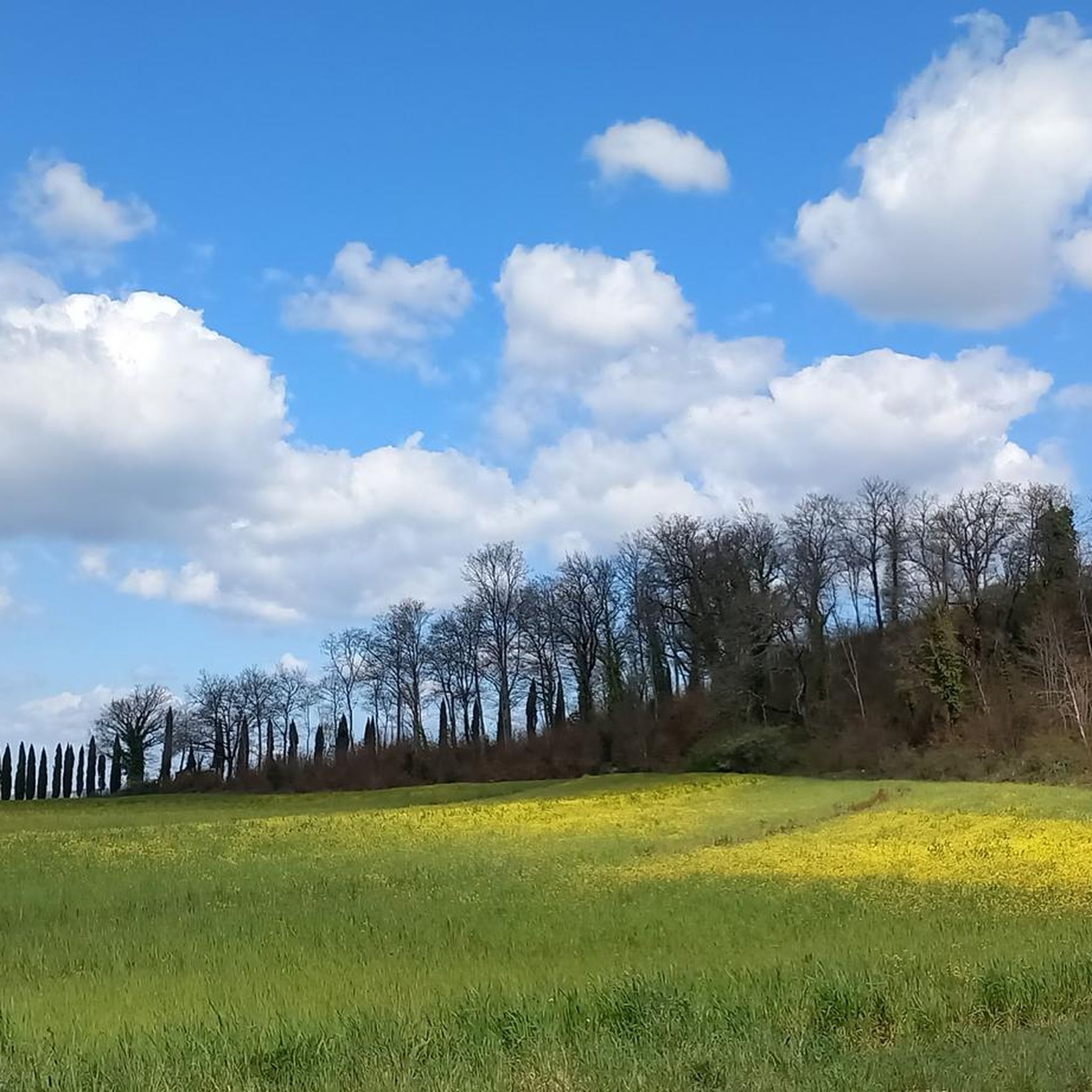
Other adventures around Monticiano

Tips from the Community

The Murlo Castle was the main center of the episcopal fiefdom, seat of the Bishops of Siena. The Castle is dominated at the highest point by the imposing bishop's palace, square in shape and with a sloped base, commonly called the "Palazzone". The entrance door is interesting, surmounted by a pointed stone arch, and inside, the vaulted rooms on the ground floor and the rooms with beams on the first floor are noteworthy. The palace was built by transforming and expanding the pre-existing building consisting of a 13th century tower; traces of it can be seen on the facade and especially inside on all floors. The walls surrounding the village/castle are from the same period and are still visible along almost the entire perimeter, along which there are two doors, one to the north and the other to the south/west. Characteristic are the houses leaning against the walls, most of which were also built after the war of Siena, in which secular traces have emerged during the renovations of recent decades. Until 1832, the seat of the Murlo Town Hall was in this Palazzina. Currently the Bishop's Palace houses the Archaeological Museum of Murlo, with the rich archaeological finds of Poggio Civitate; beautiful views that can be seen from the windows of the top floor.
0
0
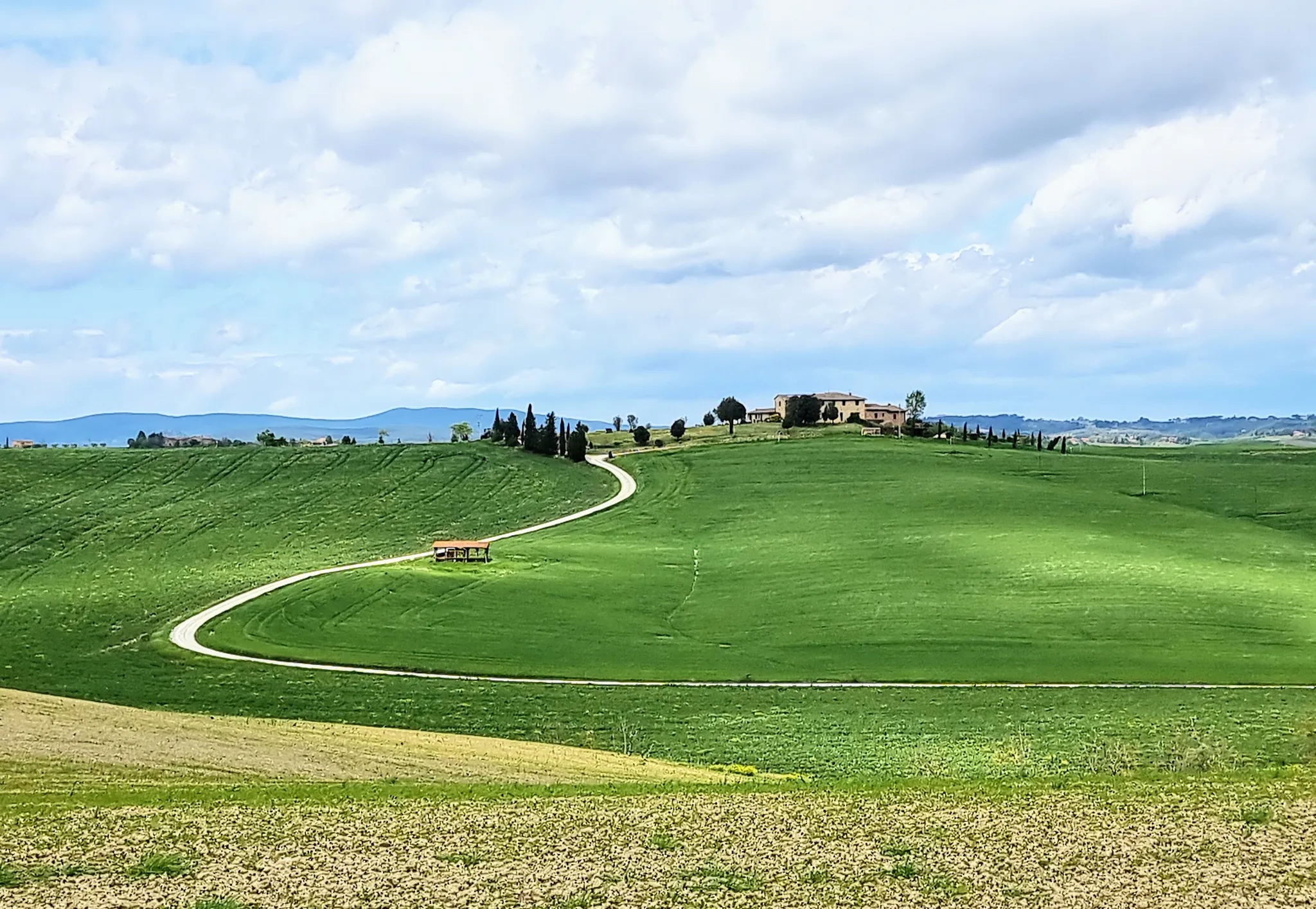
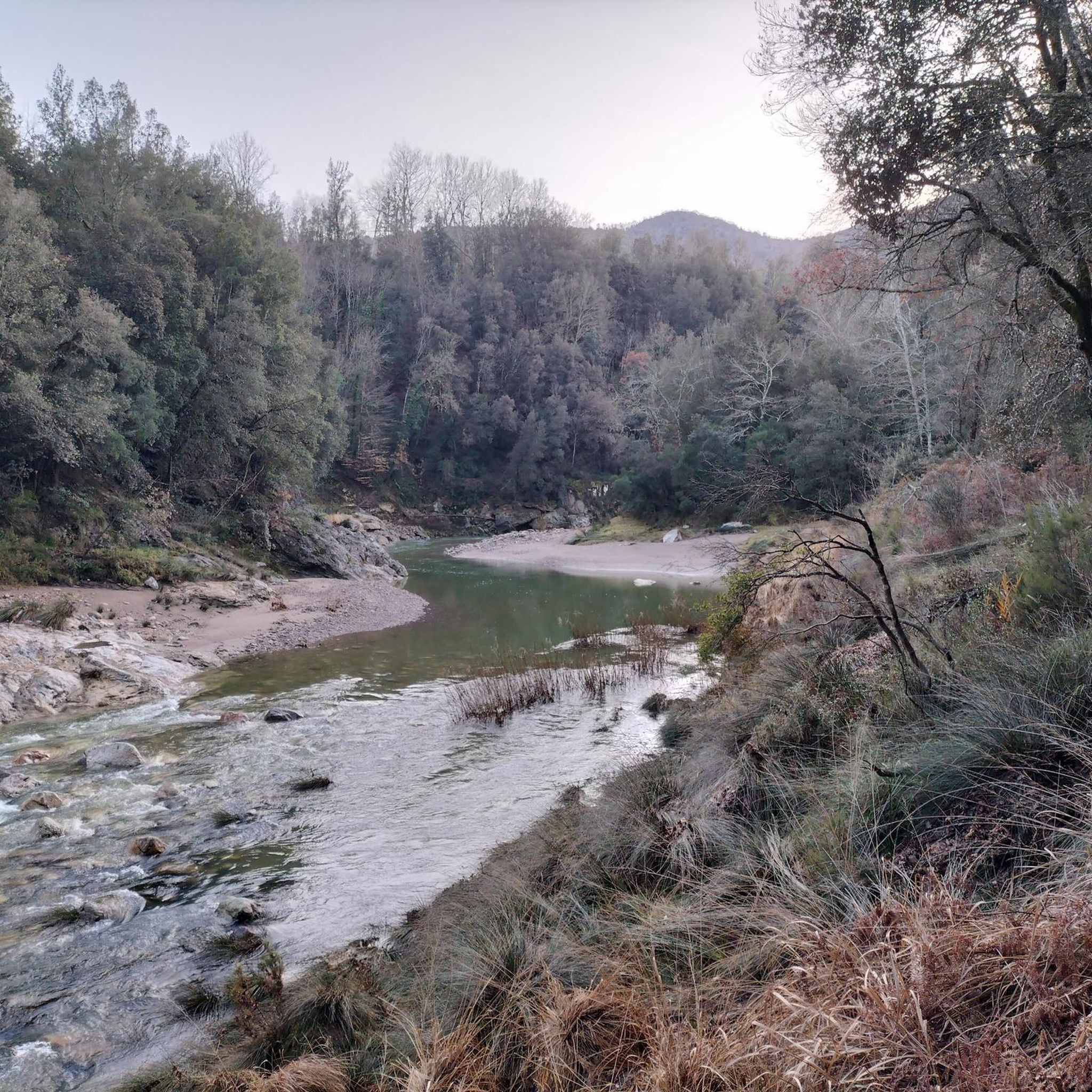
The municipality of Murlo is very large and is made up of numerous hamlets and small clusters of houses. Nestled in the Val di Merse, it enjoys both the wooded landscape and the typical hilly panorama of Siena. The territory is crossed by the Crevole stream, a tributary of the Ombrone, and by the Merse river that gives its name to the valley. Ruins of churches and castles constitute a cultural heritage of great interest. You can visit quarries and mines and take nature trails that lead to places now forgotten but which retain all their charm intact. The municipality of Murlo is very large and is made up of numerous hamlets and small clusters of houses. Nestled in the Val di Merse, it enjoys both the wooded landscape and the typical hilly panorama of Siena. The territory is crossed by the Crevole stream, a tributary of the Ombrone, and by the Merse river that gives its name to the valley. Ruins of churches and castles constitute a cultural heritage of great interest. You can visit quarries and mines and take nature trails that lead to places now forgotten but which retain all their charm intact.
0
0

A beautiful and welcoming square
0
1

Beautiful castle part of the Novaeroica bike itinerary. It is very beautiful and intact, an area to explore, it is in the Buoncovento area. castellitoscani.com/bibbiano
0
0
Here there is an old medieval castle, the area is surrounded by nature, perfect for a nice run!
0
0

Yes, beautiful place, you meet along the white roads.
0
0

In addition to the beautiful village of Murlo, here you can admire 360 degree views.
1
0

Beautiful construction, but now completely abandoned. Behind the building, surrounded by a moat with a drawbridge, there is a large farm and huge farm sheds. Everything is abandoned.
0
0
Frequently Asked Questions
What historical sites and castles can I explore around Monticiano?
The Monticiano area is rich in medieval history. You can explore the ancient village of Monticiano itself, which was once a castle. Other notable sites include Bibbiano Castle, a Lombard-era fortress, and the medieval village of Murlo, which hosts an archaeological museum. Don't miss the unique Murlo Historic Village with its 360-degree views, or the ruins of Sassoforte. Further afield, you can visit Castello di Tocchi, the fortified thermal baths of Petriolo, and the ancient castle of San Lorenzo a Merse.
Are there family-friendly castles to visit near Monticiano?
Yes, several castles and historical villages are suitable for families. Bibbiano Castle offers a glimpse into the Middle Ages with its boundary wall, moat, and drawbridge. The medieval village of Murlo and the Murlo Historic Village are also considered family-friendly, offering picturesque streets and an archaeological museum.
What outdoor activities can I do near these castles?
The region around Monticiano offers various outdoor activities. You can find numerous routes for cycling, mountain biking, and hiking. For example, there are hiking trails like 'The Farma stream and the baths of Petriolo' or cycling routes such as 'La Vidritta gravel – Ponte della Pia loop from Monticiano'. You can explore more options in the hiking guide, cycling guide, and MTB guide for Monticiano.
Are there hiking trails that pass by castles or historical sites?
Yes, many trails in the area incorporate historical sites. For instance, the 'The Farma stream and the baths of Petriolo' hiking route takes you near the unique fortified thermal baths of Petriolo. The area around Castello di Tocchi is also noted for its ancient medieval routes and natural surroundings, perfect for a pleasant walk. You can find detailed hiking routes in the Hiking around Monticiano guide.
What natural features or viewpoints can I find near the castles?
The castles are often set amidst beautiful natural landscapes. From Murlo Historic Village, you can enjoy 360-degree views of the surrounding area, including wooded landscapes and the typical hilly panorama of Siena. Castiglion del Bosco is surrounded by nature, offering scenic ups and downs. The Abbey of San Galgano, while not a castle, is a stunning roofless structure blending seamlessly with its natural surroundings.
What is the best time of year to visit the castles around Monticiano?
The region generally enjoys pleasant weather from spring to early autumn (April to October). Spring offers lush greenery and comfortable temperatures, while autumn brings beautiful foliage. Summer can be warm, but the thermal baths of Petriolo offer a refreshing experience. Winter visits are possible, though some services might be limited, and the weather can be cooler.
Are there any unique historical sites besides traditional castles?
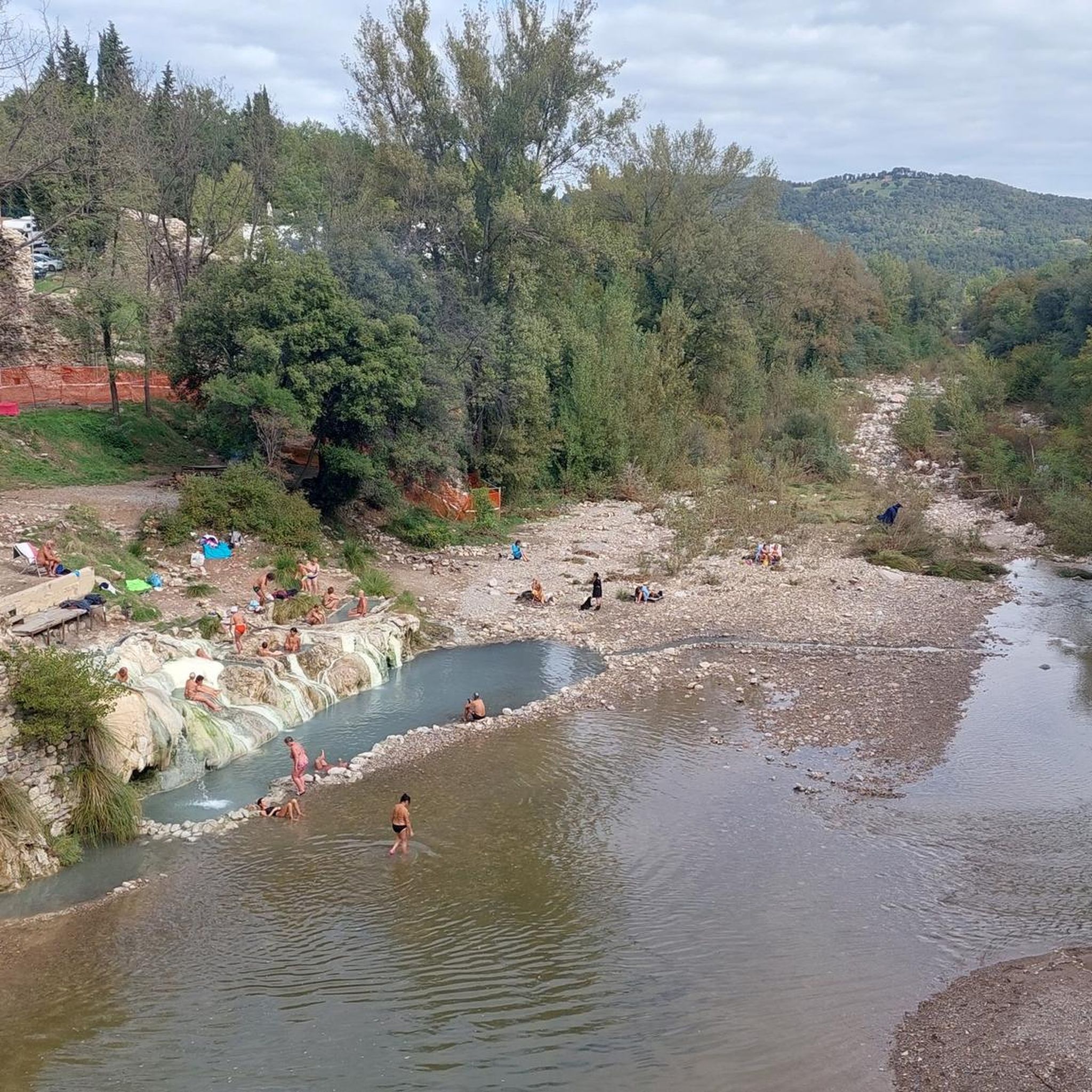
Absolutely. The Castello Termale di Petriolo is a particularly unique site, combining natural hot springs with medieval fortifications. Known since Roman times, it features 15th-century walls, watchtowers, and the 'Siena' gate. Another fascinating site is the Abbey of San Galgano, a Cistercian abbey famous for its roofless Gothic architecture and the legendary 'sword in the stone'.
What do visitors enjoy most about the castles and villages in this area?
Visitors frequently praise the authentic medieval atmosphere and the stunning views. For example, Bibbiano Castle is described as 'a REAL Castle' offering 'a leap into the Middle Ages'. The Murlo Historic Village is loved for its '360 degree views' and its well-preserved historical character. The blend of history, nature, and picturesque settings is a common highlight.
Can I find cafes or places to eat near the castles?
Yes, you can often find amenities in or near the historical villages. For instance, the village of Murlo has a trattoria and small squares. The ancient hamlet of Castello di Tocchi is also noted as a pleasant spot for a picnic. Monticiano itself, being a historic town, offers various options for dining and refreshments.
Is it possible to visit the ancient castle of Monticiano itself?
Yes, the village of Monticiano originated as a medieval castle. The oldest part of the village, known as 'paese vecchio' (old town), still retains visible remains of its ancient walls and castle structures. You can explore its narrow streets and appreciate the remnants of its defensive past, reflecting its medieval origins and historical significance.
Are there any castles that are less well-known but worth visiting?
Beyond the more prominent sites, the Ancient Castle of San Lorenzo a Merse, a *frazione* of Monticiano, offers a glimpse into a less-documented but historically important fortified settlement. While specific details might be less abundant, its presence indicates a rich medieval past with an imposing polygonal structure on a hilltop and a fortified village.
What is the history behind the castles in the Monticiano region?
The castles and fortified villages in the Monticiano region have a rich and often turbulent history, frequently contested between powerful entities like the Bishop of Volterra and the Republic of Siena. Monticiano itself was destroyed by Sienese troops in 1266. Castello di Tocchi was under the Ardengheschi family before falling to Siena. These sites reflect centuries of strategic importance, defensive architecture, and the shifting political landscape of medieval Tuscany.
Most popular routes around Monticiano
Most popular attractions around Monticiano

Get inspired with the komoot mobile app


Explore more
Looking for the best castles somewhere else? Discover other guides around Monticiano:
