Top 6 Castles around San Giovanni Valdarno
Best castles around San Giovanni Valdarno are found in a region characterized by its historical significance as a "terra nuova" founded by Florence in the late 13th century. The area's defensive infrastructure included city walls and numerous defense towers, reflecting its strategic importance. While traditional medieval castles within the modern municipal boundaries are less common, the region features fortified structures and medieval villages. The landscape offers opportunities for exploring historical sites and the remnants of ancient settlements.
Best castles around…
Last updated: October 3, 2026
Osteria di Starda
Highlight • Restaurant
Here the “Malaspina Castello di Starda” …
Translated by Google •
Tip by

Castel Nuovo dell'Incisa
Highlight • Castle
Translated by Google •
Tip by

Sign up now to discover places like this
Get recommendations on the best single tracks, peaks, & plenty of other exciting outdoor places.
Ruins of the Castello dei Guidi on Poggio della Regina
Highlight • Castle
Translated by Google •
Tip by

Parish Church and Castle of Santa Maria a Spaltenna
Highlight • Religious Site
Translated by Google •
Tip by

Start today with a free account
Your next adventure awaits.
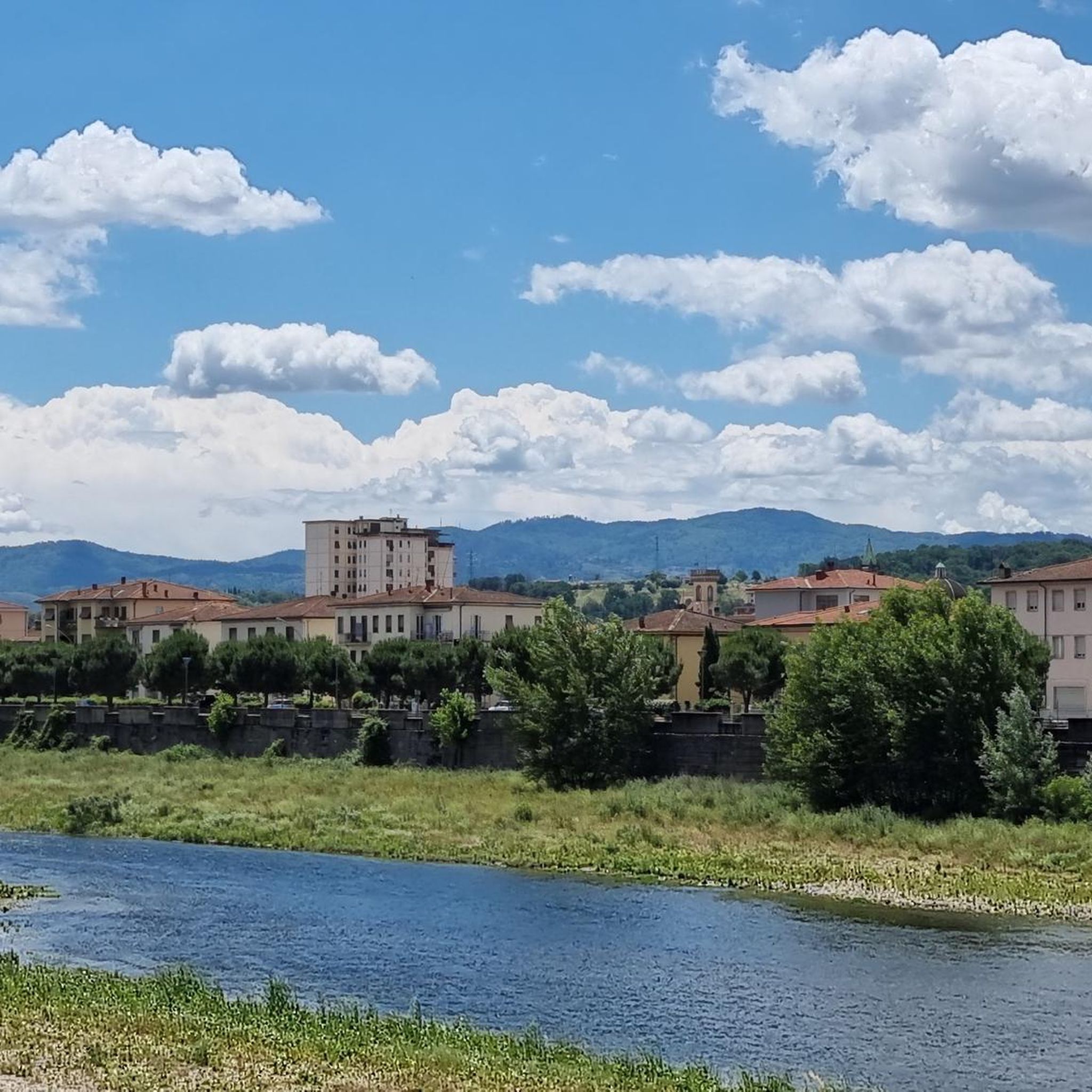
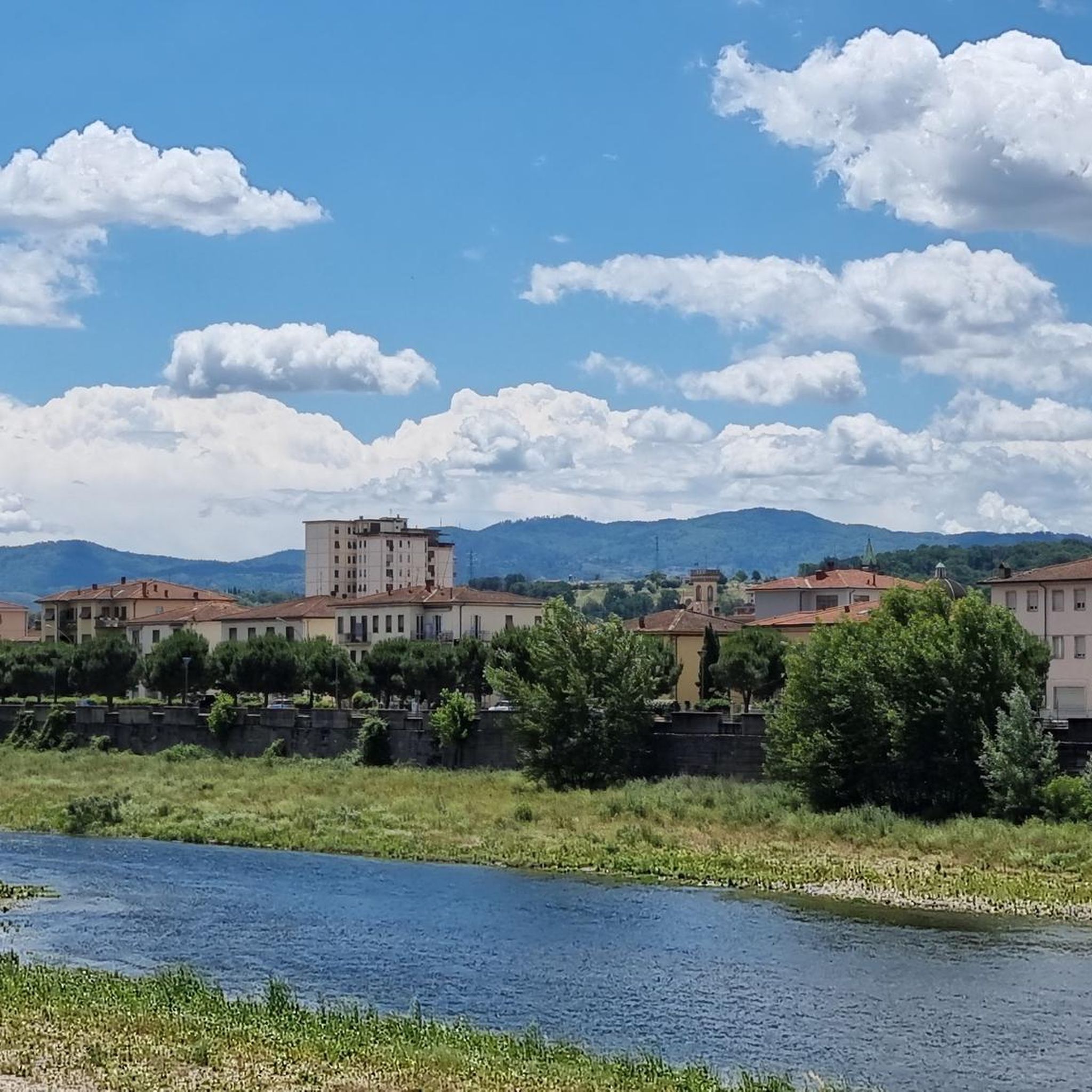
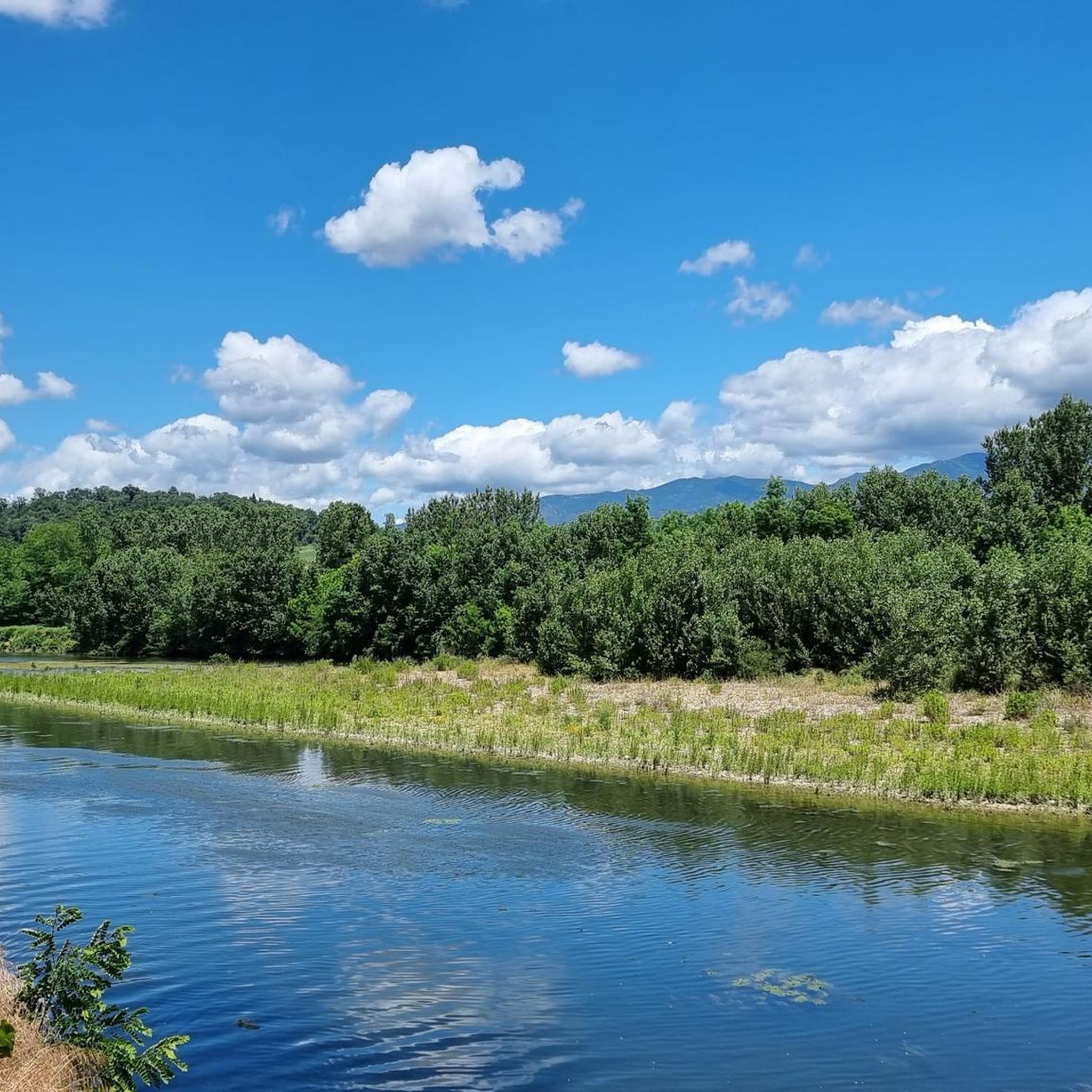
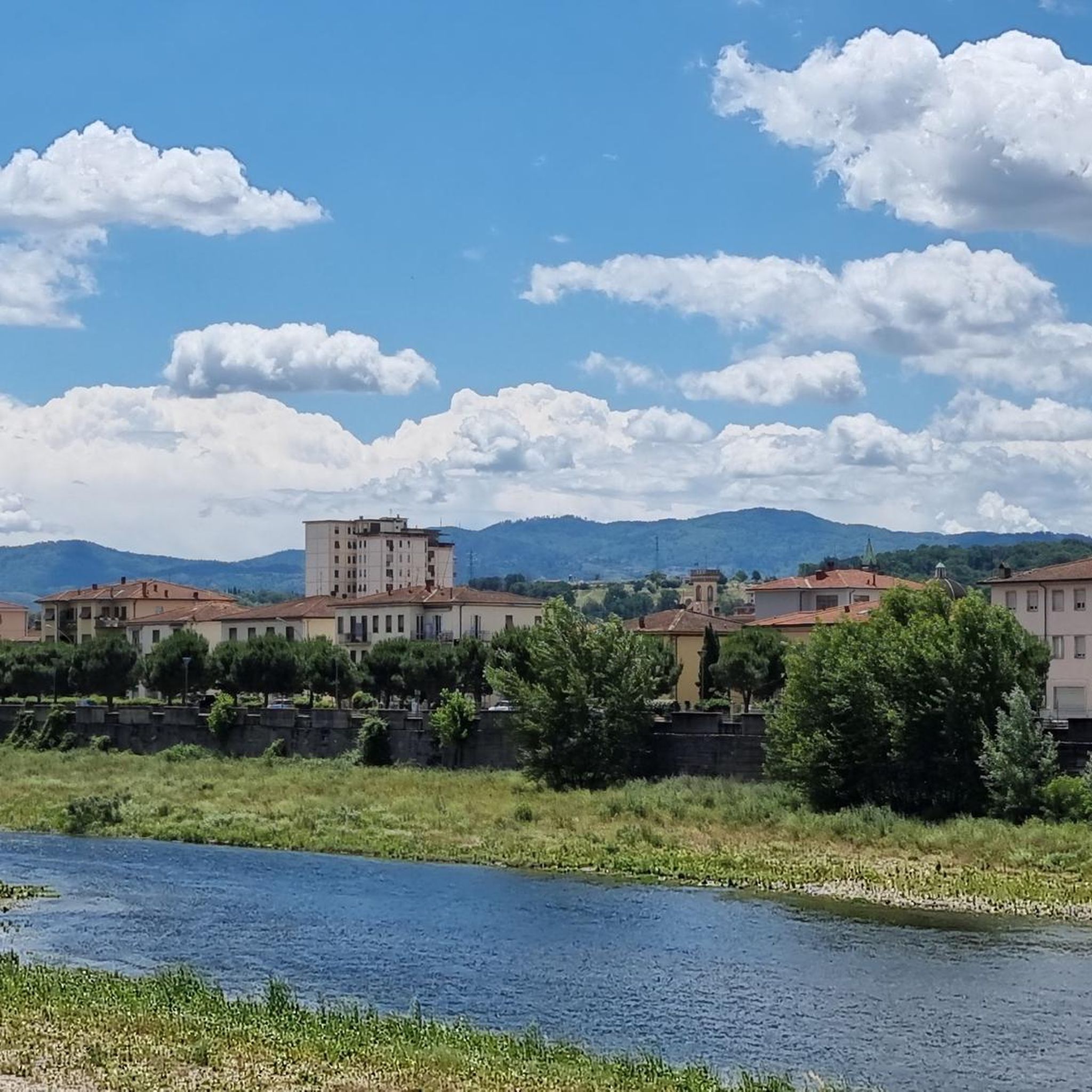

Tips from the Community

A historic Romanesque parish church (10th–11th centuries), with three naves, a semicircular apse, a façade, and a tower in grey limestone, nestled within the ancient complex of Spaltenna Castle. Inside, the famous Miraculous Crucifix is preserved, linked to a popular legend: a shepherdess found it in the woods after losing a sheep and, accidentally hitting it with a stone, the crucifix let out a wail, leaving its right arm cracked. Since then, it has been the object of profound devotion and is carried in procession every second Sunday in May to Gaiole. Restored in 2024, the parish church is now open to visitors again.
0
0

archaeological site with the ruins of a medieval Guidi castle. The area is open and visitable, but is currently not in good condition. However, there is an area with a table, which is quite shady in the hot seasons. The castle stood on the top of the hill just under 1000m above sea level. The hill dominates the Valdarno, down in the plain you can recognize Figline, Incisa, Piandiscò... But the panorama is surprising and extends across the whole of Tuscany. The peaks of the Apuan Alps, Monte Serra, the Pistoia Apennines, then Monte Amiata and Monte Cetona are easily recognisable. The path to get to Poggio della Regina is well maintained and has a rather compact surface. The network of paths is very dense, you can choose various rings and itineraries.
1
0

"Castel Nuovo dell'Ancisa" today we can see some buildings of the settlement which dates back to 1244. Among these is the house where according to tradition Petrarch spent some years of his childhood. The recent alterations leave some doubts, especially on the tower which has changed, as you can see from the photos, completely appearance.
1
0

The Castello di Starda is a small and charming village of medieval origin located in the Chianti Classico area, in the heart of Tuscany. Here the “Malaspina Castello di Starda” is produced from its vineyards, a Chianti Classico Docg with the Malaspina brand, in honor of the ancient family. In the place where an oil mill once stood, a tavern has been created whose premises, "which once housed machinery and cereals and were also simple and rough dwellings, now live without their original structures having been damaged, trying to respect that An air of simplicity and history that make the place full of charm ”. At the Osteria di Starda you can taste all the "typical" dishes of Tuscan cuisine offered with a touch of creativity that make them unique and much appreciated, such as Peposo, one of the most popular dishes, a stew made with beef mousse cook with pepper and Chianti wine which in ancient times fed the workers who worked in the construction sites of Brunelleschi's Dome and other historic Florentine buildings. https://settepontiroadbiker.altervista.org/il-borgo-di-starda-e-il-suo-castello-siena/
7
0
Frequently Asked Questions
What kind of castles can I expect to find around San Giovanni Valdarno?
San Giovanni Valdarno was founded as a fortified 'terra nuova' by Florence, so its historical center, including the Palazzo d'Arnolfo, has a castle-like appearance with defensive structures. Beyond the town, you'll find medieval villages that retain the concentric scheme of ancient castles, such as Poggio di Loro Medieval Village, as well as castle ruins like the Ruins of the Castello dei Guidi on Poggio della Regina, and historical settlements like Castel Nuovo dell'Incisa.
Are there any specific historical buildings in San Giovanni Valdarno that are similar to castles?
Yes, the most notable is the Palazzo d'Arnolfo (Praetorian Palace) in Piazza Cavour. This 13th-century palace, attributed to Arnolfo di Cambio, served as the town's seat of power and features a fortified appearance with a tower and crenellations. It now houses the Museum of the New Lands, detailing the region's history. You can find more information about it on VisitTuscany.com.
What are some of the most popular castle-related sites to visit in the area?
Visitors particularly enjoy Poggio di Loro Medieval Village, which maintains the layout of an ancient castle and offers a glimpse into medieval life. Another popular spot is Osteria di Starda, located in the charming medieval settlement of Castello di Starda, where you can experience history and enjoy Tuscan cuisine. The Ruins of the Castello dei Guidi on Poggio della Regina also offer historical interest and panoramic views.
Are there hiking trails that lead to or pass by these castles?
Yes, the area offers a network of paths. For instance, the Ruins of the Castello dei Guidi on Poggio della Regina are accessible via a well-maintained path, and the surrounding area has a dense network of trails for various itineraries. You can find more hiking options in the region by exploring Running Trails around San Giovanni Valdarno, Gravel biking around San Giovanni Valdarno, and Road Cycling Routes around San Giovanni Valdarno.
What kind of natural features or viewpoints can I expect to see while exploring the castles?
When visiting the Ruins of the Castello dei Guidi on Poggio della Regina, you'll find an archaeological site on a hill nearly 1000m above sea level, offering a surprising panorama that extends across Tuscany, including views of the Valdarno plain, Figline, Incisa, Piandiscò, and even the Apuan Alps and Monte Amiata on clear days.
When is the best time of year to visit the castles and explore the region around San Giovanni Valdarno?
The best time to visit is generally during the spring (April-May) and autumn (September-October) when the weather is mild and pleasant for exploring historical sites and engaging in outdoor activities like hiking. Summers can be hot, and winters can be cooler, though still suitable for visits if dressed appropriately.
Are the castles and surrounding areas family-friendly?
Many sites are suitable for families. For example, Osteria di Starda is categorized as family-friendly, offering a pleasant experience in a medieval village. The Castello di Albola Wine Estate also welcomes visitors and is listed as family-friendly, providing a blend of history and local culture.
Can I bring my dog when visiting the castles or hiking in the area?
While specific rules vary by site, many outdoor trails and open historical areas in Tuscany are generally dog-friendly, especially if dogs are kept on a leash. It's always advisable to check individual site regulations before visiting, particularly for indoor attractions or museums.
What other outdoor activities can I do near these castles?
Beyond exploring the castles, the region offers various outdoor activities. You can find numerous routes for running, gravel biking, and road cycling around San Giovanni Valdarno, allowing you to combine historical exploration with active pursuits.
Are there any castle-like structures associated with wine production in the region?
Yes, the Castello di Albola Wine Estate is a medieval village that has been owned by noble Tuscan families and is now a renowned wine estate. While not a traditional fortified castle, it offers guided tours of its historic cellars and a wine shop, allowing visitors to immerse themselves in the region's winemaking history and culture.
What is the historical significance of Castel Nuovo dell'Incisa?
Castel Nuovo dell'Incisa is a castle settlement dating back to 1244. Some original buildings are still visible, and it's historically notable as the traditional childhood home of the famous poet Petrarch. It offers a glimpse into medieval settlement structures and their evolution over centuries.
How can I learn more about the history of the 'new lands' founded by Florence?
The Palazzo d'Arnolfo in San Giovanni Valdarno houses the Museum of the New Lands (Museo delle Terre Nuove). This museum provides interactive exhibits detailing the history, urban planning, and defensive strategies of these new settlements established by Florence in the Valdarno region during the 13th and 14th centuries. You can find more details on Wikipedia.
Most popular routes around San Giovanni Valdarno
Most popular attractions around San Giovanni Valdarno

Get inspired with the komoot mobile app


Explore more
Looking for the best castles somewhere else? Discover other guides around San Giovanni Valdarno:
