Top 5 Castles around Pioraco
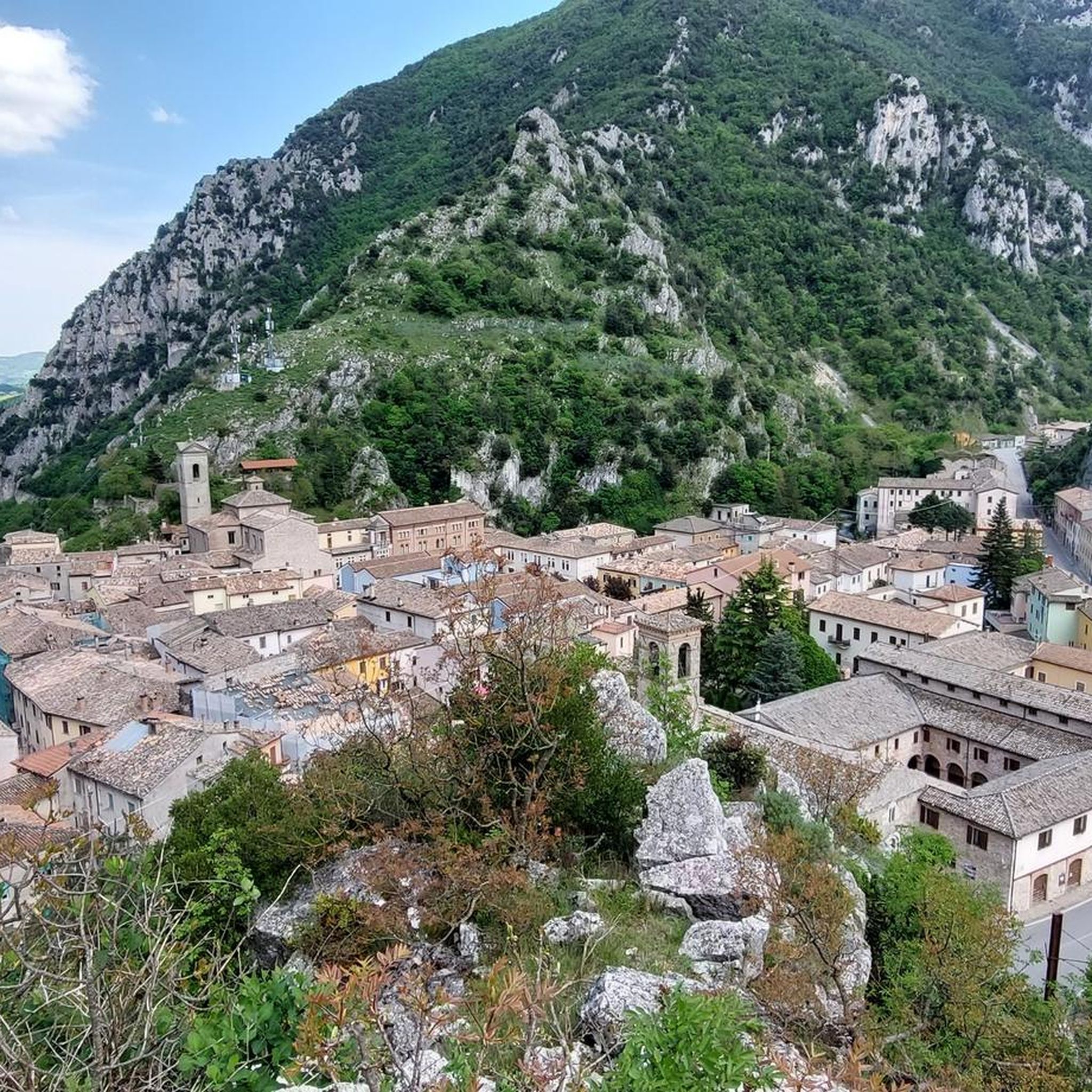
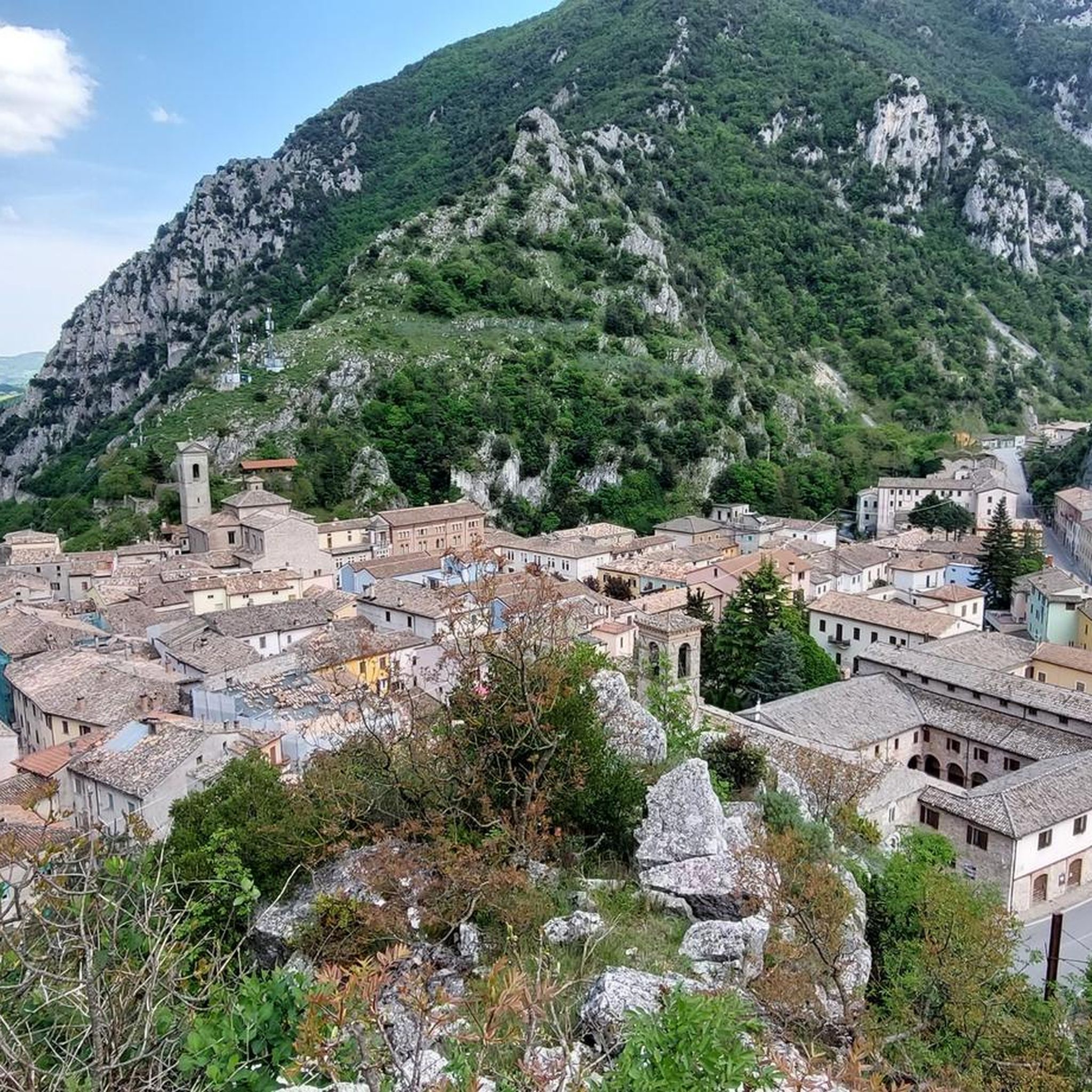
Castles around Pioraco are found in a region of Italy's Marche known for its historical significance and natural landscapes. Pioraco itself was a fortified settlement during the Middle Ages, with ancient stone structures and a history of paper manufacturing. The area features historical sites that reflect its defensive past, alongside natural landscapes like gorges and waterfalls. Visitors can explore a blend of medieval architecture and historical town planning.
Best castles around Pioraco
- The most popular castles is Statte Castle,…
Last updated: July 27, 2026
Statte Castle
Highlight • Castle
Translated by Google •
Tip by

Castello di Gagliole
Highlight • Castle
Translated by Google •
Tip by

Sign up now to discover places like this
Get recommendations on the best single tracks, peaks, & plenty of other exciting outdoor places.
Sign up for free
Castel Santa Maria
Highlight • Settlement
Translated by Google •
Tip by

Cassero Tower
Highlight • Historical Site
Translated by Google •
Tip by
Ruins of Orve Castle
Highlight • Castle
Translated by Google •
Tip by

Sign up for free to discover even more castles around Pioraco.
Sign up for free
Already have an account?
Start today with a free account
Your next adventure awaits.
Login or Signup

Other adventures around Pioraco

Tips from the Community

if you need to get off, you can take the next road then join it with the next track and take the main road again. Check the tracks.
0
0

The Castle of Gagliole, with a thousand-year history, was long owned by the municipality of San Severino during the medieval period. Its dominant position on the Potenza river valley was considered strategic since Roman times, when the Via Flaminia prolaquense was one of the most important roads in the region. However, it was in the 13th century that the da Varanos, lords of Camerino, transformed the castle into a solid and imposing military structure, making it one of the most impressive castles of their duchy.
1
0
The Torre del Cassero was built between 1311 and 1385 as part of the Castrum Raymundi complex. This fortress was part of the defensive system called "dell'Intagliata", made up of towers, moats and walls, to protect Camerino during the wars with the nearby towns of San Severino and Matelica. Il Cassero rises to over 35 meters in height. Over time, the tower became the bell tower of the adjacent church of San Biagio, which also incorporated the remains of the few remaining walls.
1
0

Statte Castle is an ancient fortification located on the slopes of Monte Letegge. It was built in the 12th century by the Bonifazi counts to control the Chienti and Potenza valleys. In the 16th century it was abandoned and dismantled, and is now being restored.
1
0

After Fiuminata in the direction of Foligno, pass the crossroads with Campodonico/Fabriano and after 700m you will find a gravel road on your right with signs for "Castello di Orve". After taking the road, continue for 600m and park near a small slope that leads to an abandoned house. The path no longer exists to get to the Ex Castle, but once you take the road (you have to climb over a small fence) you continue uphill following some car signs in the grass. The castle is unsafe, to enter underneath you have to pass over wooden beams, but upstairs it is impossible because you risk getting hurt... be careful!
0
0

Water - Drinking fountain Castel S. Maria was a bone of contention between Camerino and Matelica (and beyond). Even today the peaceful houses are framed in the triple medieval walls, intact, with a clear design and precise defensive plans
0
0

Castel Santa Maria is a fraction of Macerata. The fortified nucleus is composed of concentric circles, narrow alleys leading to a square overlooked by the majestic former town hall, the parish church and other medieval buildings.
1
0
Frequently Asked Questions
What kind of historical sites can I expect to find around Pioraco?
Pioraco and its surroundings offer a glimpse into a rich medieval past. While Pioraco itself was a fortified settlement, you'll find ancient stone structures and historical town planning. Nearby, you can explore actual fortifications like Statte Castle, a 12th-century site currently undergoing restoration, or the fortified settlement of Castel Santa Maria with its intact medieval walls.
Are there any well-preserved medieval castles near Pioraco?
Yes, Castello di Gagliole is a notable example with a thousand-year history. Strategically positioned on the Potenza river valley, it was transformed into a solid military structure by the da Varanos in the 13th century, making it one of the most impressive castles of their duchy.
What is the current status of Statte Castle?
Statte Castle, an ancient 12th-century fortification that once controlled the Chienti and Potenza valleys, is currently undergoing restoration. While it was abandoned and dismantled in the 16th century, efforts are now being made to preserve this historical site.
Can I visit the fortified town of Castel Santa Maria?
Yes, Castel Santa Maria is a fascinating settlement to visit. Its fortified nucleus features concentric circles and narrow alleys leading to a square with medieval buildings. The triple medieval walls remain intact, showcasing its historical significance as a point of contention between rival towns.
Are there any towers or defensive structures to see in the area?
Absolutely. The Cassero Tower, built between 1311 and 1385, is a prominent example. It was part of a defensive system protecting Camerino and stands over 35 meters high. Over time, it also became the bell tower of the adjacent church of San Biagio.
Are there any challenging historical sites for experienced hikers?
For those seeking a more adventurous exploration, the Ruins of Orve Castle offer a challenging experience. The path to the castle is less defined, and the ruins themselves are unsafe, requiring caution. It's recommended for experienced visitors who are comfortable navigating rough terrain.
What outdoor activities can I do near the castles around Pioraco?
The region around Pioraco is excellent for outdoor enthusiasts. You can find numerous routes for gravel biking, mountain biking, and hiking. For example, there are challenging gravel biking loops like the 'Serrapetrona – Statte Castle loop' or moderate hiking trails such as the 'Gola di Pioraco – Pioraco loop'. You can explore more options on the Gravel biking around Pioraco, Hiking around Pioraco, and MTB Trails around Pioraco guide pages.
Are there family-friendly walks or activities near the historical sites?
While specific 'family-friendly' categories aren't always assigned to the castles themselves, Pioraco is known for its natural landscapes like the 'Li Vurgacci' trail with waterfalls and gorges, which can be suitable for families. When planning walks, look for moderate hiking routes listed in the Hiking around Pioraco guide, as some may offer easier terrain.
What is the best time of year to visit the castles and historical sites around Pioraco?
The best time to visit Pioraco and its historical sites is generally during spring (April-May) and autumn (September-October). The weather is milder, making it ideal for exploring the outdoor ruins and enjoying the natural landscapes without the intense heat of summer or the chill of winter. Autumn also offers beautiful foliage for hiking.
What natural features are prominent in the Pioraco region alongside its historical sites?
Beyond its fortified past, Pioraco is renowned for its natural beauty. The 'Li Vurgacci' trail is a highlight, featuring picturesque waterfalls and gorges. The region's valleys, such as the Chienti and Potenza, where many castles were strategically built, also offer scenic views and opportunities for outdoor exploration.
Is Pioraco itself a historical site worth exploring?
Yes, Pioraco itself is a charming town with a rich history. It served as a fortified outpost during the Middle Ages, and its medieval character is still evident in its ancient stone structures and layout. Exploring the town's historical center provides insight into its origins as a fortified hub, even if grand castles aren't its primary feature today.
What should I wear for exploring the castles and trails around Pioraco?
For exploring the historical sites and trails around Pioraco, comfortable walking shoes or hiking boots are highly recommended, especially if you plan to visit sites like the Ruins of Orve Castle or embark on any of the hiking routes. Layered clothing is advisable, as temperatures can vary, particularly during spring and autumn.
Most popular attractions around Pioraco

Get inspired with the komoot mobile app


Explore more
Looking for the best castles somewhere else? Discover other guides around Pioraco:
