Top 3 Castles around Fiastra
Castles around Fiastra offer a glimpse into the region's medieval history and strategic importance. The area, particularly within the Fiastra Abbey Natural Reserve, features historical structures overlooking Lago di Fiastra and the Sibillini Mountains. These sites include ancient fortifications, monastic complexes, and noble residences. The landscape combines natural beauty with significant historical architecture.
Best castles around Fiastra
- The most popular castles is Fiastra, a settlement that was an important urban center in the Lombard era, with Castello Magalotti as…
Last updated: October 30, 2026
Statte Castle
Highlight • Castle
Translated by Google •
Tip by

Rocca di San Giovanni
Highlight • Castle
Translated by Google •
Tip by
Sign up now to discover places like this
Get recommendations on the best single tracks, peaks, & plenty of other exciting outdoor places.
Rocca di Campolarzo
Highlight • Castle
Translated by Google •
Tip by



Tips from the Community

if you need to get off, you can take the next road then join it with the next track and take the main road again. Check the tracks.
1
0

The fortress of San Giovanni offers a beautiful view over the village of Visso. The tower of the Mastio is 24 meters high and dates back to the age of the castle of the village, XIII century. Looking at the town from above and the well-preserved fortress, it really seems to be still in the Lombard era!
3
0
Statte Castle is an ancient fortification located on the slopes of Monte Letegge. It was built in the 12th century by the Bonifazi counts to control the Chienti and Potenza valleys. In the 16th century it was abandoned and dismantled, and is now being restored.
2
0

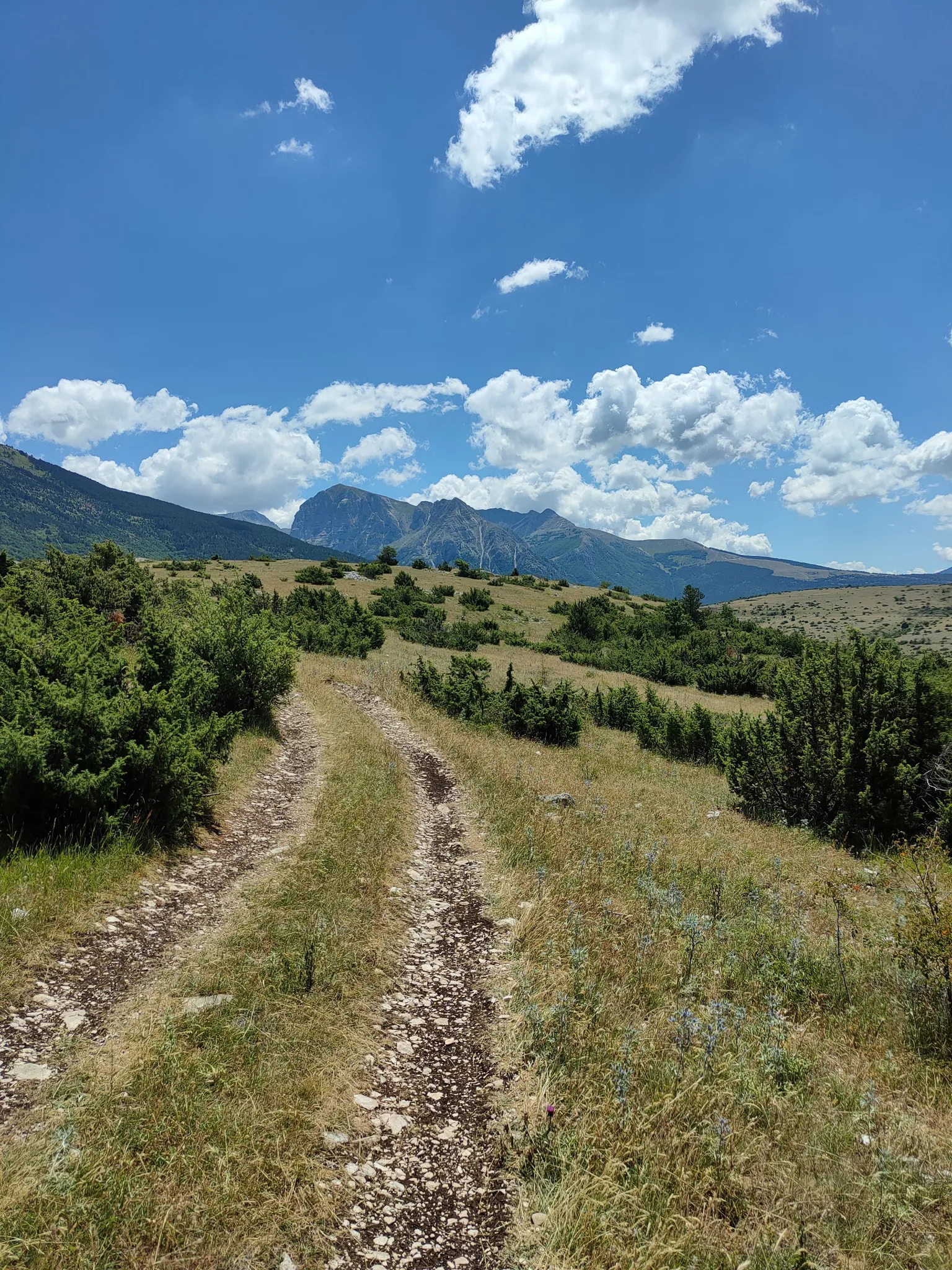
Coming from Caccamo towards Camerino, in the hamlet of Campolarzo there is a small clearing on the right and a small path that climbs the hill and leads to the ruins of the 13th century Rocca di Campolarzo. The path is not well maintained but it is worth a visit and enjoy the valley below.
0
0
Frequently Asked Questions
What kind of historical sites and castles can I expect to find in the Fiastra area?
The Fiastra area offers a rich blend of medieval castles and significant historical structures. You'll find evocative castle ruins like the Castello di Fiastra (Magalotti Castle) with panoramic views, as well as more intact fortifications such as Statte Castle and Rocca di San Giovanni. Beyond castles, the region boasts the remarkably preserved Chiaravalle Abbey and the elegant Palazzo Giustiniani Bandini, offering a deep dive into monastic and noble history.
Which castles offer the best panoramic views of the surrounding landscape?
For breathtaking panoramic views, the Castello di Fiastra (Magalotti Castle) is highly recommended, overlooking Lago di Fiastra and the Sibillini Mountains. Other excellent viewpoints include Statte Castle, which controls the Chienti and Potenza valleys, and Rocca di San Giovanni, offering a beautiful vista over the village of Visso. The ruins of Rocca di Campolarzo also provide rewarding views of the valley below.
Are there any well-preserved medieval sites besides castles in the Fiastra region?
Yes, the Fiastra area is home to the magnificent Chiaravalle Abbey (Abbadia di Fiastra), one of Italy's best-preserved Cistercian abbeys. It features a huge church, a beautiful cloister, and various monastic rooms. Adjacent to the abbey is the Palazzo Giustiniani Bandini, a grand noble residence that evolved from the abbey's south wing. Both offer a profound glimpse into medieval monastic life and aristocratic grandeur.
What outdoor activities can I combine with visiting the castles?
The region around Fiastra's castles is ideal for outdoor enthusiasts. You can explore numerous hiking and cycling routes. For example, the village of Fiastra itself is a starting point for paths leading to the Fiastrone gorges and the famous Lame Rosse. You can find various traffic-free bike rides and MTB trails around Lake Fiastra and the surrounding mountains.
Are there specific hiking trails that lead to or past the castles?
Many trails in the Fiastra area offer opportunities to visit or view castles. From the village of Fiastra, you can access paths that lead to the Castello Magalotti ruins and further into the Fiastrone gorges. While the path to Rocca di Campolarzo may not be well-maintained, it's a short climb worth the effort for the views. Many routes, such as those found in the MTB Trails around Fiastra guide, pass by significant historical points.
Is the Castello della Rancia worth visiting, even if it's not directly in Fiastra?
Absolutely. The Castello della Rancia, located near Tolentino (about 7 km from Fiastra Abbey), is a significant medieval castle. Originally a granary for the Cistercian monks of Fiastra Abbey, it was transformed into a military fortress. It features a square shape, crenellated walls, three defensive towers, and an archaeological museum. It's open to the public and hosts cultural events, making it a worthwhile historical detour.
What is the best time of year to visit the castles and historical sites in the Fiastra region?
The spring and autumn months generally offer the most pleasant weather for exploring the castles and engaging in outdoor activities. Temperatures are mild, and the natural scenery is vibrant. Summer can also be beautiful, especially around Lago di Fiastra, but it can be warmer. Winter visits are possible, but some routes or sites might have limited access due to snow or colder conditions, particularly in higher elevations.
Are there family-friendly castles or historical sites to visit in the area?
While many castles are ruins, their historical significance and scenic locations can be engaging for families. The Castello di Fiastra offers stunning views over the lake, which can be a great backdrop for a family outing. The Chiaravalle Abbey and the adjacent Palazzo Giustiniani Bandini provide a more structured historical experience with well-kept gardens. The Castello della Rancia near Tolentino also has an archaeological museum that can be interesting for children.
Can I find any hidden gem castles or lesser-known historical spots?
Beyond the more prominent sites, the region holds several intriguing, less-visited spots. The ruins of Rocca di Campolarzo, for instance, offer a quiet exploration and rewarding valley views, despite the path not being perfectly maintained. These smaller sites often provide a more intimate connection with the region's past away from larger crowds.
What is the historical significance of the castles in the Fiastra area?
The castles in the Fiastra area played a crucial role in controlling the territory during the medieval period. The Castello di Fiastra (Magalotti Castle) was the primary feudal domain of the powerful Magalotti family. Statte Castle was built to control the vital Chienti and Potenza valleys, while Rocca di San Giovanni dates back to the 13th century. These fortifications highlight the strategic importance of the region and the constant interplay between temporal power and landscape.
Are there any natural reserves or parks associated with these historical sites?
Yes, the Chiaravalle Abbey is situated within the extensive Fiastra Abbey Natural Reserve. This reserve is an idyllic spot for country walks, enjoying nature, and features oak woods, lakes, and diverse ecosystems. The Palazzo Giustiniani Bandini is also part of this reserve, offering an English-style garden with rare plants. This allows visitors to combine historical exploration with immersion in nature.
Most popular routes around Fiastra
Most popular attractions around Fiastra

Get inspired with the komoot mobile app


Explore more
Looking for the best castles somewhere else? Discover other guides around Fiastra:
