Top 8 Castles around Fiuminata
Best castles around Fiuminata are found in a region rich with historical fortifications, situated near the Umbrian border. The area is characterized by its position in the Potenza river valley, offering a landscape that historically supported strategic defensive structures. These sites provide insight into medieval life and architecture, reflecting centuries of local history. Fiuminata's castles are notable for their preservation and the stories they tell about past dominions and conflicts.
Best castles around Fiuminata
- The most popular castles is Castel…
Last updated: August 10, 2026
Castello di Gagliole
Highlight • Castle
Translated by Google •
Tip by

Gualdo Tadino
Highlight • Settlement
Translated by Google •
Tip by

Sign up now to discover places like this
Get recommendations on the best single tracks, peaks, & plenty of other exciting outdoor places.
Sign up for free
Castel Santa Maria
Highlight • Settlement
Translated by Google •
Tip by

Cassero Tower
Highlight • Historical Site
Translated by Google •
Tip by
Postignano Fortress
Highlight • Castle
Translated by Google •
Tip by
Sign up for free to discover even more castles around Fiuminata.
Sign up for free
Already have an account?
Start today with a free account
Your next adventure awaits.
Login or Signup

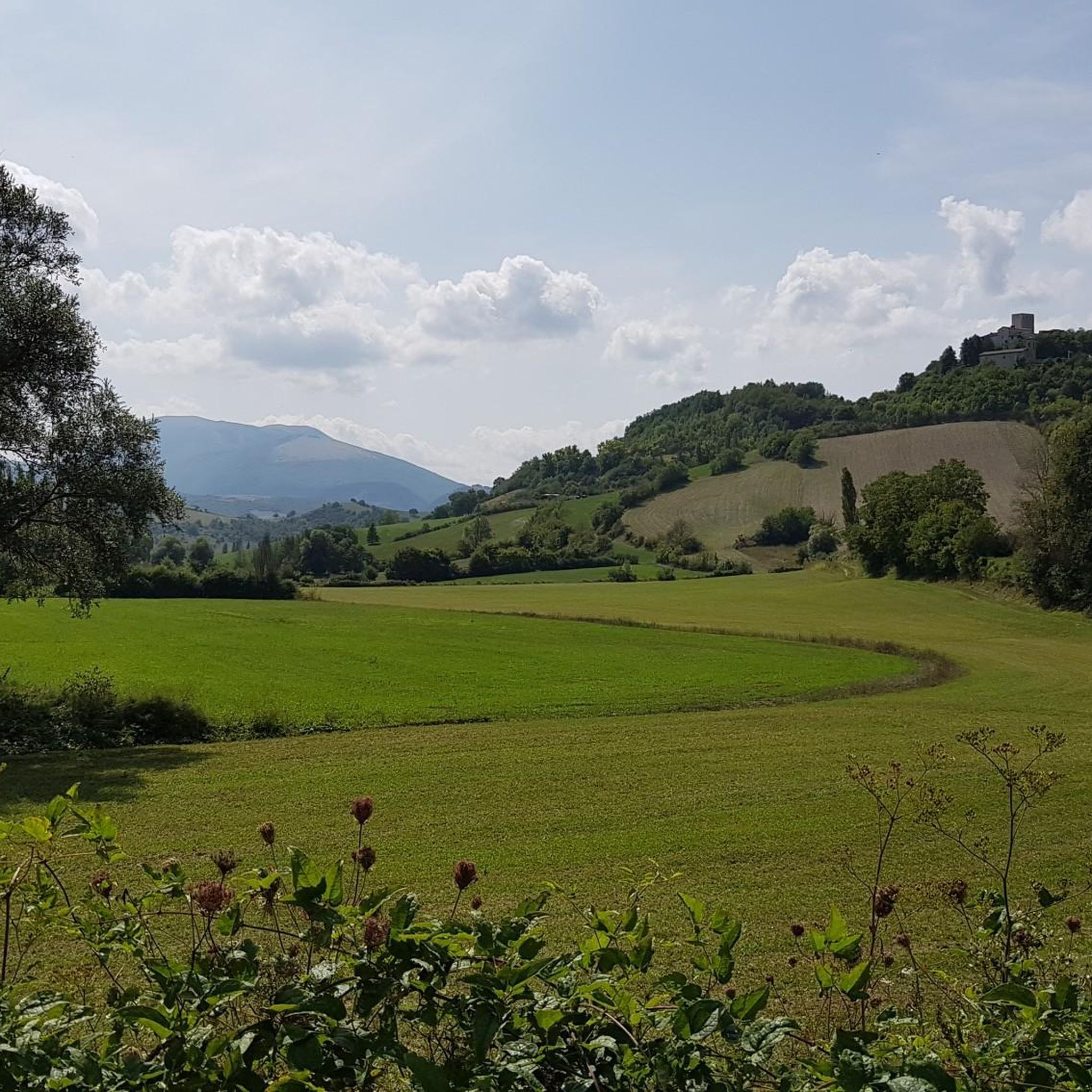
Tips from the Community

This is a historic place, dear to the local community.
0
0

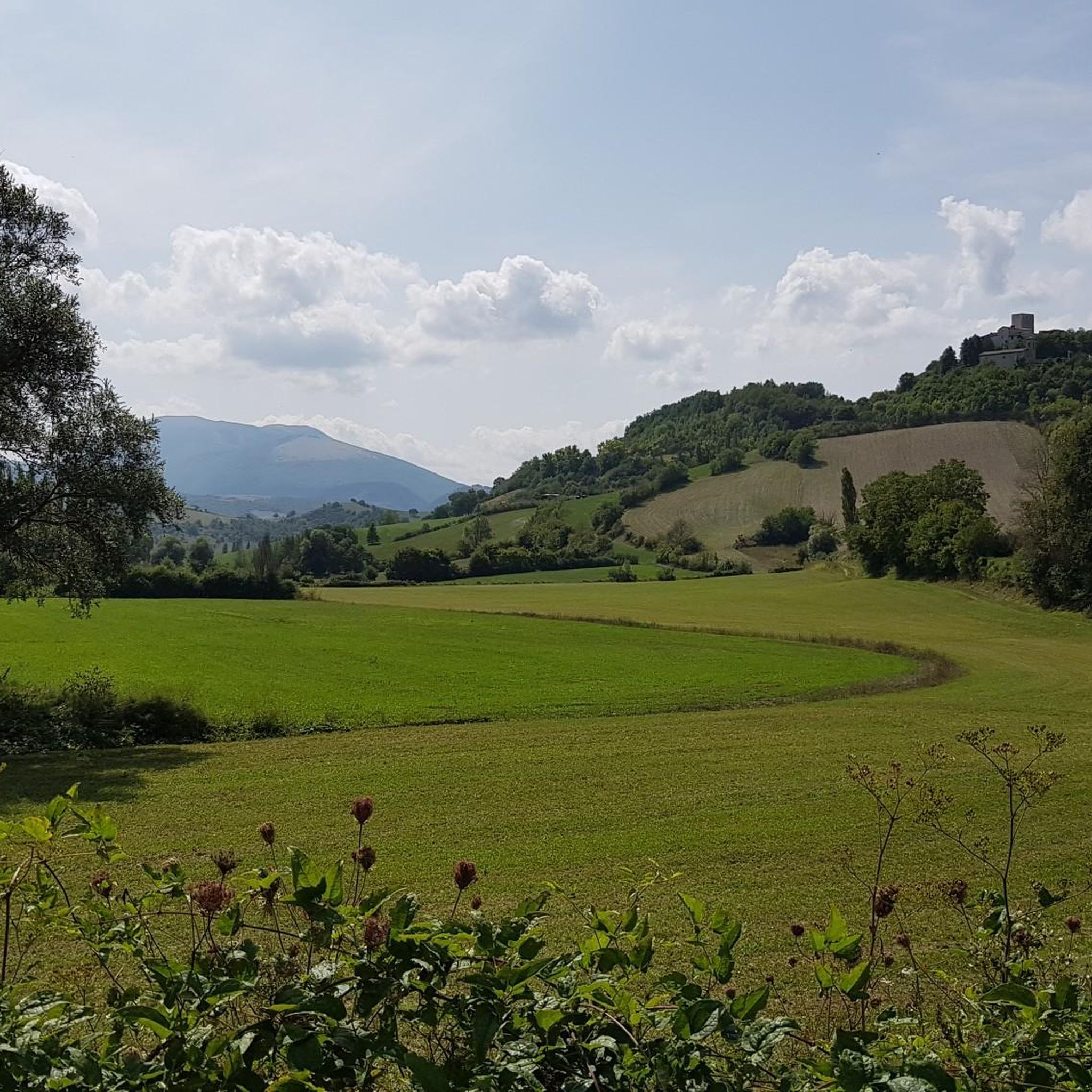
Postignano, a hamlet of Nocera Umbra, has a history that dates back to the Lombard era. Strategically placed to guard the Via Flaminia from enemy incursions, its fortress was initially inhabited by Lombard nobles, descendants of the Arimanni of the first era. In 1150, San Rinaldo was born here and became bishop of Nocera, giving Postignano a significant presence in ecclesiastical history. In 1217, it was subjected to Assisi and subsequently passed under the dominion of the Trinci of Foligno. Inhabited until the 14th century, the castle then passed to the Apostolic Chamber and in the 16th century it became unsafe and was abandoned. Its imposing ruins are now visible even from afar.
1
0
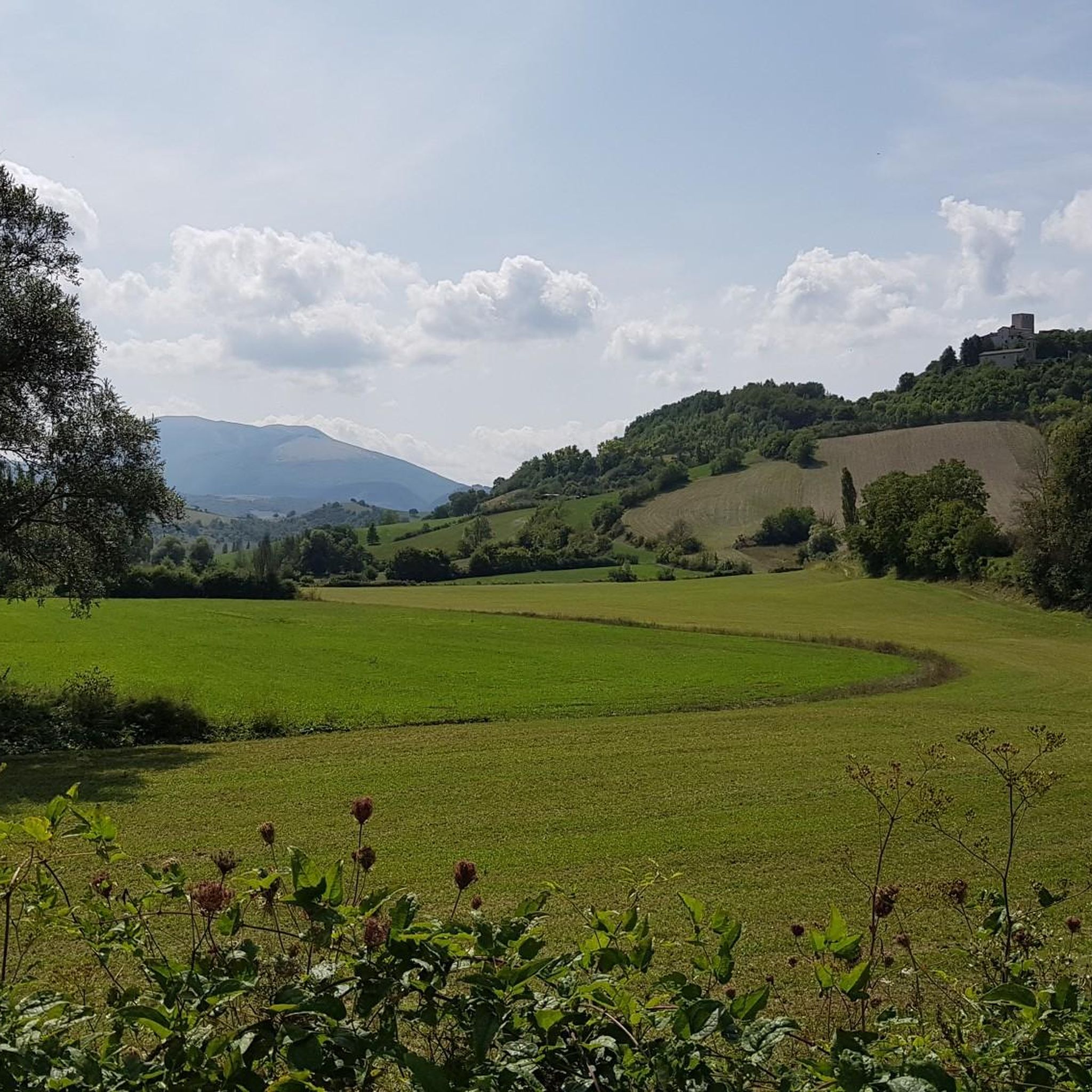
The Castle of Gagliole, with a thousand-year history, was long owned by the municipality of San Severino during the medieval period. Its dominant position on the Potenza river valley was considered strategic since Roman times, when the Via Flaminia prolaquense was one of the most important roads in the region. However, it was in the 13th century that the da Varanos, lords of Camerino, transformed the castle into a solid and imposing military structure, making it one of the most impressive castles of their duchy.
1
0
The Torre del Cassero was built between 1311 and 1385 as part of the Castrum Raymundi complex. This fortress was part of the defensive system called "dell'Intagliata", made up of towers, moats and walls, to protect Camerino during the wars with the nearby towns of San Severino and Matelica. Il Cassero rises to over 35 meters in height. Over time, the tower became the bell tower of the adjacent church of San Biagio, which also incorporated the remains of the few remaining walls.
1
0

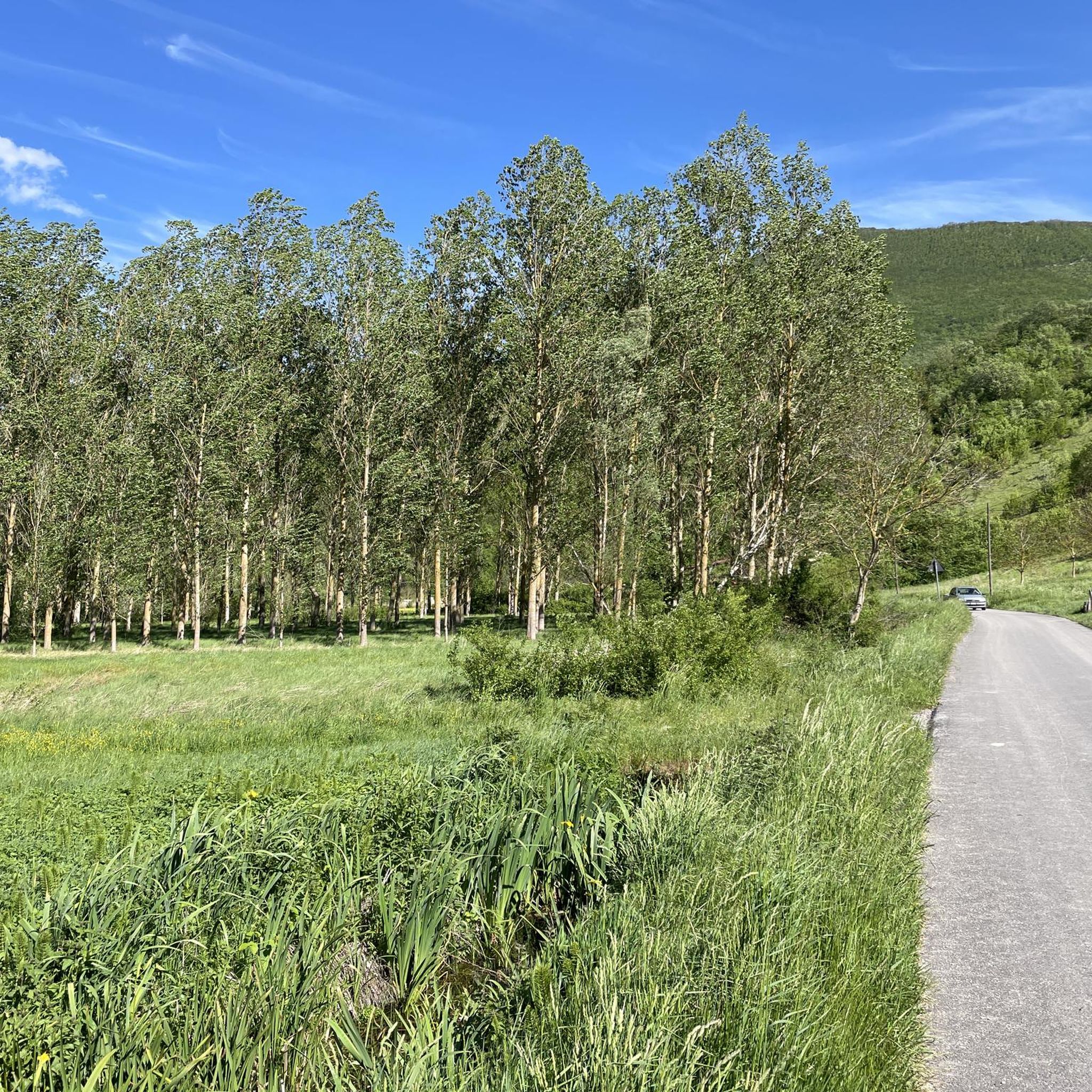
Gualdo Tadino is an ancient city in the province of Perugia northeast of the Umbrian capital. It is located on the lower slopes of Monte Penna, from here several nature trails start. The city has a long history and was originally an Umbrian village called Tarsina.
2
0

Water - Drinking fountain Castel S. Maria was a bone of contention between Camerino and Matelica (and beyond). Even today the peaceful houses are framed in the triple medieval walls, intact, with a clear design and precise defensive plans
0
0

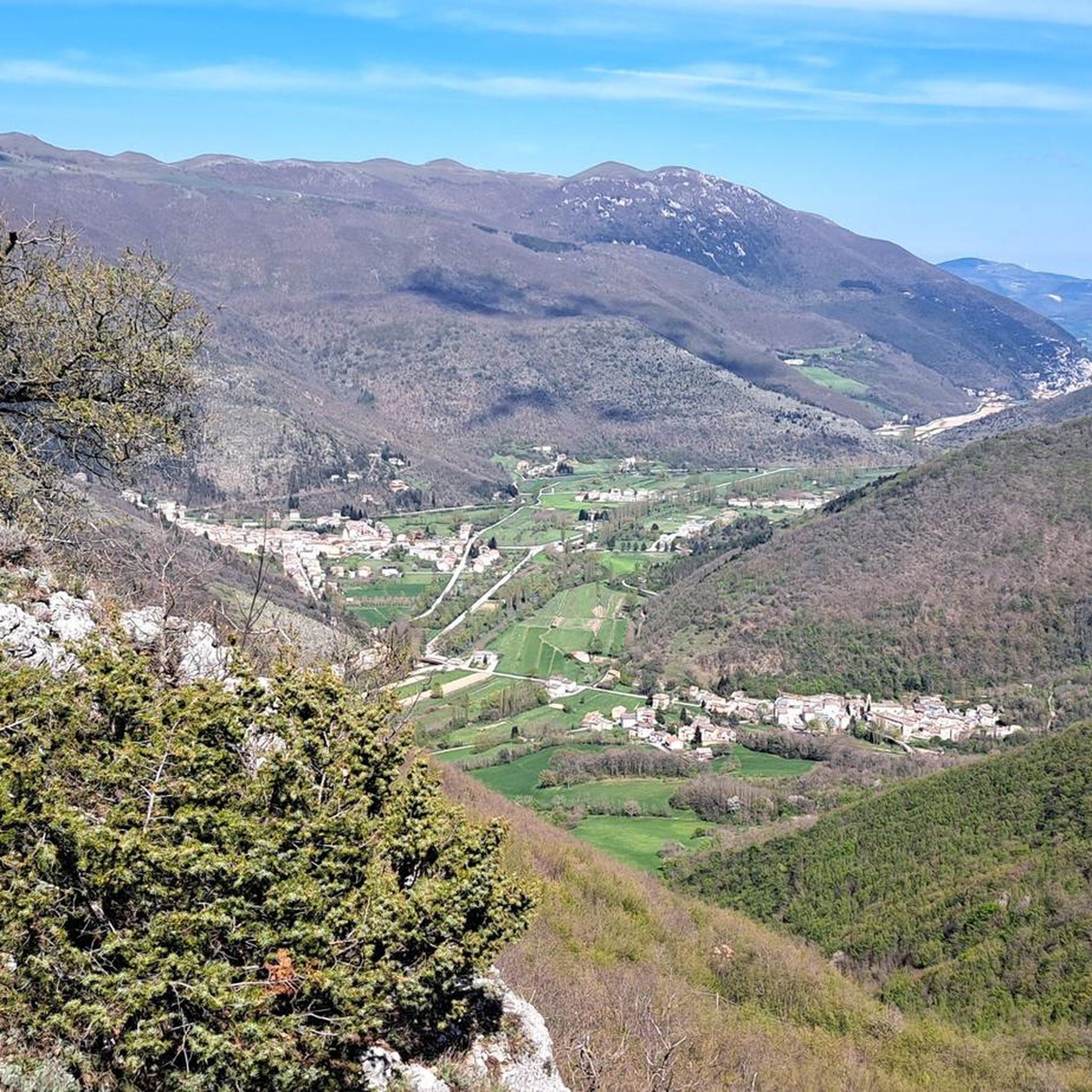
Castel Santa Maria is a fraction of Macerata. The fortified nucleus is composed of concentric circles, narrow alleys leading to a square overlooked by the majestic former town hall, the parish church and other medieval buildings.
1
0
Frequently Asked Questions
What is the most historically significant and well-preserved castle in the Fiuminata area?
The medieval village of Castello (formerly Castri Sancti Johannis or Castel San Giovanni) is considered the most historically significant and well-preserved example of Fiuminata's past fortifications. It retains its original layout, including an access gate, towers, and defensive walls, offering a tangible glimpse into medieval life. You can learn more about its history and features.
What unique architectural features can I find at Castello in Fiuminata?
Castello boasts several unique architectural features, including an ancient, well-preserved quadrangular watchtower at its highest point, solid perimeter walls, and an access gate surmounted by a pointed arch of white limestone. Inside, you'll find a medieval street plan with four narrow streets intersecting the main thoroughfare leading to the tower. The Church of San Giovanni Battista, near the entrance, also retains its original late 14th-century facade.
Are there other historical fortifications or castles to explore near Fiuminata?
Yes, besides Castello, the Fiuminata territory is home to other historical fortifications, though many are in ruins. These include the Rocca di Spindoli, Castello di Orve, Rocca di Santa Lucia, Rocca di Gista, and Rocca dei Tangani. The Sanctuary of the Madonna di Valcora also has a defensive, fortress-like appearance.
Which castles around Fiuminata are recommended for history enthusiasts?
History enthusiasts will appreciate Castello for its intact medieval structure and rich past. Additionally, Castello di Gagliole, with its thousand-year history and strategic position, offers insights into its transformation into an imposing military structure by the da Varanos. Castel Santa Maria also features well-preserved triple medieval walls and a fortified nucleus.
Are there any family-friendly castles or historical sites in the region?
While specific family activities at castles are not detailed, the ancient city of Gualdo Tadino is categorized as family-friendly. It offers a long history as an Umbrian village and serves as a starting point for several nature trails, which can be enjoyable for families.
What kind of cultural events take place at Castello?
Castello is known for its cultural events, such as the 'Sagra del Dolce' (Sweet Festival). During this festival, visitors can taste local homemade sweets like the 'Crescia Fogliata' and other traditional dishes. The event also features musical groups, art exhibitions, and a historical re-enactment of the birth of the Fiuminata comune, complete with flag-wavers, drummers, a historical procession, and a medieval market.
What outdoor activities can I do near the castles around Fiuminata?
The area around Fiuminata offers various outdoor activities. You can find numerous hiking trails, including routes like the Monte Gemmo – Tre Pizzi loop or the Pioraco loop. For cyclists, there are road cycling routes such as the Valico di Campodonico – Sturinalto Fountain loop. Running trails are also available, with options like the Pioraco – ring tour.
Are there hiking trails that incorporate historical sites or castles?
Yes, some hiking routes in the area allow you to explore historical sites. For example, the Santa Lucia Fortress loop from Piana di Pioraco is a moderate 8.9 km hike that takes you past the Rocca di Santa Lucia, one of the historical fortifications in the region. You can find more options in the hiking guide for Fiuminata.
What is the best time of year to visit the castles in Fiuminata?
The castles around Fiuminata, situated in the Potenza river valley, are best visited during spring or autumn when the weather is mild and pleasant for exploring historical sites and enjoying the scenic location. Summer can also be a good option, especially if you plan to attend local festivals like the 'Sagra del Dolce' at Castello.
Can I find any castles that offer scenic views of the Potenza river valley?
Yes, Castello is perched on a steep slope overlooking the Potenza river valley, offering picturesque views. Similarly, Castello di Gagliole held a dominant and strategic position on the Potenza river valley, suggesting it also provides excellent vantage points of the surrounding landscape.
What is the history behind the Torre del Cassero?
The Torre del Cassero was built between 1311 and 1385 as part of the Castrum Raymundi complex. It was a crucial part of the "dell'Intagliata" defensive system, which included towers, moats, and walls, designed to protect Camerino during conflicts with nearby towns. Standing over 35 meters tall, it later became the bell tower for the adjacent Church of San Biagio.
Most popular routes around Fiuminata
Most popular attractions around Fiuminata

Get inspired with the komoot mobile app


Explore more
Looking for the best castles somewhere else? Discover other guides around Fiuminata:
