Top 7 Caves around Ussassa/Ussassai
Best caves around Ussassa/Ussassai are found in a region of Sardinia known for its natural underground wonders. This area features a landscape shaped by geological processes, resulting in numerous karst formations and cave systems. The caves offer insights into the earth's interior and provide a unique natural experience.
Best caves around Ussassa/Ussassai
- The most popular caves is Serbissi Cave, a cave that is a karst cavity created by dolomitic dissolution. It offers a spectacular view alongside ancient nuraghe structures. …
Last updated: June 2, 2026
Grotta Is Janas
Highlight • Cave
Opening times: Only with a guided tour, approx. 45 minutes - at the following times: 10:00 a.m., 11:00 a.m., 3:00 p.m., 4:00 p.m. and 5:00 p.m
escursionisadali.it
Translated by Google •
Tip by

Su Marmuri Cave
Highlight • Cave
Translated by Google •
Tip by

Sign up now to discover places like this
Get recommendations on the best single tracks, peaks, & plenty of other exciting outdoor places.
Sign up for free
Serbissi Cave
Highlight • Cave
Source: sentierinatura.it/easyne2/LYT.aspx?Code=SentieriNatura&IDLYT=2713&ST=SQL&SQL=ID_Documento%3D4591
Translated by Google •
Tip by

Matzeu Cave
Highlight • Cave
Translated by Google •
Tip by

Rocky trail between the Chillottis and the Janas Caves
Highlight • Trail
Translated by Google •
Tip by
Sign up for free to discover even more caves around Ussassa/Ussassai.
Sign up for free
Already have an account?
Start today with a free account
Your next adventure awaits.
Login or Signup
Popular around Ussassa/Ussassai
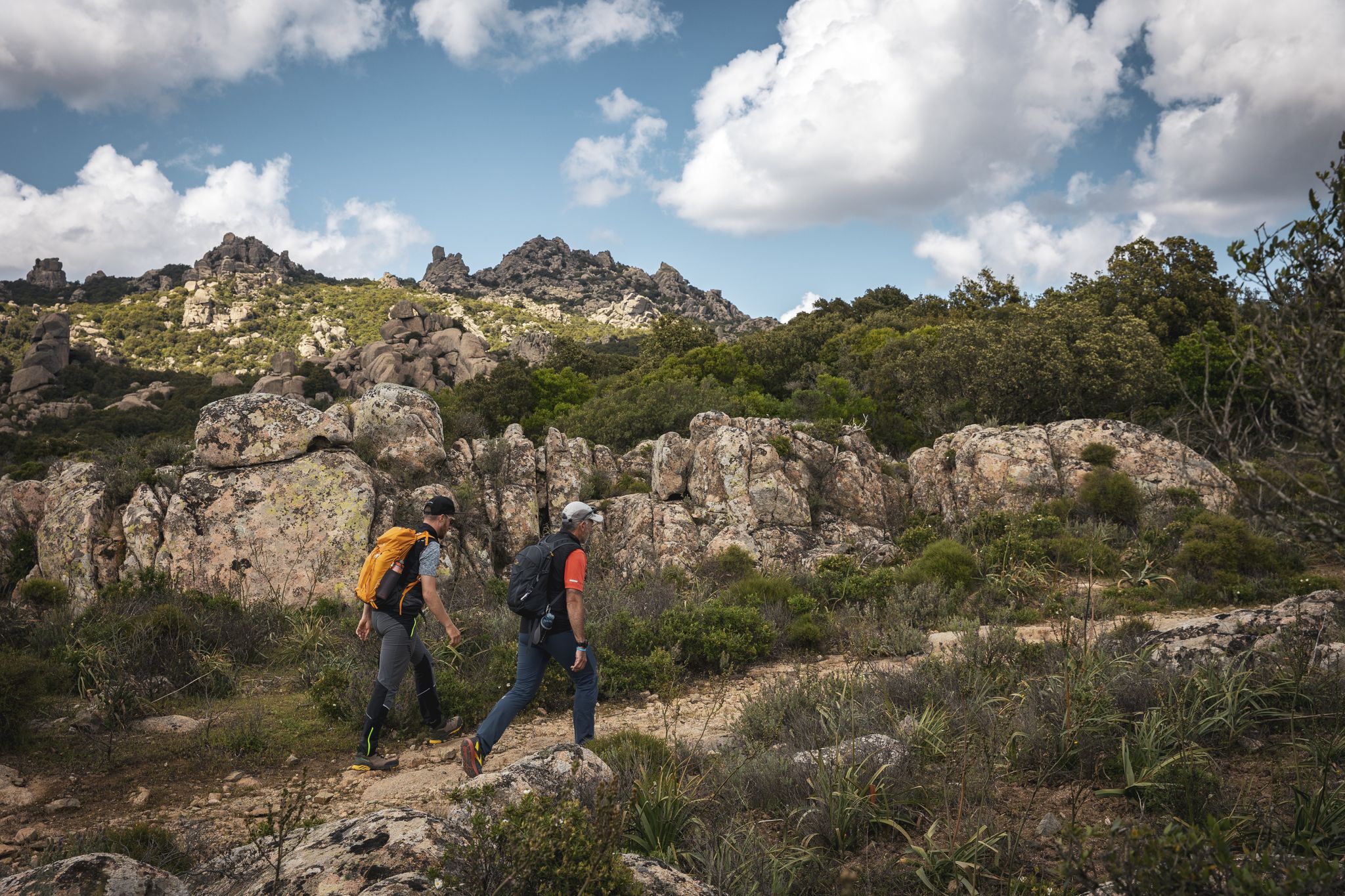
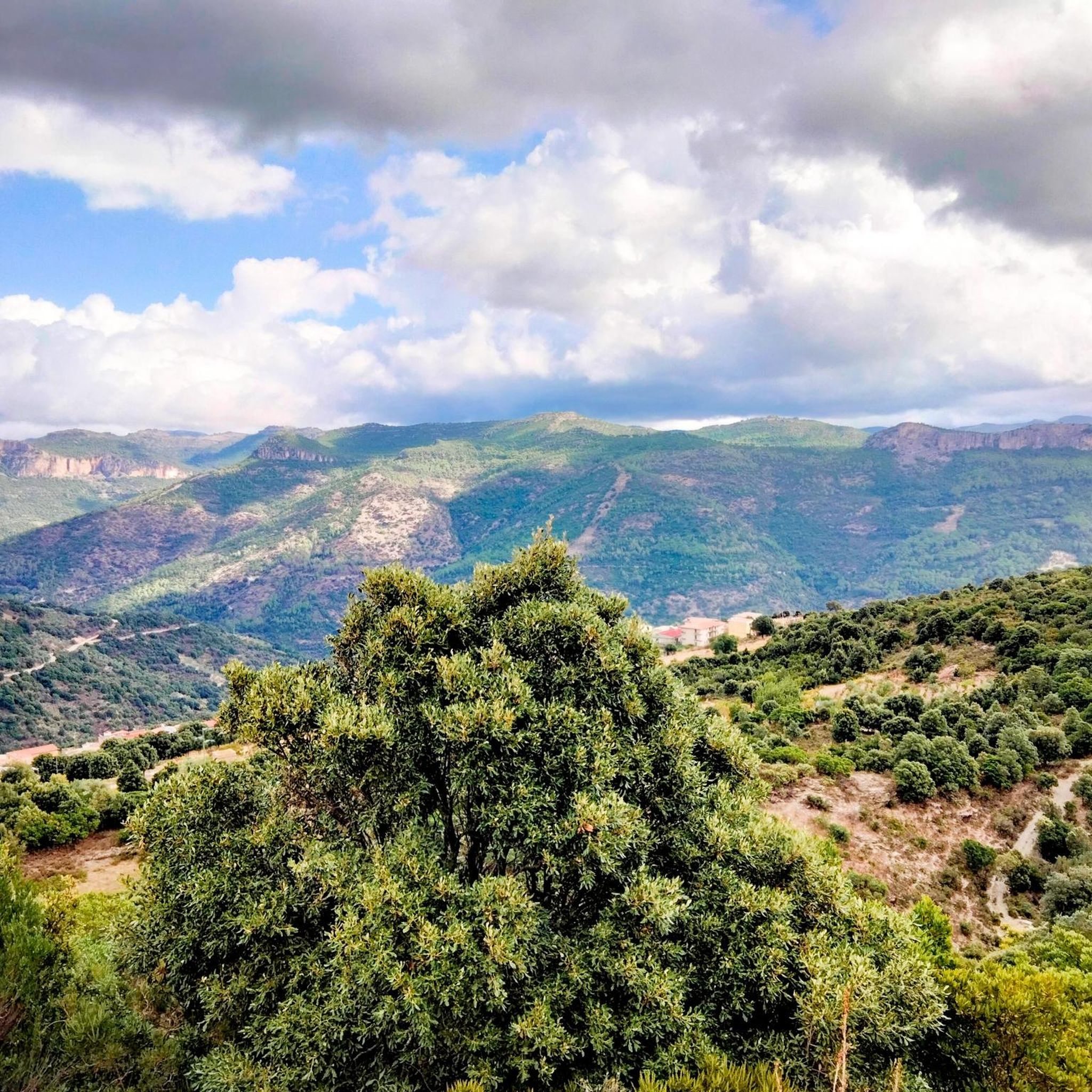
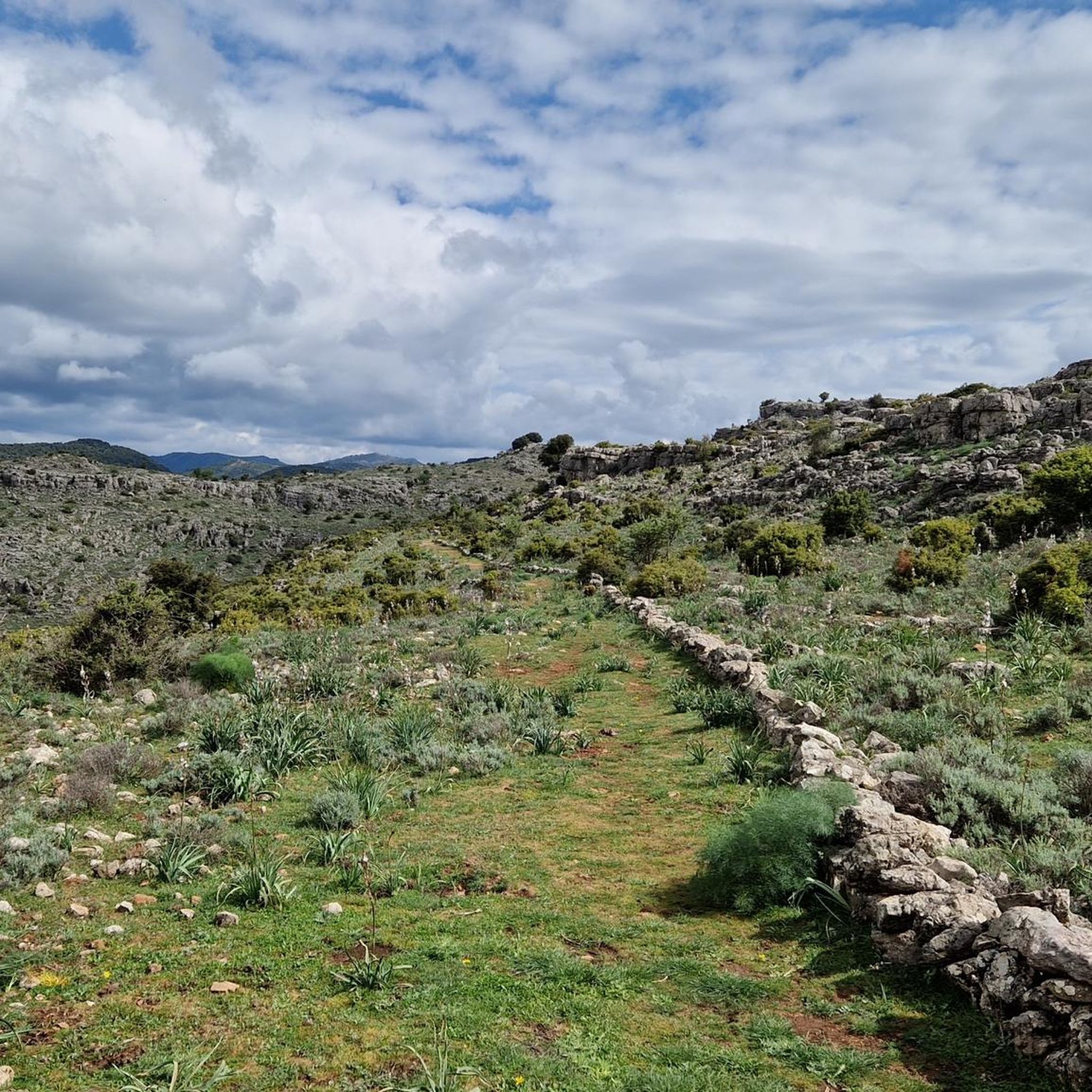
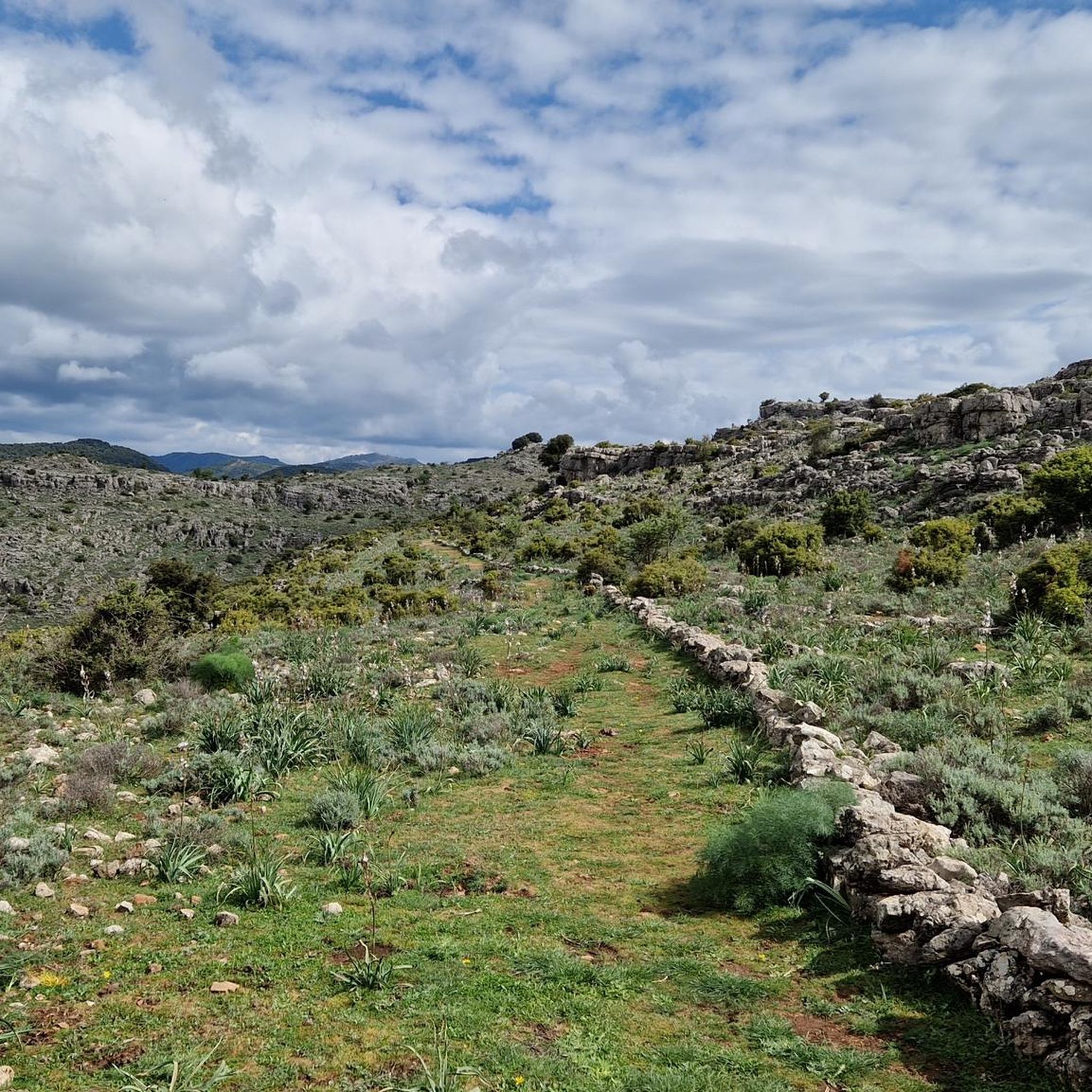
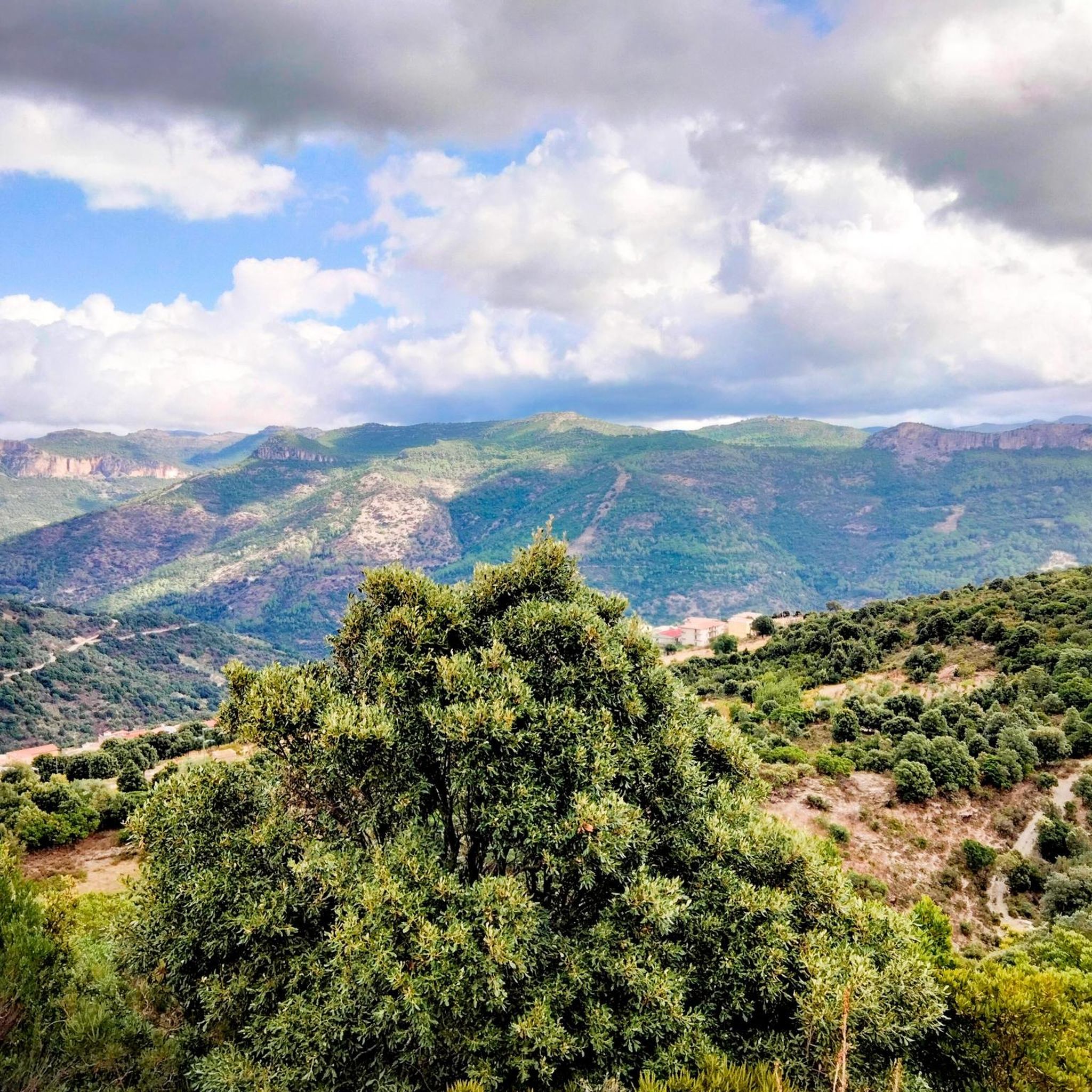

Other adventures around Ussassa/Ussassai

Tips from the Community

The cave is part of the archaeological park of the nuraghe of Sirbissi
0
0

6 euros entrance fee, which is really worth it. Opening times: Only with a guided tour, approx. 45 minutes - at the following times: 10:00 a.m., 11:00 a.m., 3:00 p.m., 4:00 p.m. and 5:00 p.m https://www.escursionisadali.it/ There are 5 rooms to visit. In contrast to the well-known grottos, the lighting is more temporary and the paths are more adventurous. The following legend surrounds the grotto: The cave is called “Is Janas”, which is a Sardinian name for “fairies”. According to a legend, three fairies lived in this cave. The fairies loved food and enjoyed cooking. This is also how you cook during Lent. A priest surprised the fairies while they were eating and was hanged by them (broken stalagtite in the first room). As punishment, God turned the fairies into three stalgmites (room 2). In the fourth room the skeleton of a "Prolagus Sardus" was discovered as well as ceramic shards from the Neolithic period (3000 BC) which can be viewed in the Museum of Caglari. Geological and historical information: The cave dates back 5 million years and was discovered in the 19th century. The cave is approx. 240 meters long and has a constant temperature of 12° and a humidity of 99 - 100%. The colors of the cave are: red (iron oxide and clay), gray (manganese) and black (guano - bat excrement).
5
1

We enjoyed the views and also the plants along the way.
0
0
The cave is very worth seeing. We can also recommend the restaurant.
0
1

Very worth seeing, even if it was May 2023 with €12 entry p.p. quite expensive
0
1

Take a flashlight with you otherwise you won't see any stalactites
0
0

The Serbissi cave is a karst cavity, created by dolomitic dissolution through rainwater. Source: http://www.sentierinatura.it/easyne2/LYT.aspx?Code=SentieriNatura&IDLYT=2713&ST=SQL&SQL=ID_Documento%3D4591
1
0
Frequently Asked Questions
What makes the caves around Ussassa/Ussassai unique?
The region is known for its diverse karst formations and cave systems, shaped by millions of years of geological processes. You'll find large stalactite caves, such as Su Marmuri Cave, and karst cavities like Serbissi Cave, offering a variety of underground formations and natural wonders.
Which caves offer guided tours in the Ussassa/Ussassai area?
Both Su Marmuri Cave and Grotta Is Janas offer guided tours. Su Marmuri tours typically last 45-60 minutes, while Grotta Is Janas tours are also around 45 minutes and are available at specific times throughout the day.
Are there family-friendly caves to visit around Ussassa/Ussassai?
Yes, Su Marmuri Cave is considered very accessible and family-friendly. It features an easy, flat tourist route extending about 850 meters, making it suitable for most visitors. Grotta Is Janas also offers a captivating experience with its legend of fairies, which can be engaging for families.
What is the temperature like inside the caves, and what should I wear?
The internal temperature of the caves remains consistently cool year-round. Su Marmuri Cave is about 10°C (50°F), and Grotta Is Janas is around 12°C. It's highly recommended to wear warm clothing, even in summer, and comfortable, sturdy shoes, as some paths can be slippery.
What kind of geological features can I expect to see in the caves?
The caves boast impressive calcitic formations. In Su Marmuri Cave, you'll find grand stalactites, stalagmites, columns, and even underground lakes. Highlights include the 'Cactus Hall' and the 'Organ Room'. Matzeu Cave is known for its beautifully hollowed-out red rock formations.
Are there any historical or cultural aspects associated with the caves?
Yes, Serbissi Cave offers a spectacular view alongside ancient nuraghe structures, connecting the natural wonder with Sardinia's prehistoric past. Grotta Is Janas is steeped in local legend, named after 'fairies' who, according to folklore, once inhabited it. Neolithic ceramic shards and a skeleton of a 'Prolagus Sardus' were also discovered there.
What outdoor activities can I do near the caves around Ussassa/Ussassai?
The area offers various outdoor activities. You can find numerous routes for hiking, cycling, and mountain biking. Some trails, like the Rocky trail between the Chillottis and the Janas Caves, combine scenic views with cave exploration.
What kind of wildlife can be found in the caves?
Su Marmuri Cave is a significant habitat for various species, including the Ovobathysciola Gestroi (an underground beetle), a species of Sardinian cave salamander, the Speleomantes Imperialis (an amphibian), and Italy's largest bat colony, primarily Schreibers' bats, which use the cave for hibernation.
Are there any challenging cave experiences for experienced explorers?
While Su Marmuri Cave offers an accessible route, other caves like Matzeu Cave are noted for their adventurous access. Smaller, less developed caves in the Ussassai area, such as Stampu 'e Trulu and Scala 'e Cannas, are generally more suited for experienced speleologists.
What do visitors enjoy most about the caves in this region?
Visitors consistently praise the immense size, the diversity and beauty of the rock formations, and the unique cave-dwelling fauna. The experience of journeying into the earth's interior, seeing millions of years of geological formation, and the refreshing coolness inside are frequently highlighted as unforgettable aspects.
Is there an entrance fee for the caves?
Yes, for Grotta Is Janas, there is an entrance fee of 6 euros, which includes a guided tour. Information regarding fees for other caves like Su Marmuri Cave is typically provided at the site, as they also operate with guided tours.
Most popular routes around Ussassa/Ussassai
Most popular attractions around Ussassa/Ussassai

Get inspired with the komoot mobile app


Explore more
Extend your search for the best caves by checking out these guides of the top ones around Ussassa/Ussassai:
