Top 12 Castles around Vialfrè
Castles around Vialfrè are primarily found in the surrounding Piedmont and Canavese regions, as Vialfrè itself retains only remnants of its ancient castle, largely destroyed during the Tuchinaggio revolt. This area is characterized by rolling hills and historical significance, offering a rich selection of historical fortresses and residences. The region's landscape provides a backdrop for these structures, many of which served defensive purposes or as royal residences.
Best castles around Vialfrè
- The most popular castles is Ivrea Historic Centre and…
Last updated: August 9, 2026
Ivrea Historic Centre and the Dora Baltea Riverside
Highlight • Historical Site
Translated by Google •
Tip by

Agliè - the historic town center
Highlight • Historical Site
Translated by Google •
Tip by

Sign up now to discover places like this
Get recommendations on the best single tracks, peaks, & plenty of other exciting outdoor places.
Sign up for free
San Martino
Highlight • Settlement
Translated by Google •
Tip by
Castellazzo of Caluso
Highlight • Castle
Translated by Google •
Tip by

Agliè Castle
Highlight • Castle
Translated by Google •
Tip by
Sign up for free to discover even more castles around Vialfrè.
Sign up for free
Already have an account?
Start today with a free account
Your next adventure awaits.
Login or Signup


Other adventures around Vialfrè

Tips from the Community

Beautiful old town with imposing buildings and views of the mountains.
0
0

Agliè, an enchanting village in the heart of Canavese, boasts a thousand-year history that has its roots in the Roman era. The original nucleus, probably located on the hills of the current hamlet of Santa Maria delle Grazie, was known as "Macunciacum" and depended on the Abbazia Fruttuaria di San Benigno. Agliè, as a fortified village, emerges in documents in 1141, when the feudal lords of Canavese divided the territory. The town became one of the lands of the San Martino di Rivarolo and Agliè, a family that would profoundly mark the history of the village. Despite the feudal struggles that raged in the region, Agliè maintained relative stability, even if it was not immune to looting and devastation. With the arrival of the Savoy, Agliè experienced a period of growth and development. In 1448, the village obtained municipal statutes, a sign of autonomy and recognition. The most emblematic figure of this period was Count Filippo San Martino di Agliè, a man of culture and prominent politician. Minister of Cristina of France, regent of the Duchy of Savoy, Filippo transformed the castle of Agliè into a sumptuous residence, enriching it with works of art and gardens. Today, Agliè is a village that preserves its historical and artistic charm intact. The Ducal Castle, with its gardens and richly decorated rooms, is an unmissable destination for visitors. The streets of the village, with their stone houses and noble palaces, tell the story of a place that has managed to preserve its identity over the centuries.
0
0
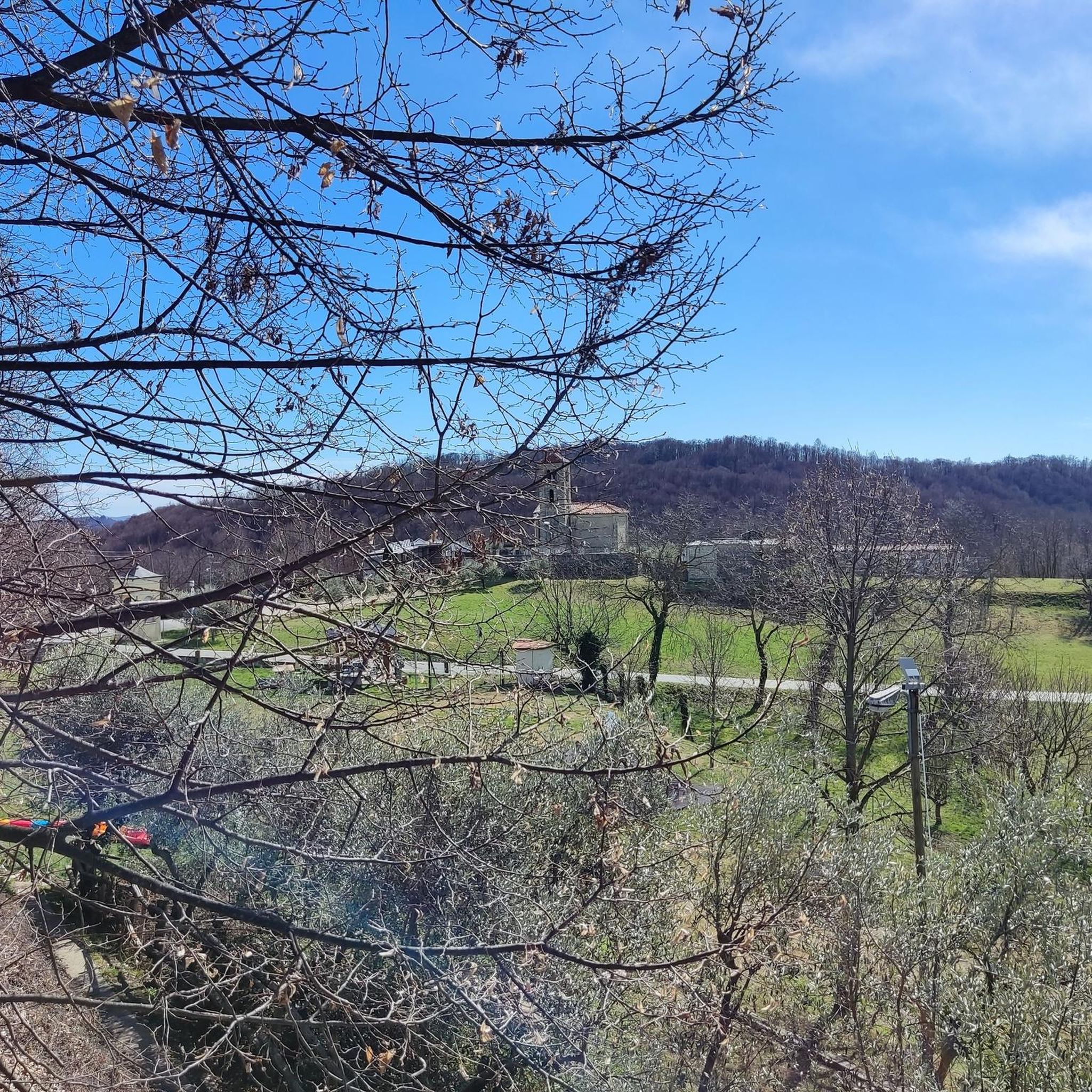
Nestled in the rolling hills of Morena Ovest, the village of San Martino enchants visitors with its ancient charm and evocative atmosphere. Its history has its roots in the distant 11th century, when the construction of the majestic Torre-porta maggiore marked the beginning of the settlement. It was a fortified village, surrounded by mighty walls and moats that guaranteed its defense. The walls, made with pebbles arranged in a herringbone pattern and reinforced by megaliths still visible on the north side, testify to the construction skill of the time. Along the perimeter of the walls, there were at least six tower-gates, smaller in size than the main tower, which allowed access to the village. The village of San Martino was long linked to the powerful family of the Counts of San Martino, who exercised control over it for centuries. Their presence is evidenced by numerous historic buildings, including the castle, now in ruins, which dominated the village from above.
0
0
A UNESCO World Heritage Site since 1997, the Ducal Castle of Agliè is perhaps the most significant architectural work in the Canavese area. The current appearance of the majestic castle is the result of four major construction phases, which led it to change its shape over the centuries, transforming it from a fortified building from the Middle Ages to a true royal residence, as can still be admired today.
1
0

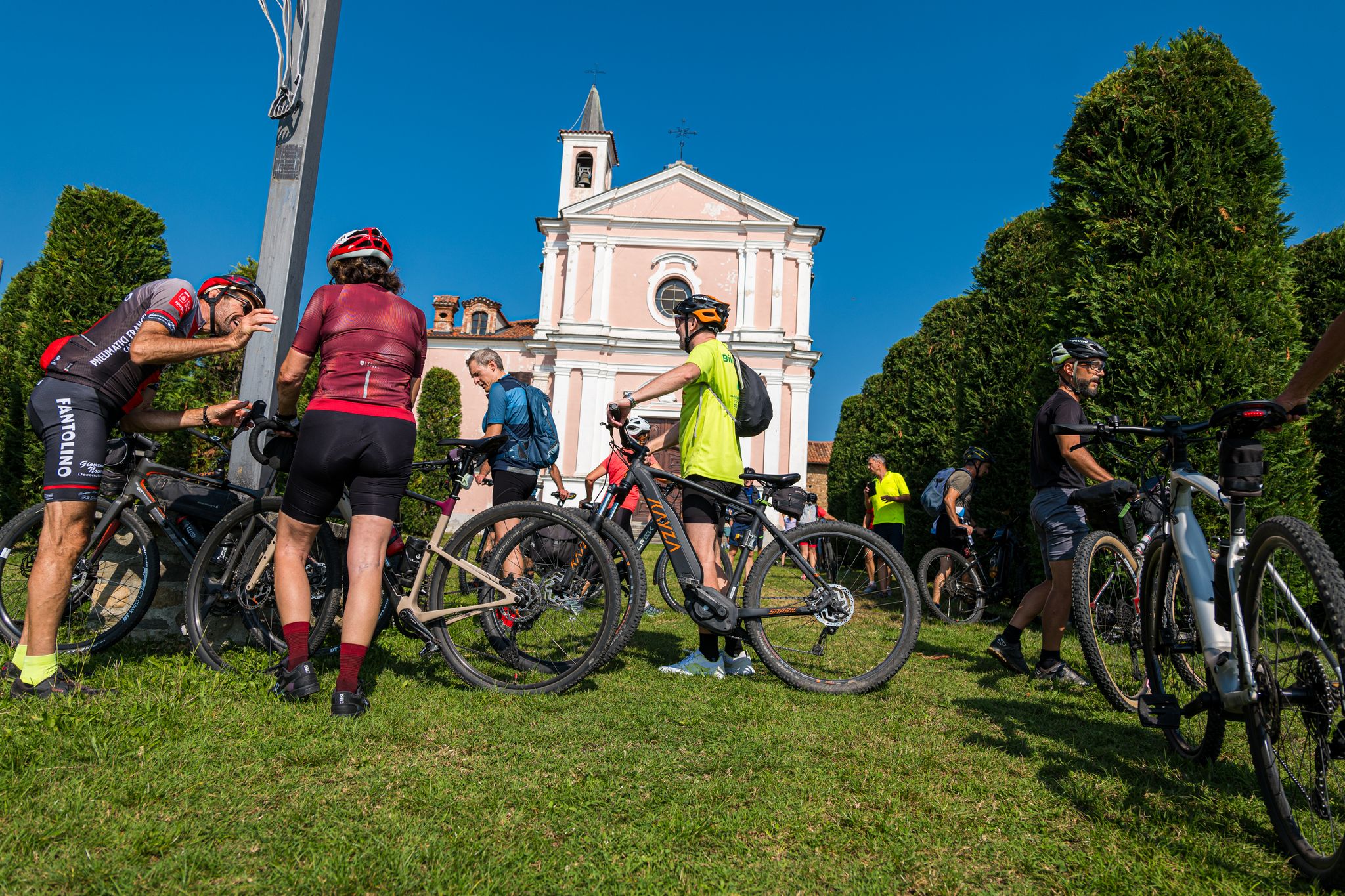
Passage made during Erratico Gravel
0
0

Ivrea, the cradle of the Olivetti company and its famous typewriters, is located on the right bank of the Dora Baltea, west of the Serra di Ivrea, the largest moraine wall in Europe. The silhouette of a 14th century castle rises above the city. In the upper town there is also the originally Romanesque Duomo, which was renovated in the 19th century. On the other bank of the Dora, near Via Jervis, the old Olivetti factories have been converted into Musea dell'Architecture Moderna.
8
0

Stage of the Via Francigena. Worth a visit
2
0

beautiful place to take a picture
3
0
Frequently Asked Questions
What is the historical significance of castles around Vialfrè?
The castles in the Piedmont and Canavese regions near Vialfrè hold centuries of history, often serving as defensive fortresses, strategic military constructions, or grand residences for noble families like the Savoy. They reflect the turbulent past of the area, including events like the Tuchinaggio revolt, and showcase diverse architectural styles from medieval to more elaborate royal estates. Many are now UNESCO World Heritage sites, preserving this rich heritage.
Are there any castles directly in Vialfrè?
Vialfrè itself has limited remains of an ancient castle. The castle belonging to the San Martino family was largely destroyed during the Tuchinaggio popular revolt between 1386-1391, leaving only a few remnants today. The more impressive and well-preserved castles are found in the surrounding Piedmont and Canavese regions.
Which castles near Vialfrè are considered historically significant?
Several castles in the region boast significant history. The Ivrea Historic Centre and the Dora Baltea Riverside features a 14th-century castle built by Amedeo VI of Savoy, a powerful symbol of Savoyard rule. The historic town center of Agliè is home to the Ducal Castle, a former royal residence with seven centuries of history and a UNESCO World Heritage site. The Castellazzo of Caluso is a feudal fortress dating back to the 13th century, built for military control.
What makes Castello di Pavone Canavese a unique visit?
The Castello di Pavone Canavese stands out with its fairy-tale appearance, featuring crenellated walls and an imposing donjon. It underwent significant restoration in 1885 and today houses a hotel and restaurant, offering a distinctive experience. Legend also suggests it brings good luck and love to its visitors, adding to its romantic appeal.
Can I visit Castello di Masino?
Yes, Castello di Masino is owned by the FAI (Fondo Ambiente Italiano) and is open to visitors. It is nestled within a monumental park that offers unparalleled views, providing a chance to explore a beautifully preserved historical estate and enjoy panoramic vistas of the surrounding landscape.
Is Sacra di San Michele a castle, and why should I visit it?
While primarily an abbey, the Sacra di San Michele is often associated with the region's castles due to its dramatic, fortified appearance and historical significance. Perched on Mount Pirchiriano, it is considered a symbol of Piedmont. Visitors can climb 243 steps to its summit, offering significant historical value, stunning architecture, and splendid views of the valley from its elevated position.
Are there family-friendly castles to visit near Vialfrè?
Yes, several castles and historical sites in the area are considered family-friendly. The Ivrea Historic Centre and the historic town center of Agliè, which includes the Ducal Castle, are both categorized as family-friendly. The Ducal Castle of Agliè specifically is a great option for families.
What outdoor activities can I do near these castles?
The area around Vialfrè offers various outdoor activities. You can find numerous hiking, running, and mountain biking routes. For example, there are easy hiking loops like the 'Erratic Boulders loop from Vialfrè' or moderate options like 'Pietra Grossa – Erratic Boulders loop from Vialfrè'. You can explore more options on the Hiking around Vialfrè guide, Running Trails around Vialfrè guide, or MTB Trails around Vialfrè guide.
What is the best time of year to visit the castles around Vialfrè?
The Canavese region, where these castles are located, is beautiful throughout the year. Spring and autumn offer pleasant temperatures for exploring both the castles and the surrounding landscapes, with vibrant foliage or blooming gardens. Summer is also popular, though it can be warmer. Visiting in winter might offer a different, quieter experience, but some attractions or park areas might have reduced hours.
Are there hiking trails near Vialfrè with castle views?
Yes, the region offers trails that provide views of the historical landscape. While specific 'castle view' trails are not explicitly listed, many routes in the area pass through scenic countryside where castles like Ivrea or Agliè dominate the skyline. Exploring the Hiking around Vialfrè guide will help you find routes that traverse the morainic hills, often offering glimpses of these historic landmarks.
How can I get to the castles near Vialfrè using public transport?
While Vialfrè itself is a smaller town, major towns like Ivrea and Agliè, which host significant castles, are generally accessible by public transport, primarily regional trains and buses. It's advisable to check local bus and train schedules for specific routes and timings to each castle you plan to visit, as connections can vary. For detailed information on public transport options in the wider Piedmont region, you might consult local transport authority websites.
What do visitors enjoy most about the castles and historical sites in this region?
Visitors frequently appreciate the rich history and stunning architecture of the castles. For instance, the Ivrea Historic Centre is praised for its 14th-century castle dominating the town and its UNESCO recognition. The historic town center of Agliè is loved for its thousand-year history, stone houses, noble palaces, and the Ducal Castle. Many also enjoy the beautiful views and the sense of stepping back in time that these well-preserved sites offer.
Most popular routes around Vialfrè
Most popular attractions around Vialfrè

Get inspired with the komoot mobile app


Explore more
Looking for the best castles somewhere else? Discover other guides around Vialfrè:
