Top 5 Castles around Masio
Castles around Masio are situated in the Province of Alessandria, Italy, an area characterized by the Tanaro river and the Monferrato hills. The region is known for its historical structures, including medieval towers and fortified complexes. Masio itself features the Masio Tower, a 13th-century structure now serving as a museum dedicated to local history. The broader Piedmont region offers numerous historical fortifications, many of which are well-preserved.
Best castles around Masio
- The most popular castles is Castello Faà di Bruno…
Last updated: May 18, 2026
Rocchetta Tanaro town center
Highlight • Settlement
Translated by Google •
Tip by

Castello di Casalbagliano
Highlight • Castle
In the mid-1800s, the Marquis Carlo Inviziati …
Translated by Google •
Tip by

Sign up now to discover places like this
Get recommendations on the best single tracks, peaks, & plenty of other exciting outdoor places.
Sign up for free
Castello Faà di Bruno
Highlight • Castle
Via S. Bruno, 11-1, 15029 Solero AL
Translated by Google •
Tip by

Fubine Monferrato
Highlight • Settlement
Translated by Google •
Tip by

Lajone Castle
Highlight • Castle
castellodilajone.com
Translated by Google •
Tip by
Sign up for free to discover even more castles around Masio.
Sign up for free
Already have an account?
Start today with a free account
Your next adventure awaits.
Login or Signup

Tips from the Community

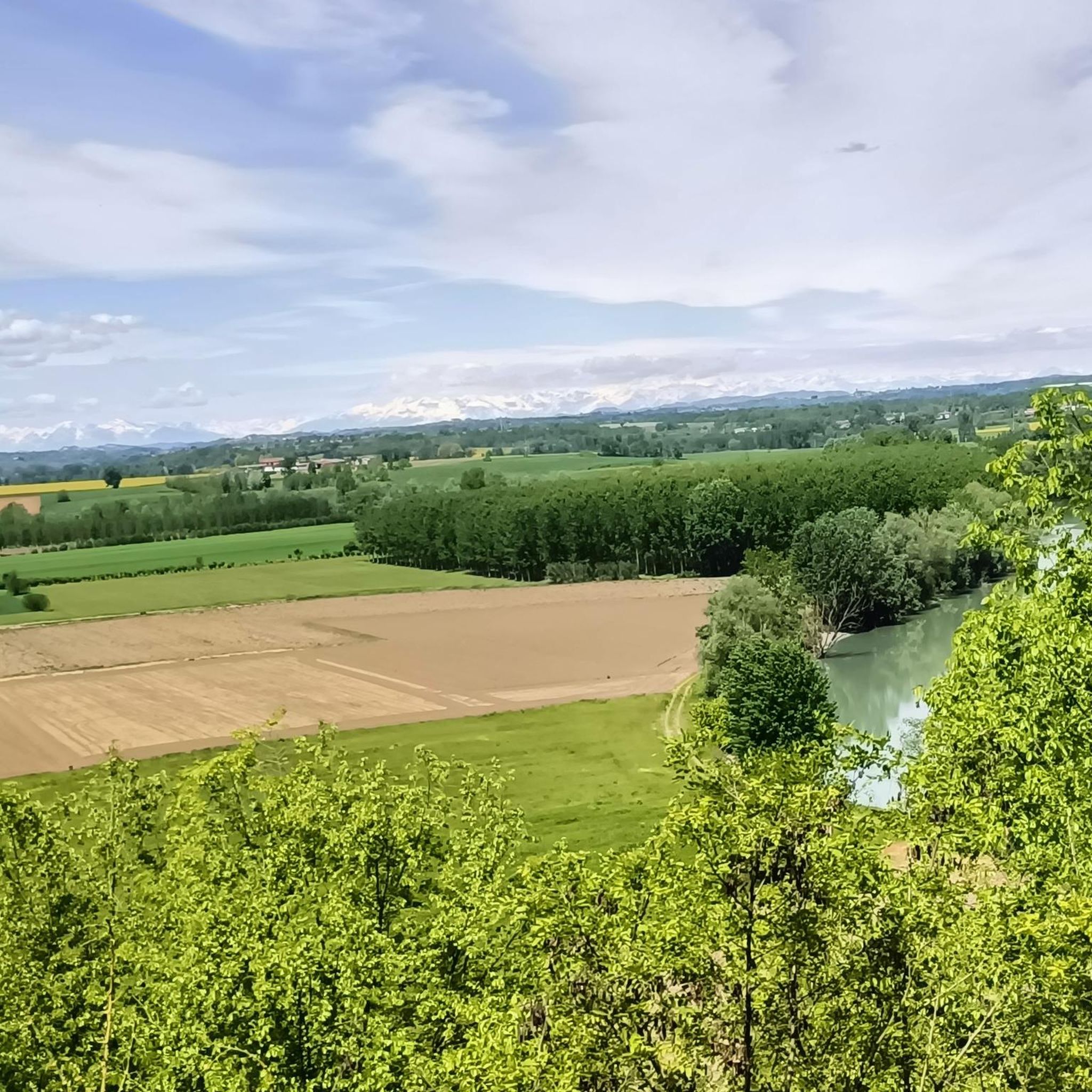
It is a fraction of the municipality of Alessandria
0
0

Seventeenth-century castle surrounded by a centuries-old park of rare plants, a FAI heart place, now used for weddings and events. https://castellodilajone.com
0
0


Place of historical, architectural, cultural and touristic interest Via S. Bruno, 11-1, 15029 Solero AL
4
0
the castle, now a ruin, was inhabited until the beginning of the 20th century, used as a military hospital during the Great War and then as the headquarters of the local section of the fascist party, still intact throughout the first half of the last century, it was gradually the subject of dispossession and complete abandonment, so as to rapidly facilitate its degradation.
0
0

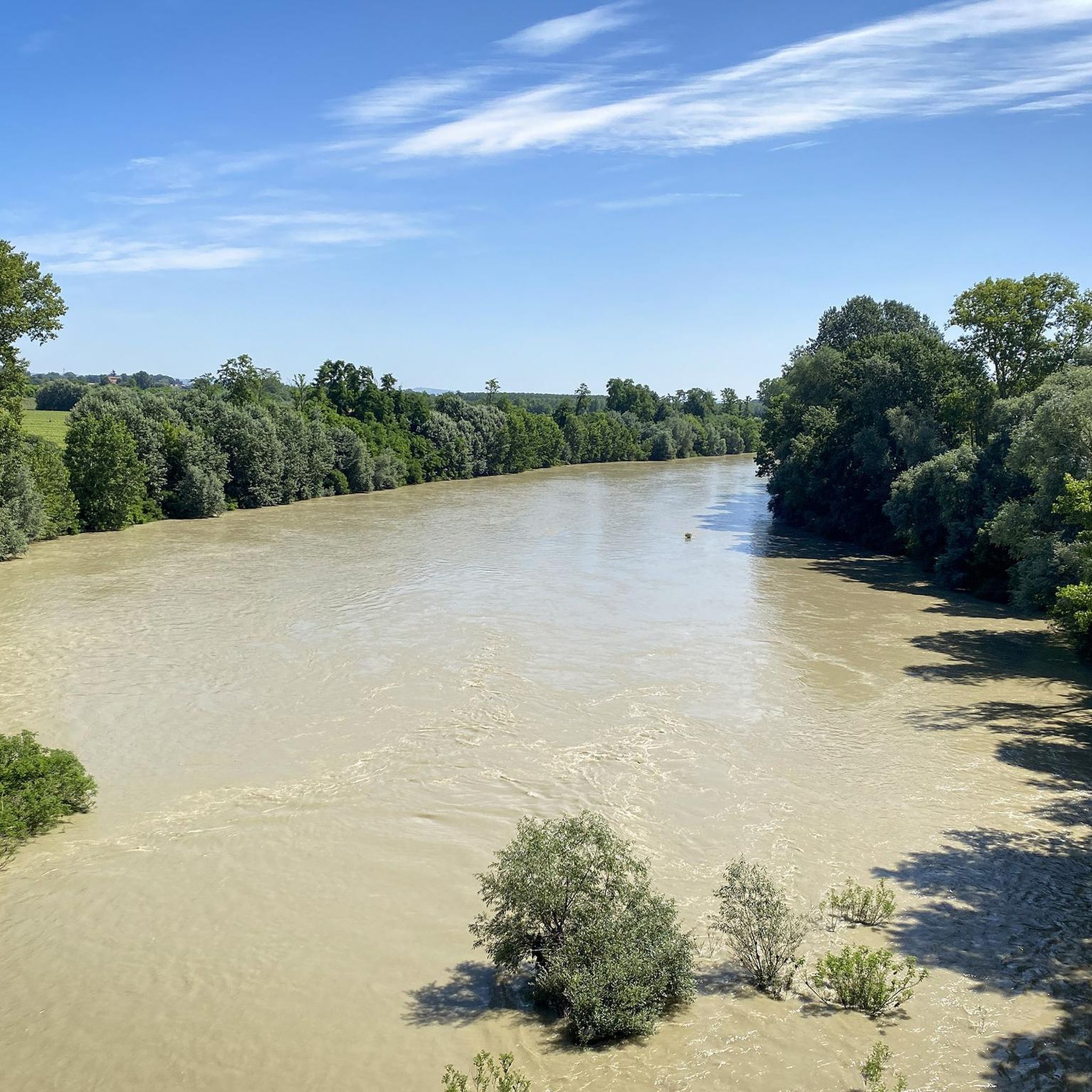
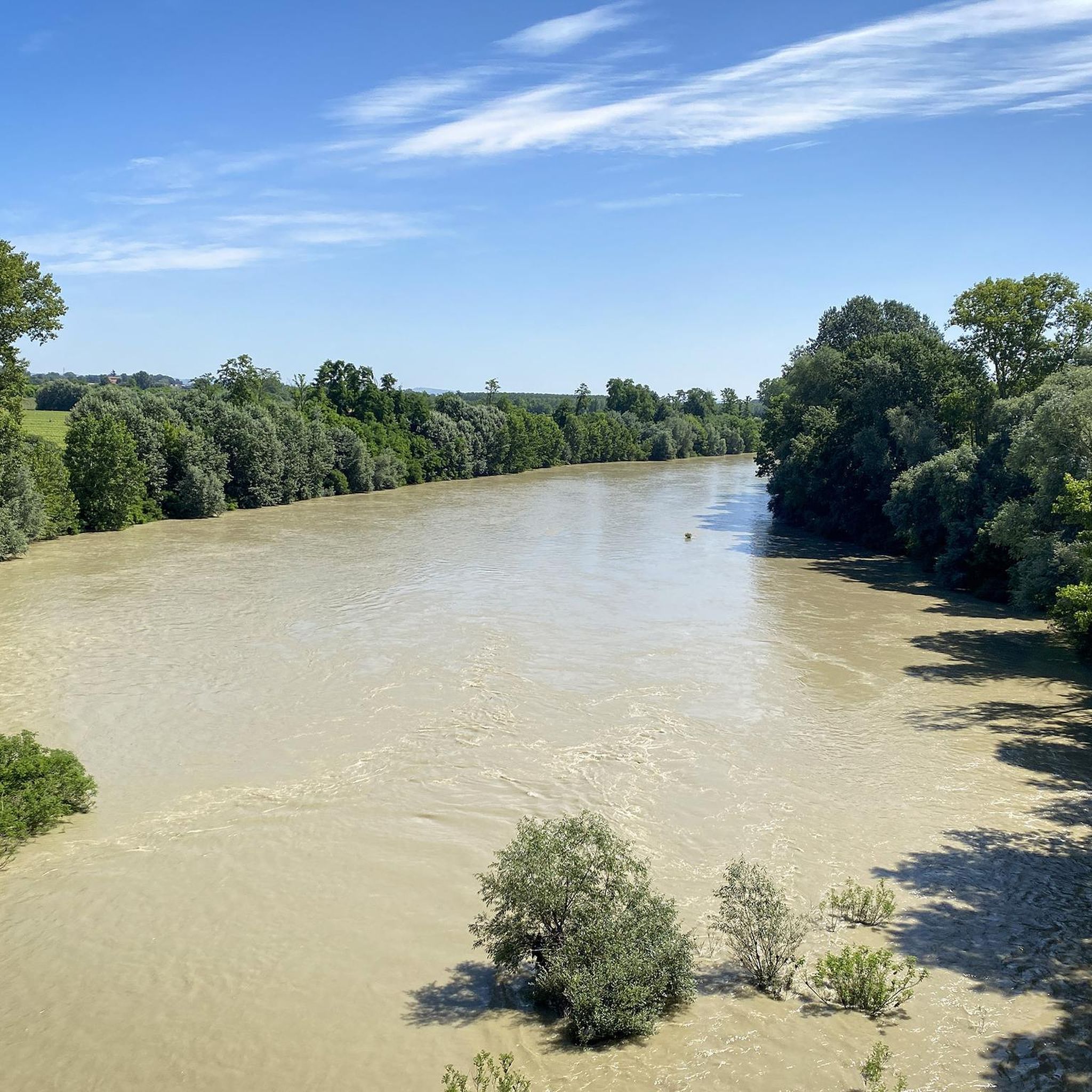
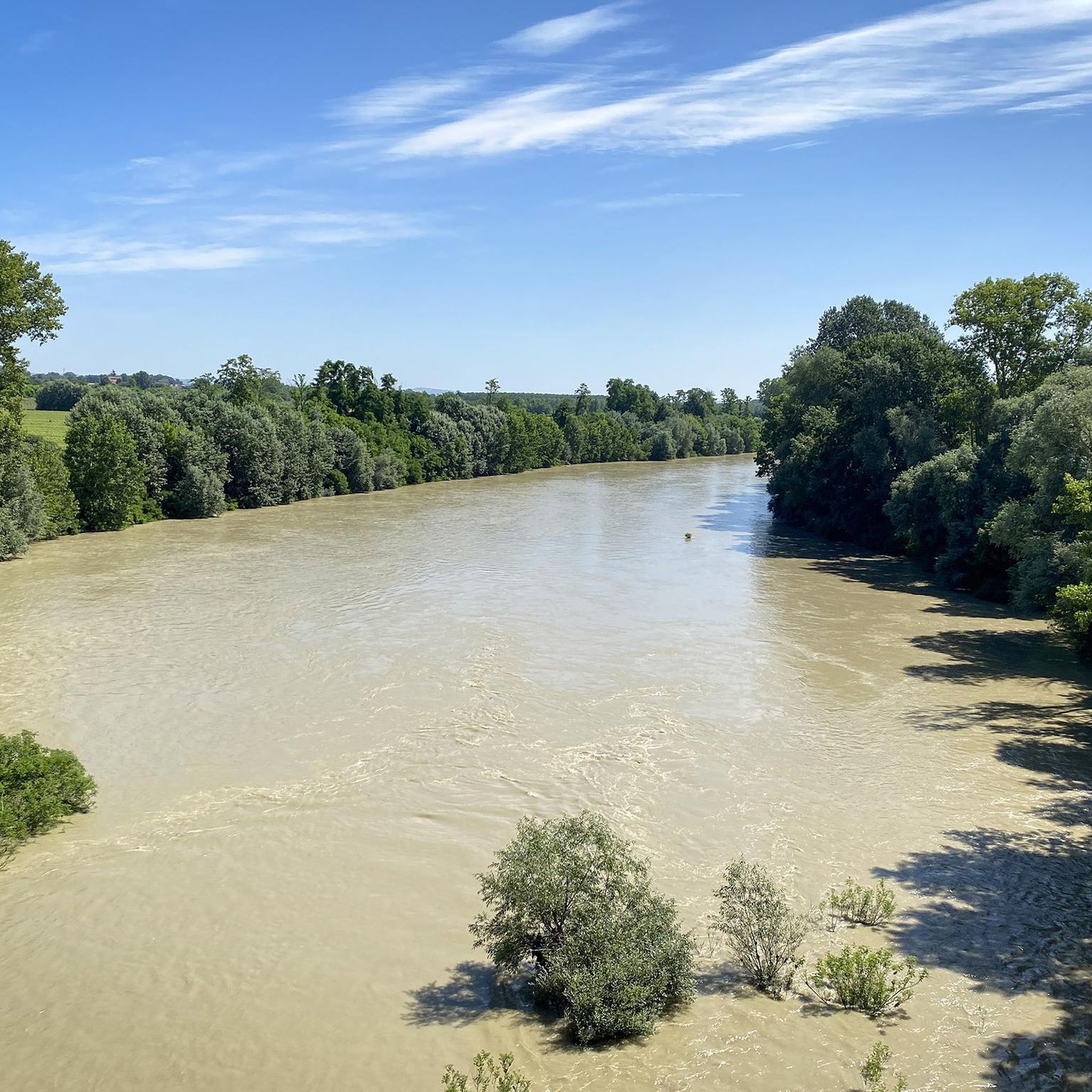
One of the main squares of the town by the river. Here are the church and the town hall.
0
0
XIV century castle in an unacceptable state of abandonment. It was the residence of the Baglianis until the beginning of the 19th century. In the mid-1800s, the Marquis Carlo Inviziati of Branciforte restored it and made it his home, surrounding it with a vast park and enriching it with works of art. The castle then passed to the Petitti di Roreto and from these to the Paravicini who lived there until the beginning of the 1900s. The castle was then acquired by the Municipality of Alessandria, the current owner. During the First World War it was used as a military hospital and then as the headquarters of the local section of the fascist party. It was gradually plundered and completely abandoned, and rapidly deteriorated. During the flood of 6 November 1994 the water and mud of the Tanaro further damaged the castle. https://www.preboggion.it/CastelloIT_di_AL_Casalbagliano.htm
1
0
Quiet village. Great for a stopover.
1
0
Frequently Asked Questions
What kind of historical structures can I expect to find around Masio?
Around Masio, you'll find a variety of historical structures, ranging from medieval towers to fortified complexes. The area is part of the broader Piedmont region, which is rich in historical fortifications. While Masio itself features the unique Masio Tower, the Province of Alessandria, where Masio is located, is known for its numerous castles, some well-preserved and others as significant ruins.
What is the Masio Tower, and what can I experience there?
The Masio Tower (Torre di Masio) is a 13th-century medieval tower that has been transformed into a museum. Known as "the Tower and the River," it offers a journey through local history across its seven floors, detailing the tower's evolution from a defensive structure to a landscape feature. The visit culminates at the top with breathtaking panoramic views of the Tanaro river, the plain, and the Monferrato hills.
Are there any castles near Masio that offer amenities like dining?
Yes, Castello Faà di Bruno is a notable castle that features a municipal park, a bar, and a restaurant serving typical cuisine, making it a place of historical, architectural, cultural, and touristic interest.
Can I visit castles that are used for events or special occasions?
Absolutely. Lajone Castle, a 17th-century castle surrounded by a centuries-old park of rare plants, is frequently used for weddings and other events.
Are there any significant castle ruins to explore near Masio?
Yes, Castello di Casalbagliano is a 14th-century castle that, while now a ruin, holds significant historical value. It was once a residence, later used as a military hospital, and stands as a testament to the area's past.
What are the best outdoor activities to do near the castles around Masio?
The region around Masio offers various outdoor activities. You can find excellent hiking opportunities, with routes like the 'From the Tanaro to the Hills Trail' or the 'Monferrato vineyards walk from Quattordio'. For running, consider the 'Oviglio and Carentino Loop' or the 'Castello loop from Rocchetta Tanaro'. Cyclists can explore longer routes such as the 'Vignale Monferrato – View of Cuccaro Monferrato loop'. You can find more details on these activities in the hiking, running, and cycling guides for Masio.
Are there family-friendly historical sites or castles in the Masio area?
Many historical sites and castles in the Masio area are considered family-friendly. For instance, Castello Faà di Bruno has a municipal park that families can enjoy. The Masio Tower museum also offers an engaging historical journey suitable for various ages.
What is the best time of year to visit castles and historical sites around Masio?
The spring and autumn months generally offer the most pleasant weather for exploring the castles and historical sites around Masio. Temperatures are mild, and the natural scenery of the Monferrato hills is particularly beautiful. Summer can be warm, but still enjoyable, especially if you plan visits for mornings or late afternoons.
Are there any castles or historical towns that are good for a stopover or a short visit?
Rocchetta Tanaro town center, while not a castle itself, is a quiet village perfect for a stopover. It features one of the main squares of the town by the river, with a church and the town hall. Fubine Monferrato is another worth-seeing community, located in the Monferrato hills, where you can find the Bricherasio Castle, the Hanging Garden, and the Crypt of Count Emanuele.
What are some of the historical aspects highlighted by the Masio Tower museum?
The Masio Tower museum, "the Tower and the River," delves into the history of towers in the region, construction techniques, defense strategies, and siege warfare. It also illustrates how the tower's strategic importance evolved and how it became integrated into the landscape dominated by the Tanaro river.
Are there any castles near Masio that are less crowded or considered hidden gems?
While the Masio Tower is a unique and significant local attraction, many of the castles in the broader Province of Alessandria are less frequented by large tourist crowds compared to more famous Italian landmarks. Exploring sites like Castello di Casalbagliano, even in its ruined state, can offer a more secluded and reflective historical experience.
Most popular attractions around Masio

Get inspired with the komoot mobile app


Explore more
Looking for the best castles somewhere else? Discover other guides around Masio:
