Top 4 Castles around Solero
Castles around Solero are situated in the Piedmont region of Italy, offering a blend of historical architecture and natural landscapes. The area is characterized by its connection to the Monferrato hills, providing a backdrop for historical exploration. Solero itself features a notable fortified building, the Castello di Faà di Bruno, which reflects the region's feudal past. Visitors can explore these sites, which often include communal parks and historical significance.
Best castles around Solero
- The most popular castles is Cittadella di…
Last updated: July 27, 2026
Cittadella di Alessandria
Highlight • Historical Site
Translated by Google •
Tip by

Castello di Casalbagliano
Highlight • Castle
In the mid-1800s, the Marquis Carlo Inviziati …
Translated by Google •
Tip by

Sign up now to discover places like this
Get recommendations on the best single tracks, peaks, & plenty of other exciting outdoor places.
Sign up for free
Castello Faà di Bruno
Highlight • Castle
Via S. Bruno, 11-1, 15029 Solero AL
Translated by Google •
Tip by

Fubine Monferrato
Highlight • Settlement
Translated by Google •
Tip by

Lajone Castle
Highlight • Castle
castellodilajone.com
Translated by Google •
Tip by
Sign up for free to discover even more castles around Solero.
Sign up for free
Already have an account?
Start today with a free account
Your next adventure awaits.
Login or Signup
Tips from the Community

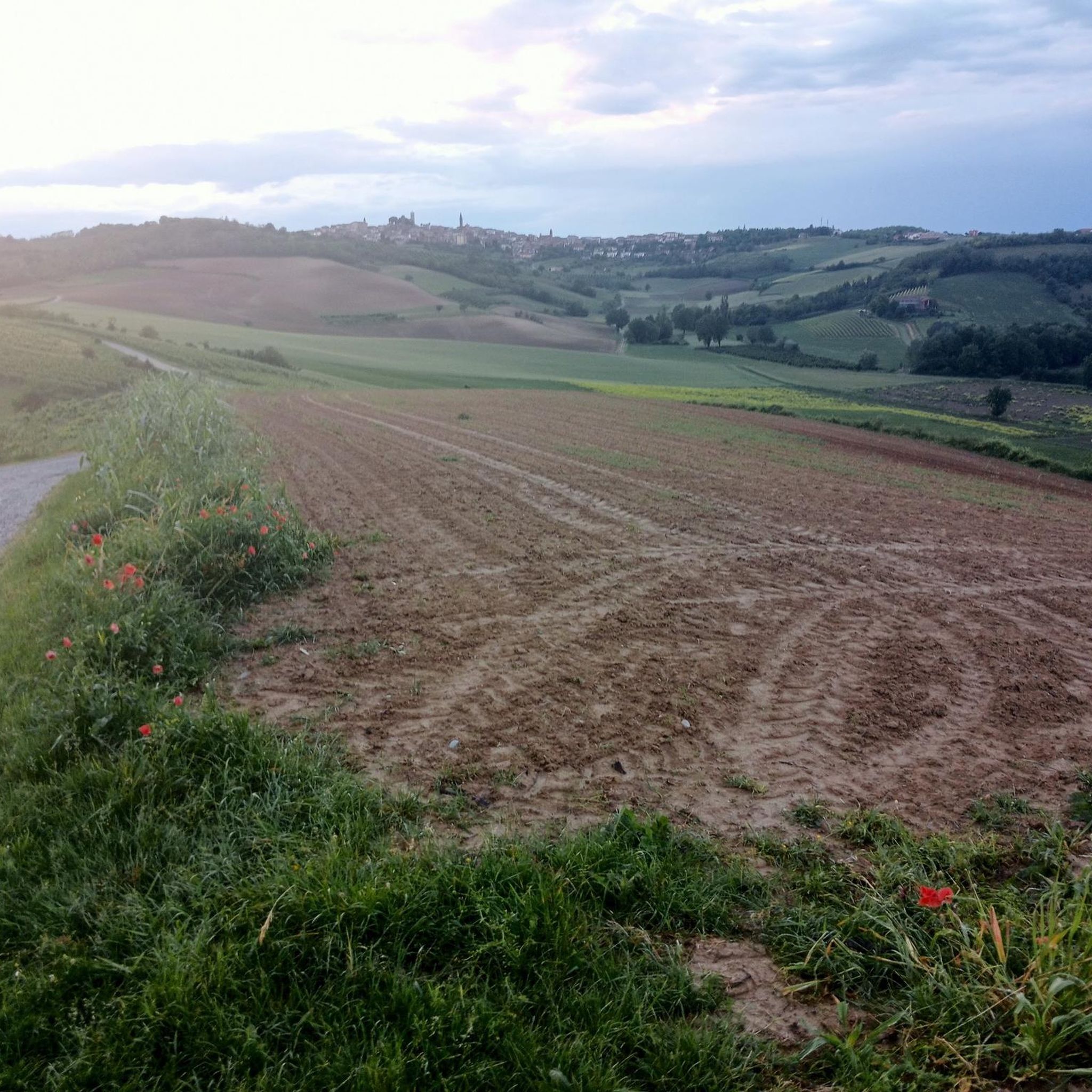
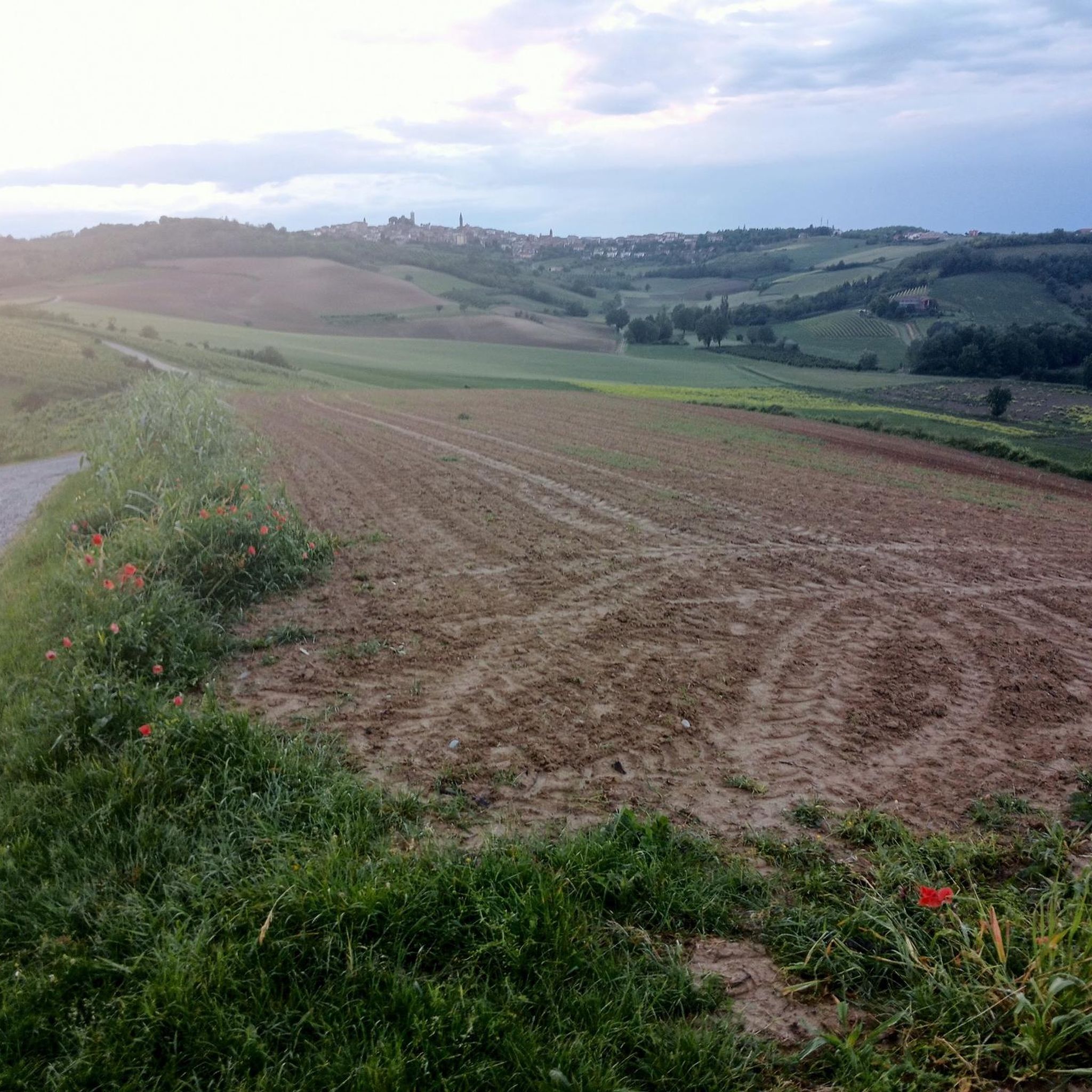
It is a fraction of the municipality of Alessandria
0
0

Seventeenth-century castle surrounded by a centuries-old park of rare plants, a FAI heart place, now used for weddings and events. https://castellodilajone.com
0
0


Place of historical, architectural, cultural and touristic interest Via S. Bruno, 11-1, 15029 Solero AL
4
0
the castle, now a ruin, was inhabited until the beginning of the 20th century, used as a military hospital during the Great War and then as the headquarters of the local section of the fascist party, still intact throughout the first half of the last century, it was gradually the subject of dispossession and complete abandonment, so as to rapidly facilitate its degradation.
0
0

The history of its origin or construction period does not match, but my spontaneous thought was that this complex could be one of the fortress structures of the famous French architect Vauban. But in any case, the Citadelle of Alessandria is also an absolute highlight of architectural architecture as far as fortresses are concerned.
2
0
XIV century castle in an unacceptable state of abandonment. It was the residence of the Baglianis until the beginning of the 19th century. In the mid-1800s, the Marquis Carlo Inviziati of Branciforte restored it and made it his home, surrounding it with a vast park and enriching it with works of art. The castle then passed to the Petitti di Roreto and from these to the Paravicini who lived there until the beginning of the 1900s. The castle was then acquired by the Municipality of Alessandria, the current owner. During the First World War it was used as a military hospital and then as the headquarters of the local section of the fascist party. It was gradually plundered and completely abandoned, and rapidly deteriorated. During the flood of 6 November 1994 the water and mud of the Tanaro further damaged the castle. https://www.preboggion.it/CastelloIT_di_AL_Casalbagliano.htm
1
0
Frequently Asked Questions
What is the most historically significant castle in Solero itself?
The most historically significant castle directly in Solero is the Castello Faà di Bruno. Originally built in the 16th century by the Guasco family, it later passed to the Faà di Bruno family and underwent expansion in the 17th century. It is now municipal property and recognized by FAI, offering a glimpse into the region's feudal past.
Are there any castles around Solero that are currently in ruins or undergoing redevelopment?
Yes, the Cittadella di Alessandria is a historical site that was a fortified military shelter and is currently awaiting redevelopment. Another example is the Castello di Casalbagliano, a 14th-century castle that is now largely a ruin and in a state of abandonment, though it holds significant historical value.
Which castles around Solero are family-friendly?
The Castello Faà di Bruno in Solero is considered family-friendly, featuring a beautiful communal park. Additionally, Fubine Monferrato, which includes the Bricherasio Castle, is also noted as family-friendly. The Lajone Castle, with its centuries-old park, is also suitable for families.
What kind of natural features or viewpoints can I find near these castles?
Near Fubine Monferrato, you can find viewpoints overlooking the Tanaro plain, set within the Monferrato hills. The Castello Faà di Bruno in Solero is surrounded by a communal park, offering a green space with historical wells. The Lajone Castle also boasts a centuries-old park with rare plants.
Are there walking or hiking trails near the castles around Solero?
While there aren't specific walking trails directly connecting all castles, the region around Solero offers various outdoor activities. You can find numerous running trails, such as the 'Running loop from Quargnento' or 'The Spalto of Fubine loop from Golf Club Margara'. For more options, explore the Running Trails around Solero guide.
What outdoor activities can I do near the castles in the Solero area?
Beyond visiting the castles, the Solero area is excellent for cycling. You can find extensive routes for gravel biking, like the 'Tanaro River Embankment' loop, or road cycling, such as the 'Monferrato between Asti and Alessandria - Ring tour'. Check out the Gravel biking around Solero and Road Cycling Routes around Solero guides for detailed routes.
What is the best time of year to visit castles around Solero for outdoor activities?
The Piedmont region, where Solero is located, generally offers pleasant weather for outdoor activities from spring through autumn. Spring brings blooming landscapes, while autumn provides comfortable temperatures and beautiful foliage, ideal for exploring castle grounds and nearby trails. Summer can be warm, but still suitable for early morning or late afternoon visits.
Are there cafes or restaurants available at or near the castles?
Yes, the Castello Faà di Bruno in Solero features both an inside bar and an excellent restaurant serving typical cuisine. For other castles, you might find cafes and restaurants in the nearby towns and villages, such as Solero itself or Fubine Monferrato.
How accessible are the castles around Solero for visitors?
The Castello Faà di Bruno, being municipal property and a FAI site, likely offers public accessibility, at least to its communal park. For other castles, accessibility can vary, especially for those in ruins like the Castello di Casalbagliano. It's advisable to check specific accessibility details for each site if you have particular needs.
What do visitors enjoy most about the castles around Solero?
Visitors appreciate the blend of historical architecture and natural landscapes. The Cittadella di Alessandria is praised as an 'absolute highlight of architectural architecture' for fortresses. The Castello Faà di Bruno is valued for its historical, architectural, cultural, and touristic interest, especially its beautiful communal park. The overall appeal lies in exploring the region's feudal past and enjoying the scenic Monferrato hills.
Is there public transport available to reach the castles near Solero?
Public transport options to individual castles can be limited. Solero itself has bus routes and a train station, which can serve as a starting point. However, reaching specific castles like Cittadella di Alessandria or Fubine Monferrato might require a combination of public transport and a short walk or taxi ride. Driving is often the most convenient way to explore multiple sites.
Most popular attractions around Solero

Get inspired with the komoot mobile app


Explore more
Looking for the best castles somewhere else? Discover other guides around Solero:
