Top 6 Castles around Terruggia
Best castles around Terruggia are found in the Monferrato region, an area with a rich history of fortified structures. While original medieval fortifications may have evolved, the region preserves its noble past through significant historic residences. Terruggia itself features architectural heritage, exemplified by grand historic villas that showcase the area's evolution from strongholds to elegant country estates. These structures offer insight into the historical and architectural development of the Monferrato landscape.
Best castles around Terruggia
- The most popular castles is…
Last updated: August 9, 2026
Castello di Pomaro
Highlight • Castle
Translated by Google •
Tip by

Cereseto Castle
Highlight • Castle
The castle was built in the …
Translated by Google •
Tip by
Sign up now to discover places like this
Get recommendations on the best single tracks, peaks, & plenty of other exciting outdoor places.
Sign up for free
Castello di Giarole
Highlight • Castle
Translated by Google •
Tip by

Monferrato Castle (Castello del Monferrato)
Highlight • Castle
Translated by Google •
Tip by

Castello Square - Casale Monferrato
Highlight • Settlement
Translated by Google •
Tip by

Sign up for free to discover even more castles around Terruggia.
Sign up for free
Already have an account?
Start today with a free account
Your next adventure awaits.
Login or Signup
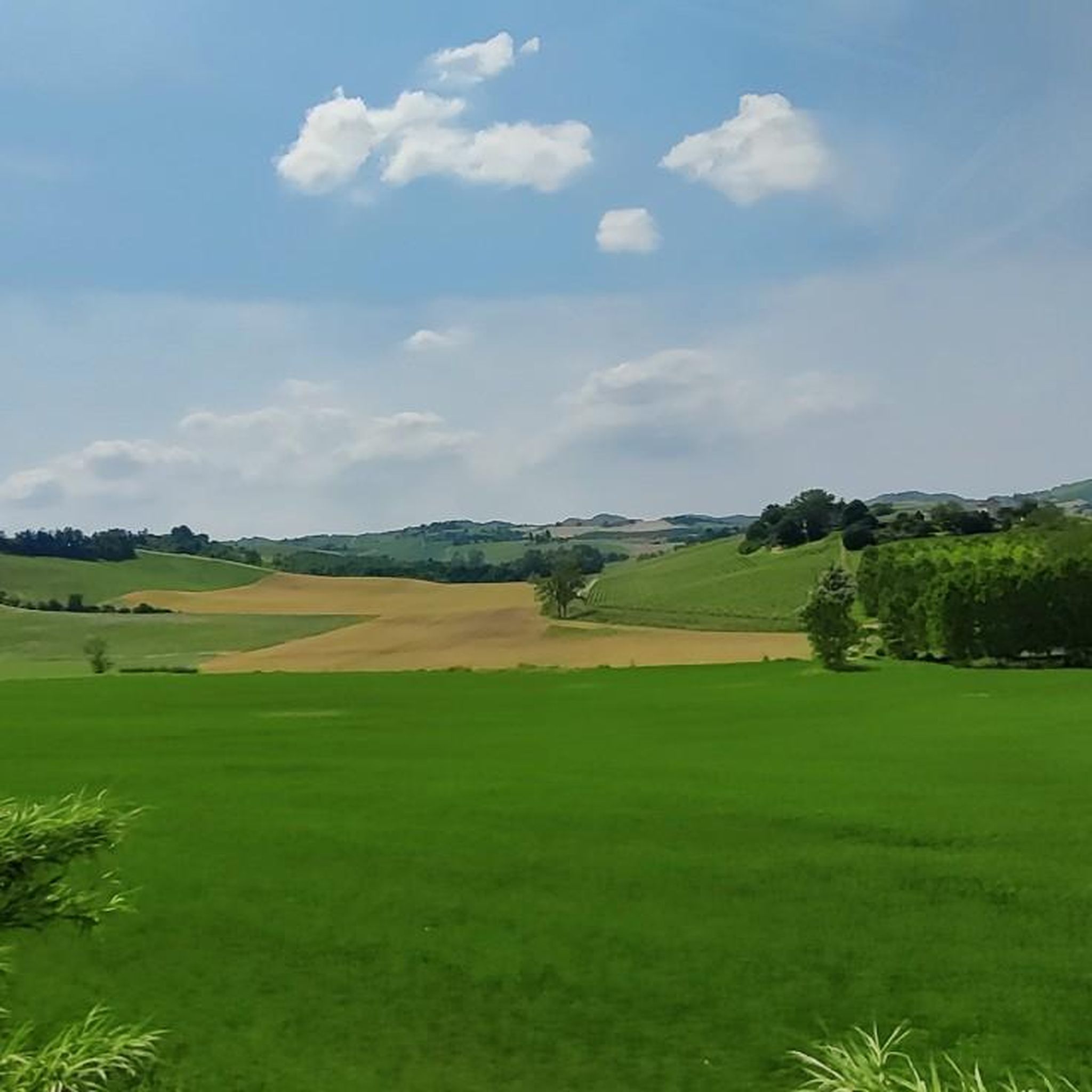

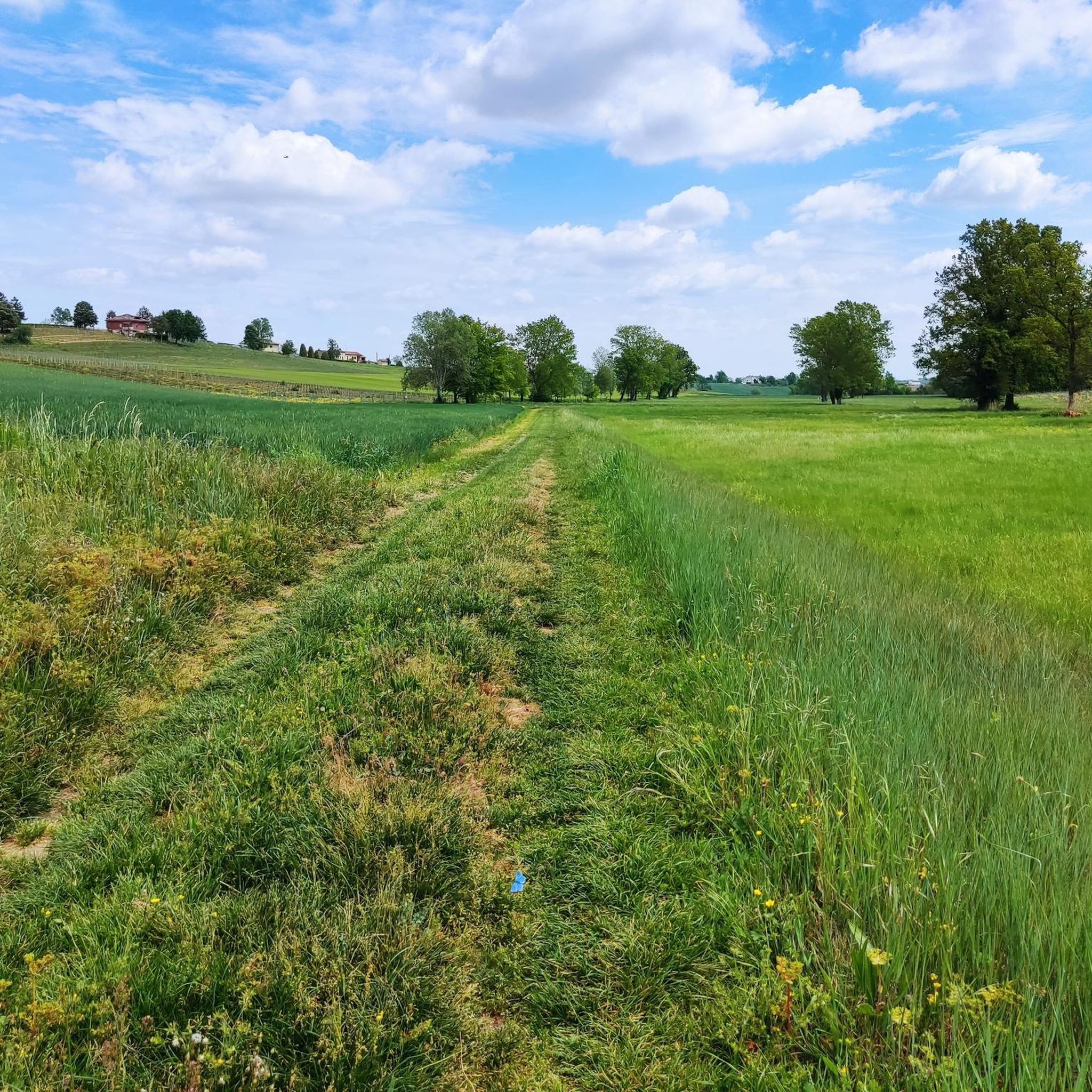
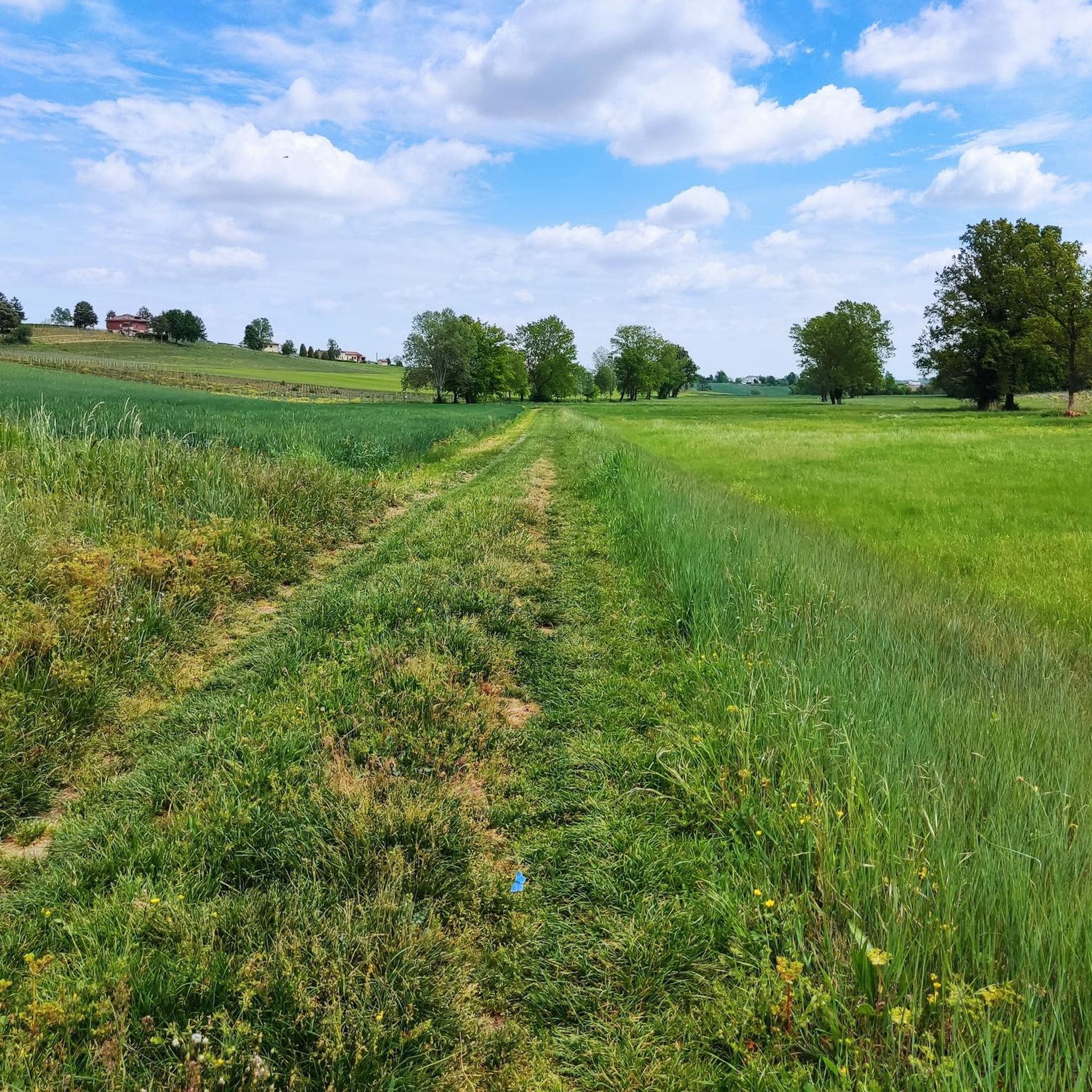
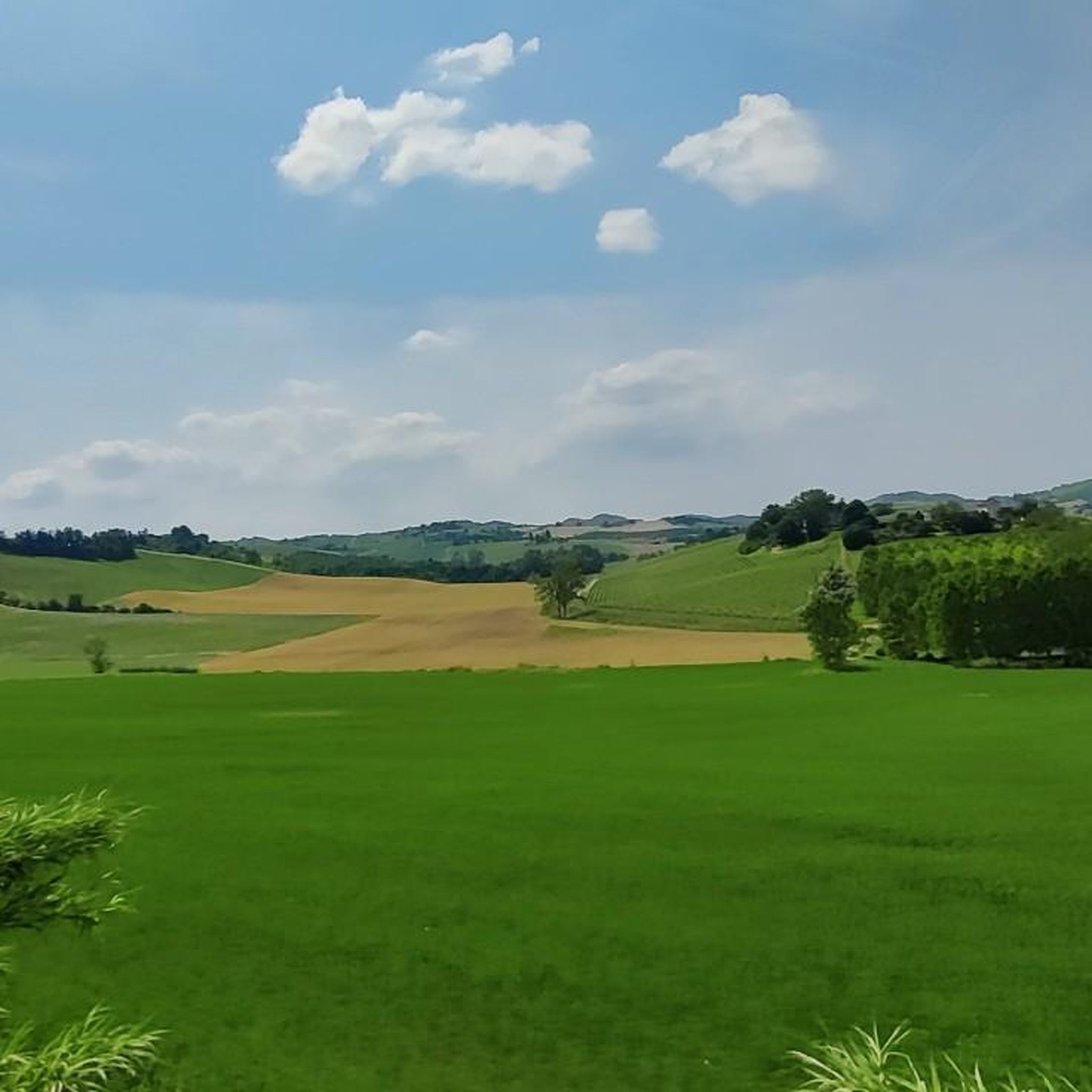

Tips from the Community

Giovanni II Paleologo, Marquis of Monferrato, ordered the current castle to be built and work continued until 1357. When Casale assumed the role of capital of the Margraviate of Monferrato and obtained the title of city in 1474, it also changed castle, seat of the court, after the restoration with the marquises Guglielmo VIII (1464-1483) and Bonifacio V (1483-1494). When Giovanni II Paleologo died, the Gonzaga of Mantova took control of Casale. The castle was strengthened by new military techniques, so the walls and the plan shape were adjusted so that it became hexagonal (which we can still see today). The towers were also strengthened and four new ravelins were added. At the beginning of the seventeenth century, the castle returned to its role as the seat of the court. The Dukes of Mantova, who were busy negotiating with Savoia, stayed there. Later it became the principality of Duke Carlo II Gonzaga-Nevers (1637-1665), who holidayed there many times with his entire court, which gave a boost to the cultural life in Casale. Due to the crisis of the Gonzaga dynasty, the castle was on the verge of decline. The city fell to Savoia in 1708 and the castle became a barracks. In the mid-19th century, Casale was fortified in preparation for a war against Austria and the castle became a defensive structure. The eastern ravelin was demolished, creating the current Piazza Castello, which became an open-air market zone. With the unification of Italy, the other three ravelins were also demolished.
1
0

Around 1900, the extremely wealthy entrepreneur, financier, art collector and patron Riccardo Gualino (1879–1964) began building a neo-Romanesque-neo-Gothic castle in a commanding position over the town. The architect of the building was the engineer Vittorio Tornielli. In 1918, the Castello di Cereseto became one of the residences of the Turin family, where lavish parties were celebrated with guests from the Piedmontese business and financial world, from the Agnelli to the Sella. The fort was inhabited by the family until the second half of the 20th century and is therefore well preserved.
6
0


A beautiful village in Monferrato.
5
0

Fascinating medieval village that stands on the hill.
1
0

Nice castle, I think it's available for events/ceremonies... when I was there I was only able to admire it from the outside...
0
0

Very nice place with a very well-kept castle. Today with events and co.
0
0

From Piazza Castello you can see some of the main points of interest of Casale Monferrato: The Paleologi Castle and the Church of Santa Caterina. From here you can enter the center of the city passing by the Tower of Santo Stefano up to Piazza Giuseppe Mazzini.
1
0
Frequently Asked Questions
What types of historical structures can I expect to see around Terruggia?
The Monferrato region, including Terruggia, showcases a rich architectural history. You'll find a mix of medieval fortifications, such as Castello di Pomaro, alongside more modern, yet historically significant, structures like the neo-Romanesque-neo-Gothic Cereseto Castle. The area also features elegant historic residences, exemplified by the Neoclassical Villa Pavia in Terruggia, which reflects the evolution of noble estates in the region.
Are there any castles near Terruggia that are particularly well-preserved or have a long continuous history?
Yes, Castello di Giarole is a notable example. It is a historic residence that has been continuously inhabited by the heirs of its founders for about 900 years, offering a unique glimpse into a living history. Its construction was authorized by Emperor Federico Barbarossa in 1163.
Which castles are known for their strategic importance or defensive features?
Castello di Pomaro, built on a hill by the Aleramici in the 12th century, was strategically vital due to its position on the border of the marquisate. It features a stakeout tower and a moat, and was central to many battles for territorial control over the centuries.
Are there family-friendly castles to visit near Terruggia?
Many castles in the region are suitable for families. Castello di Pomaro, Cereseto Castle, and Frassinello Monferrato Castle are all categorized as family-friendly. Exploring their grounds and imagining their history can be an engaging experience for all ages.
What is the best time of year to visit the castles around Terruggia?
The Monferrato region is beautiful throughout the year. Spring and autumn offer pleasant temperatures for exploring the castle grounds and surrounding landscapes. The lush gardens and vineyards are particularly vibrant during these seasons. Summer can be warm, but also ideal for enjoying outdoor activities around the castles. Winter visits are possible, but some outdoor areas or specific castle interiors might have limited access, so it's always best to check ahead.
Can I find any castles that are part of a UNESCO World Heritage site?
Yes, Frassinello Monferrato Castle, along with its village, has been recognized as a UNESCO World Heritage Site since June 2014. This 11th-century castle has been finely restored and hosts events, offering a blend of history and modern use.
What outdoor activities can I do near these castles?
The Monferrato region offers excellent opportunities for outdoor activities. You can find numerous hiking, road cycling, and mountain biking trails. For example, you can explore routes like the 'Terruggia countryside loop' for hiking, or the 'Monferrato Hills – Climb to Castello di Gabiano loop' for road cycling. You can find more details on these and other routes in the Hiking around Terruggia, Road Cycling Routes around Terruggia, and MTB Trails around Terruggia guides.
Are there any castles with significant historical connections to the Monferrato Marquisate?
Monferrato Castle (Castello del Monferrato) in Casale Monferrato is deeply connected to the Marquisate. Giovanni II Paleologo, Marquis of Monferrato, ordered its construction, and it served as the seat of the court when Casale became the capital. It later underwent significant strengthening and became hexagonal in shape, reflecting its importance through various ruling families like the Gonzaga of Mantova.
Can I visit the interiors of all the castles?
Not all castles offer interior access. For instance, while Cereseto Castle boasts well-preserved external walls and an imposing architectural sight, its interior is not currently open to visitors. Other castles, like Castello di Giarole, are private residences but may offer tours or host events. It's advisable to check the specific castle's website or contact them directly for current visiting information.
What kind of views can I expect from the castles or nearby viewpoints?
Many castles, especially those built on hills like Castello di Pomaro, offer panoramic views of the surrounding Monferrato landscape, characterized by rolling vineyards and charming villages. The region is known for its picturesque scenery, making these castles excellent viewpoints.
Are there options for accommodation or dining near the castles?
The Monferrato region is well-equipped with various options for accommodation and dining. Many villages near the castles, including Terruggia, offer local cafes, pubs, and restaurants serving traditional Piedmontese cuisine. Some historic residences, like Frassinello Monferrato Castle, even offer B&B services, allowing for a unique overnight experience.
Most popular routes around Terruggia
Most popular attractions around Terruggia

Get inspired with the komoot mobile app


Explore more
Looking for the best castles somewhere else? Discover other guides around Terruggia:
