Top 5 Castles around San Giorgio Monferrato
Best castles around San Giorgio Monferrato are situated in the UNESCO World Heritage territory of Monferrato, characterized by rolling hills and vineyards. The region is known for its historical landmarks, many of which served as strategic defensive structures. These castles offer insights into centuries of architectural evolution and local history. The area provides a blend of cultural heritage set within a distinctive natural landscape.
Best castles around San Giorgio Monferrato
- The most popular castles is Terruggia Village and Castle,…
Last updated: October 3, 2026
Cereseto Castle
Highlight • Castle
The castle was built in the …
Translated by Google •
Tip by

Monferrato Castle (Castello del Monferrato)
Highlight • Castle
Translated by Google •
Tip by

Sign up now to discover places like this
Get recommendations on the best single tracks, peaks, & plenty of other exciting outdoor places.
Castello Square - Casale Monferrato
Highlight • Settlement
Translated by Google •
Tip by

Terruggia Village and Castle
Highlight • Castle
Showing Translation
Tip by
View of Castello di San Giorgio
Highlight • Viewpoint
Showing Translation
Tip by
Sign up for free to discover even more castles around San Giorgio Monferrato.
Already have an account?
Start today with a free account
Your next adventure awaits.

Tips from the Community

The Castle of Terruggia is an ancient medieval fortification that was located in the village of Terruggia, in Piedmont, in the Monferrato area (province of Alessandria).
13
0
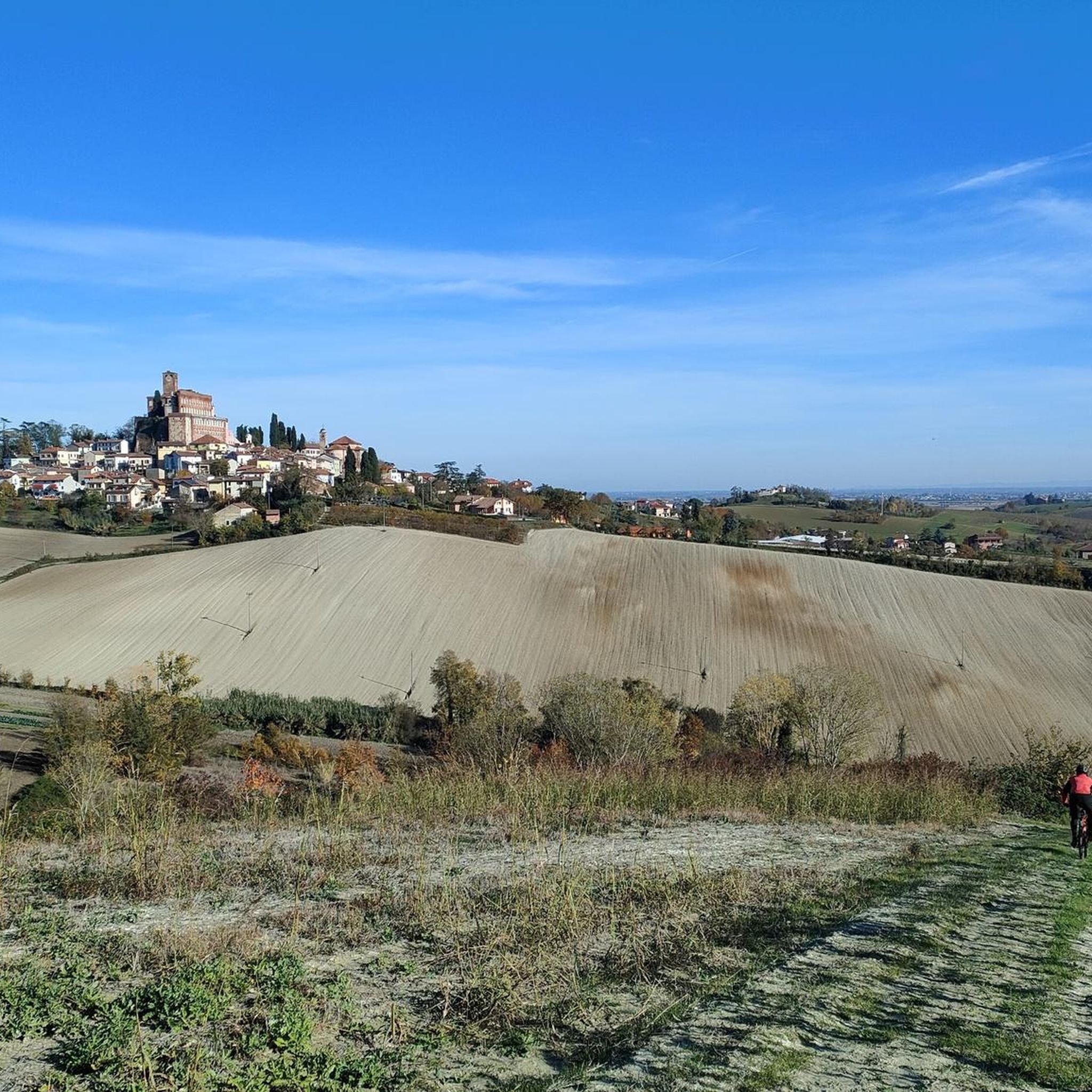
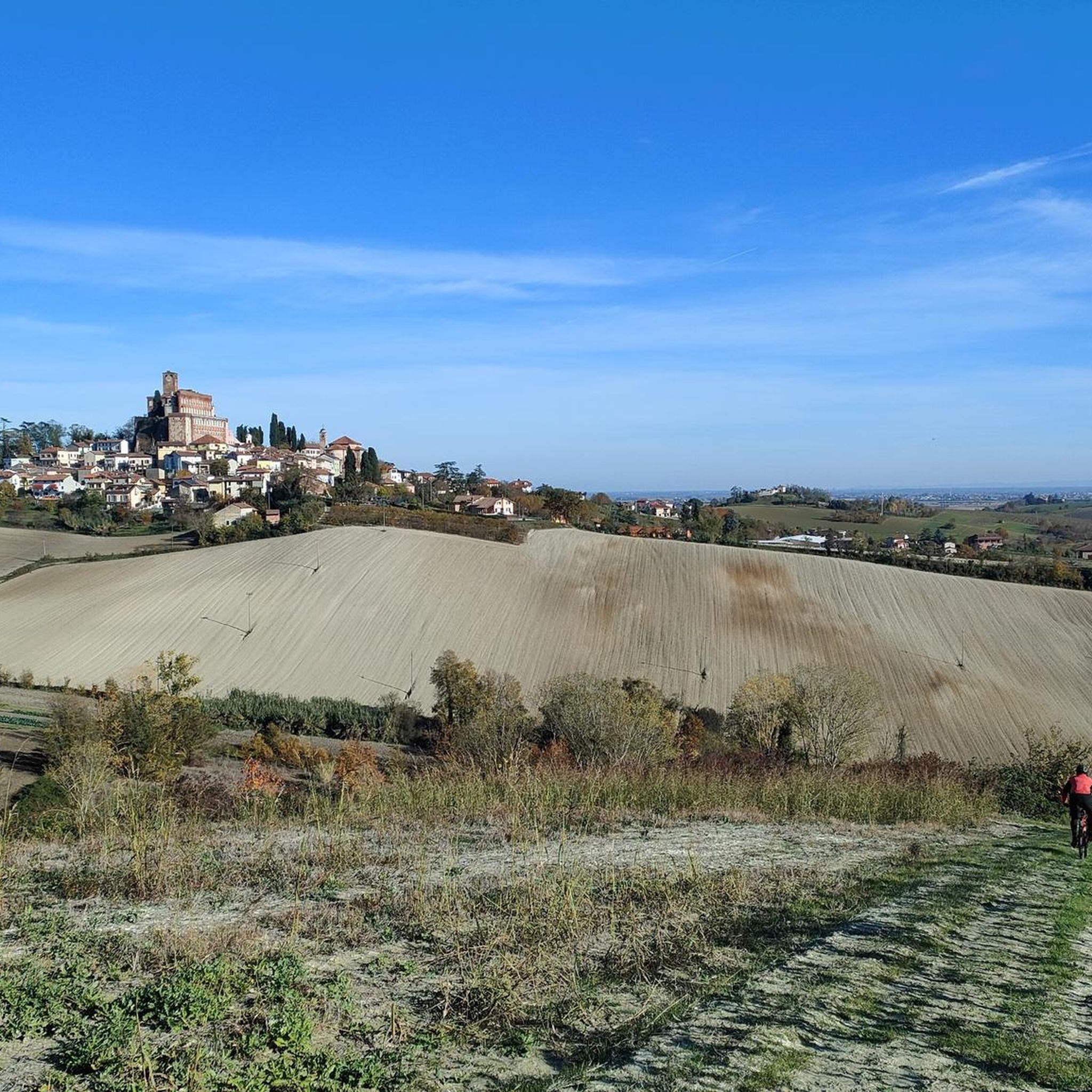
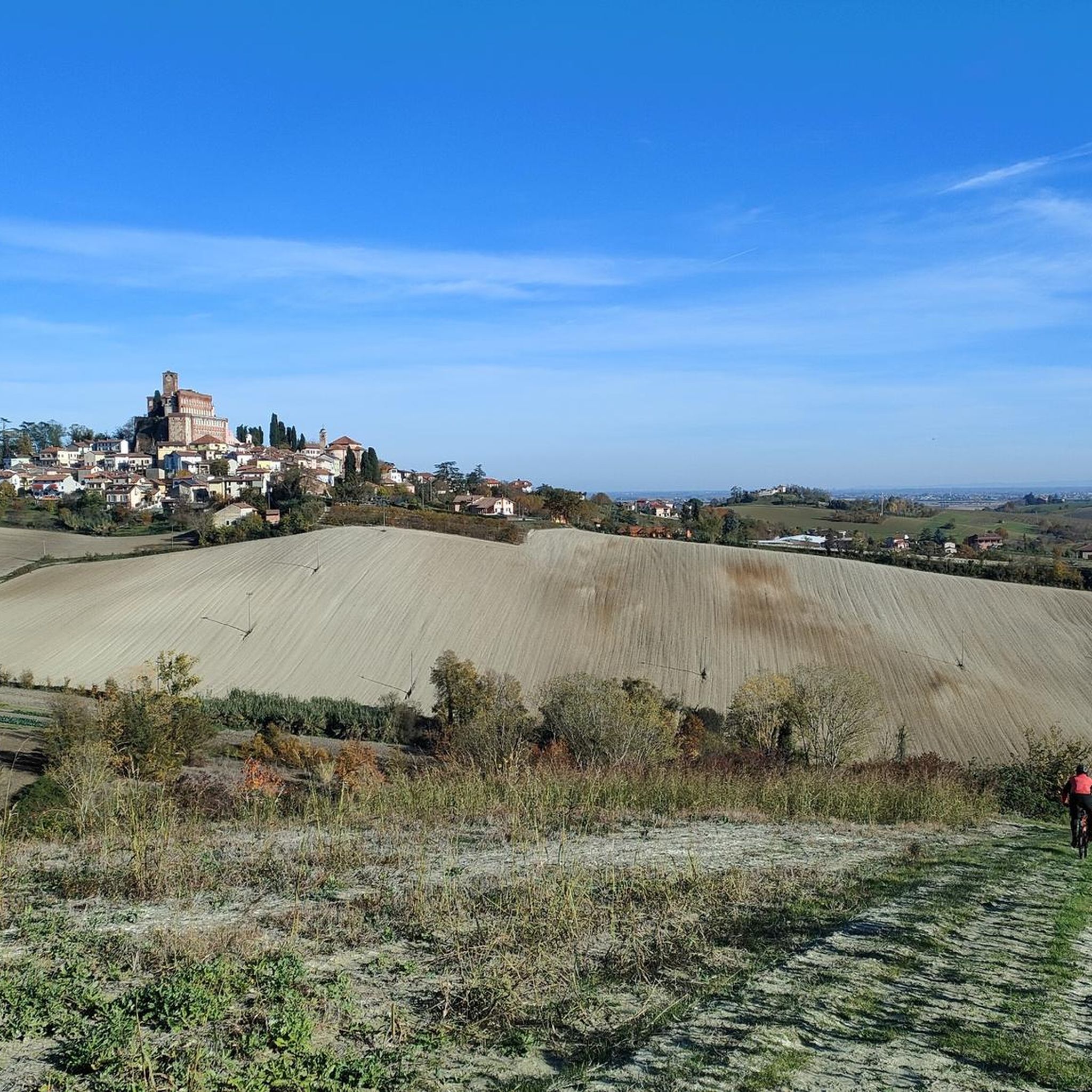
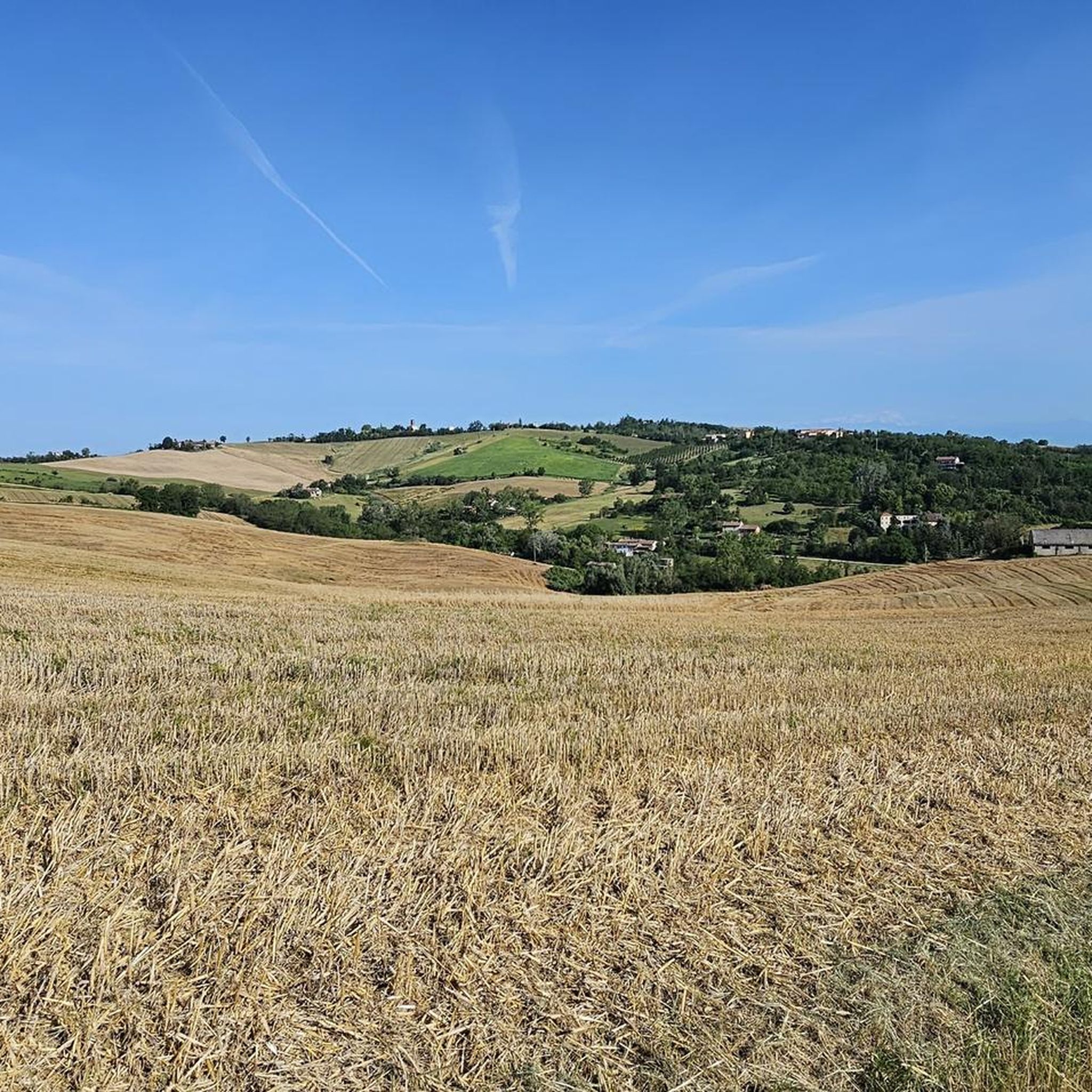
The view of the castle of San Giorgio Monferrato is one of the most evocative panoramas of the Monferrato hills. The castle dominates the town from the top of a hill and stands out clearly in the surrounding landscape.
14
0

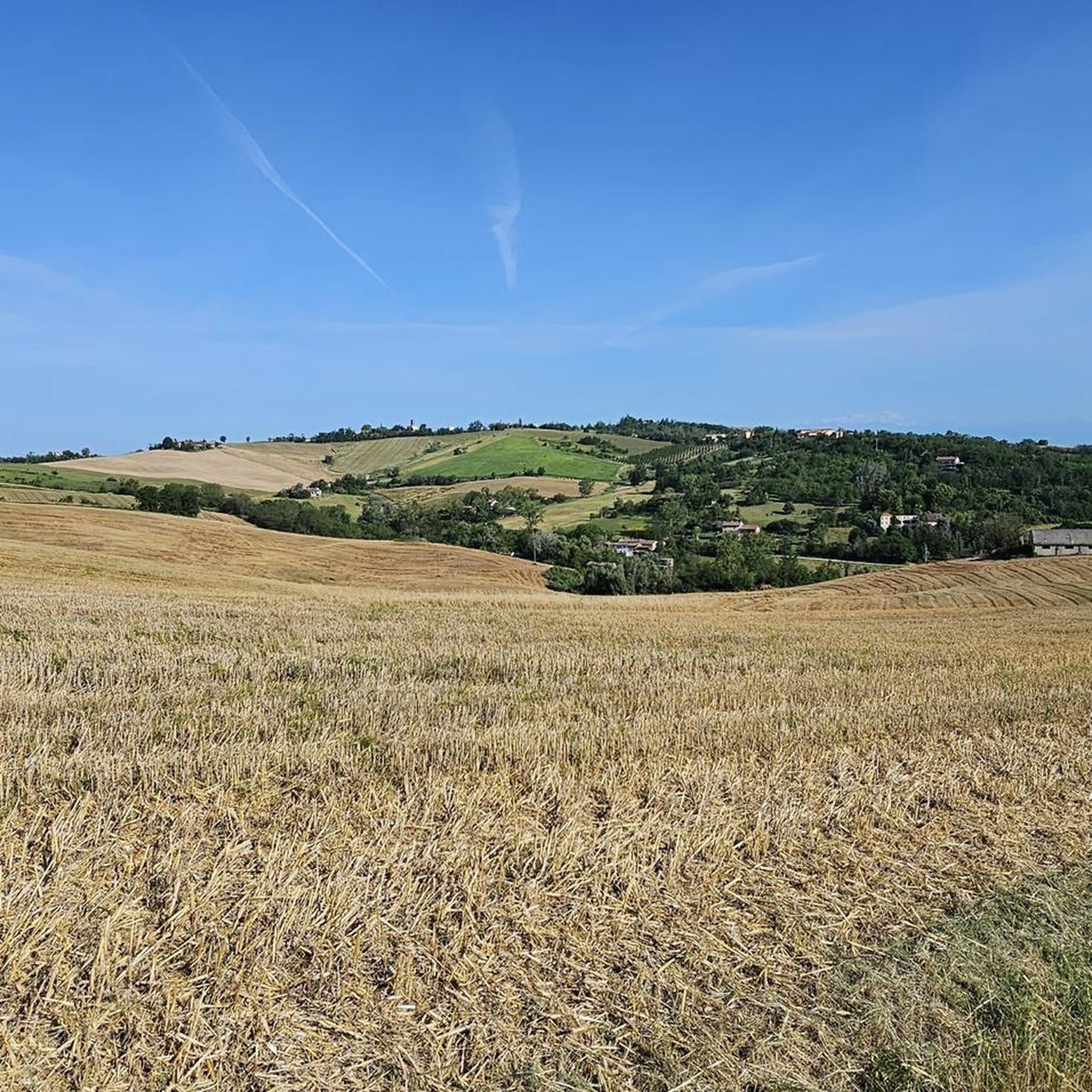
In the heart of Monferrato, Terruggia preserves a compact historic center and a medieval castle, now a private villa.
4
0

The mighty structure of the Castle of San Giorgio dominates the surrounding valleys. The central tower of the castle dates back to around the 9th century, and was built on a spur of rock essentially for sighting purposes. Later the tower was surrounded by four towers with the construction of a defensive structure. Later, a new body was built between the original tower and the towers to contain a larger garrison of soldiers. Later the castle was transformed into a residential palace and in the 19th century it was further expanded. In my opinion, the most singular aspect of the castle is that, starting from the foundation of the original watchtower and up to today, the castle has always been inhabited.
3
0

Giovanni II Paleologo, Marquis of Monferrato, ordered the current castle to be built and work continued until 1357. When Casale assumed the role of capital of the Margraviate of Monferrato and obtained the title of city in 1474, it also changed castle, seat of the court, after the restoration with the marquises Guglielmo VIII (1464-1483) and Bonifacio V (1483-1494). When Giovanni II Paleologo died, the Gonzaga of Mantova took control of Casale. The castle was strengthened by new military techniques, so the walls and the plan shape were adjusted so that it became hexagonal (which we can still see today). The towers were also strengthened and four new ravelins were added. At the beginning of the seventeenth century, the castle returned to its role as the seat of the court. The Dukes of Mantova, who were busy negotiating with Savoia, stayed there. Later it became the principality of Duke Carlo II Gonzaga-Nevers (1637-1665), who holidayed there many times with his entire court, which gave a boost to the cultural life in Casale. Due to the crisis of the Gonzaga dynasty, the castle was on the verge of decline. The city fell to Savoia in 1708 and the castle became a barracks. In the mid-19th century, Casale was fortified in preparation for a war against Austria and the castle became a defensive structure. The eastern ravelin was demolished, creating the current Piazza Castello, which became an open-air market zone. With the unification of Italy, the other three ravelins were also demolished.
1
0

Around 1900, the extremely wealthy entrepreneur, financier, art collector and patron Riccardo Gualino (1879–1964) began building a neo-Romanesque-neo-Gothic castle in a commanding position over the town. The architect of the building was the engineer Vittorio Tornielli. In 1918, the Castello di Cereseto became one of the residences of the Turin family, where lavish parties were celebrated with guests from the Piedmontese business and financial world, from the Agnelli to the Sella. The fort was inhabited by the family until the second half of the 20th century and is therefore well preserved.
7
0

From Piazza Castello you can see some of the main points of interest of Casale Monferrato: The Paleologi Castle and the Church of Santa Caterina. From here you can enter the center of the city passing by the Tower of Santo Stefano up to Piazza Giuseppe Mazzini.
3
0
It looks like a castle straight out of a fairy tale.It is one of the castles of Monferrato with the best preserved external walls. The castle was built in the early twentieth century. Unfortunately, today the interior of the castle cannot be visited, but many people go to the village to see the imposing Cereseto castle from the outside and immortalize its beauty in their photographs.
10
0
Frequently Asked Questions
What historical significance do the castles around San Giorgio Monferrato hold?
The castles in the Monferrato region, including the prominent Castello di San Giorgio Monferrato, are deeply rooted in local history. Many served as critical defensive structures against invaders like the Saracens in the 10th century and later evolved into noble residences. The Castello di San Giorgio Monferrato, for instance, even served as the seat of the Court of the Inquisition in the 16th century, showcasing centuries of strategic importance and architectural evolution.
What architectural styles can I expect to see in the castles of this region?
The castles around San Giorgio Monferrato display a rich tapestry of architectural styles reflecting their long histories. You can observe medieval origins, 9th-century square towers, 18th-century neo-Gothic restorations, and Baroque additions. For example, the Cereseto Castle, built in the early 20th century, is known for its well-preserved external walls, while Frassinello Monferrato Castle underwent significant neo-Gothic renovations in the 19th century.
Are there castles that offer panoramic views of the Monferrato landscape?
Yes, several castles in the region are strategically positioned to offer breathtaking panoramic views. The Castello di San Giorgio Monferrato, perched atop a hilltop, provides commanding views over the surrounding vineyards of Monferrato. Similarly, Uviglie Castle enjoys a beautiful position on a hill, offering views of Rosignano Monferrato and Cella Monte.
What outdoor activities can I combine with a castle visit in San Giorgio Monferrato?
The Monferrato region is excellent for outdoor activities. You can explore numerous hiking, road cycling, and mountain biking routes that wind through the scenic hills and vineyards. For example, there are several hiking trails, such as 'Walking through the vineyards from Rossiglione Monferrato', or road cycling routes like the 'Monferrato Hills – Climb to Castello di Gabiano loop'.
Are there family-friendly castles to visit around San Giorgio Monferrato?
Many castles in the region are suitable for family visits, offering historical insights and scenic surroundings. While specific family-focused activities vary, the general experience of exploring historic sites like Frassinello Monferrato Castle or the village surrounding Terruggia Village and Castle can be engaging for families. Always check individual castle websites for specific child-friendly programs or accessibility information.
What is the best time of year to visit the castles and the Monferrato region?
The best time to visit the castles and the Monferrato region is generally during spring (April to June) and autumn (September to October). During these seasons, the weather is pleasant for exploring, and the vineyards offer beautiful scenery, either in bloom or with vibrant autumn colors. Summer can be warm, while winter might offer a quieter experience, though some facilities might have reduced hours.
Can I stay overnight in any of the castles or experience local culture?
Yes, the Castello di San Giorgio Monferrato offers a unique opportunity for overnight stays in several rooms, providing an immersive historic ambiance. It also hosts cultural events and local wine tastings, allowing visitors to experience the region's rich heritage and culinary traditions firsthand. Frassinello Monferrato Castle also offers B&B accommodation and hosts events.
What should I know about accessibility when visiting these historic castles?
Given their ancient origins, visitors should be prepared for steps and potentially uneven historic floors in certain areas of the castles. While some interior spaces may have been adapted, full wheelchair accessibility might be limited in older structures. It's advisable to check with individual castle administrations for specific accessibility details if needed.
Are there any castles that are part of a UNESCO World Heritage site?
Yes, the broader Monferrato area, where these castles are located, is recognized as a UNESCO World Heritage territory. Specifically, Frassinello Monferrato Castle and its surrounding village became a UNESCO World Heritage Site in June 2014, highlighting its significant cultural and historical value within the region.
What makes the Monferrato Castle (Castello del Monferrato) unique?
The Monferrato Castle (Castello del Monferrato) in Casale Monferrato is notable for its significant military history and unique hexagonal shape, which was a result of strategic fortifications over centuries. Originally ordered by Giovanni II Paleologo, it served as the seat of the court and later as a barracks, with its eastern ravelin eventually demolished to create the current Piazza Castello, now an open-air market zone.
Can I visit the interiors of all castles around San Giorgio Monferrato?
While many castles offer interior access, some, like Cereseto Castle, are private or have interiors that are not publicly visitable. Visitors often go to Cereseto to admire its imposing external walls. Other castles, like the Castello di San Giorgio Monferrato, have adapted interior spaces for modern use, including overnight stays and events, while preserving their historic character. It's always best to check the specific visiting policies of each castle beforehand.
Most popular routes around San Giorgio Monferrato
Most popular attractions around San Giorgio Monferrato

Get inspired with the komoot mobile app


Explore more
Looking for the best castles somewhere else? Discover other guides around San Giorgio Monferrato:
