Top 8 Castles around Canelli
Best castles around Canelli are found in the charming town of Canelli, nestled in Piedmont's Monferrato wine region. This area is characterized by rolling hills covered in vineyards, which are part of a UNESCO World Heritage landscape. Canelli is known for its rich winemaking tradition and historical fortifications that offer glimpses into the region's past. The landscape provides a scenic backdrop for exploring historical sites.
Best castles around Canelli
- The most popular castles is Monastero Bormida, a settlement where…
Last updated: August 9, 2026
Costigliole d'Asti Castle
Highlight • Castle
Translated by Google •
Tip by

Monastero Bormida
Highlight • Settlement
Translated by Google •
Tip by

Sign up now to discover places like this
Get recommendations on the best single tracks, peaks, & plenty of other exciting outdoor places.
Sign up for free
Castello di Montegrosso d'Asti
Highlight • Castle
Translated by Google •
Tip by
Rocchetta Palafea
Highlight • Settlement
Translated by Google •
Tip by
Ascent from Canelli to Castello Gancia
Highlight (Segment) • Climb
Translated by Google •
Tip by

Sign up for free to discover even more castles around Canelli.
Sign up for free
Already have an account?
Start today with a free account
Your next adventure awaits.
Login or Signup
Popular around Canelli



Tips from the Community

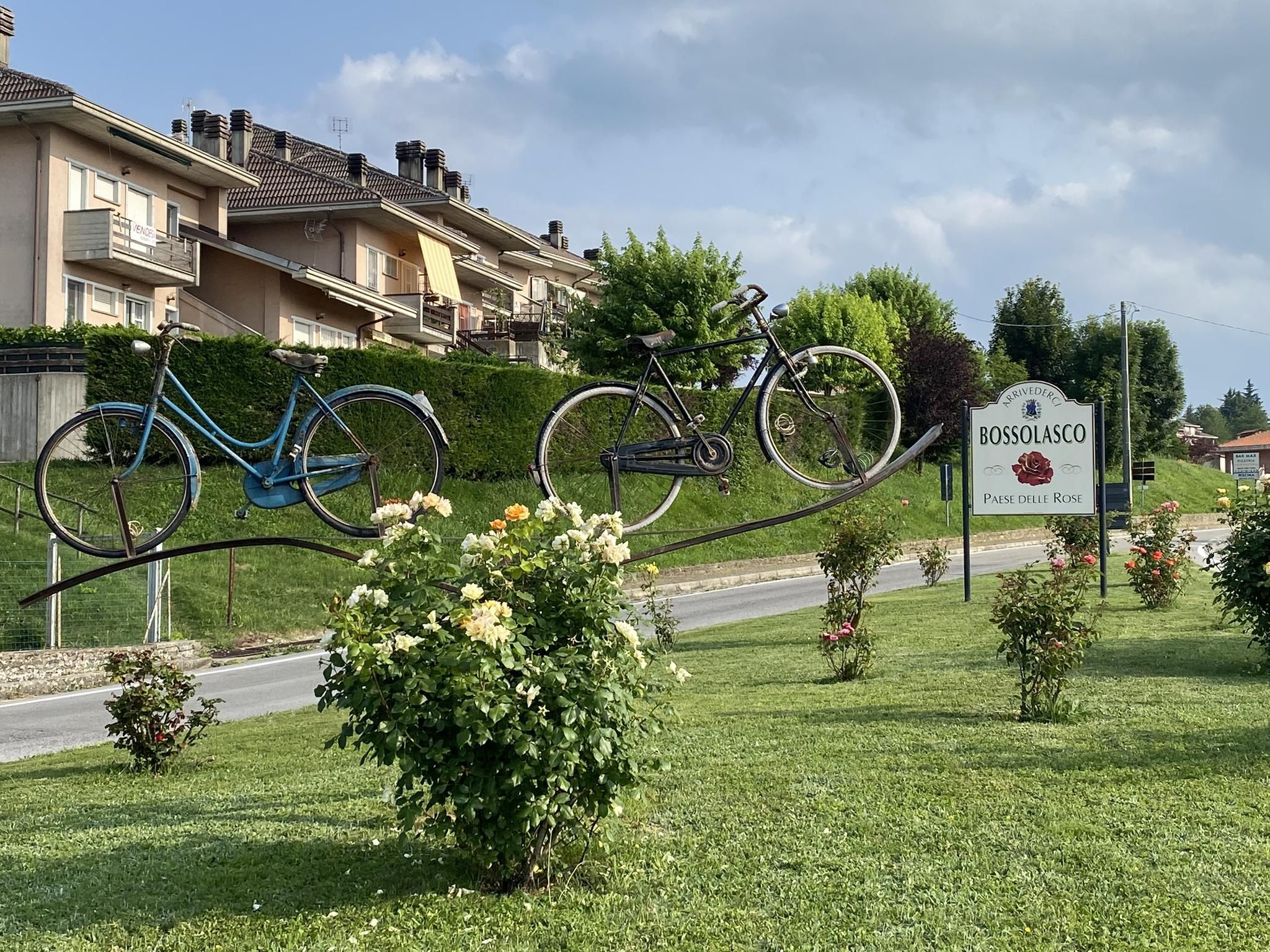
Monastero Bormida is a charming Italian medieval village located in the province of Asti, in Piedmont, nestled in the picturesque landscapes of the Langa Astigiana. The village was founded around the year 1050, when a group of Benedictine monks was called by Marquis Aleramo to clear and repopulate the lands devastated by Saracen raids.
0
0

The Castle of Monastero Bormida was not originally built as a defensive structure but as a Benedictine monastery, founded around 1050 by monks from the Abbey of Fruttuaria, called by the Aleramici Marquises to reclaim the lands devastated by Saracen raids. The 27-meter tower still visible today was originally the bell tower, and the river flowing a few meters from the southern tower confirms the non-military nature of the building. In 1393, the Benedictines abandoned the monastery, and its feudal history began: the fief passed to the Del Carretto marquises, who in the 15th century added the first defensive structures, transforming it into a castle. The building is a quadrangular structure with an internal courtyard, protected by towers on multiple sides and connected to the former bell tower by a small suspension bridge. On the south facade, there is a two-arched Renaissance loggia with a small stone column. Inside, the rooms on the main floor—transformed in the 17th century—feature mosaic floors and sail and cross vaults with frescoes of floral and geometric motifs. The castle later passed to the Della Rovere family and subsequently to the Genoese Polleri family, finally becoming the property of the Municipality starting in 1880. Today it is open to visitors and is part of the regional circuit "Castelli Aperti".
1
0

Beautiful old arched bridge.
4
1

"Castle" of Monastero Bormida Place of tourist, historical, architectural and cultural interest Piazza Castello, 1, 14058 Monastero Bormida AT http://www.comune.monasterobormida.at.it/ 014488450
4
0

The tower joined to the castle by a medieval arch
3
0

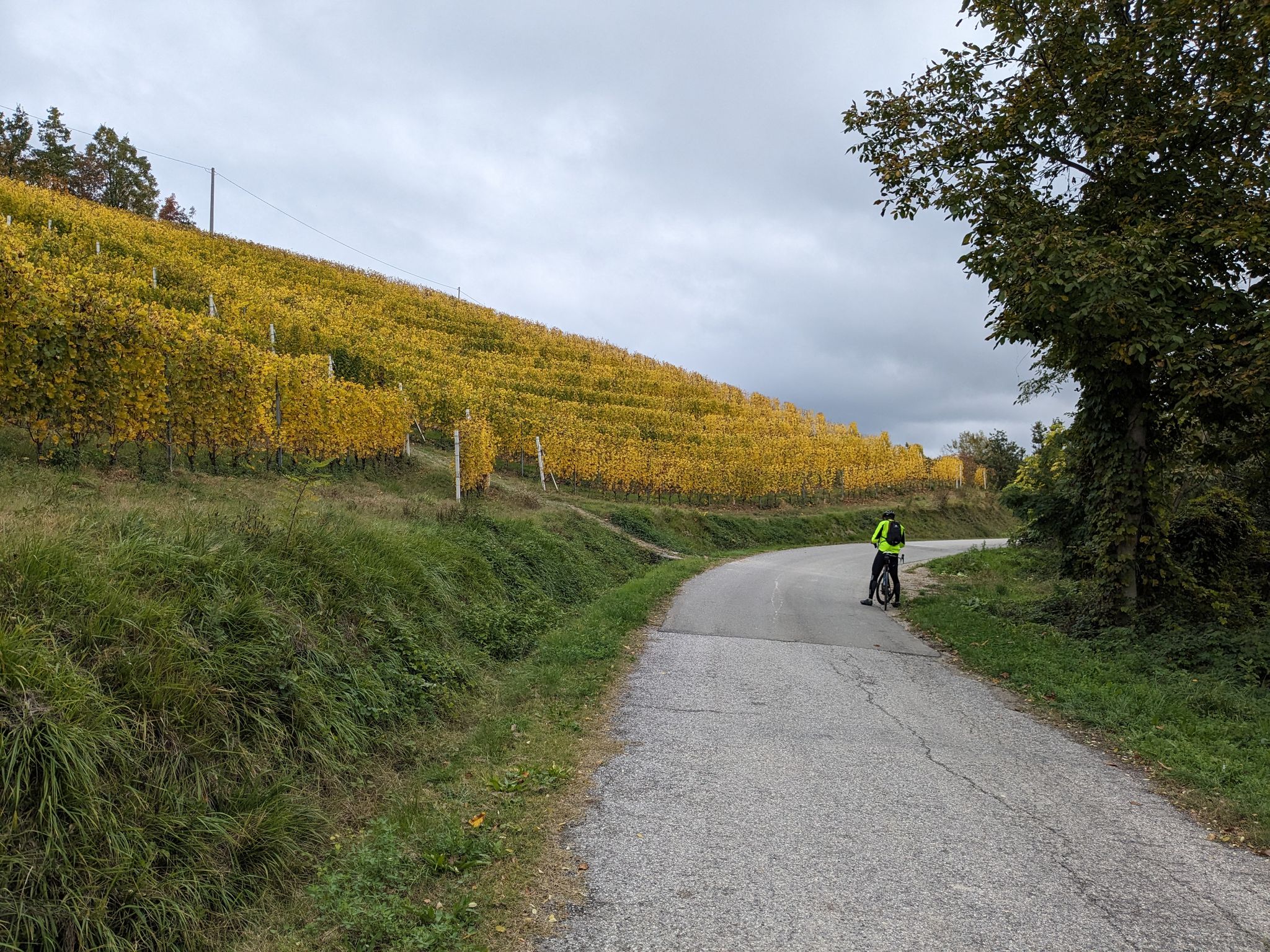
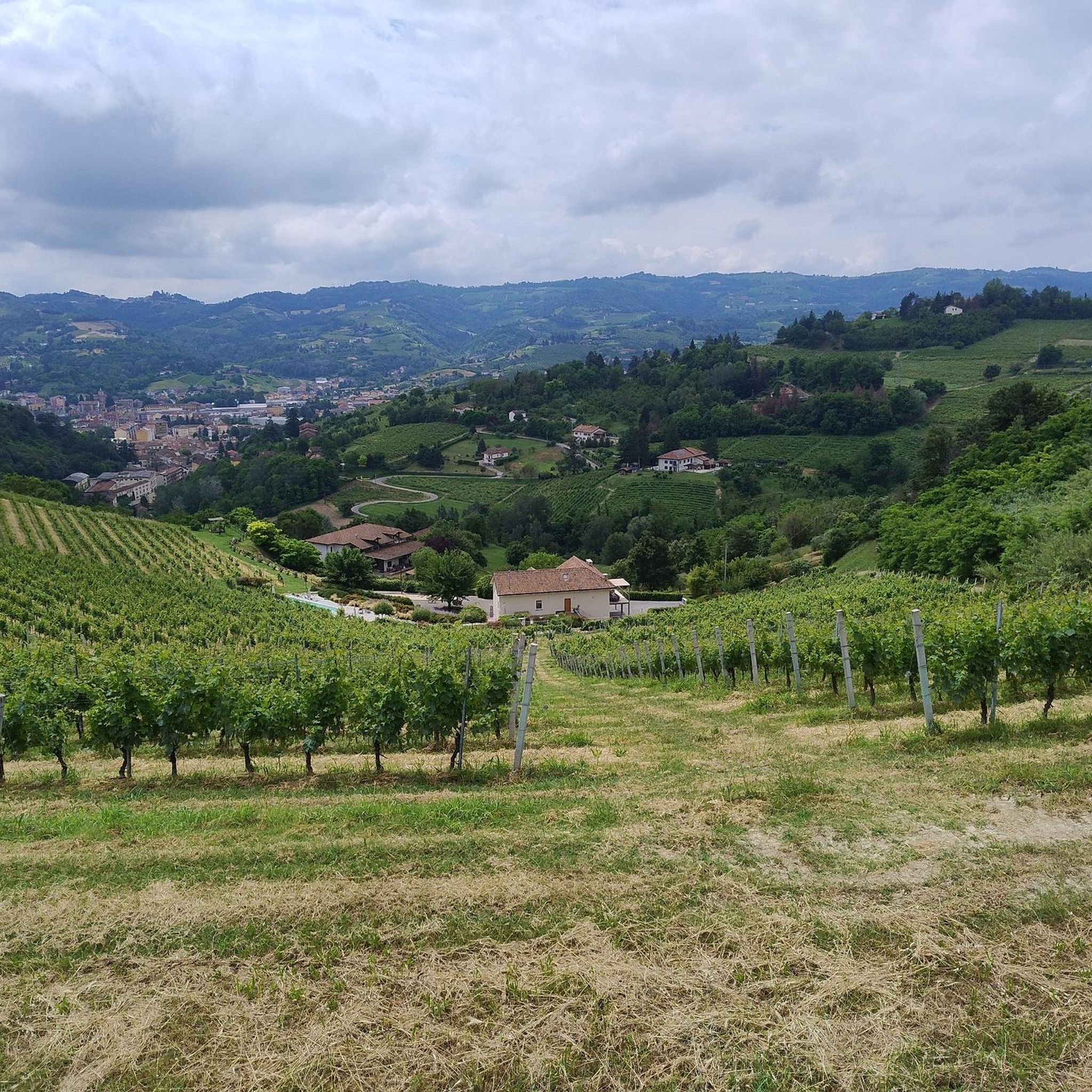
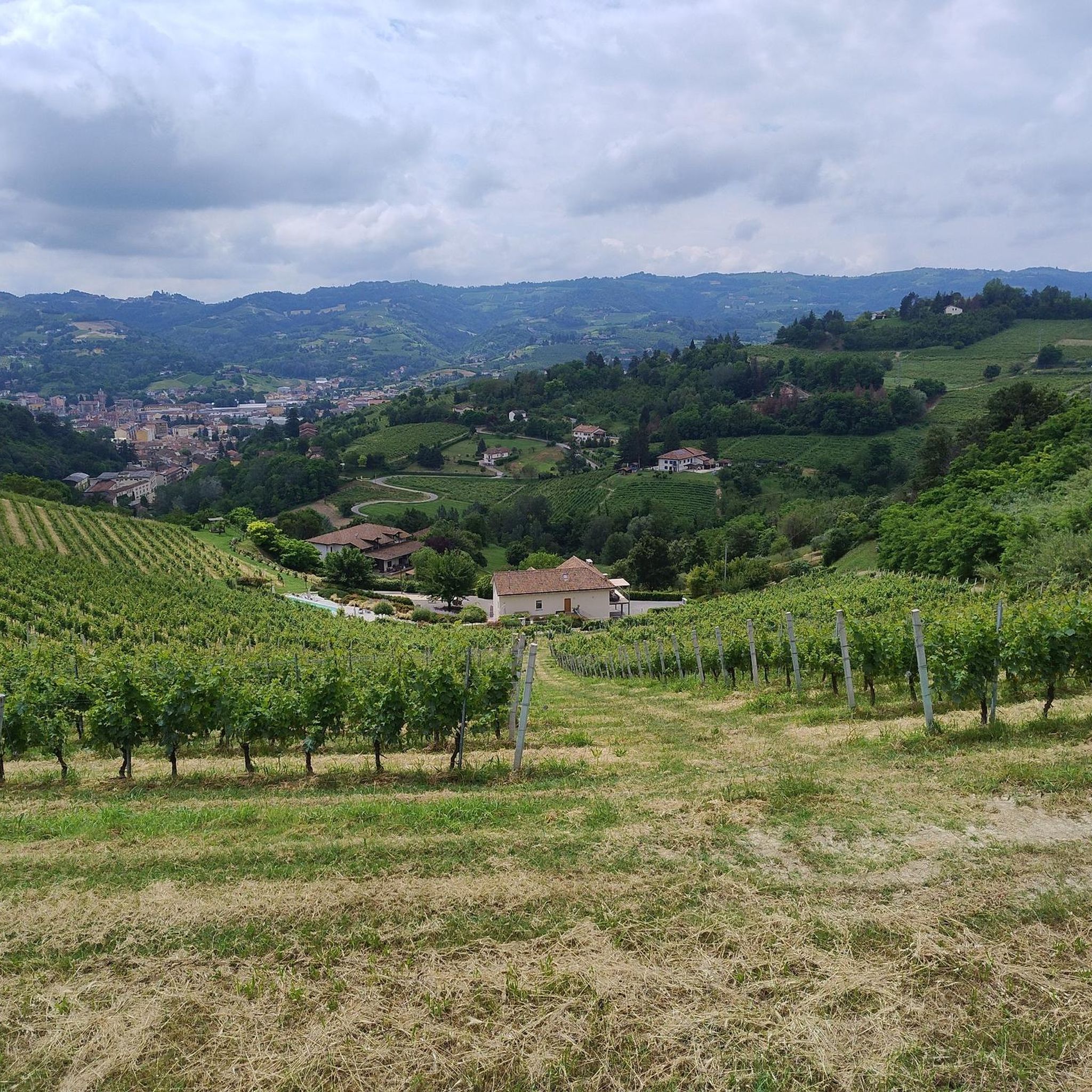
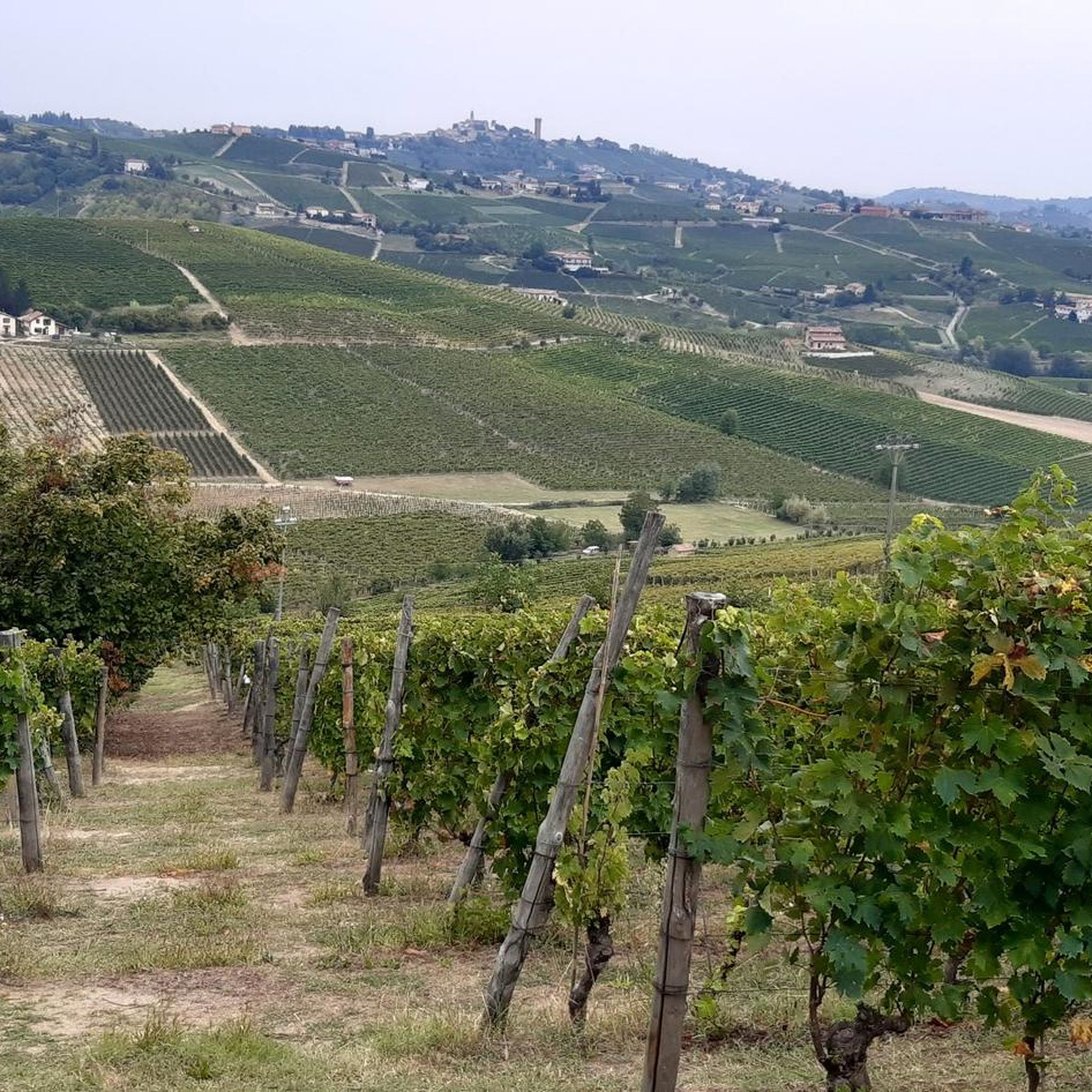
The climb that leads from Canelli to Gancia castle passes through splendid vines. This climb is steep at times and was tackled by the 2023 Giro d'Italia women. The Gancia castle is currently a private villa and cannot be visited: on the other hand, the panoramic views are magnificent.
6
1

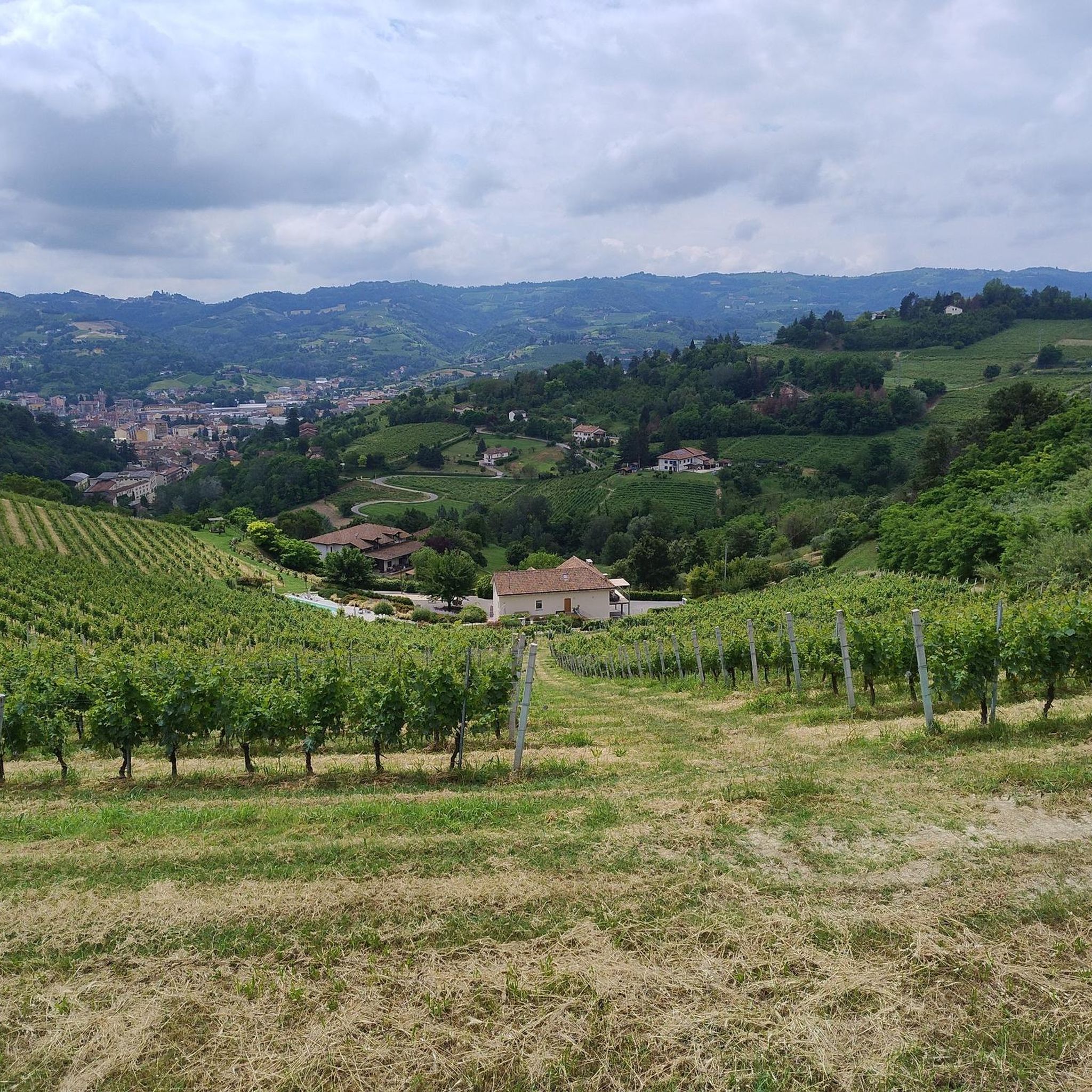
The castle, configured in a single and imposing square volume, reveals evident architectural stylistic differences, originating from the layout choices undertaken in the 17th century by the legitimate owners. Starting from 1625, the Asinari nobles shared the rank of "counts of Costigliole" with the noble Verasis family. This complex was therefore divided between two feudal lords, who, with autonomous determination, gave rise to transformations and embellishments on subjective bases. The northern part of the manor, pertaining to the Asinari, retains the appearance derived from the interventions of the second half of the eighteenth century, duly inspired by the architectural canons propagated by Benedetto Alfieri. At the same time, the external aspect of the southern part, pertaining to the Verasis, constitutes an interesting example of neo-medieval stylistic re-proposition, dating back to the first decades of the 19th century.
5
0
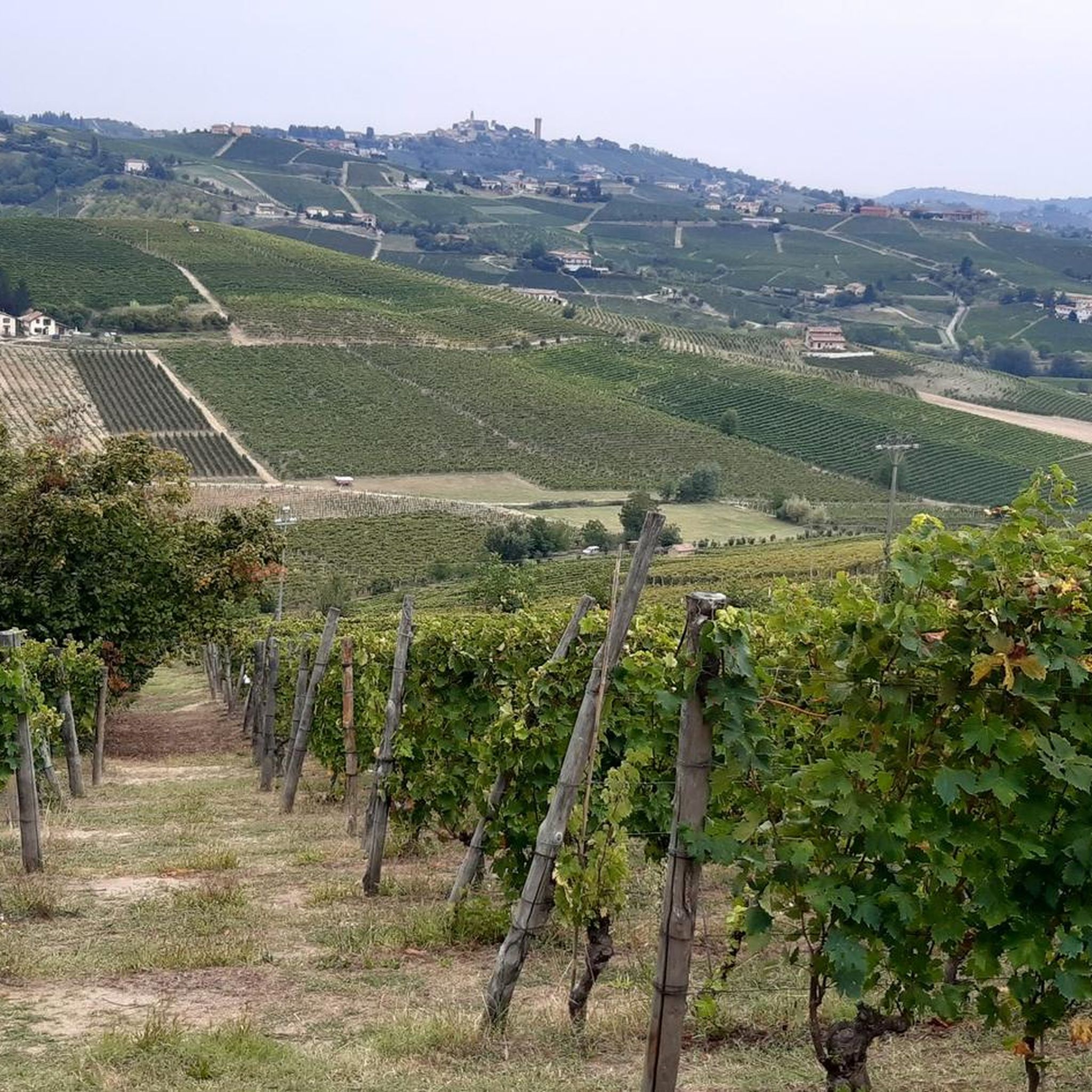
Montegrosso d'Asti, a municipality located in the province of Asti, is a fascinating treasure chest in the heart of Piedmont. Located between the Langhe and Monferrato hills, the entire municipal area enjoys UNESCO recognition. Located just 15 km from Asti, Montegrosso proudly claims its winemaking tradition, with particular emphasis on the fine Barbera d'Asti DOCG. The feudal castle of Montegrosso d'Asti, built in 1134 on commission by the Marquis Bonifacio del Vasto, lord of Asti, majestically dominates the large surrounding hilly area.
5
0
Frequently Asked Questions
Which castles offer the best panoramic views around Canelli?
For breathtaking vistas, the Ascent from Canelli to Castello Gancia leads to magnificent panoramic views of the surrounding vineyards. Additionally, Costigliole d'Asti Castle and Castello di Montegrosso d'Asti are also noted for their excellent viewpoints over the hilly landscape.
Are there family-friendly castles to visit near Canelli?
Yes, several castles in the area are considered family-friendly. Both Costigliole d'Asti Castle and Monastero Bormida are categorized as suitable for families. Castello di Montegrosso d'Asti is also a good option for a family outing.
What historical insights can I gain from visiting castles in the Canelli area?
The castles around Canelli offer a deep dive into regional history. Costigliole d'Asti Castle, for instance, is a medieval structure that underwent significant restorations, showcasing architectural styles from the 17th to 19th centuries. Monastero Bormida stands on the site of an original monastery from 1050, reflecting its ancient origins. Castello Gancia, though a private villa, has roots as an 11th-century military stronghold that evolved into a noble residence.
Can I combine a castle visit with outdoor activities like hiking or cycling?
Absolutely. The region around Canelli is perfect for combining castle exploration with outdoor adventures. You can find numerous hiking and cycling routes that pass by or lead to these historical sites. For hiking, consider routes like the Canelli Historic Trail. If you prefer cycling, there are MTB trails and gravel biking routes, such as the Canelli – Pedalanghe Climb loop or the Canelli – Costigliole d'Asti Castle loop.
What is the best time of year to visit the castles around Canelli?
The best time to visit is generally during the spring (April-June) and autumn (September-October). During these seasons, the weather is pleasant for exploring, and the vineyards offer beautiful scenery, either with fresh green growth or vibrant autumn colors. This also aligns well with the region's wine harvest festivals.
Are there any castles that are particularly significant to Canelli's winemaking heritage?
Yes, Castello Gancia is directly linked to Canelli's renowned winemaking heritage. The Gancia family, famous for their sparkling wines, acquired the castle in 1929. A visit to the area can be combined with exploring the 'Underground Cathedrals' – UNESCO World Heritage wine cellars – which are also connected to the Gancia winery.
Are there any 'hidden gem' castles or less-known historical sites worth exploring?
While Castello Gancia is prominent, Rocchetta Palafea offers a glimpse into a former military garrison with preserved original structures and Baroque interventions, arranged on a hill dominating the Belbo Valley. It's a charming, less-trafficked spot that provides historical context.
What kind of architecture can I expect to see in the castles of this region?
The castles showcase a blend of architectural styles reflecting centuries of transformations. You'll find medieval origins, such as in Costigliole d'Asti Castle, alongside Baroque renovations and 19th-century neo-medieval re-propositions. Castello Gancia, for example, evolved from a military stronghold to a noble residence with significant Baroque influences.
Can I visit the interior of Castello Gancia?
Castello Gancia is currently a private villa and is not generally open for public visits to its interior. However, the Ascent from Canelli to Castello Gancia offers magnificent panoramic views from its elevated position, and the castle's exterior is a significant landmark.
What other historical landmarks are near the castles in Canelli?
Beyond the castles, Canelli is home to the Contini Tower, a historical landmark that may have served as a watchtower or a 'belvedere.' The town itself, with its 'Underground Cathedrals' (UNESCO World Heritage wine cellars), offers a rich historical and cultural experience, particularly related to winemaking.
Are there any specific routes that connect multiple castles for a longer exploration?
While there isn't a single dedicated 'castle-to-castle' hiking route in the provided data, many of the cycling and hiking routes in the area will take you past or near several historical sites. For example, the Canelli – Costigliole d'Asti Castle loop is a gravel biking route that connects two significant locations. You can plan your own multi-castle itinerary using the various routes available for hiking and biking around Canelli.
What should I wear when visiting castles and exploring the surrounding areas?
Given the hilly terrain and potential for outdoor activities like hiking, comfortable walking shoes are highly recommended. Layers of clothing are advisable, especially during spring and autumn, to adapt to changing temperatures. If you plan to explore vineyards or trails, consider sturdy footwear and appropriate gear for the weather conditions.
Most popular routes around Canelli
Most popular attractions around Canelli

Get inspired with the komoot mobile app


Explore more
Looking for the best castles somewhere else? Discover other guides around Canelli:
