Top 8 Castles around Montegrosso D'Asti
Castles around Montegrosso D'Asti are located in a region recognized by UNESCO, nestled between the Langhe and Monferrato hills. This area is known for its winemaking tradition, particularly Barbera d'Asti DOCG. The historic Castello di Montegrosso d'Asti dominates the village, offering insights into medieval architecture and local culture. The surrounding landscape provides panoramic views.
Best castles around Montegrosso D'Asti
- The most popular castles is San Martino Alfieri Castle, a castle that was built as a summer residence on medieval…
Last updated: June 2, 2026
San Martino Alfieri Castle
Highlight • Castle
Translated by Google •
Tip by

Costigliole d'Asti Castle
Highlight • Castle
Translated by Google •
Tip by

Sign up now to discover places like this
Get recommendations on the best single tracks, peaks, & plenty of other exciting outdoor places.
Sign up for free
Govone Castle
Highlight • Castle
Translated by Google •
Tip by

View over Govone (CN)
Highlight • Viewpoint
Translated by Google •
Tip by

Castello di Montegrosso d'Asti
Highlight • Castle
Translated by Google •
Tip by
Sign up for free to discover even more castles around Montegrosso D'Asti.
Sign up for free
Already have an account?
Start today with a free account
Your next adventure awaits.
Login or Signup
Tips from the Community

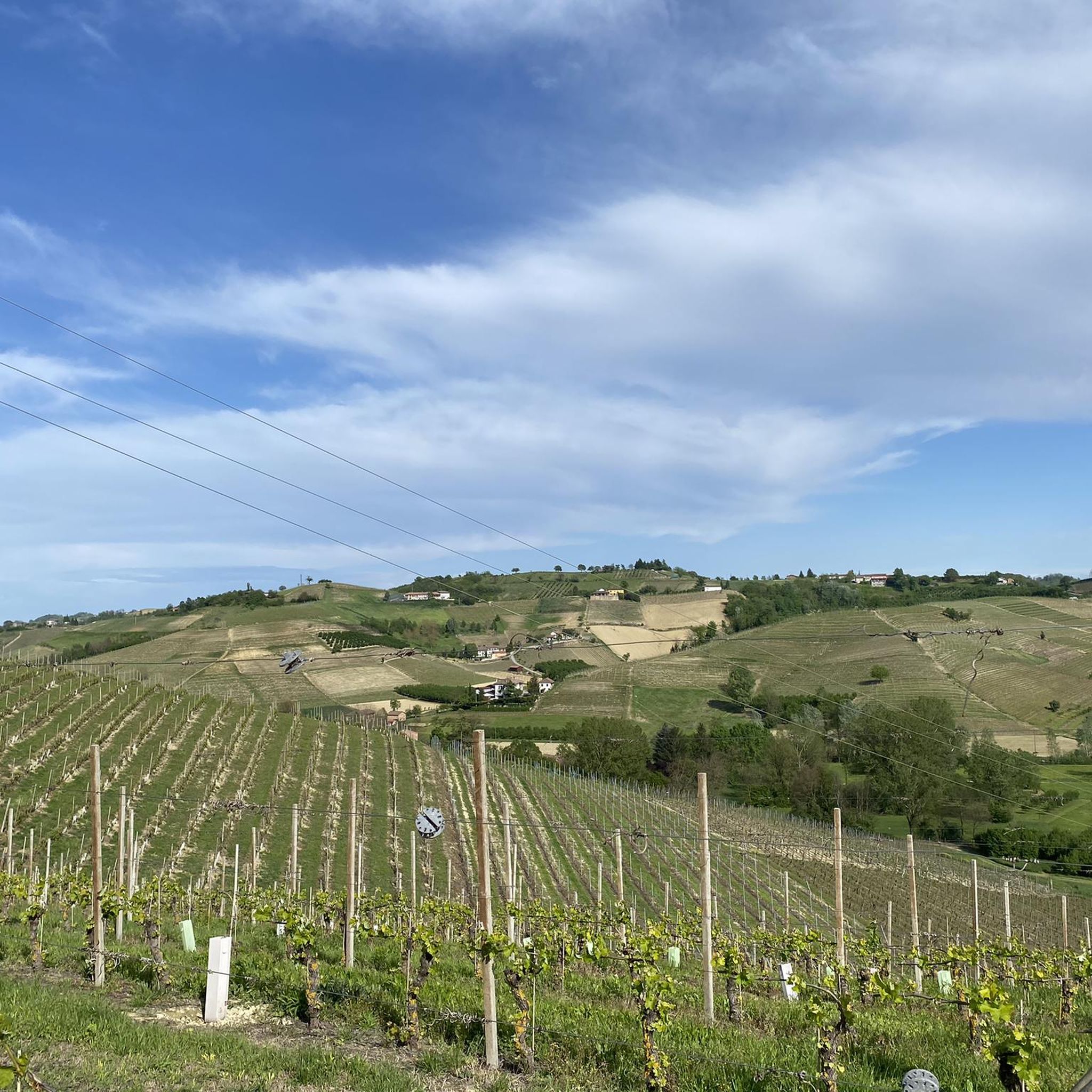
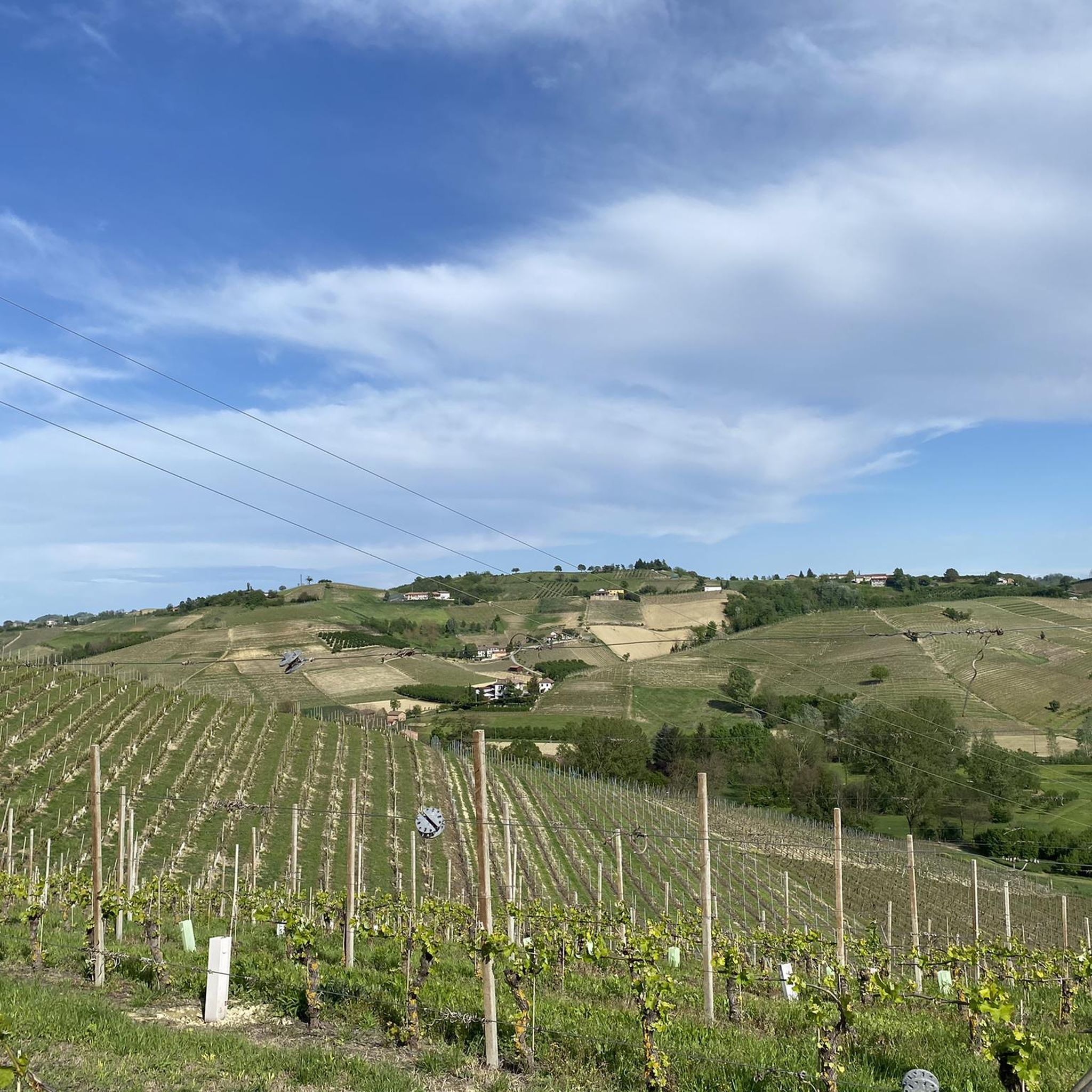
Beautiful view of Govone and, in the background, the Tanaro Valley and the Asti hills.
0
0
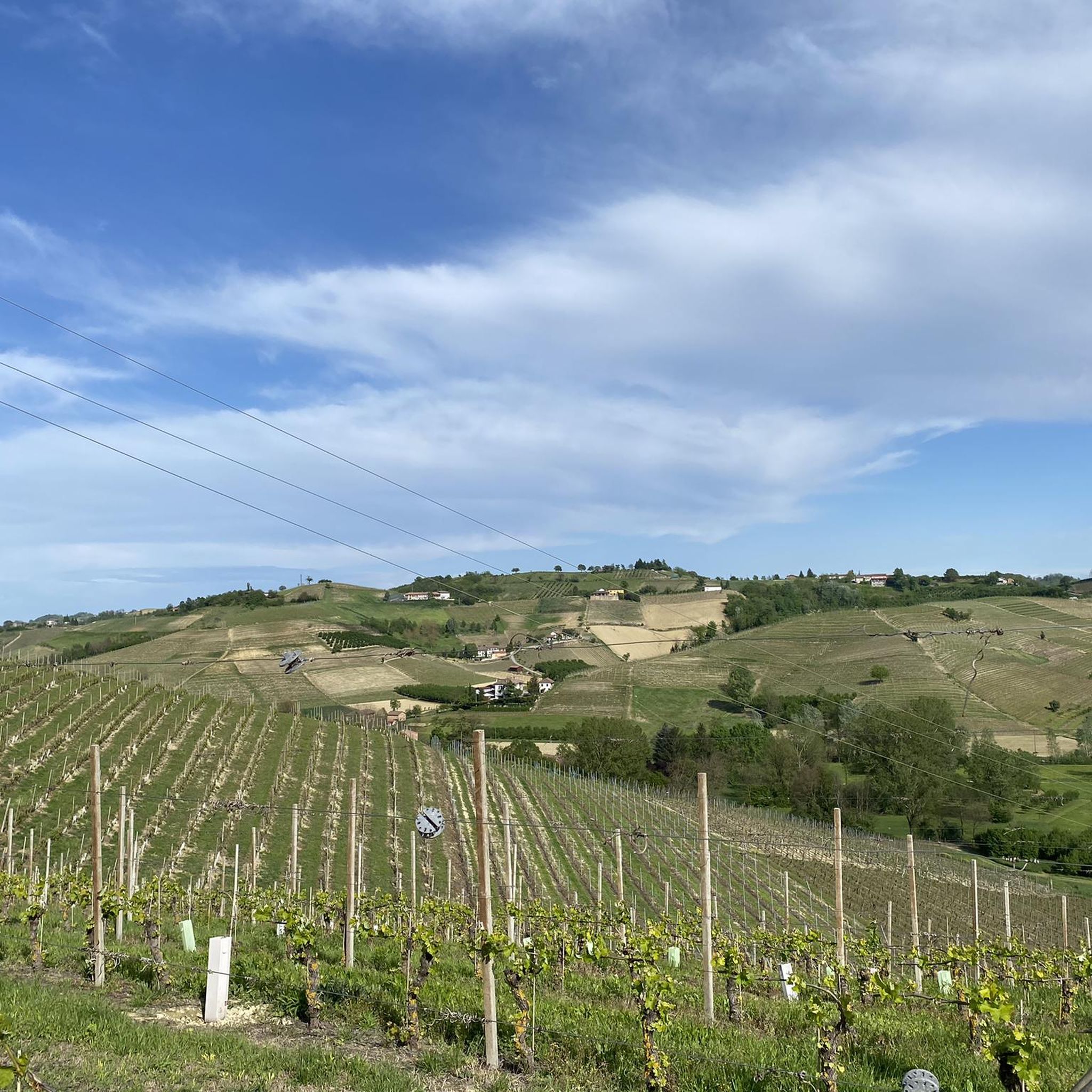
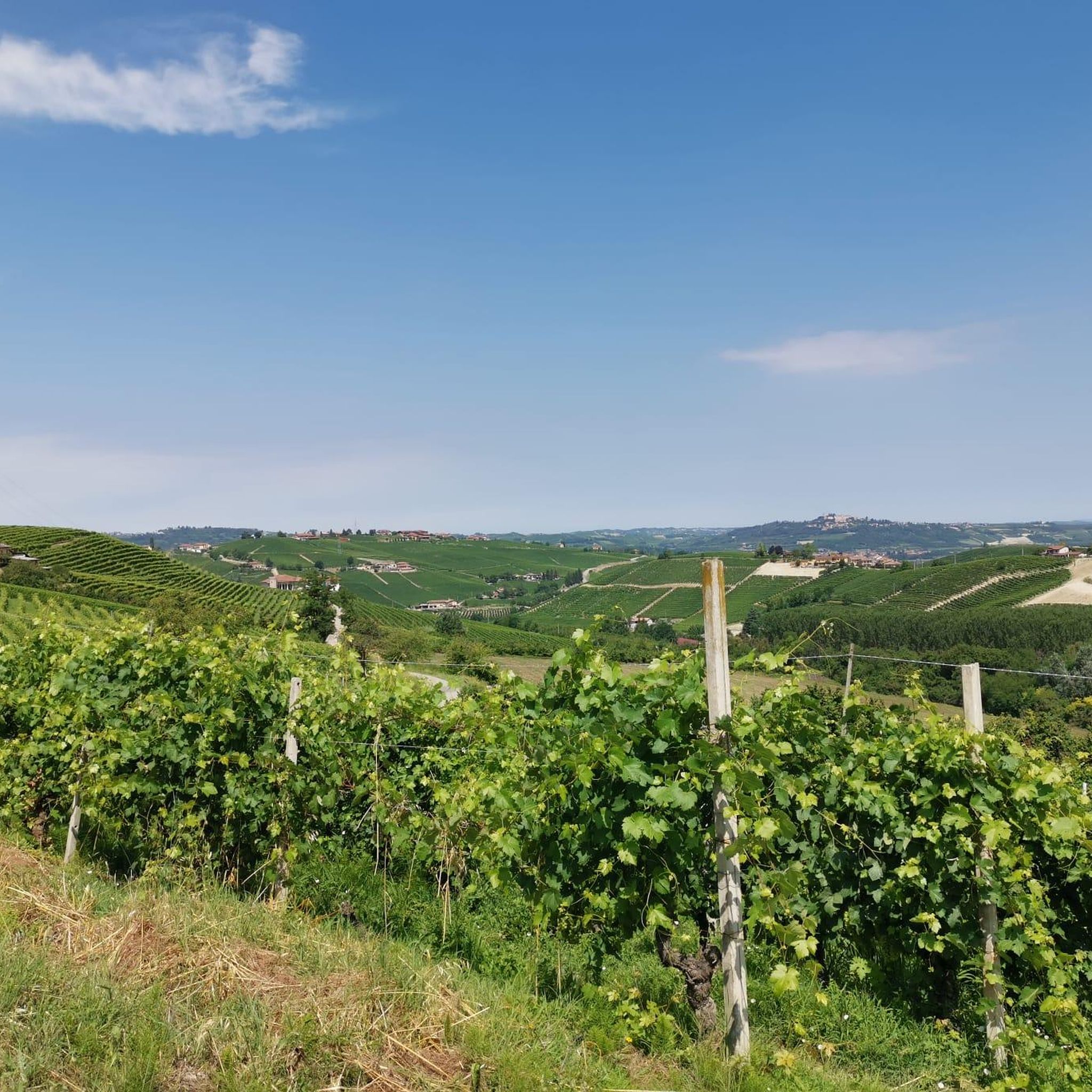
A beautiful castle complex and two churches, set against a panoramic backdrop of the Asti hills.
0
0

It rises in Astesana, in the tourist area called "Le Colline dei Fiumi", on the watershed of the Tanaro and Borbore rivers, controlling the important ridge line that connected Asti to Roero.
0
0
Govone Castle is located in the province of Cuneo in the municipality of Govone. It was one of the residences of the royal house of Savoy from 1792 to 1870, since 1997 it has been one of the buildings part of the Savoy residences site registered in the UNESCO world heritage list, it is now used as a town hall.
0
0

The castle, configured in a single and imposing square volume, reveals evident architectural stylistic differences, originating from the layout choices undertaken in the 17th century by the legitimate owners. Starting from 1625, the Asinari nobles shared the rank of "counts of Costigliole" with the noble Verasis family. This complex was therefore divided between two feudal lords, who, with autonomous determination, gave rise to transformations and embellishments on subjective bases. The northern part of the manor, pertaining to the Asinari, retains the appearance derived from the interventions of the second half of the eighteenth century, duly inspired by the architectural canons propagated by Benedetto Alfieri. At the same time, the external aspect of the southern part, pertaining to the Verasis, constitutes an interesting example of neo-medieval stylistic re-proposition, dating back to the first decades of the 19th century.
5
0

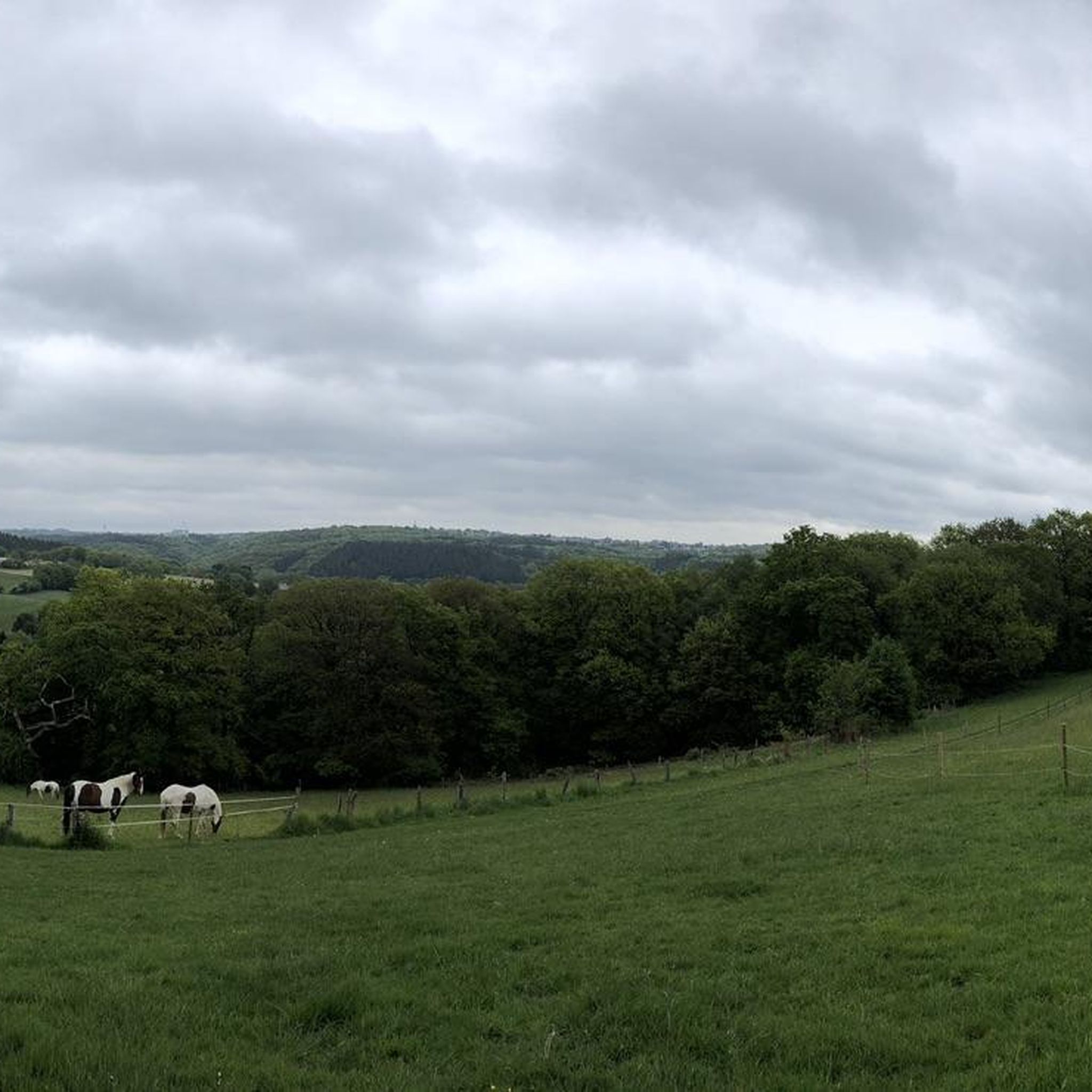
Country junction of several roads and therefore crucial for many of my tours in the area. From here you can reach Motta di Costigliole, Govone, San Damiano, Antignano and Celle Enomondo.
0
0
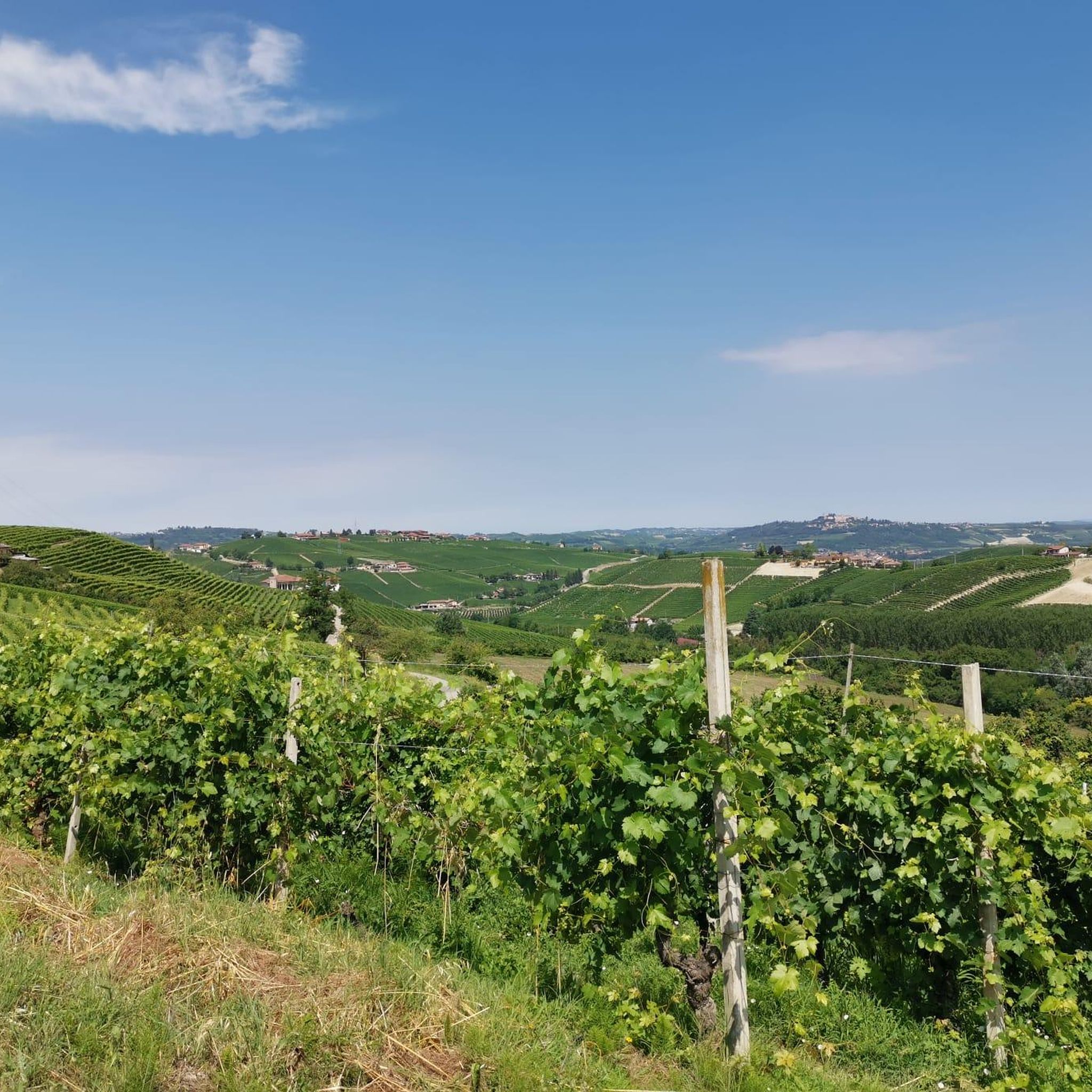
Montegrosso d'Asti, a municipality located in the province of Asti, is a fascinating treasure chest in the heart of Piedmont. Located between the Langhe and Monferrato hills, the entire municipal area enjoys UNESCO recognition. Located just 15 km from Asti, Montegrosso proudly claims its winemaking tradition, with particular emphasis on the fine Barbera d'Asti DOCG. The feudal castle of Montegrosso d'Asti, built in 1134 on commission by the Marquis Bonifacio del Vasto, lord of Asti, majestically dominates the large surrounding hilly area.
5
0
The castle of Costigliole d'Asti, built in medieval times and subject to restoration over the centuries, is an important stage in the "Castelli Aperti" circuit of Lower Piedmont. In 1041, Arrigo III officially conferred possession on the Church of Asti. Subsequently, the castle passed under the authority of Bonifacio del Vasto. In 1198, it was Asti that took possession of the castle, establishing statutory regulations. Built on top of the Costigliole fortress, this mighty quadrangular castle, with a base of 60 meters on each side and a height of 25 meters, is one of the grandest in the Asti area.
8
0
Frequently Asked Questions
What are some notable castles to visit in the Montegrosso D'Asti area?
Beyond the central Castello di Montegrosso d'Asti, which offers a blend of history and winemaking tradition, you can explore San Martino Alfieri Castle, a baroque summer residence known for its historic cellars and wine tastings. Another significant site is Govone Castle, a former Savoy residence with beautiful interiors and gardens, recognized as a UNESCO heritage site.
What historical significance does the Castello di Montegrosso d'Asti hold?
The Castello di Montegrosso d'Asti is a medieval fortress, likely founded in 1134. It has a history stretching back almost a thousand years, serving as a feudal castle and a scene of conflicts among noble dynasties. Its structure, with a square plan and distinctive cylindrical towers, showcases significant regional historical architecture.
Are there any castles in the area that offer wine-related experiences?
Yes, the region is deeply connected to its winemaking tradition. The tranquil, centuries-old cellars of the Castello di Montegrosso d'Asti are used for aging local DOC and DOCG wines, particularly Barbera d'Asti. Some producers, like the Motta family, offer tastings and tours by reservation. Additionally, San Martino Alfieri Castle is also known for its historic cellars and wine tastings.
What kind of views can I expect from the castles in Montegrosso D'Asti?
Given their elevated positions, many castles, including the Castello di Montegrosso d'Asti, offer panoramic views of the surrounding hilly area. This landscape is part of the UNESCO World Natural Heritage site of Langhe, Roero, and Monferrato, providing stunning vistas of vineyards and rolling hills.
Are there family-friendly castles to visit around Montegrosso D'Asti?
Yes, several castles in the area are considered family-friendly. San Martino Alfieri Castle, Govone Castle, and Costigliole d'Asti Castle are all categorized as family-friendly, offering historical exploration that can be enjoyed by all ages.
What outdoor activities can I do near the castles in Montegrosso D'Asti?
The region around Montegrosso D'Asti is excellent for outdoor enthusiasts. You can find numerous routes for gravel biking, hiking, and cycling. For example, there are challenging gravel biking routes like 'Altavilla Monferrato – Strade Bianche in Piedmont' and hiking trails such as 'From Montegrosso d'Asti to Costigliole d'Asti'. You can find more details and routes in the Gravel biking around Montegrosso D'Asti, Hiking around Montegrosso D'Asti, and Cycling around Montegrosso D'Asti guides.
Are there specific hiking trails that connect to or pass by castles?
Yes, the 'From Montegrosso d'Asti to Costigliole d'Asti (Trail 310)' is a difficult hiking route that connects these two towns, allowing you to experience the landscape and potentially view Costigliole d'Asti Castle. For more hiking options, refer to the Hiking around Montegrosso D'Asti guide.
What is the best time of year to visit the castles around Montegrosso D'Asti?
The region, known for its vineyards and scenic beauty, is particularly pleasant during spring and autumn. These seasons offer mild weather ideal for exploring the castles and enjoying the surrounding landscapes, including the vibrant colors of the vineyards. Summer can also be enjoyable, though it can be warmer.
What do visitors appreciate most about the castles in this region?
Visitors frequently appreciate the blend of historical architecture and cultural experiences. The castles offer insights into medieval times, often integrated with the local winemaking traditions. The panoramic views from their elevated positions over the UNESCO-recognized landscape are also a major draw, as evidenced by over 150 upvotes and more than 30 photos shared by the komoot community.
Is there a castle that is part of the 'Castelli Aperti' circuit?
Yes, Costigliole d'Asti Castle is an important stage in the 'Castelli Aperti' circuit of Lower Piedmont. This quadrangular castle has medieval origins and features architectural differences from 17th-century modifications, making it a significant historical site to explore.
Can I find cafes or accommodation near the castles?
Montegrosso D'Asti and the surrounding villages offer local amenities. While specific cafes or accommodations directly within every castle are rare, you will find options in the nearby towns and villages. The region is well-equipped to welcome visitors, often with charming local establishments.
How long should I plan for a visit to a castle in this area?
The duration of a visit can vary depending on the castle and your interest. For a significant site like the Castello di Montegrosso d'Asti or Govone Castle, especially if you include a guided tour or wine tasting, you might spend 2-3 hours. Smaller castles or external viewings could take less time. Planning for a half-day per major castle allows for a relaxed exploration.
Most popular routes around Montegrosso D'Asti
Most popular attractions around Montegrosso D'Asti

Get inspired with the komoot mobile app


Explore more
Looking for the best castles somewhere else? Discover other guides around Montegrosso D'Asti:
