Top 13 Castles around Mango
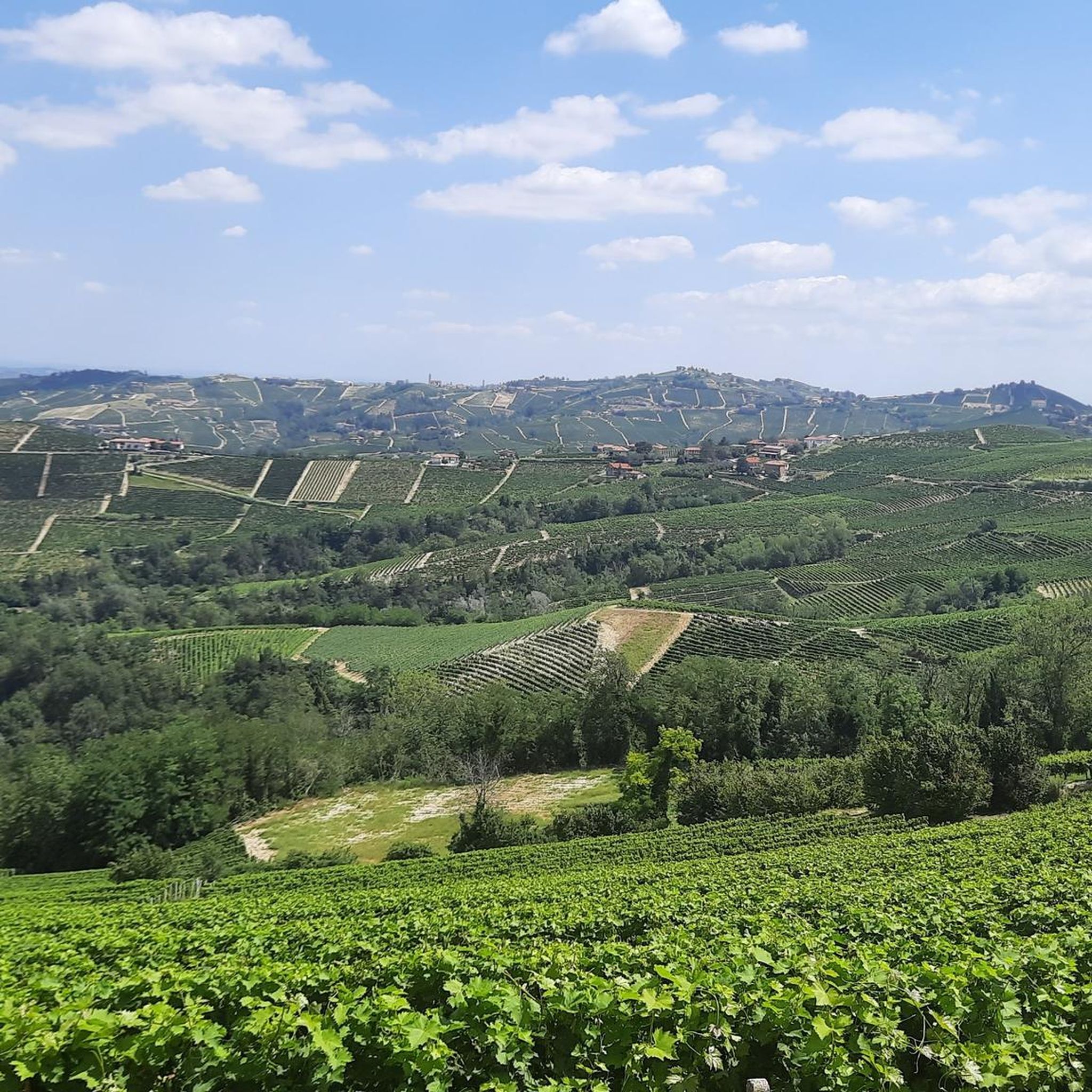
Castles around Mango are primarily found in the Langhe region of Piedmont, Italy, an area characterized by its rolling hills and vineyards. This region holds significant historical importance, with many fortifications originating as medieval military structures. The landscape offers panoramic views of the surrounding countryside. Visitors can explore sites that blend historical architecture with local culture, including wine and culinary experiences.
Best castles around Mango
- The most popular castles is Costigliole d'Asti Castle, a castle that reveals evident architectural…
Last updated: May 18, 2026
Costigliole d'Asti Castle
Highlight • Castle
Translated by Google •
Tip by

Cravanzana Village and Castle
Highlight • Settlement
It is one of the most important hazelnut-producing centers.
Translated by Google •
Tip by

Sign up now to discover places like this
Get recommendations on the best single tracks, peaks, & plenty of other exciting outdoor places.
Sign up for free
Guarene (CN)
Highlight • Settlement
Translated by Google •
Tip by

Ascent from Canelli to Castello Gancia
Highlight (Segment) • Climb
Translated by Google •
Tip by

Magliano Alfieri Castle
Highlight • Castle
Translated by Google •
Tip by

Sign up for free to discover even more castles around Mango.
Sign up for free
Already have an account?
Start today with a free account
Your next adventure awaits.
Login or Signup

Tips from the Community

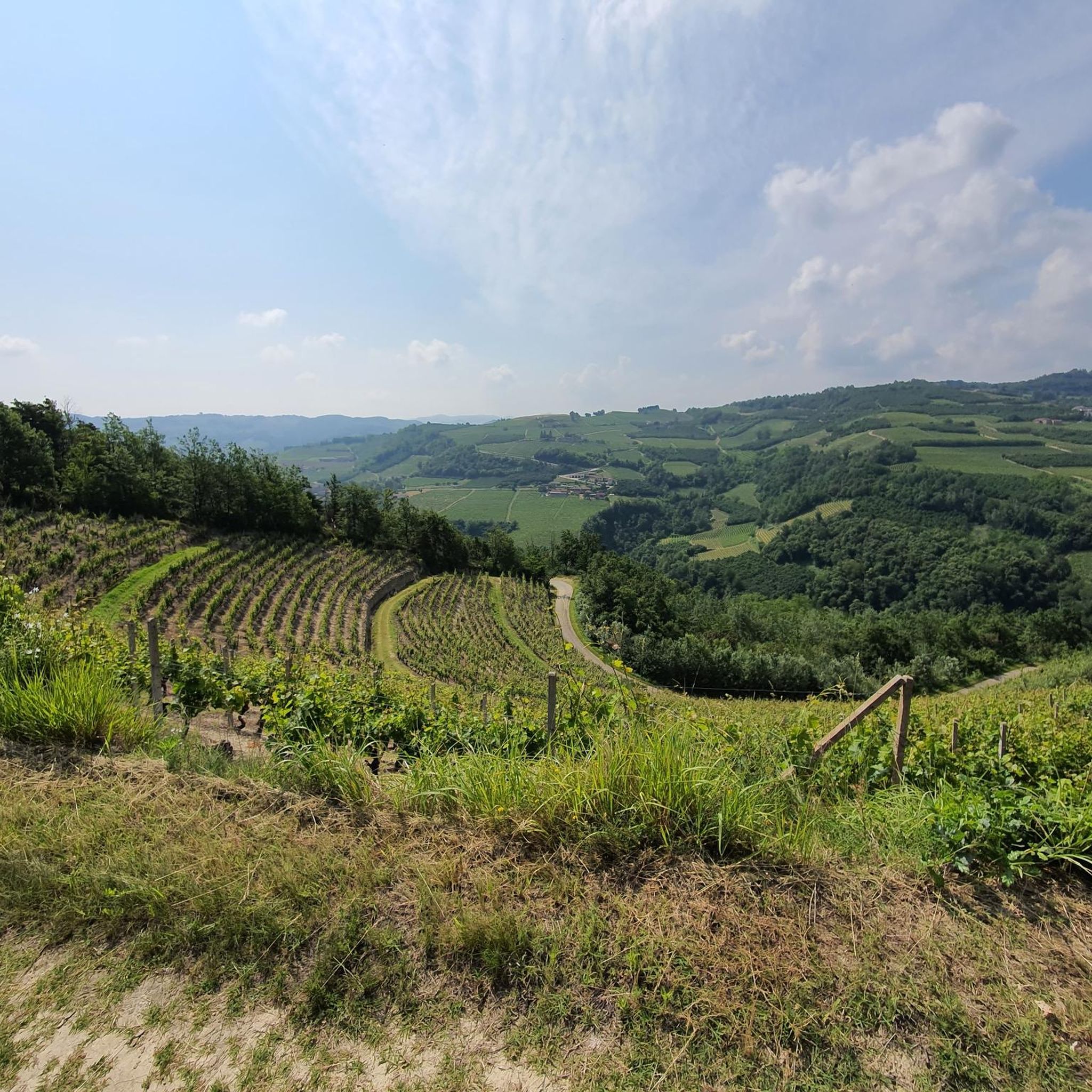
The town sits on a small rock, nestled on the right bank of the Belbo River, 555 meters above sea level. It is one of the most important hazelnut-producing centers.
13
0

Small town with a wonderful hazelnut cream factory in the upper part of the town! Be sure to stop by the “cuor di nocciola delle langhe” and try the great products. What Ferrero started here in the town is lovingly continued organically and with a maximum of three ingredients.
3
0

In addition to the Castle clearly visible from afar, the town center is interesting with a beautiful view of Alba and Tanaro with the Langhe in the background.
1
0

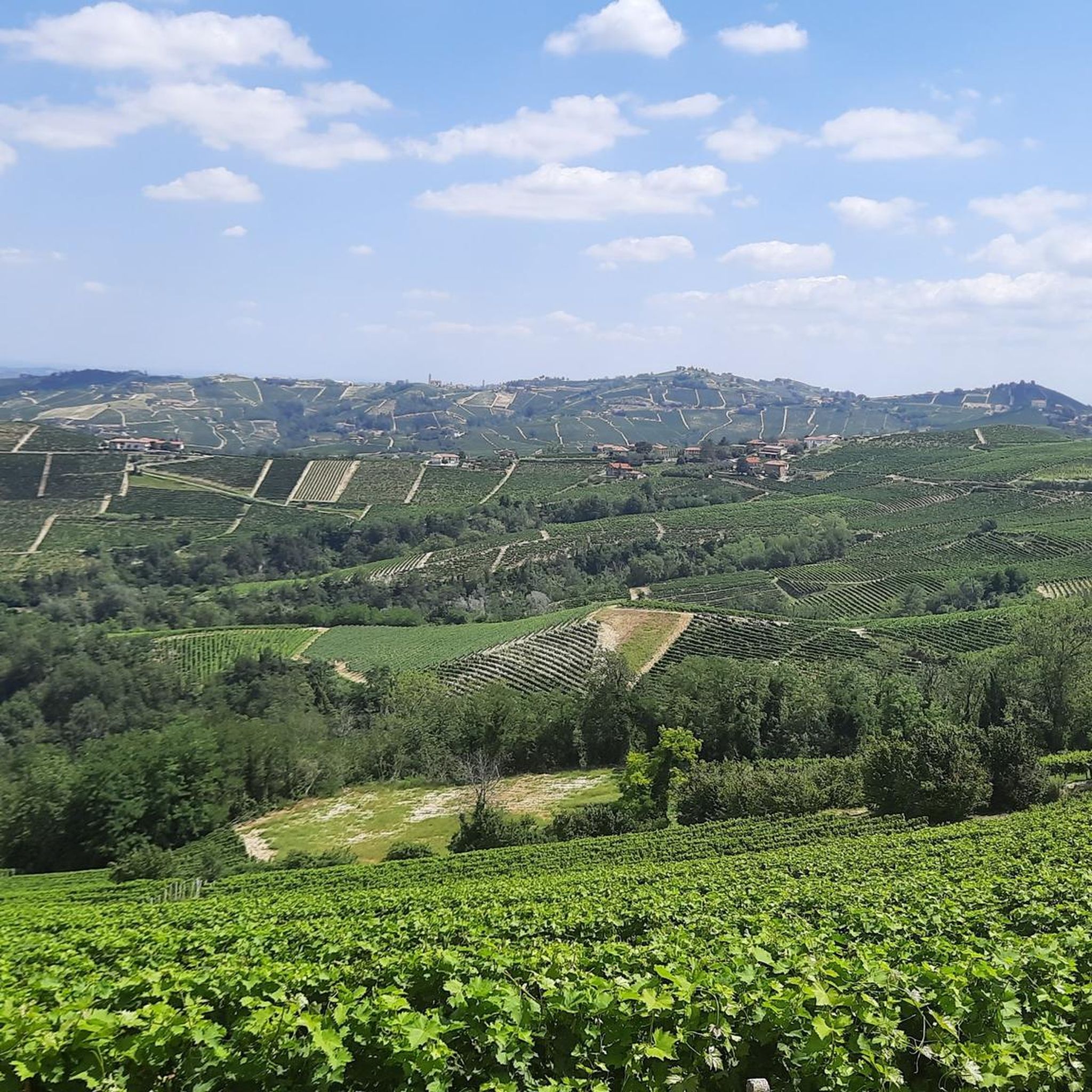
The climb that leads from Canelli to Gancia castle passes through splendid vines. This climb is steep at times and was tackled by the 2023 Giro d'Italia women. The Gancia castle is currently a private villa and cannot be visited: on the other hand, the panoramic views are magnificent.
6
1

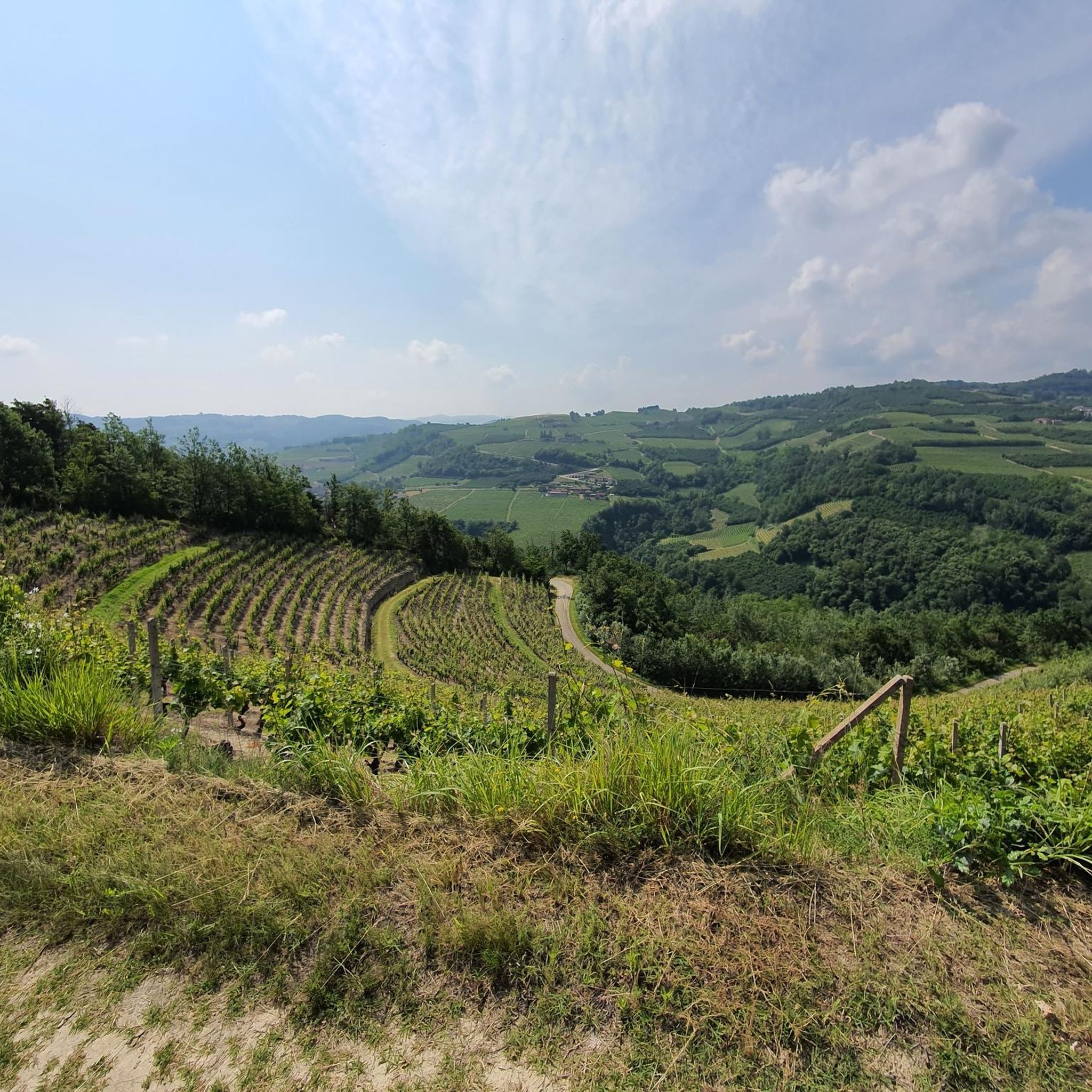
The castle, configured in a single and imposing square volume, reveals evident architectural stylistic differences, originating from the layout choices undertaken in the 17th century by the legitimate owners. Starting from 1625, the Asinari nobles shared the rank of "counts of Costigliole" with the noble Verasis family. This complex was therefore divided between two feudal lords, who, with autonomous determination, gave rise to transformations and embellishments on subjective bases. The northern part of the manor, pertaining to the Asinari, retains the appearance derived from the interventions of the second half of the eighteenth century, duly inspired by the architectural canons propagated by Benedetto Alfieri. At the same time, the external aspect of the southern part, pertaining to the Verasis, constitutes an interesting example of neo-medieval stylistic re-proposition, dating back to the first decades of the 19th century.
5
0
The castle of Costigliole d'Asti, built in medieval times and subject to restoration over the centuries, is an important stage in the "Castelli Aperti" circuit of Lower Piedmont. In 1041, Arrigo III officially conferred possession on the Church of Asti. Subsequently, the castle passed under the authority of Bonifacio del Vasto. In 1198, it was Asti that took possession of the castle, establishing statutory regulations. Built on top of the Costigliole fortress, this mighty quadrangular castle, with a base of 60 meters on each side and a height of 25 meters, is one of the grandest in the Asti area.
8
0

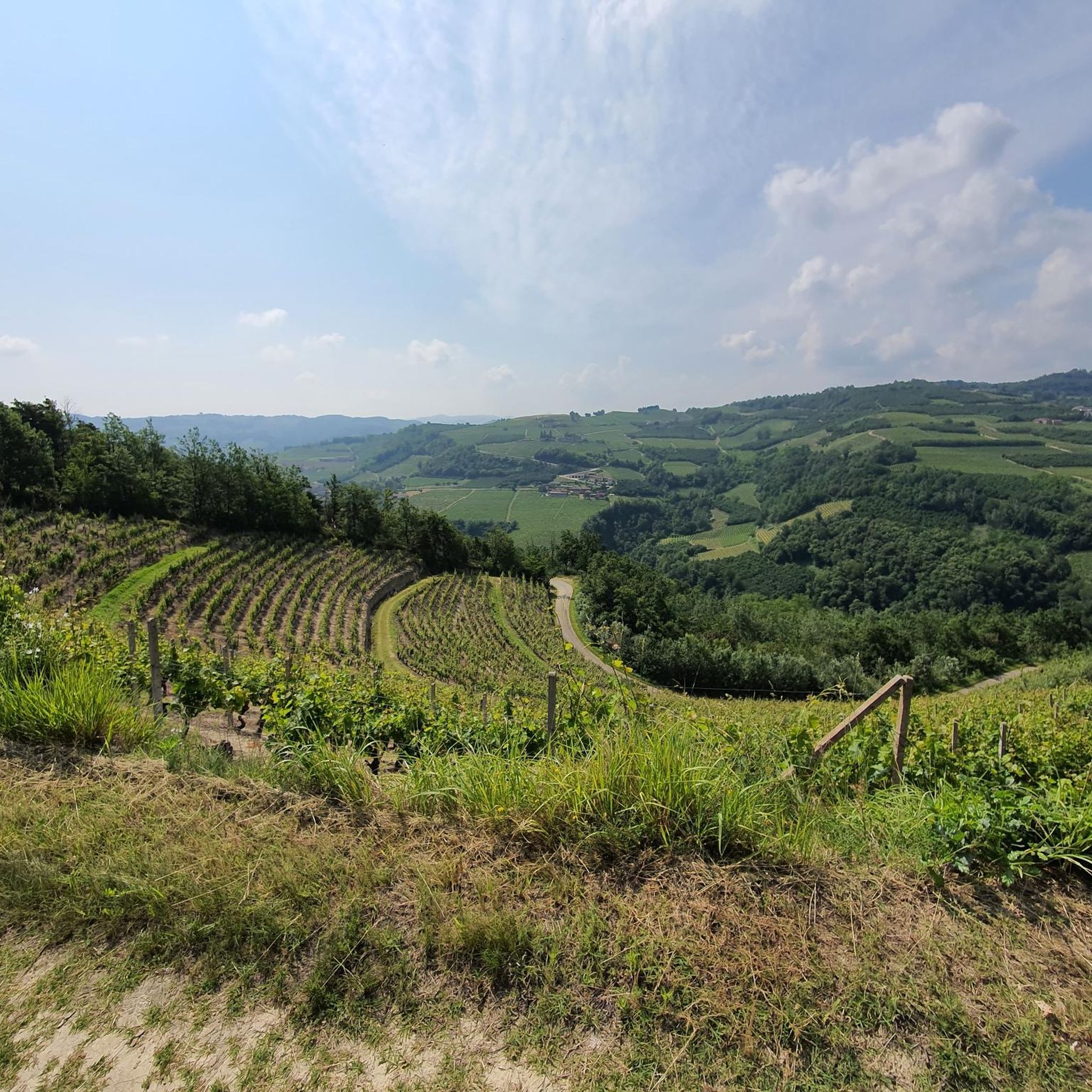
One of my favorite places is part of the so-called "Cordigliera Alfieri" and is included in the list of the most beautiful villages in Italy.
0
0
It is via Mazzini in the stretch of road shortly after the cemetery. The castle is an imposing structure, recently restored and visible from far away (like that of Govone).
1
0
Frequently Asked Questions
What types of castles can I explore around Mango?
The castles around Mango, primarily located in the Langhe region of Piedmont, Italy, range from ancient medieval fortifications to grand noble residences. Many have been transformed over centuries, blending historical architecture with modern uses. You'll find imposing structures like Costigliole d'Asti Castle, which showcases evident architectural stylistic differences from its 17th-century transformations, and others integrated into charming settlements like Guarene (CN).
Are there family-friendly castles to visit near Mango?
Yes, several castles in the area are suitable for families. Costigliole d'Asti Castle and Magliano Alfieri Castle are both categorized as family-friendly. These sites often offer historical exploration in engaging settings, and some, like the main Mango Castle, host cultural events that can be enjoyable for all ages.
What outdoor activities can I do near the castles around Mango?
The Langhe region offers excellent opportunities for outdoor activities. You can find numerous routes for road cycling, gravel biking, and general cycling. For example, there's a 'Mango – Costigliole d'Asti Castle loop' for road cycling, or a 'Historic village of Neive – Barbaresco Tower loop' for general cycling. You can explore more routes on the Road Cycling Routes around Mango, Gravel biking around Mango, and Cycling around Mango guide pages.
Can I visit the historic Mango Castle itself?
Yes, the historic Mango Castle (Castello di Mango) is a focal point of the town. While it stands on 12th-century foundations and served as a summer residence for marquises, today it houses the 'Colline del Moscato' Regional Enoteca on its ground floor. This makes it a unique destination for wine enthusiasts, offering a blend of history, culture, and local Piedmontese wines. It also includes a restaurant and hosts cultural events.
What are the best times to visit the castles in the Langhe region?
The Langhe region is beautiful throughout much of the year. Spring and autumn are particularly popular, with pleasant weather for exploring and the vineyards either blooming or showcasing vibrant fall colors. The Enoteca within Mango Castle is open year-round, but specific castle visiting hours may vary seasonally. Checking individual castle websites for current opening times is recommended.
Are there any castles near Mango that offer panoramic views?
Absolutely. Many castles in the Langhe region are strategically located on hilltops, offering spectacular views. The historic Mango Castle itself provides a singular and spectacular view of the surrounding hills. Other highlights like Cravanzana Village and Castle and Guarene (CN) are also known for their beautiful vistas, with Guarene offering views of Alba and the Tanaro River with the Langhe in the background.
What historical significance do the castles around Mango hold?
The castles in this region are steeped in history, often originating as medieval military structures. For instance, the current Mango Castle stands on foundations from a 12th-century fortification, built after conflicts in 1275. Costigliole d'Asti Castle also has medieval origins and has been a scene of many battles and struggles, later becoming part of the 'Castelli Aperti' circuit of Lower Piedmont. These sites reflect centuries of strategic importance and noble life.
Is parking available at the castles near Mango?
Parking availability varies by castle. Larger, more popular sites like Mango Castle, which houses the Enoteca, typically have designated parking areas. For castles integrated into villages, such as Cravanzana Village and Castle or Guarene (CN), parking may be found within the village itself. It's advisable to check specific castle websites or local tourist information for detailed parking instructions.
Can I take a guided tour of the castles?
Some castles offer guided tours, particularly those that are open to the public as museums or cultural centers. For example, Magliano Alfieri Castle can be visited at certain times with an entrance ticket, and its website (often linked in visitor tips) would provide tour information. The Enoteca at Mango Castle also hosts cultural events, which might include guided experiences. It's best to inquire directly with each castle for tour schedules and booking.
Are there any castles near Mango that are dog-friendly?
While many outdoor areas and trails in the Langhe region are dog-friendly, policies for bringing dogs inside castle buildings can vary. Generally, dogs are often welcome in castle grounds or outdoor areas but may not be permitted inside historical interiors. It's recommended to check the specific rules of each castle you plan to visit beforehand to ensure a smooth experience with your pet.
What is the 'Colline del Moscato' Regional Enoteca at Mango Castle?
The 'Colline del Moscato' Regional Enoteca is located on the ground floor of the historic Mango Castle. It serves as a hub for promoting local Piedmontese wines, including Moscato d'Asti, other sparkling wines, and Dolcetto wines from Mango. It offers visitors an opportunity to taste and purchase regional wines in a historic setting, combining cultural exploration with a culinary experience.
Are there any castles that are currently private residences and not open to the public?
Yes, some historical fortifications in the region have been converted into private residences. For instance, the Castello Gancia, which is reached by a scenic climb from Canelli, is currently a private villa and cannot be visited internally. However, the area around it still offers magnificent panoramic views, making the journey worthwhile for the scenery.
Most popular attractions around Mango

Get inspired with the komoot mobile app


Explore more
Looking for the best castles somewhere else? Discover other guides around Mango:
