Top 5 Lakes around Boàtiri/Baratili San Pietro
Best lakes around Boàtiri/Baratili San Pietro are found in a region known for its ecologically significant wetland areas in Sardinia. The area features extensive brackish water ecosystems, which are vital habitats for diverse flora and fauna. These wetlands support traditional fishing practices and offer opportunities for nature observation. The landscape is characterized by its unique natural beauty and cultural heritage.
Best lakes around Boàtiri/Baratili San Pietro
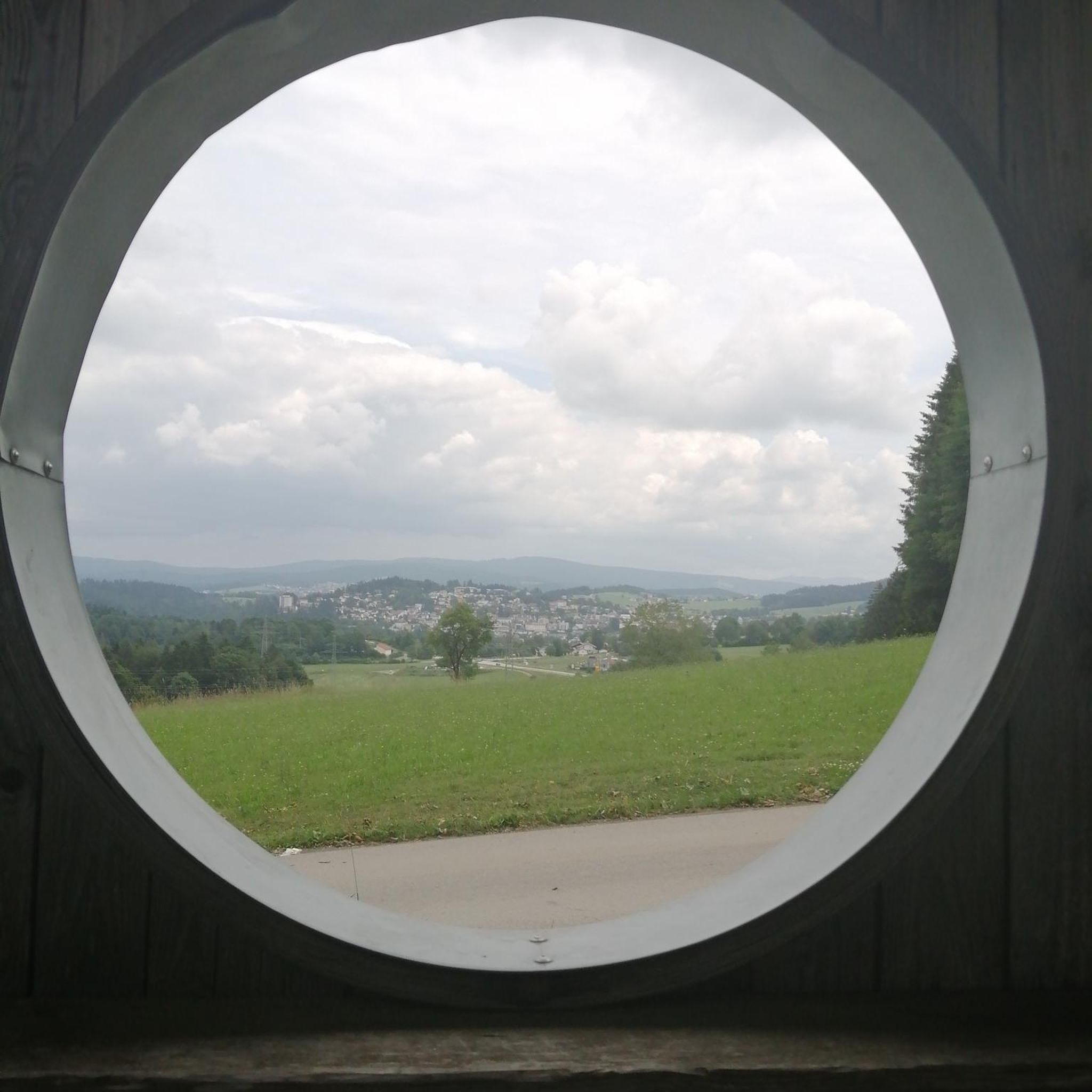
- The most popular lakes is View of Stagno di Cabras, a lake and…
Last updated: July 27, 2026
Santa Giusta Lagoon
Highlight (Segment) • Lake
Translated by Google •
Tip by

Cabras Lagoon
Highlight • Lake
Translated by Google •
Tip by

Sign up now to discover places like this
Get recommendations on the best single tracks, peaks, & plenty of other exciting outdoor places.
Sign up for free
View of Stagno di Cabras
Highlight • Lake
Translated by Google •
Tip by

Stagno di Sale 'e Porcus Nature Reserve
Highlight • Lake
Translated by Google •
Tip by

Caressing the Pond
Highlight (Segment) • Trail
Translated by Google •
Tip by

Start today with a free account
Your next adventure awaits.
Login or Signup
Popular around Boàtiri/Baratili San Pietro

Tips from the Community

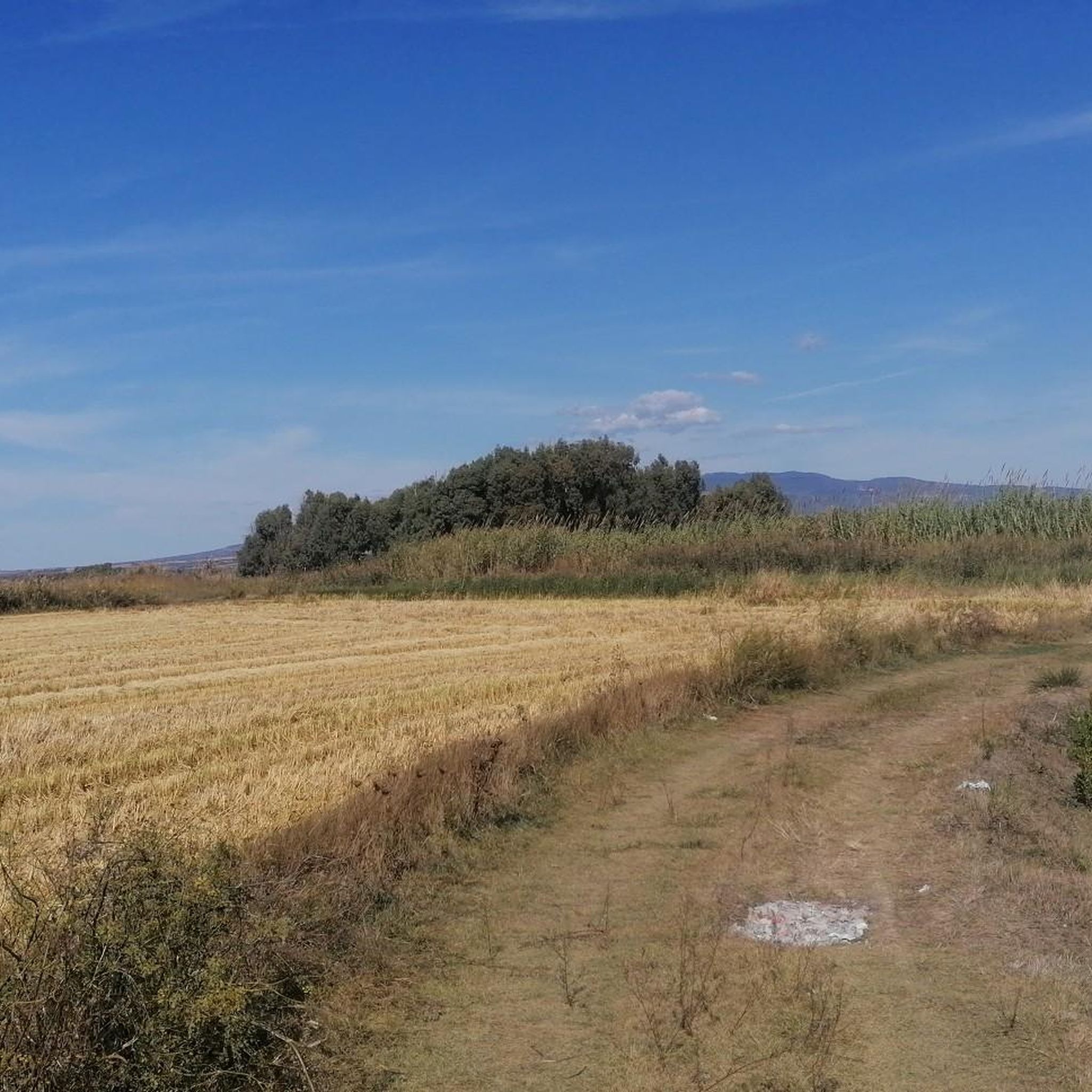
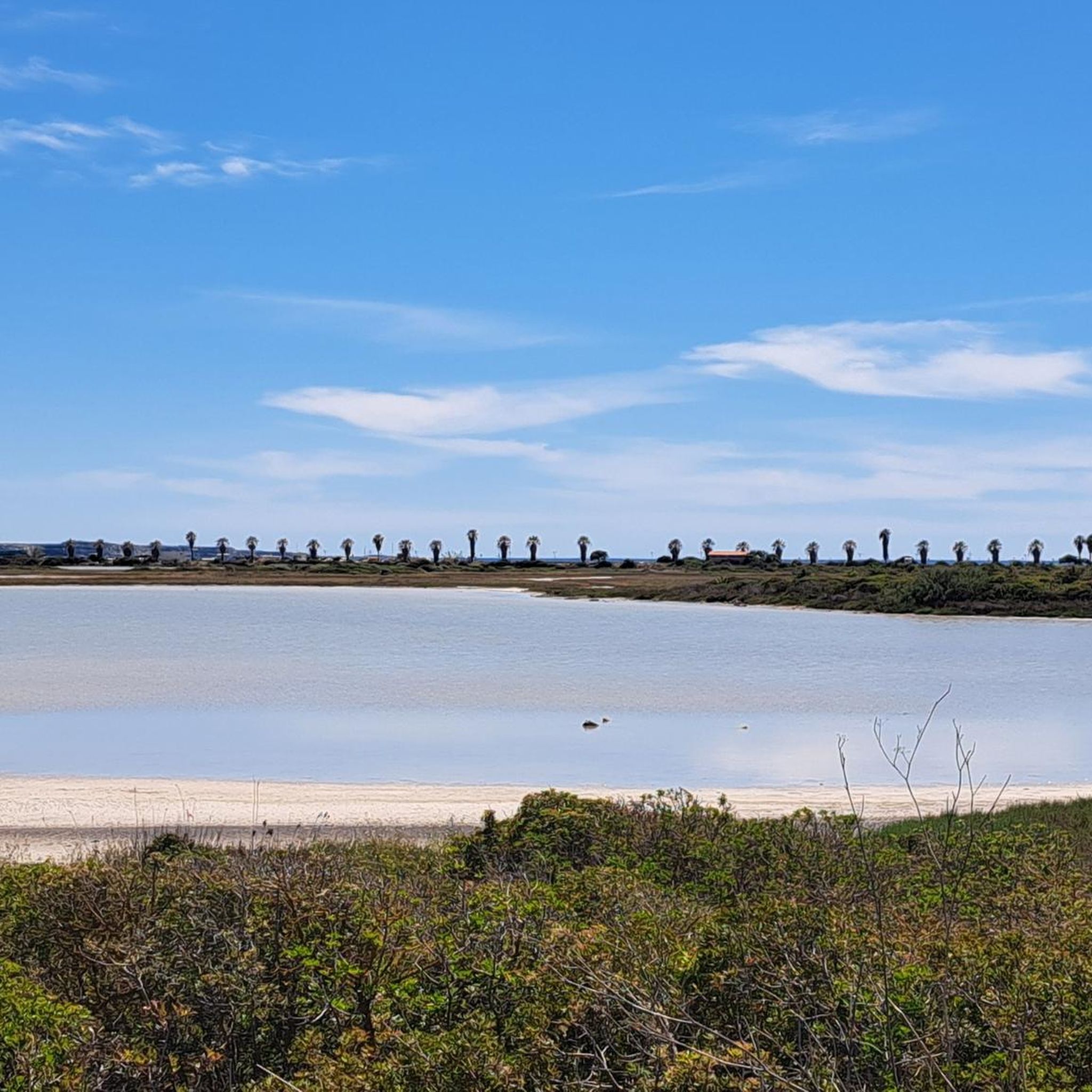
The walk around the salt lake in the "Stagno di Sale de Porcus" nature reserve goes through a wonderful, very varied landscape. Especially in April/May, the field margins are rich in a variety of wonderful flowering plants and the salt lake and the hedges offer a lot to see and hear for those interested in birds. It is best to go in the morning or evening as there is no shade!
0
0

Also accessible by car, at least there were a few jeeps in the immediate vicinity. We prefer to do things like that on our bikes.
0
0

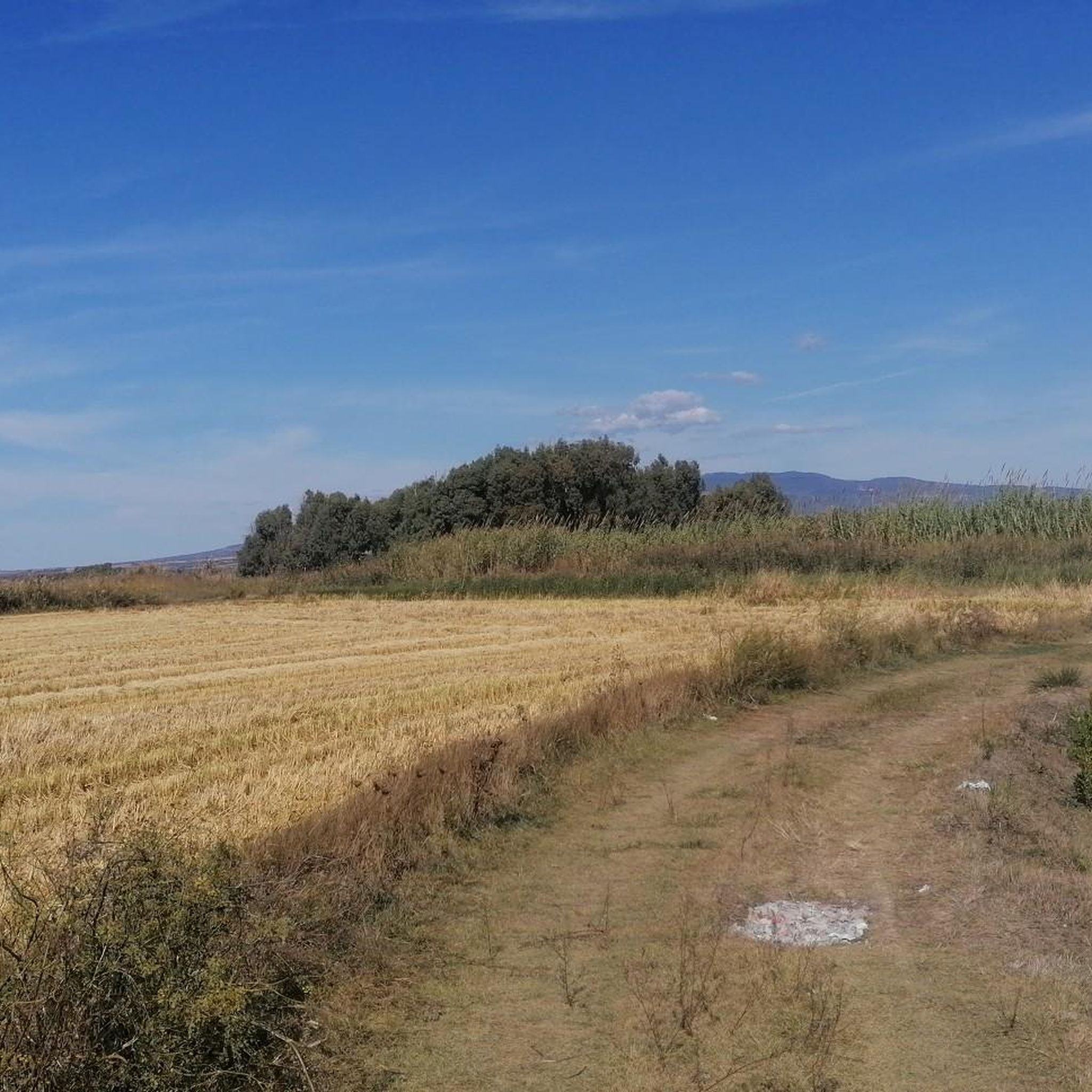
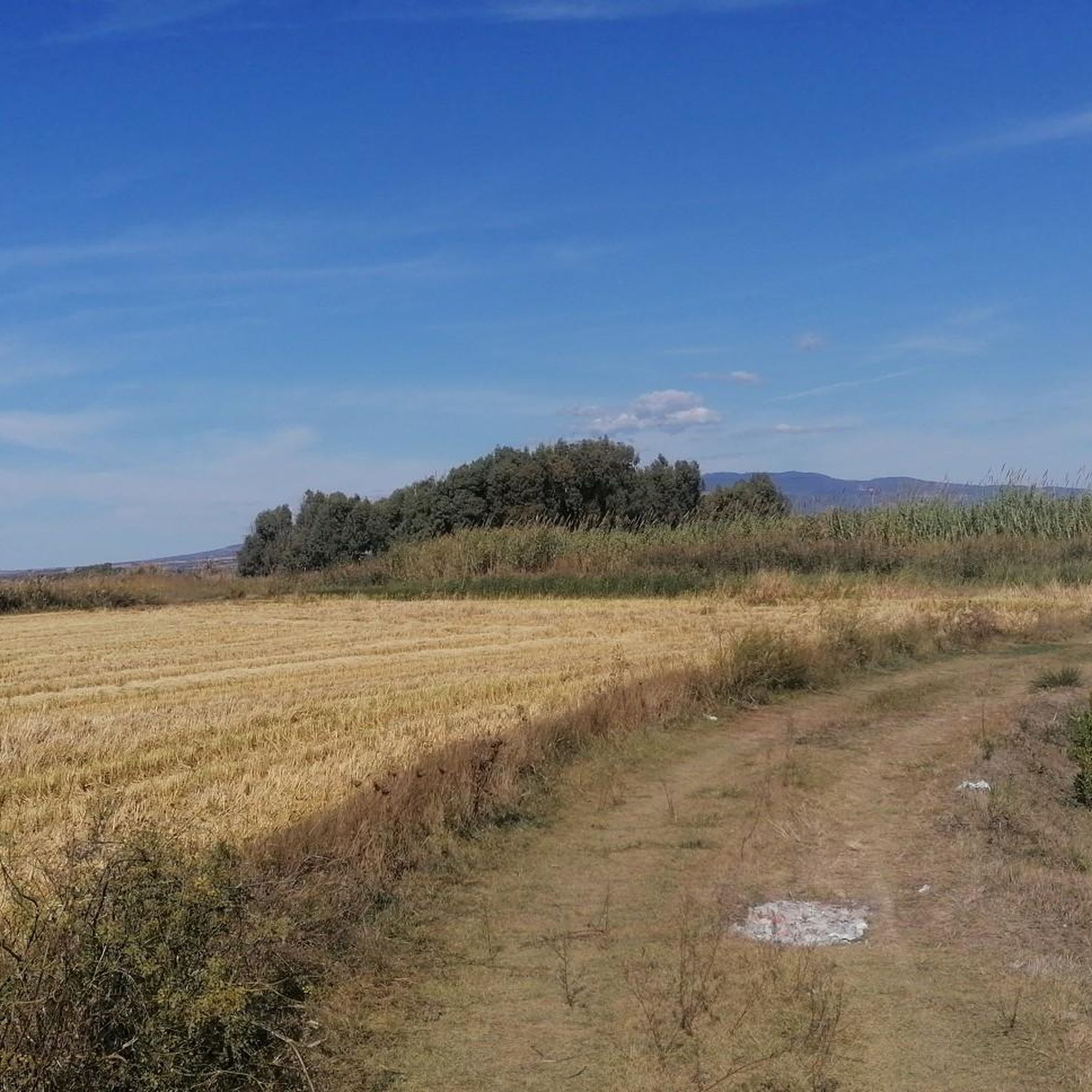
Beautiful trail in three qualities (cobblestone, dirt and asphalt) which runs alongside the Cabras pond and bypasses the SP66 taking us through the fields. Flat, not busy at all, with beautiful landscapes.
0
0

Lots of traffic/trucks. Street not recommended.
0
0

Cabras Pond is one of the most important wetlands in Sardinia due to its great biodiversity.
1
0

The Santa Giusta pond is located between Oristano to the north, Santa Giusta to the east, the Cirras plain to the south, the sea to the west and with its size it is classified as the third largest pond in Sardinia. There are still some nesting species such as the mallard, the coot, the little grebe, the gray heron and black-headed gulls, while in the waters of the pond they mainly fish for mullet, eels and crabs.
3
2
Frequently Asked Questions
What are the most significant wetland areas to visit around Boàtiri/Baratili San Pietro?
The most significant wetland areas are the Stagno di Santa Giusta and the Cabras Lagoon, which includes the Laguna di Mistras. Both are ecologically vital habitats, recognized for their rich biodiversity and traditional fishing practices. You can explore the Santa Giusta Lagoon, known as Sardinia's third largest pond, or the extensive Cabras Lagoon, one of Europe's largest.
What unique natural features can I observe at these lakes?
These lakes are renowned for their diverse birdlife, including migratory species like pink flamingos, mallards, coots, and grey herons. The waters also support various fish species such as mullets, eels, and seabass. The Stagno di Sale 'e Porcus Nature Reserve offers a varied landscape with flowering plants and abundant birdwatching opportunities, especially in spring.
Are there family-friendly activities available at the lakes?
Yes, several areas are suitable for families. The Cabras Lagoon and the View of Stagno di Cabras are both marked as family-friendly. The Stagno di Santa Giusta also has an equipped park with tables and games, perfect for nature observation and walks. Kayaking in the Cabras Lagoon is another excellent family activity.
What kind of traditional cultural experiences can I find near the lakes?
You can witness the centuries-old tradition of fishing using 'Is Fassonis,' unique boats made from interwoven swamp reeds, particularly at the Stagno di Santa Giusta and Cabras Lagoon. The Stagno di Santa Giusta hosts a traditional regatta of 'Is Fassonis' every first Sunday in August, celebrating local culture with tastings of local delicacies. The Cabras Lagoon area is also famous for *bottarga*, or 'Sardinian caviar,' made from mullet roe.
What are the best times to visit the lakes for nature observation?
For birdwatching and observing flowering plants, especially around the Stagno di Sale 'e Porcus Nature Reserve, April and May are ideal. Generally, visiting in the morning or evening is recommended, as there is limited shade around many of the lakes.
Are there opportunities for hiking or walking around the lakes?
Yes, there are many opportunities for walking and hiking. The Stagno di Santa Giusta offers easily accessible paths for nature walks. The Caressing the Pond trail runs alongside the Cabras pond, offering beautiful landscapes on varied surfaces. For more extensive routes, you can explore the MTB Trails around Boàtiri/Baratili San Pietro, which include paths near the lakes.
Can I go cycling near the lakes?
Absolutely. The fields and hills surrounding the Cabras Lagoon are ideal for mountain biking. You can find various cycling routes in the area, including those listed in the Cycling around Boàtiri/Baratili San Pietro guide and the Gravel biking around Boàtiri/Baratili San Pietro guide.
What historical or archaeological sites are close to the lakes?
The Cabras Lagoon area is rich in history. You can visit the ancient city of Tharros and the Civic Museum of Cabras, which houses the impressive 'Giants of Mont'e Prama,' monumental sandstone sculptures from the Iron Age. These sites offer a fascinating complement to the natural attractions.
Is there parking available near the lakes?
For the View of Stagno di Cabras, it is accessible by car, with parking available in the immediate vicinity. For other areas, parking availability may vary, but many spots are generally accessible for visitors.
What is the Stagno di Santa Giusta known for?
The Stagno di Santa Giusta is known as the third largest pond in Sardinia and is a vital habitat for migratory birds, including pink flamingos. It's also famous for its traditional 'Is Fassonis' reed boats and the annual regatta. The pond is a designated Special Protection Area (SPA) and Site of Community Interest (SCI) due to its remarkable biodiversity. More information can be found on Wikipedia.
What do visitors particularly enjoy about the lakes around Boàtiri/Baratili San Pietro?
Visitors appreciate the diverse natural beauty and the opportunities for birdwatching. The extensive wetland environments, such as the Cabras Lagoon, are highly valued for their biodiversity. The unique cultural traditions, like the 'Is Fassonis' boats, also add to the visitor experience.
Most popular routes around Boàtiri/Baratili San Pietro
Most popular attractions around Boàtiri/Baratili San Pietro

Get inspired with the komoot mobile app


Explore more
Still not found your perfect lake around Boàtiri/Baratili San Pietro? Check out the guides of these regions to see even more beautiful places.
