Top 5 Castles around Pescia
Best castles around Pescia are concentrated in the Svizzera Pesciatina region, known for its medieval fortified villages. These historic settlements, often referred to as the '10 Castella', are built with local pietra serena stone and are typically perched on hillsides. The area offers a glimpse into the Middle Ages, combining cultural history with natural landscapes.
Best castles around Pescia
- The most popular castles is Cozzile Castle and the Clock Tower, a castle that was founded around the end of…
Last updated: November 27, 2026
Cozzile Castle and the Clock Tower
Highlight • Castle
Translated by Google •
Tip by

Rocca del Cerruglio, Montecarlo
Highlight • Castle
Translated by Google •
Tip by
Sign up now to discover places like this
Get recommendations on the best single tracks, peaks, & plenty of other exciting outdoor places.
Cozzile Medieval Village
Highlight • Settlement
Translated by Google •
Tip by

Porta Nuova, Cozzile
Highlight • Historical Site
Translated by Google •
Tip by
Torri di Popiglio
Highlight • Castle
Translated by Google •
Tip by

Sign up for free to discover even more castles around Pescia.
Already have an account?
Start today with a free account
Your next adventure awaits.
Tips from the Community

a village definitely worth visiting!
0
0

very intimate and typical village, with a beautiful view of the reserve.
0
0

Fantastic village with a view and a place to stop; there is also public water with fountains.
0
0

I was lucky enough to stay right below the fortress of this wonderful town.
3
0

Montecarlo is a charming medieval village located in the province of Lucca, in Tuscany. It stands on a hill overlooking the Valdinievole and the Lucca plain, offering breathtaking panoramic views. The town is famous for its fortress, the Rocca del Cerruglio, built in the 14th century to defend against external attacks, and for its well-preserved walls.
2
0

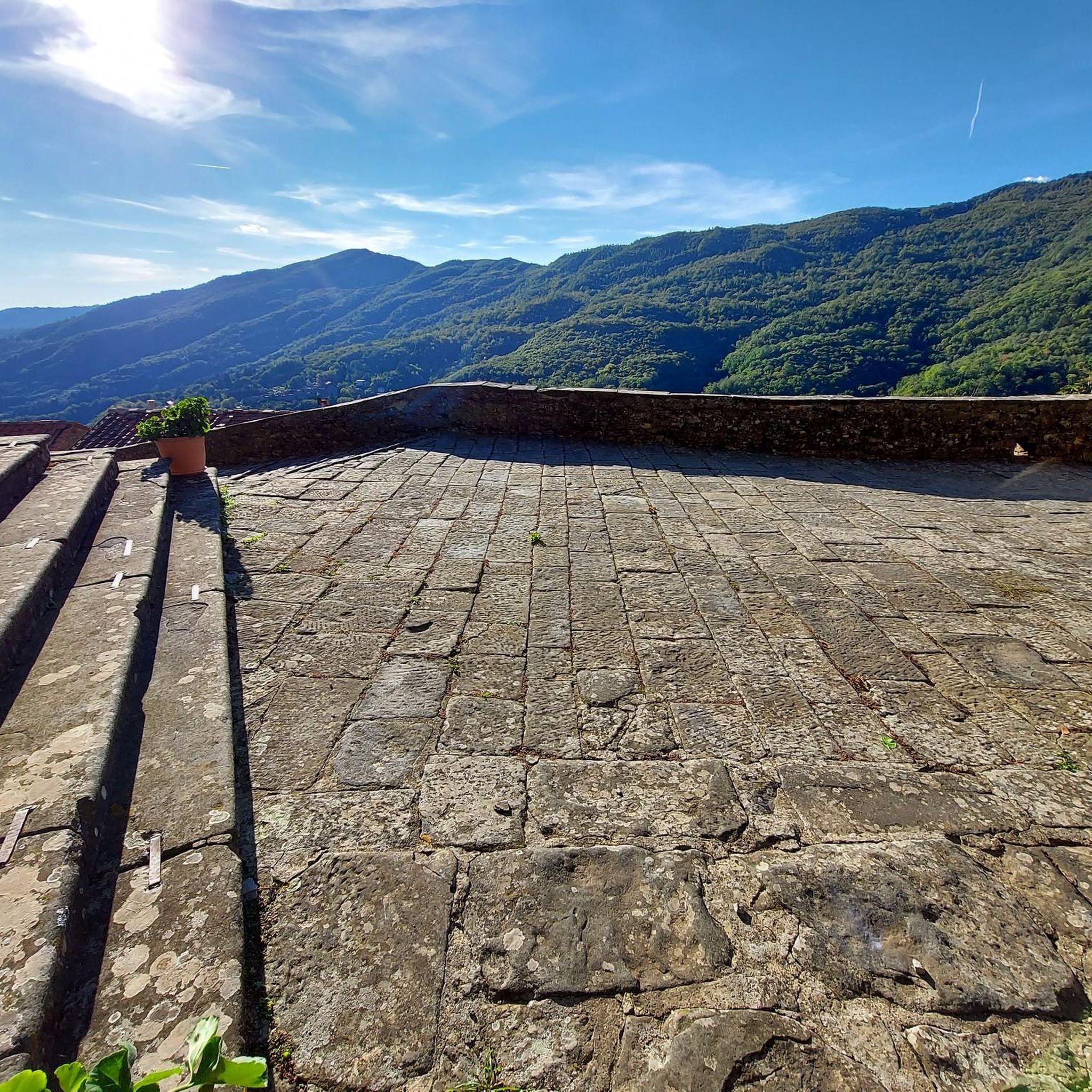
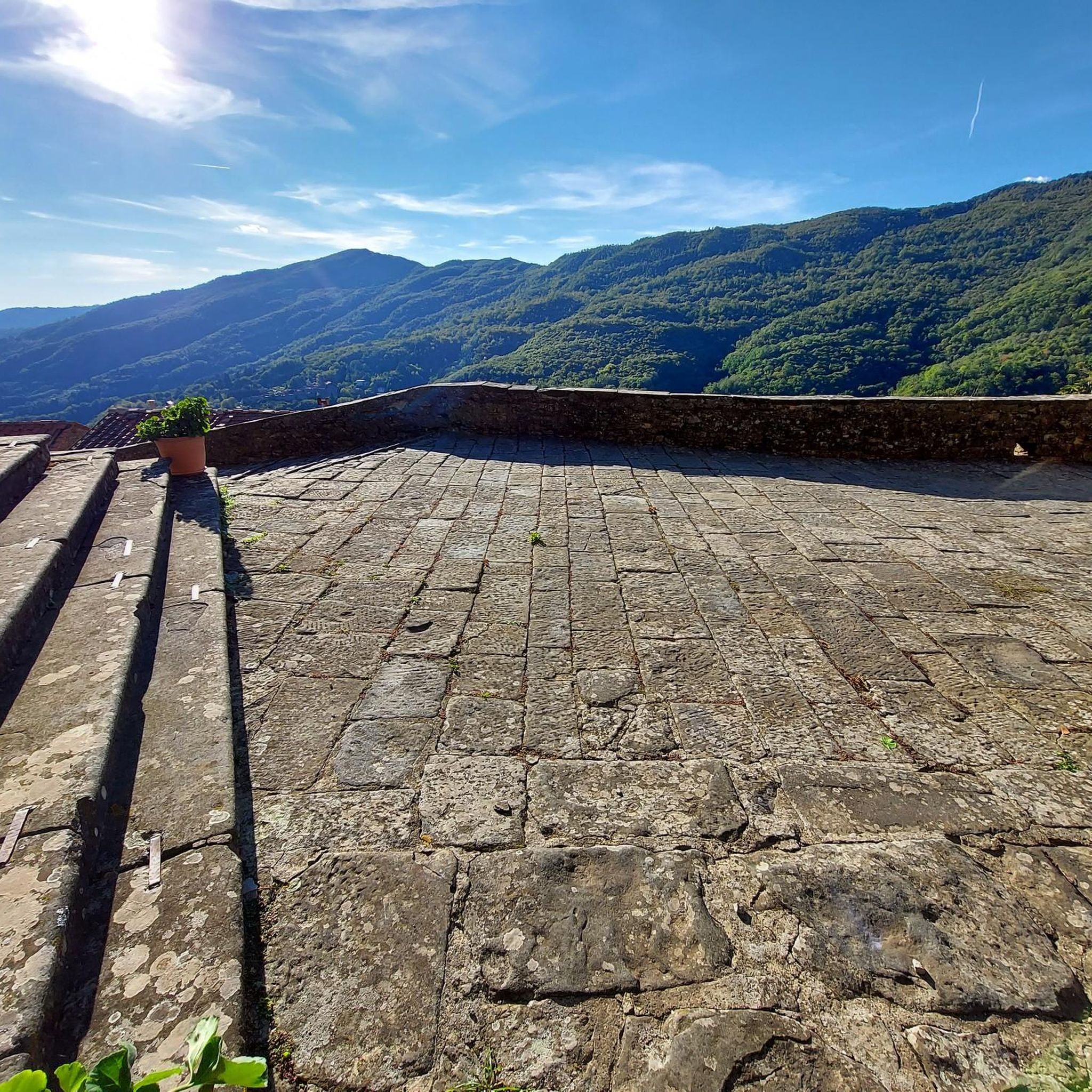
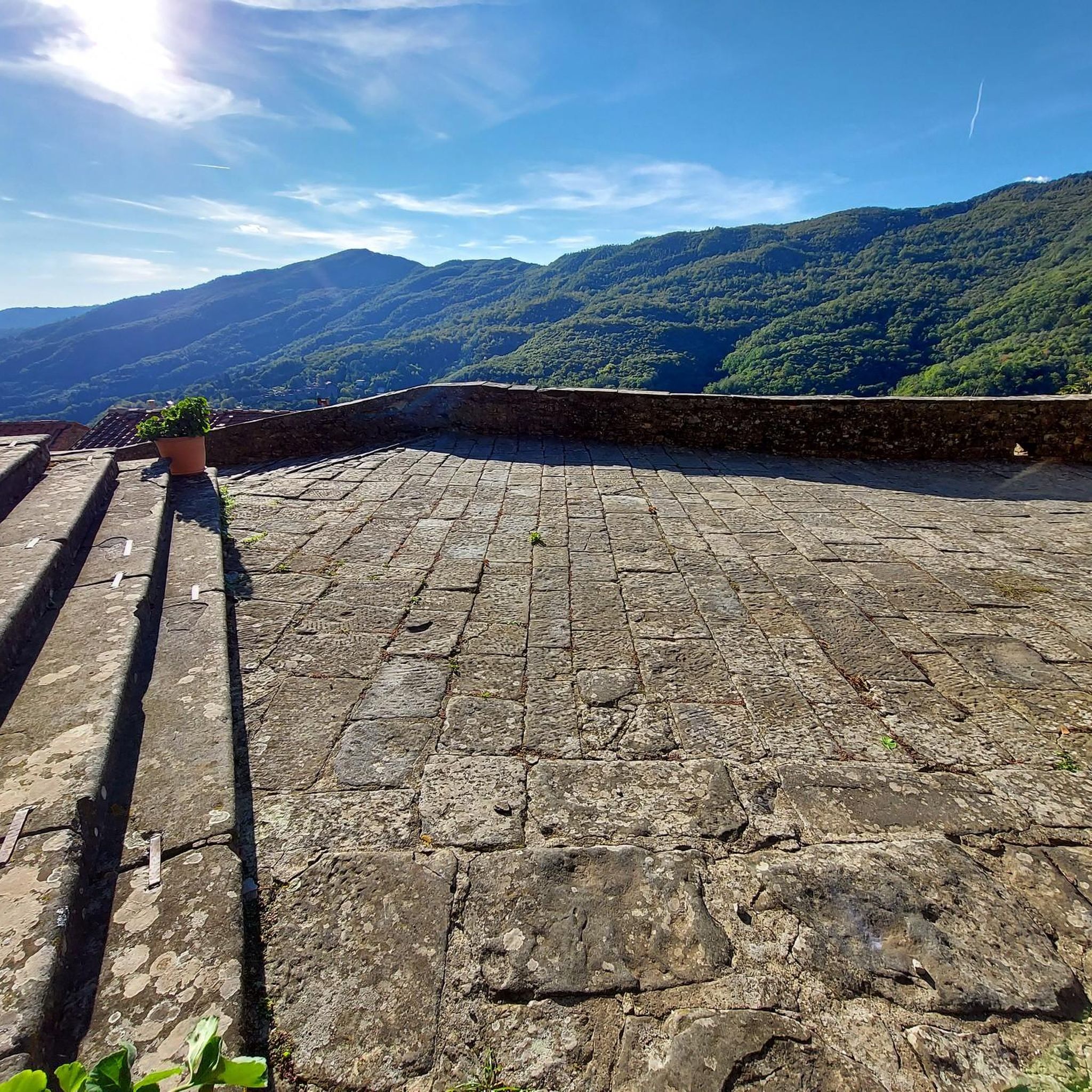
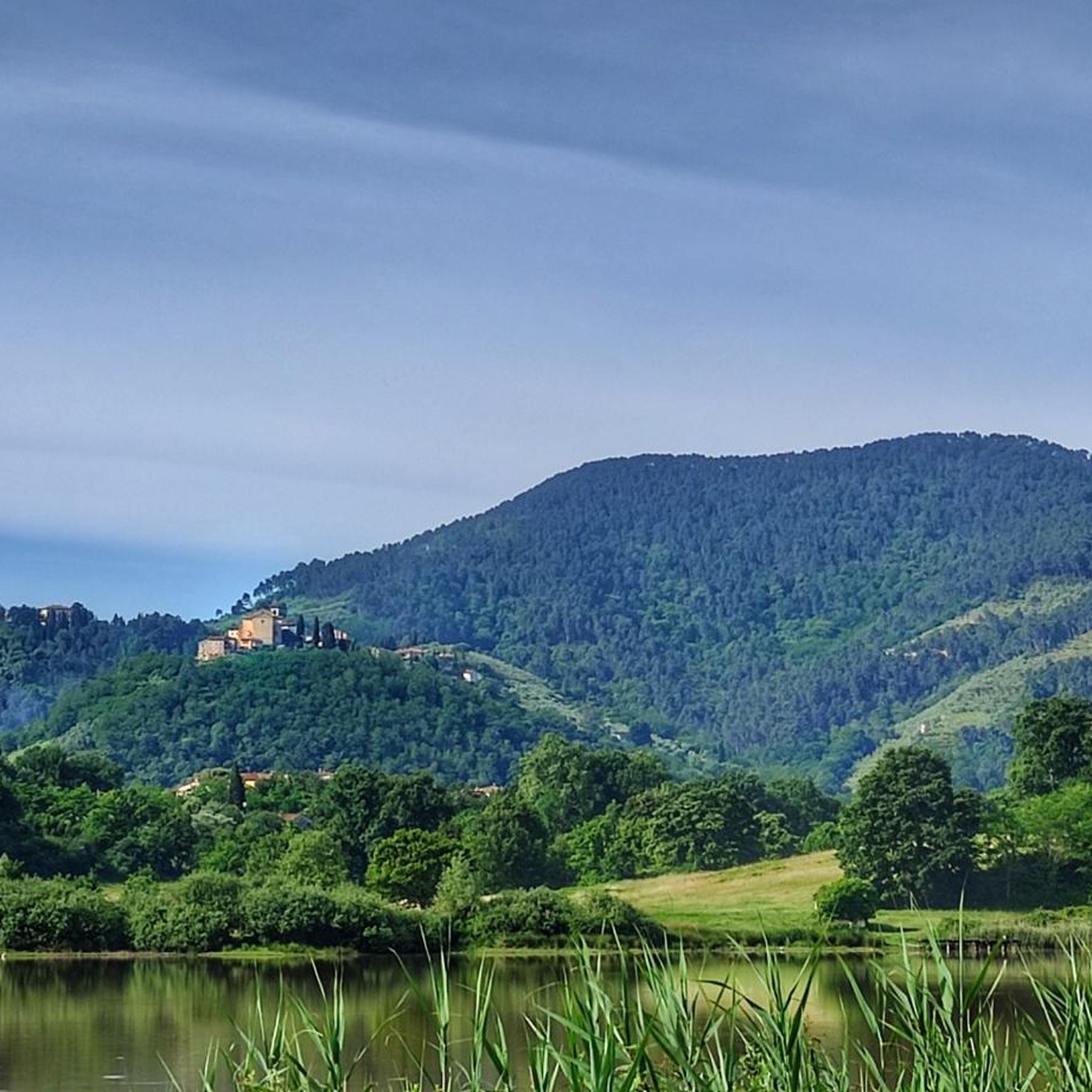
Cozzile was probably founded at the end of the 12th century around fortification works with lookout and extreme defense functions. Even at the beginning of the 14th century they hosted a castellan and a small garrison on behalf of the people of Lucca. Around the fortress a fortified town arose with a structure similar to that of Massa, organized in a "fishbone" pattern on both sides of the road that crossed it and which, exiting at the other end of the town, led towards the Apennines and towards Modena. The houses were grouped into two neighborhoods or "deeds" (Volata to the East, and Cessana to the West of the main road) with the square located to the north and the church to the south. In the city walls, of which important remains are still visible incorporated into the houses built above them, three doors opened: one to the east, corresponding to the entrance to the town of the medieval road from Massa (gate to Massa), one to the west , on the diametrically opposite side (Porta Vecchia)
0
0
Cozzile was probably founded at the end of the 12th century around fortification works with lookout and extreme defense functions. Even at the beginning of the 14th century they housed a castellan and a small garrison on behalf of the people of Lucca. Around the fortress a fortified town arose with a structure similar to that of Massa, organized in a "fishbone" pattern on both sides of the road that crossed it and which, exiting at the other end of the town, led towards the Apennines and towards Modena. The houses were grouped into two neighborhoods or "deeds" (Volata to the East, and Cessana to the West of the main road) with the square located to the north and the church to the south. In the city walls, of which important remains are still visible incorporated into the houses built above them, three doors opened: one to the east, corresponding to the entrance to the town of the medieval road from Massa (gate to Massa), one to the west , on the diametrically opposite side (Porta Vecchia)
0
0
Frequently Asked Questions
What kind of castles can I expect to see around Pescia?
The area around Pescia, particularly the Svizzera Pesciatina region, is known for its medieval fortified villages, often called 'The 10 Castella'. These are not always individual, grand castles but entire settlements built with local pietra serena stone, perched on hillsides. They offer a unique glimpse into the Middle Ages and preserve their distinct identities.
Are there specific historical sites or museums related to the castles?
Yes, the '10 Castella' villages are rich in history. Within the Svizzera Pesciatina, you can explore various museums, such as the Rural Life Museum in San Quirico and the Historical and Ethnographical Museum of Quarriers and Miners in Vellano, which delve into the region's heritage and traditions.
What are some of the most popular castle-related highlights to visit?
Visitors often enjoy Cozzile Castle and the Clock Tower, founded in the late 12th century for defense. Another must-see is Rocca del Cerruglio, Montecarlo, a fortress dominating the medieval town of Montecarlo. The Cozzile Medieval Village is also highly appreciated, being an early medieval castle still inhabited and well-preserved.
Are there hiking opportunities near the castles?
Absolutely. The area offers several hiking itineraries, including a notable one that connects all '10 Castella' villages, taking approximately six hours to complete. This route provides a scenic walk through the lush green valley, reminiscent of alpine mountains. You can find more hiking routes in the Running Trails around Pescia guide.
What are the best viewpoints to see the castles and surrounding landscape?
Many of the fortified villages are perched on hillsides, offering breathtaking panoramic views. For example, Cozzile Medieval Village provides a vast panorama over the Valdinievole and Tuscany. Another excellent spot is the View of Montecarlo and the Valdinievole Valley.
Can I cycle around the castles in Pescia?
Yes, the region offers various cycling routes that pass by or near these historic sites. You can explore options like the 'Vellano Village and Tower loop' or longer rides such as the 'Walls of Lucca loop'. For detailed routes, check out the Cycling around Pescia guide and the Road Cycling Routes around Pescia guide.
What is the best time of year to visit the castles around Pescia?
The region's natural beauty, with its lush green valleys, makes spring and autumn particularly pleasant for visiting. The weather is generally mild, ideal for exploring the villages on foot or by bike and enjoying the scenic views without the intense heat of summer.
Are the castles and villages around Pescia family-friendly?
Many of the medieval villages are suitable for families, offering a chance to step back in time. While some paths within the villages might be steep or cobbled, the overall experience of exploring ancient fortifications and learning about history can be engaging for children. Specific accessibility for strollers might vary by village.
What do visitors enjoy most about the castles around Pescia?
Visitors frequently appreciate the historical significance and unique architecture of these fortified villages, built with local pietra serena stone. The panoramic views from the hilltop settlements and the opportunity for cultural immersion in these well-preserved medieval towns are also highly valued. The komoot community has shared over 20 photos and given more than 45 upvotes for highlights in this guide.
Are there any hidden gems among the castles or fortified villages?
While the '10 Castella' are all notable, exploring villages like Fibbialla, Medicina, Aramo, Sorana, San Quirico, Vellano, Castelvecchio, Stiappa, and Pontito can reveal unique charm and less-trodden paths. Each village maintains its own identity and offers a distinct historical atmosphere away from larger crowds.
How long should I plan for a visit to the castles?
To fully appreciate the historical significance and unique architecture of the '10 Castella', you could spend a full day exploring a few villages or dedicate several days to hike the trail connecting all ten. Individual castle highlights like Cozzile Castle or Rocca del Cerruglio might take a couple of hours each to explore thoroughly.
Most popular attractions around Pescia

Get inspired with the komoot mobile app


Explore more
Looking for the best castles somewhere else? Discover other guides around Pescia:
