Top 13 Gorges around Monterenzio
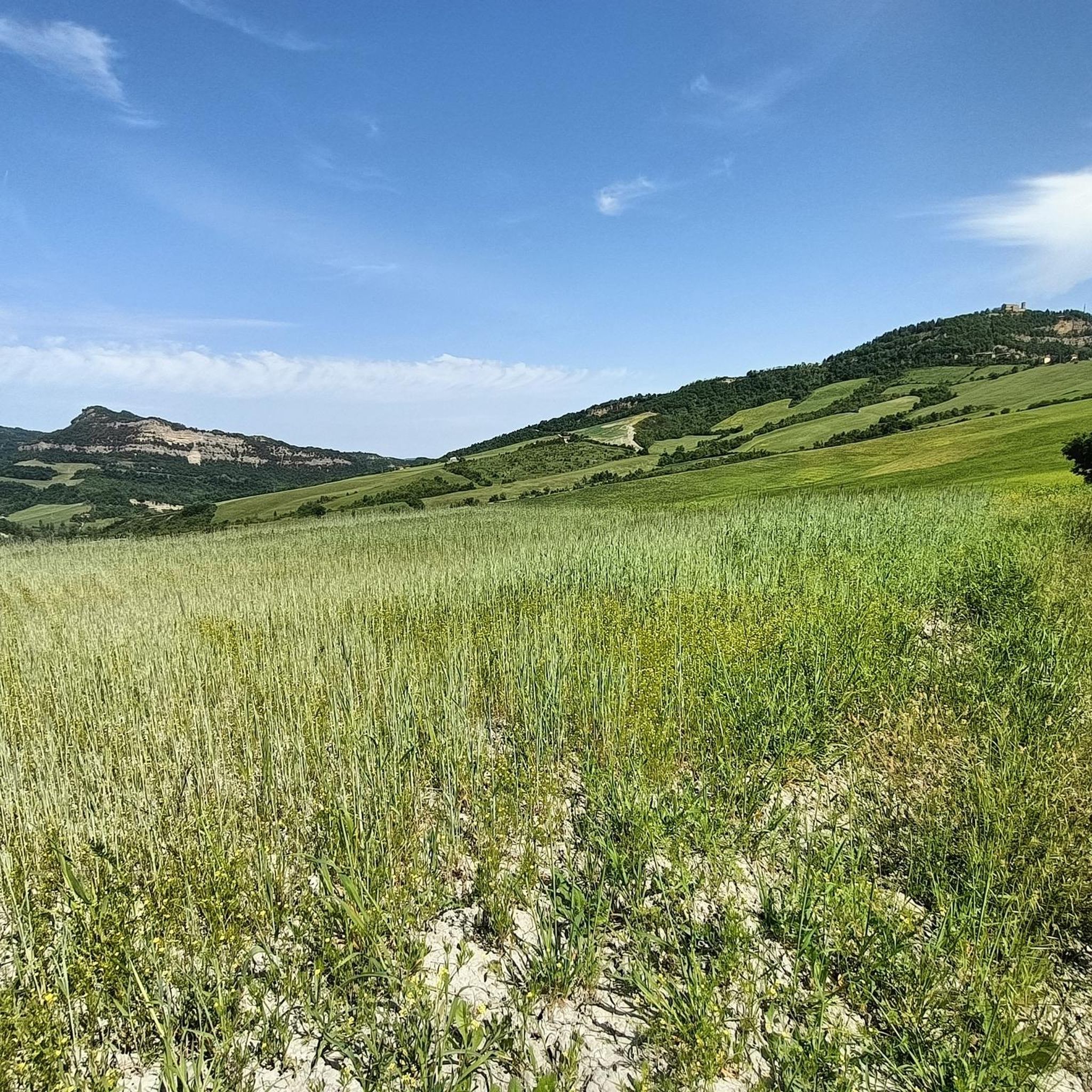
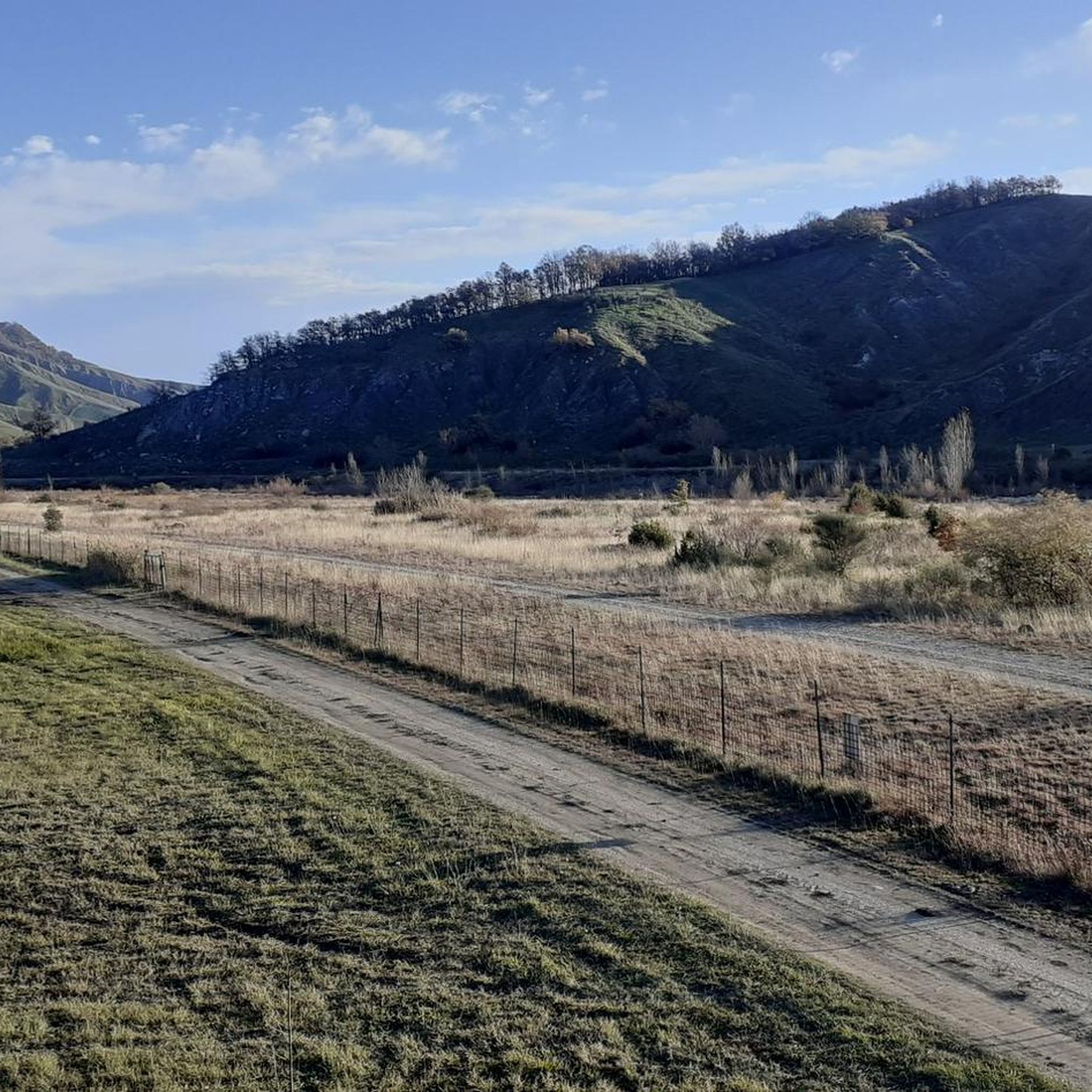
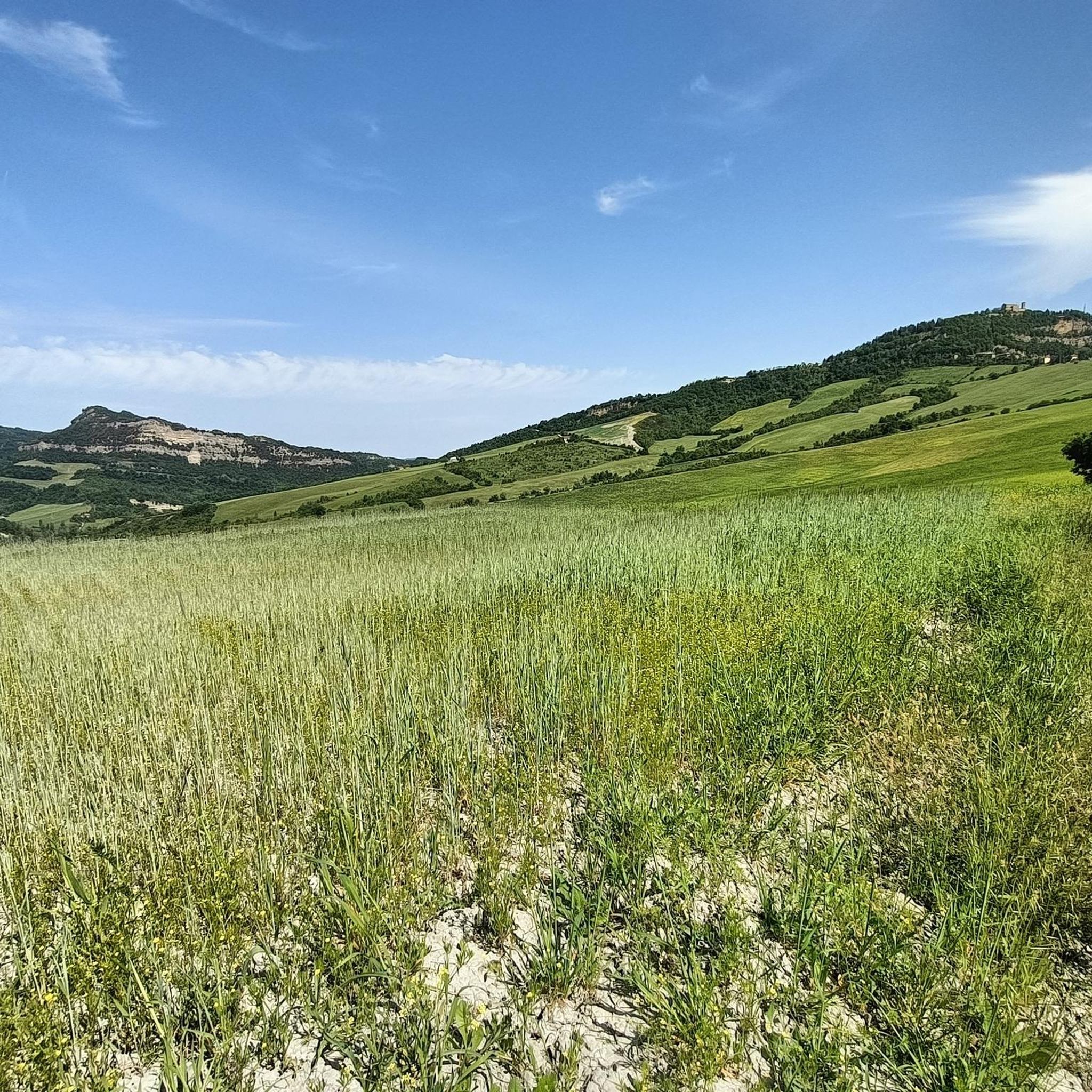
Best canyons around Monterenzio are characterized by dramatic geological formations, including impressive "calanchi" (badlands) and deep valleys with rocky outcrops. These features are primarily found within the Parco Regionale dei Gessi Bolognesi e Calanchi dell'Abbadessa and the Pliocene Contrafforte Nature Reserve. The area offers a diverse landscape shaped by erosion, featuring gypsum outcrops, caves, and significant erosional features in river valleys. These natural landmarks provide opportunities for exploration and observation of unique geological history.
Best canyons around Monterenzio
- The most…
Last updated: June 30, 2026
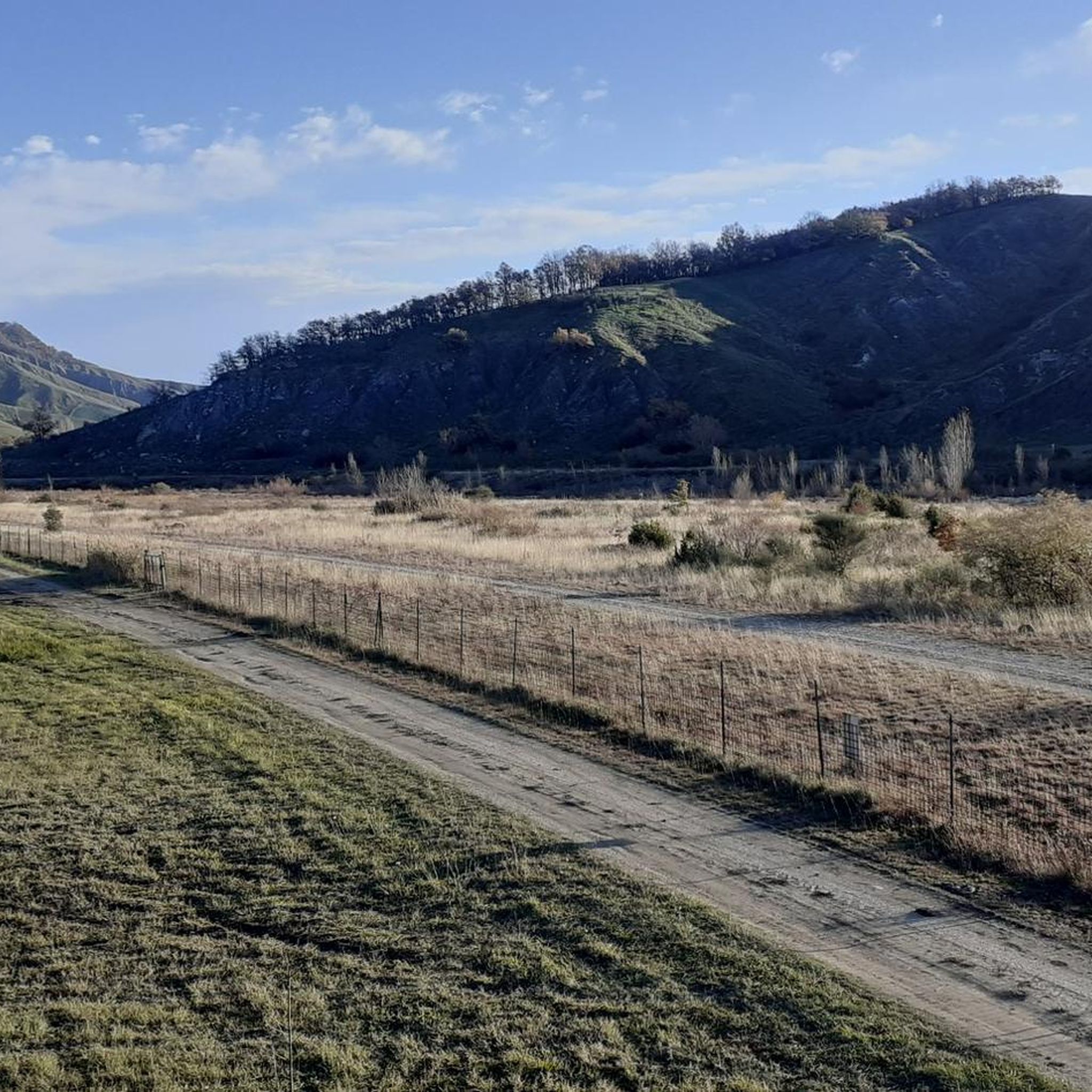
Trail through the Gessi Bolognesi Calanchi
Highlight • Trail
Translated by Google •
Tip by

Spipola Cave
Highlight • Cave
I found it a …
Translated by Google •
Tip by

Sign up now to discover places like this
Get recommendations on the best single tracks, peaks, & plenty of other exciting outdoor places.
Sign up for free
Farneto Cave
Highlight • Cave
It can only be visited with a guided tour ( parks.it/parco.gessi.bolognesi/man.php )
Translated by Google •
Tip by

Val di Zena
Highlight • Gorge
Translated by Google •
Tip by

Calanchi dell'Abbadessa
Highlight • Gorge
Translated by Google •
Tip by
Sign up for free to discover even more gorges around Monterenzio.
Sign up for free
Already have an account?
Start today with a free account
Your next adventure awaits.
Login or Signup

Tips from the Community

Attention the road has been interrupted and is closed. Private property 🥲
0
0


I was able to visit the cave thanks to the initiative of the Eastern Emilia Parks Authority and the support of the speleological guides of Bologna. I found it a very special and interesting experience .. and also fun between crawling in some places and some muddy slides to do downhill and uphill I therefore feel I can recommend it to both adults and children, especially them 😊 The guides were then really good and told the story of the cave and its various evolutions without ever getting bored.
2
0

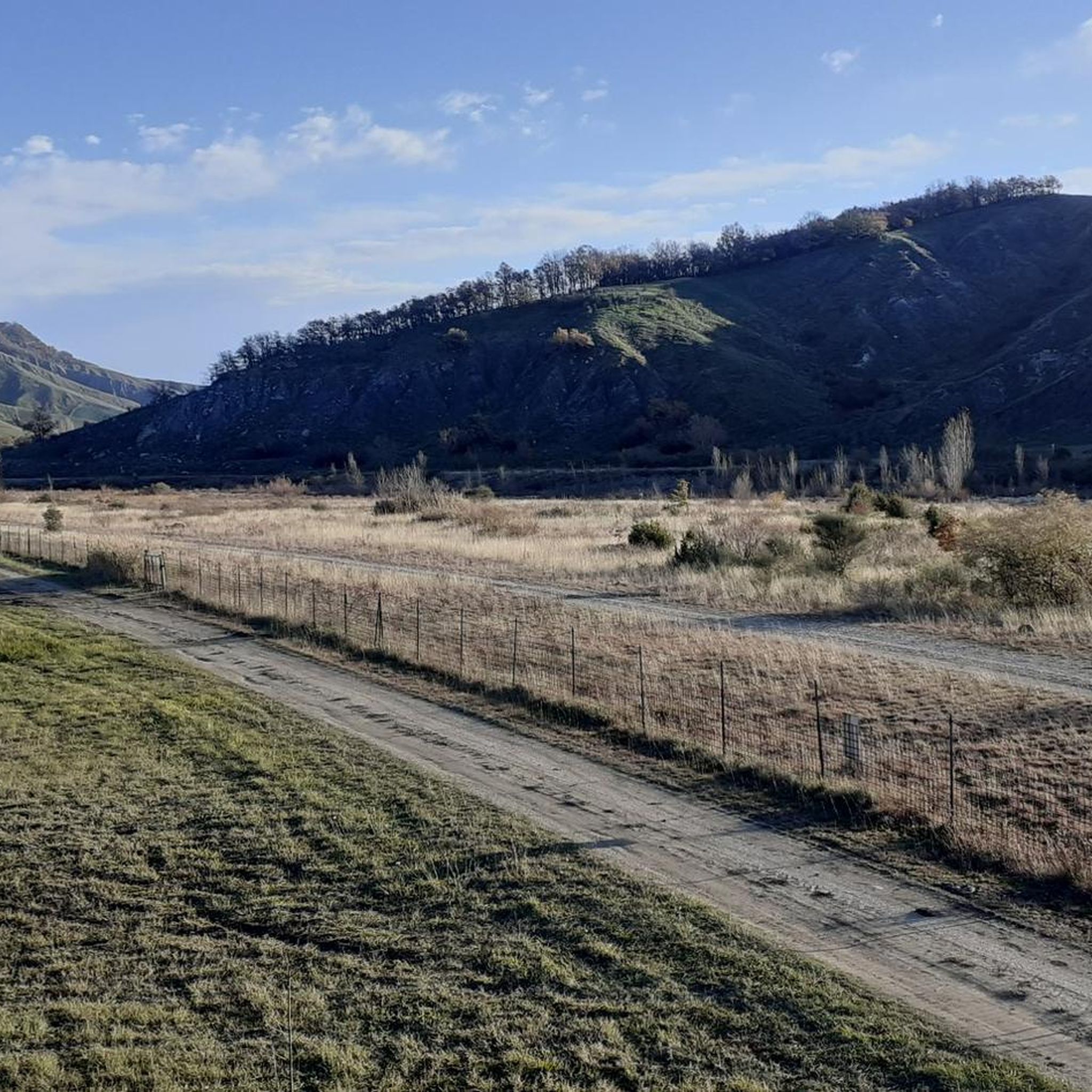
The landscape is extremely suggestive and the descent is relatively easy, even if in the rain it can create dangerous furrows
0
0


The Farneto area ... is today best known for the cave that bears the same name: it was discovered in 1871 by Francesco Orsoni, who began the first, important archaeological research. In the 1960s Luigi Fantini, in a natural shelter created by a protruding layer, found some burials attributable to the Copper Age (the finds are exhibited at the Archaeological Museum of Bologna). Shaken by quarry work, the entire outcrop and the cave remained inaccessible for years due to a landslide that blocked the entrance, until the implementation of a recovery and safety intervention that finally allowed its redevelopment and reopening to the public in 2008. (Source: https://enteparchi.bo.it/parco-dei-gessi-bolognesi-e-calanchi-dellabbadessa/punti-di-interesse/grotta-del-farneto/)
2
0
One of my favourites
0
0
It is the largest sinkhole of the whole Bolognese gypsum complex (the diameter exceeds 700 m) and includes smaller sinkholes and numerous sinkholes, which lead to as many caves. (Source: https://enteparchi.bo.it/parco-dei-gessi-bolognesi-e-calanchi-dellabbadessa/punti-di-interesse/dolina-e-grotta-della-spipola/)
0
0
Frequently Asked Questions
What types of geological formations can I explore near Monterenzio?
Near Monterenzio, you'll find dramatic geological formations including impressive "calanchi" (badlands), deep valleys with rocky outcrops, and gypsum caves. These features are primarily located within the Parco Regionale dei Gessi Bolognesi e Calanchi dell'Abbadessa and the Pliocene Contrafforte Nature Reserve. The landscape is shaped by erosion, featuring unique karst formations and significant erosional features in river valleys.
Where can I see the most striking badlands (calanchi) near Monterenzio?
The most striking badlands, known as Calanchi dell'Abbadessa, are found within the Parco Regionale dei Gessi Bolognesi e Calanchi dell'Abbadessa. These distinctive formations are created by the erosion of clayey rocks, resulting in deep furrows and steep inclines that offer a rugged, almost lunar landscape. You can explore them via trails like the Trail through the Gessi Bolognesi Calanchi, which provides panoramic views.
Are there any caves I can visit near Monterenzio?
Yes, the area is known for its gypsum caves. The most notable is Spipola Cave, located within the largest sinkhole of the Bolognese gypsum complex. Visitors can experience an underground environment, sometimes requiring crawling and slides, often with guided tours. Another significant cave is Farneto Cave, an important prehistoric settlement that can only be visited with a guided tour.
What kind of hiking trails are available in the 'canyon' areas?
The region offers a variety of hiking trails suitable for different fitness levels. For example, the Trail through the Gessi Bolognesi Calanchi offers panoramic views and sections through vegetation, with some technical and narrow parts. The Pliocene Contrafforte Nature Reserve also provides various routes with expansive panoramas. For more options, you can explore the many hiking routes around Monterenzio.
Are there family-friendly options for exploring the geological sites?
Yes, some areas are suitable for families. For instance, the Val di Zena offers varied terrain with gentle uphill gradients and shaded areas, making it accessible. Guided tours of caves like Spipola Cave are also recommended for both adults and children by visitors. When planning, look for trails marked as 'family_friendly' or 'easy' difficulty.
What is the best time of year to visit the canyons and calanchi?
The best time to visit is generally during spring and autumn when the weather is milder and the landscapes are particularly vibrant or dramatic. Summer can be hot, though areas like Val di Zena offer shaded sections. Winter can be cold, but the dry bottom of trails like the Gessi Bolognesi Calanchi trail can still be beautiful.
Can I bring my dog on the trails in the reserves?
While specific regulations for dog access vary by trail and protected area, generally, dogs are permitted on many outdoor trails within regional parks and nature reserves, often requiring them to be on a leash. It's always advisable to check the specific rules for the Parco Regionale dei Gessi Bolognesi e Calanchi dell'Abbadessa or the Pliocene Contrafforte Nature Reserve before your visit.
What other outdoor activities can I do near these geological formations?
Beyond hiking, the area around Monterenzio offers various outdoor activities. You can find numerous running trails and road cycling routes. The Val di Zena, for instance, is a popular route for cyclists. The diverse terrain provides opportunities for different sports.
Are there any historical or cultural points of interest in the area?
Yes, the region holds historical significance. Farneto Cave is one of the most important prehistoric settlements in the Bolognese area, with archaeological research revealing Copper Age burials. The geological formations themselves, particularly the Pliocene Contrafforte, are rich in well-preserved marine fossils, offering a glimpse into millions of years of geological history.
What should I know about permits or access restrictions for caves or reserves?
Access to certain caves, like Farneto Cave, is only possible with a guided tour. For Spipola Cave, visits are often organized through initiatives by the Eastern Emilia Parks Authority and speleological guides. It's recommended to check with the respective park authorities (e.g., Parco Regionale dei Gessi Bolognesi e Calanchi dell'Abbadessa) for current regulations and booking requirements, especially for cave explorations.
Are there viewpoints offering panoramic views of the landscape?
Absolutely. Trails within the Parco Regionale dei Gessi Bolognesi e Calanchi dell'Abbadessa, such as the Trail through the Gessi Bolognesi Calanchi, offer panoramic views of the dramatic gully formations. The Pliocene Contrafforte Nature Reserve also provides various hiking routes with expansive panoramas of the rocky ridge and valleys.
Is technical canyoning (rappelling, jumping into water) possible near Monterenzio?
While the area features impressive gorges and valleys, the geological formations near Monterenzio are primarily known for hiking, caving, and exploring badlands (calanchi) rather than technical canyoning involving rappelling or jumping into water. The term 'canyons' in this context refers more to the dramatic erosional features and deep valleys. There is no specific data indicating organized technical canyoning activities in the immediate vicinity.
What kind of wildlife might I encounter in the canyons and reserves?
The unique microclimate created by the rocky walls in areas like the Pliocene Contrafforte Nature Reserve fosters diverse flora and fauna. While specific species are not detailed, these natural reserves are home to a rich variety of wildlife, including various bird species, small mammals, and insects adapted to the unique geological environment. The presence of rare Mediterranean plant species also adds to the biodiversity.
Most popular routes around Monterenzio
Most popular attractions around Monterenzio

Get inspired with the komoot mobile app


Explore more
Already discovered everything in this region? See additional gorges around Monterenzio for your next adventure:
