Top 5 Castles around Barberino Di Mugello
Best castles around Barberino Di Mugello are found in the picturesque Mugello region of Tuscany, offering a journey through centuries of history and architectural beauty. This area is characterized by its rolling hills and historical significance, providing a rich cultural landscape for exploration. The castles here range from ancient defensive outposts to Renaissance villas, reflecting diverse periods of Italian history. These sites offer insights into the region's past, from medieval strongholds to Medici family estates.
Best castles around Barberino Di…
Last updated: July 13, 2026
Fountain at the Castello del Trebbio
Highlight • Rest Area
Tip by

Palazzo dei Vicari, Scarperia
Highlight • Historical Site
Translated by Google •
Tip by

Sign up now to discover places like this
Get recommendations on the best single tracks, peaks, & plenty of other exciting outdoor places.
Sign up for free
Rocca di Cerbaia
Highlight • Castle
Translated by Google •
Tip by

Medici Villa at Cafaggiolo
Highlight • Castle
One of Lorenzo the Magnificent's favorite residences, built by Michelozzo Michelozzi around 1451 for the Medici family, commissioned by Cosimo the Elder.
Unfortunately it is …
Translated by Google •
Tip by

Fortezza Medicea di San Martino
Highlight • Historical Site
Translated by Google •
Tip by

Sign up for free to discover even more castles around Barberino Di Mugello.
Sign up for free
Already have an account?
Start today with a free account
Your next adventure awaits.
Login or Signup
Popular around Barberino Di Mugello
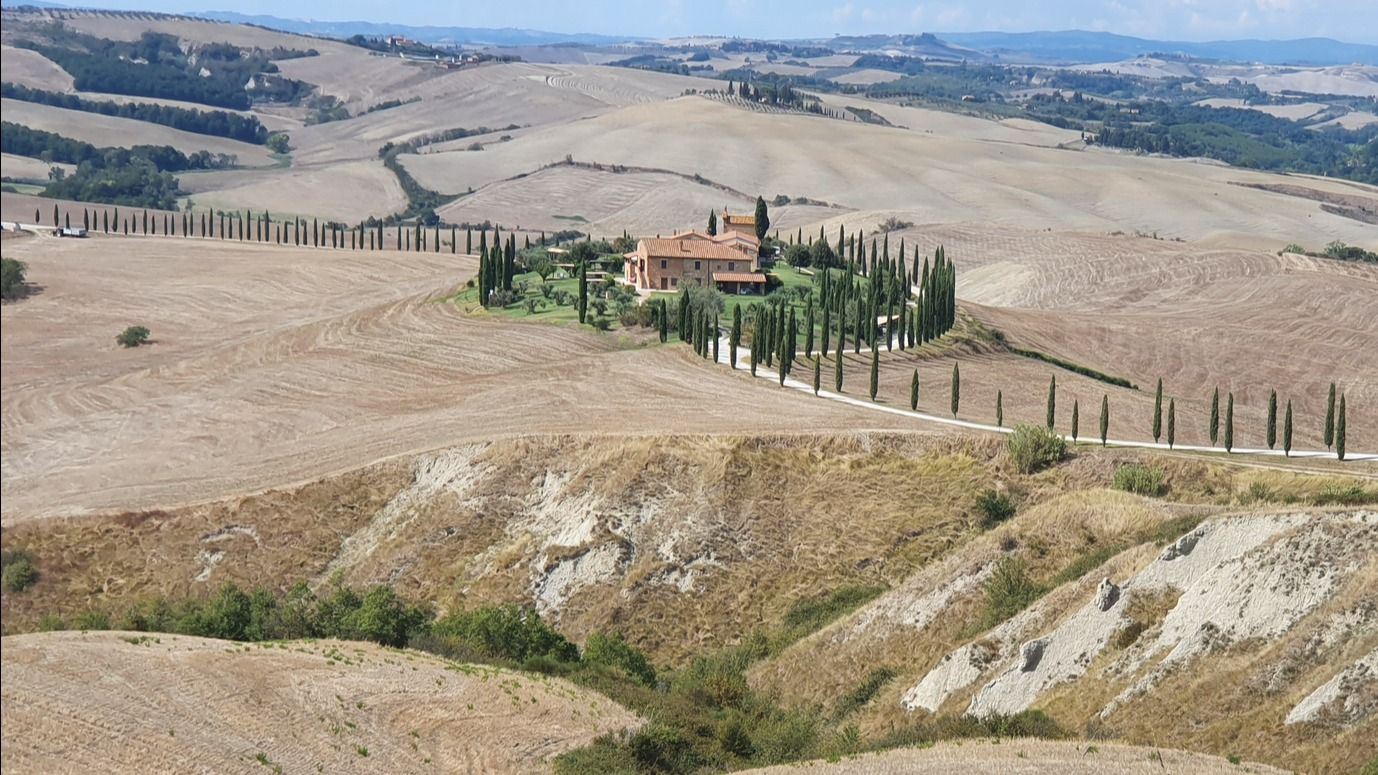
A Grand Tour of Italy – Rome to Milan by bike
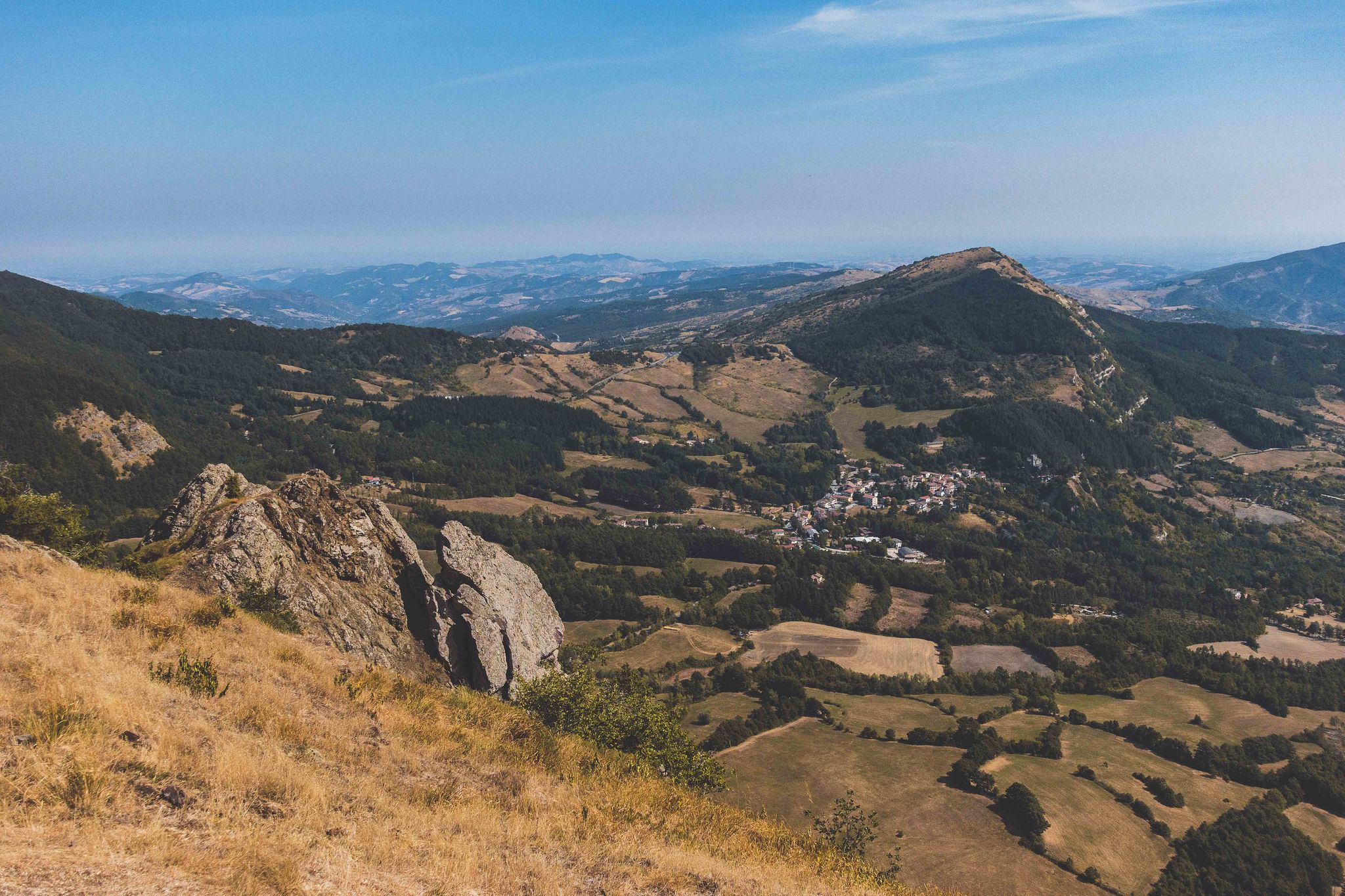
Western Mugello – Apennine passes and historic cycling climbs
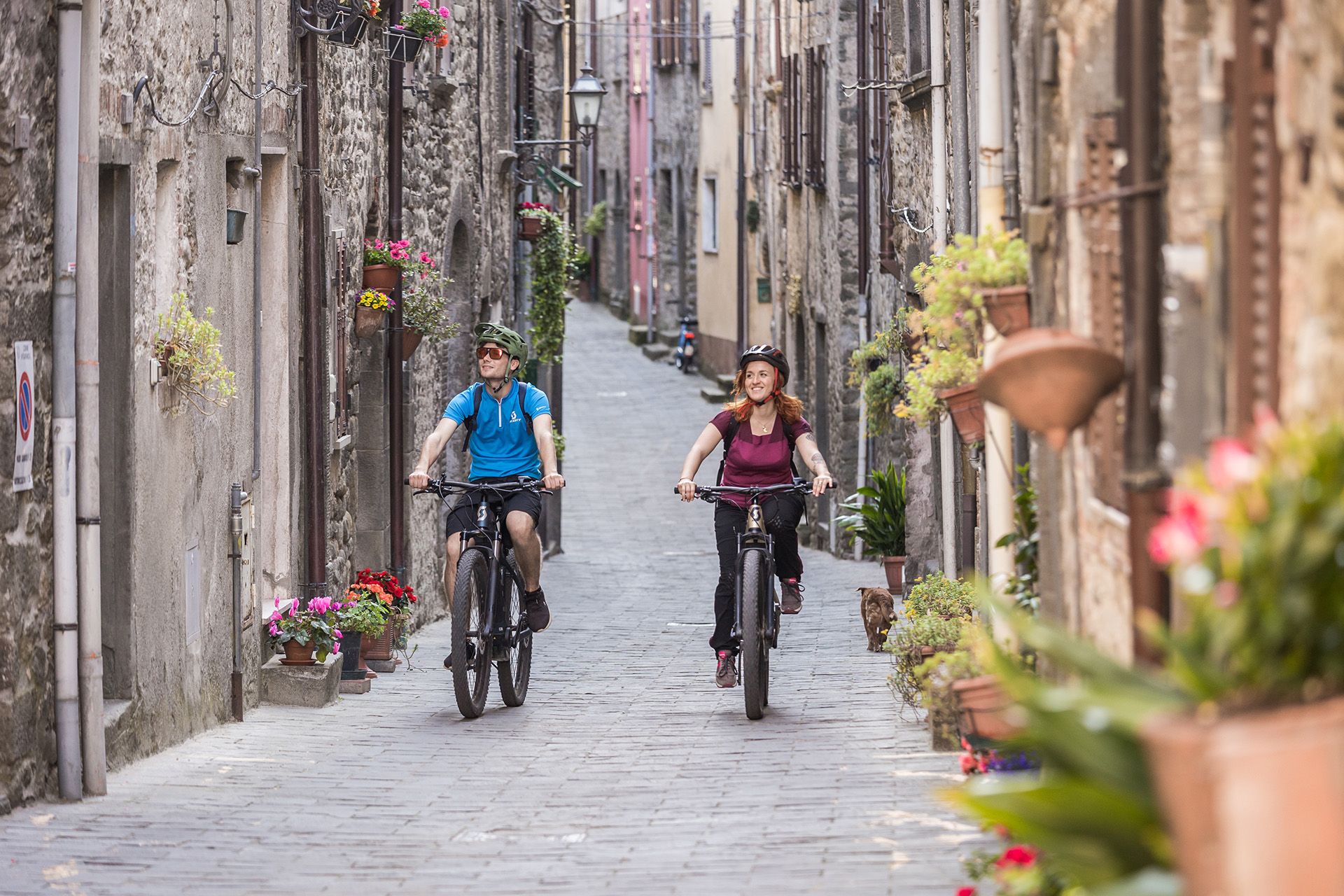
Tuscany by bike — nine Tours for every taste
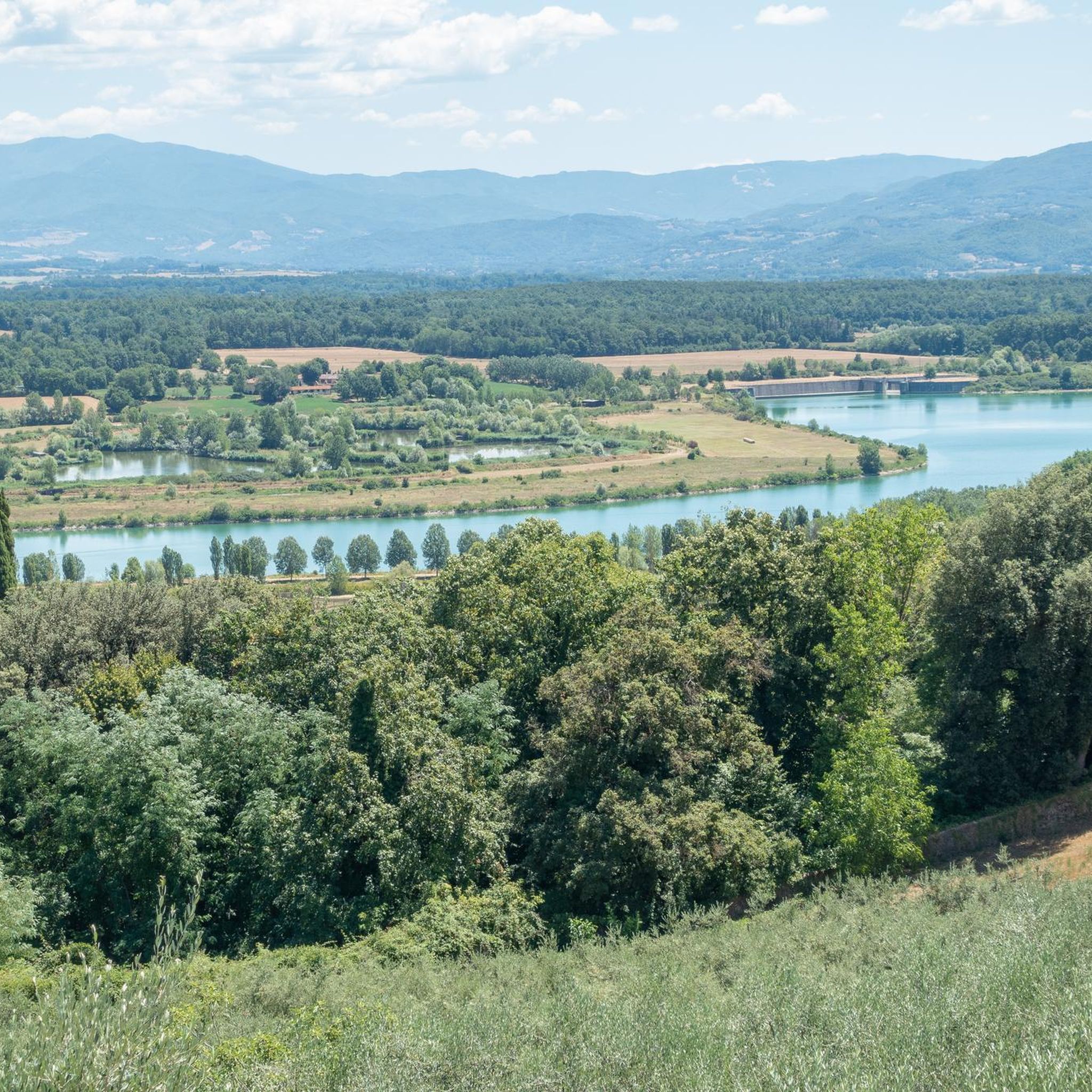
MTB Trails around Barberino Di Mugello
Hiking around Barberino Di Mugello
Cycling around Barberino Di Mugello
Road Cycling Routes around Barberino Di Mugello
Running Trails around Barberino Di Mugello

Gravel biking around Barberino Di Mugello
Other adventures around Barberino Di Mugello


Tips from the Community

La Rocca di Cerbaia, or simply Rocca Cerbaia, dominates the summit of a rocky spur nearly four hundred meters high, sheer above the Bisenzio river valley. For centuries, the fortified structure has battled the forces of nature, which first caused its abandonment, then its ruin. Its origin, at least in the form we see it today, appears to date back to the early 1100s, when the Alberti family erected a fortress on the site to control the ancient road known as the "Via di Lombardia," a link between Tuscany and the regions beyond the Apennines. Despite its military functions, the fortress was also used by the Alberti family as a residence for a long period, a fact confirmed by the high-quality finishes still visible inside the keep. Legend, almost certainly unfounded, has it that in 1285 the Alberti family refused a request for hospitality at the Rocca made by the Poet Dante Alighieri while traveling to Bologna. The great poet himself made famous one of the descendants of the family that owned the fortress, Cunizza Alberti, a protagonist of a lively romantic life in his "Divine Comedy" (Paradiso IX, 13-36). In 1361, the fortress was sold to the Florentines who, given its important strategic position, established a permanent military garrison there and strengthened its defenses by building a second ring of walls and other buildings. La Rocca di Cerbaia has the classic appearance of medieval ring castles: a mighty keep dominates the center of the two surrounding, roughly pentagonal, walled enclosures. The construction was carried out in sandstone, of which the area is rich. Large portions of the first outer ring wall are still recognizable, with the entrance gate set into the southern curtain. Beyond this gate, on the left, are the remains of a building called 'Palazzo Nuovo,' and on the right, what remains of the cistern with a barrel vault roof, all constructions dating back to the first half of the 1300s. Outside this first enclosure, we find the ruins of the Church of S. Martino, a single nave.
1
0


Village of Villages
0
0


done the trail in 5 days alone in July 2023, no comment can give an idea of the feeling of happiness, freedom, tension..... I met many guys (and this gives me the idea that the future will be better than what we elderly people leave).... I cried upon arriving in Piazza della Signoria..... as I have already posted "if you have someone you don't love tell them to take the path, if instead you have someone you who you love tell them to do it... in any case they will thank you".
0
0

Small church surrounded by cypresses at the foot of the castle
0
0

The picturesque town of Scarperia is renowned for the artisanal production of knives. In addition to the shops selling the best knives and agricultural tools, the Palazzo dei Vicari houses the Museum of Cutting Irons. On the facade of the building you can see all the coats of arms of past governments. On 8 September the Palio di Diotto is held, a historical re-enactment attended by all the districts of the town. On the last Sunday of May the 'Infiorata' event takes place where the town is decorated entirely with flowers and flower paintings.
2
0

The Palazzo dei Vicari di Scarperia, built during the fourteenth century, was the seat of the vicar of the Florentine Republic since 1415, a vicar who worked here with political duties and above all with the management of the Mugello and surrounding area. The charge of the vicar lasted only 6 months at the terms of which they had to leave the signature of their passage: this is why the numerous coats of arms on the façade. Inside, the noble rooms house important frescoes such as the Madonna del Ghirlandaio from 1501 and Filippo Brunelleschi's clock from 1445. There is also the Museo dei Ferri Taglienti, linked to the still active local artisan production, and the historical archive Pre-unification with more than 4500 documents from the time of the vicar.
0
0
Frequently Asked Questions
What are some historically significant castles to visit in the Barberino di Mugello area?
The region is rich in history. The Medici Villa at Cafaggiolo, a UNESCO World Heritage site, was a favored residence of Lorenzo the Magnificent and played a central role in the Medici dynasty. Another significant site is the Palazzo dei Vicari, Scarperia, which served as the seat of the Florentine Republic's vicar and houses the Museum of Cutting Irons. The Castello di Barberino, dating back to the 11th century, is also notable as the oldest manor north of Florence.
Are there family-friendly castles or historical sites around Barberino di Mugello?
Yes, several sites are suitable for families. The Palazzo dei Vicari, Scarperia, is considered family-friendly and offers insights into local history and artisanal traditions. The Rocca di Firenzuola, an imposing medieval fortress, is also listed as family-friendly. While the Medici Villa at Cafaggiolo is historically significant, it's currently undergoing restoration, so check its accessibility before planning a family visit.
What outdoor activities can I do near the castles in Barberino di Mugello?
The area around Barberino di Mugello offers various outdoor activities. You can find numerous cycling routes, including challenging loops like the 'Palazzo dei Vicari, Scarperia – Lake Bilancino loop from Barberino di Mugello'. For running, there are routes around Lago di Bilancino. Mountain biking enthusiasts can explore trails such as the 'Montecuccoli and Monte Maggiore Loop from Barberino'. You can find more details and routes in the cycling guide, running guide, and MTB guide for the region.
Are there walking routes around the castles in Barberino di Mugello?
Yes, there are walking opportunities. For instance, near the Fountain at the Castello del Trebbio, you can find a section of the Via degli Dei trail. To reach the Castello del Trebbio on foot from San Pietro a Sieve, you can follow signs for the Via degli Dei for about a 30-minute uphill walk. Many of the cycling and running routes mentioned in the regional guides can also be adapted for walking, offering scenic views of the castles and surrounding landscapes.
What is the best time to visit the castles in Barberino di Mugello?
The Mugello region, including Barberino di Mugello, is beautiful throughout the year. Spring (April-May) and autumn (September-October) generally offer pleasant weather for exploring historical sites and outdoor activities, with milder temperatures and fewer crowds. Summer can be warm, but the castles often provide cool interiors. Winter visits are possible, but some sites might have reduced opening hours, so it's advisable to check in advance.
Where can I find drinking water near the castles?
Near the Castello del Trebbio, there is a fountain that serves as a reliable source of drinking water for hikers, especially those on the Via degli Dei trail. In Italy, fountains typically provide potable water unless explicitly marked otherwise with a 'Acqua Non Potabile' sign.
What are some unique features of the castles in this region?
The castles in Barberino di Mugello offer diverse features. The Castello di Barberino boasts an 11th-century origin, an internal courtyard, frescoed rooms, and a unique 'green theatre' garden. The Medici Villa at Cafaggiolo, despite being a villa, mimics a medieval castle with a crenellated tower and battlemented wings, reflecting Renaissance architectural ideals. The Palazzo dei Vicari, Scarperia, is distinguished by its facade adorned with coats of arms of past governments and its connection to the artisanal knife-making tradition.
Are there any hidden gems or lesser-known castles worth exploring?
While not a 'hidden gem' in the traditional sense, the Fortezza Medicea di San Martino is an imposing 16th-century fortress that, despite being in poor condition, is undergoing restoration. It's one of Europe's largest suburban fortresses and is steeped in local legends, including one about the Basilisk. The Rocca di Firenzuola, an imposing medieval fortress, also offers a glimpse into the region's strategic past and now houses the Firenzuola municipality.
What kind of events or cultural activities are hosted at these castles?
Many castles in the region serve as venues for various events. The Castello di Barberino is an official municipal venue for civil marriage ceremonies and hosts corporate events, conventions, and cultural activities. The Castello di Villanova, with its restored Renaissance roots, is an exceptional venue for exclusive receptions and weddings. The Palazzo dei Vicari, Scarperia, hosts the Museum of Cutting Irons and is central to local events like the Palio di Diotto and the 'Infiorata' flower festival.
Can I find cafes or restaurants near the castles in Barberino di Mugello?
Yes, the towns and villages surrounding the castles, such as Barberino di Mugello itself and Scarperia, offer various cafes, restaurants, and accommodation options. For example, Scarperia, home to the Palazzo dei Vicari, is known for its shops selling artisanal knives and provides places to eat and stay. It's always a good idea to check local listings for specific opening hours and availability.
What do visitors enjoy most about the castles around Barberino di Mugello?
Visitors appreciate the rich history and architectural beauty of the castles. The Palazzo dei Vicari, Scarperia, is noted for its beautiful facade and the historical significance of its museum. The Medici Villa at Cafaggiolo is admired for its historical importance and recent renovations. The overall experience of stepping back in time and exploring these well-preserved structures in the picturesque Tuscan landscape is highly valued by visitors.
How long should I plan for a visit to these castles?
The duration of a visit can vary depending on the castle and your interest. For sites like the Palazzo dei Vicari, Scarperia, which includes a museum, you might spend 1-2 hours. Larger estates like the Medici Villa at Cafaggiolo or the Castello di Barberino, especially if exploring gardens or attending an event, could take longer. If you plan to visit multiple castles or combine it with outdoor activities, consider dedicating a full day or more to the region.
Most popular routes around Barberino Di Mugello
Most popular attractions around Barberino Di Mugello

Get inspired with the komoot mobile app


Explore more
Looking for the best castles somewhere else? Discover other guides around Barberino Di Mugello:
