Top 11 Castles around Oliveto Citra
Best castles around Oliveto Citra are found in a region known for its historical strongholds and strategic locations. The area features a mountainous backdrop and offers panoramic views of the surrounding valleys. Oliveto Citra itself is primarily associated with the Castello Guerritore, a significant historical landmark. This region provides insights into medieval and Renaissance periods through its architectural remains and archaeological findings.
Best castles around Oliveto Citra
- The most popular castles is Senerchia, a settlement where the old abandoned…
Last updated: October 30, 2026
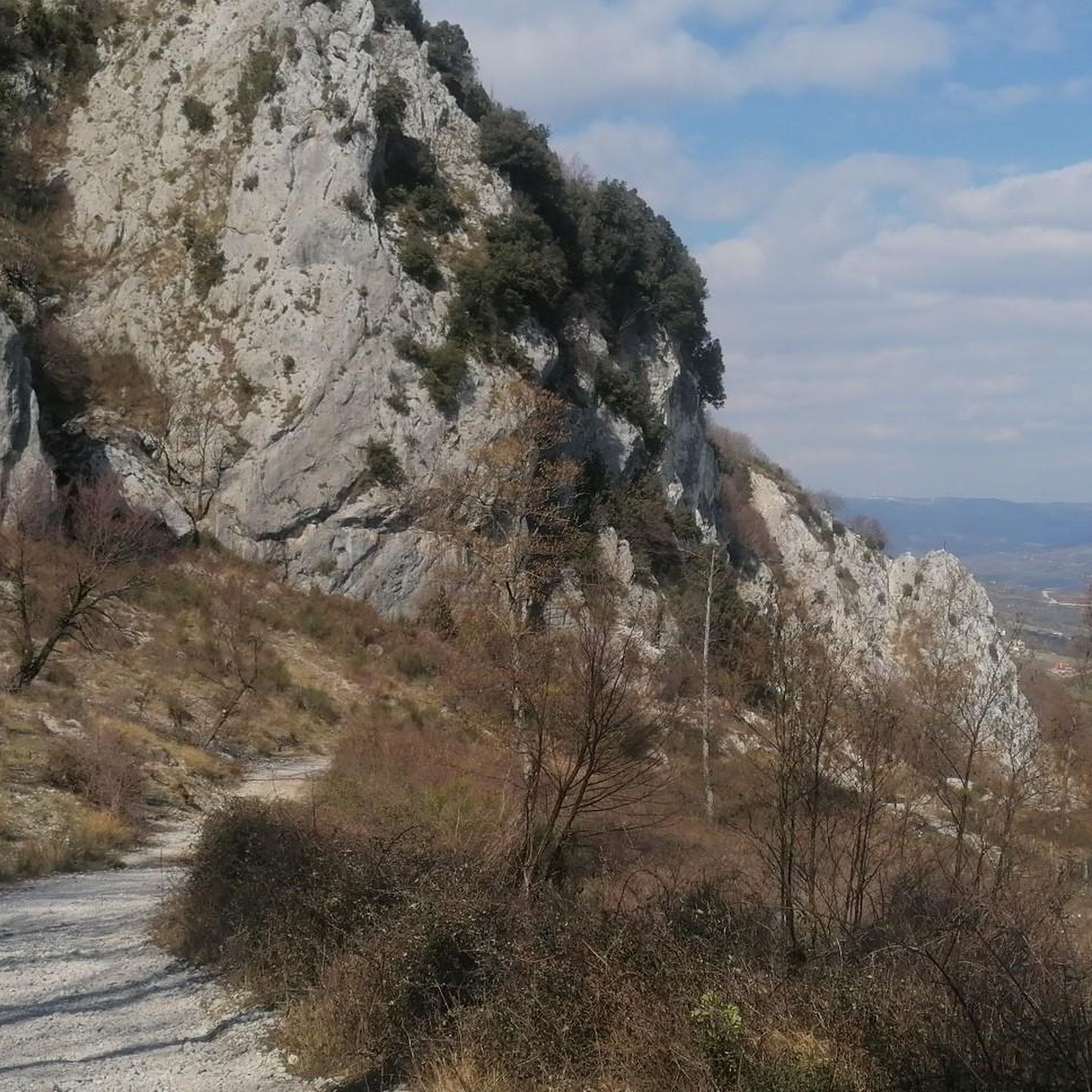
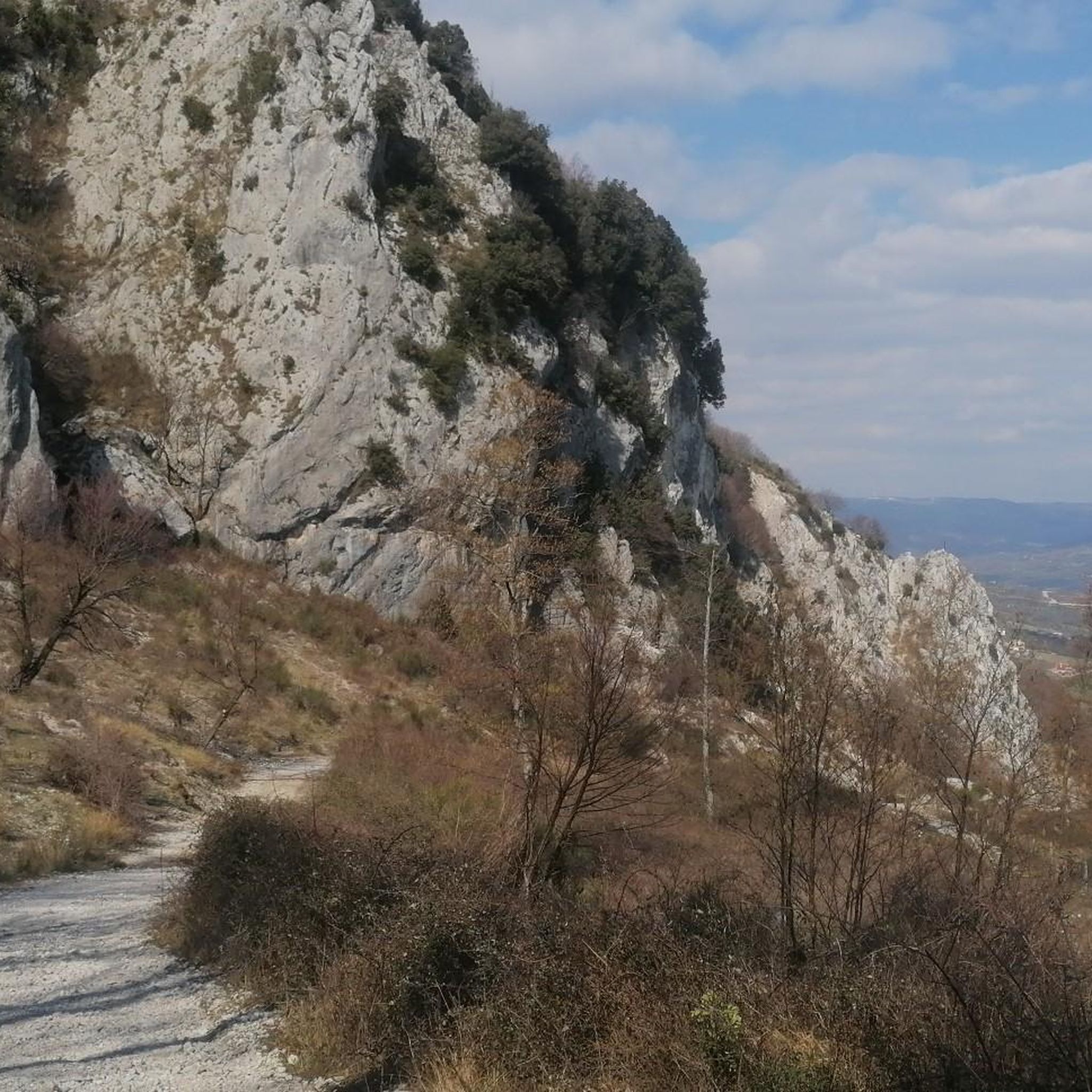
Ruins of the Castle of Senerchia
Highlight • Castle
Translated by Google •
Tip by

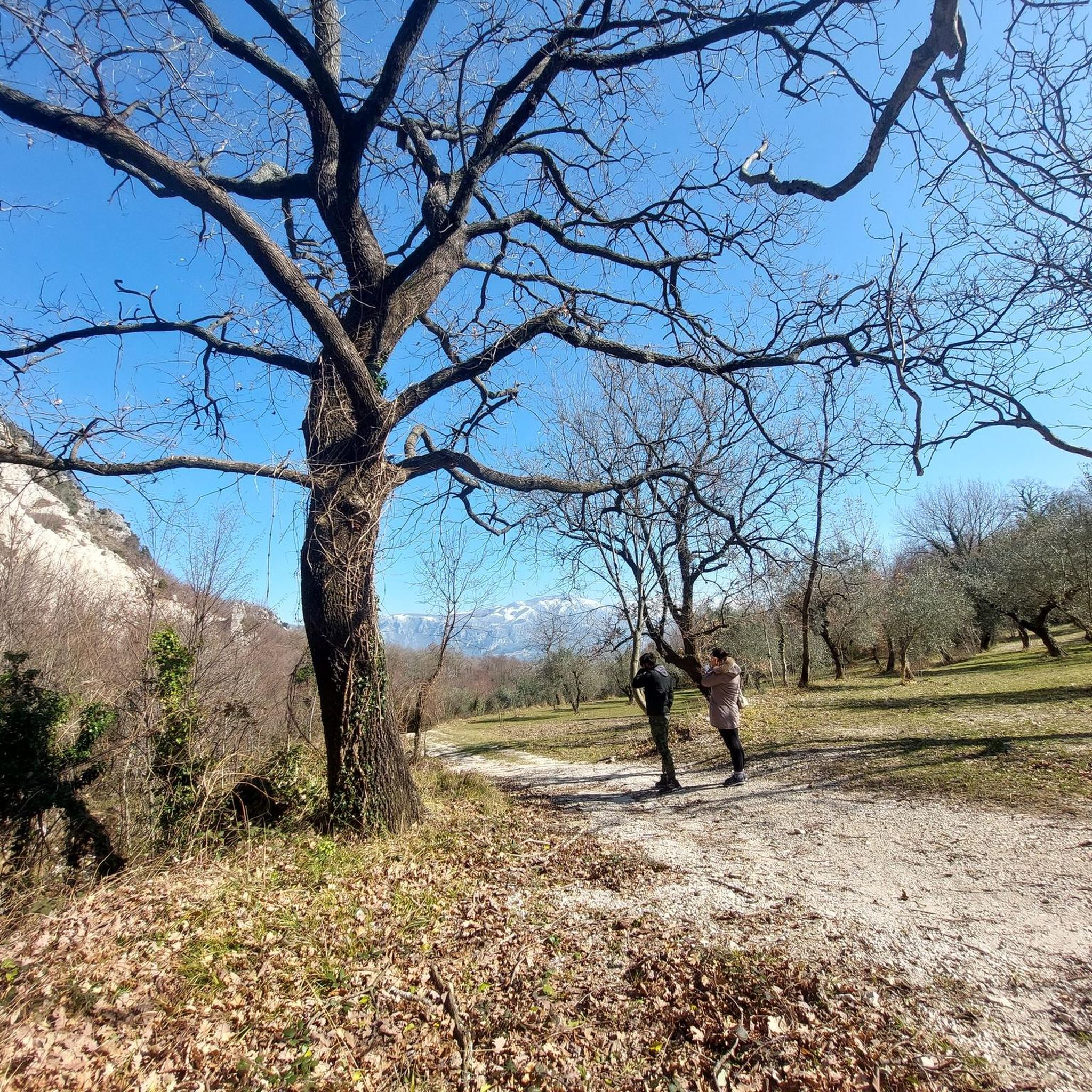
Old Senerchia: the ghost village
Highlight (Segment) • Historical Site
Translated by Google •
Tip by

Sign up now to discover places like this
Get recommendations on the best single tracks, peaks, & plenty of other exciting outdoor places.
Fortified Village of Quaglietta
Highlight • Castle
Translated by Google •
Tip by

Medieval Village of Quaglietta
Highlight • Historical Site
Translated by Google •
Tip by
Alleys of the Castle of Quaglietta
Highlight • Castle
Translated by Google •
Tip by
Sign up for free to discover even more castles around Oliveto Citra.
Already have an account?
Start today with a free account
Your next adventure awaits.
Tips from the Community

Map of the ancient medieval village of Quaglietta, a small hamlet in the municipality of Calabritto.
11
0
Beautiful effigy of Saint Rocco.
3
0
A sign of centuries-old charm that has remained unchanged over time, the medieval village of Quaglietta is an important historical testimony to the Lombard domination in Irpinia: with its castle and its Albergo Diffuso, it offers unique sensations in a magical and fairytale setting.
8
0
Effigy of Saint Rocco, patron saint of the hamlet of Quaglietta, a small hamlet in the municipality of Calabritto, in the province of Avellino.
10
0
Some of the many arches that are a distinctive feature of the medieval village of Quaglietta.
15
0
Coat of arms of the hamlet of Quaglietta.
14
0
Some glimpses of the alleys that cross the medieval village of Quaglietta.
13
0
Effigy of San Rocco, patron saint of the small hamlet of Quaglietta.
12
0
Frequently Asked Questions
What is the main historical castle in Oliveto Citra itself?
Oliveto Citra is primarily known for the Castello Guerritore. This significant stronghold, first mentioned in 1114, sits atop a rocky formation, offering panoramic views of the surrounding valley. It also houses the Archaeological Museum of the Alta Valle del Sele, which displays artifacts from the 8th to 3rd century B.C.
Which castles around Oliveto Citra offer significant historical insights?
The Ruins of the Castle of Senerchia, built by the Lombards and Normans between the 8th and 9th centuries, offer a deep dive into medieval history. Similarly, the Fortified Village of Quaglietta, with its castle that served as a military garrison, provides insights into the region's defensive past.
Are there any abandoned villages or unique settlements to explore near Oliveto Citra?
Yes, the Old Senerchia: the ghost village is a fascinating site. This medieval village, founded between the 8th and 9th centuries, was severely damaged in the 1980 earthquake, leaving behind an evocative abandoned settlement near the castle ruins.
What kind of views can I expect from the castles in the Oliveto Citra area?
Many castles in the region, including the Castello Guerritore and the Ruins of the Castle of Senerchia, are strategically located on high points. They offer impressive panoramic views of the surrounding valleys and mountainous backdrops, making them ideal for photography and appreciating the landscape.
What is the best time of year to visit the castles around Oliveto Citra?
The region's mountainous backdrop suggests that spring and autumn would offer pleasant temperatures for exploring the outdoor ruins and villages. Winter visits might be possible, but some areas could be less accessible due to weather conditions.
Are there family-friendly castles or activities for kids near Oliveto Citra?
While specific 'family-friendly' categories aren't listed, exploring the historical sites like the Fortified Village of Quaglietta or the Old Senerchia can be an engaging educational experience for older children interested in history and exploration. The Archaeological Museum within Castello Guerritore also offers cultural insights.
What outdoor activities can I do near these castles?
The area around Oliveto Citra offers various outdoor activities. You can find numerous hiking routes, including moderate trails like the Valle della Caccia and Grotta Profunnata Loop. There are also road cycling and general cycling routes that pass through the scenic landscapes near these historical sites.
Are there specific hiking trails that lead to or near the castles?
Yes, for example, the Ruins of the Castle of Senerchia are located on top of Monte Croce, dominating the valley, and the last stretch to reach them is described as demanding, suggesting a hike. Trekking shoes are recommended for exploring the Old Senerchia village and its nearby castle remains.
What archaeological findings are associated with the castles in the region?
The Castello Guerritore in Oliveto Citra houses the Archaeological Museum of the Alta Valle del Sele. This museum contains significant artifacts from the "Oliveto-Cairano" culture, dating from the 8th to the 3rd century B.C., including the tomb of the "Woman of Oliveto" with a bronze double-spiral brooch.
What is the historical significance of the Fortified Village of Quaglietta?
The Fortified Village of Quaglietta, built entirely of stone, is believed to have originated as a Lombard military garrison. Its strategic position on a rocky outcrop allowed it to serve as a barrier against Saracen attacks, protecting the ancient Salerno-Siponto road. Today, few traces remain of the original castle layout, but its historical importance is evident.
What should I wear when visiting the castle ruins and old villages?
For sites like the Ruins of the Castle of Senerchia and the Old Senerchia: the ghost village, sturdy shoes or trekking shoes are recommended due to uneven terrain and potentially demanding last stretches.
Most popular attractions around Oliveto Citra

Get inspired with the komoot mobile app


Explore more
Looking for the best castles somewhere else? Discover other guides around Oliveto Citra:
