Top 8 Caves around Roccapiemonte
Best caves around Roccapiemonte offer a blend of natural formations and historical significance within the Campania region of Italy. The area features mountainous terrain, providing numerous natural cavities. The broader Salerno province includes notable sites with a long history of human use and religious dedication. These geological features contribute to the region's diverse landscape and cultural heritage.
Best caves around Roccapiemonte
- The most popular caves is Cave of the Madonna della Pace of Pietrapiana, a cave that features an…
Last updated: October 3, 2026
Cave of the Madonna della Pace of Pietrapiana
Highlight • Cave
Translated by Google •
Tip by

Statue of Christ of Pietrapiana
Highlight • Monument
Translated by Google •
Tip by
Sign up now to discover places like this
Get recommendations on the best single tracks, peaks, & plenty of other exciting outdoor places.
Hannibal's Cave
Highlight • Cave
of the Grotto
And for the beautiful routes published
Translated by Google •
Tip by

From the Pietrapiana cave to the north summit hut
Highlight (Segment) • Trail
Translated by Google •
Tip by

Grotta di San Salvatore
Highlight • Cave
Translated by Google •
Tip by
Sign up for free to discover even more caves around Roccapiemonte.
Already have an account?
Start today with a free account
Your next adventure awaits.


Tips from the Community

There is a natural reservoir of drinking water here. Please take care of it and do not waste water.
0
0

The path has been cleaned and marked and many protective ropes have been added. However, it remains a mountain path where you need to have a minimum of experience. To access the caves a 3.5 meter ladder has been installed, which is therefore not suitable for children below the 15 years.
0
0

CURRENTLY THE CAVE ENTRANCE PATH COLLAPSED AND IMPOSSIBLE TO OVERCOME. BUT I'M GOING THERE I HAVE THE SOLUTION BUT YOU NEED TO HAVE GOOD STRENGTH IN YOUR LEGS AND ARMS BECAUSE YOU NEED TO GO DOWN INTO A DENSE FOREST JUST BEFORE AND GET TO THE STONE CHANNEL AND GET UP ON SLIPPERY GROUND FOR A WHILE
1
0

From the Pietrapiana cave to climb to the shelter on the north peak of Mount Finestra you have to take a panoramic but quite treacherous path (T3-T4), part of the "Sentiero Italia - Stage S17S" Trekking clothing, sturdy shoes and some mountaineering experience.
5
0
Going up Mount Finestra from Contropone (Cava de' Tirreni) you arrive at the caves of Pietrapiana where, in addition to the statue of the "Madonna della Pace", the statue of San Michele Arcangelo has also been placed.
2
0

The statue of Archangel Michael "San MICHELE Arcangelo" stands in this grotto with colorful wings spread wide. He is shown in a very classic way with a lance, with which he defeats the dragon, who is already lying on the ground, and who personifies evil.
3
0
At this point, an extremely fascinating grotto invites hikers to take a little spiritual rest. In his text, Gennaro dell'Aglio vividly described the construction of this local sanctuary 35 years ago. In the rear, elevated part (which can be reached via a small ladder on the rock) there is a cross with a body. Further ahead there is a statue of the Mother of God Mary, which welcomes visitors. It has been invoked under countless titles throughout the history of the church, but especially in popular piety. Here it is the “Madonna della Pace”, or Mary as Queen of Peace.
3
0

Unique emotion in a sacred and beautiful place. On 8 May 1988 the first liturgy was celebrated by my uncle "Padre Vittorio Dell'Aglio" a Franciscan friar as a foretelling during the homily that the Grotta di Pietrapiana would be the destination of many devotees and visitors to pray to Our Lady of Peace. With my close friend Antonio Marra we set off from Nocera Inferiore to arrive in Pietrapiana bringing to the Madonna della Pace a small picture in memory of my uncle who unfortunately left his earthly life on 10 April 2002 with 50 years of priesthood. For me it was a beautiful particular tour but above all exciting in knowing and knowing the story of my uncle. I highly recommend visiting this spectacular place full of joy and peace.
4
0
Frequently Asked Questions
What are the most notable caves to visit near Roccapiemonte?
While Roccapiemonte itself doesn't host major tourist caves, the broader Salerno province offers significant sites. The Cave of the Madonna della Pace of Pietrapiana and Pietrapiana Cave – Madonna of Peace are popular for their tranquility and panoramic views. The Grotta di San Salvatore is also highly regarded for its historical and religious significance.
Are there any caves with significant historical or religious importance in the region?
Yes, the region is rich in such sites. The Grotta di San Salvatore, also known as 'il Salvatoriello,' houses an ancient Byzantine-style rock church, offering insight into early monastic settlements. Additionally, the Grotta di San Michele Arcangelo, located within the Cilento and Vallo di Diano National Park, is a significant cave sanctuary with a long history of human use, religious dedication, and impressive frescoes. You can learn more about it on Wikipedia.
What kind of natural features can I expect to see in the caves around Roccapiemonte?
The caves in the region, such as the Grotta di San Michele Arcangelo, feature impressive stalactites and stalagmites. The Pietrapiana caves also offer natural formations and, in the case of Pietrapiana Cave – Madonna of Peace, a natural reservoir of drinking water.
Are there family-friendly cave experiences near Roccapiemonte?
Many of the caves, particularly those with religious significance like the Pietrapiana caves, are accessible and can be visited by families. They offer a blend of natural beauty and cultural interest. Always check specific access details for each cave, as some may involve stairs or uneven terrain.
What do visitors enjoy most about the caves in this area?
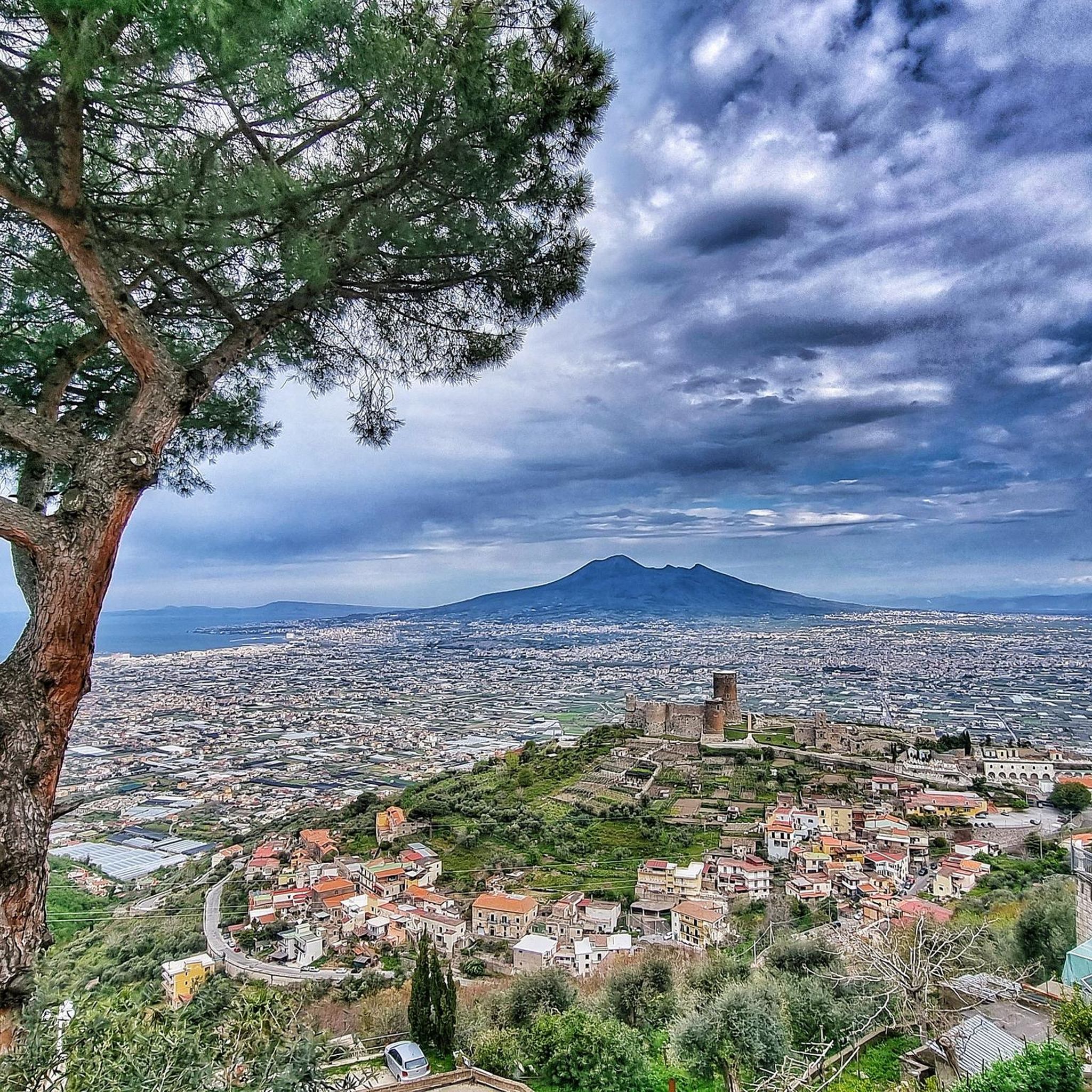
Visitors frequently appreciate the tranquility and peace found within these cave sites. The panoramic views offered from locations like the Cave of the Madonna della Pace of Pietrapiana, encompassing the Amalfi Coast, Gulf of Salerno, and Sarno valley, are also highly praised. The historical and spiritual atmosphere of sites like the Grotta di San Salvatore is also a major draw.
What outdoor activities can I combine with a visit to the caves?
The area around Roccapiemonte is excellent for outdoor activities. You can find numerous hiking trails, such as those detailed in the Hiking around Roccapiemonte guide, with routes like the 'Croce del Monte Caruso – Castagneto di Diecimare loop'. There are also options for cycling and road cycling, with guides like Cycling around Roccapiemonte and Road Cycling Routes around Roccapiemonte offering various routes.
How difficult are the trails leading to the caves?
Access to some caves, such as the Pietrapiana caves, can involve intermediate trails. For example, the trail 'From the Pietrapiana cave to the north summit hut' is described as panoramic but quite treacherous (T3-T4), requiring trekking clothing, sturdy shoes, and some mountaineering experience. Always check the difficulty rating for specific routes.
Is public transport available to reach caves near Roccapiemonte?
While Roccapiemonte is a town, direct public transport to specific cave entrances can be limited. It is often advisable to use a combination of public transport to reach nearby towns and then consider local taxis or personal vehicles for the final leg to more remote cave sites. Always check local transport schedules in advance.
What is the best time of year to visit the caves around Roccapiemonte?
The caves can generally be visited year-round, but spring and autumn offer pleasant temperatures for exploring the surrounding areas and trails. During summer, the caves provide a cool escape from the heat. Winter visits are possible, but some trails might be more challenging due to weather conditions.
Are permits required for caving in the Roccapiemonte area?
For general tourist visits to established cave sites, permits are typically not required. However, if you plan to engage in advanced caving or explore undeveloped caves, it is crucial to research local regulations and potentially contact regional caving associations or park authorities for specific permit requirements and safety guidelines.
What should I wear when visiting caves in this region?
Wear comfortable clothing suitable for walking, as some cave entrances or interiors may involve uneven terrain or stairs. Sturdy, closed-toe shoes with good grip are recommended. Even in summer, cave interiors can be cool, so bringing a light jacket or sweater is advisable.
Are there any hidden gems or lesser-known caves worth exploring?
While the Grotta di San Michele Arcangelo and the Pietrapiana caves are well-known, the region's mountainous terrain suggests many smaller, less-publicized natural cavities. Exploring local hiking trails, such as those around Monte Finestra, might lead to discovering some of these hidden spots, though they may not have official tourist infrastructure.
Most popular routes around Roccapiemonte
Most popular attractions around Roccapiemonte

Get inspired with the komoot mobile app


Explore more
Extend your search for the best caves by checking out these guides of the top ones around Roccapiemonte:
