Top 15 Caves around Cava De' Tirreni
Best caves around Cava De' Tirreni offer a blend of historical depth and natural beauty within the Campania region of Italy. This area is characterized by its mountainous terrain and valleys, providing a setting for various natural formations. The caves often hold cultural significance, with connections to ancient hermitages and religious traditions. Exploring these sites provides insight into the region's geological features and its historical past.
Best caves around Cava De' Tirreni
- The most popular caves is Cave of the…
Last updated: October 3, 2026
Cave of the Madonna della Pace of Pietrapiana
Highlight • Cave
Translated by Google •
Tip by

Hermitage of San Magno
Highlight • Religious Site
Translated by Google •
Tip by
Sign up now to discover places like this
Get recommendations on the best single tracks, peaks, & plenty of other exciting outdoor places.
Statue of Christ of Pietrapiana
Highlight • Monument
Translated by Google •
Tip by
Grotta dell'Avvocata
Highlight • Cave
It is said …
Translated by Google •
Tip by

Capo d'Orso Caves
Highlight • Cave
Translated by Google •
Tip by
Sign up for free to discover even more caves around Cava De' Tirreni.
Already have an account?
Start today with a free account
Your next adventure awaits.

Tips from the Community

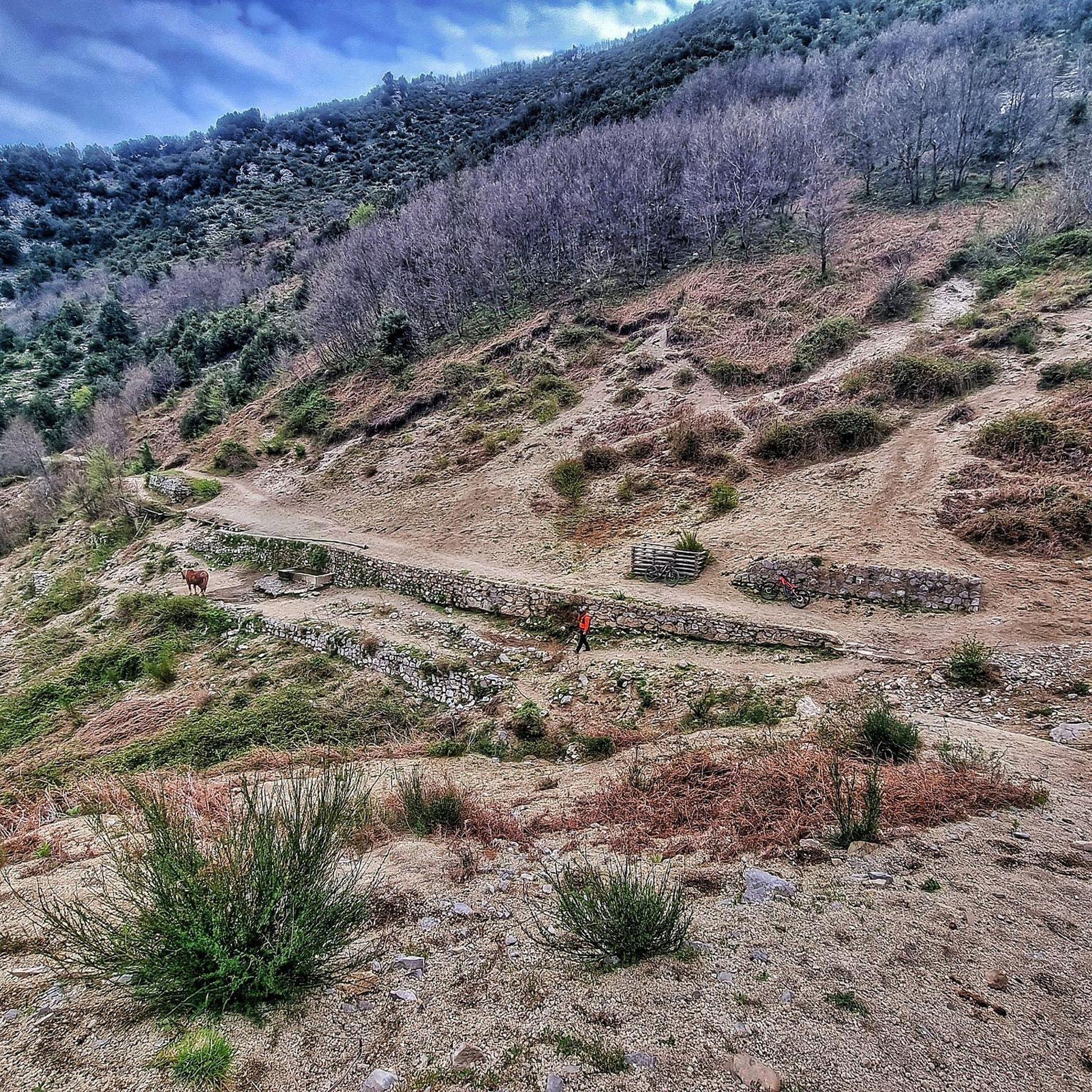
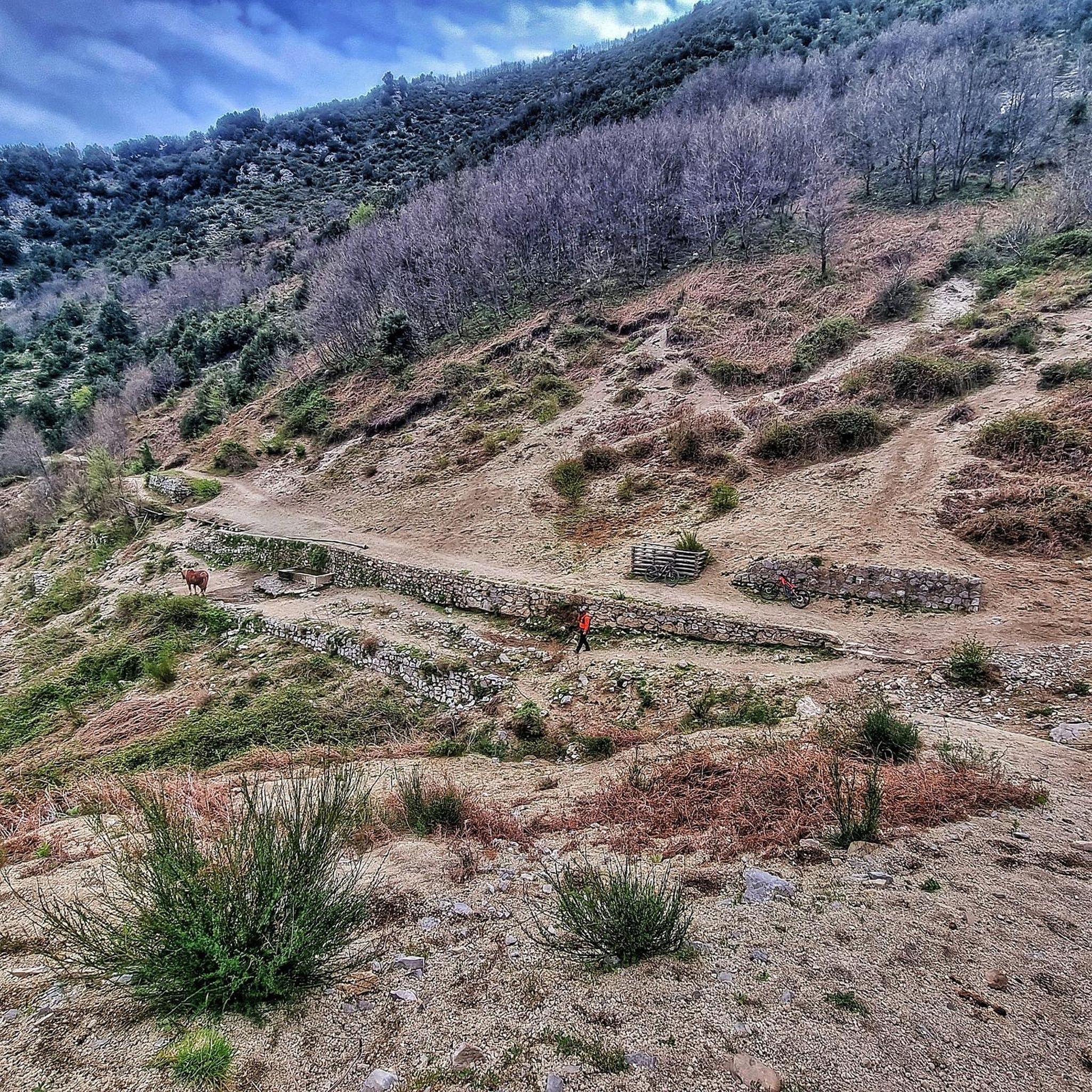
At the top of Mount Falerzio stands a religious complex dedicated to the Blessed Virgin Lawyer, of which the oldest part is made up of the cave. It is said that in 1485 the Virgin appeared to a shepherd from Maiori in this cave and asked him to build a place of prayer right there where she had appeared to him, introducing herself with the title of Lawyer. The shepherd built a chapel in the cave, which was later enlarged by the Camaldolese Fathers who in 1682 took custody of the convent that had arisen there. Cinnamo, in addition to the cave, made various buildings that he himself had erected a place of worship. https://www.unescoamalficoast.it/locations/grotta-dell-avvocata/ Sturdy shoes and good physical shape!
3
0
The Hermitage of San Magno is an ancient natural cave located on the mountain of the same name, in which - according to a deep-rooted tradition - the Bishop of Trani San Magno took refuge during his escape from the persecutions of Decius. In fact, it would seem that during his long pilgrimage from Trani to Rome, he stopped at this hermitage which today bears his name, from 220 to 230 AD. Here he would have done the work of catechising the local population, to whom he would have appeared after his death in 251 AD, asking them to build a hermitage in the cave where he had lived. An image of the Saint, believed to be miraculous, is frescoed on the rock wall and dated 1541.
3
0
Going up Mount Finestra from Contropone (Cava de' Tirreni) you arrive at the caves of Pietrapiana where, in addition to the statue of the "Madonna della Pace", the statue of San Michele Arcangelo has also been placed.
2
0

The statue of Archangel Michael "San MICHELE Arcangelo" stands in this grotto with colorful wings spread wide. He is shown in a very classic way with a lance, with which he defeats the dragon, who is already lying on the ground, and who personifies evil.
3
0
At this point, an extremely fascinating grotto invites hikers to take a little spiritual rest. In his text, Gennaro dell'Aglio vividly described the construction of this local sanctuary 35 years ago. In the rear, elevated part (which can be reached via a small ladder on the rock) there is a cross with a body. Further ahead there is a statue of the Mother of God Mary, which welcomes visitors. It has been invoked under countless titles throughout the history of the church, but especially in popular piety. Here it is the “Madonna della Pace”, or Mary as Queen of Peace.
3
0

Unique emotion in a sacred and beautiful place. On 8 May 1988 the first liturgy was celebrated by my uncle "Padre Vittorio Dell'Aglio" a Franciscan friar as a foretelling during the homily that the Grotta di Pietrapiana would be the destination of many devotees and visitors to pray to Our Lady of Peace. With my close friend Antonio Marra we set off from Nocera Inferiore to arrive in Pietrapiana bringing to the Madonna della Pace a small picture in memory of my uncle who unfortunately left his earthly life on 10 April 2002 with 50 years of priesthood. For me it was a beautiful particular tour but above all exciting in knowing and knowing the story of my uncle. I highly recommend visiting this spectacular place full of joy and peace.
4
0
Unique emotions absolute tranquility to make a prayer
2
0
Truly wonderful route, magnificent places
3
0
Frequently Asked Questions
What are the most historically significant caves around Cava de' Tirreni?
The most historically significant cave is the Grotto of St. Alferius, which is part of the Benedictine Abbey of La Trinità della Cava. This cave is considered the birthplace of the abbey, where Saint Alferius lived as a hermit in 1011. Another important site is the Grotte di San Cesareo in the Bonea valley, connected to early Christian hermitages, with remnants of a church inside. Additionally, the Grotta dell'Avvocata is a historical site where the Virgin is believed to have appeared in 1485.
Are there any religious caves to visit in the Cava de' Tirreni area?
Yes, several caves in the region hold religious significance. The Cave of the Madonna della Pace of Pietrapiana features an altar with the Madonna and offers a peaceful atmosphere. Similarly, the Pietrapiana Cave – Madonna of Peace houses a small statue of the Immaculate Madonna and is a destination for faithful, particularly during pilgrimages. The Grotta dell'Avvocata is also a religious building, believed to be where the Virgin appeared to a shepherd.
What natural features can I expect to see in the caves?
The caves around Cava de' Tirreni offer a blend of natural beauty and geological formations. For instance, the Pietrapiana Cave – Madonna of Peace has a natural reservoir of drinking water. The region itself is characterized by mountainous terrain and valleys, providing scenic backdrops to these natural formations. The Grotto of St. Alferius is located in a gorge of the Finestre Hills amidst thick vegetation.
Are there family-friendly caves or easy-to-access options?
The Pietrapiana Cave – Madonna of Peace is accessible via steel stairs, making it relatively easy to visit. Many of the religious caves, like the Cave of the Madonna della Pace of Pietrapiana, are known for their peaceful atmosphere and can be suitable for families seeking a tranquil experience. However, for more challenging explorations like the Capo d'Orso Caves, safety devices and company are recommended.
What outdoor activities can I do near the caves?
The area around Cava de' Tirreni is excellent for various outdoor activities. You can find numerous hiking trails, including challenging routes like 'Monte Finestra in the Parco Regionale dei Monti Lattari' or 'Monte Demanio e Cima dell'Avvocata'. For cycling enthusiasts, there are road cycling routes such as 'Vietri sul Mare – Church in Cava de' Tirreni loop' and gravel biking options like 'View of Mount Vesuvius – Torre del Gatto loop'. You can explore more routes on the hiking guide, road cycling guide, and gravel biking guide for the region.
Is there a 'Grotta dell'Angelo' near Cava de' Tirreni?
While there are famous 'Grotta dell'Angelo' locations in Italy, such as in Pertosa or Sant'Angelo a Fasanella, these are not directly within or immediately near Cava de' Tirreni. The caves in this specific region primarily focus on historical and religious sites like the Grotto of St. Alferius and the Grotte di San Cesareo.
What should I wear when visiting the caves?
For most visits to the religious or more accessible caves, comfortable walking shoes are generally sufficient. However, if you plan to explore more challenging caves like the Capo d'Orso Caves, sturdy shoes and appropriate safety devices for speleological activities are highly recommended due to their challenging nature.
What do visitors enjoy most about the caves around Cava de' Tirreni?
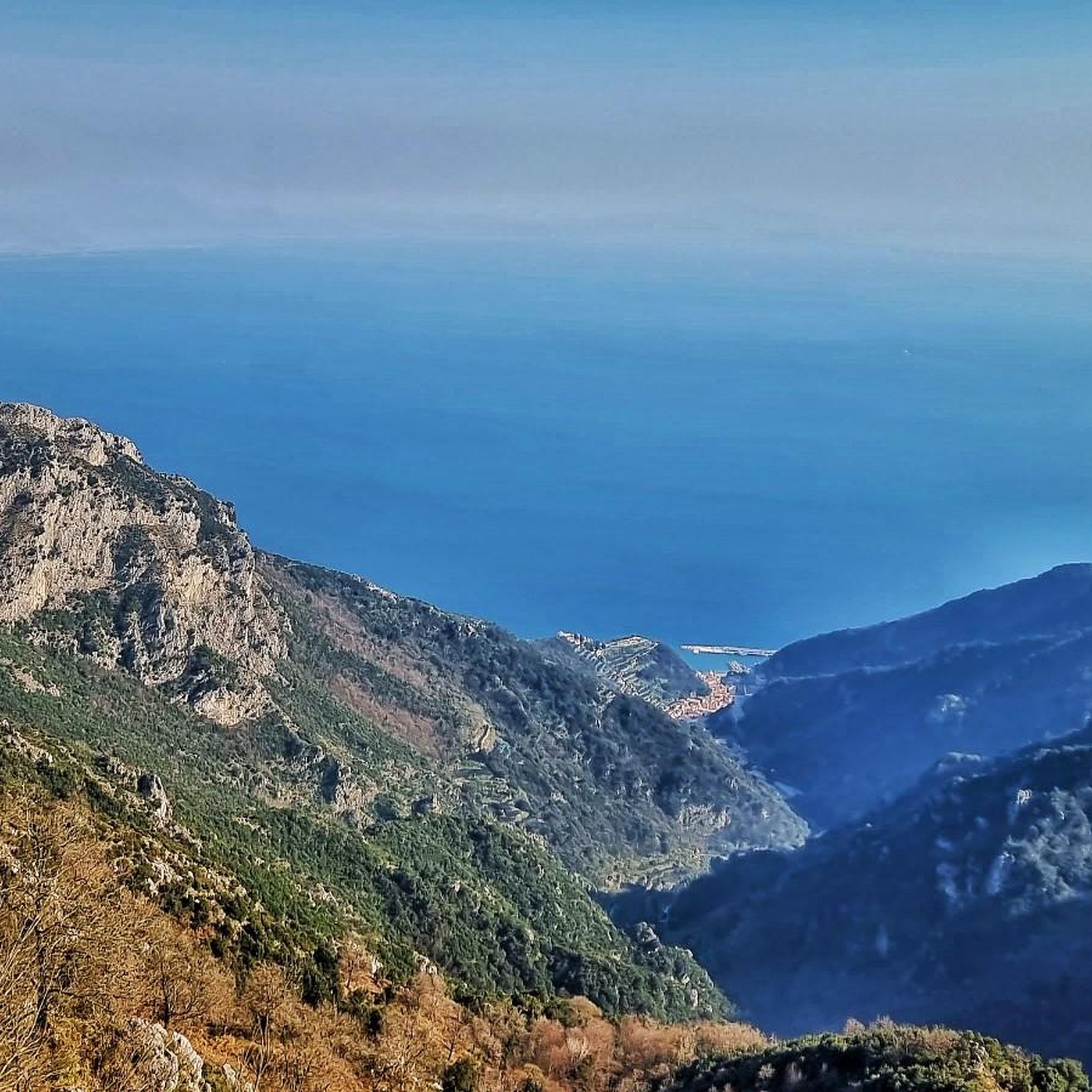
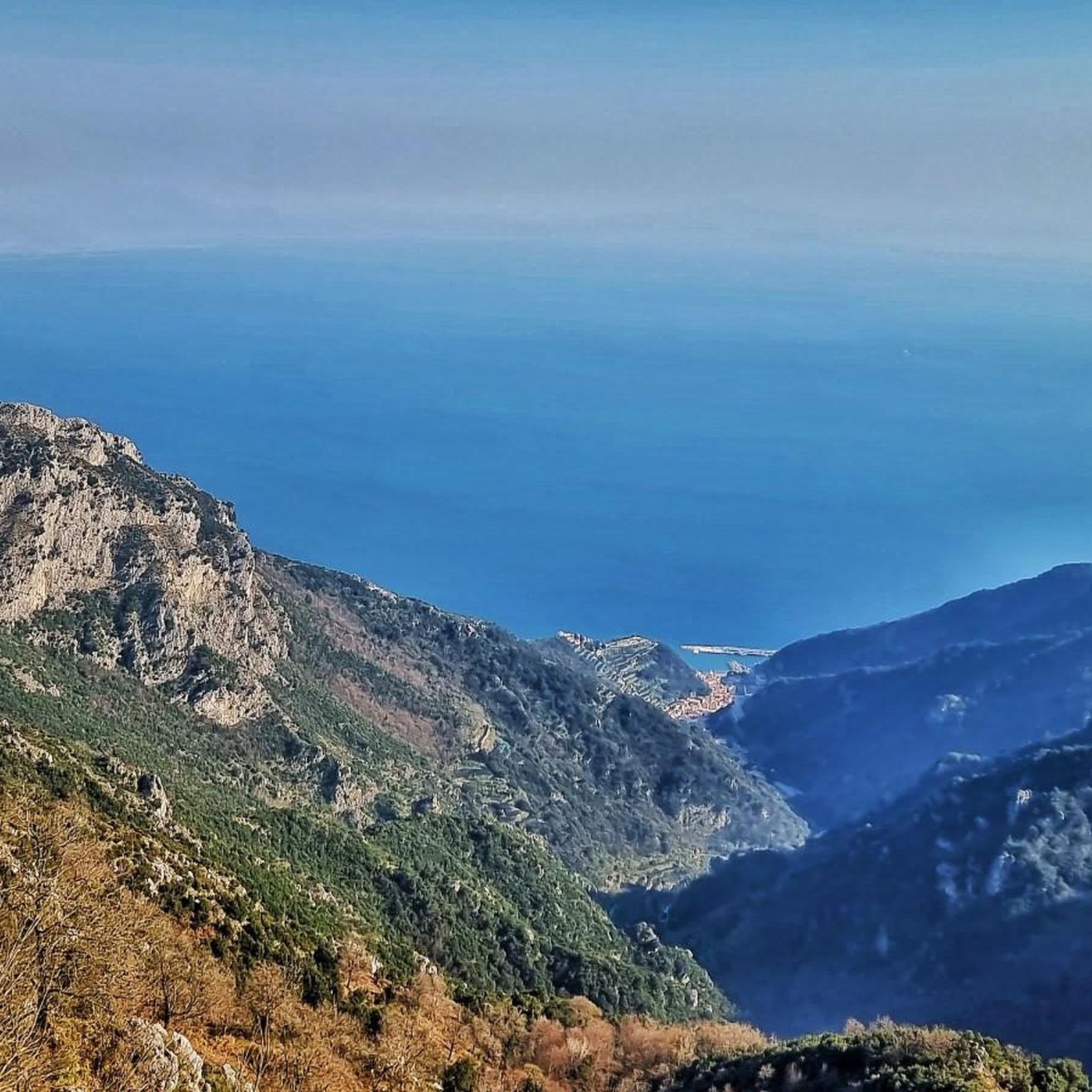
Visitors appreciate the blend of historical depth and natural beauty. Many enjoy the peaceful and tranquil atmosphere found at sites like the Cave of the Madonna della Pace of Pietrapiana, which also offers panoramic views of the Amalfi Coast and Gulf of Salerno. The historical and spiritual experience of places like the Grotto of St. Alferius is also highly valued.
Can I find cafes or picnic spots near the caves?
Some cave locations, such as the Cave of the Madonna della Pace of Pietrapiana, are noted to have wooden equipment available for a picnic, allowing visitors to enjoy the peaceful surroundings. While specific cafes directly adjacent to every cave might be limited, the town of Cava de' Tirreni itself offers various dining options.
Are there any challenging caves for experienced explorers?
Yes, the Capo d'Orso Caves are categorized as challenging. Exploration of these caves is recommended only if you are in company and equipped with the necessary safety devices for speleological activities, indicating they are suitable for more experienced adventurers.
What is the significance of the Grotto of St. Alferius?
The Grotto of St. Alferius is profoundly significant as it marks the origin of the Benedictine Abbey of La Trinità della Cava. In 1011, Saint Alferius lived as a hermit in this large cave, attracting followers and leading to the establishment of the monastery. It is considered a sacred place, deeply intertwined with the abbey's millennium-long history, and Saint Alferius was buried there.
What are the Grotte di San Cesareo known for?
The Grotte di San Cesareo, located in the scenic Bonea valley, are known for their connection to early Christian hermitages. Tradition holds that Saint Caesarius inhabited one of these deep erosions, and remnants of a church built in front of the grotto believed to have been his dwelling can still be found there. They offer a quieter, reflective experience focused on local religious history.
Most popular routes around Cava De' Tirreni
Most popular attractions around Cava De' Tirreni

Get inspired with the komoot mobile app


Explore more
Extend your search for the best caves by checking out these guides of the top ones around Cava De' Tirreni:
