Top 5 Caves around Breganze
Best caves around Breganze Italy are primarily found in the surrounding area, particularly the Asiago Plateau. This region is characterized by its historical significance, notably its role in World War I, which led to the creation of numerous man-made tunnels and shelters. These sites offer a unique blend of historical exploration and cavernous experiences, distinct from natural geological formations. The landscape combines historical interest with opportunities for outdoor activity.
Best caves around Breganze
- The most popular caves is Anguane's Cave…
Last updated: October 30, 2026
Anguane's Cave
Highlight • Cave
Translated by Google •
Tip by

Small Tunnel in the Rock
Highlight • Cave
Translated by Google •
Tip by

Sign up now to discover places like this
Get recommendations on the best single tracks, peaks, & plenty of other exciting outdoor places.
Military Shelter 1 and 2 (Laverda) WW1
Highlight • Historical Site
Translated by Google •
Tip by

Great War WW1 Tunnel
Highlight • Historical Site
Translated by Google •
Tip by
Italian WWI Military Position
Highlight • Historical Site
Translated by Google •
Tip by
Sign up for free to discover even more caves around Breganze.
Already have an account?
Start today with a free account
Your next adventure awaits.
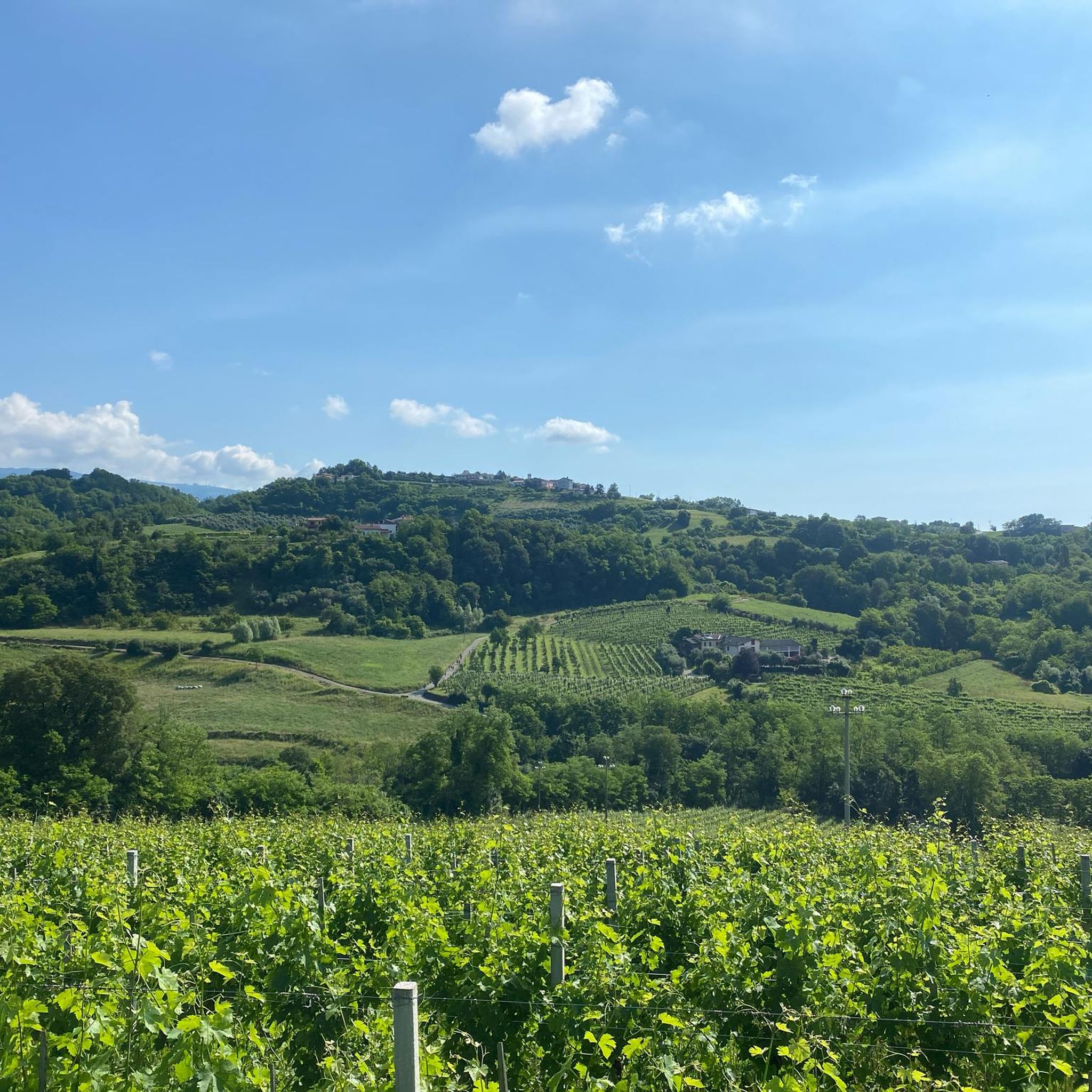
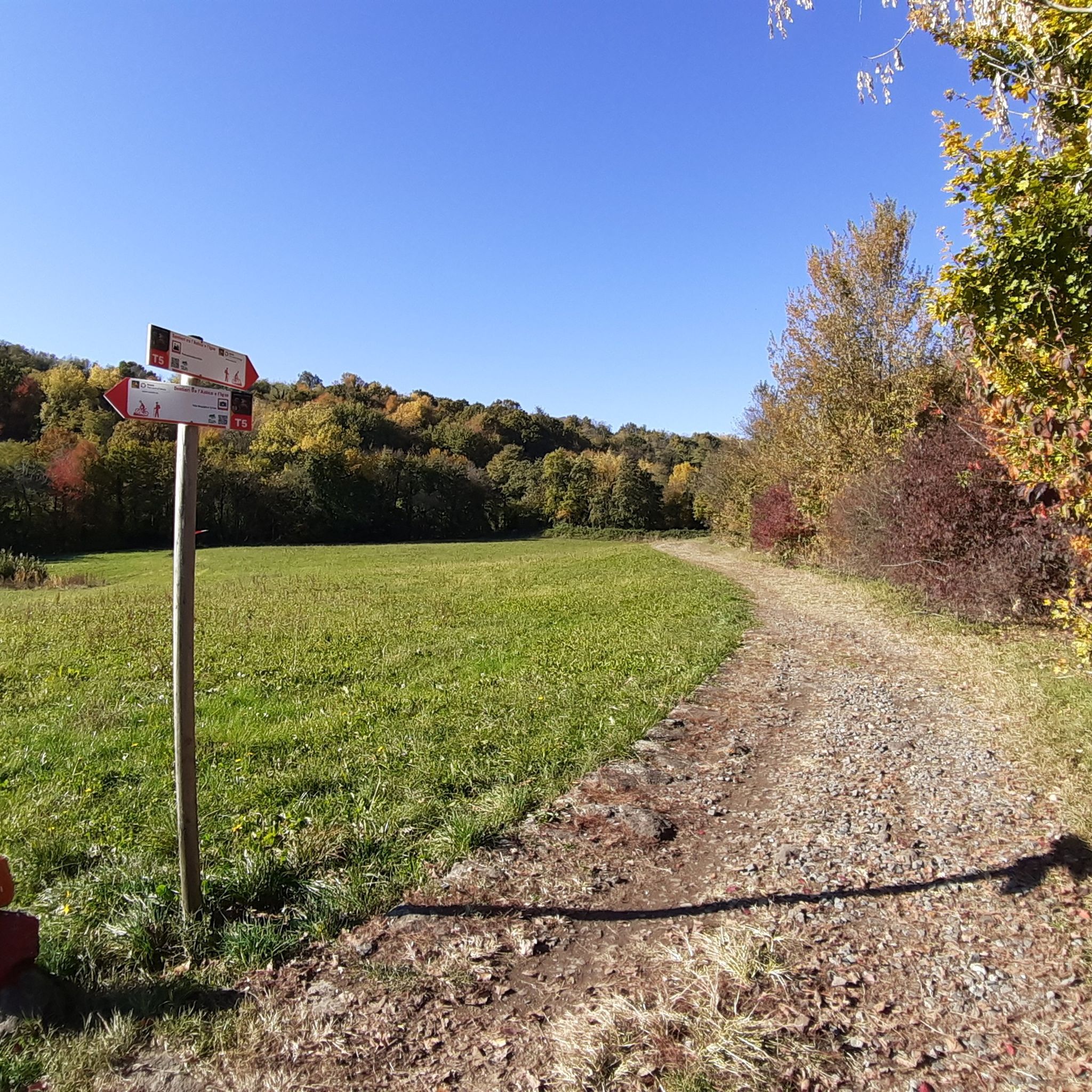
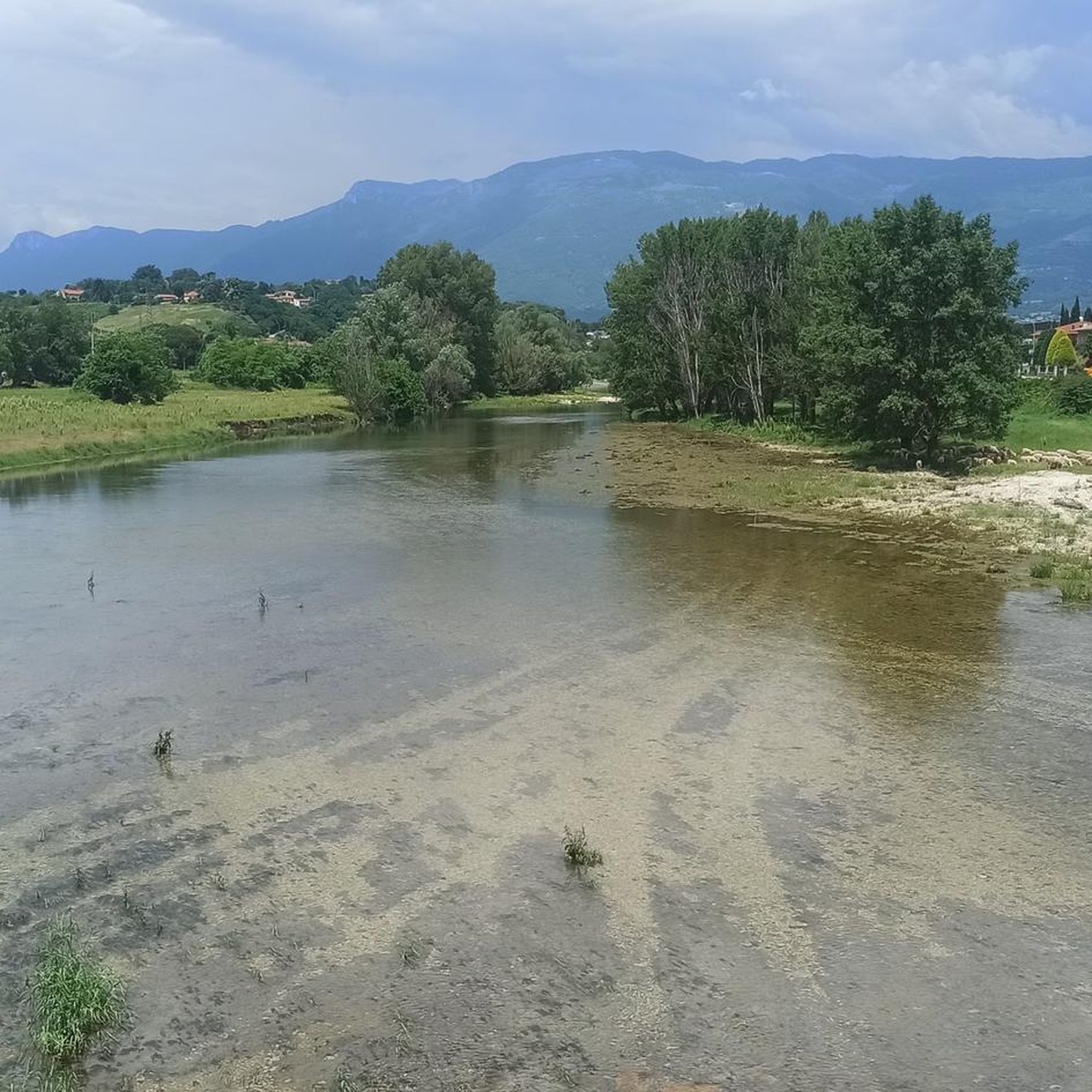
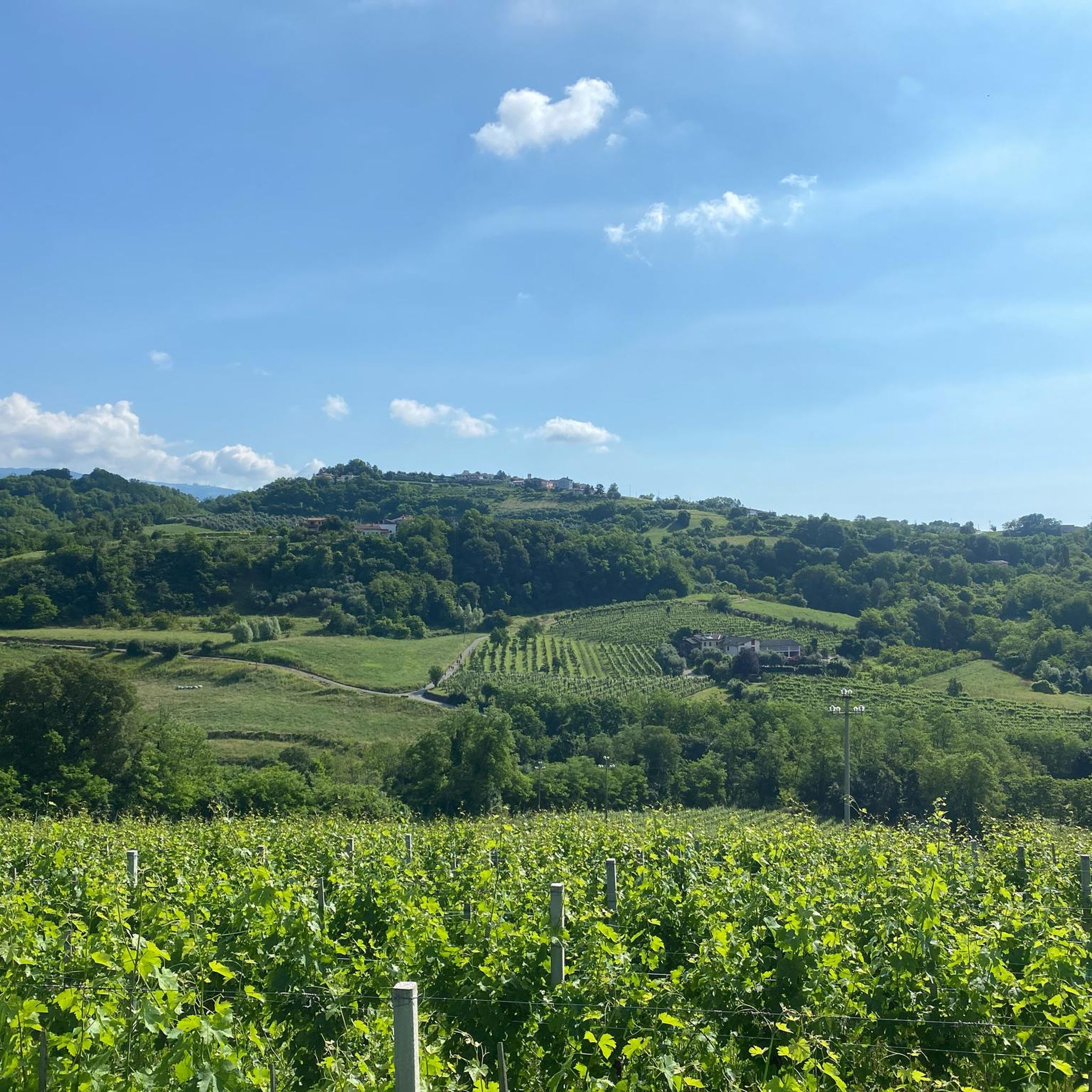

Tips from the Community

An Italian World War I artillery emplacement in a cave, controlling the valley: above the tunnel is a cemented trench. Both sides of the lower Astico Valley are dotted with defensive structures, as they constituted the line of maximum resistance against a possible Austro-Hungarian invasion towards the plain. It is located along the military mule track built by the army to connect the valley floor to the southern edge of the Asiago Plateau, with a series of small, tight bends crossing the Val Grande (CAI 677).
0
0
A dark, fifty-meter-long tunnel from the Great War: you enter from the dirt road entrance and exit on the opposite side, in the middle of the woods, through a small door and up a ladder (or vice versa). Continuing along the path, you reach a restored trench. I'm not sure if this tunnel was Italian, French, or English: the Granezza plain was an important Italian logistics base in 1916; in 1918, the British and French arrived with large numbers of men and equipment, to support the Allies and as a last resort for the southern edge of the Asiago plateau overlooking the plain.
0
0

Cave with a considerable development of over 400 meters. At the entrance it immediately divides into two narrow and winding branches: the Ramo dei Ghiri, on the right, and the Ramo dee Strighe, on the left. The tunnels are twisted, very narrow (so much so that the backpack is an impediment to leave at the entrance!), in total darkness, with protruding concretions and narrow passages that at a certain point force you to advance on all fours or to crawl. Entering it is quite impressive: avoid if you are afraid of closed and narrow spaces, complete darkness, bats, cave crickets, spiders (present in the initial meters) and various creatures of the darkness! According to legend, the anguane live near a water source or a stream, inside caves or grottos: hence the toponym 'buso' = hole in Venetian dialect, to be understood as a home or refuge. https://www.ecovicentino.it/esplorare-il-vicentino/la-valle-delle-anguane-e-la-carega-del-diavolo-a-laverda/
1
0
Two small and close together Italian shelters from the Great War, dug into the rock: part of the rear defensive line of the mountain range, as an extreme barrier on the southern edge of the Asiago Plateau against a possible Austro-Hungarian invasion attempt in the Po Valley.
0
0

It's definitely worth having a small flashlight with you ;)
1
0

Here the path goes through a small tunnel in the mountain, from which a passage branches off. We didn't dare to explore it without a flashlight :)
2
0

Unique places in the midst of peace
1
0
Frequently Asked Questions
What types of caves can I explore around Breganze?
The area around Breganze, particularly the Asiago Plateau, offers a unique blend of experiences. You can explore natural formations like Anguane's Cave, known for its tranquility, as well as numerous man-made tunnels and shelters from World War I, which provide a historical cavernous experience.
Are there any natural caves near Breganze?
Yes, Anguane's Cave is a notable natural cave near Breganze. Visitors appreciate its peaceful atmosphere, and sometimes a dry stream bed can be found at its lowest part.
What historical WWI tunnels and shelters can I visit near Breganze?
The region features several significant WWI sites. You can explore Military Shelter 1 and 2 (Laverda) WW1, which were part of the rear defensive line. Another option is the Military Gallery (Còvolo) WWI in Sojo Park, a 60-meter-long gallery. Additionally, the Great War WW1 Tunnel offers a dark, fifty-meter-long passage with an exit into the woods.
What should I know before visiting the WWI tunnels and shelters?
Many of these historical tunnels, such as the Military Gallery (Còvolo) WWI and the Great War WW1 Tunnel, are completely dark inside. It is highly recommended to bring a flashlight or headlamp for exploration. Some may also involve ladders or narrow passages.
Are the caves and tunnels around Breganze suitable for families?
Yes, many sites can be family-friendly, especially for those interested in history and adventure. For tunnels like the Small Tunnel in the Rock or the WWI galleries, a flashlight is essential, which can add to the excitement for children. Always assess the specific site's conditions for younger visitors.
Do I need special equipment to explore the caves and tunnels?
While no highly specialized caving gear is typically required for the accessible sites, a reliable flashlight or headlamp is crucial for exploring the dark tunnels and galleries. Sturdy footwear is also recommended, as paths can be uneven or wet.
What outdoor activities can I combine with a visit to the caves near Breganze?
The area around Breganze is excellent for various outdoor activities. You can find numerous hiking trails, such as those detailed in the Hiking around Breganze guide. There are also extensive options for mountain biking and road cycling, with routes like the 'Anguane's Cave – Tisa climb loop' for MTB, as seen in the MTB Trails around Breganze guide.
What is the best time of year to visit the caves and tunnels?
The historical tunnels and shelters can generally be visited year-round, though conditions inside may vary with external weather. For natural caves and combining visits with outdoor activities like hiking, spring and autumn offer pleasant temperatures and lush scenery. Always check local conditions before your visit.
Are there any easy-to-visit caves or tunnels for beginners?
For a relatively straightforward experience, the Small Tunnel in the Rock offers an intermediate path through a mountain tunnel. Anguane's Cave is also known for its tranquility, making it a peaceful option for those new to cave exploration.
What do visitors enjoy most about the caves and tunnels around Breganze?
Visitors frequently appreciate the unique blend of natural beauty and historical significance. The tranquility of natural spots like Anguane's Cave is often highlighted, while the WWI tunnels offer a tangible connection to history and an adventurous exploration experience. The opportunity to combine these visits with hiking in the surrounding landscape is also a major draw.
Can I bring my dog to the caves and tunnels?
While specific regulations can vary by site, many outdoor trails and natural areas around the Asiago Plateau are dog-friendly. For enclosed spaces like the WWI tunnels, it's best to check individual site rules or consider if the dark, narrow passages would be comfortable for your pet. Always keep dogs on a leash and clean up after them.
Are there any caves with unique geological features?
While the region is more known for its historical man-made caverns, natural formations like Anguane's Cave offer insights into natural processes, sometimes featuring a dry stream bed. The primary geological interest in the wider area often relates to the limestone formations that allowed for the creation of both natural caves and the excavation of military tunnels.
Most popular routes around Breganze
Most popular attractions around Breganze

Get inspired with the komoot mobile app


Explore more
Extend your search for the best caves by checking out these guides of the top ones around Breganze:
