Top 12 Caves around Bassano Del Grappa
Caves around Bassano Del Grappa offer diverse underground experiences in the Veneto region of Italy. This area is characterized by its karstic systems, which have formed numerous natural caves and underground rivers. The landscape combines mountainous terrain with river valleys, providing varied opportunities for exploration. Many caves here are notable for their geological formations, historical significance, or unique natural features.
Best caves around Bassano Del Grappa
- The most popular caves is Oliero Caves, a cave and natural monument from…
Last updated: June 2, 2026
Anguane's Cave
Highlight • Cave
Translated by Google •
Tip by

Campolongo Trenches (WW1)
Highlight (Segment) • Historical Site
Translated by Google •
Tip by

Sign up now to discover places like this
Get recommendations on the best single tracks, peaks, & plenty of other exciting outdoor places.
Sign up for free
Oliero Caves
Highlight • Cave
Translated by Google •
Tip by

Oliero River, near the Oliero Caves
Highlight • River
War Caves
Highlight • Cave
Sign up for free to discover even more caves around Bassano Del Grappa.
Sign up for free
Already have an account?
Start today with a free account
Your next adventure awaits.
Login or Signup
Popular around Bassano Del Grappa
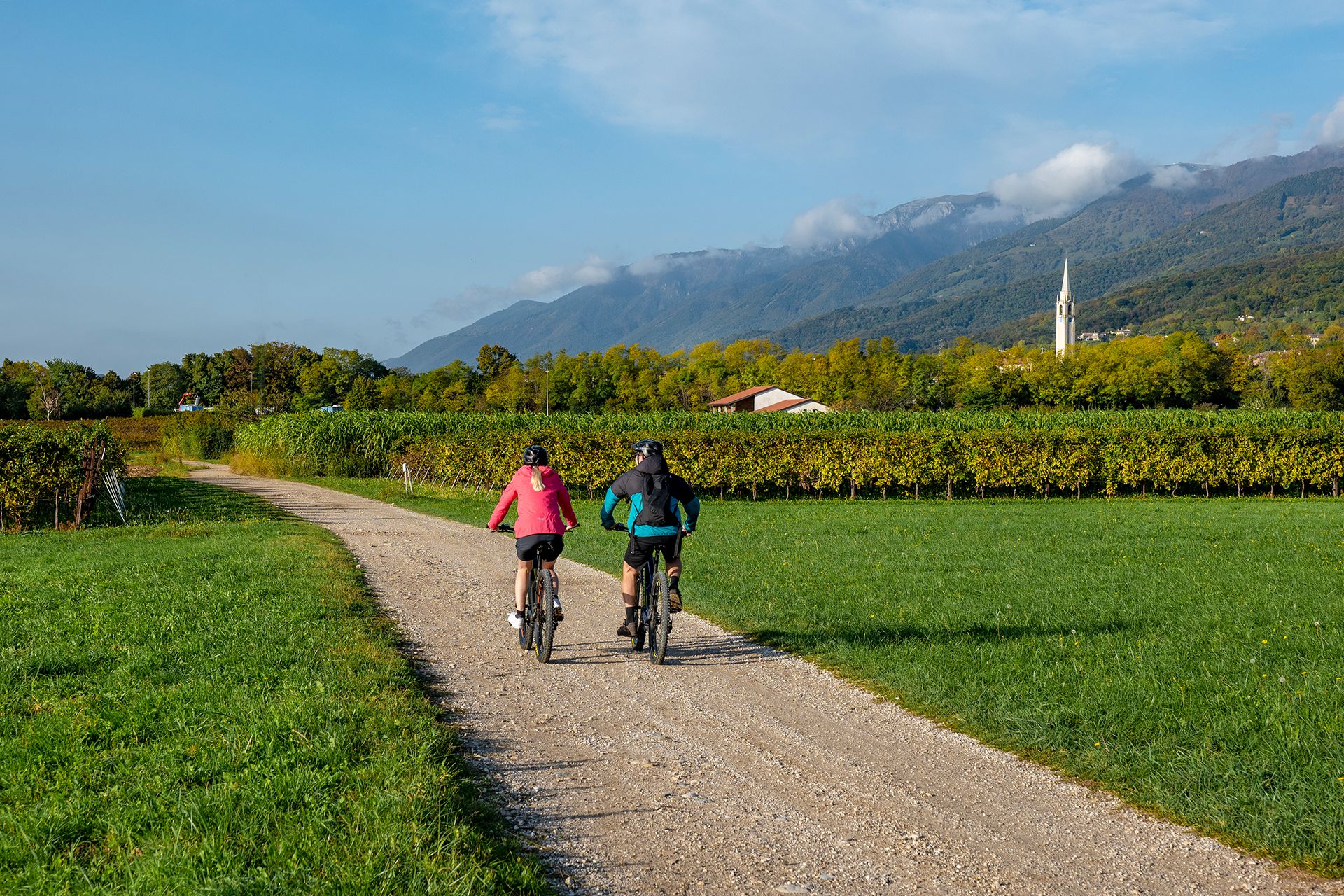
Cycling in the presence of Grappa – where nature and culture meet
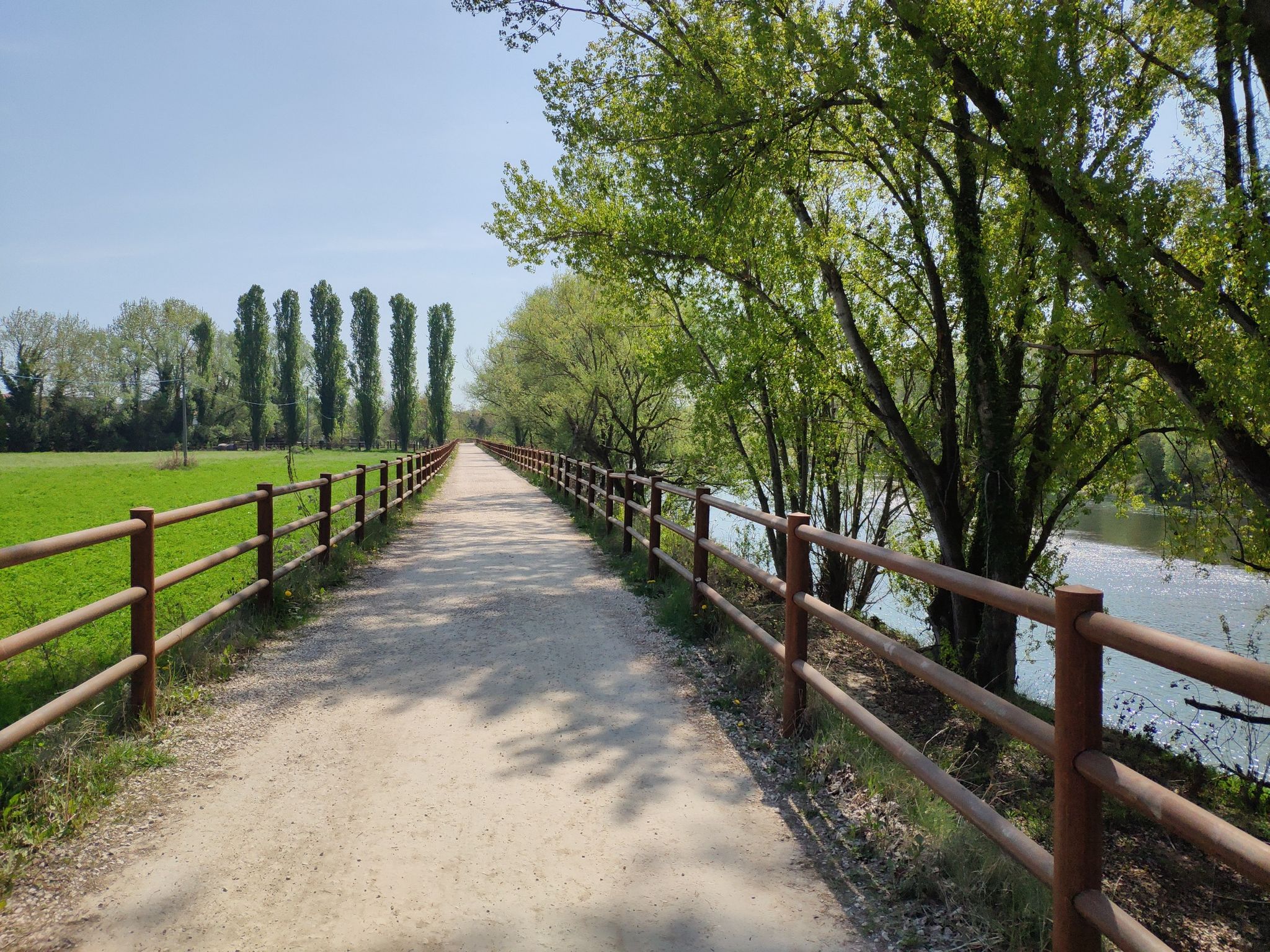
From the sea to the mountains – Veneto Gravel 2023
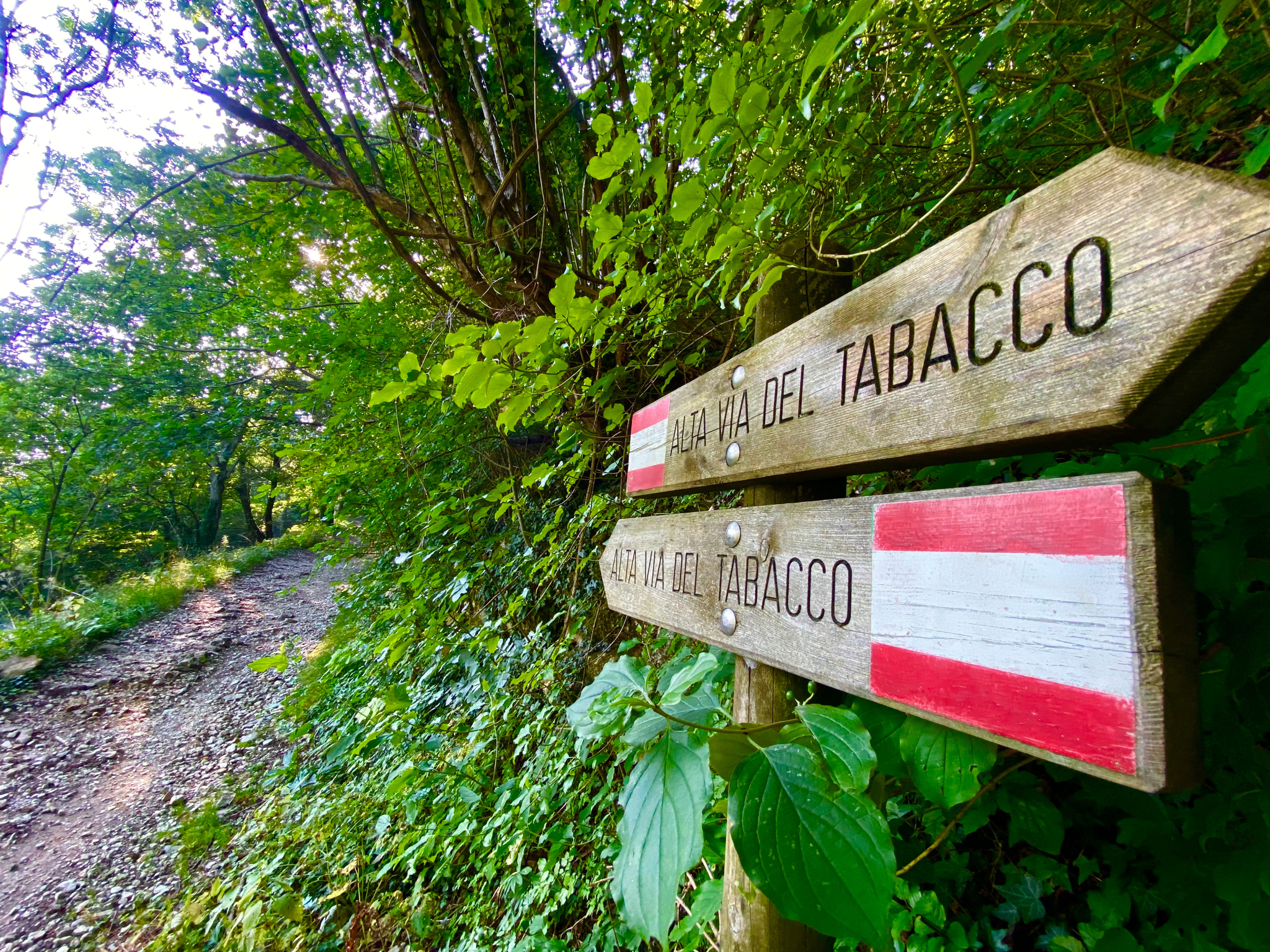
Hike an old smugglers’ road – Alta Via del Tabacco
TCR No. 8 — racing across Europe
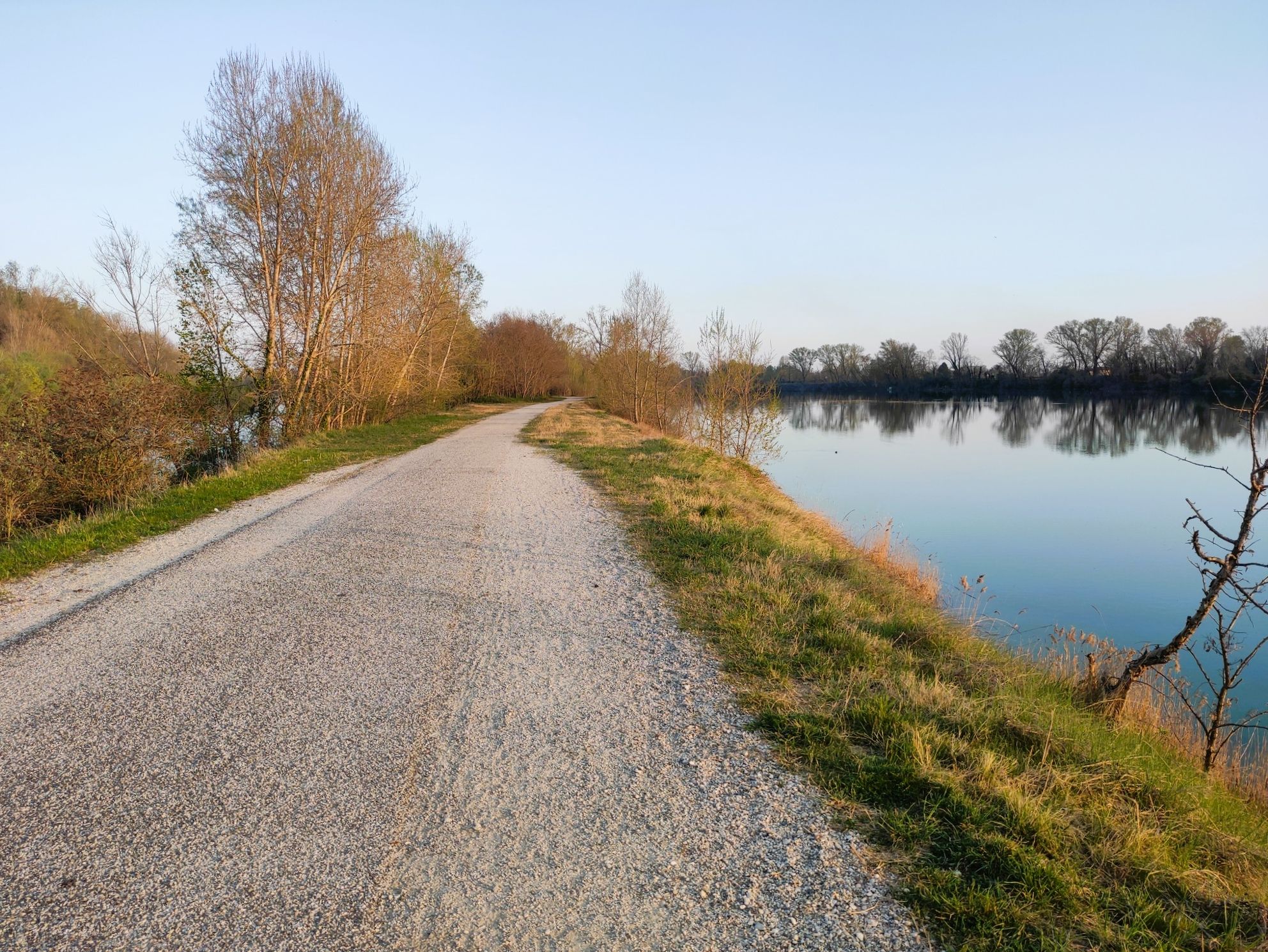
The water loop — gravel riding between Venice, Treviso and Bassano
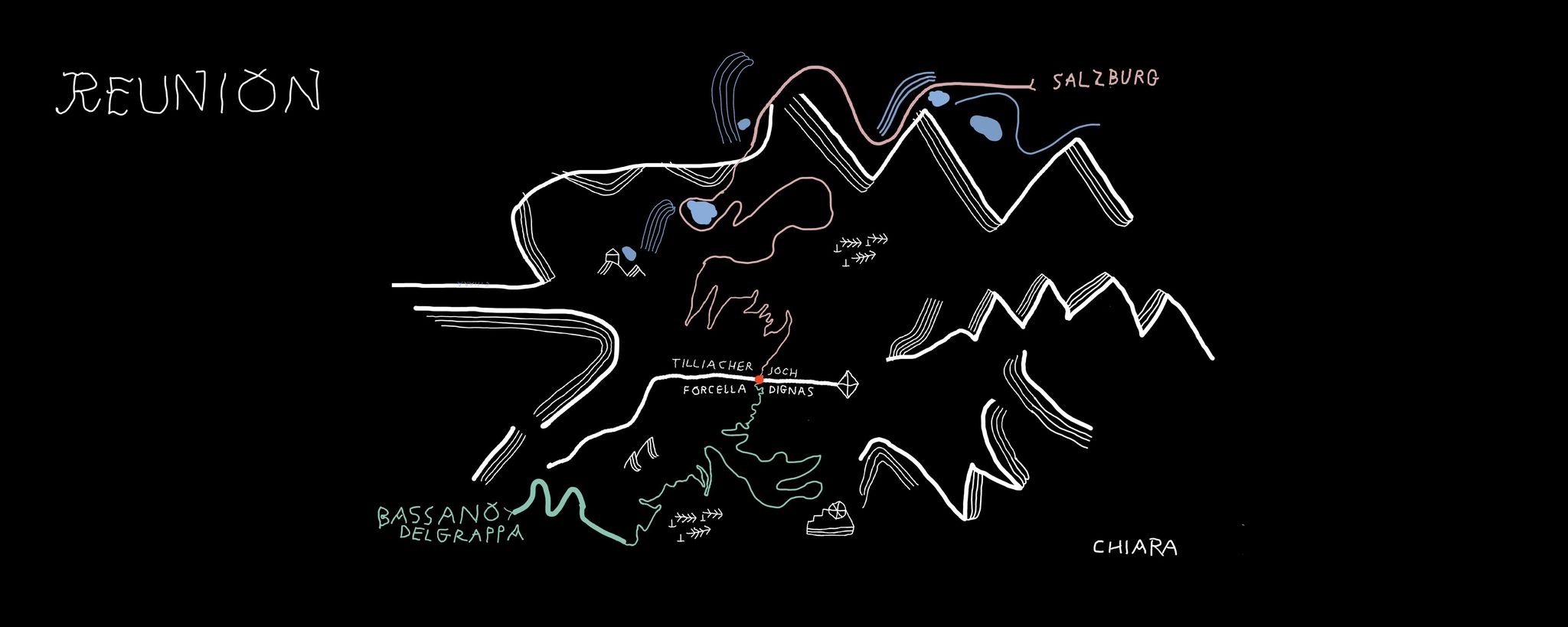
rEUnion – a gravel ride without borders with Max Riese & Bruno Ferraro
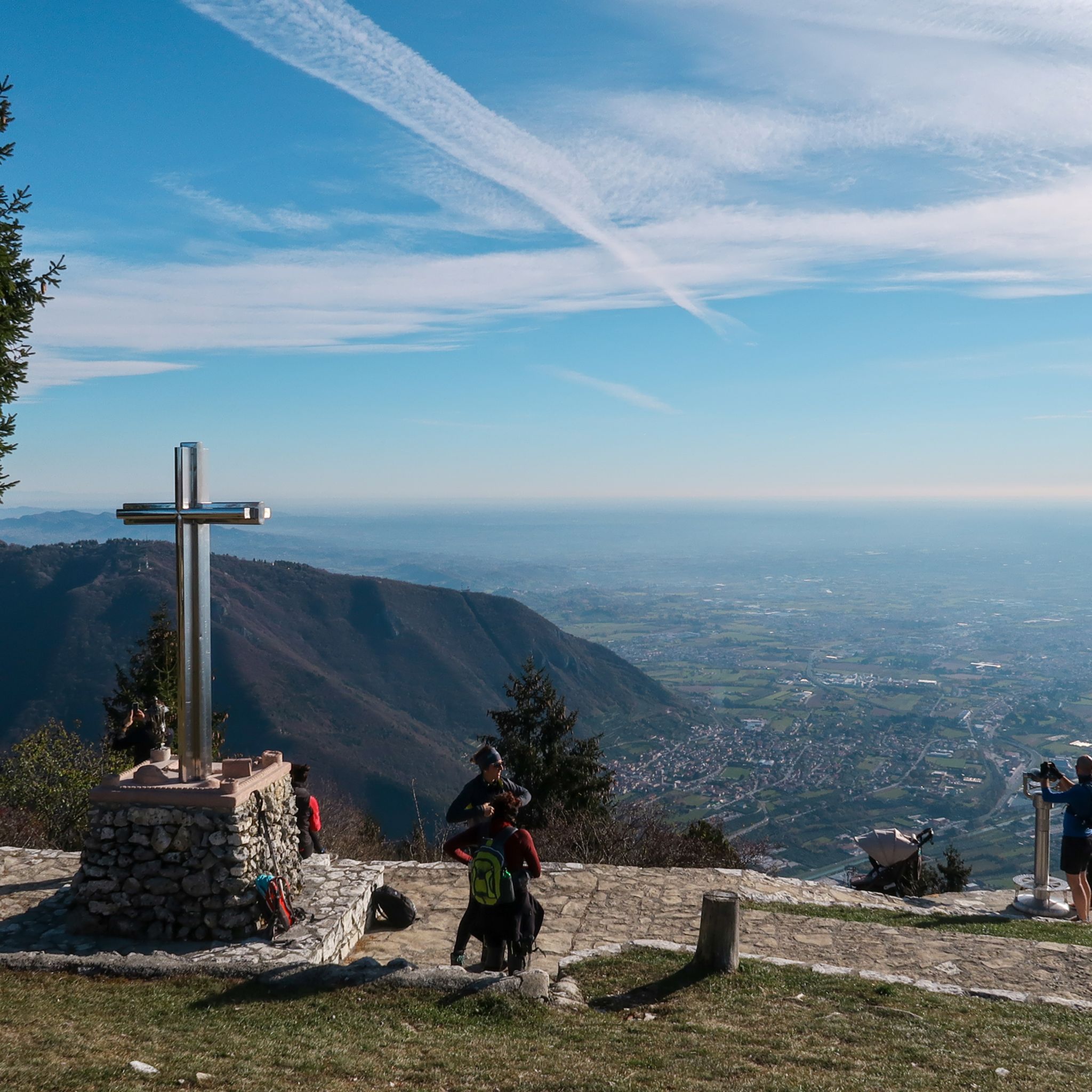
Hiking around Bassano Del Grappa
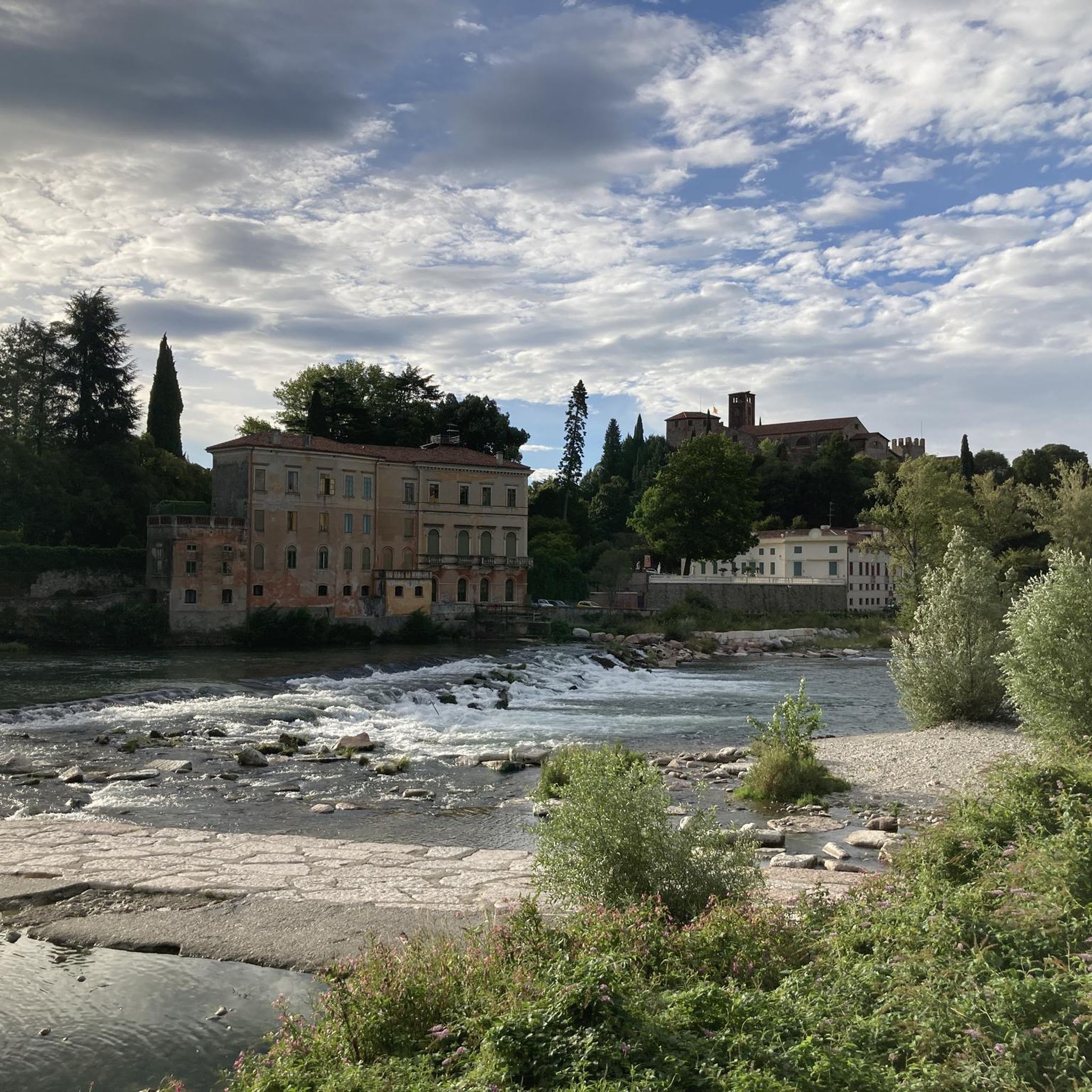
Road Cycling Routes around Bassano Del Grappa
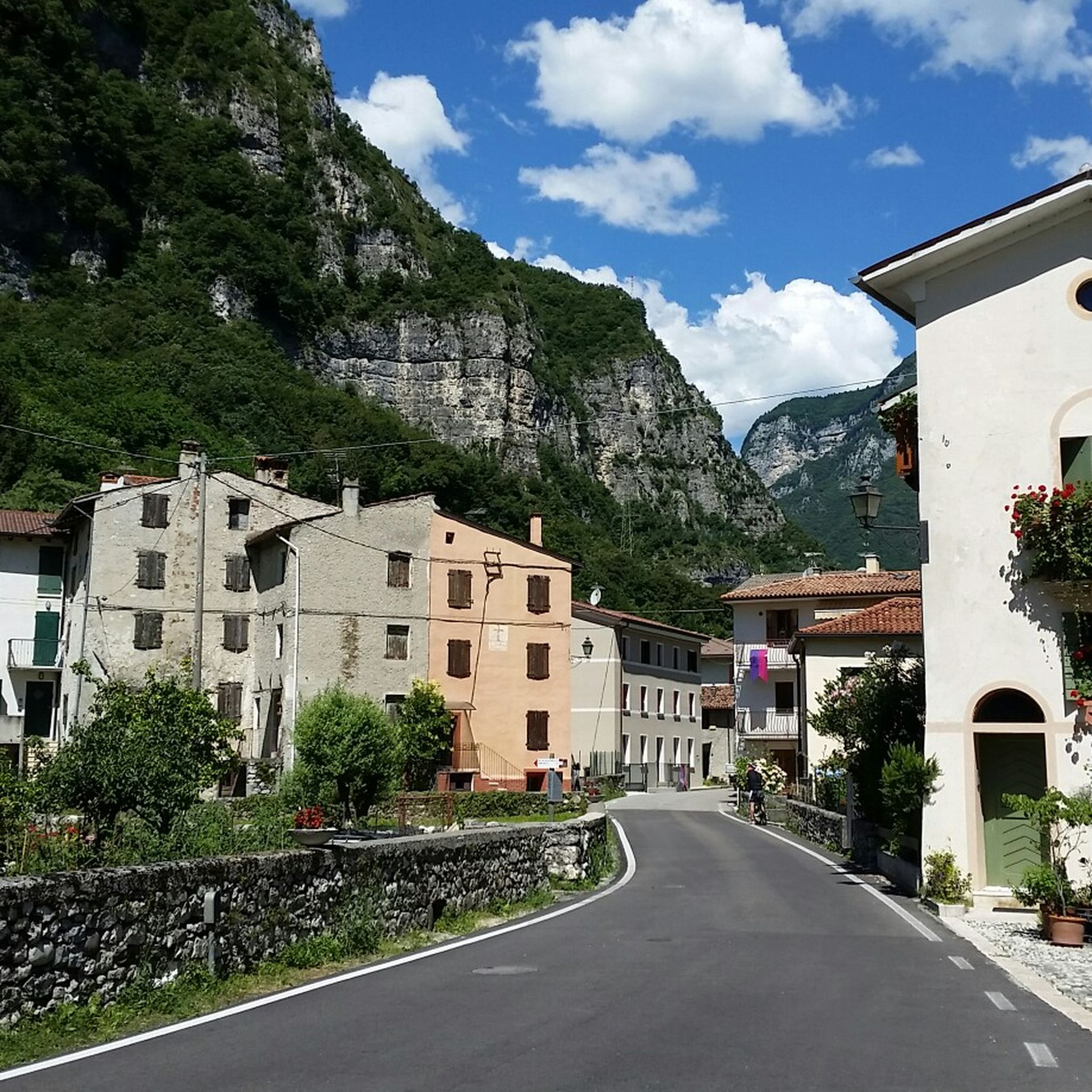
Cycling around Bassano Del Grappa
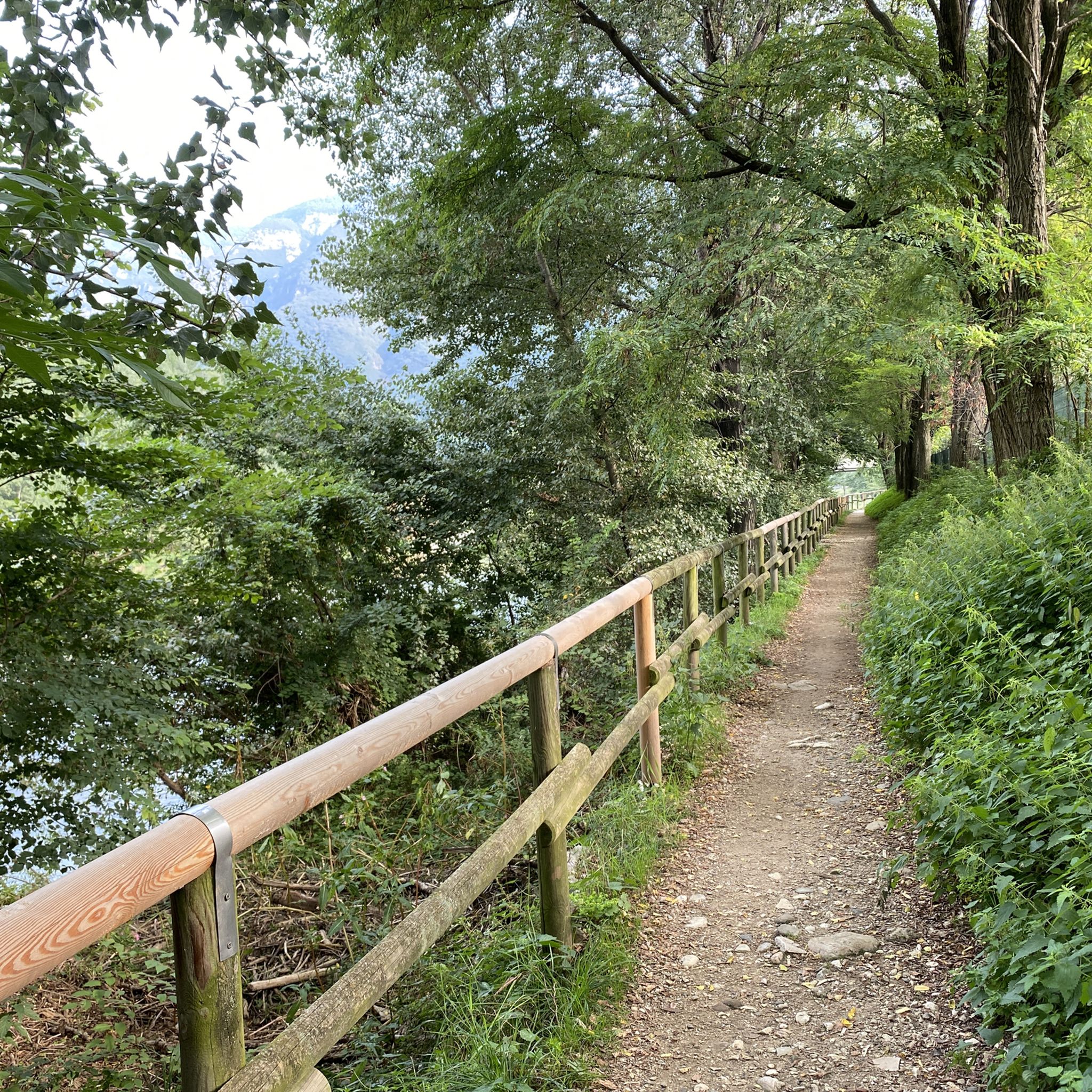
MTB Trails around Bassano Del Grappa
Other adventures around Bassano Del Grappa


Tips from the Community

A simply wonderful place, easy to reach from the Carpanè-Valstagna station, following a well-marked path along the Brenta River. The staff was equally fantastic, allowing us to follow the cave tour in both Italian and English (part of my group didn't speak Italian). I recommend going in spring; it's cooler and there's usually less traffic, so you can enjoy it all better. ;)
0
0

The Trenchers of Monte Campolongo - not to be confused with the mountain of the same name and its fort exactly on the opposite western side of the Asiago Plateau - are a long and deep Italian trench from the First World War, dug on a promontory which dominates the final stretch of the Val Brenta. It had no active role during the Great War, but served as an extreme bulwark to prevent a possible invasion of the Austro-Hungarian army from Valsugana. Cleaned and recovered, it features walkways, outposts, tunnels and shelters in a dense and silent forest: today the vegetation largely covers the view, especially in summer, but at the time the view of the valley was clean. You can follow the winding of the trench from inside or from above, along a path complete with little bridges... or a little and a little!
2
0

The Oliero caves are a complex of caverns located on the slopes of the Sette Comuni plateau, near the hamlet of Oliero (municipality of Valbrenta). Much of the water that penetrates through the plateau above flows from the caves, a classic example of karst phenomena. There are four caves currently open to the public: Covol dei Veci and Covol dei Siori from which the Oliero river flows; while the two upper ones, Covol dei Assassini and Covol dee Soree, are now dry. To visit the caves it is necessary to have a ticket and entry is allowed only with a guide. In the park of the caves it is also possible to visit the museum of speleology and karst phenomena and relax at the bike grill bar.
0
0
Cave with a considerable development of over 400 meters. At the entrance it immediately divides into two narrow and winding branches: the Ramo dei Ghiri, on the right, and the Ramo dee Strighe, on the left. The tunnels are twisted, very narrow (so much so that the backpack is an impediment to leave at the entrance!), in total darkness, with protruding concretions and narrow passages that at a certain point force you to advance on all fours or to crawl. Entering it is quite impressive: avoid if you are afraid of closed and narrow spaces, complete darkness, bats, cave crickets, spiders (present in the initial meters) and various creatures of the darkness! According to legend, the anguane live near a water source or a stream, inside caves or grottos: hence the toponym 'buso' = hole in Venetian dialect, to be understood as a home or refuge. https://www.ecovicentino.it/esplorare-il-vicentino/la-valle-delle-anguane-e-la-carega-del-diavolo-a-laverda/
1
0

Impressive as the sound rumbles in the caves, I can hardly believe that the few surviving boys came home completely unnerved, try it. Beware of the few bats, if you see them try not to disturb them
1
0
L'oliero is a show and if you've never been to the caves you don't know what you're missing. Go there
0
0

The caves of Oliero are beautiful. In MTB near the entrance there is a stand, a pump and a screwdriver for small maintenance. Drinking fountain with fresh water to fill the bottles.
4
0

Karst caves to visit a few meters from the road and the Brenta, very cold water!
4
1
Frequently Asked Questions
Are there any family-friendly caves to visit near Bassano del Grappa?
Yes, the Oliero Caves are highly recommended for families. They offer a unique boat trip into the cave system and are part of a natural park with trails and a museum. The Oliero River area itself is also considered family-friendly, especially on warm days.
What are the most unique natural features of the caves in the region?
The Oliero Caves are notable for being the source of the Oliero River, one of Europe's shortest rivers, and offer boat tours through impressive karst formations. The Grotte del Caglieron, while a bit further afield, feature a fascinating mix of natural caves, waterfalls, and a gorge with wooden walkways.
Are there caves with historical significance near Bassano del Grappa?
Absolutely. The War Caves are an impressive historical site known for their echoing sounds and historical context. Additionally, the Campolongo Trenches (WW1) feature cave elements, including walkways, outposts, tunnels, and shelters from the First World War, dug into a promontory.
What is the best time of year to visit the caves around Bassano del Grappa?
The Oliero Caves are generally open from April to November. Visiting in spring is often recommended as it's cooler and typically less crowded, allowing for a more enjoyable experience.
Can I explore the caves with a guide?
Yes, for the Oliero Caves, entry is allowed only with a guide, especially for the boat tour into the 'Covol dei Siori'. These guided tours provide environmental and naturalistic insights into the formations.
Are there any caves that involve human-made structures or historical interventions?
Yes, the Grotte del Caglieron are a unique blend of natural caves and man-made excavations. Starting in the 16th century, local people extracted 'piera dolza' stone from these caves for architectural elements. The Campolongo Trenches (WW1) also represent significant human intervention with their dug-out tunnels and shelters.
What kind of outdoor activities can I do near the caves?
The region offers various outdoor activities. You can find numerous hiking trails, including moderate and difficult options. There are also extensive cycling routes and MTB trails around Bassano del Grappa, suitable for various skill levels.
Is there parking available near the main cave attractions?
While specific parking details for every cave are not provided, major attractions like the Oliero Caves typically have visitor facilities, which often include parking. It's advisable to check the official websites for the most current information on parking availability and fees.
What should I wear when visiting the caves?
Caves maintain a consistent cool temperature year-round, so it's recommended to wear layers, even in summer. Comfortable walking shoes with good grip are essential, especially if you plan to explore areas with uneven terrain or wooden walkways, such as at the Grotte del Caglieron. A small flashlight can also be useful for darker sections, as noted for the Small Tunnel in the Rock.
Are dogs allowed inside the caves or on boat tours?
Policies regarding dogs can vary. For the Oliero Caves, it's best to check their official policy directly, especially concerning boat tours. While the natural park surrounding the caves might be dog-friendly, access inside the caverns or on specific tours often has restrictions for safety and preservation reasons.
What is the geology of the caves around Bassano del Grappa?
The caves in this region are primarily karstic, formed by the dissolution of soluble bedrock, mainly limestone. This process creates intricate underground systems, including stalactites, stalagmites, and underground rivers, as seen in the Oliero Caves, where water penetrates through the Sette Comuni plateau.
Are there any unique uses for the caves in the area?
Yes, the Grotte del Caglieron features the Grotta di San Lucio, also known as the Cave of San Lucio, which is uniquely used for ripening cheese. Slabs of raw milk cheese are aged here for several months, developing a distinct flavor due to the cave's special microclimate.
Most popular routes around Bassano Del Grappa
Most popular attractions around Bassano Del Grappa

Get inspired with the komoot mobile app


Explore more
Extend your search for the best caves by checking out these guides of the top ones around Bassano Del Grappa:
