Top 19 Caves around Calvene
Best caves around Calvene are found within the Province of Vicenza, a region characterized by its pre-Alpine landscape and significant karst formations. This area, including the municipality of Calvene, features a diverse geological makeup, offering both natural caves and historical underground structures. The landscape is marked by valleys, mountains, and a rich history, particularly evident in its numerous underground sites. These sites provide insights into both natural geological processes and human historical activities.
Best caves around Calvene
- The most popular…
Last updated: October 3, 2026
Gun Emplacement Tunnel of Monte Cengio
Highlight • Historical Site
Translated by Google •
Tip by

Anguane's Cave
Highlight • Cave
Translated by Google •
Tip by

Sign up now to discover places like this
Get recommendations on the best single tracks, peaks, & plenty of other exciting outdoor places.
WW1 Command Gallery
Highlight • Historical Site
Translated by Google •
Tip by
Stonhaus Sinkhole
Highlight • Cave
Translated by Google •
Tip by
Bocca Lorenza (cave)
Highlight • Cave
Translated by Google •
Tip by
Sign up for free to discover even more caves around Calvene.
Already have an account?
Start today with a free account
Your next adventure awaits.
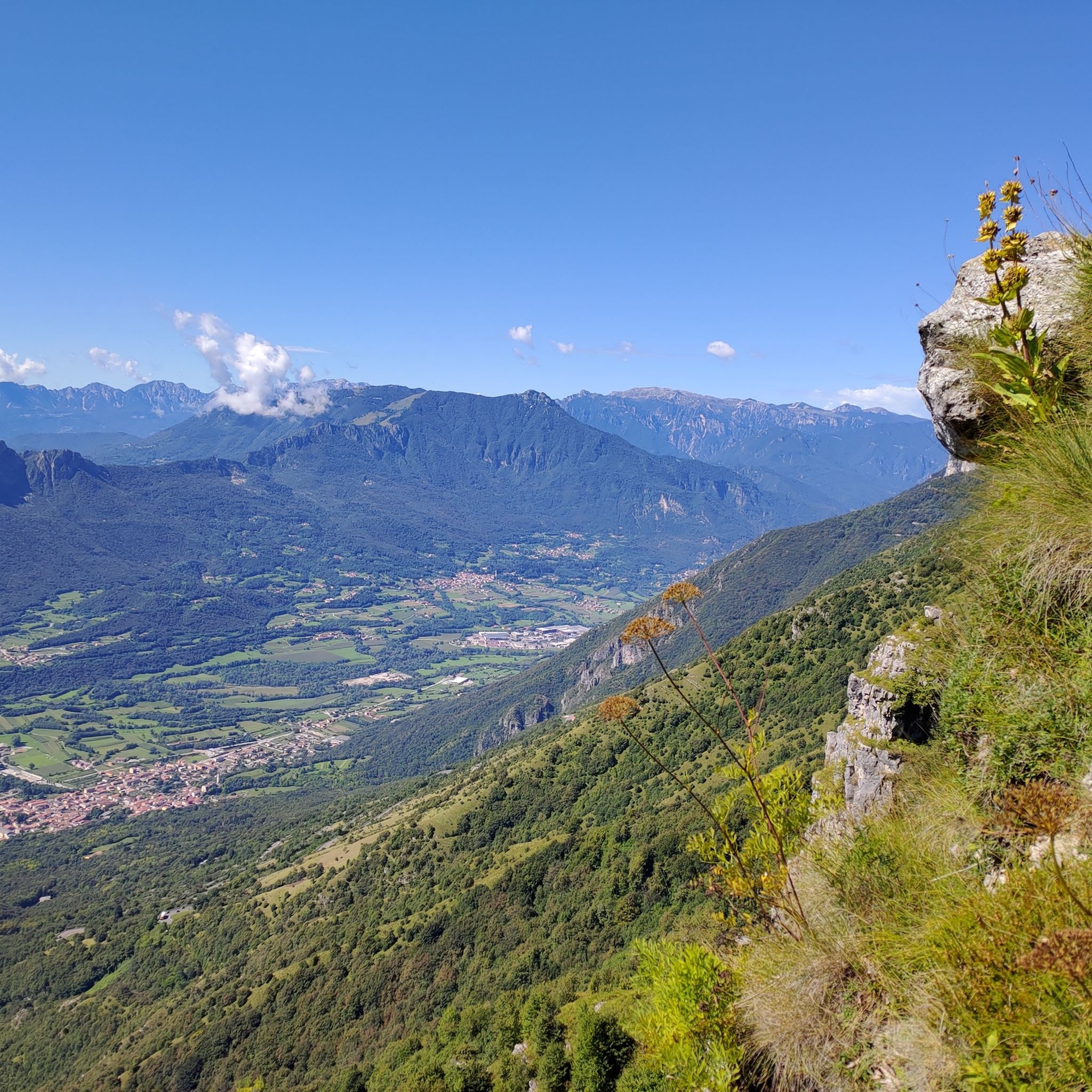
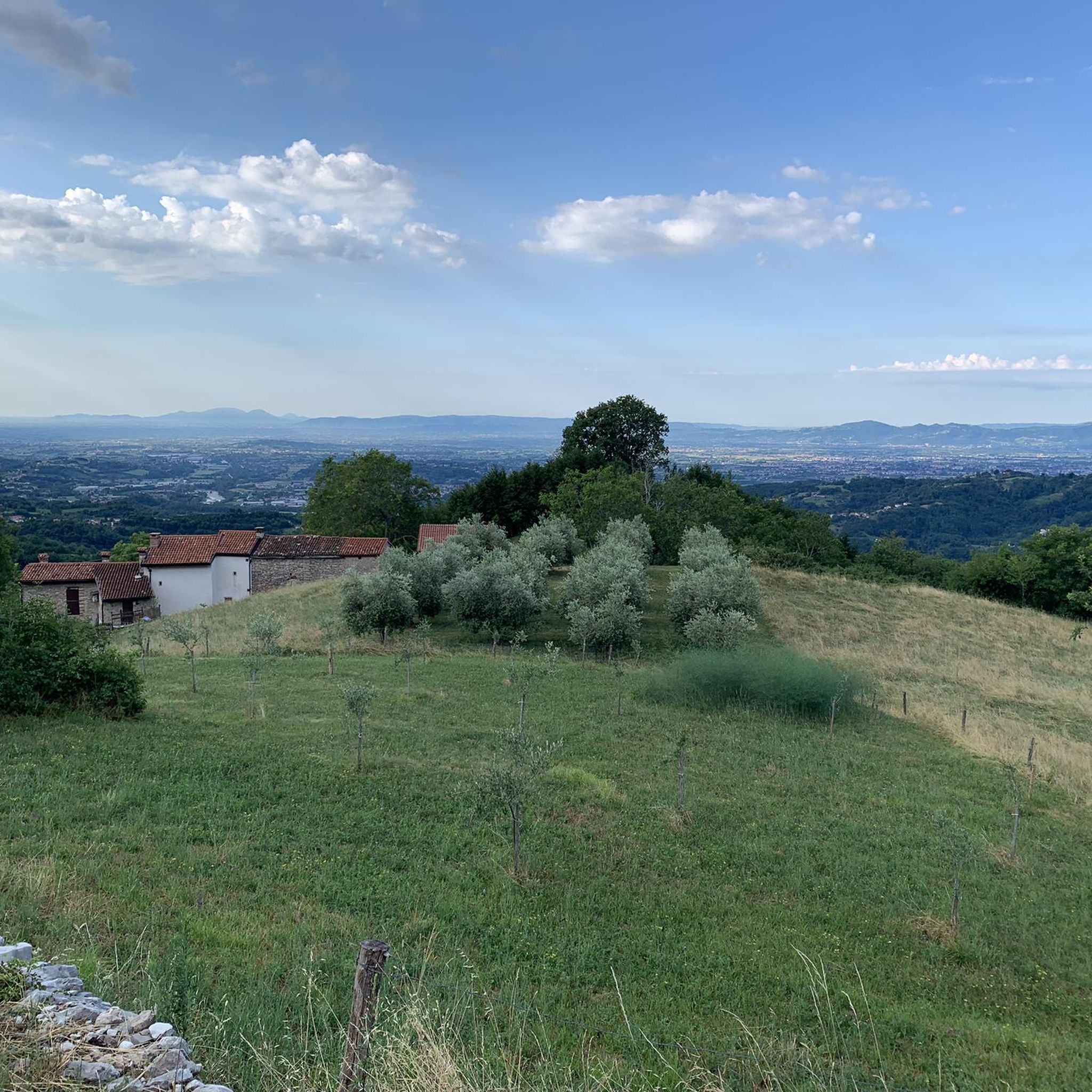
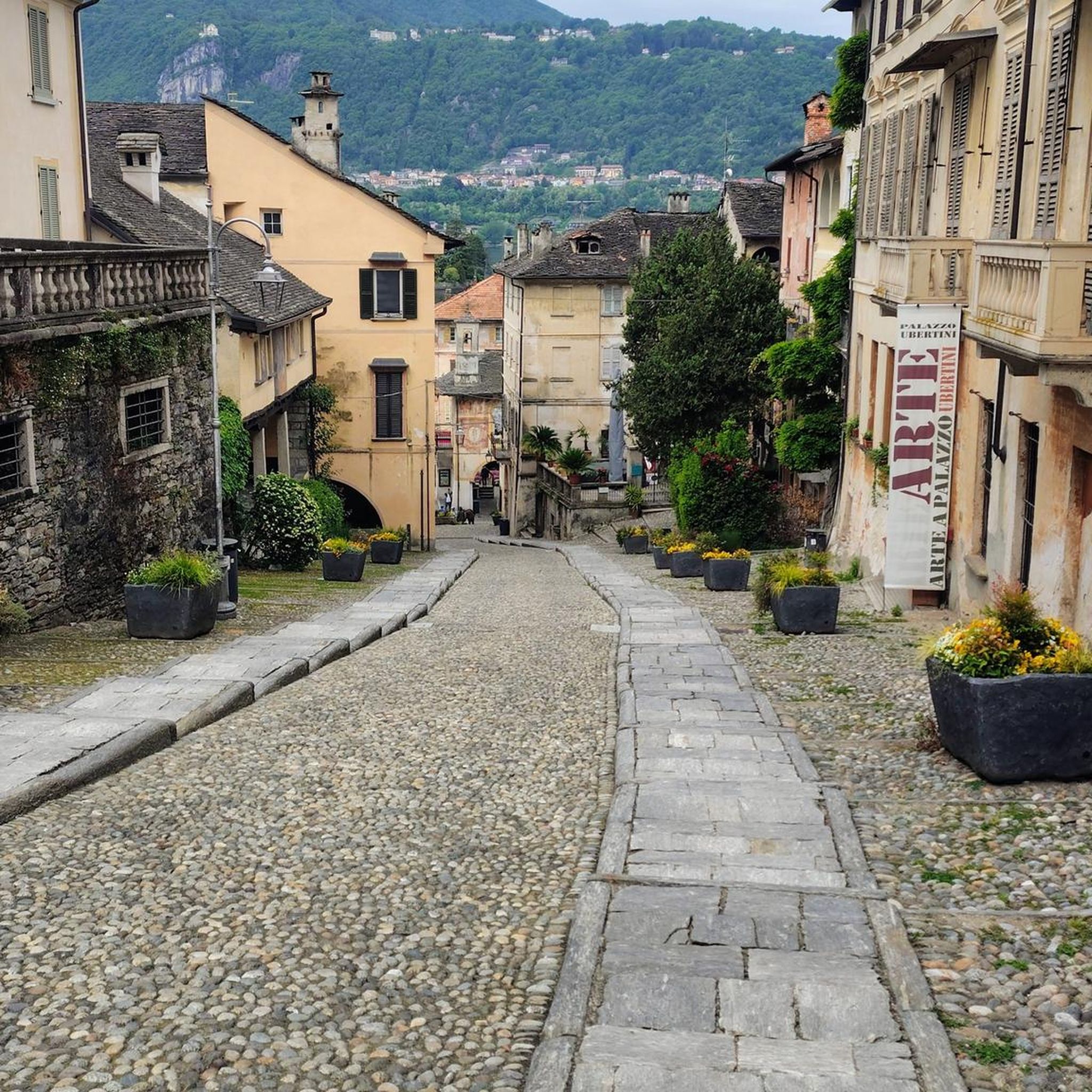
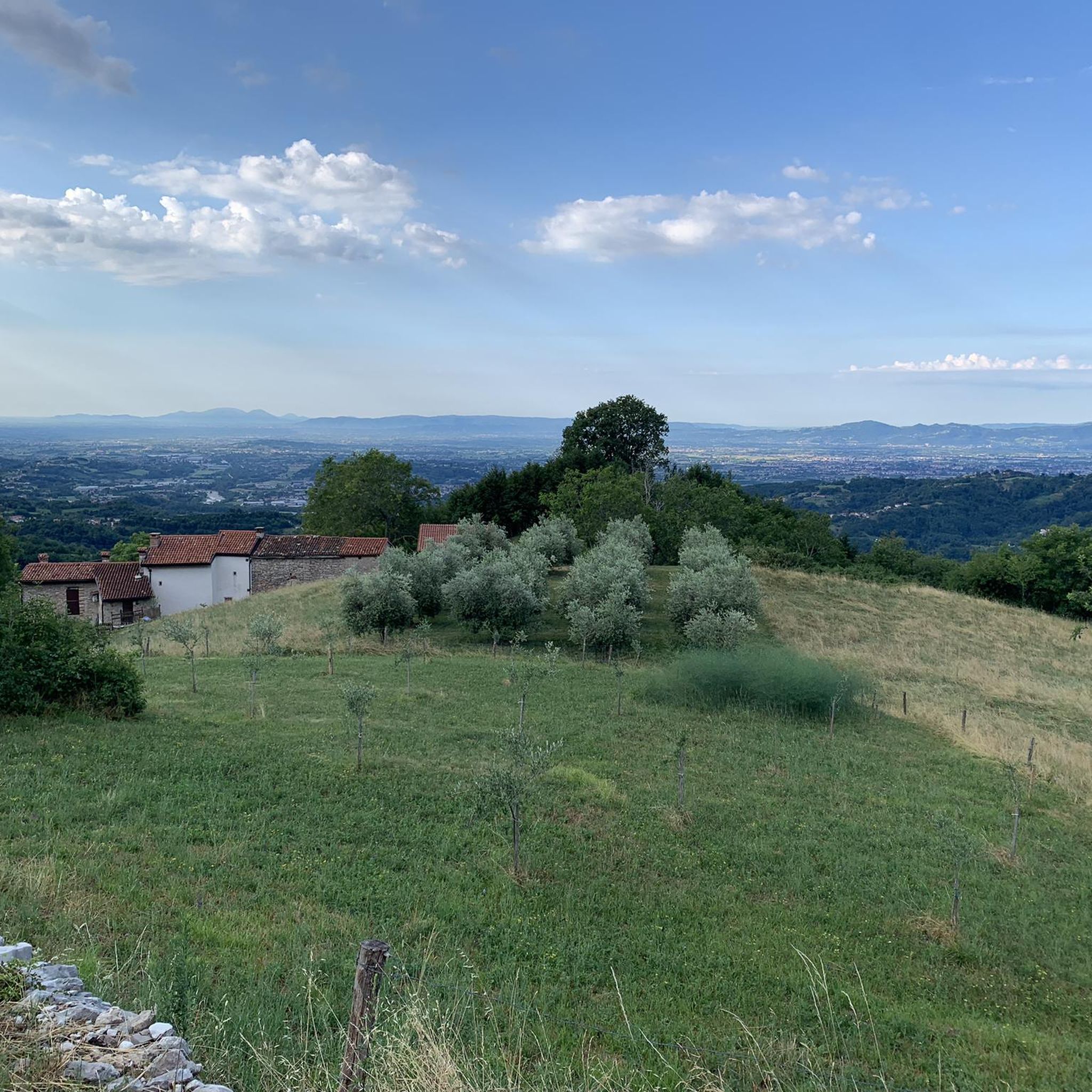

Tips from the Community

When you pass by and observe this place, try to imagine the work done by young people in their early twenties in prohibitive conditions.
0
0

It is very useful to bring a headlamp with you.
0
0

Bring a flashlight and go dark.
0
1

74 meter long tunnel with no exit and 4 final outlets where the artillery was positioned. A light was needed.
0
0


Frequently Asked Questions
What are some notable natural caves near Calvene?
While Calvene itself is a small municipality, the wider Province of Vicenza offers several significant natural caves. The Anguane's Cave is a tranquil natural setting with a dry stream bed. Further afield, you can explore the Grotte di Oliero, known for their underground river and guided boat tours, or the extensive Buso della Rana, one of Italy's largest cave systems. The Stonhaus Sinkhole is also a spectacular natural chasm formed by a collapsed karst cave.
Are there any historical caves or tunnels to explore around Calvene?
Yes, the area around Calvene has several historical underground sites, particularly from World War I. You can visit the Gun Emplacement Tunnel of Monte Cengio, which was an Italian military post, or the WW1 Command Gallery, which served as a command post and first aid station. The Bocca Lorenza cave also has historical significance, with archaeological finds dating back to prehistoric times.
Which caves near Calvene are suitable for families?
For a family-friendly experience, the Grotte di Oliero are an excellent choice. They offer guided boat tours through illuminated caves, a natural park, and a Speleological Museum, making it an educational and engaging outing for all ages. The Anguane's Cave offers a tranquil natural setting for a simpler visit.
What kind of caving experiences are available for beginners or those seeking adventure?
For a more adventurous experience, the Buso della Rana offers guided tours into its extensive underground world, though some sections require expert speleologists due to challenging terrain. The Bocca Lorenza cave can be freely visited, but requires a headlamp, helmet, and experience due to its wet and slippery conditions. For beginners, the guided boat tours at Grotte di Oliero provide an accessible and fascinating introduction to caving.
When is the best time to visit the caves in the Vicenza region?
The Grotte di Oliero are best visited from March to October. Other natural sites like the Cascate del Gorgo Santo can be visited year-round, offering views of ice pinnacles in winter and a cool retreat in summer. Always check specific opening hours and conditions for each cave, especially for more adventurous caving, as high water levels can affect accessibility.
Are there any caves near Calvene that are accessible for people with mobility challenges?
Information on specific accessibility features for all caves is limited. However, the Grotte di Oliero, with its guided boat tours, might offer a more accessible experience compared to other caves that involve walking or crawling through uneven terrain. It is recommended to contact the specific cave management directly for detailed accessibility information before planning your visit.
What outdoor activities can I do near these caves?
The region around Calvene offers various outdoor activities. You can find numerous running trails, including moderate and difficult loops. For cyclists, there are road cycling routes and gravel biking trails, ranging from moderate to difficult, allowing you to explore the pre-Alpine landscape.
Do I need a permit or special equipment for caving near Calvene?
For guided tours in commercial caves like Grotte di Oliero, permits are typically not required beyond the entrance fee, and necessary equipment like helmets might be provided. For more challenging caves like Buso della Rana or the freely accessible Bocca Lorenza cave, proper equipment such as a headlamp and helmet is essential, and for the most complex sections, expert guidance or permits for speleologists may be necessary. Always check with local caving clubs or official sources for specific requirements.
What geological features can be observed in the caves around Calvene?
The caves in the Vicenza region are rich in geological features. The Grotte di Oliero are a major karst spring with impressive concretions, including a 14-meter-high alabaster stalactite waterfall. The Buso della Rana is an extensive karst system with underground lakes and siphons, and fossil discoveries like shark teeth indicate a marine paleoenvironment. The Stonhaus Sinkhole is a spectacular chasm formed by a collapsed karst cave roof.
Are there any less crowded caves to visit near Calvene?
While popular sites like Grotte di Oliero can attract visitors, exploring natural features like the Cascate del Gorgo Santo e Grotta Superiore offers a beautiful natural spectacle that might be less crowded, especially outside peak tourist times. The Anguane's Cave also offers a tranquil experience in a unique natural setting.
What should I wear for caving near Calvene, especially in summer?
Caves generally maintain a constant cool temperature year-round, typically around 12-13°C (54-55°F), regardless of the outside weather. Therefore, even in summer, it's advisable to wear layers, including a long-sleeved shirt and trousers, to stay warm. Sturdy, closed-toe shoes with good grip are essential due to potentially wet and slippery surfaces. For more adventurous caving, waterproof clothing might also be beneficial.
Most popular routes around Calvene
Most popular attractions around Calvene

Get inspired with the komoot mobile app


Explore more
Extend your search for the best caves by checking out these guides of the top ones around Calvene:
