Top 20 Caves around Posina
Best caves around Posina are found within the mountainous terrain of the Vicenza province in Italy. This region provides access to various subterranean sites, encompassing both natural cave systems and historical excavations. The area is notable for its geological features and historical significance, particularly concerning World War I. These locations offer opportunities to explore natural formations and man-made structures.
Best caves around Posina
- The most popular caves is Gun Emplacement Tunnel of Monte Cengio, a historical site that served…
Last updated: August 9, 2026
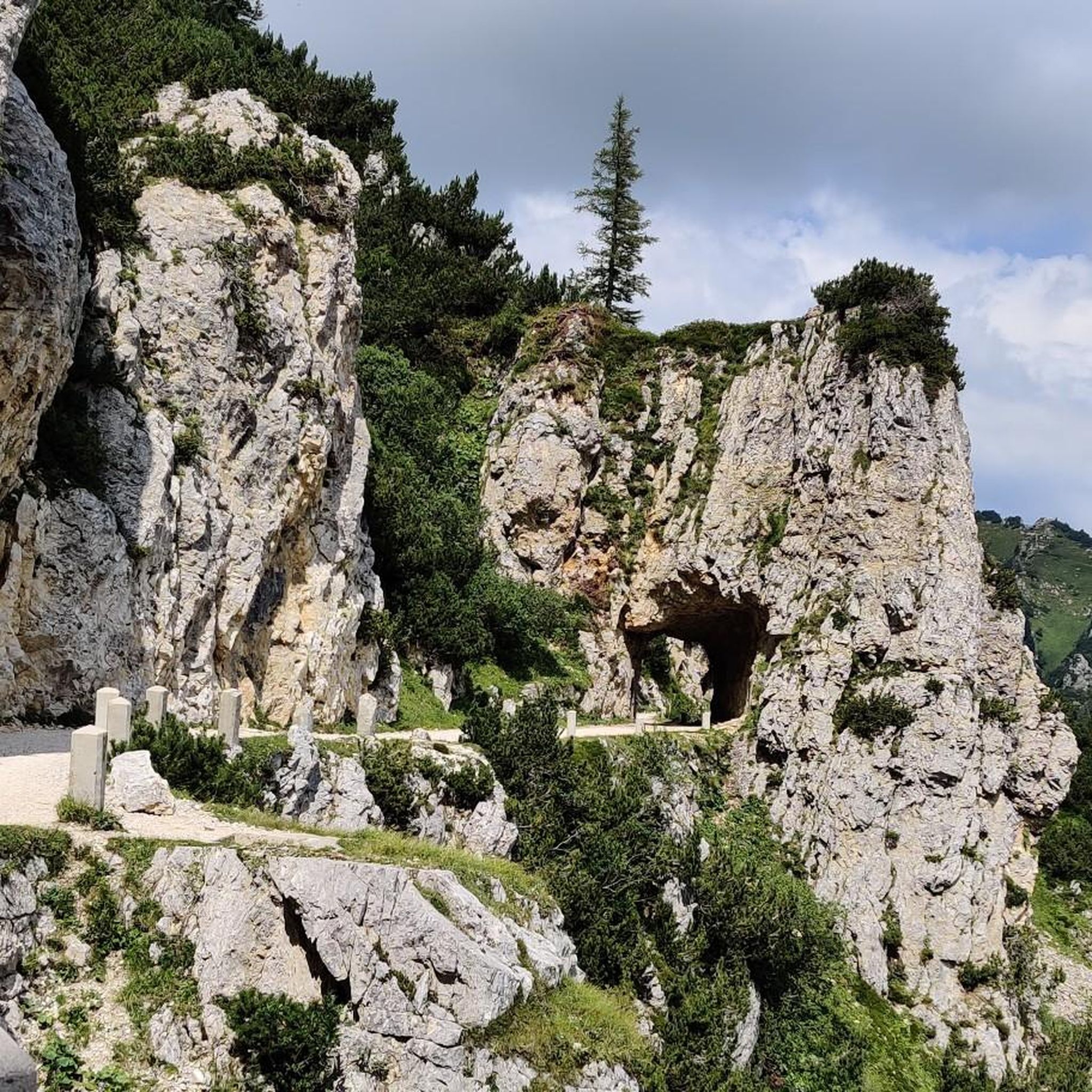
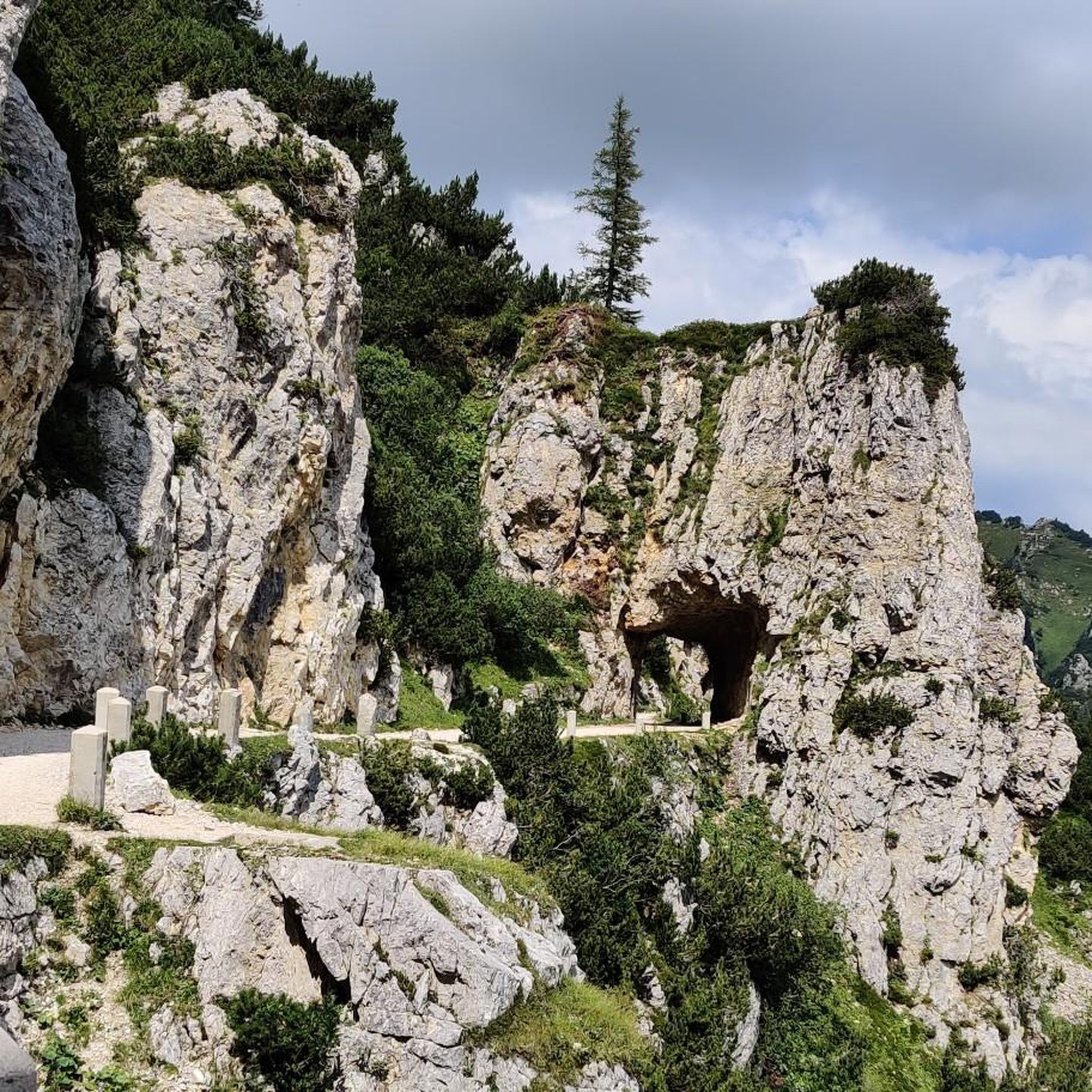
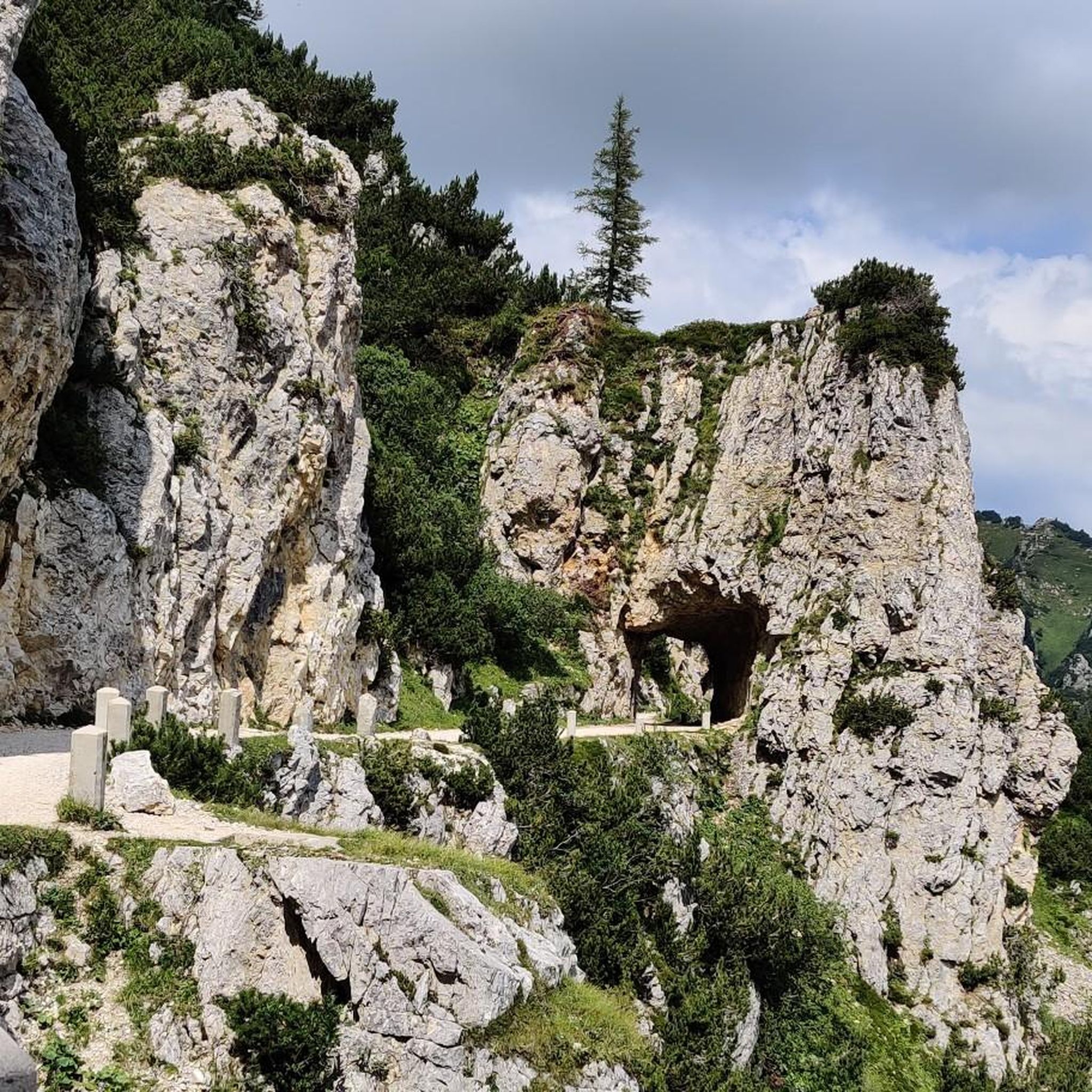
Gun Emplacement Tunnel of Monte Cengio
Highlight • Historical Site
Translated by Google •
Tip by

WW1 Command Gallery
Highlight • Historical Site
Translated by Google •
Tip by
Sign up now to discover places like this
Get recommendations on the best single tracks, peaks, & plenty of other exciting outdoor places.
Sign up for free
Corno Battisti
Highlight • Summit
Translated by Google •
Tip by
The WWI Fort
Highlight • Historical Site
With the great Spring Offensive of 1916—nicknamed the 'Strafexpedition,' or Punitive Expedition—the Imperial Army aimed to break through the …
Translated by Google •
Tip by
Neutral Elevation Tunnel (Cimone)
Highlight • Cave
Translated by Google •
Tip by
Sign up for free to discover even more caves around Posina.
Sign up for free
Already have an account?
Start today with a free account
Your next adventure awaits.
Login or Signup
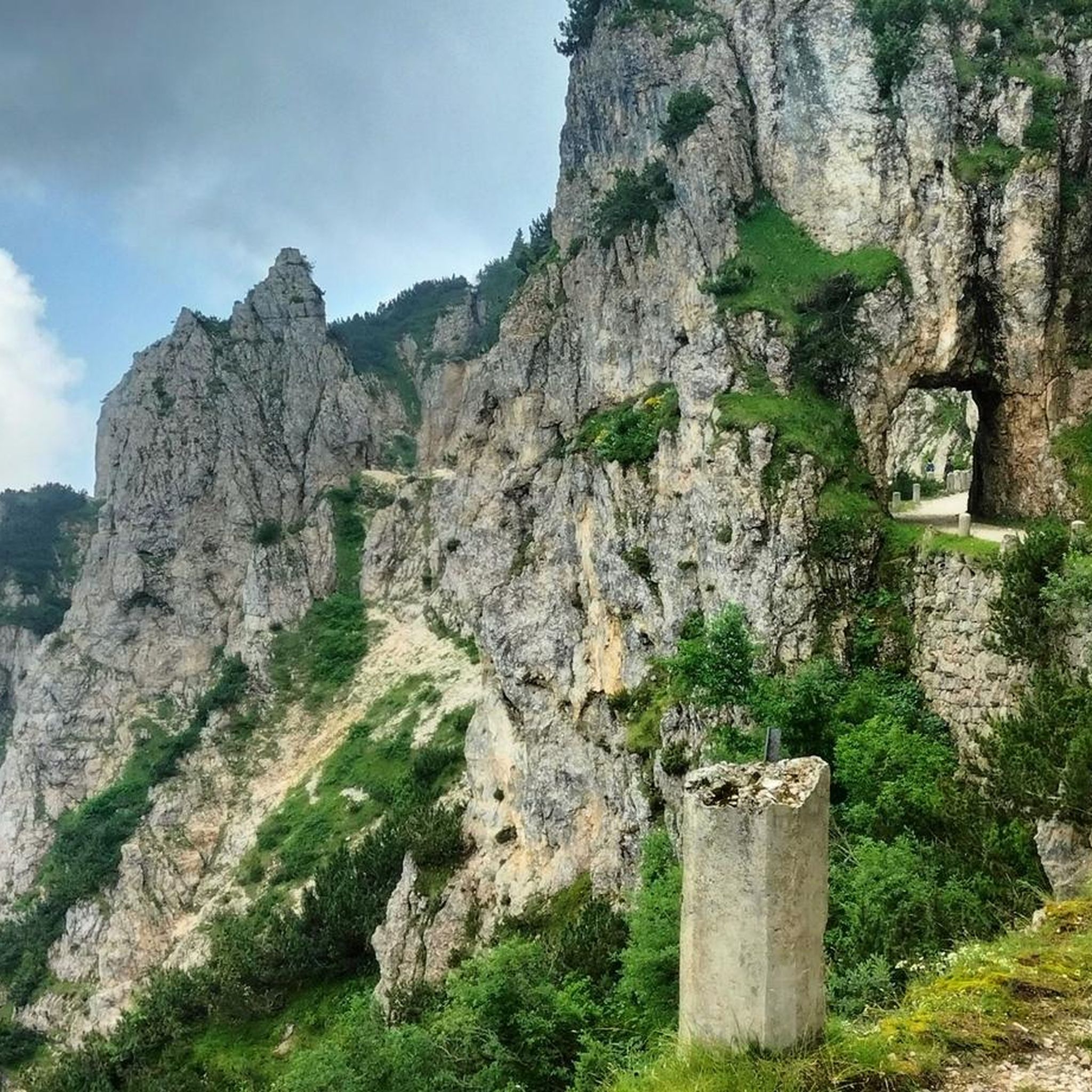
Tips from the Community

When you pass by and observe this place, try to imagine the work done by young people in their early twenties in prohibitive conditions.
0
0

It is very useful to bring a headlamp with you.
0
0

Bring a flashlight and go dark.
0
1

74 meter long tunnel with no exit and 4 final outlets where the artillery was positioned. A light was needed.
0
0

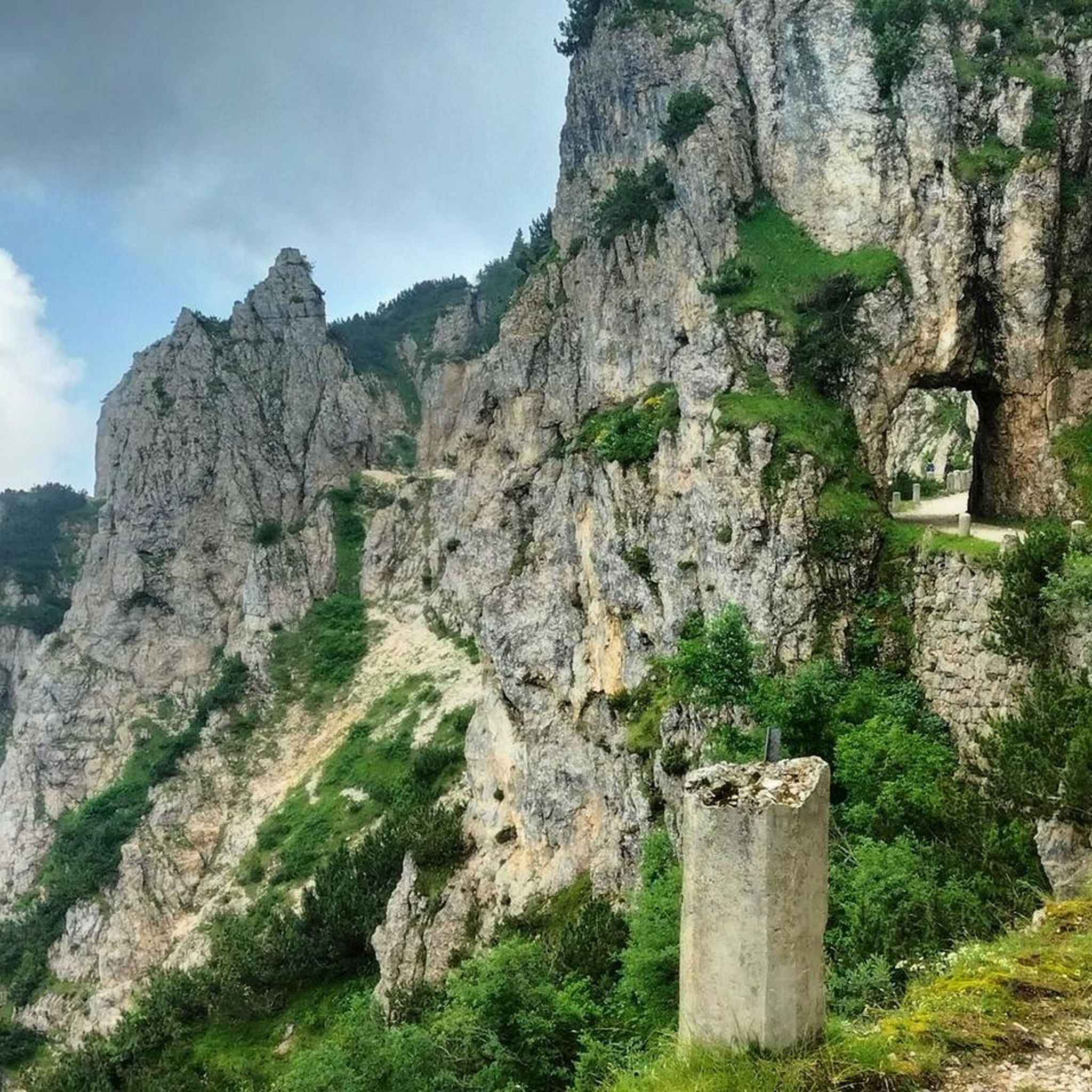
Corno Battisti, an isolated rocky bastion of the Pasubio Group, overlooking the Vallarsa Valley, offers a spectacular view of the long valley and the surrounding mountains: Pasubio, Sengio Alto, Carega, and Monte Zugna. Precisely because of its strategic position, it was fiercely contested during the First World War: the ability to monitor all troop and supply movements along the valley floor from up there made Corno a crucial point to be occupied and defended at all costs... it was in fact nicknamed "the eye of Pasubio" or "the spy of Vallarsa." At the beginning of the conflict, it was a garrison of the Italian army, but with the Strafexpedition of 1916, it was occupied by the Austro-Hungarians. Unable to recapture it, the Italians dug a mine tunnel from below to pierce the Corno and blow up the summit; the Imperials, in turn, dug a countermine tunnel from above. Everything was ready for the detonation, but a coup by a few brave men allowed the peak to be retaken by the Royal Army, which held it until the end of the war. The Austro-Hungarian observatory still survives at the summit. The bowels of the promontory are instead carved out by a surprising and easily navigable labyrinth of dark, damp tunnels with steep steps (EE). In 1916, near the summit, the Austro-Hungarians captured the irredentists Cesare Battisti and Fabio Filzi. They were immediately taken to Trento and hanged at Buonconsiglio Castle as traitors. For this reason, the peak, known at the time as 'Corno della Vallarsa', was renamed 'Corno Battisti' after the war. https://it.wikipedia.org/wiki/Monte_Corno_Battisti https://www.esercito.difesa.it/storia/pagine/monte-corno.aspx
3
0

Frequently Asked Questions
What historical sites can I explore in the caves around Posina?
The region around Posina is rich in historical cave sites, particularly from World War I. You can visit the Gun Emplacement Tunnel of Monte Cengio, an Italian military post, or the WW1 Command Gallery, which served as a command post and first aid station. Corno Battisti also features a labyrinth of historical tunnels.
Are there natural cave systems to explore near Posina?
Yes, the area offers significant natural cave systems. The Bocca Lorenza cave is a natural cavity with archaeological significance, featuring a series of rooms. Further afield, the Buso della Rana is one of Italy's largest cave systems, known for its extensive passages, underground lakes, and diverse geological features.
What kind of geological features can I expect to see in the caves?
The caves around Posina showcase various geological wonders. The Buso della Rana, for instance, features impressive concretions, siphons, and evidence of a marine paleoenvironment with shark teeth and crab fossils. The Buso della Neve del Zingarella is notable for its significant snow and ice formations, including bulbous ice stalagmites.
Are there caves suitable for beginners or those looking for an easier exploration?
For a relatively accessible natural feature, the Tri Oci Sinkhole, also known as 'Three Eyes,' is an 8-10 meter deep vertical cave with old metal stairs allowing descent into one chimney. For historical sites, the Gun Emplacement Tunnel of Monte Cengio is a wide and majestic gallery that is easier to navigate.
What options are available for experienced cavers seeking more challenging expeditions?
Experienced cavers can find more rugged experiences. The Buso della Rana offers adventurous speleological experiences, often involving navigating tight passages and traversing underground lakes by dinghy. The Buso della Neve del Zingarella on the Altopiano dei Sette Comuni requires rope descents to access deeper sections with ice formations, offering a more challenging alpine speleology experience.
Can I take a guided tour of the caves near Posina?
Guided tours are often organized for more complex cave systems like the Buso della Rana, which can involve specialized equipment and navigation through challenging sections. For sites like Bocca Lorenza, the interior can be freely visited but requires experience and adequate equipment like a headlamp and helmet.
What equipment or clothing is recommended for exploring caves in this region?
For natural caves like Bocca Lorenza, a headlamp and helmet are essential due to the dark, humid, and often slippery conditions. The temperature inside is consistently around 13 degrees Celsius, so appropriate layers are advisable. For more advanced caving, specialized gear like ropes and dinghies may be necessary.
What outdoor activities can I combine with a visit to the caves near Posina?
The mountainous terrain around Posina is ideal for various outdoor activities. You can find numerous mountain hikes, road cycling routes, and running trails in the area. These routes often pass by or offer views of the historical and natural sites.
Are there hiking trails close to the caves around Posina?
Yes, many caves are integrated into or accessible via hiking trails. For instance, the area around Monte Cengio, home to the Gun Emplacement Tunnel and WW1 Command Gallery, offers various trails. You can explore mountain hikes around Posina to find routes that include cave explorations.
What is the significance of the former stone quarry in gallery near Posina?
The former stone quarry in gallery offers a unique glimpse into historical quarrying methods. It features a majestic entrance and height, with square cuts in the walls and ceiling revealing how stone layers were isolated and large blocks were detached using non-invasive explosives and metal pins. It's a site of interest for those curious about industrial archaeology and local history.
Are there any caves with archaeological findings near Posina?
Yes, the Bocca Lorenza cave has been the site of excavations since the early 20th century. These digs have unearthed numerous finds, primarily from prehistoric times, indicating its use as a domestic shelter, tomb, and place of worship.
What do visitors enjoy most about the caves around Posina?
Visitors appreciate the diverse experiences offered, from the historical significance of World War I military tunnels like the Gun Emplacement Tunnel of Monte Cengio and WW1 Command Gallery, to the natural beauty and challenge of sites like Bocca Lorenza. The combination of natural formations and man-made structures, often with stunning views, is a major draw.
Most popular routes around Posina
Most popular attractions around Posina

Get inspired with the komoot mobile app


Explore more
Extend your search for the best caves by checking out these guides of the top ones around Posina:
