Top 16 Castles around Fermignano
Best castles around Fermignano are rooted in a region with significant historical depth. The town's strategic location in the Metauro River valley, marked by structures like the Medieval Tower and Roman Bridge, highlights its defensive past. Fermignano, the birthplace of Renaissance architect Donato Bramante, offers a glimpse into ancient origins and medieval fortifications. The area combines historical significance with a landscape that has witnessed pivotal events.
Best castles around Fermignano
- The most popular castles is Ducal Palace, a castle…
Last updated: October 30, 2026
Ducal Palace
Highlight • Castle
Translated by Google •
Tip by

Fortezza Albornoz
Highlight • Historical Site
Translated by Google •
Tip by

Sign up now to discover places like this
Get recommendations on the best single tracks, peaks, & plenty of other exciting outdoor places.
Rocca Torrione of Cagli
Highlight • Castle
Translated by Google •
Tip by

Piobbico
Highlight • Settlement
Showing Translation
Tip by

Brancaleoni Castle of Piobbico
Highlight • Castle
Translated by Google •
Tip by

Sign up for free to discover even more castles around Fermignano.
Already have an account?
Start today with a free account
Your next adventure awaits.

Tips from the Community

Urbino is a city in the Marche region, recognized as a UNESCO World Heritage site for its Renaissance-era historic center. It is located in a hilly area and is characterized by uphill streets, squares, and brick buildings. Among the main sites is the Ducal Palace of Urbino, home to the National Gallery of the Marche. Urbino is also the birthplace of Raffaello Sanzio, with a house-museum that can be visited. The city is home to the University of Urbino Carlo Bo, which contributes to the presence of students throughout the year.
0
0
Piobbico is a beautiful town in the province of Pesaro Urbino with about 1800 inhabitants. It is located in a valley between Monte Nerone and Monte Montiego and stands right at the confluence of two rivers: the Biscubio and the Candigliano. Piobbico is also known as the Land of the Ugly, due to the National Association of the Ugly, founded at the end of the 19th century to allow young women from Piobbico to find a husband; it currently has about 30,000 members and every year, on the first Sunday of September, the World Festival of the Ugly takes place. The festival is famous throughout central Italy and attracts a very large number of people each year.
1
0

The Palazzo Ducale in Urbino is a Renaissance palace and houses the famous Renaissance picture gallery of the Marche.
2
0

Beautiful town, worth taking a break
0
0

The city of Urbino is located on the highest part of a hill which, seen from afar, takes your breath away with such beauty.
2
0

The church of Santa Maria Assunta is the main Catholic place of worship in Urbino and cathedral of the archdiocese of Urbino-Urbania-Sant'Angelo in Vado.
2
0


The history of Piobbico is connected to the history of the Brancaleoni count family, which dominated these districts for seven centuries, in fact the Brancaleoni Castle developed in successive periods, from 1200 to 1700. Its construction began as a fortress and then assumed, over the years, the appearance and grace of a Renaissance palace, full of frescoes, stuccos, fireplaces, writings in Latin, Greek and vernacular, dates and names, which allowed to reconstruct the architectural history of this large container (135 rooms). Going up the medieval village you arrive at the square where the clock tower stands. The tower rests on a pointed arch vault dating back to the 1200s, therefore prior to the construction of the first nucleus of the building, evidence of an old watchtower. Towards the end of the 16th century, a tower was erected above the vault on which two clocks were placed, one on the facade facing the town and one on the facade facing the San Carlo courtyard. On the entrance facade, next to the tower, you can admire an elegant loggia which, together with the balustrade, make the facade less massive, giving the whole complex a refinement that is more suited to a Palace than a Castle. In fact, this immense building (135 rooms) has developed over the centuries, through a series of interventions, expansions, until reaching the current structure in which the Renaissance features prevail, but also presents evident defensive and military security elements typical of the late Middle Ages.
1
0
Frequently Asked Questions
What historical sites are there to explore around Fermignano?
Beyond traditional castles, Fermignano is known for its significant historical structures. The town's own Medieval Tower and Roman Bridge are crucial defensive structures from the Middle Ages, offering panoramic views of the Metauro River valley. Nearby, the city of Urbino, a UNESCO World Heritage Site, is often called the 'Cradle of the Renaissance' and features the magnificent Ducal Palace.
Are there any family-friendly historical sites near Fermignano?
Yes, several sites are suitable for families. The Ducal Palace in Urbino is listed as family-friendly, offering a rich historical experience. Additionally, the Rocca Torrione of Cagli is also noted as family-friendly, providing an engaging visit to a historic fortress.
What is the best time of year to visit the castles and historical sites around Fermignano?
The region around Fermignano is beautiful throughout the year. However, for comfortable exploration of historical sites and enjoying the panoramic views, spring (April-June) and autumn (September-October) offer pleasant weather and fewer crowds. Summer can be warm, but is ideal for combining visits with other outdoor activities.
What kind of views can I expect from these historical sites?
Many of the historical sites offer remarkable panoramic views. The Medieval Tower in Fermignano, for instance, provides a sweeping vista of the Metauro River valley. Similarly, the elevated position of Urbino offers stunning views of the surrounding rolling hills of the Marche region.
Are there opportunities for outdoor activities near the castles and historical sites?
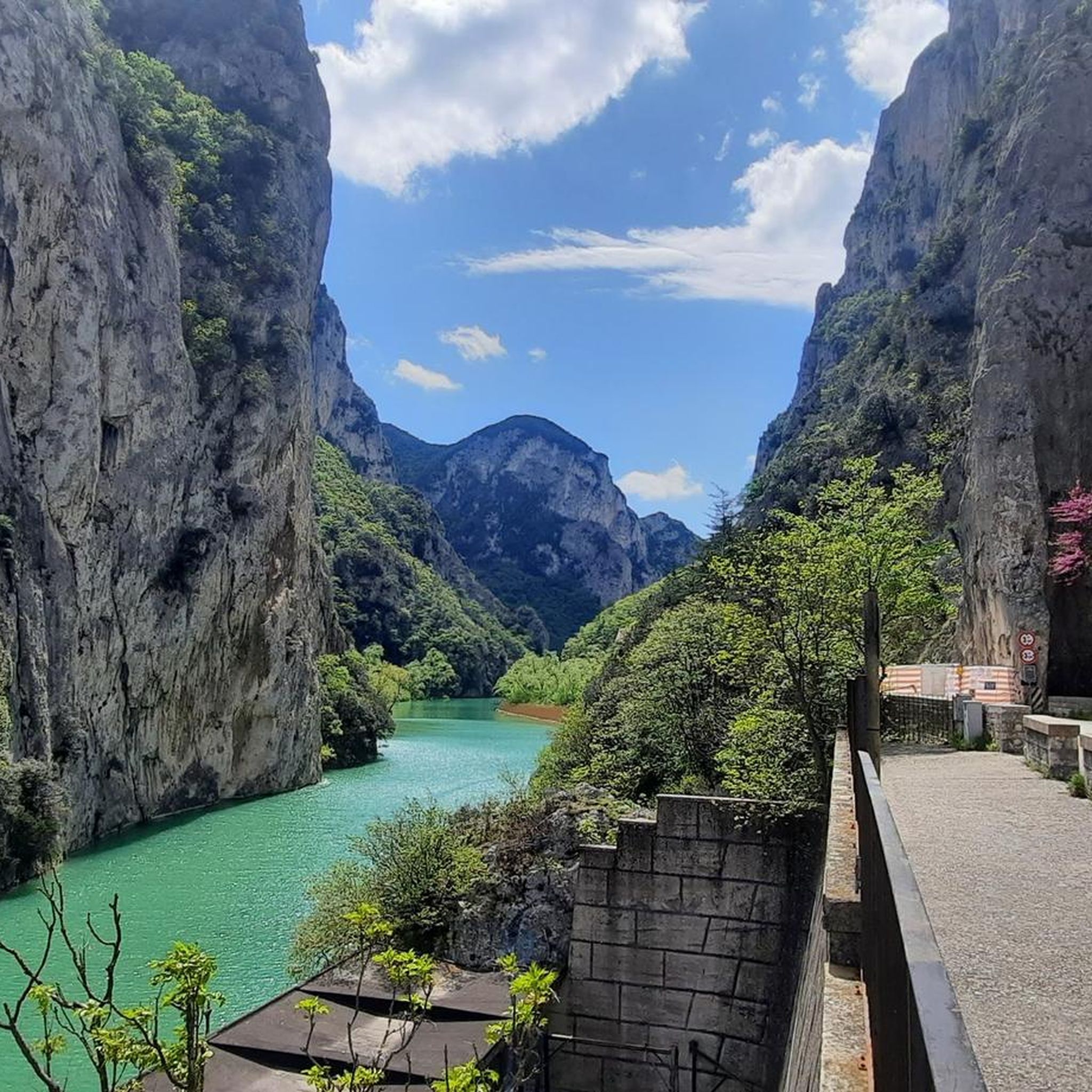
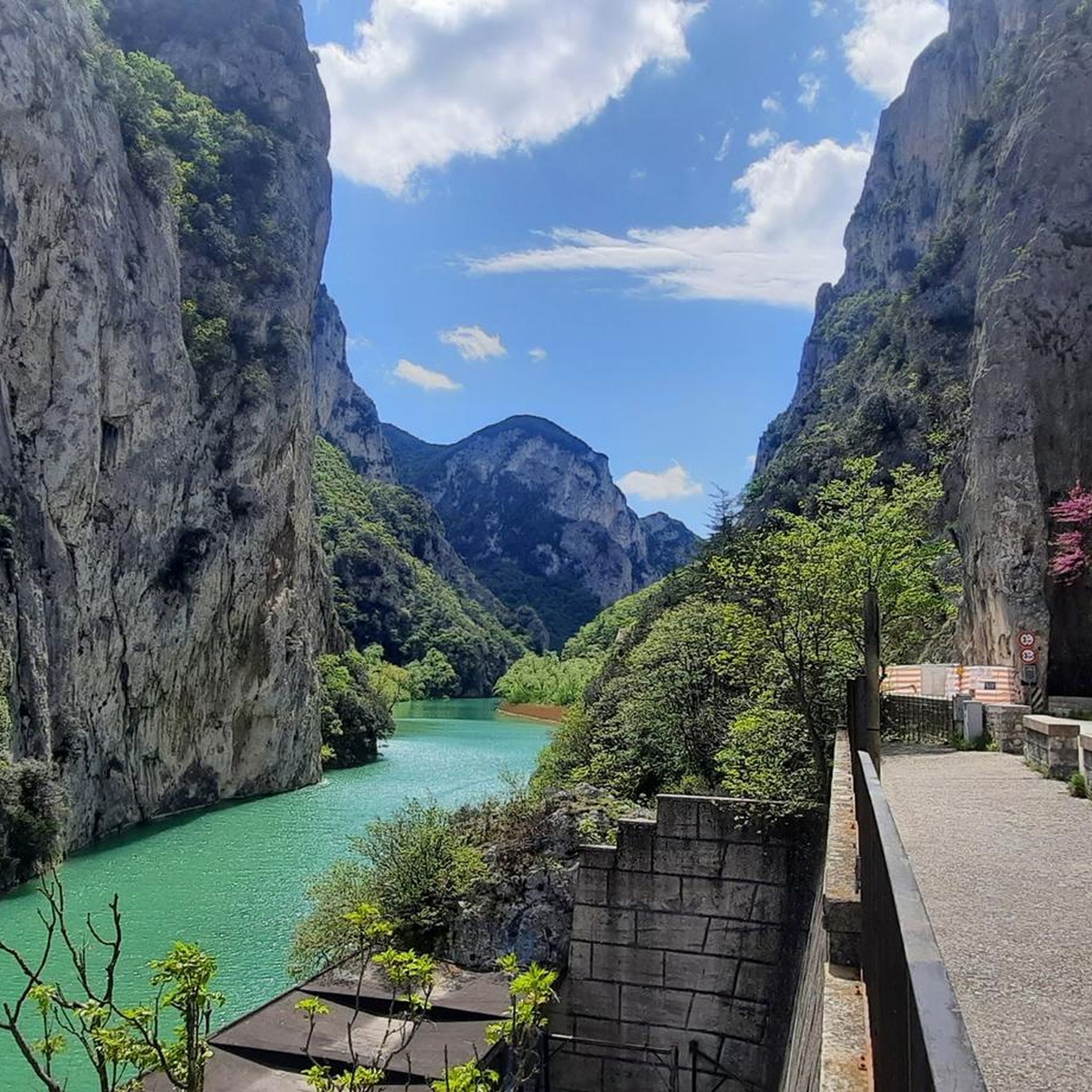
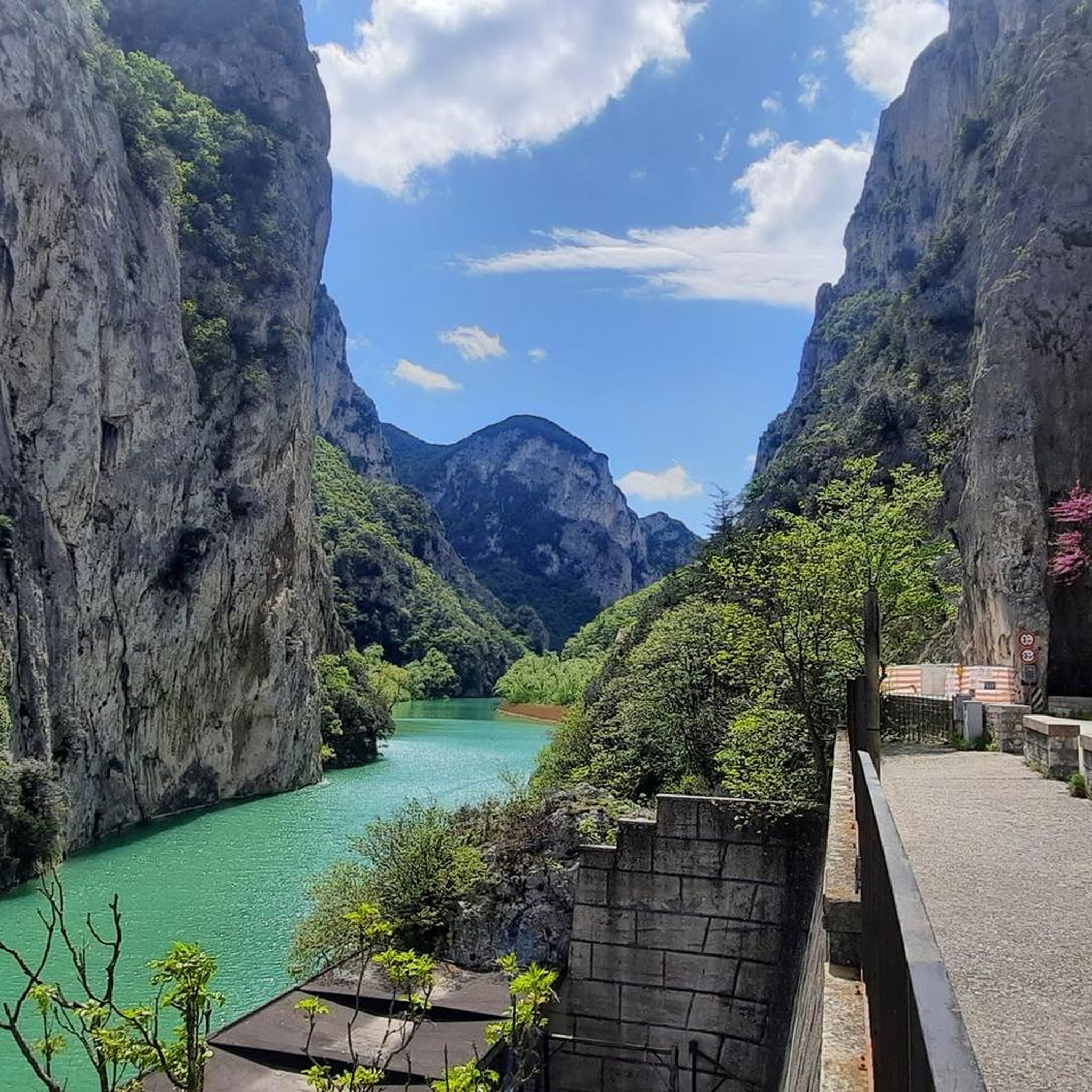
Absolutely. The area around Fermignano is excellent for outdoor enthusiasts. You can find numerous routes for hiking, gravel biking, and running. Many of these routes pass through scenic landscapes, including the Gola del Furlo Gorge, offering a blend of nature and history.
What makes the Ducal Palace in Urbino a significant historical site?
The Ducal Palace in Urbino is a masterpiece of Renaissance architecture, built primarily under Federico da Montefeltro. It is a UNESCO World Heritage Site and houses the famous Renaissance picture gallery of the Marche, making it a pivotal cultural and historical landmark in Italy.
Can I find cafes or restaurants near the historical sites in Fermignano and Urbino?
Yes, both Fermignano and Urbino have vibrant historic centers with various cafes, restaurants, and pubs. In Fermignano, the historic center around the Medieval Tower offers places to eat. Urbino, as a major tourist destination, has a wide selection of dining options to suit different tastes.
What is the historical significance of Fermignano itself?
Fermignano has deep historical roots, potentially dating back to Roman times. Its Medieval Tower and Roman Bridge were strategically vital for defending the Metauro River valley. The town is also notable as the birthplace of the renowned Renaissance architect Donato Bramante, and its history is intertwined with the powerful Montefeltro family.
Are there any specific walking routes that incorporate historical sites?
Yes, the region offers routes that combine natural beauty with historical exploration. For example, the 'Capuchin Way - Stage 1: Furlo Gorge' is a moderate hiking route that allows you to experience both the natural landscape and historical elements of the area. You can find more details on hiking around Fermignano.
What are some unique architectural features of the historical sites in the area?
The Medieval Tower in Fermignano is a five-level structure with a basement that once served as a prison. The adjacent Roman Bridge features three arches and a niche commissioned by Federico da Montefeltro. The Rocca Torrione of Cagli is notable for its urban project attributed to Arnolfo di Cambio, with an orthogonal grid plan, and is believed to be the inspiration for the background of the famous Ideal City painting.
How long should I plan for a visit to the major historical sites?
For a comprehensive visit to the Ducal Palace in Urbino and the city's historic center, a full day is recommended. The Medieval Tower in Fermignano can be explored in 1-2 hours, while the Rocca Torrione of Cagli might take a few hours, depending on your interest in its history and views. Many visitors combine these into day trips.
Most popular routes around Fermignano
Most popular attractions around Fermignano

Get inspired with the komoot mobile app


Explore more
Looking for the best castles somewhere else? Discover other guides around Fermignano:
