Top 13 Castles around Peglio
Castles around Peglio are characterized by the village's strategic hilltop position and preserved medieval appearance, embodying a castle-like ambiance. This region in the Marche offers historical sites set against the backdrop of the Metauro valley and the Apennine mountains. The area is known for its rustic stone houses and narrow streets, reflecting its ancient past. Peglio's history is marked by significant medieval events and powerful families, contributing to its cultural depth.
Best castles around Peglio
- The most popular castles is…
Last updated: October 3, 2026
Ducal Palace
Highlight • Castle
Translated by Google •
Tip by

Fortezza Albornoz
Highlight • Historical Site
Translated by Google •
Tip by

Sign up now to discover places like this
Get recommendations on the best single tracks, peaks, & plenty of other exciting outdoor places.
Brancaleoni Castle of Piobbico
Highlight • Castle
Translated by Google •
Tip by

Tower and Paper Mill of Fermignano
Highlight • Historical Site
Translated by Google •
Tip by

Albornoz Fortress - Park of the Resistance
Highlight • Castle
Translated by Google •
Tip by

Sign up for free to discover even more castles around Peglio.
Already have an account?
Start today with a free account
Your next adventure awaits.

Tips from the Community

Urbino is a city in the Marche region, recognized as a UNESCO World Heritage site for its Renaissance-era historic center. It is located in a hilly area and is characterized by uphill streets, squares, and brick buildings. Among the main sites is the Ducal Palace of Urbino, home to the National Gallery of the Marche. Urbino is also the birthplace of Raffaello Sanzio, with a house-museum that can be visited. The city is home to the University of Urbino Carlo Bo, which contributes to the presence of students throughout the year.
0
0
An imposing 14th-century fortification, Fortezza Albornoz dominates Urbino from the top of Monte di San Sergio, offering one of the most beautiful views of the city and the surrounding hills. Originally built for defensive purposes and rebuilt several times over the years, it now retains a brick structure with towers and bastions that tell its military history. At its feet lies the Parco della Resistenza, a green area ideal for a break, with benches and a children's playground, perfect for relaxing and enjoying the view.
1
0

The Fortezza Albornoz was built between 1367 and 1371 by Cardinal Anglico de Grimoard on the site of a former residence of the Montefeltro family. It was constructed to better control the city after periods of unrest.
1
0
The Palazzo Ducale in Urbino is a Renaissance palace and houses the famous Renaissance picture gallery of the Marche.
2
0

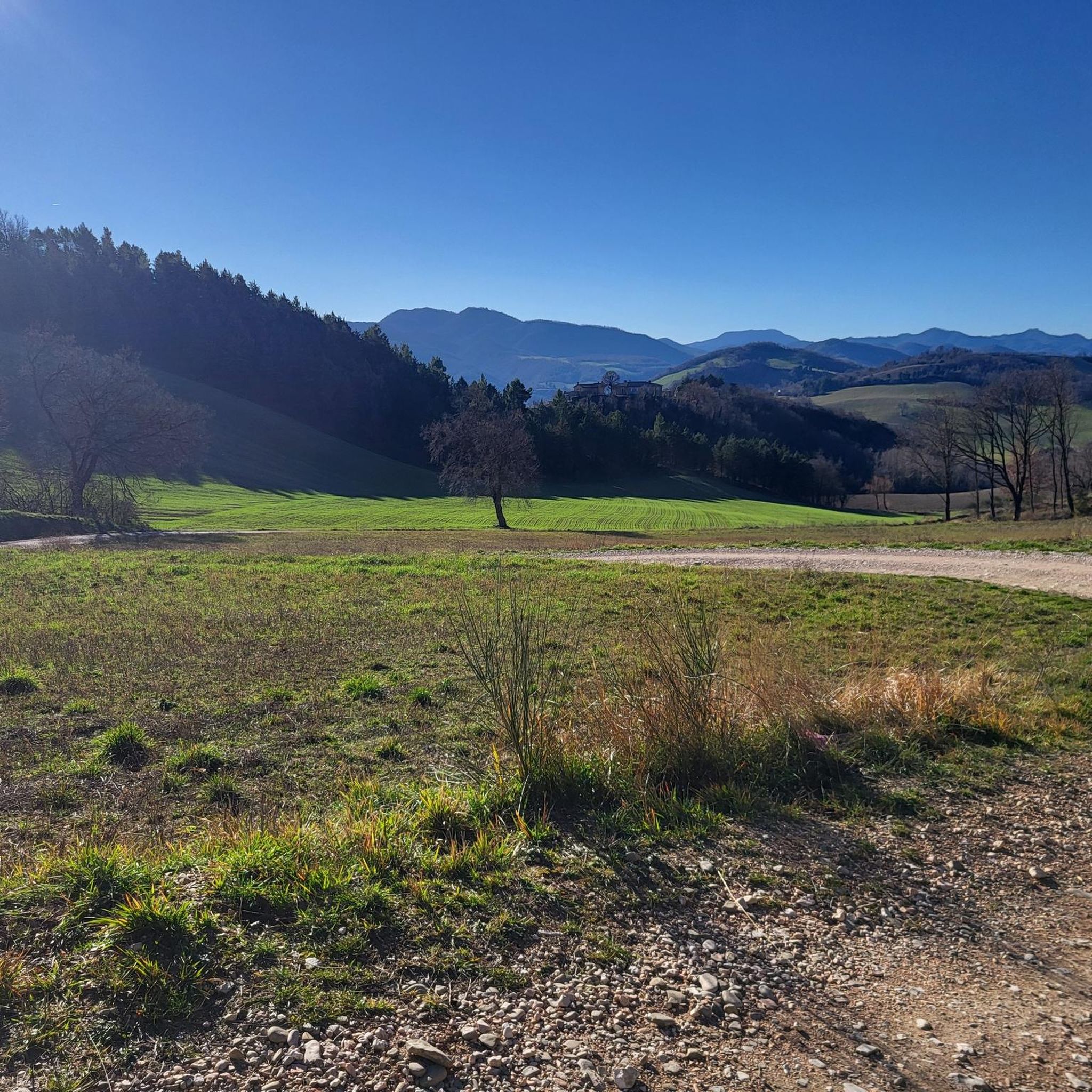
The city of Urbino is located on the highest part of a hill which, seen from afar, takes your breath away with such beauty.
2
0

The church of Santa Maria Assunta is the main Catholic place of worship in Urbino and cathedral of the archdiocese of Urbino-Urbania-Sant'Angelo in Vado.
2
0


The history of Piobbico is connected to the history of the Brancaleoni count family, which dominated these districts for seven centuries, in fact the Brancaleoni Castle developed in successive periods, from 1200 to 1700. Its construction began as a fortress and then assumed, over the years, the appearance and grace of a Renaissance palace, full of frescoes, stuccos, fireplaces, writings in Latin, Greek and vernacular, dates and names, which allowed to reconstruct the architectural history of this large container (135 rooms). Going up the medieval village you arrive at the square where the clock tower stands. The tower rests on a pointed arch vault dating back to the 1200s, therefore prior to the construction of the first nucleus of the building, evidence of an old watchtower. Towards the end of the 16th century, a tower was erected above the vault on which two clocks were placed, one on the facade facing the town and one on the facade facing the San Carlo courtyard. On the entrance facade, next to the tower, you can admire an elegant loggia which, together with the balustrade, make the facade less massive, giving the whole complex a refinement that is more suited to a Palace than a Castle. In fact, this immense building (135 rooms) has developed over the centuries, through a series of interventions, expansions, until reaching the current structure in which the Renaissance features prevail, but also presents evident defensive and military security elements typical of the late Middle Ages.
1
0
Frequently Asked Questions
What are the most historically significant castles and sites around Peglio?
The region around Peglio is rich in history. Key sites include the Ducal Palace in Urbino, a UNESCO World Heritage Site and a prime example of Renaissance architecture. Also notable is the Brancaleoni Castle of Piobbico, which evolved from a fortress to a Renaissance palace over centuries. Within Peglio itself, the 13th-century Torre del Girone stands as a testament to the village's medieval past, offering panoramic views.
Are there family-friendly castles to visit near Peglio?
Yes, several sites are suitable for families. The Ducal Palace, Urbino, which houses the Marche's Renaissance picture gallery, is considered family-friendly. Another option is the Tower and Paper Mill of Fermignano, a historical site with a rich past, also marked as family-friendly.
What kind of views can I expect from the castles in the Peglio area?
Many historical sites in the Peglio area offer stunning panoramic views due to their strategic hilltop locations. The Torre del Girone in Peglio provides spectacular 360-degree vistas of the Metauro valley and the Apennine mountains, including Monte Catria, Monte Petrano, and Monte Nerone. The city of Urbino, with its narrow, steep streets, also offers great views of the surrounding hills and villages.
What outdoor activities can I do near these castles?
The area around Peglio offers various outdoor activities. You can find numerous hiking trails, including moderate routes like the 'Oratory of the Carmine – Teatro Brancati loop from Urbania'. For cyclists, there are MTB trails and running trails. Urbino itself is a great starting point for road cycling in the Metauro and Foglia valleys.
What is the best time of year to visit the castles around Peglio?
The region's castles and historical sites can be enjoyed throughout much of the year. Spring and autumn generally offer pleasant weather for exploring and outdoor activities. Summer can be warm but is ideal for enjoying the panoramic views. Visiting in winter might offer a different, quieter experience, though some facilities or opening hours might be reduced.
Are there any hidden gems or lesser-known historical sites near Peglio?
While not a 'hidden gem' in the traditional sense, the village of Peglio itself is often described as an 'ancient castle' due to its preserved medieval appearance and strategic hilltop position. Beyond the prominent Torre del Girone, exploring Peglio's rustic stone houses, narrow streets, and the Baroque-style Church of San Fortunato with its recently discovered Lombard-era crypts offers a deep dive into local history.
What are some notable historical figures associated with the castles in this region?
The region is closely tied to powerful historical families. The Ducal Palace in Urbino was built primarily on the orders of Count Federico da Montefeltro. The history of Piobbico and its Brancaleoni Castle is connected to the Brancaleoni count family, who dominated the area for seven centuries. Additionally, the famous Renaissance architect Donato di Angelo di Pascuccio, known as Bramante, was born in Fermignano, near the Tower and Paper Mill.
Can I find cafes or places to eat near the castles?
The historical centers of towns like Urbino and Fermignano, where many of these castles and historical sites are located, are typically full of life and activities, including charming cafes and restaurants. The village of Peglio also offers local establishments where you can enjoy the regional cuisine.
What makes Urbino a significant historical site in this region?
Urbino is a UNESCO World Heritage Site, often called the 'Cradle of the Renaissance.' Its historical center, surrounded by terracotta walls and adorned with sandstone buildings, reflects its 15th-century heritage. It is home to the Ducal Palace, which houses the famous Renaissance picture gallery of the Marche, making it a major attraction for art and culture enthusiasts.
Are there any dog-friendly walking trails around the castles?
While specific dog-friendly designations for trails directly adjacent to castles are not always explicit, the general area around Peglio and its historical sites, being rich in natural landscapes, offers many opportunities for walks. You can explore the various hiking trails in the Metauro and Foglia valleys, many of which are suitable for walks with leashed dogs, especially in less crowded areas.
What are the origins of the castles and historical sites in the Peglio area?
The origins of many sites in the Peglio area trace back to medieval times, often as defensive structures. Peglio itself has Lombard origins, with its Torre del Girone dating to the 13th century. The foundation of Fermignano, for example, began with the construction of the 'Fermignano castle' in the late 14th century. Over time, many of these fortresses, like the Brancaleoni Castle of Piobbico, were transformed into more refined Renaissance palaces.
What do visitors enjoy most about the castles and historical sites near Peglio?
Visitors frequently appreciate the rich history and cultural depth of the region. The well-preserved medieval architecture, the stunning panoramic views from hilltop locations, and the artistic treasures within sites like the Ducal Palace in Urbino are often highlighted. The overall atmosphere of walking through ancient streets and experiencing the 'Cradle of the Renaissance' is also a major draw.
Most popular attractions around Peglio

Get inspired with the komoot mobile app


Explore more
Looking for the best castles somewhere else? Discover other guides around Peglio:
