Top 10 Castles around Frontino
Best castles around Frontino are found within this charming medieval village, nestled in the Montefeltro area of Italy's Marche region. The village itself functions as a fortified stronghold, showcasing its defensive past through well-preserved architecture and a strategic layout. Its historic center, often referred to as "the Castle," reflects its original purpose as a fortified settlement. Frontino is recognized as one of "I Borghi più belli d'Italia," underscoring its historical and architectural significance.
Best castles around Frontino
- The most popular…
Last updated: October 3, 2026
Montecopiolo Castle
Highlight • Castle
Translated by Google •
Tip by

Pietrarubbia village
Highlight • Settlement
Translated by Google •
Tip by

Sign up now to discover places like this
Get recommendations on the best single tracks, peaks, & plenty of other exciting outdoor places.
Monte San Marco Castle Ruins
Highlight • Castle
Translated by Google •
Tip by
Rocca di Sassocorvaro
Highlight • Castle
Translated by Google •
Tip by

Monte Cerignone
Highlight • Settlement
Translated by Google •
Tip by

Sign up for free to discover even more castles around Frontino.
Already have an account?
Start today with a free account
Your next adventure awaits.
Tips from the Community

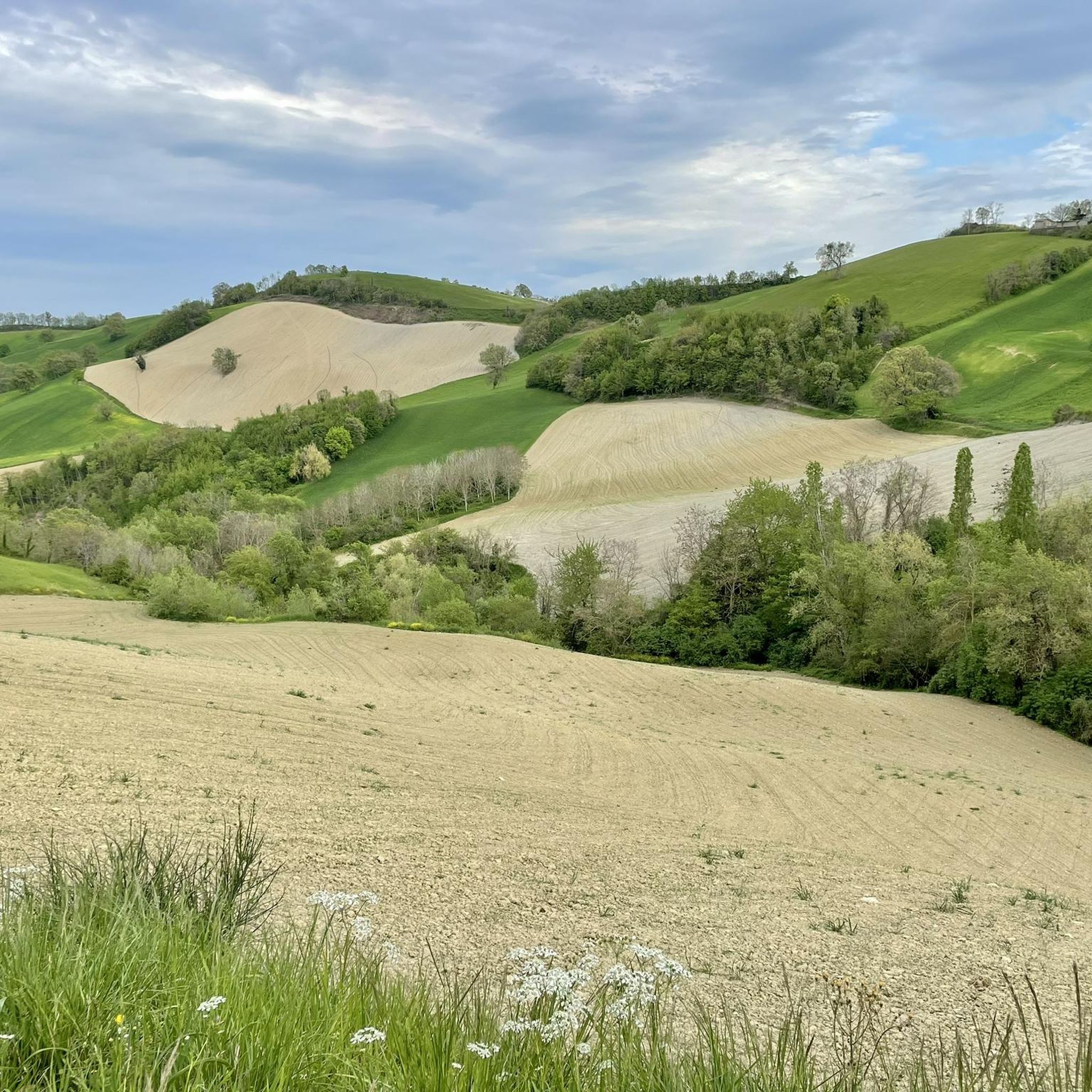
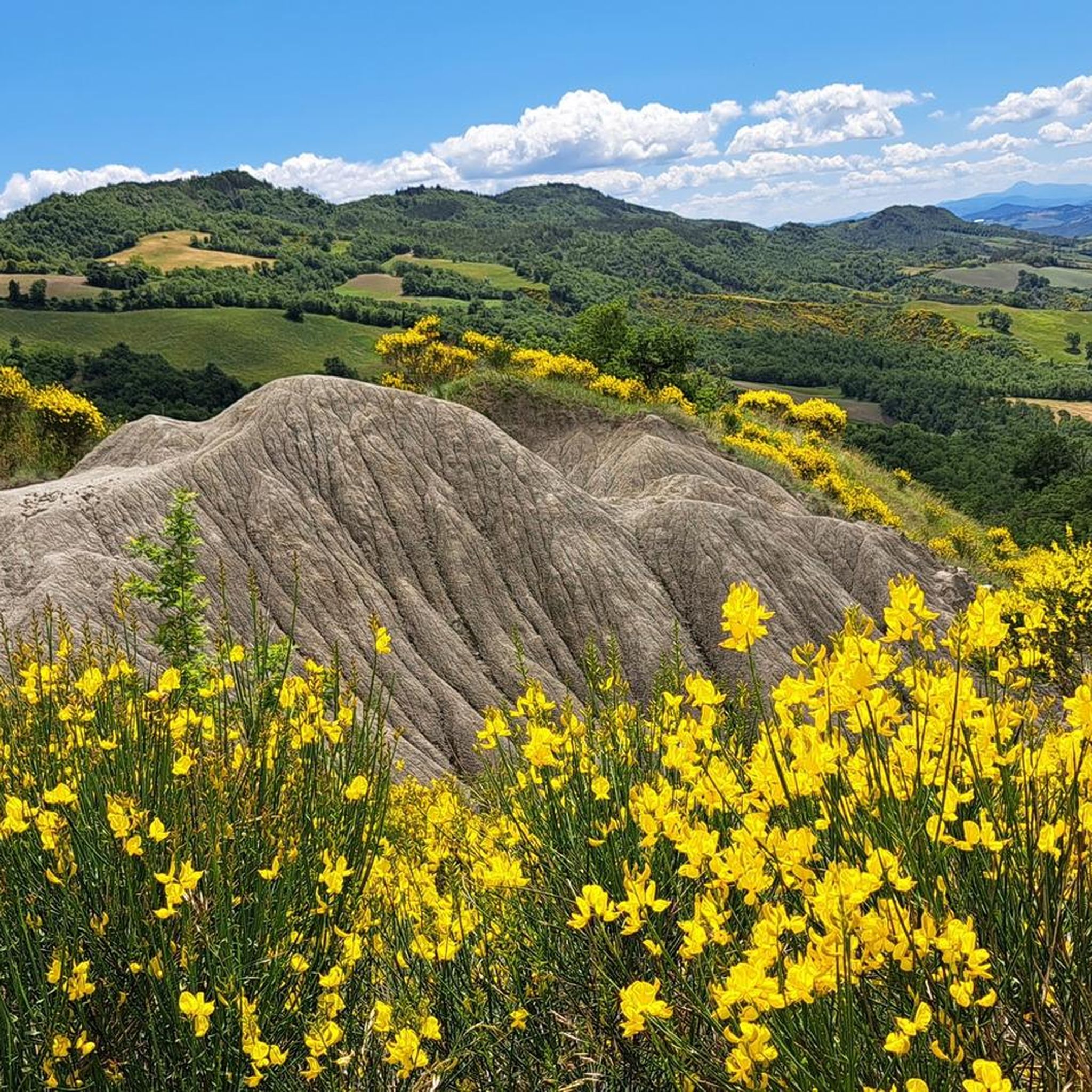
The tiny village of Pietarubbia is located on the slopes of Mount Carpegna in a quiet and panoramic position. It is one of the oldest fortified villages in Montefeltro and is dominated by a Castle of which only one tower remains today. The name derives from Pietra Rubea, meaning "red stone", due to the reddish color of the rocks on which it stands.
0
0

Perched on a rock overlooking the Apsa torrent valley, on the southern slopes of Mount Carpegna, the village of Pietrarubbia is one of the oldest (if not the oldest) of the entire Montefeltro, with its origins that can be dated around the year 1000 ... What is certainly certain is that the village belonged to the Counts of Carpegna as early as 1137, and was equipped with an imposing Castle that stood on a red stone rock (from which the name petra rubea derives, later becoming Pietrarubbia) overlooking the valley below, characterized by excellent natural defenses so much so that it was later called "castrum inexpugnabile". The Montefeltro family originated from a branch of the Counts of Carpegna family, which gradually extended its influence throughout the Duchy of Urbino, with Pietrarubbia playing the role of an important defensive bulwark ... In the following centuries Pietrarubbia was the scene of bloody battles, first between the Guelph and Ghibelline factions within the Montefeltro family, and then between the Montefeltros and the Malatestas, who fought for a long time for control of the Castle, which changed hands several times. ... The following centuries were certainly quieter than the era of great battles that had just ended, however Pietrarubbia, precisely because of its particular conformation that transformed it into an almost impregnable fortress, went through a phase of decline and progressive abandonment, as in a period of peace the defensive function of the Castle became superfluous, and the inhabitants gradually but inexorably moved towards the valley ... The ancient village was completely depopulated around 1960, going through a phase of further decline, interrupted in the last years of the last century thanks also to the intervention of the famous sculptor Arnaldo Pomodoro who, after having acquired the ownership of some of the most important buildings in the town, founded in 1990 the T.A.M., a school dedicated to the treatment of metals located right inside the historic center of Pietrarubbia. Nowadays the village is completely renovated and, although not permanently inhabited, it is very popular with tourists or simply curious people attracted by this place that presents itself as a real open-air museum. (Source: https://www.borghipesarourbino.it/castelli-e-rocche/pietrarubbia/ )
0
0

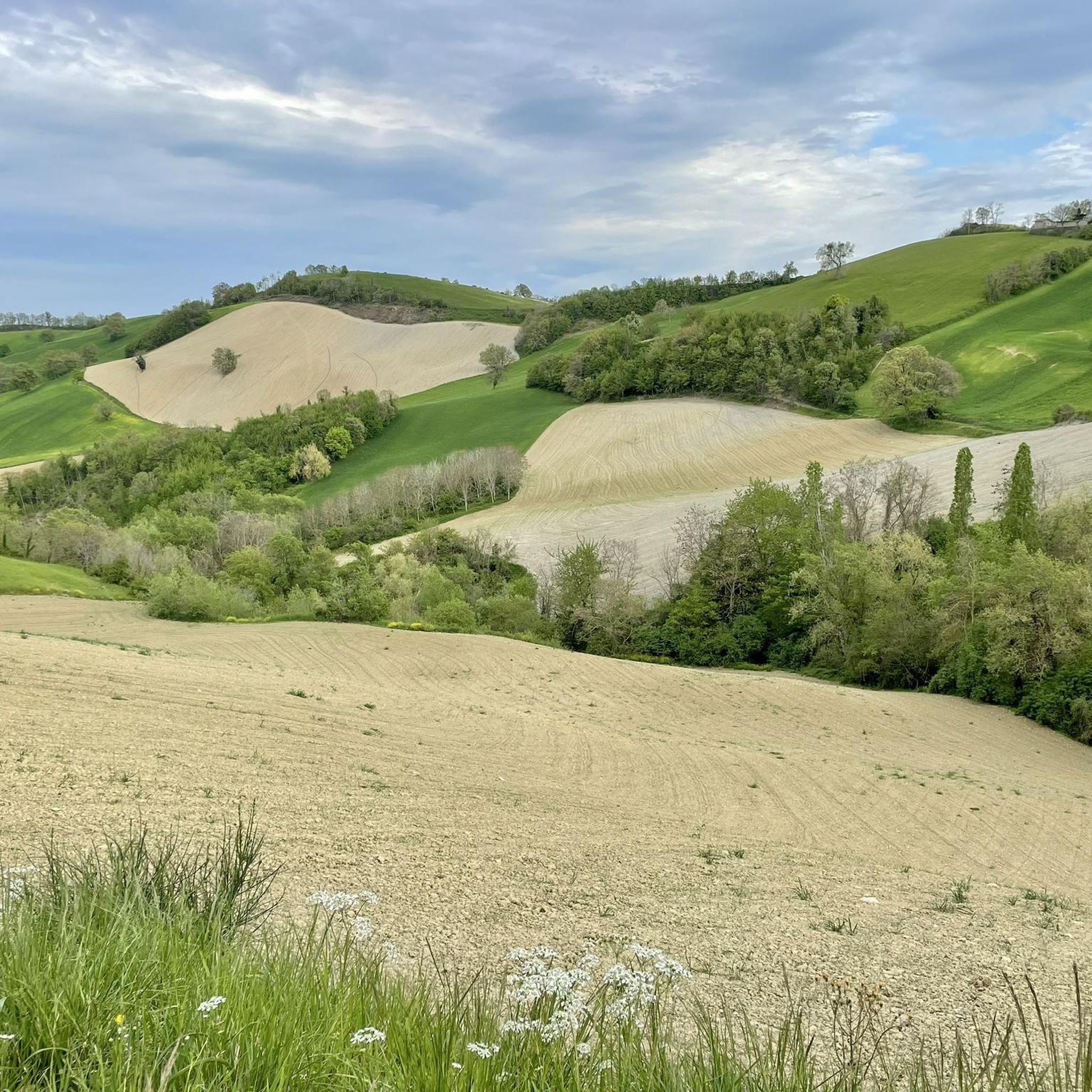
Monte Cerignone, located at the beginning of the upper Conca valley, is home to a village and a castle of considerable historical importance. The visit to the castle, built in the 12th century, offers a fascinating immersion in history.
1
0

Fortification of the Renaissance period, it is still well preserved and houses a small theater inside.
0
0

The Rocca di Sassocorvaro also known as Rocca Ubaldinesca is a fortification from the Renaissance period, located in the municipality of Sassocorvaro in the Province of Pesaro and Urbino in the Montefeltro. It is located in the center of the village, on a hill overlooking the valley of the Foglia river.
0
0
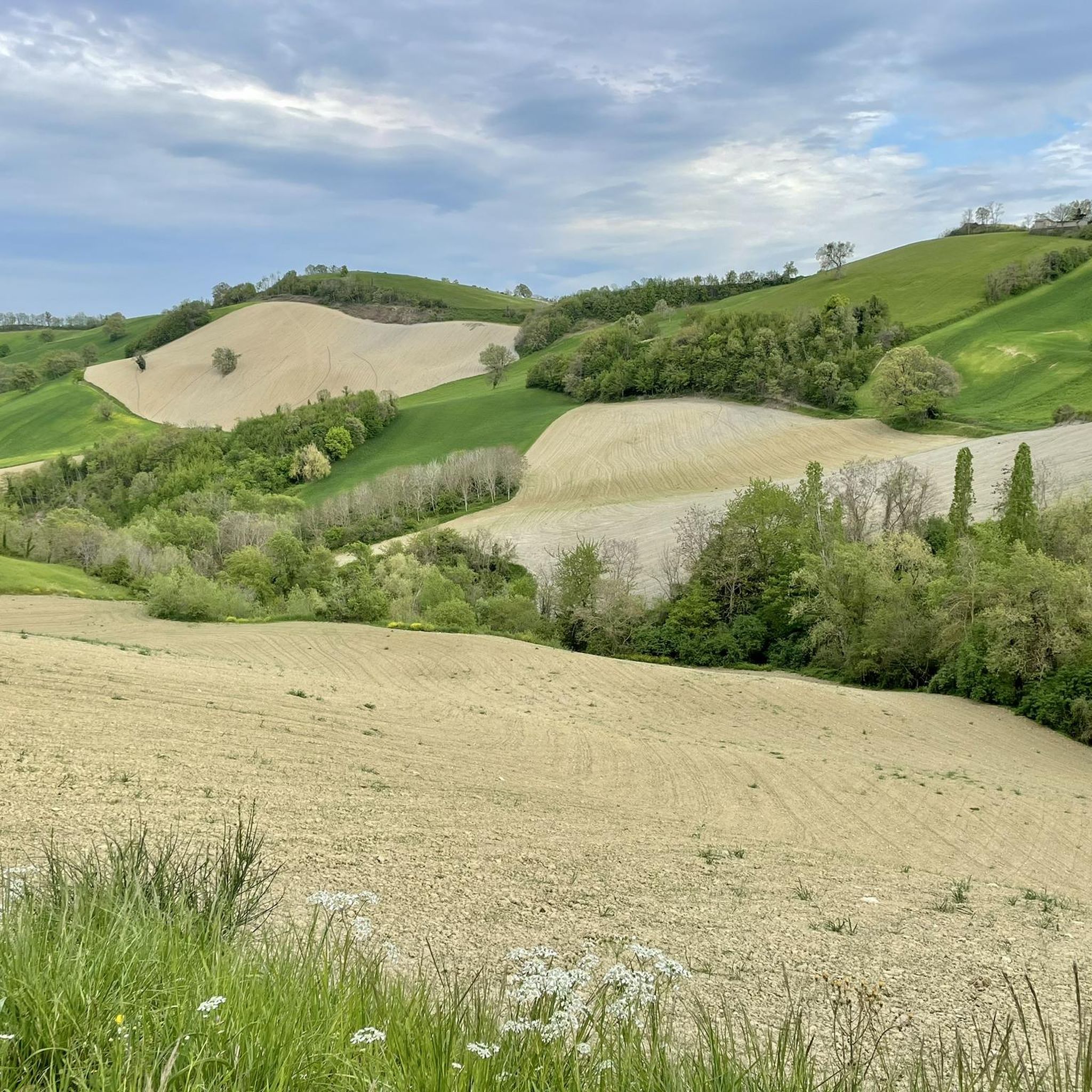
The famous defensive structure is located on the hill called Roccaccia, in an unparalleled natural setting. Or rather, what remains of the magnificent castle which was the birthplace of the noble Montefeltro family and which throughout the 16th century was addressed as impregnable. And it is this ancient walled village, now reduced to shreds, the real historical center of the territory, the real Montecopiolo. The ruin of this mighty fortress, which it is good to remember was the basis for the incredible capture of San Leo by the troops of Federico da Montefeltro, was not inflicted by the enemy bombards, but rather by abandonment and by its closest relative: the neglect. It was in fact the seventeenth century, when the inhabitants began to move to the more comfortable valley. And with them they also brought stones and bricks, building material torn from the castle and reused in the construction of new homes.
0
0
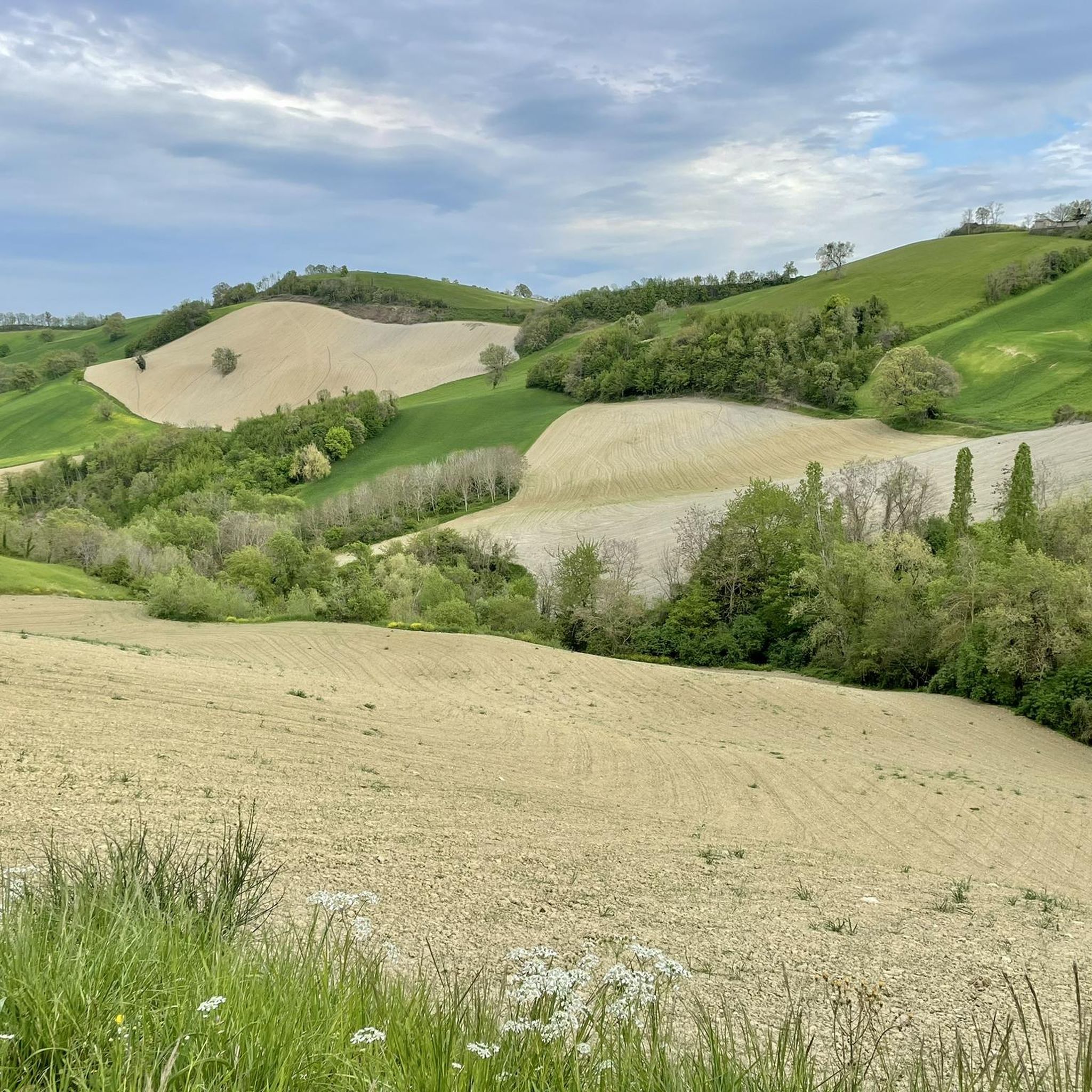
To the west of Villagrande, the municipal capital, there is a tremendous limestone peak that rises well over a thousand meters and on whose top stood the so-called castle of Monte Acuto. Like the most famous neighbor on the Roccaccia, it was, around the middle of the 13th century, one of the formidable Feltreschi possessions. Except that the Lord of this inhospitable peak was a Guelph-side Montefeltro, a supporter of the Pope in a land that has always been faithful to imperial power.
0
0
Frequently Asked Questions
What makes Frontino itself a 'castle'?
Frontino is a charming medieval village where the entire settlement functions as a fortified stronghold. Its historic center is often referred to locally as 'the Castle' due to its well-preserved defensive architecture, including high walls, stone facades, arched gateways, and narrow stone lanes. It was founded as a fortified village, and these elements collectively tell the story of its past as a strategic defensive point.
What are some of the most historically significant castles or fortified sites near Frontino?
Beyond Frontino itself, you can explore several historically significant sites. Montecopiolo Castle is a ruin of a mighty fortress, once the birthplace of the noble Montefeltro family. Monte Cerignone features a 12th-century castle offering a deep immersion in history. Additionally, the village of Pietrarubbia, one of the oldest in Montefeltro, was once an 'impregnable castle' and played a crucial defensive role.
Are there any well-preserved castles or fortresses to visit?
Yes, the Rocca di Sassocorvaro is a well-preserved Renaissance fortification. It's located in the center of Sassocorvaro village, overlooking the Foglia river valley, and even houses a small theater inside.
What kind of natural features and viewpoints can I expect when visiting these castles?
Many of the castles and fortified villages offer stunning natural settings and panoramic views. For instance, the ruins of Montecopiolo Castle are on the Roccaccia hill, providing an unparalleled natural backdrop. The Civic Tower in Frontino offers striking panoramic views over the village and the surrounding wooded hills and rolling farmland of the Montefeltro region. Monte San Marco Castle Ruins also provide excellent viewpoints from a limestone peak.
What outdoor activities can I do near the castles around Frontino?
The area around Frontino is excellent for outdoor activities. You can find numerous hiking trails, including moderate routes like the 'Pietrafagnana rock formation – Pietrarubbia Castle loop from Pietrarubbia' and more difficult ones such as 'From Carpegna to Monte Carpegna'. There are also road cycling routes and running trails available, many of which pass through scenic landscapes near historical sites.
Are there family-friendly options among the castles or villages?
Yes, the village and castle of Monte Cerignone are noted as family-friendly. Exploring the fortified village of Frontino itself, with its medieval streets and the Museo del Pane at the Mulino di Ponte Vecchio, can also be an engaging experience for families.
Can I visit these castles with my dog?
The village and castle of Monte Cerignone are listed as dog-friendly. When visiting other ruins or outdoor sites, it's generally advisable to keep dogs on a leash. For specific indoor attractions or protected areas, always check local regulations beforehand.
What is the best time of year to visit the castles around Frontino?
The Montefeltro area, including Frontino, offers a peaceful atmosphere. Spring and autumn are generally ideal for visiting, as the weather is pleasant for exploring the villages and outdoor ruins without the intense heat of summer. These seasons also highlight the natural beauty of the surrounding landscapes.
What are some unique historical features within Frontino village itself?
Within Frontino, you can explore the Civic Tower, an integral part of its medieval defensive system, offering panoramic views. The village's well-preserved walls, arched gateways, and narrow stone lanes showcase its fortified layout. The Mulino di Ponte Vecchio, a fortified mill dating back to the fourteenth century, now houses the Museo del Pane (Bread Museum), blending history, defensive architecture, and local culture.
Where can I find cafes or restaurants near the castles?
Frontino itself, being a charming village, has local cafes and restaurants where you can enjoy traditional cuisine. For specific recommendations, it's best to check local listings upon arrival. Many of the smaller fortified villages like Monte Cerignone also offer dining options.
Is Frontino recognized for its historical or architectural value?
Yes, Frontino is officially recognized as one of 'I Borghi più belli d'Italia' (Italy's Most Beautiful Villages) and has received the Orange Flag award from the Italian Touring Club. These accolades underscore its significant historical and architectural value, highlighting its well-preserved medieval heritage.
Are there any hidden gems or lesser-known fortified sites worth exploring?
While not a fully intact castle, the presence of 'remains of the Castle of Carpegna' in the heart of Frontino serves as a reminder of its defensive past and noble remnants, offering a glimpse into its historical significance as a strategic point. The village of Pietrarubbia, with its ancient origins and the remaining tower of its once 'impregnable' castle, is also a fascinating, less-traveled spot.
Most popular attractions around Frontino

Get inspired with the komoot mobile app


Explore more
Looking for the best castles somewhere else? Discover other guides around Frontino:
