Top 13 Castles around Monreale
Best castles around Monreale are situated in a region known for its Norman-Byzantine architecture and strategic historical importance. The area features a diverse landscape, from the elevated Monte Caputo to valleys offering expansive views. Monreale itself is recognized for its cultural heritage and the fortified elements of its significant structures. This setting provides a backdrop for exploring medieval fortresses and historical sites.
Best castles around Monreale
- The most popular castles is Ventimiglia Castle and Church of SS. Maria del Alto…
Last updated: October 3, 2026
Ventimiglia Castle and Church of SS. Maria del Alto
Highlight • Castle
Translated by Google •
Tip by

Norman Palace
Highlight • Historical Site
Showing Translation
Tip by

Sign up now to discover places like this
Get recommendations on the best single tracks, peaks, & plenty of other exciting outdoor places.
Zisa Palace and Gardens
Highlight • Castle
Tip by

ruins of Salaparuta
Highlight (Segment) • Historical Site
Translated by Google •
Tip by


Sign up for free to discover even more castles around Monreale.
Already have an account?
Start today with a free account
Your next adventure awaits.
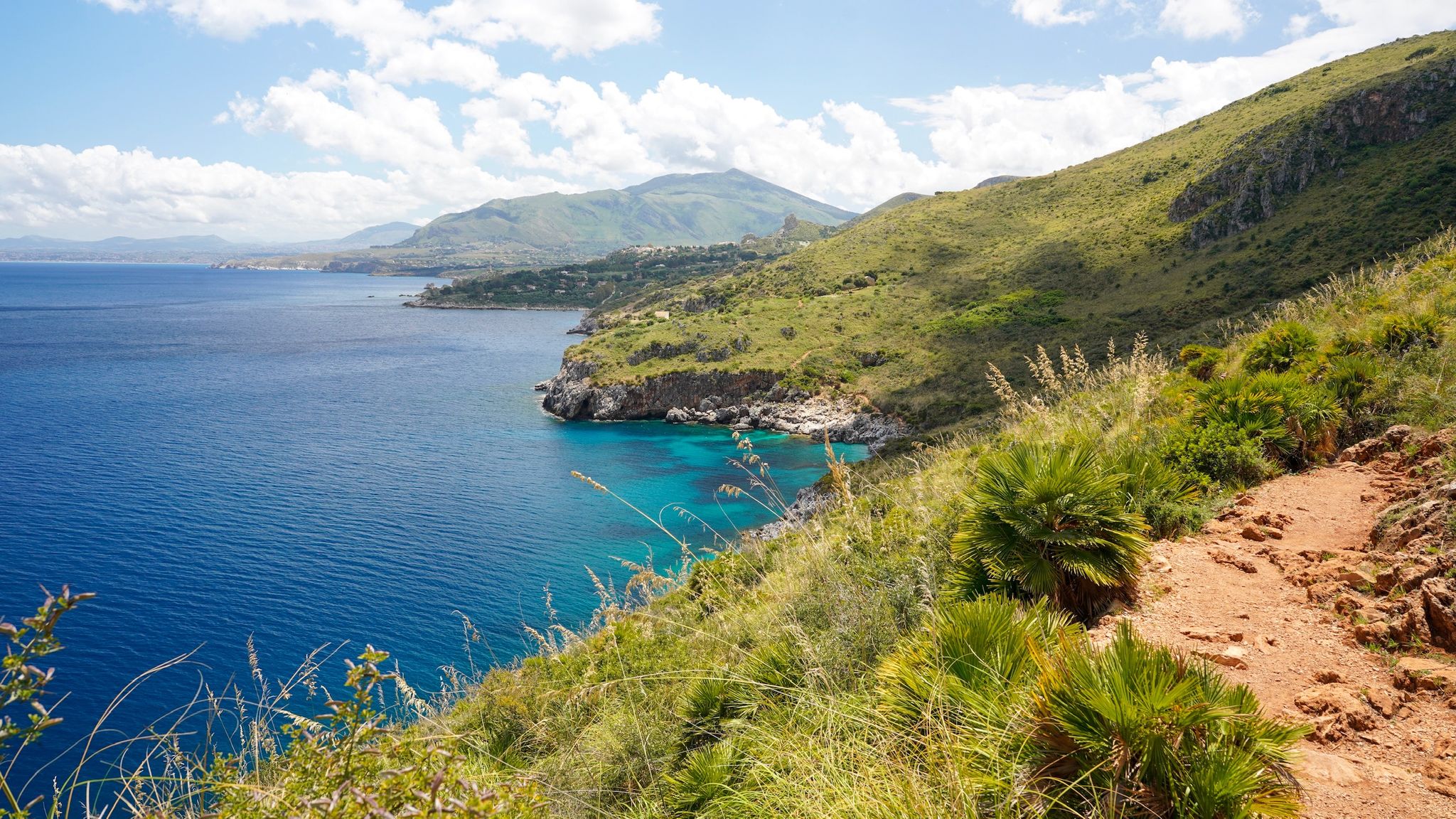
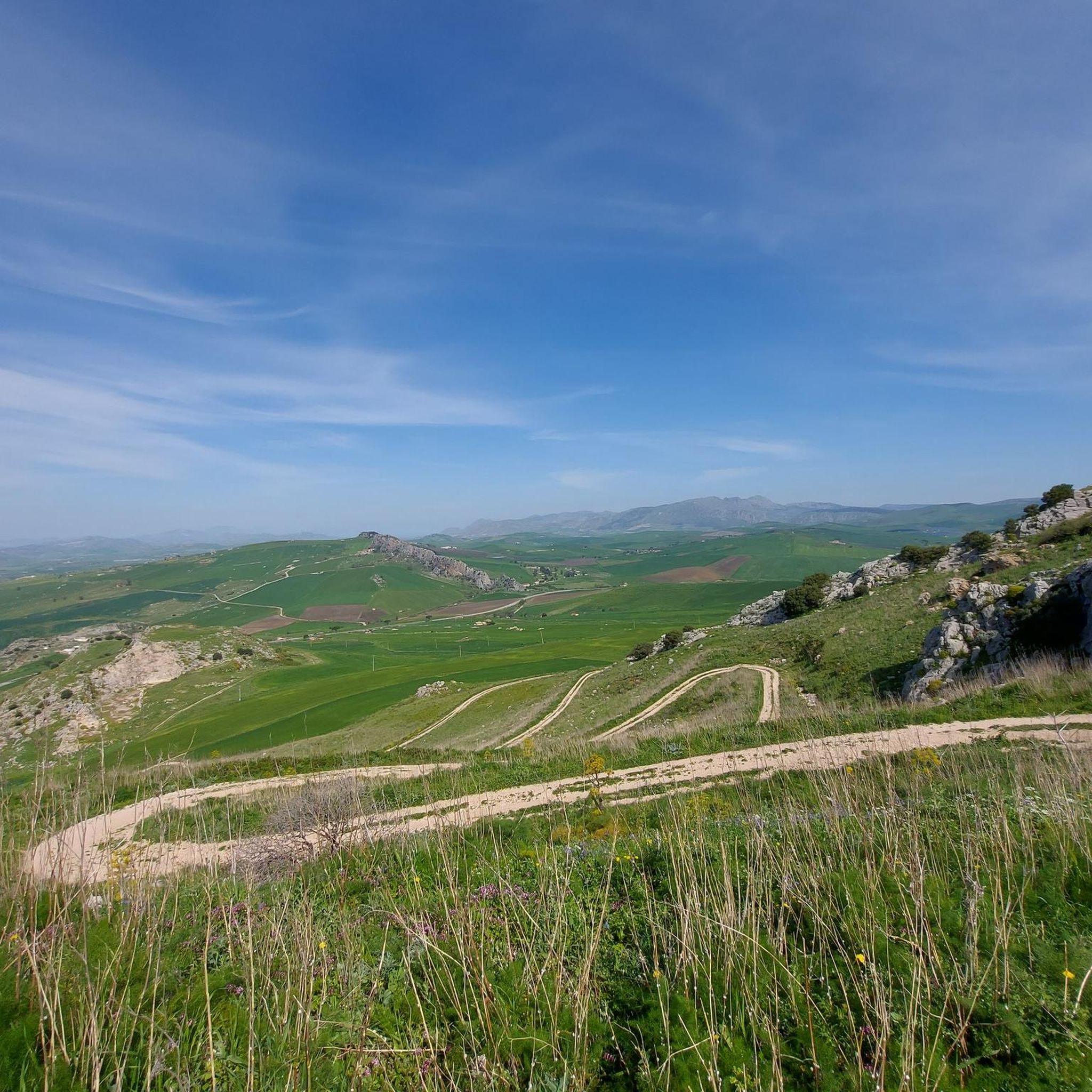
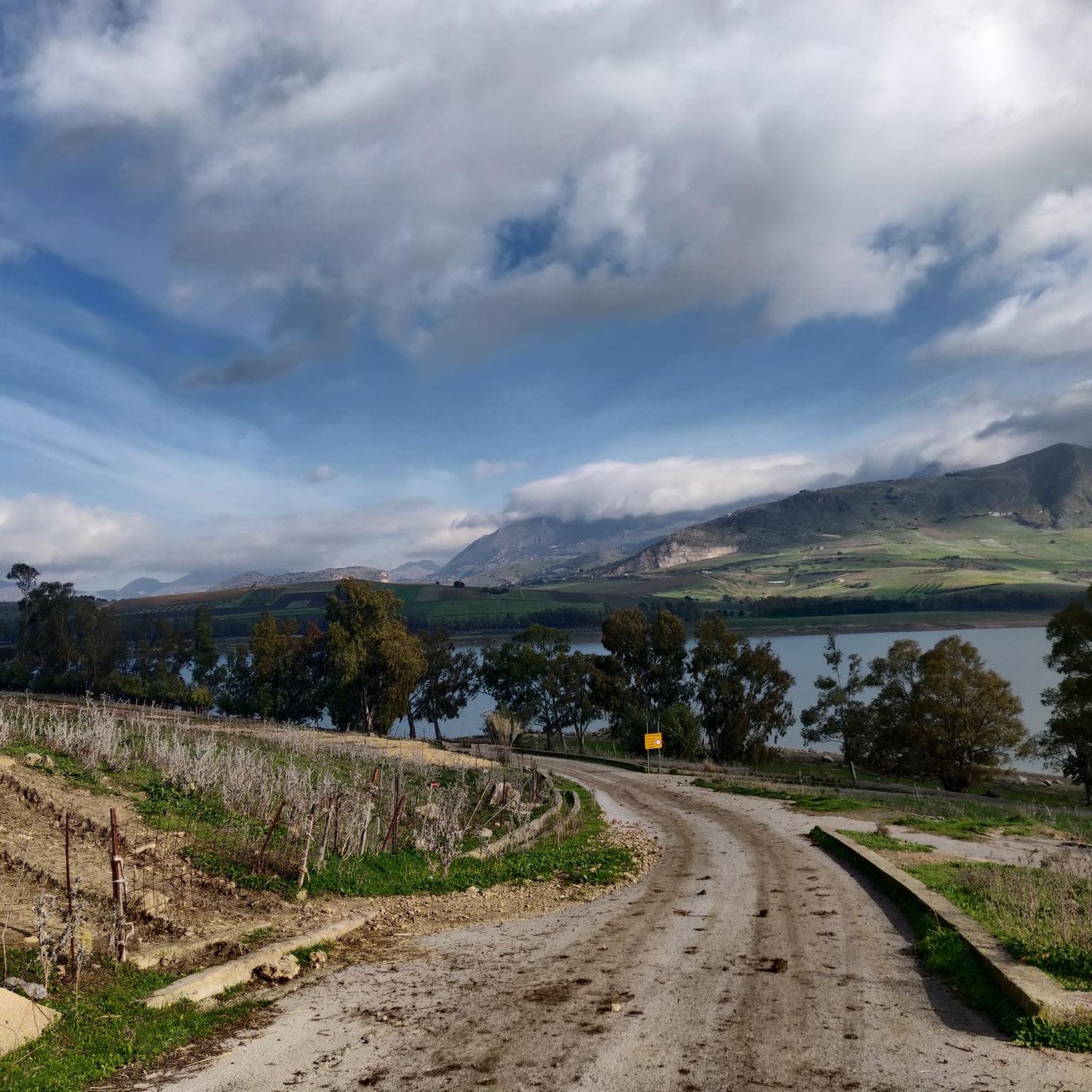
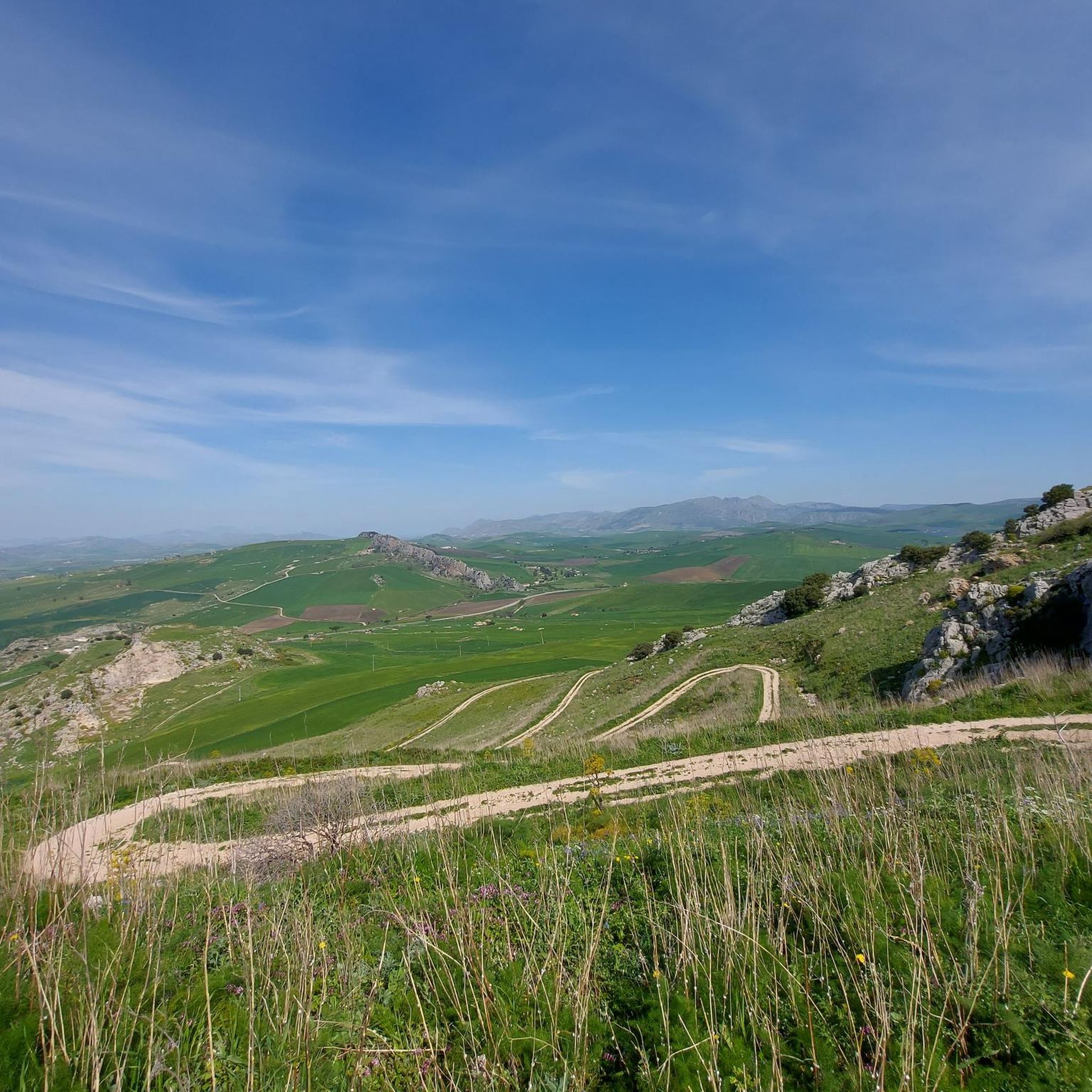

Other adventures around Monreale

Tips from the Community

The Norman Palace, also known as the Royal Palace, is the oldest royal residence in Europe, home to the sovereigns of the Kingdom of Sicily, an imperial seat with Frederick II and Conrad IV, and of the historic Sicilian Parliament. On the first floor of the palace stands the Palatine Chapel. It is one of the most visited monuments on the island. Additional tourist services are provided by the Federico II Foundation; the main entrances (the parliamentary one and the tourist one) are on Piazza del Parlamento, the carriage entrance is on the side of Piazza Indipendenza. Since July 3, 2015, it has been part of the UNESCO World Heritage. https://www.federicosecondo.org/
1
0

🏰 One of the most fascinating testimonies of Arab-Norman Palermo. The Zisa Palace was built in the 12th century as a royal residence for the Norman sovereigns. The name derives from the Arabic al-ʿAzīza, “the splendid”. Inside, the beautiful Sala della Fontana is particularly noteworthy, with its mosaics, decorations, and an ingenious water system designed to cool the rooms. 📸 A visit that I recommend to those who love history and architecture: the palace and its interiors offer many details to observe and photograph.
0
0

Built in the 14th century by order of Enrico and Federico Chiaramonte due to its privileged location overlooking the sea, Alcamo Castle has an impregnable exterior, while its interior is elegant. It has a rhomboid layout with four towers—two square and two round—and a large internal courtyard. The castle's openings are Gothic-style mullioned windows with two and three lights. In the 19th century, the Castle of the Counts of Modica became the property of the Municipality of Alcamo. Today, it houses the Regional Wine Shop of Western Sicily. Source: https://www.comune.alcamo.tp.it/it/vivere/castello-dei-conti-di-modica
0
0
An impregnable fortress and prestigious residence of Enrico and Federico Chiaramonte, who likely built it between 1340 and 1350, the castle takes its name from the Counts who owned it from 1410 to 1812. With its sturdy structure, built on a rhomboidal plan, and four alternating towers—two cylindrical and two square—it protected the city and withstood violent attacks for centuries, including the infamous one by the Islamic pirate, Barbarossa. On the north facade, two original single-lancet windows remain, while in the internal courtyard, two double-lancet and three-lancet windows remain. The castle's grand staircase is made of red marble from the quarries of Mount Bonifato. Opposite the theater dedicated to the poet Cielo d'Alcamo, in the same square, the symbolic monument of the city of Alcamo, the Castle of the Counts of Modica, stands before the visitor. Source: https://www.comune.alcamo.tp.it/it/vivere/castello-dei-conti-di-modica
0
0

The climb along the paved Way of the Cross, which is mostly car-free, takes you steadily uphill. From here you can already enjoy great views of the surrounding hills and wind turbines that dominate the panorama. Once you reach the top, you will be greeted by the imposing ruins of the 11th century castle. A real highlight is the active church of SS. Maria del Alto, which is integrated directly into the old walls. It is a fascinating interplay of history and living faith. The view from above is definitely worth the trip - the vastness of the landscape below you, the small villages in the distance and the gentle breeze make the visit perfect for a break with a view. The old ruin has retained some of its charm over the centuries, and the walk around the castle can be easily captured on camera.
0
0

Where is it
1
0

The former Capuchin convent of the 18th century. They were built at the end of the 18th century, on land purchased by Prince Fabrizio Alliata and at his expense, who endowed the friars with income for worship, food and the maintenance of the structures. The church, inserted in the body of the convent, had a single nave which was accessed through the beautiful portal crowned by a robust mixtilinear frame. The convent consisted of sixteen rooms on the ground floor, some of which had a real vault and thirty-one on the first floor, connected by long corridors. From 1927 to 1963 it was used as a hospital and later as a school; it has recently been restored and consolidated also with the insertion of new metal structures.
13
0
The ruins of Salaparuta, a small Sicilian town, are the historical testimony of the serious earthquake that struck the Belice valley in 1968. The ruins are what remained of the old inhabited center of the Trapani municipality and keep alive the memory of one of the most dramatic events that it hit Sicily and all of Italy.
17
0
Frequently Asked Questions
What historical castles and fortified sites can I visit around Monreale?
Monreale and its surroundings offer a rich history of fortified structures. You can explore the medieval fortress of Castellaccio di Monreale, commissioned by King William II in the 12th century, which offers panoramic views. The Monreale Cathedral itself also features fortified elements, such as embattled towers. Other notable sites include Ventimiglia Castle and Church of SS. Maria del Alto, a castle modernized until the 15th century with an active church integrated into its walls, and the ruins of Salaparuta, which include the base of the Paruta castle's square tower.
Are there any castles near Monreale that are particularly family-friendly?
Yes, the Count Federico Palace Museum is listed as family-friendly. It offers guided tours by the owners through old rooms with original furniture from different centuries, providing an engaging historical experience for all ages.
Can I hike to any castles or historical sites in the Monreale area?
Absolutely! The path to reach the Castellaccio di Monreale is partly steep, making it an engaging destination for those who enjoy hiking and historical exploration. For more hiking opportunities, you can explore various trails in the region. Check out the Hiking around Monreale guide for routes like the 'Rocca Busambra Summit Loop' or 'Ficuzza Forest and Gorgo del Drago Trail'.
What are some unique architectural features of castles in the Monreale region?
The castles in the Monreale region showcase a blend of Norman building traditions and local methods. For instance, the Castellaccio di Monreale features a rectangular area with a central tower and various defensive towers. The Castello dei Conti di Modica, Alcamo, built between 1340 and 1350, has a distinctive rhomboidal plan with four alternating towers—two cylindrical and two square—and Gothic-style windows.
What kind of views can I expect from the castles around Monreale?
Many castles in the Monreale area offer expansive and panoramic views due to their elevated positions. The Castellaccio di Monreale, situated on Monte Caputo at 764 meters, provides sweeping views towards Palermo and the surrounding landscape. Similarly, Ventimiglia Castle and Church of SS. Maria del Alto also boasts breathtaking panoramas from its location.
Are there any castles that were also used for purposes other than defense?
Yes, some castles evolved in their function over time. For example, Castello di Calatubo, initially a strategic military outpost during Greek, Roman, Byzantine, and Norman periods, later lost its military function under Arab domination and was used as a residence and farm by various noble owners.
What is the best season to visit the castles and go hiking around Monreale?
While specific seasonal recommendations for castles aren't provided, generally, spring and autumn offer pleasant weather for exploring historical sites and hiking in Sicily, avoiding the intense heat of summer. These seasons provide comfortable temperatures for outdoor activities and clear skies for enjoying panoramic views.
Are there any historical sites near Monreale that commemorate significant events?
Yes, the ruins of Salaparuta serve as a poignant historical testimony to the serious earthquake that struck the Belice valley in 1968. Visitors can explore the remains of the old inhabited center, including the base of the Paruta castle and the Mother Church, which keep alive the memory of this dramatic event.
What other outdoor activities can I do near the castles in Monreale?
Beyond hiking, the Monreale area is suitable for various outdoor activities. You can find numerous routes for gravel biking and running. Explore the Gravel biking around Monreale guide or the Running Trails around Monreale guide for options like the 'Scenic Singletrack Trail – Mondello Beach' or 'Trail of the Santa Venera Forest'.
What do visitors enjoy most about the castles around Monreale?
Visitors frequently appreciate the blend of history and natural beauty. The panoramic views from elevated castles like Castellaccio di Monreale and Ventimiglia Castle are highly praised. The unique architectural styles, such as the fortified elements of the Monreale Cathedral and the robust design of Castello dei Conti di Modica, also captivate those interested in historical insights.
Are there any castles that have been repurposed or house modern facilities?
Yes, the Castello dei Conti di Modica, Alcamo, which was once an impregnable fortress, now houses the Regional Wine Shop of Western Sicily, offering a unique blend of history and contemporary local culture.
Most popular attractions around Monreale

Get inspired with the komoot mobile app


Explore more
Looking for the best castles somewhere else? Discover other guides around Monreale:
