Top 17 Caves around Nicolosi
Best caves around Nicolosi are primarily formed by lava flows on the slopes of Mount Etna. This region offers access to several volcanic caves, providing insight into the geological history of the active volcano. The area's unique landscape, shaped by past eruptions, features various cave structures. These natural formations are notable for their distinct characteristics and geological significance.
Best caves around Nicolosi
- The most popular cave is Serracozzo Cave, a cave that features openings at the top allowing light…
Last updated: May 2, 2026
Serracozzo Cave
Highlight • Cave
Translated by Google •
Tip by

Ascent to Grotta dei Lamponi
Highlight • Cave
Tip by

Sign up now to discover places like this
Get recommendations on the best single tracks, peaks, & plenty of other exciting outdoor places.
Sign up for free
Rifugio Santa Barbara
Highlight • Mountain Hut
Translated by Google •
Tip by

Schadlish Cave
Highlight • Cave
Translated by Google •
Tip by

Snow Grotto
Highlight • Cave
Translated by Google •
Tip by

Sign up for free to discover even more caves around Nicolosi.
Sign up for free
Already have an account?
Start today with a free account
Your next adventure awaits.
Login or Signup
Popular around Nicolosi
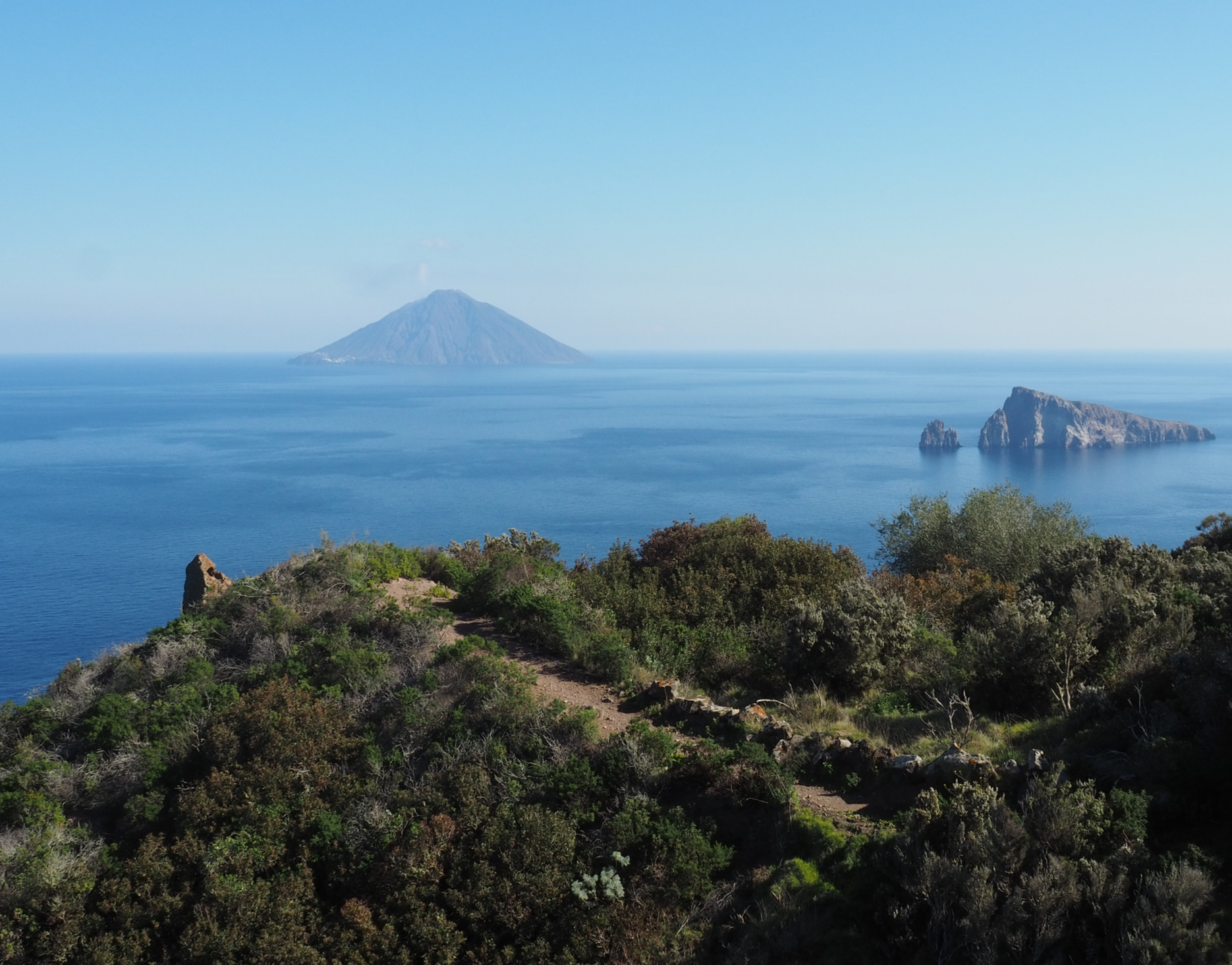
In the land of volcanoes – exploring between lava and nature in Sicily
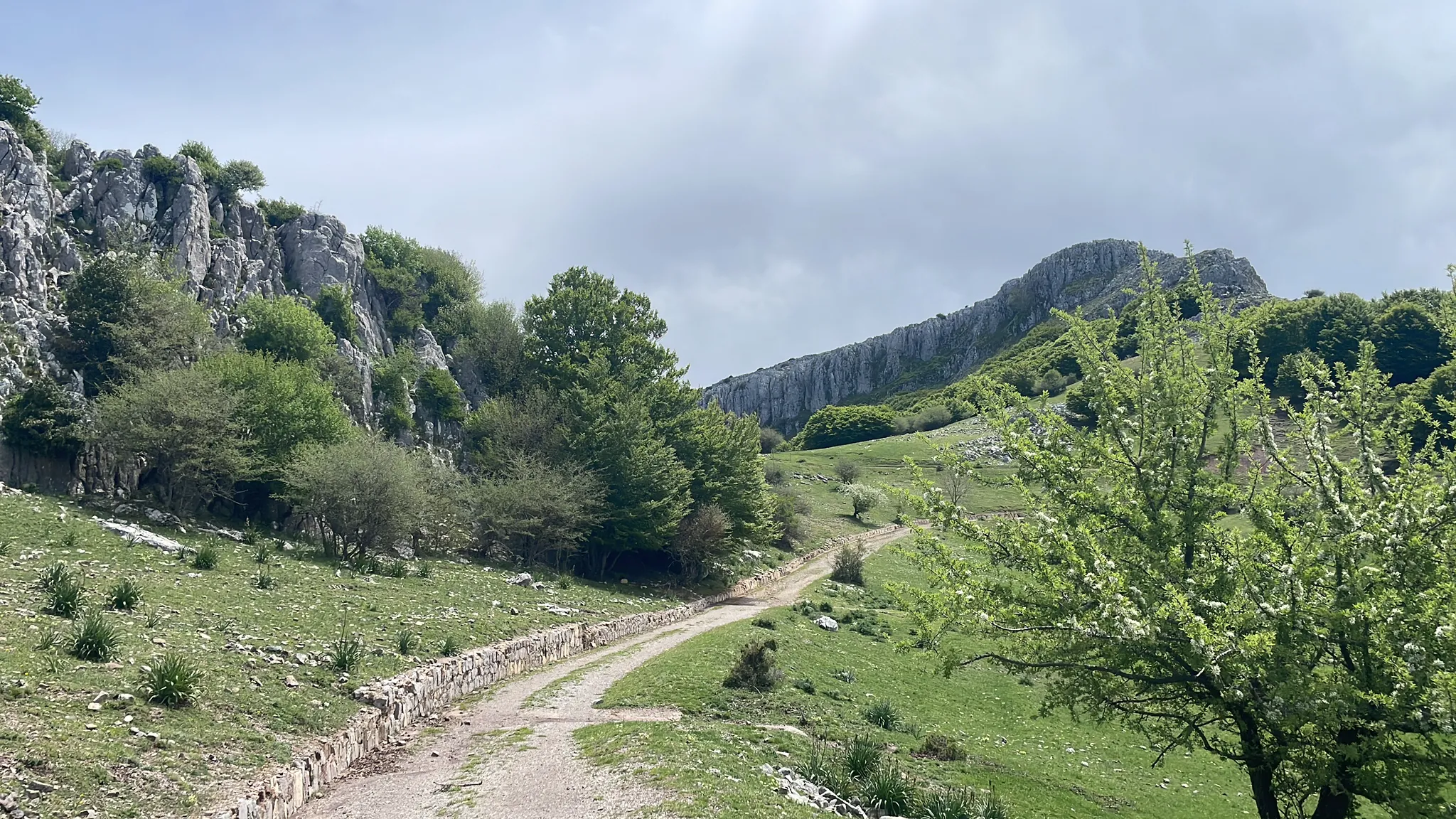
Etna and Madonie mountain bike parks – the Wild Heart of Sicily
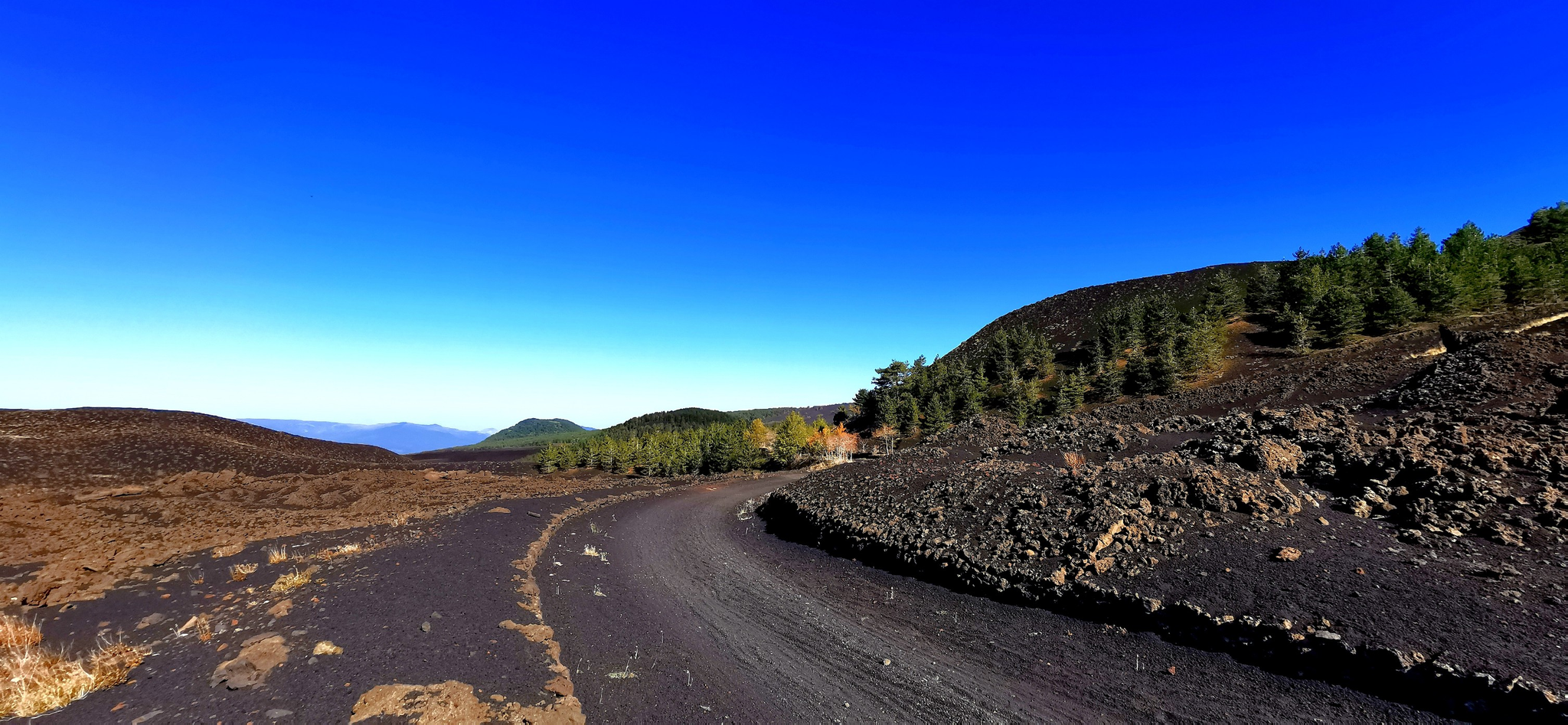
Volcanoes, forests and sea – Parchi della Sicilia cycling route by MTB
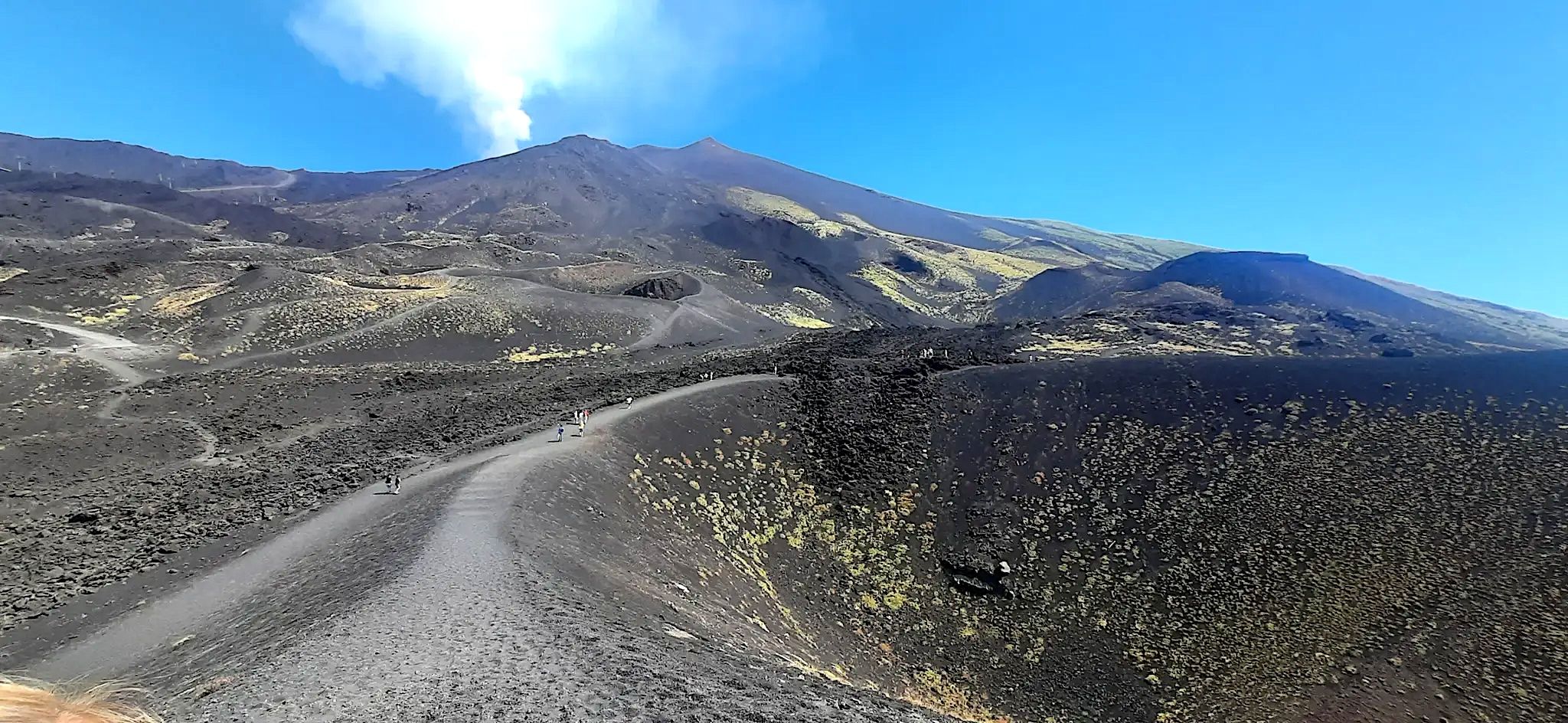
On the trails of Etna – day hikes to discover the volcano
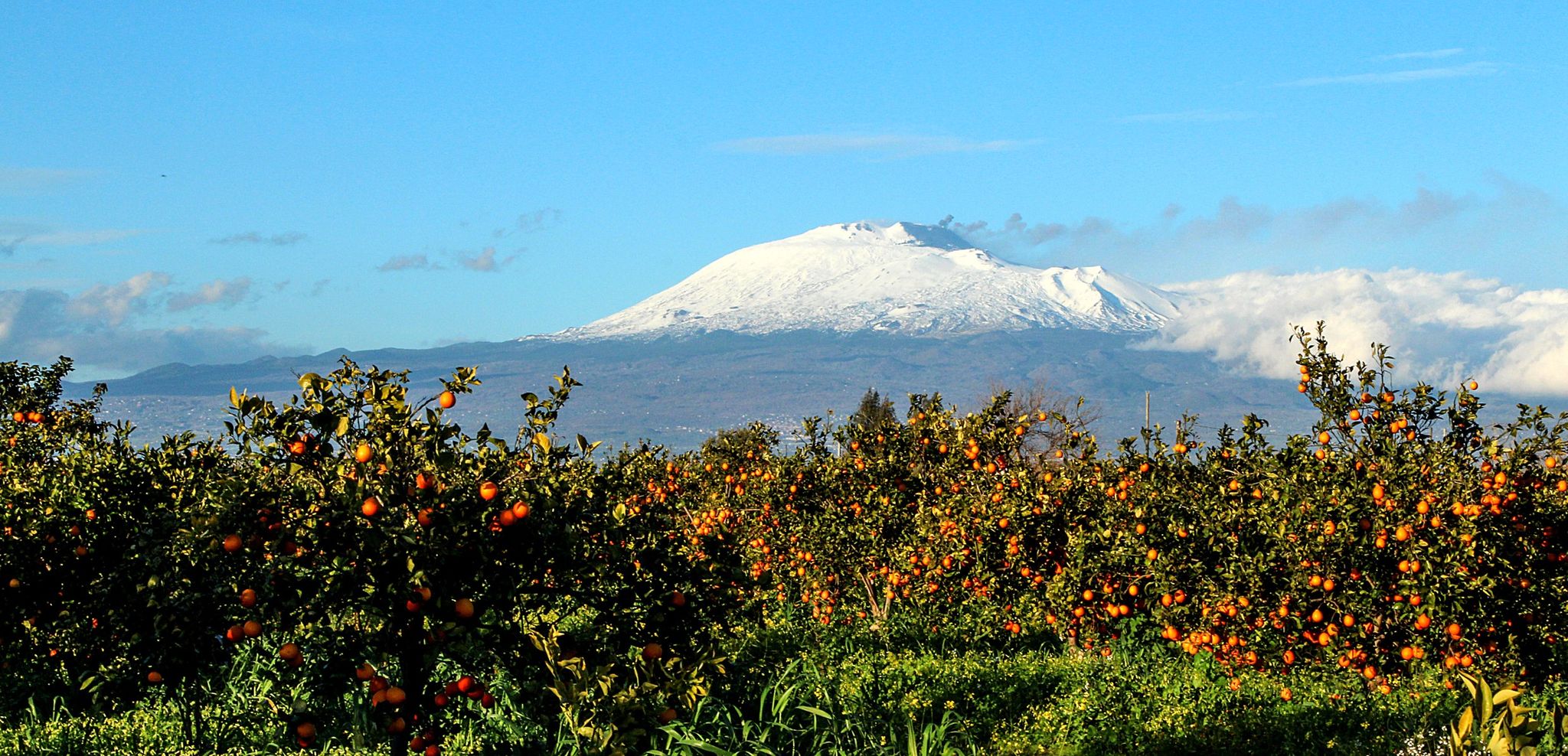
Eastern Sicily by bike – on the Baroque route
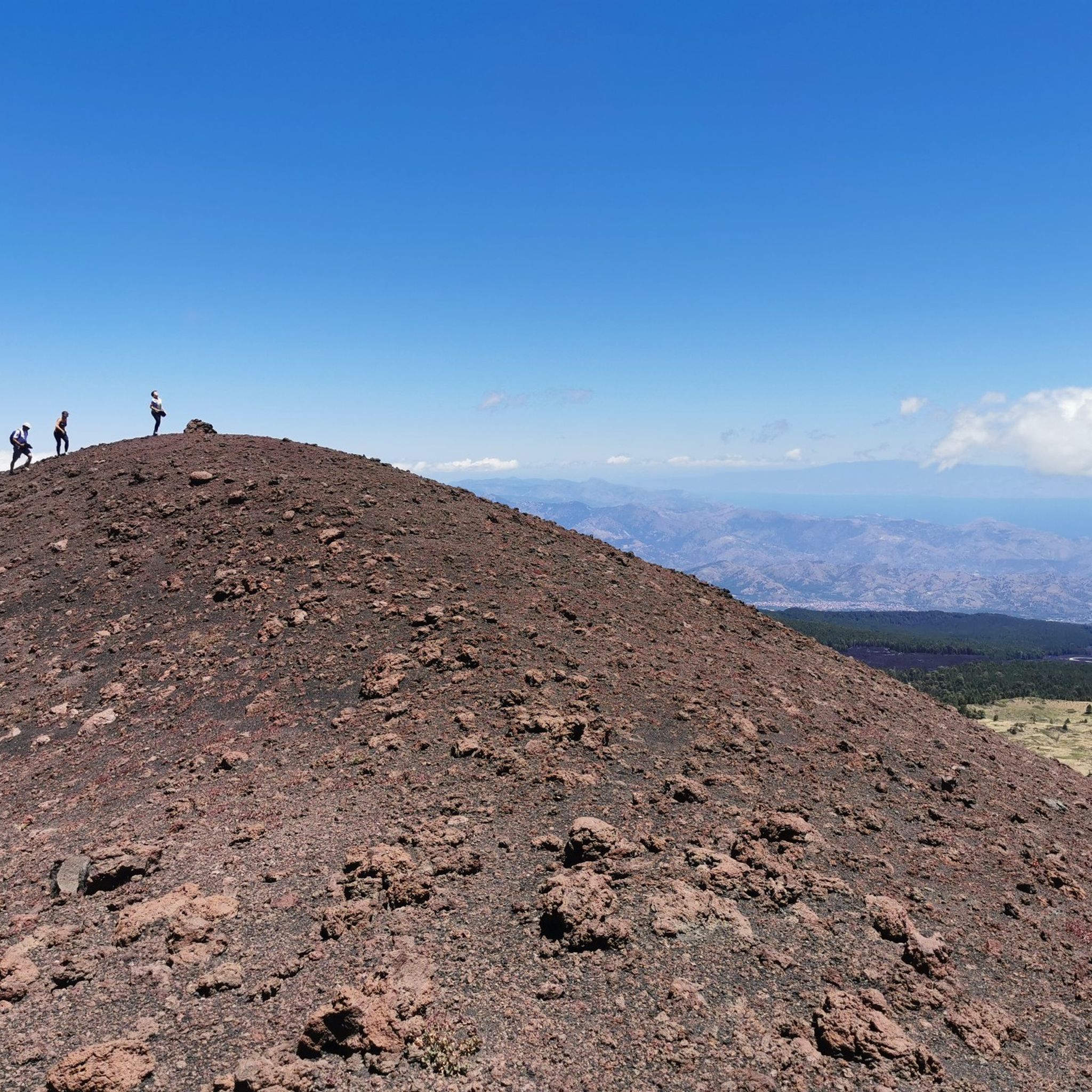
Hiking around Nicolosi
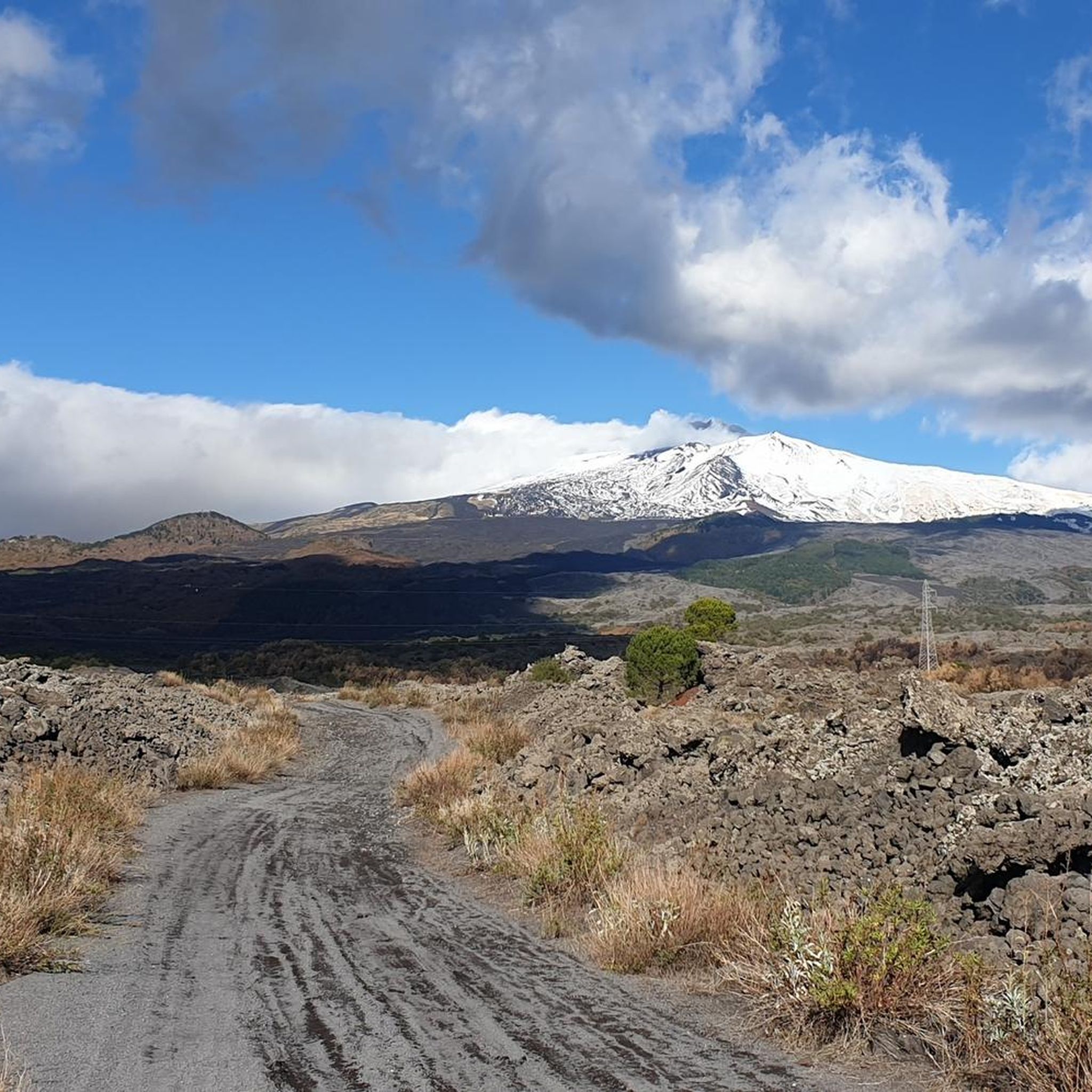
MTB Trails around Nicolosi
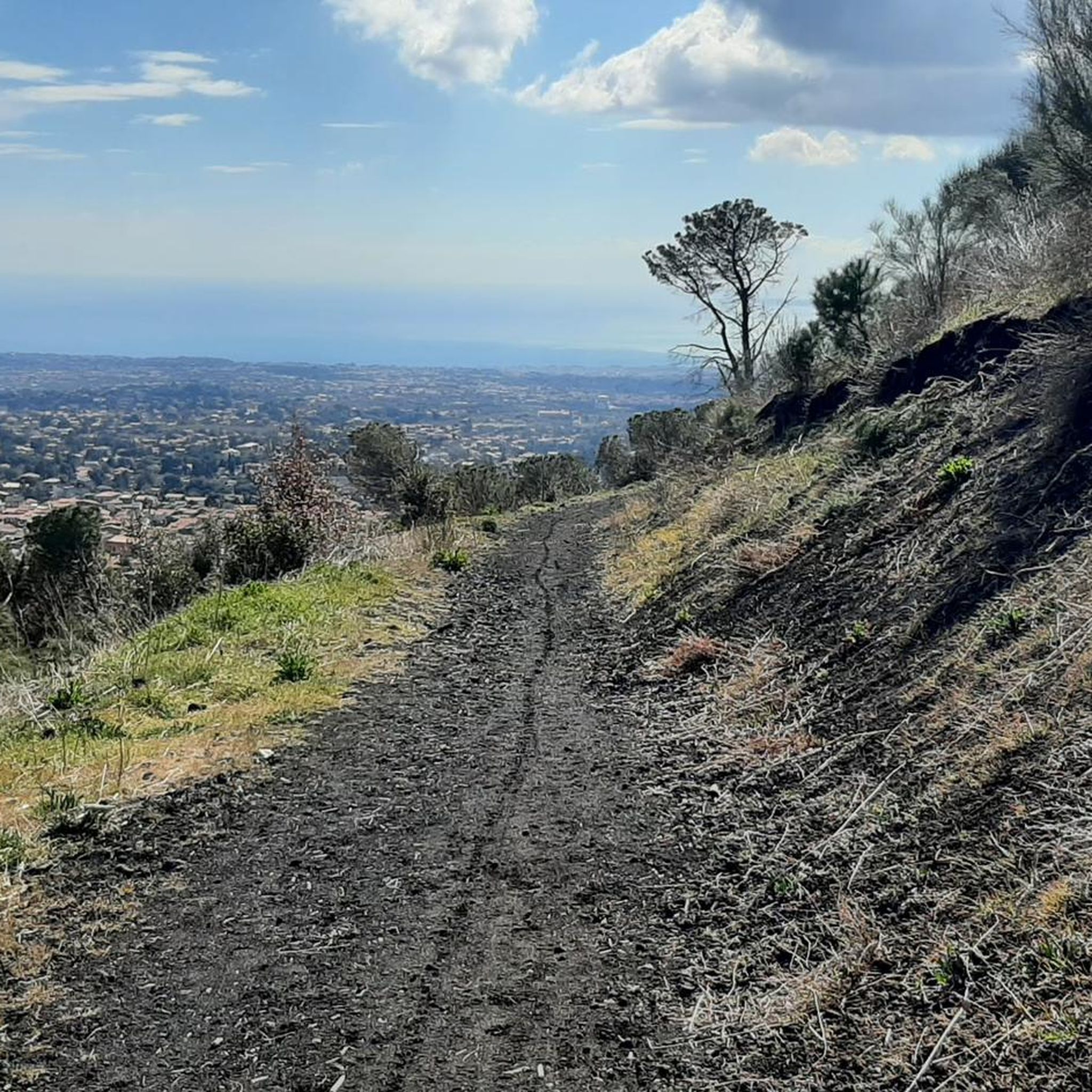
Road Cycling Routes around Nicolosi
Running Trails around Nicolosi
Cycling around Nicolosi
Other adventures around Nicolosi

Tips from the Community


Deep cave not visitable. Located near a shelter unfortunately now closed by the forestry.
1
0

The Santa Barbara refuge is located in the Etna Park, immersed in a suggestive landscape of woods and lava flows. Recently renovated, it has a fireplace with a wood reserve and can be used as a bivouac. It is an excellent starting point for excursions around the volcano.
1
0

One of the most beautiful lava tunnels on the north side of Mount Etna is the Serracozzo Grotto (surely often visited, but not signposted). A lava tunnel is not a cave, but rather one formed during an eruption, when a crust forms on the surface of the slowly flowing lava in flatter terrain. This "tunnel" is easy to enter (assuming there's no threat of a thunderstorm (flooding!) or ice and snow making entry dangerous). Don't forget your flashlight; two cave-ins in the ceiling provide sufficient light until halfway through the tunnel, after which it becomes very shallow and pitch-dark in places. It's worth exploring!
0
0

Approx. 115m long volcanic grotto. A few meters off the main path. Signposted.
0
0

It is located a very short distance from the track, following an uphill path. The cave is also slightly uphill... it is not very high, nor one of the most spectacular. But it is really easy to reach
0
0
This cave was formed from a lava flow that cooled and solidified on the outside, but continued to flow inside, leaving a hollow space behind. The Grotta Serracozzo is particularly impressive because it has collapsed in two places, allowing daylight to enter.
0
0

There is no equipped area. The cave is fenced off because it is an overhanging well. Good connection. The view of Etna and the crater of Monte Nero degli Zappini in the foreground is spectacular.
0
0
Frequently Asked Questions
What types of caves can I explore around Nicolosi?
The caves around Nicolosi are primarily volcanic, formed by lava flows on the slopes of Mount Etna. You can find various types, including lava flow tunnels, reogenetic fracture cavities, and caves with complex structures. Examples include the extensive Grotta dei Lamponi and the intricate Grotta delle Palombe.
Are there any caves with unique natural phenomena near Nicolosi?
Yes, the region offers caves with distinct features. The Serracozzo Cave is known for magical light entrances from above. The Grotta del Gelo, or Ice Cave, is particularly unique as it hosts Europe's southernmost perennial glacier, featuring a permanent ice floor and ice formations within a volcanic environment.
Do I need special equipment to explore the caves around Nicolosi?
For many caves, such as the Snow Grotto, a flashlight is essential as it is pitch-black inside. Guided tours often provide helmets and torches. For more challenging caves like the Grotta delle Palombe or the basal part of the Case del Vescovo Caves, speleological equipment is required due to vertical drops and complex structures.
Are there caves suitable for beginners or those seeking an easy exploration?
Yes, some caves are more accessible. The Schadlish Cave is an easily reachable lava flow cave, partially incised, allowing views inside. The Serracozzo Cave is also easily reachable from the Citelli refuge and offers a rewarding experience for most visitors.
Which caves are more challenging or require advanced caving skills?
The Grotta delle Palombe is generally only accessible to experienced speleologists due to its multiple vertical shafts and descents of up to 120 meters. The basal part of the Case del Vescovo Caves also requires speleological equipment. The Grotta del Gelo involves a moderately challenging 5-hour hike to reach.
What geological formations can be observed in these caves?
Inside the lava caves, you can observe fascinating speleological features such as remelted lava stalactites, which resemble glassy drips, and horizontal cord-like structures on the walls, illustrating the dynamics of lava flow. The Grotta del Gelo also features unique ice stalactites and stalagmites.
Do any of the caves have historical significance or interesting stories?
Yes, the Grotta delle Palombe was discovered in 1823 by vulcanologist Mario Gemmellaro, who undertook a perilous descent. The Snow Grotto is also known as Grotta dei Ladroni, stemming from a legend about bandits using it as a hiding place in the 18th century. The Case del Vescovo Caves were formerly used as a summer deposit for snow.
What outdoor activities can I combine with a visit to the caves?
The area around Nicolosi is excellent for various outdoor activities. You can find numerous cycling routes, such as those in the Cycling around Nicolosi guide, or explore mountain hikes, including routes like the 'Citelli Refuge – Serracozzo Cave loop' found in the Mountain Hikes around Nicolosi guide.
Are there hiking trails that lead to or pass by these caves?
Many hiking trails in the region offer access to the caves. For example, the Serracozzo Cave is easily reachable from the Citelli refuge in less than an hour. The Grotta del Gelo is accessible via moderately challenging hiking trails, typically taking about 5 hours of walking in summer. You can find more options in the Mountain Hikes around Nicolosi guide.
What is the best time of year to visit the caves near Nicolosi?
Visiting during summer months is generally recommended, especially for caves like the Grotta del Gelo, where the hiking trails to reach it are more accessible. The cool temperatures inside many lava caves also offer a refreshing escape on hotter days.
What do visitors particularly enjoy about the caves around Nicolosi?
Visitors appreciate the unique geological insights offered by these volcanic formations. Many enjoy the experience of exploring lava tubes, the magical light effects in caves like Serracozzo Cave, and the adventure of navigating dark passages in the Snow Grotto. The variety of caves, from easy access to those requiring speleological skills, also caters to different interests.
Are there any refuges or resting points near the caves?
Yes, the Rifugio Santa Barbara is located in the Etna Park and serves as an excellent starting point for excursions around the volcano, offering a place for rest and even overnight stays if registered. The Citelli refuge is also a common starting point for reaching caves like Serracozzo Cave.
Most popular routes around Nicolosi
Most popular attractions around Nicolosi

Get inspired with the komoot mobile app


Explore more
Extend your search for the best caves by checking out these guides of the top ones around Nicolosi:
