Top 13 Caves around Piedimonte Etneo
Caves around Piedimonte Etneo serve as a gateway to exploring the extensive volcanic underground heritage of Mount Etna. The region is characterized by numerous lava tubes, formed during past eruptions, offering insights into geological processes. Mount Etna features over 250 volcanic caves, many of which are accessible. These formations provide diverse exploration opportunities for those interested in volcanic landscapes.
Best caves around Piedimonte Etneo
- The most popular caves is Serracozzo Cave, a cave that features openings at the top…
Last updated: October 3, 2026
Serracozzo Cave
Highlight • Cave
Translated by Google •
Tip by

Ascent to Grotta dei Lamponi
Highlight • Cave
Tip by

Sign up now to discover places like this
Get recommendations on the best single tracks, peaks, & plenty of other exciting outdoor places.
Rifugio Santa Barbara
Highlight • Mountain Hut
Translated by Google •
Tip by

Schadlish Cave
Highlight • Cave
Translated by Google •
Tip by

Snow Grotto
Highlight • Cave
Translated by Google •
Tip by

Sign up for free to discover even more caves around Piedimonte Etneo.
Already have an account?
Start today with a free account
Your next adventure awaits.

Tips from the Community


Deep cave not visitable. Located near a shelter unfortunately now closed by the forestry.
1
0

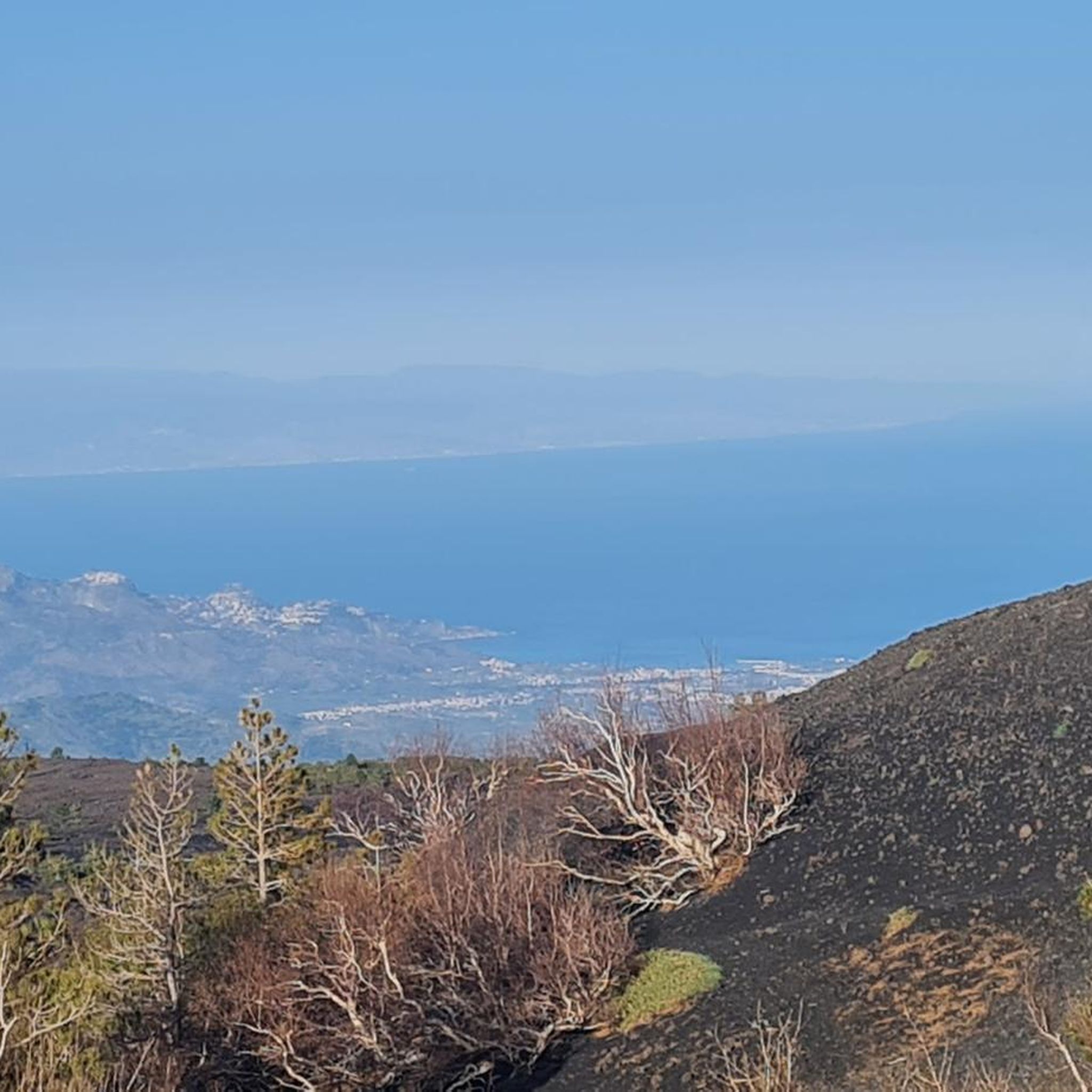
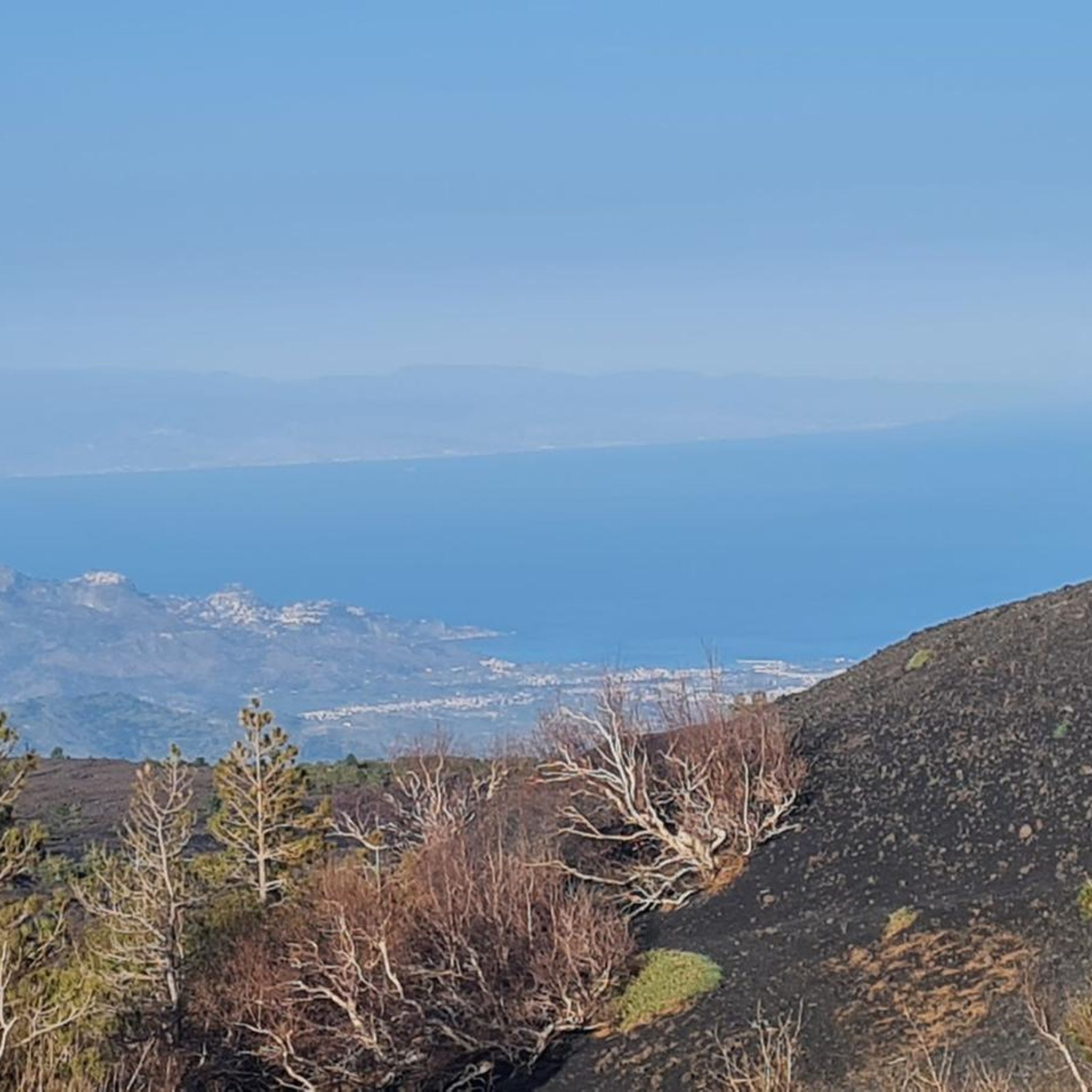
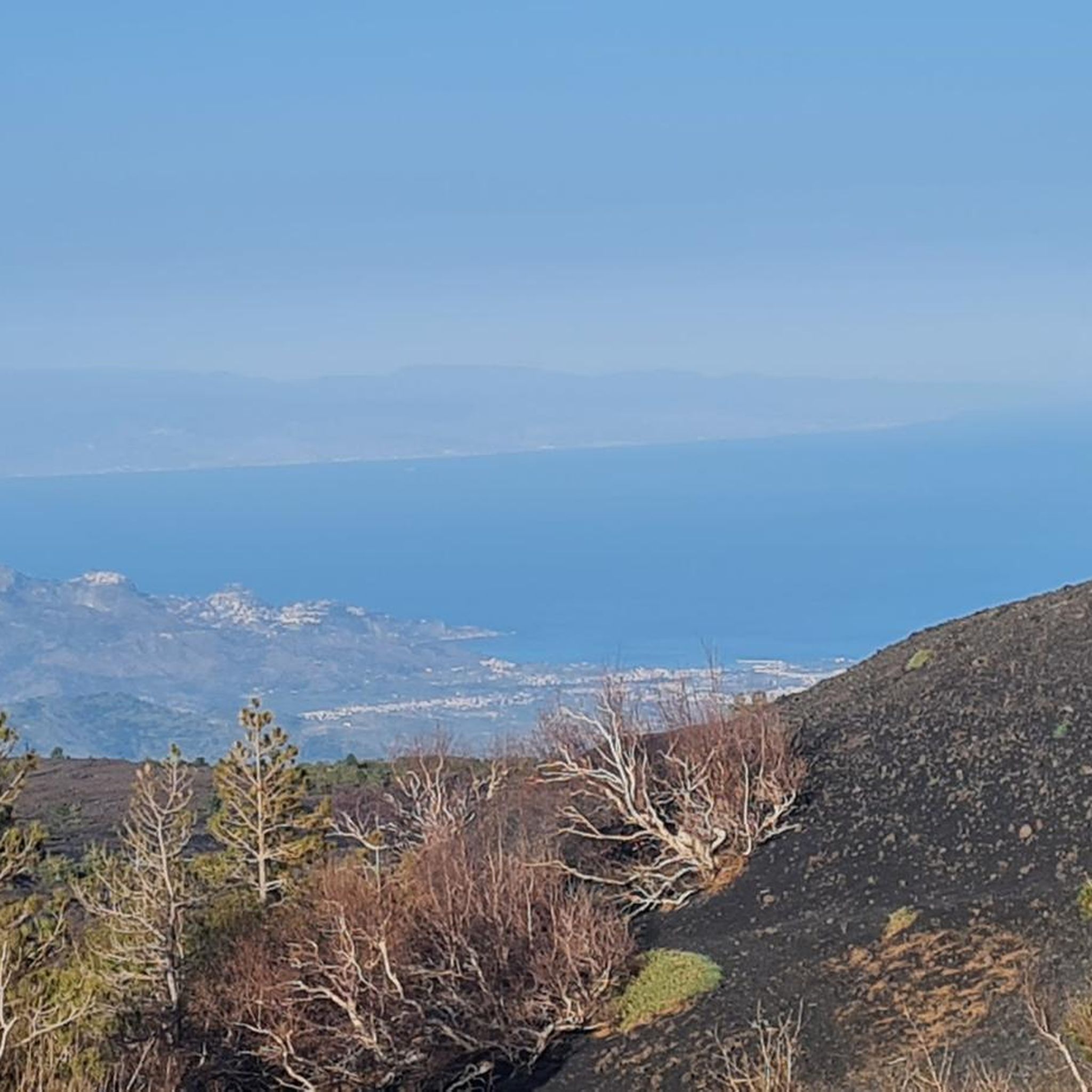
The Santa Barbara refuge is located in the Etna Park, immersed in a suggestive landscape of woods and lava flows. Recently renovated, it has a fireplace with a wood reserve and can be used as a bivouac. It is an excellent starting point for excursions around the volcano.
1
0

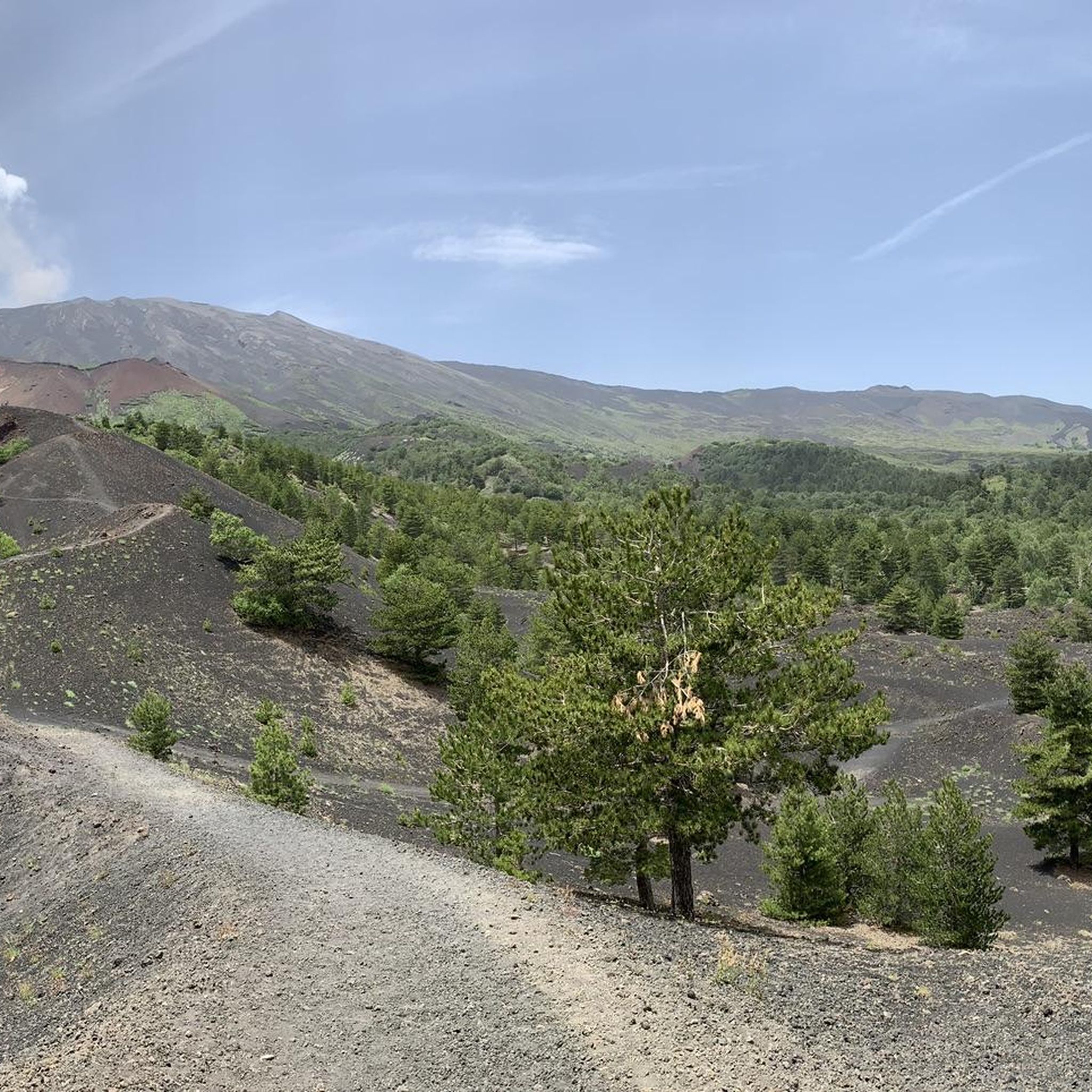
One of the most beautiful lava tunnels on the north side of Mount Etna is the Serracozzo Grotto (surely often visited, but not signposted). A lava tunnel is not a cave, but rather one formed during an eruption, when a crust forms on the surface of the slowly flowing lava in flatter terrain. This "tunnel" is easy to enter (assuming there's no threat of a thunderstorm (flooding!) or ice and snow making entry dangerous). Don't forget your flashlight; two cave-ins in the ceiling provide sufficient light until halfway through the tunnel, after which it becomes very shallow and pitch-dark in places. It's worth exploring!
0
0

Approx. 115m long volcanic grotto. A few meters off the main path. Signposted.
0
0

It is located a very short distance from the track, following an uphill path. The cave is also slightly uphill... it is not very high, nor one of the most spectacular. But it is really easy to reach
0
0
This cave was formed from a lava flow that cooled and solidified on the outside, but continued to flow inside, leaving a hollow space behind. The Grotta Serracozzo is particularly impressive because it has collapsed in two places, allowing daylight to enter.
0
0

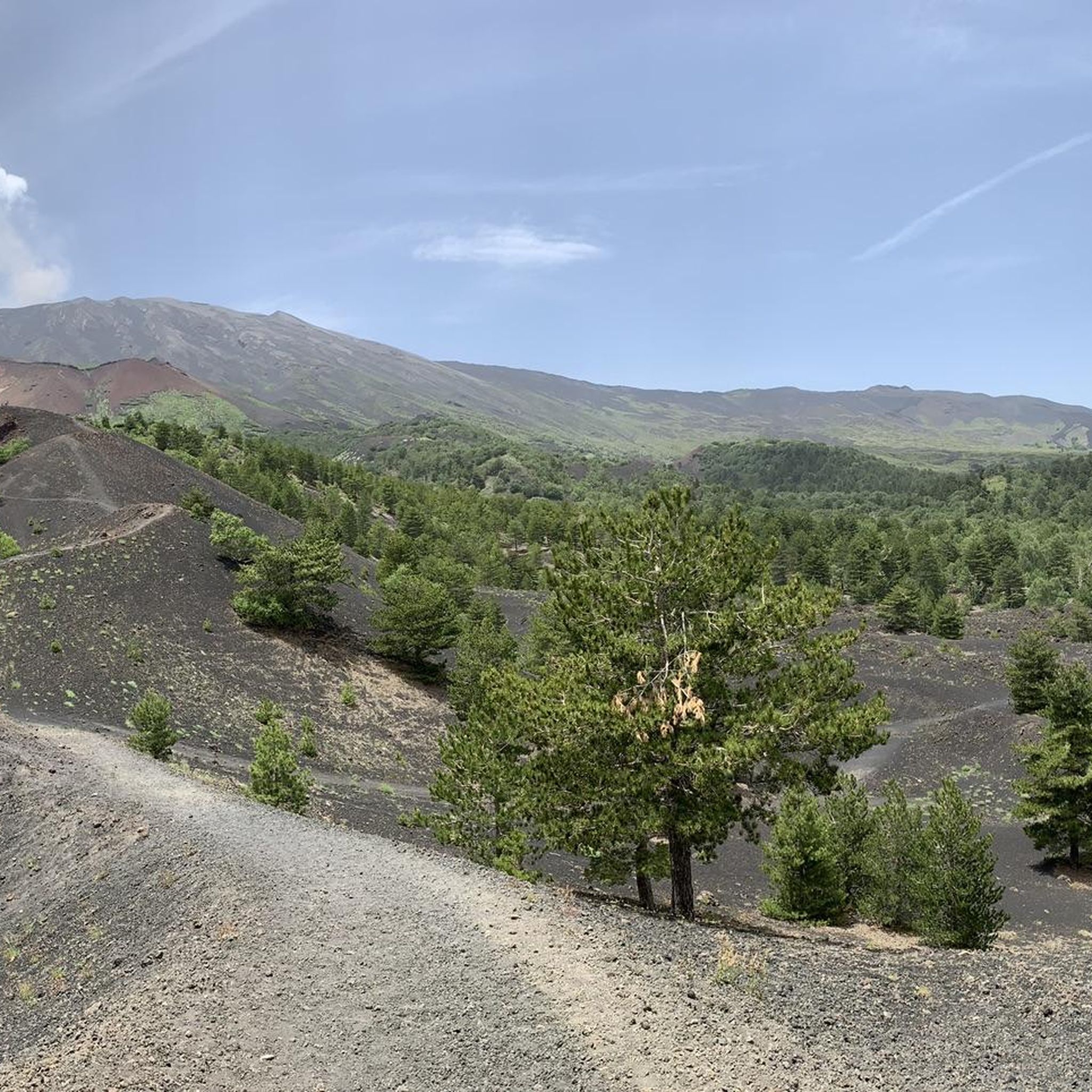
There is no equipped area. The cave is fenced off because it is an overhanging well. Good connection. The view of Etna and the crater of Monte Nero degli Zappini in the foreground is spectacular.
0
0
Frequently Asked Questions
What types of caves can I explore near Piedimonte Etneo?
The region around Piedimonte Etneo, particularly on Mount Etna, is rich in volcanic caves, primarily lava tubes formed during past eruptions. You can find various types, from long, intricate tunnels like Grotta dei Lamponi to historical snow storage caves such as the Snow Grotto, also known as Grotta dei Ladroni.
Which caves are easiest to access for beginners or families?
For easier access, Snow Grotto (Grotta dei Ladroni) near Sant'Alfio is a good option, known for its easy access and historical use. Grotta Cassone, located above Piano del Vescovo, is also easily accessible and spacious, allowing visitors to stand upright for most of its length, making it suitable for a good introduction to Etna's lava tubes without extreme difficulty.
Are there any historical caves in the area?
Yes, the Snow Grotto (Grotta della Neve), also known as Grotta dei Ladroni, is notable for its historical use as a snow storage cave ('niviera'). Locals historically accumulated snow here to sell in cities during warmer months. Legends also associate it with bandits who used it as a hideout.
Do I need a guide or permit to visit the lava tube caves on Etna?
While some caves might be accessible without a guide, it is highly recommended to go with expert local guides for most of Etna's lava tubes. They provide essential safety, equipment like helmets and flashlights, and valuable insights into these natural, sometimes challenging environments. Some sections of caves like Grotta dei Tre Livelli can be challenging and may require crawling, making a guide beneficial.
What equipment should I bring when visiting the caves?
When visiting the caves, especially lava tubes, it's crucial to bring adequate equipment. This typically includes a helmet to protect against bumps, a reliable flashlight or headlamp (as many caves are pitch-black inside, like the Snow Grotto), and sturdy footwear. Some caves may also require good physical preparation.
Can I visit the caves during winter?
Yes, some caves can be visited in winter. The Grotta del Gelo, for instance, is famous for its perennial ice formations, making winter a unique time to experience its 'fire and ice' phenomenon. However, access to higher altitude caves in winter may require specific equipment and expertise due to snow and ice conditions. The Snow Grotto can still feature ice formations in winter.
Are there hiking trails that lead to these caves?
Many caves are accessible via hiking trails. For example, Serracozzo Cave is easily reachable from the Citelli refuge in less than an hour. Grotta dei Lamponi is accessible after a hike, with tours often departing from Linguaglossa. The trek to Grotta di Serracozzo also offers panoramic views of the Valle del Bove.
What other outdoor activities can I do near the caves?
The area around Piedimonte Etneo and Mount Etna offers a variety of outdoor activities. You can explore numerous MTB Trails, enjoy Gravel biking, or go Cycling. Many routes, like the 'Snow Grotto loop from SIC Monte Baracca e Contrada Giarrita', combine cave visits with scenic rides.
Is public transport available to reach the cave areas from Piedimonte Etneo?
While Piedimonte Etneo serves as a gateway, direct public transport to specific cave entrances or high-altitude trailheads on Etna can be limited. It's advisable to check local bus routes to major refuges or starting points like Rifugio Citelli or Piano Provenzana, and then plan for hiking or guided tours from there. Often, guided tours include transport from nearby towns.
Are the caves around Piedimonte Etneo dog-friendly?
Generally, access to natural caves, especially lava tubes, can be challenging for dogs due to rough terrain, narrow passages, and the need for specific equipment. While some hiking trails in Etna Park might be dog-friendly, it's best to confirm specific cave access rules with tour operators or park authorities regarding pets before planning a visit with your dog.
What makes the Grotta del Gelo unique among Etna's caves?
The Grotta del Gelo (Ice Cave) is unique because it hosts the southernmost perennial glacier in Europe, located within a volcanic context at approximately 2,000 meters altitude. This creates a rare 'fire and ice' phenomenon, with permanent ice formations like stalactites and stalagmites inside a lava tube, offering a stark contrast to the volcanic heat.
Which cave offers the most impressive natural light effects?
The Grotta dei Lamponi (Raspberry Cave) is known for its impressive natural illumination. It features skylights, which are collapse openings in the roof, allowing natural light to penetrate deep into the cave, creating a magical atmosphere. Serracozzo Cave also has openings at the top that allow light to enter, creating a similar effect.
Where can I find a spacious lava tunnel that's easy to explore?
Grotta Cassone, located at 1,455 meters above Piano del Vescovo, is a spacious lava flow tunnel that is easily accessible. Visitors can stand upright for most of its length, and its walls display fascinating variations in lava flow. It offers a good introduction to Etna's lava tubes without extreme difficulty.
Most popular routes around Piedimonte Etneo
Most popular attractions around Piedimonte Etneo

Get inspired with the komoot mobile app


Explore more
Extend your search for the best caves by checking out these guides of the top ones around Piedimonte Etneo:
