Top 11 Caves around Comiso
Caves around Comiso are primarily characterized by the historical use of limestone quarries, which served as refuges and homes in prehistoric times. The broader Ragusa province, where Comiso is located, features significant cave systems with archaeological and natural importance. These sites offer insights into ancient human settlement and geological formations. The region's terrain is shaped by these limestone features, providing unique exploration opportunities.
Best caves around Comiso
- The most popular caves is Giant's Cave, a cave that features a…
Last updated: May 18, 2026
Giant's Cave
Highlight • Cave
Translated by Google •
Tip by

Necropolis of Cava Celone
Highlight • Historical Site
Translated by Google •
Tip by
Sign up now to discover places like this
Get recommendations on the best single tracks, peaks, & plenty of other exciting outdoor places.
Sign up for free
Grotta dei Rovi
Highlight • Cave
Translated by Google •
Tip by

Grotta dell'Oro and Sorgente della Misericordia
Highlight • Cave
Translated by Google •
Tip by
Rock Church of Saint Liu
Highlight • Religious Site
Translated by Google •
Tip by
Sign up for free to discover even more caves around Comiso.
Sign up for free
Already have an account?
Start today with a free account
Your next adventure awaits.
Login or Signup
Tips from the Community

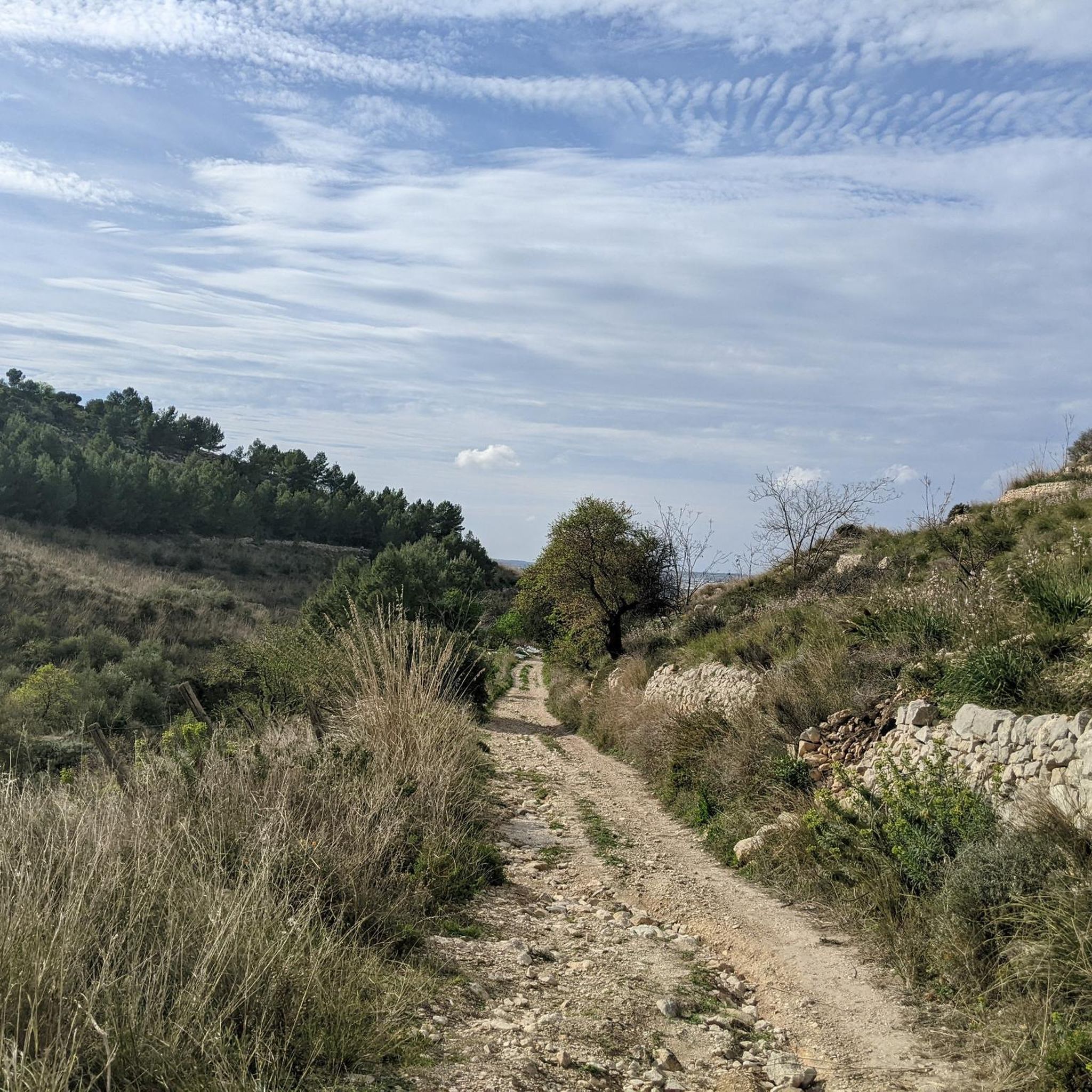
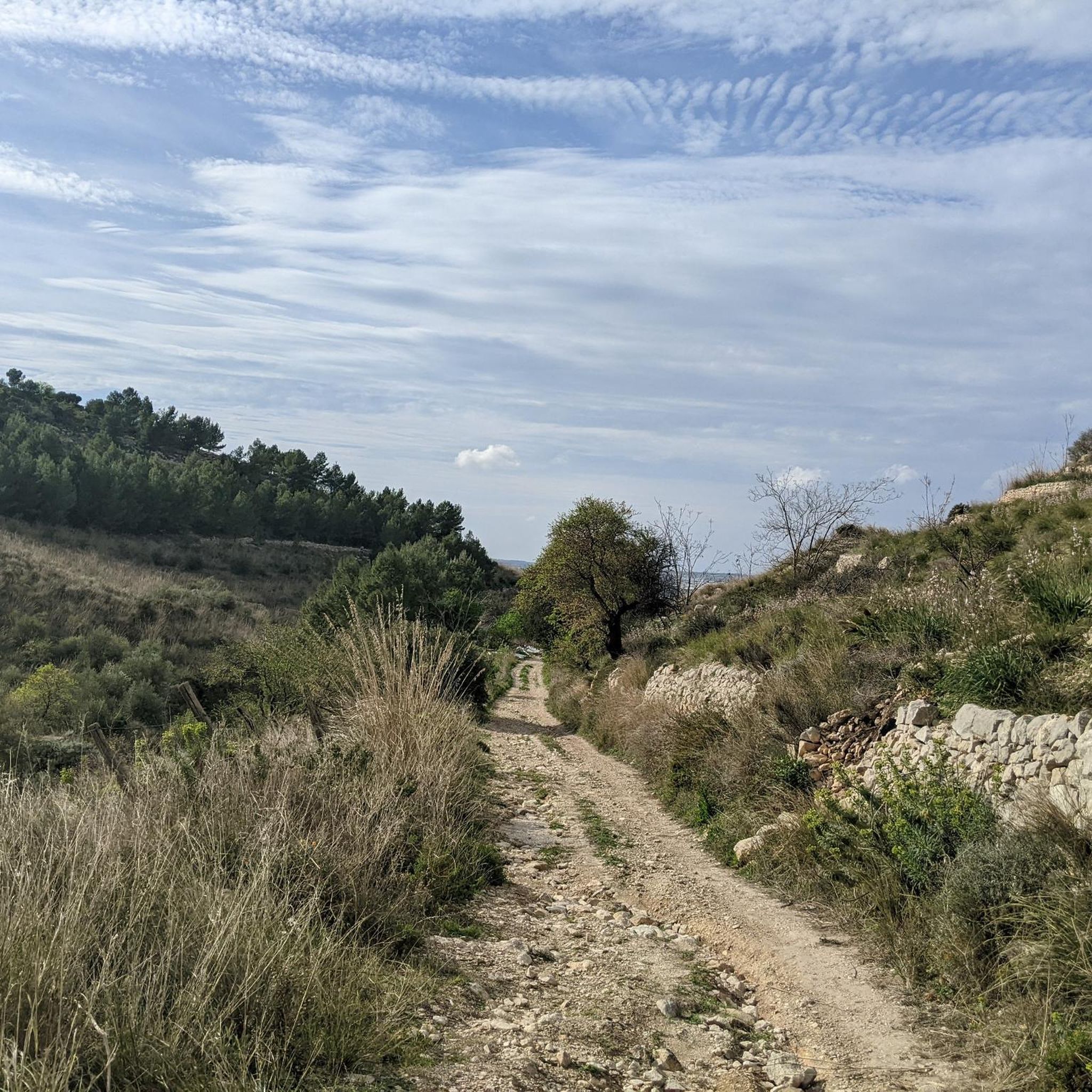
Catacombs carved into the rock. Graves. The path leading there has been rebuilt.
0
0
Some recognize the face of a giant with a beard.
0
0

Much of Ragusa's water comes from this cave and the Sorgente della Misericordia. On the walls you can clearly see how the water shaped the stone.
0
0
A deep cave. The entrance is a bit hidden. Along the way there is a sign "Grotta dei rovi". Climb straight up the mountain here. The cave is in the middle of the thorns. The entrance is on the left where a small staircase leads through the thorns. Helmet and headlamp recommended.
1
0
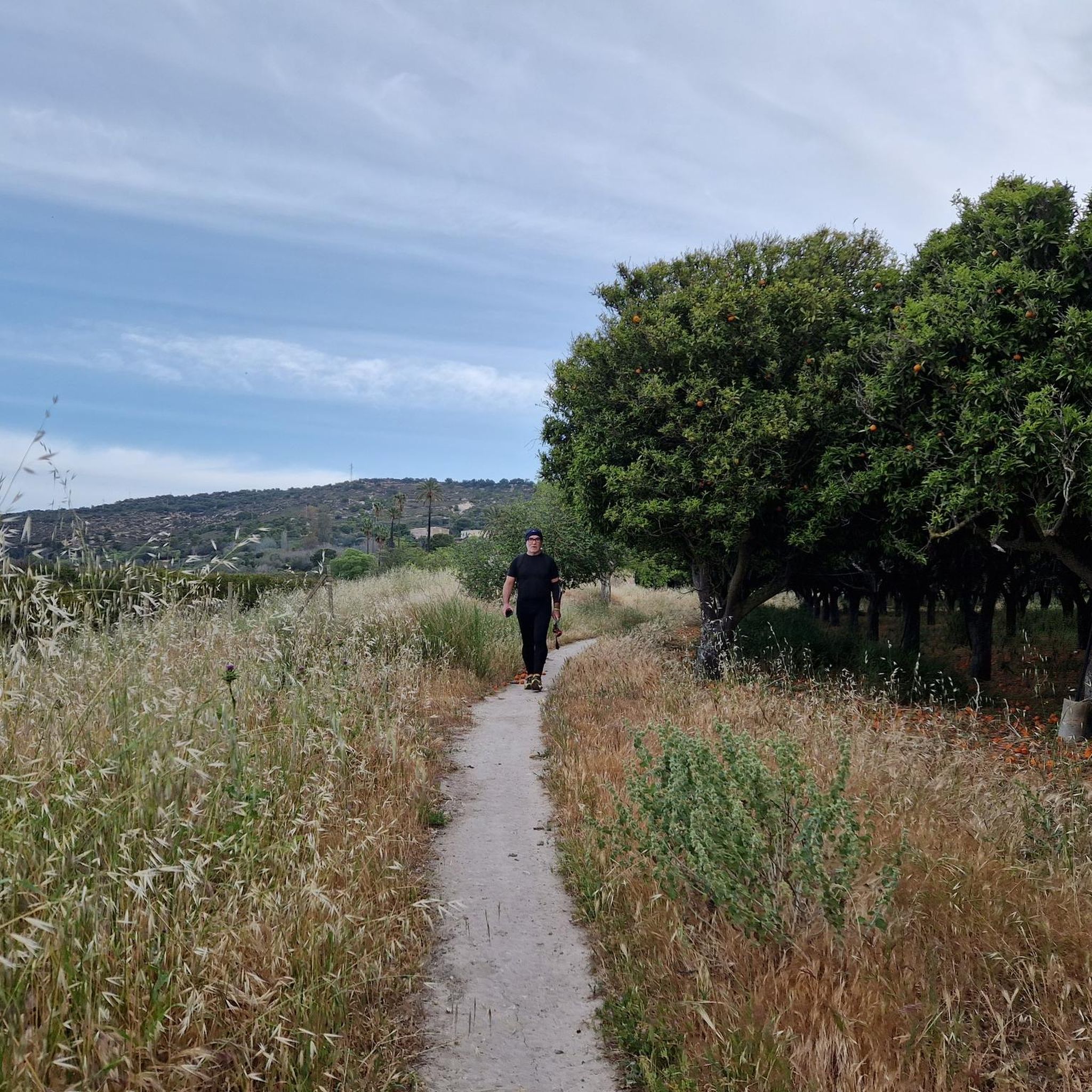
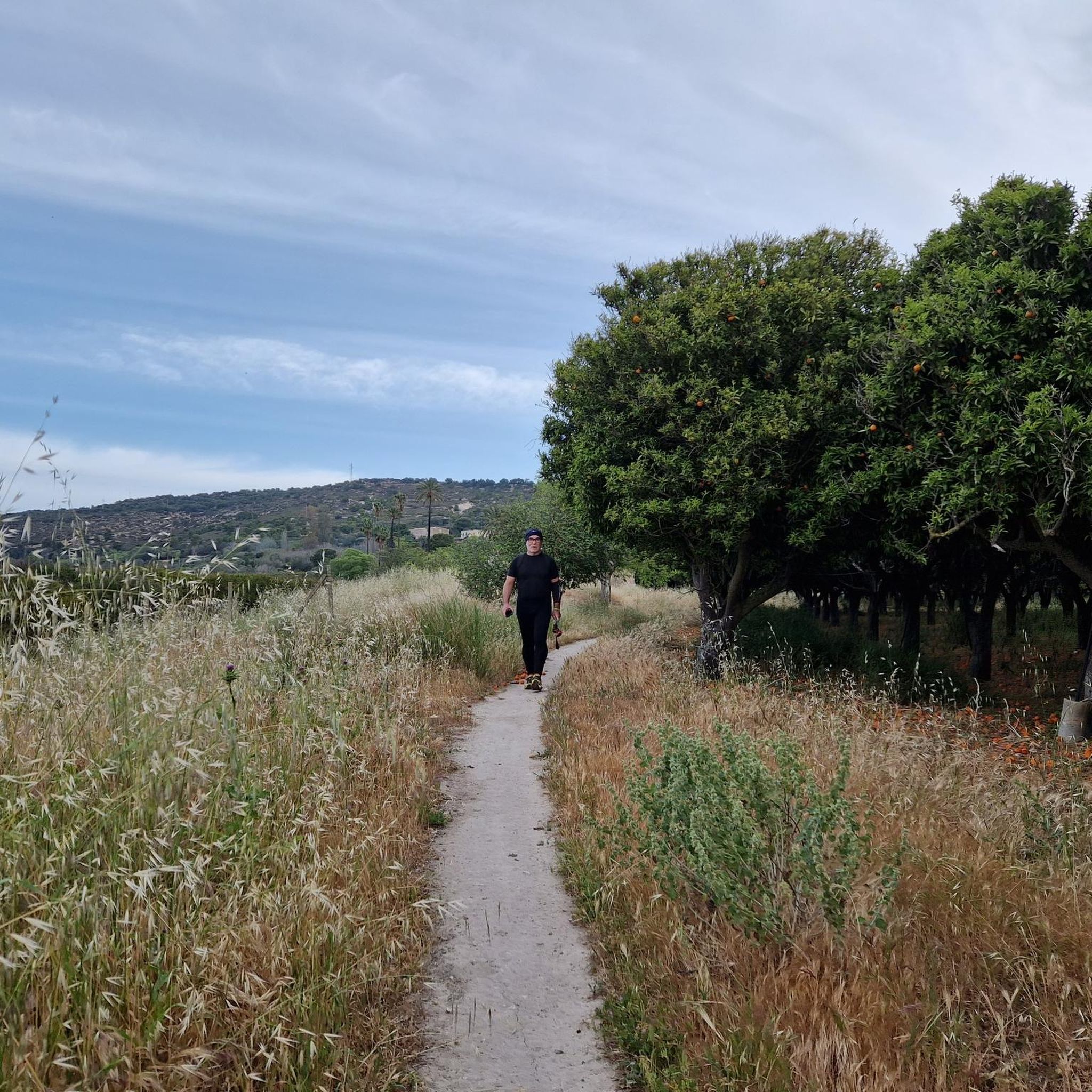
A very beautiful gravesite, little known. The path was recently prepared but is a bit overgrown.
2
0
Small, unadorned church on the side of the road in a beautiful setting. Some refugees from Palestine have settled in Cava Celone and dedicated the church to the Israeli prophet Elijah (Liu).
1
0
The grotto is not that spectacular from the outside but the view is beautiful!
1
1

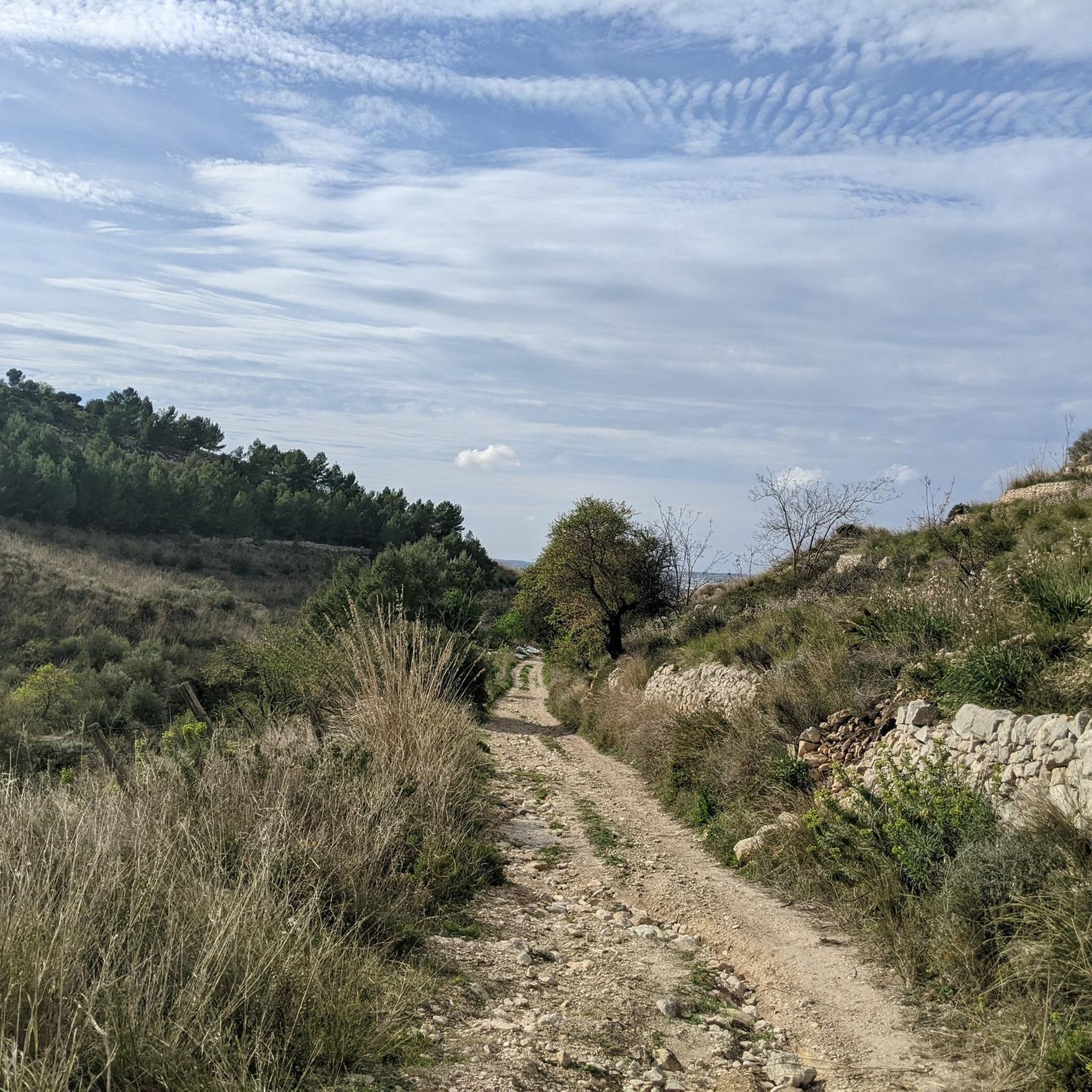
the Giants cave entry is a small hole leading into a narrow tube… to inspect the cave I assume you need lights and a safety plan! the walk there is fabulous!
1
1
Frequently Asked Questions
What kind of caves can I explore around Comiso?
The region around Comiso offers a mix of historically significant limestone quarries and natural caves. You'll find ancient human settlements, archaeological sites like the Necropolis of Cava Celone, and natural formations such as the Giant's Cave, which features a tunnel widening into a cave with a rock resembling a long-bearded giant.
Are there any historical or archaeological cave sites in the Comiso area?
Yes, the region is rich in historical cave sites. The Necropolis of Cava Celone is a significant archaeological site with numerous burial hypogea from the late Roman period. Additionally, the Rock Church of Saint Liu is a small church carved into the rock, offering a glimpse into the area's religious history.
What are the geological features of the caves around Comiso?
The caves around Comiso are primarily formed in limestone, a characteristic of the Iblei Mountains. Sites like Grotta dell'Oro and Sorgente della Misericordia clearly show how water has shaped the stone. The region's terrain is defined by these limestone features, including ancient quarries that served as shelters.
Are there any challenging caves for experienced explorers?
Yes, for those seeking a challenge, Grotta dei Rovi is a deep cave with a somewhat hidden entrance. Reaching it requires navigating through thorns, and a helmet and headlamp are recommended for exploration.
What outdoor activities can I do near the caves around Comiso?
Beyond cave exploration, the area offers various outdoor activities. You can find numerous hiking trails, such as the Cava Porcaro Trail or the Iblean Fabaria Way Trail. For more options, explore the hiking routes around Comiso. There are also road cycling routes and running trails available.
Is Cava d'Ispica easily accessible from Comiso?
While not directly in Comiso, Cava d'Ispica is a significant archaeological and natural site in the broader Ragusa province, often highlighted as a place to visit near Comiso. It features prehistoric caves and easy routes with minimal incline, offering a unique glimpse into human settlement history.
What is the Grotta delle Trabacche and how can I visit it?
The Grotta delle Trabacche, located in the Ragusa area, is a significant 4th-century AD catacomb carved into the limestone. It features two large hypogeum chambers with monumental sarcophagi. Access is free, but reaching the site can be challenging due to a lack of clear road signs, requiring navigation to Contrada Buttino and a walk along a dirt path.
Are there family-friendly options for exploring caves near Comiso?
Many of the historical cave sites, such as parts of Cava d'Ispica, offer relatively easy routes suitable for families. While specific 'family-friendly' categories aren't always assigned, sites with archaeological interest and minimal incline can be enjoyable for all ages.
What should I wear when exploring caves in the Comiso area?
For general exploration of historical sites and easier cave entrances, comfortable walking shoes are sufficient. However, for deeper or more challenging caves like Grotta dei Rovi, a helmet and headlamp are recommended, along with sturdy clothing that can withstand rough terrain.
What is the best time of year to visit the caves around Comiso?
The caves and historical sites in the Ragusa province can generally be visited year-round. Spring and autumn offer pleasant temperatures for outdoor exploration and hiking. Summer can be warm, but the caves themselves provide a cooler environment. Winter visits are also possible, though some paths might be muddier after rain.
Where can I find information about parking for caves near Comiso?
Parking availability varies by site. For well-known archaeological sites like Cava d'Ispica, there are usually designated parking areas. For more remote locations, such as Grotta delle Trabacche, you might need to park along a dirt path and walk. It's advisable to check specific access details for each cave you plan to visit.
What do visitors appreciate most about the caves and historical sites in this region?
Visitors often appreciate the unique blend of natural beauty and deep historical significance. The archaeological evidence, ancient burial sites, and the way human history is intertwined with the natural limestone formations are frequently highlighted. The evocative atmosphere and the opportunity to explore less-known historical marvels are also highly valued.
Most popular attractions around Comiso

Get inspired with the komoot mobile app


Explore more
Extend your search for the best caves by checking out these guides of the top ones around Comiso:
