Top 4 Castles around Salaparuta
Castles around Salaparuta offer a historical perspective on this Sicilian region, marked by its past and natural landscapes. The area is characterized by rolling hills and agricultural lands, reflecting its rural character. Salaparuta itself provides a poignant look into history, particularly after the 1968 Belice earthquake, which left significant ruins. Exploring these sites offers insight into the region's resilience and historical significance.
Best castles around Salaparuta
- The most popular castles is ruins of Salaparuta, a historical site that preserves…
Last updated: October 3, 2026
ruins of Salaparuta
Highlight (Segment) • Historical Site
Translated by Google •
Tip by

Ruins of Old Salaparuta
Highlight (Segment) • Historical Site
Translated by Google •
Tip by
Sign up now to discover places like this
Get recommendations on the best single tracks, peaks, & plenty of other exciting outdoor places.
Grifeo Castle – Regional Museum of Prehistory of the Belice
Highlight • Castle
A few km from the town of Partanna rises the Strait called today "Archaeological Park". Since the beginning of the twentieth century in Contrada Stretto …
Translated by Google •
Tip by
Monte Genuardo Nature Reserve
Highlight • Natural Monument
Showing Translation
Tip by
Castello Grifeo Partanna
Highlight • Castle
Showing Translation
Tip by
Sign up for free to discover even more castles around Salaparuta.
Already have an account?
Start today with a free account
Your next adventure awaits.
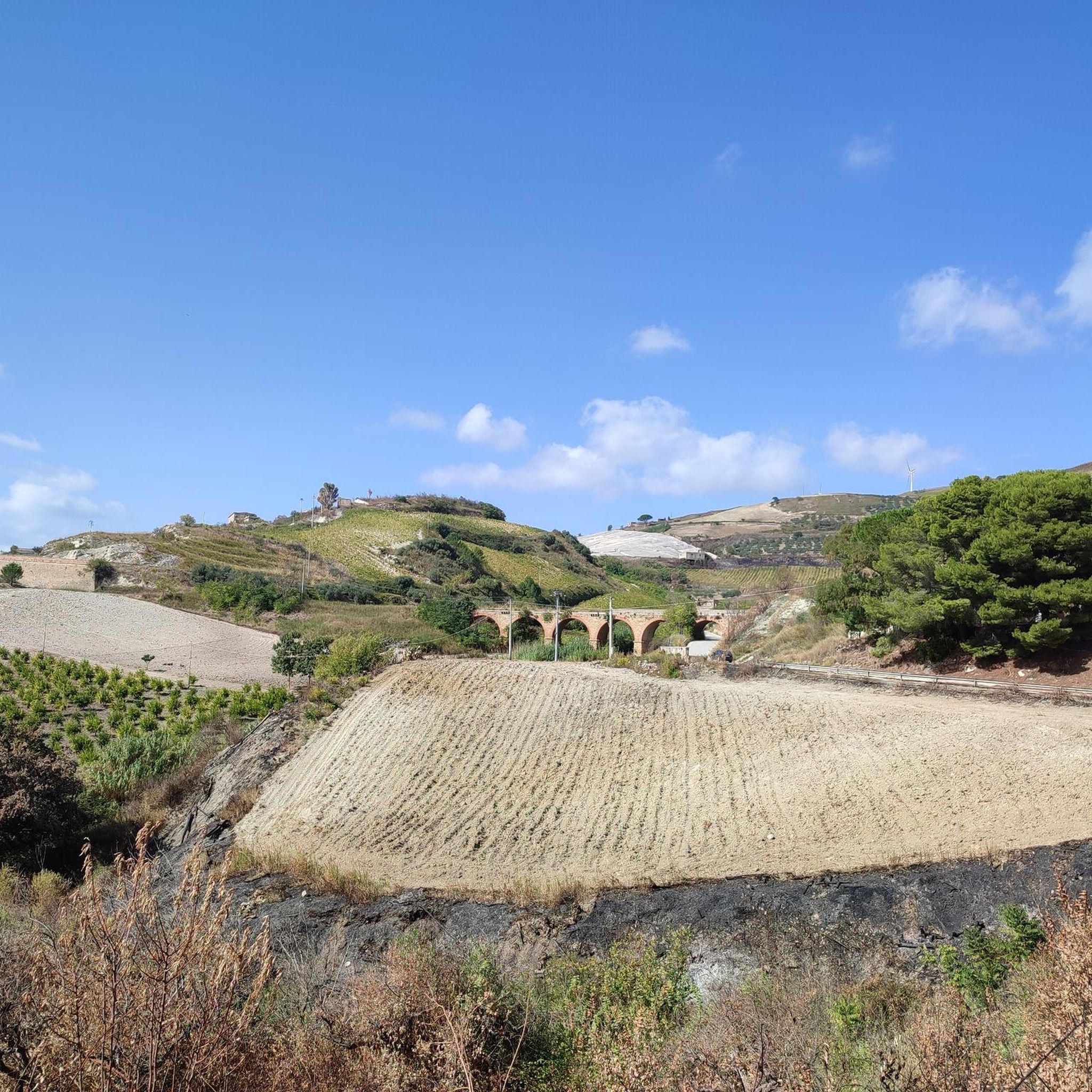
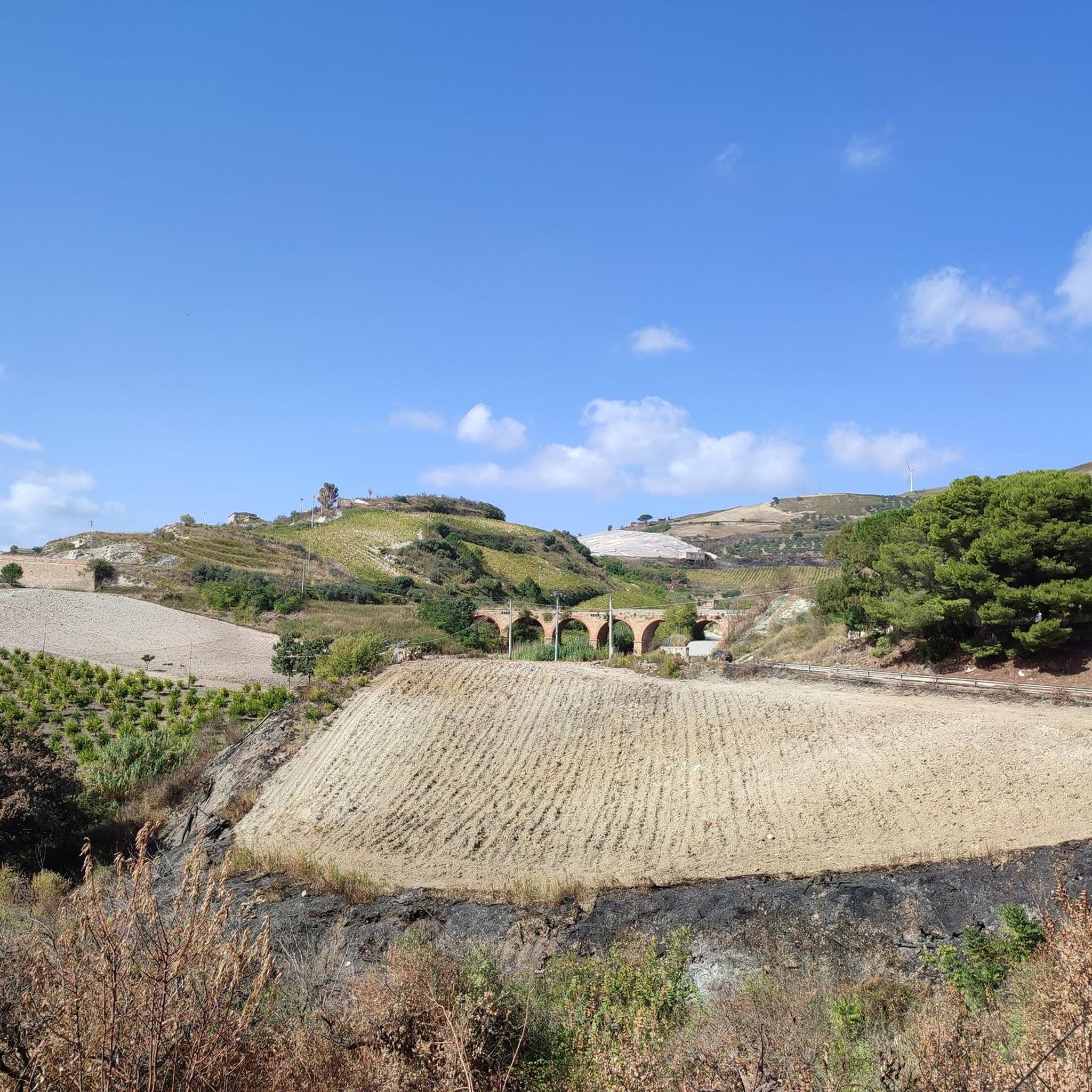
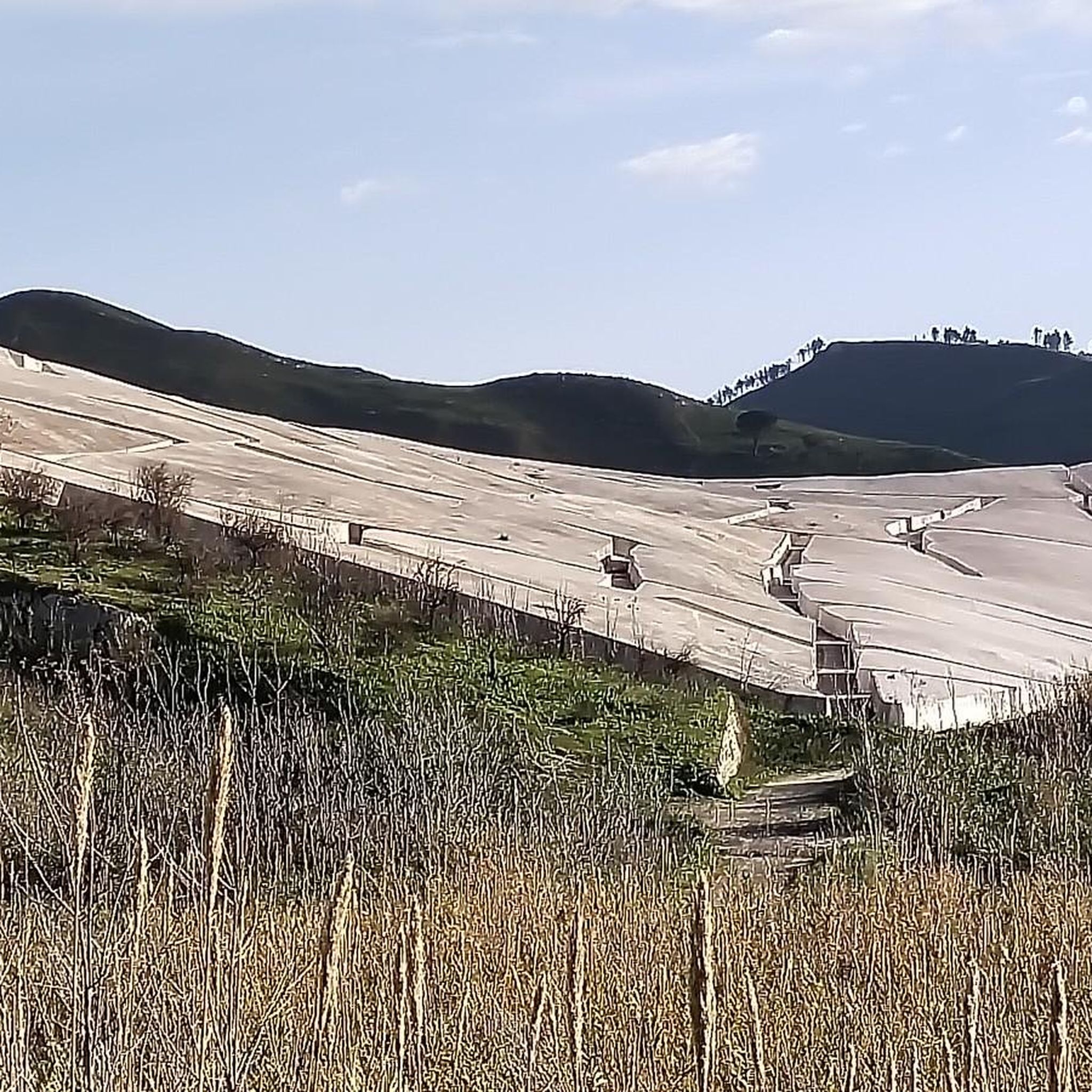
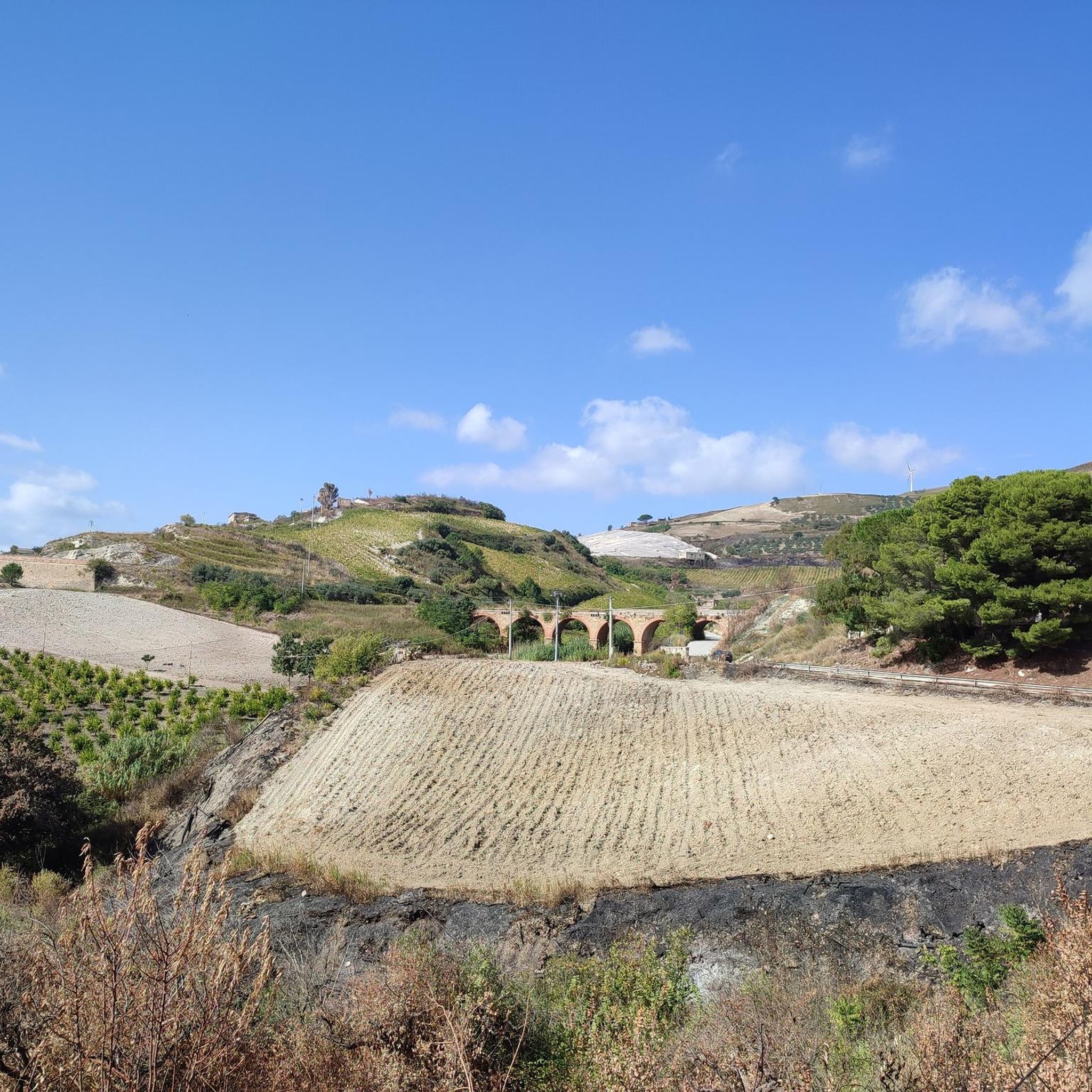
Tips from the Community

The Monte Genuardo and Santa Maria del Bosco Nature Reserve, established for the importance of its oak forest formations and the presence of some rare animal species, encompasses notable naturalistic aspects as well as archaeological and landscape values worthy of attention. The vegetation landscape is a mosaic of elements with different degrees of naturalness, reflecting both soil and microclimatic conditions and the activities that humans have carried out over the years for agriculture and pastoralism. The landscape is dominated by Monte Genuardo, on whose slopes there are outcrops of “pillow lavas”, a type of lava formed by characteristic cushion-shaped structures, geologically very interesting, the territory is articulated in a complex and varied way due to the presence of rock formations, depressions, and fractures. The vegetation reflects this diversity, so that holm oak woods are found on particularly rocky soils, downy oak woods where the soil is more mature, riparian vegetation along the streams, mountain meadows near the summit of Monte Genuardo rich in endemic species, abundant shrub formations that testify to a pre-existing forest cover. The fauna is rich in species of birds, reptiles, mammals, insects among invertebrates. In the oldest part of the forest are the abbey of Santa Maria del Bosco, built between 1593 and 1646 by the Congregation of the Olivetan Abbots, and the Castle of Calatamauro, of Arab manufacture.
10
0
The Grifeo Castle in Partanna (Trapani) houses the Regional Museum of Prehistory of the Belice. It is located in Piazza Umberto I. It preserves important archaeological finds from the Belice Valley from the Paleolithic to the Bronze Age. The medieval castle also offers historic rooms and a tower with a panoramic view.
10
0

goosebumps place, if you stop to read the sign "the tears of Christ" I assure you that your pedaling will change! another area devastated by the earthquake of 68...
1
0
The former Capuchin convent of the 18th century. They were built at the end of the 18th century, on land purchased by Prince Fabrizio Alliata and at his expense, who endowed the friars with income for worship, food and the maintenance of the structures. The church, inserted in the body of the convent, had a single nave which was accessed through the beautiful portal crowned by a robust mixtilinear frame. The convent consisted of sixteen rooms on the ground floor, some of which had a real vault and thirty-one on the first floor, connected by long corridors. From 1927 to 1963 it was used as a hospital and later as a school; it has recently been restored and consolidated also with the insertion of new metal structures.
13
0
The ruins of Salaparuta, a small Sicilian town, are the historical testimony of the serious earthquake that struck the Belice valley in 1968. The ruins are what remained of the old inhabited center of the Trapani municipality and keep alive the memory of one of the most dramatic events that it hit Sicily and all of Italy.
17
0
What remains of the old inhabited center of Salaparuta, destroyed by the earthquake of 1968, is a mass of ruins among which the ruins of houses emerge, the base of the square tower of the Paruta castle, the lower part of the perimeter walls of the Mother Church, with the bases of the pillars of the naves and the structures of the side altars. A basilica with three naves, a transept and a high dome, it had a very slender facade in the middle part, typical of the best examples of Sicilian Baroque. On the external wall of the Sancetta house, a small shrine remembers the place where the miraculous tearing of a plaster bedside, depicting the Sacred Heart of Jesus, took place in January 1957. Recent restorations have restored the 18th century Capuchin convent.
17
0
What remains of the old inhabited center of Salaparuta, destroyed by the earthquake of 1968, is a mass of ruins among which the ruins of houses emerge, the base of the square tower of the Paruta castle, the lower part of the perimeter walls of the Mother Church, with the bases of the pillars of the naves and the structures of the side altars. A basilica with three naves, a transept and a high dome, it had a very slender facade in the middle part, typical of the best examples of Sicilian Baroque. On the external wall of the Sancetta house, a small shrine remembers the place where the miraculous tearing of a plaster bedside, depicting the Sacred Heart of Jesus, took place in January 1957. Recent restorations have restored the 18th century Capuchin convent.
12
0
Archaeological Park of the Strait A few km from the town of Partanna rises the Strait called today "Archaeological Park". Since the beginning of the twentieth century in Contrada Stretto excavations have been carried out and have been found: the Bell-shaped glass, ceramics and moats. A great discovery was that of the “Drilled Skull”. From the studies carried out it is thought that, 5 thousand years ago, a surgery was done and that the patient lived for at least a year. These finds are found in the “Museo del Castello Grifeo”.
12
0
Frequently Asked Questions
What remains of the castles in Salaparuta itself?
In Salaparuta, the primary historical site is the ruins of Salaparuta. This area preserves the base of the square tower of the Paruta Castle, amidst the remnants of the old town devastated by the 1968 Belice earthquake. It offers a poignant testimony to the region's history and the impact of natural disasters.
Are there well-preserved castles to visit near Salaparuta?
Yes, for a more intact castle experience, you can visit the Grifeo Castle in Partanna. This medieval fortress is one of the best-preserved in western Sicily and houses the Regional Museum of Prehistory of the Belice. Another notable site is the Tower of the Duke of Salaparuta in Casteldaccia, a well-preserved medieval watchtower.
Which castles near Salaparuta are suitable for families?
The Grifeo Castle in Partanna is an excellent choice for families. It combines historical architecture with an engaging museum, the Regional Museum of Prehistory of the Belice, which can be fascinating for all ages with its archaeological finds.
Can I combine a castle visit with nature exploration in the region?
Absolutely. The Monte Genuardo Nature Reserve offers a unique combination. Within this reserve, known for its oak forests and diverse fauna, you can find the ruins of the Castle of Calatamauro, which is of Arab manufacture, alongside the historic Santa Maria del Bosco abbey. This allows for a blend of natural beauty and historical discovery.
What historical insights can I gain from visiting castles in the Salaparuta region?
Visiting the castles and historical sites around Salaparuta provides a deep dive into Sicilian history. The ruins of Salaparuta tell the story of the devastating 1968 earthquake and the resilience of the community. The Grifeo Castle in Partanna showcases medieval feudal life and houses prehistoric artifacts, offering a glimpse into ancient civilizations of the Belice Valley. The Tower of the Duke of Salaparuta in Casteldaccia exemplifies medieval defensive architecture.
Are there any archaeological museums within these castles?
Yes, the Grifeo Castle in Partanna houses the Regional Museum of Prehistory of the Belice. This museum preserves significant archaeological finds from the Paleolithic to the Bronze Age, including the famous 'Drilled Skull', offering a comprehensive look at the ancient history of the region.
What outdoor activities can I do near the castles around Salaparuta?
The region around Salaparuta offers various outdoor activities. You can explore numerous running trails, including routes like the 'Rocca delle Penne and Monte Finestrelle Loop'. For cyclists, there are traffic-free bike rides and general cycling routes, such as the 'Parco del Belice — Ring tour', allowing you to combine historical visits with active exploration of the scenic landscape.
Are there hiking opportunities near the castles?
Yes, the area provides several hiking opportunities. For instance, near the Monte Genuardo Nature Reserve, where the Castle of Calatamauro is located, you'll find trails through diverse landscapes. You can also find various running and walking trails in the broader Salaparuta region, many of which pass through natural and historical points of interest.
What is the best time of year to visit castles in the Salaparuta area?
Spring (April to June) and early autumn (September to October) are generally the best times to visit. The weather is pleasant for exploring historical sites and engaging in outdoor activities, avoiding the intense heat of summer and the cooler, potentially wetter days of winter.
Is parking available at the castle sites?
For the ruins of Salaparuta, parking is typically available in the vicinity of the old town. For the Grifeo Castle in Partanna, parking can usually be found in the town center near Piazza Umberto I. It's advisable to check local signage upon arrival.
How long should I plan for a visit to these castles?
For the ruins of Salaparuta, you might spend 1-2 hours exploring the site and reflecting on its history. A visit to the Grifeo Castle in Partanna, including its museum, could take 2-3 hours. If you plan to visit multiple sites or combine them with nature walks, a full day trip is recommended.
Are any castles around Salaparuta accessible for visitors with mobility issues?
Accessibility can vary. The ruins of Salaparuta are an outdoor site with uneven terrain, which may present challenges. The Grifeo Castle in Partanna, as a medieval structure, may have limited accessibility in certain areas, though modern restorations often include some provisions. It's best to contact the specific site directly for detailed accessibility information.
Most popular attractions around Salaparuta

Get inspired with the komoot mobile app


Explore more
Looking for the best castles somewhere else? Discover other guides around Salaparuta:
