Top 18 Castles around Calatafimi Segesta
Best castles around Calatafimi Segesta are situated in a region rich in history and strategic importance. The area features hills and valleys, with fortifications often perched in commanding positions. Historically, these sites defended access roads and served as strongholds, reflecting centuries of diverse cultural influences. The Eufemio Castle, a significant landmark, overlooks the town, while the nearby Segesta Archaeological Park adds to the historical context.
Best castles around Calatafimi Segesta
- The most popular castles is Segesta Archaeological Park, a…
Last updated: May 18, 2026
Segesta Archaeological Park
Highlight • Historical Site
Translated by Google •
Tip by

Ventimiglia Castle and Church of SS. Maria del Alto
Highlight • Castle
Translated by Google •
Tip by

Sign up now to discover places like this
Get recommendations on the best single tracks, peaks, & plenty of other exciting outdoor places.
Sign up for free
Wonderful view of Salemi
Highlight • Viewpoint
Translated by Google •
Tip by

Arab-Norman Castle
Highlight • Castle
Translated by Google •
Tip by
Historic Centre of Salemi
Highlight • Historical Site
Translated by Google •
Tip by

Sign up for free to discover even more castles around Calatafimi Segesta.
Sign up for free
Already have an account?
Start today with a free account
Your next adventure awaits.
Login or Signup
Other adventures around Calatafimi Segesta

Tips from the Community

Information about the archaeological site of Segesta.
24
0
A country that is absolutely worth visiting, it was the first capital of Italy, even if only for one day.
0
0

The climb along the paved Way of the Cross, which is mostly car-free, takes you steadily uphill. From here you can already enjoy great views of the surrounding hills and wind turbines that dominate the panorama. Once you reach the top, you will be greeted by the imposing ruins of the 11th century castle. A real highlight is the active church of SS. Maria del Alto, which is integrated directly into the old walls. It is a fascinating interplay of history and living faith. The view from above is definitely worth the trip - the vastness of the landscape below you, the small villages in the distance and the gentle breeze make the visit perfect for a break with a view. The old ruin has retained some of its charm over the centuries, and the walk around the castle can be easily captured on camera.
0
0
History, culture and breathtaking views of the hilly surroundings are all mixed here. The view of the Norman-Swabian castle that towers over the town is particularly impressive - a perfect destination after a challenging stage. The climb, especially in the Monte delle Rose district, is quite demanding, but the reward is worth it: a spectacular view of the old town and the castle. Salemi is not only a visual highlight, but also steeped in history. In May 1860, Giuseppe Garibaldi briefly proclaimed Salemi the first capital of a united Italy - even if the title only lasted for one day. This town combines the legacy of a turbulent past with the charm of a typical Sicilian village, which lies about 400 meters above sea level. Salemi not only offers a historical insight, but also a challenging but worthwhile route through the rural region. When you drive through the winding streets here, you can literally feel how history and the present merge into one another.
0
0
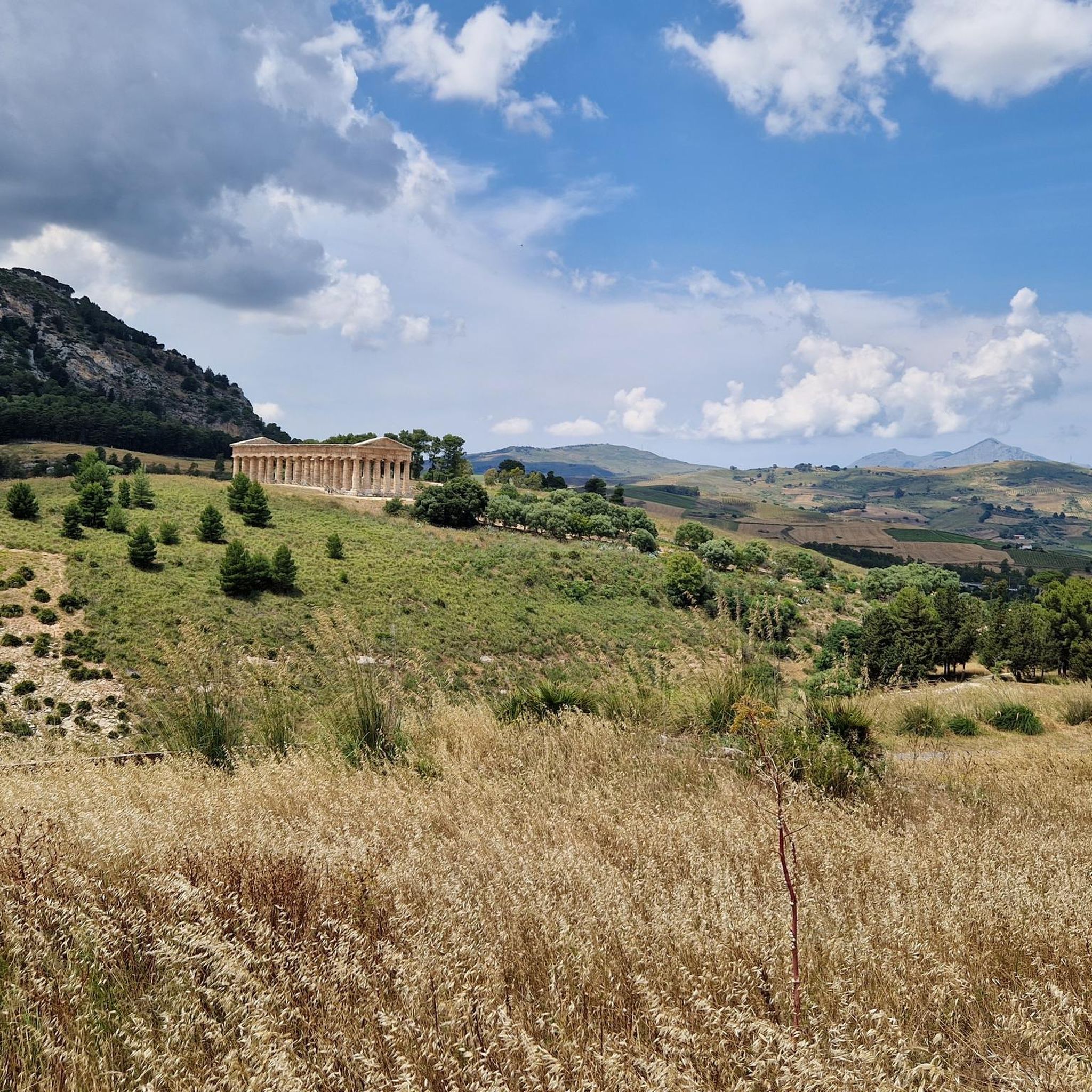
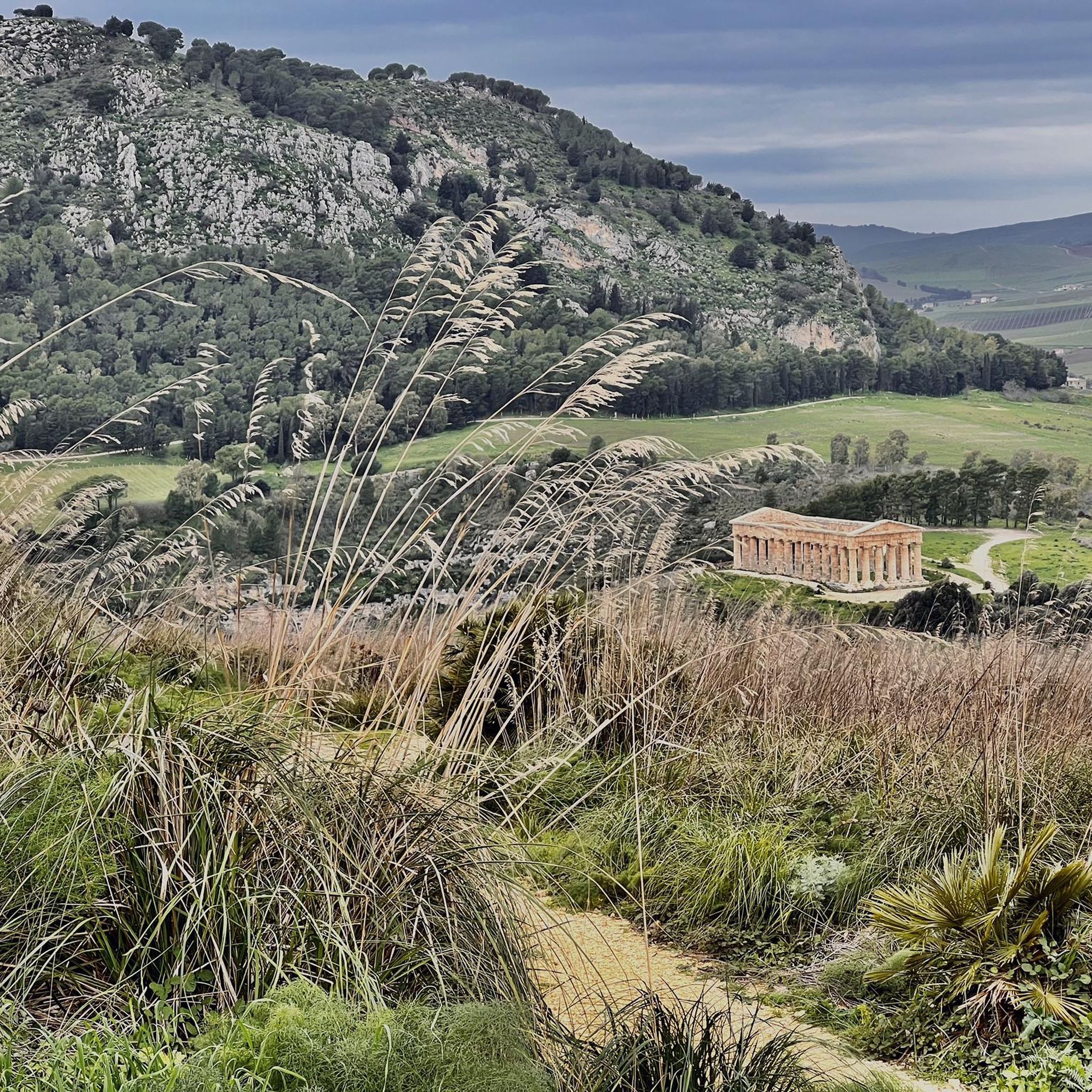
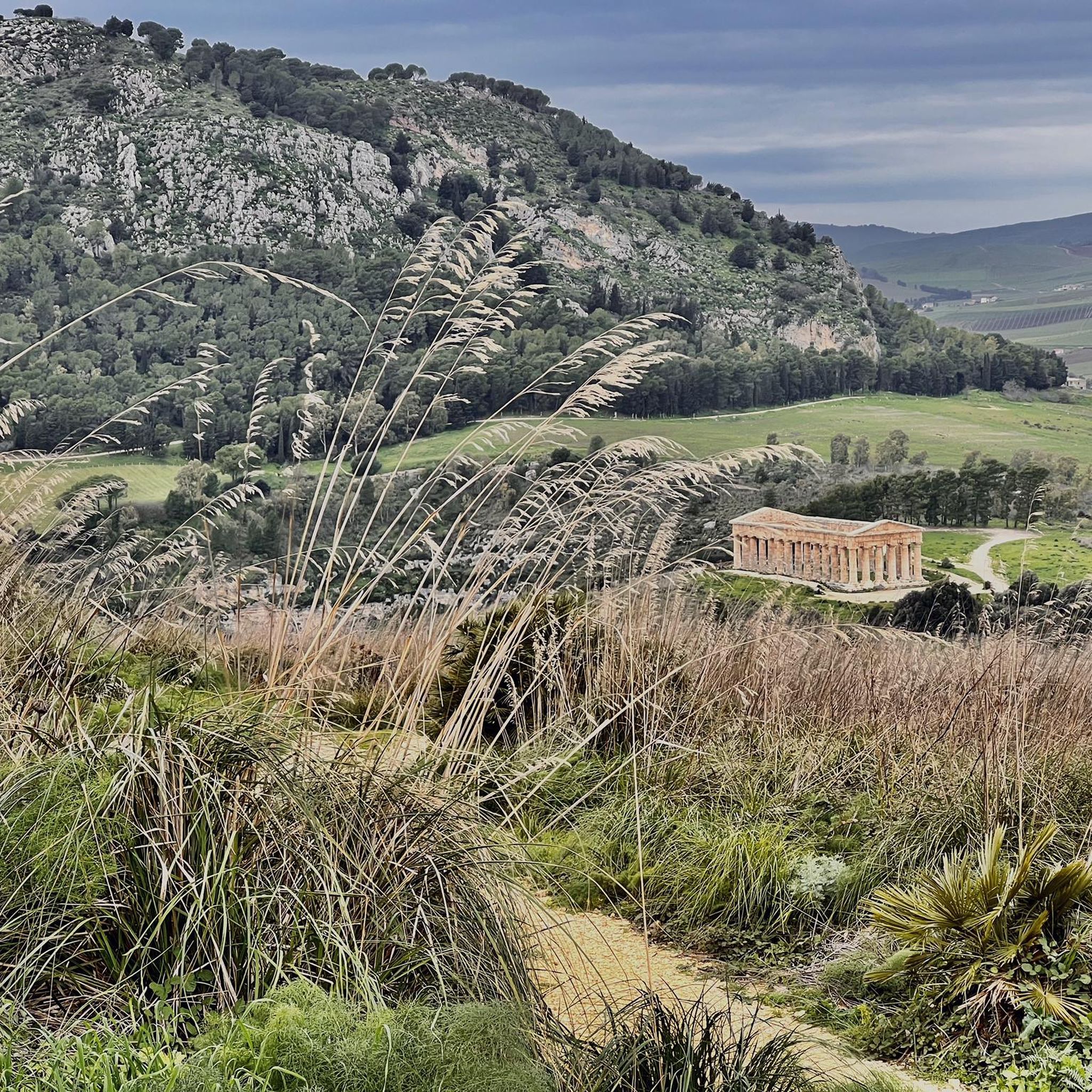
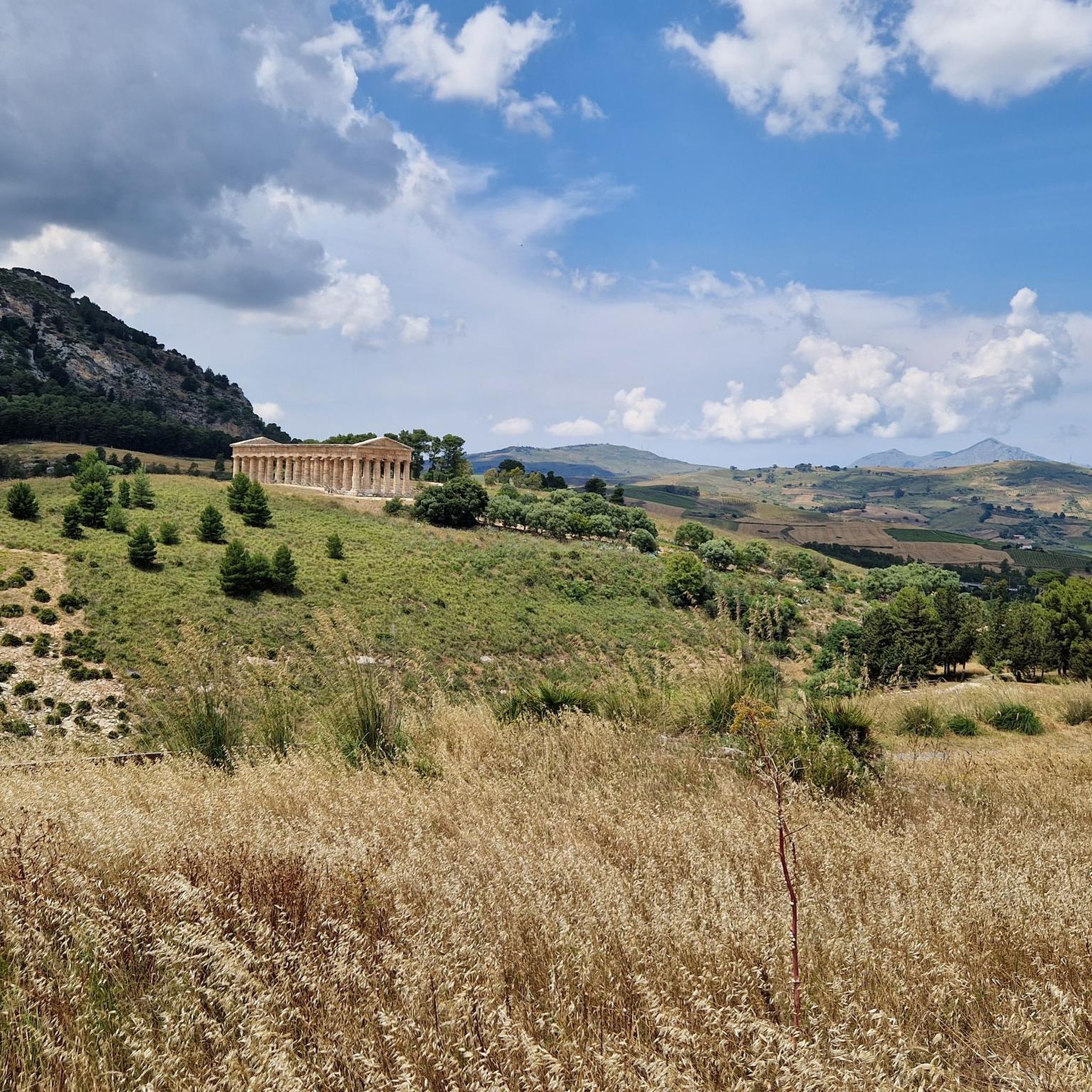
The Doric Temple of Segesta is impressively embedded in the hills of Sicily and invites not only history lovers to take a walk into the past. The unfinished construction gives the temple a rough look, but that is precisely what makes it so attractive - the columns still have the original protective layer that would normally have been removed after completion. The hiking trail up rewards you with a wonderful view of the surrounding landscape and the Gulf of Castellammare. What I particularly liked: From the temple, a beautiful path leads further up to the theater, which is located on the top of the hill. If you choose to walk instead of taking the shuttle, you will be rewarded with many smaller discoveries and fantastic views. The entire complex exudes a special calm - it is a place that invites you to linger and makes history tangible. The magic of the ancient site can be enjoyed wonderfully here, especially in the off-season, when there is less going on.
3
1

Where is it
1
0
The seaside castle, known as the Arab Norman castle, is a fortification that stands near the marina of Castellammare del Golfo, once an emporium of the city of Segesta. The castle is the symbol of the town on the gulf, but also of the entire island; it is in fact a witness and testimony of all the populations that have crossed Sicily in the last ten centuries.
13
0

On 14 May 1860 Giuseppe Garibaldi landed in Marsala and headed towards Salemi. Here he hoisted the Italian flag, a nation that was then forming, on the Norman-Swabian castle, proclaiming Salemi the capital of Italy, an informal title that he retained for only one day. Today Salemi is a splendid town of around 10,000 inhabitants, part of the most beautiful villages in Italy according to the National Association of Italian Municipalities.
3
0
Frequently Asked Questions
What is the most historically significant castle in Calatafimi Segesta?
The most historically significant castle in Calatafimi Segesta is the Eufemio Castle. Perched 400 meters above sea level, it overlooks the town and offers panoramic views. Built around the 13th century on older foundations, it served as a strategic fortified site to defend access roads to ancient Segesta, functioned as a Norman stronghold, a royal governor's residence, and later a prison. Its historical layers connect to diverse cultures and conflicts that shaped Sicily.
Are there other notable historical sites besides castles in the area?
Yes, the area is rich in history beyond just castles. A must-visit is the Segesta Archaeological Park, home to a well-preserved Doric temple and a Greek theater with views over the bay of Castellamare. Additionally, the Historic Centre of Salemi offers a cross-section of Sicilian history, with its Norman castle and its unique claim to have been Italy's first capital for a day.
What is the history of the Arab-Norman Castle near Castellammare del Golfo?
The Arab-Norman Castle near the marina of Castellammare del Golfo was built by Arabs around the 10th century on older fortifications. It has witnessed centuries of regional history, repeatedly rebuilt by successive conquerors. Until the 1980s, it was surrounded by the sea, and today it houses a museum center, serving as a symbol of the town and the island's turbulent past.
Can I visit a castle that also has a religious site?
Yes, you can visit Ventimiglia Castle and Church of SS. Maria del Alto. This site features 11th-century castle ruins integrated with the active church of SS. Maria del Alto. It's accessible via a fortified road, offering breathtaking panoramas of the surrounding hills and a fascinating interplay of history and living faith.
What is the best time of year to visit the castles in Calatafimi Segesta?
The best time to visit the castles and historical sites around Calatafimi Segesta is typically during the spring (April-May) and autumn (September-October) months. The weather is pleasantly mild, making it ideal for exploring outdoor ruins and enjoying the scenic views without the intense heat of summer. Summer can be very hot, while winter might bring cooler temperatures and occasional rain.
Are there hiking trails near the castles around Calatafimi Segesta?
Yes, there are several hiking trails in the vicinity, particularly around the Segesta Archaeological Park. You can find routes like the 'Archaeological Park of Segesta' or the 'Temple of Segesta – Segesta Archaeological Park loop'. For more options, explore the Hiking around Calatafimi Segesta guide.
What other outdoor activities can I do in the area?
Beyond hiking, the region offers opportunities for cycling and running. Cyclists can find routes such as the 'Segesta Archaeological Site – Castellammare del Golfo loop', while runners might enjoy trails like the 'Rocca delle Penne and Monte Finestrelle Loop'. You can discover more options in the Cycling around Calatafimi Segesta and Running Trails around Calatafimi Segesta guides.
How can I get to the castles and archaeological sites, and what about parking?
For the Segesta Archaeological Park, private cars must be parked about 1 km below the entrance, where a paid shuttle bus is available to take visitors to the site. For other castles like Eufemio Castle, access might involve walking or driving to nearby parking areas in the respective towns. Public transport options to Calatafimi Segesta and surrounding towns exist, but local travel to specific castle sites may require further planning or local taxis.
Do I need tickets for the archaeological park or castles?
Yes, tickets are required for entry to the Segesta Archaeological Park. For other sites like the Arab-Norman Castle, which houses a museum, there will likely be an entrance fee. It's always advisable to check the official websites or local tourist information for specific ticket requirements and opening hours before your visit, for example, on visitsicily.info.
Are there family-friendly castles or historical sites to visit?
Yes, both the Segesta Archaeological Park and the Arab-Norman Castle are considered family-friendly. The archaeological park offers an engaging historical experience for all ages, while the Arab-Norman Castle, with its museum, provides an educational and accessible visit for families.
Are the castles around Calatafimi Segesta dog-friendly?
While some outdoor areas or trails around castles might be accessible with dogs on a leash, specific rules for entering historical sites, ruins, or indoor museum sections within castles can vary. It's generally best to assume that dogs may not be allowed inside the main structures of archaeological parks or castles like Eufemio Castle or Segesta Archaeological Park. Always check specific site regulations beforehand.
Where can I find the best viewpoints overlooking the castles or surrounding landscape?
For stunning views, the Eufemio Castle itself offers panoramic vistas of the surrounding hills and valleys. The Ventimiglia Castle and Church of SS. Maria del Alto also provides breathtaking panoramas from its elevated position. Additionally, the Greek theater at Segesta Archaeological Park offers impressive views over the bay of Castellamare.
What should I bring for a castle tour in Calatafimi Segesta?
For a comfortable castle tour, especially during warmer months, it's advisable to bring water, sunscreen, and a hat. Comfortable walking shoes are essential as many sites involve uneven terrain, stairs, or walking paths. A camera is also recommended to capture the historical beauty and panoramic views. If visiting during cooler seasons, bring layers of clothing.
Most popular attractions around Calatafimi Segesta

Get inspired with the komoot mobile app


Explore more
Looking for the best castles somewhere else? Discover other guides around Calatafimi Segesta:
