Top 10 Castles around Pieve Fosciana
Best castles around Pieve Fosciana are located within the historic Garfagnana region, a mountainous area in Tuscany. Pieve Fosciana serves as a base for exploring numerous fortifications and historical sites in the surrounding landscape. The region is characterized by its strategic importance, leading to the construction of various castles and fortresses over centuries. These sites offer insights into medieval and Renaissance military architecture.
Best castles around Pieve Fosciana
- The most popular castles is Ariostesca Fortress, a castle that dates…
Last updated: November 27, 2026
Castelnuovo di Garfagnana
Highlight • Settlement
Translated by Google •
Tip by

Ariostesca Fortress
Highlight • Castle
Translated by Google •
Tip by

Sign up now to discover places like this
Get recommendations on the best single tracks, peaks, & plenty of other exciting outdoor places.
Rocca di Camporgiano
Highlight • Castle
Translated by Google •
Tip by

Fortezza di Mont'Alfonso
Highlight • Castle
Translated by Google •
Tip by

Rocca di Roccapelago
Highlight • Castle
Translated by Google •
Tip by

Sign up for free to discover even more castles around Pieve Fosciana.
Already have an account?
Start today with a free account
Your next adventure awaits.
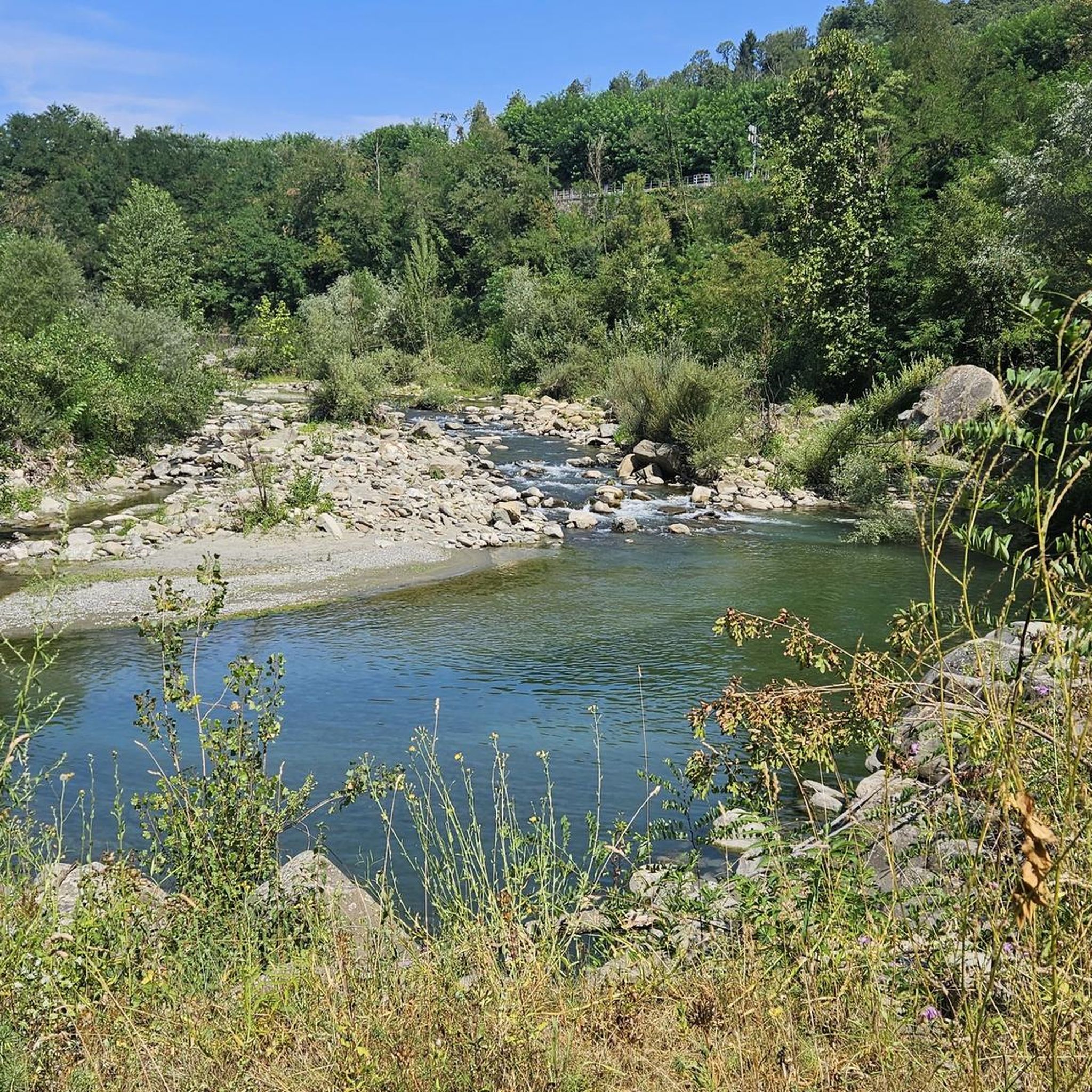
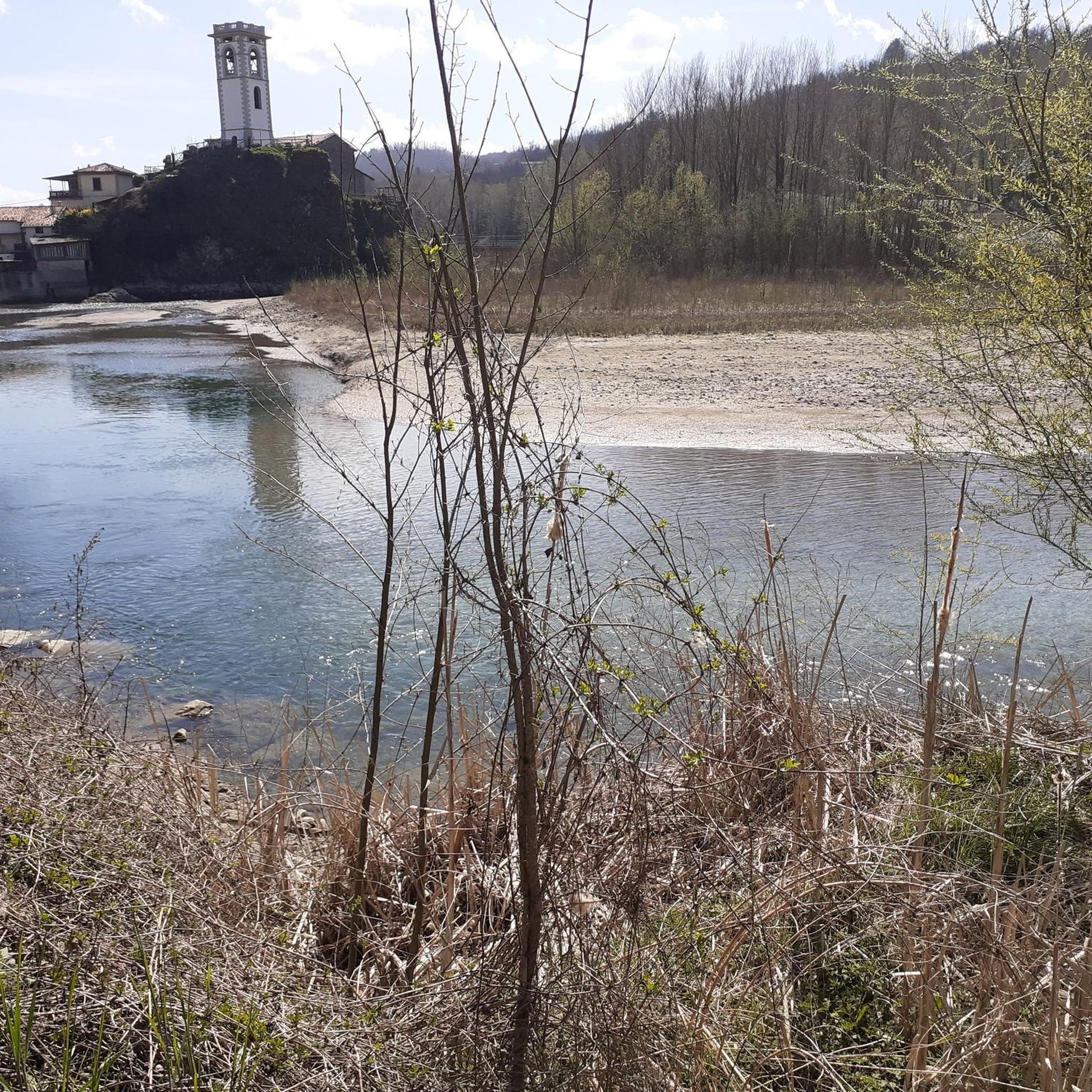


Tips from the Community

The Rocca Ariostesca is a medieval fortified military structure located in Castelnuovo di Garfagnana. The rocca is the symbol of the city and overlooks the central Piazza Umberto I. It owes its name to having been the seat of the Este government and to having hosted, from 1522 to 1525, as governor of the Garfagnana of the Este, the poet Ludovico Ariosto, who was succeeded in the following century by Fulvio Testi. A small outpost already existed on the site in the 10th century, but it can be said that the original structure of the Rocca as we know it today dates back to the 12th century; modified throughout the 13th century, it was significantly enlarged in the early 14th century by Castruccio Castracani, who determined an enlargement of the entire village walls. It was then Paolo Guinigi who ordered the construction of the imposing tower located in the center of the Rocca, adorned with the civic clock, which over time was also used as a prison. The terrace overlooking the square was erected in 1675, coinciding with the opening of the monumental arch of access to the city center. The internal furnishings have been lost, among which the tapestries that adorned the "Sala dei Principi" (Hall of the Princes) are known. The Rocca was damaged during the Second World War and subsequently restored. As a venue for exhibitions and cultural events, it houses the Archaeological Museum in its halls, which preserves numerous artifacts and testimonies from the prehistoric, Ligurian-Apuan, and Etruscan periods in Garfagnana.
0
0

Castelnuovo di Garfagnana - Tea Time Sunday, the locals in the new castle are also enjoying the peace. The apostles Peter and Paul invite us into the shade of their modest prayer house (Parrocchia Abbaziale dei SS. Apostoli Pietro e Paolo). The holy water is bubbling… The tea ceremony is a feast for the eyes when the tea bag changes the water in color and scent. After a short toast we bring comfort to Don Quixote. Seated on his horse Rocinate at Rocca Ariostesca, (old city gate) he continues his battle alone… Wandering further through the empty alleys and streets, students in Teatro Alfieri manage to entertain us with a matinée. Students put their best foot forward while fellow students, with crossed fingers, encourage the main character. Exam passed It was nice to be in the new castle during our tea time. Read more experiences? Click through to https://www.komoot.com/en-gb/collection/2195535/-visit-italy-2023-regio-massa-carrara-lucca
2
0

Camporgiano is located on the right bank of the Serchio River, in a verdant valley that divides the mountain ranges of the Apuan Alps and the Apennines. Of Roman origin, the town was contested by numerous families and lordships since the Middle Ages; in 1446 it became part of the dominions of the Este family, until the Unification of Italy. The undisputed “star” of Camporgiano is the Rocca Estense, built on a rocky spur, and whose bulk dominates the main square of the town. At the top of the Rocca there is a sort of hanging garden in which some conifers stand out, giving the fortress an unmistakable character, dialoguing from afar with the fir trees that cover the heights of the surrounding reliefs. The fortress was built for defensive purposes in the 15th century and is an emblematic example of Este military architecture of the 15th century, with its trapezoidal wall and truncated conical corner towers protruding from the plan profile. Once the medieval center of the city, today the fortress does not retain much of its original structure due to the earthquake that struck the entire area in 1920. At the foot of the fortress you can also admire a stone fountain traditionally called the pilon. The main tower of the fortress houses the Civic Collection of Renaissance Ceramics, which brings together ceramics from a period ranging from the early fifteenth century to the second half of the seventeenth century, mostly found in the wells of the fortification during restoration work.
0
0

It is believed that the rocky block on which Roccapelago stands was an ancient prehistoric castle. The first mention of a "Castrum Pelago" is found in a document dated 753. Roccapelago probably belonged to the Gualandelli family since the 12th century, and was subsequently a fiefdom of the Montegarullo family from 1240, whose warlike politics it suffered, especially under Obizzo da Montegarullo. In 1393, Obizzo having rebelled against the Este family, Roccapelago was besieged by the Lucchese allies of the house of Este, who took possession of the castle. In 1396 Obizzo managed to regain possession of it and Roccapelago remained with the Montegarullo family until 1408 when a powerful military contingent, under the command of Uguccione dei Contrari, managed to capture it and take it prisoner to Ferrara. In 1586, the new church of Roccapelago was built on the perimeter of the now abandoned castle. The square, massive shape, without arches, without columns and without vaults suggests that its room had been the hall of the Obizzo manor. The bell tower was built at the expense of the population in 1765, using a tower from the old castle. Other restoration works were carried out in 1925 due to damage from an earthquake. Four ancient rooms have recently been recovered which currently house the "In the footsteps of Obizzo da Montegarullo" and "The Mummies of Roccapelago" museums. From the site: http://www.roccapelago.it/
0
0

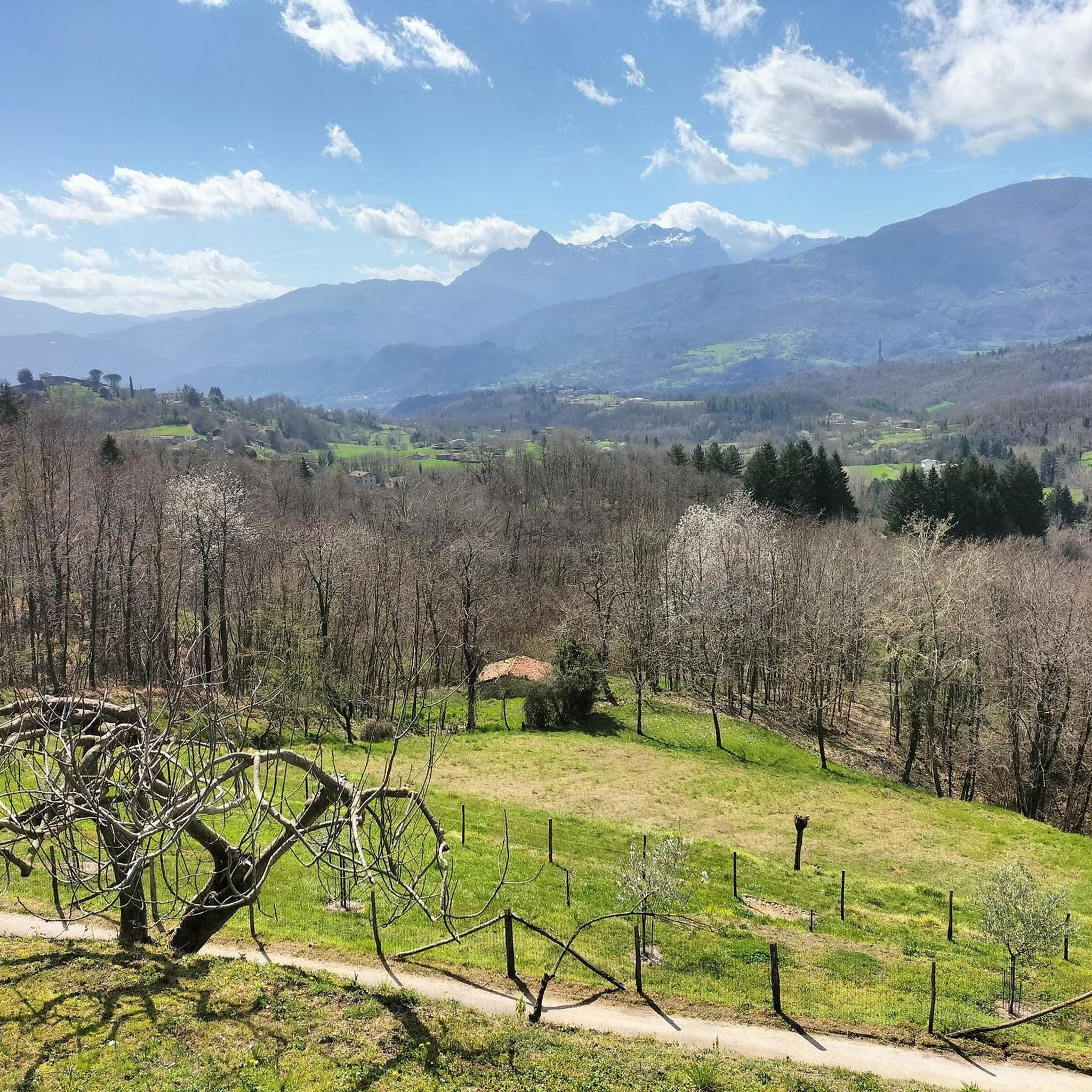
fantastic views of the mountains and the valley. Ideal picnic area with beautiful grass squares. Very quiet area.
0
0

Fortezza mont'Alfonso: Unusually large fortress of the Este family from the 16th century. From here you have a really fantastic view of the surrounding mountains and plains. Open-air concerts are regularly held here in summer. Entry to the fortress and parking in front of it are free. However, it is also advisable to park the car in Castelnuovo Garfagnana and take the "Ariosto" hiking trail.
0
0
Contains a small museum in which works by contemporary painters and photographers are displayed in temporary exhibitions. Entry is free.
1
1
The Rocca Ariostesca is the symbolic monument of Castelnuovo di Garfagnana. Dominating the central Piazza Umberto, it takes its name from the poet Ludovico Ariosto who was replaced as governor of the province of Garfagnana in Este from 1522 to 1525. There was already a small garrison on the site in the 10th century, but the structure of the fortress can be said to date back to the 12th century; modified during the thirteenth century, it was familiarly enlarged at the beginning of the fourteenth century by Castruccio Castracani, who extended an extension of the entire walls of the village; it was Paolo Guinigi who commissioned the construction of the imposing tower in the center of the Rocca, decorated with the civic clock, the terrace overlooking the square was built in 1675, the same with the opening of the monumental entrance arch to the city center.
3
0
Frequently Asked Questions
Are there castles directly in Pieve Fosciana?
While Pieve Fosciana itself does not have prominent castles within its immediate village, it serves as an excellent base for exploring numerous significant historical fortifications in the surrounding Garfagnana region. The nearby town of Castelnuovo di Garfagnana, for example, is home to the Rocca Ariostesca and the Fortezza di Mont'Alfonso.
What are the most historically significant castles near Pieve Fosciana?
The Garfagnana region boasts several historically significant castles. The Rocca Ariostesca in Castelnuovo di Garfagnana dates back to the 10th century and is named after the poet Ludovico Ariosto, who resided there. Another key site is the Fortezza di Mont'Alfonso, an imposing 16th-century defensive structure commissioned by Alfonso II d'Este. Other notable fortifications include the Rocca di Ceserana and the Fortezza delle Verrucole.
Which castles offer the best panoramic views?
The Fortezza di Mont'Alfonso offers unparalleled 360-degree panoramic views of the Tuscan-Emilian Apennines and the Apuan Alps. It's an ideal spot for photography and contemplation of the surrounding landscape.
Are there family-friendly castles around Pieve Fosciana with activities?
Yes, both the Ariostesca Fortress and the Fortezza di Mont'Alfonso are considered family-friendly. The Rocca Ariostesca houses a museum dedicated to Ludovico Ariosto, offering a unique experience combining contemporary art with history. The Fortezza di Mont'Alfonso frequently hosts open-air concerts and cultural events during warmer months, and its grounds are free to explore.
What outdoor activities can I do near these castles?
The Garfagnana region around Pieve Fosciana offers various outdoor activities. You can find numerous cycling routes, including road cycling, touring, and gravel biking. For example, there are routes like 'Riding Through Medieval Walls' or loops around Lake Gramolazzo. You can explore more options on the Road Cycling Routes around Pieve Fosciana, Cycling around Pieve Fosciana, and Gravel biking around Pieve Fosciana guide pages.
What is the best time of year to explore castles near Pieve Fosciana?
The warmer months are generally ideal for visiting the castles. During this time, the Fortezza di Mont'Alfonso often hosts open-air concerts and cultural events. The panoramic views are also best enjoyed on clear days, which are more common in spring, summer, and early autumn.
Are there parking facilities for castles in the Pieve Fosciana area?
Yes, for the Fortezza di Mont'Alfonso, parking in front of the fortress is free. Alternatively, you can park in Castelnuovo di Garfagnana and take the scenic Ariosto Trail to reach it. For the Rocca Ariostesca, located in the central Piazza Umberto I of Castelnuovo di Garfagnana, parking would typically be available in the town itself.
How long should I plan for visiting castles around Pieve Fosciana?
To fully appreciate the history and features of the main castles like the Rocca Ariostesca and the Fortezza di Mont'Alfonso, you should plan at least half a day for each, especially if you wish to explore the towns they are in or enjoy the panoramic views. If you intend to visit multiple fortifications in the region, a full day or even a weekend would be recommended.
Are there any less crowded historical sites or hidden gem castles near Pieve Fosciana?
Beyond the main attractions, the Garfagnana region is dotted with numerous other forts and walled towns that offer a quieter experience. Examples include the Rocca di Ceserana in Fosciandora and the Fortezza delle Verrucole in San Romano Garfagnana. These sites provide a fascinating glimpse into the region's history without the larger crowds.
What is the Rocca Ariostesca known for?
The Rocca Ariostesca is famous for being the residence of the renowned poet Ludovico Ariosto, who served as governor of the Este province of Garfagnana between 1522 and 1525. Today, it houses a museum dedicated to him, offering insights into his poetic universe and his time in the region. You can learn more about its history on VisitTuscany.com.
Can I reach the Fortezza di Mont'Alfonso on foot?
Yes, the Fortezza di Mont'Alfonso can be reached on foot via the scenic Ariosto Trail from Castelnuovo di Garfagnana. This offers a pleasant walk to the fortress, allowing you to enjoy the surrounding landscape before arriving at the impressive structure.
Are there cafes or restaurants near the castles for after a visit?
Yes, particularly in Castelnuovo di Garfagnana, where both the Rocca Ariostesca and the Fortezza di Mont'Alfonso are located. Castelnuovo di Garfagnana is a vibrant town with various cafes, restaurants, and shops where you can relax and enjoy local specialties after exploring the castles.
Most popular routes around Pieve Fosciana
Most popular attractions around Pieve Fosciana

Get inspired with the komoot mobile app


Explore more
Looking for the best castles somewhere else? Discover other guides around Pieve Fosciana:
