Top 7 Gorges around Ginosa
Best canyons around Ginosa are characterized by deep erosive incisions known as "gravine," forming a significant part of the protected "Terra delle Gravine" natural park. This landscape offers a unique combination of natural beauty, historical sites, and archaeological significance. The area features ancient rock-cut settlements and cave churches carved directly into the rock. These geological formations provide opportunities for exploring historical human habitation and diverse ecosystems.
Best canyons around Ginosa
- The most popular canyons is Grotta Croce in Laterza, a cave located in the Gravina di Laterza, a deep canyon dug by the Lato river. This natural cavity has a shape resembling a Greek cross and is inhabited by various birds, forming part of a protected nature conservation area.
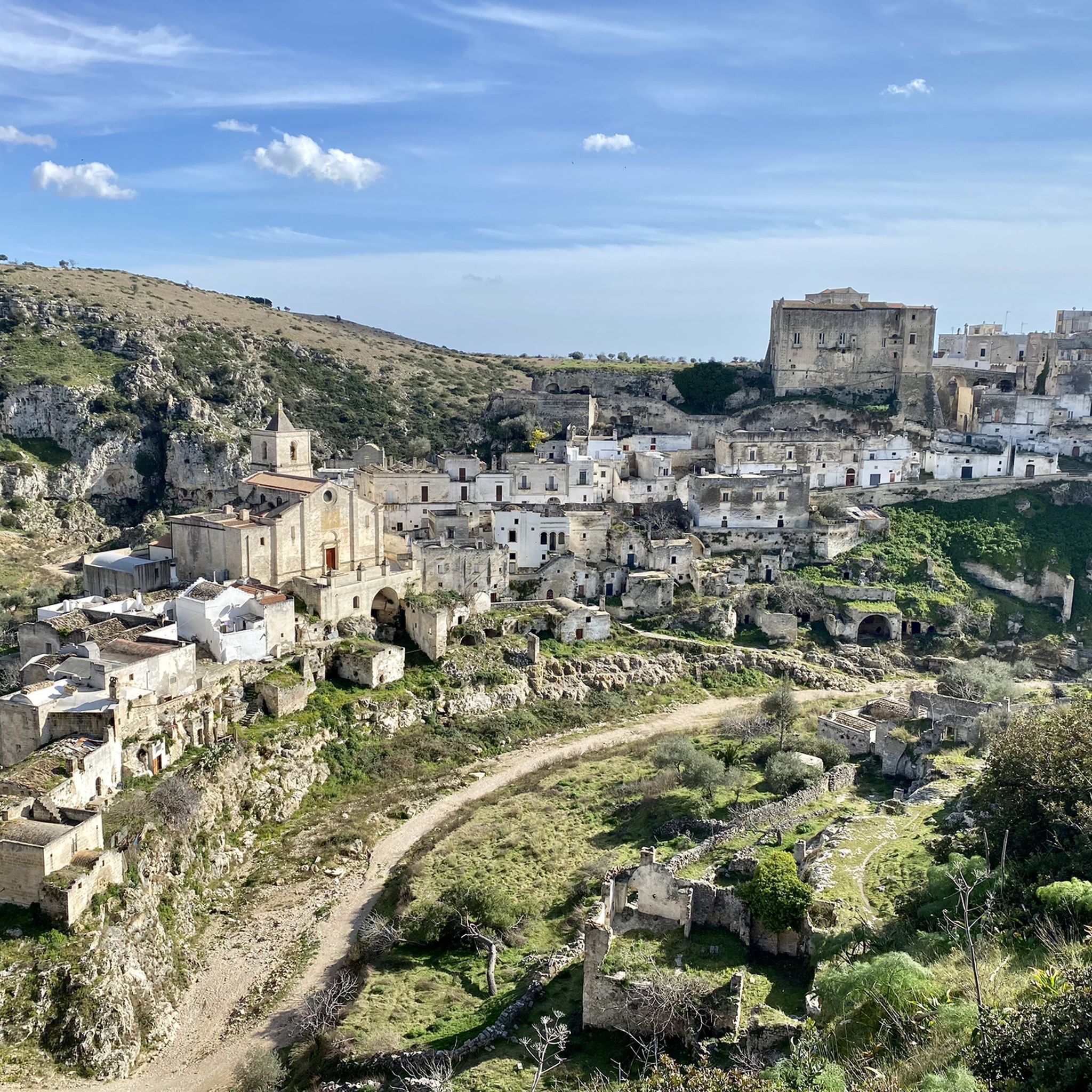
- Another must-see spot is Historic Center and Ravine of Laterza, a historical site overlooking a verdant ravine. Visitors can explore the historic center and enjoy views of the deep canyon, which is less known but offers a compelling experience.
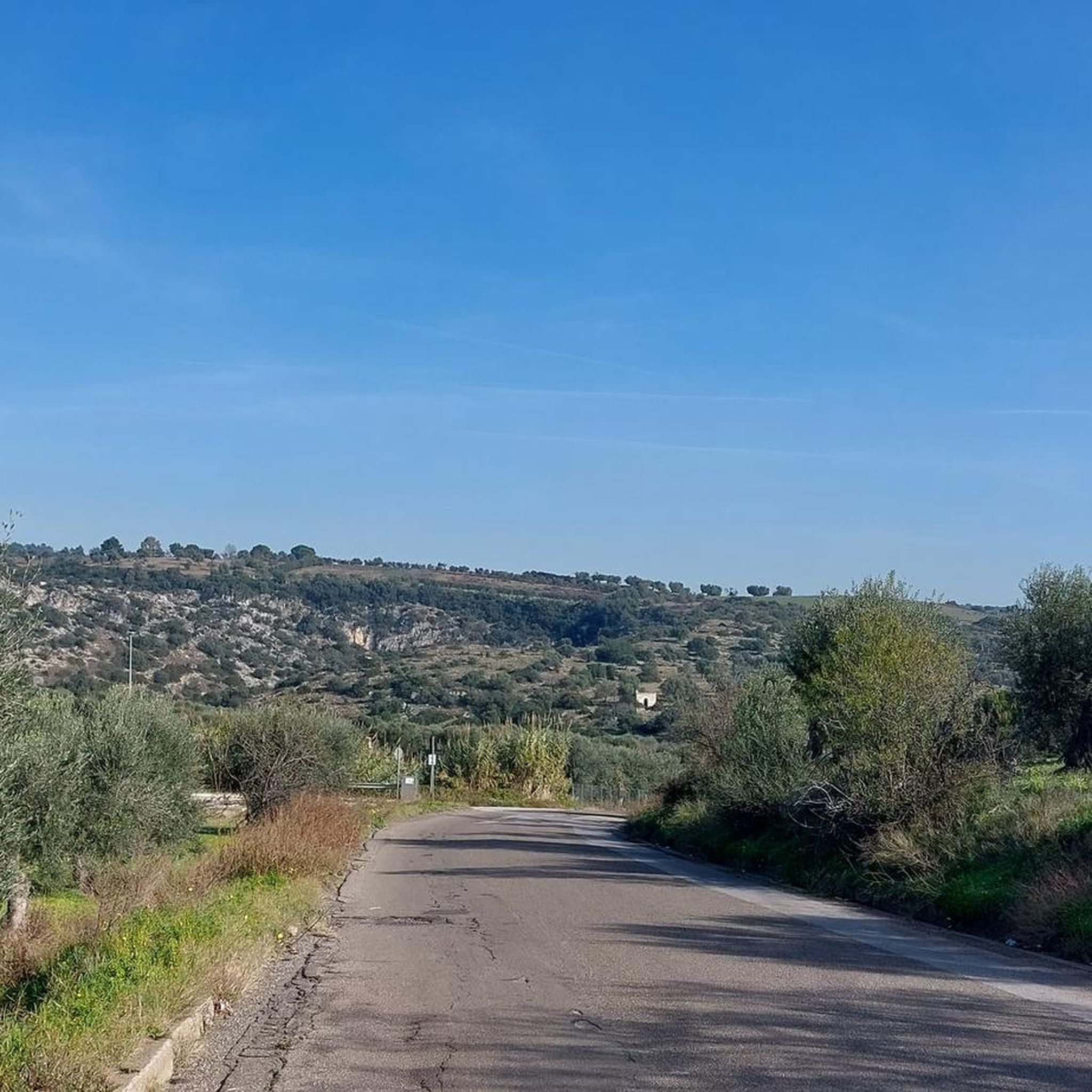
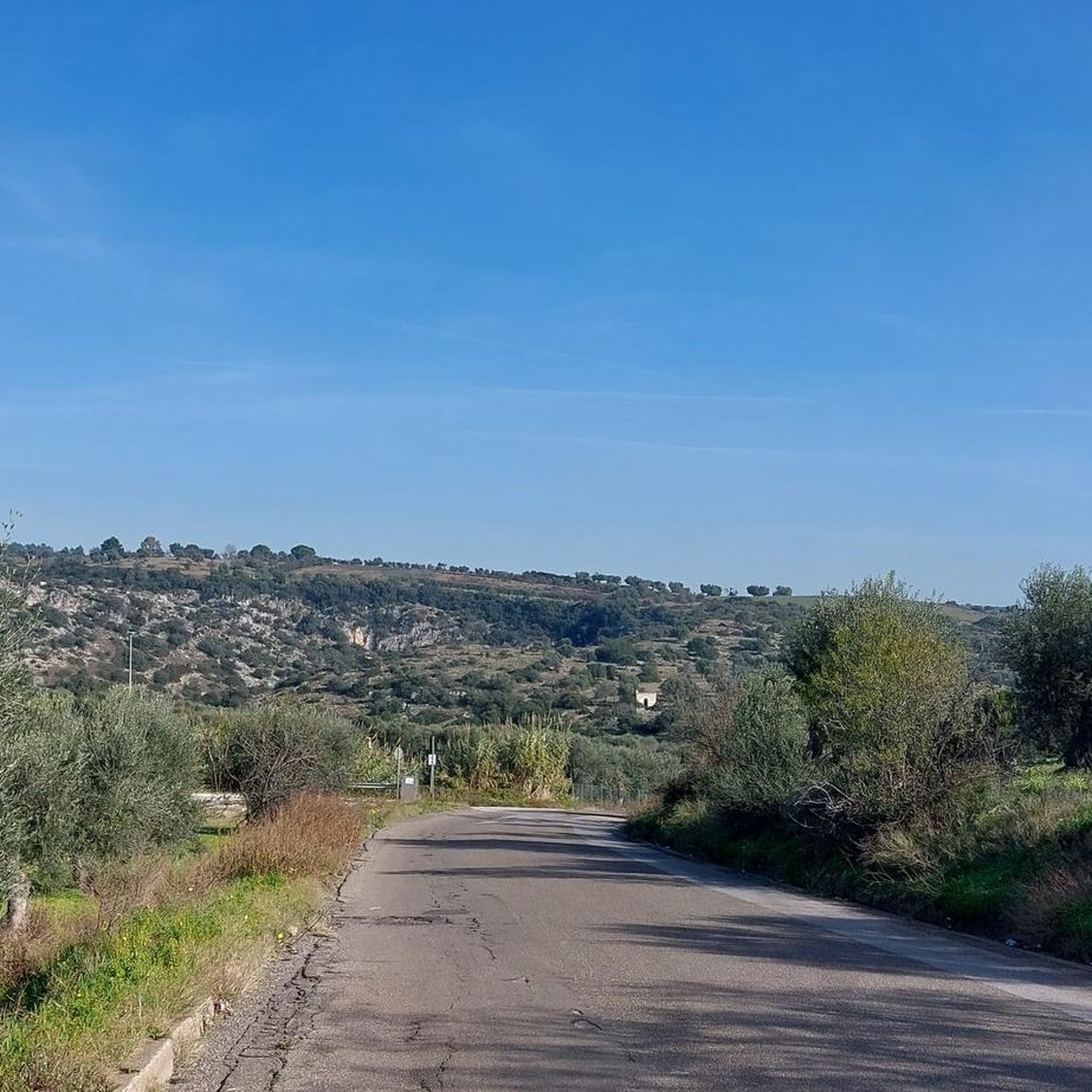
- Visitors also love Gravina Stream of Matera, a river that can be crossed via a dirt road. This area offers a route that passes over the waters of the Gravina stream, providing a unique perspective on the landscape.
- Ginosa is known for its deep gravine, karst caves, and river canyons. The area offers a variety of canyons to see and explore, featuring impressive geological formations and rich biodiversity.
- The canyons around Ginosa are appreciated by the komoot community, with 20 photos and 67 upvotes shared by visitors.
Last updated: August 9, 2026
Grotta Croce in Laterza
Highlight • Cave
Translated by Google •
Tip by

View over the Gravina di Laterza
Highlight • Gorge
Translated by Google •
Tip by

Sign up now to discover places like this
Get recommendations on the best single tracks, peaks, & plenty of other exciting outdoor places.
Sign up for free
CAMMINO MATERANO - Hellenic Way
Highlight • Trail
Translated by Google •
Tip by
Gravina Stream of Matera
Highlight • River
Translated by Google •
Tip by

View of the Gravina Grande of Castellaneta from the Ponte di Santa Lucia
Highlight • Viewpoint
Translated by Google •
Tip by

Start today with a free account
Your next adventure awaits.
Login or Signup
Tips from the Community

Gravina di Laterza is an impressive karst gorge located in Puglia, among the largest and most spectacular in Europe, with a length of over 12 km and a depth of over 200 meters. It was formed millions of years ago through the erosion of water in the limestone rocks, creating a unique landscape of steep walls and caves. From a naturalistic point of view, it hosts a rich biodiversity: rare species of flora and fauna find refuge here, including birds of prey such as the Egyptian vulture and the golden eagle. It is a paradise for hikers and nature lovers, ideal for geological explorations and birdwatching.
0
0
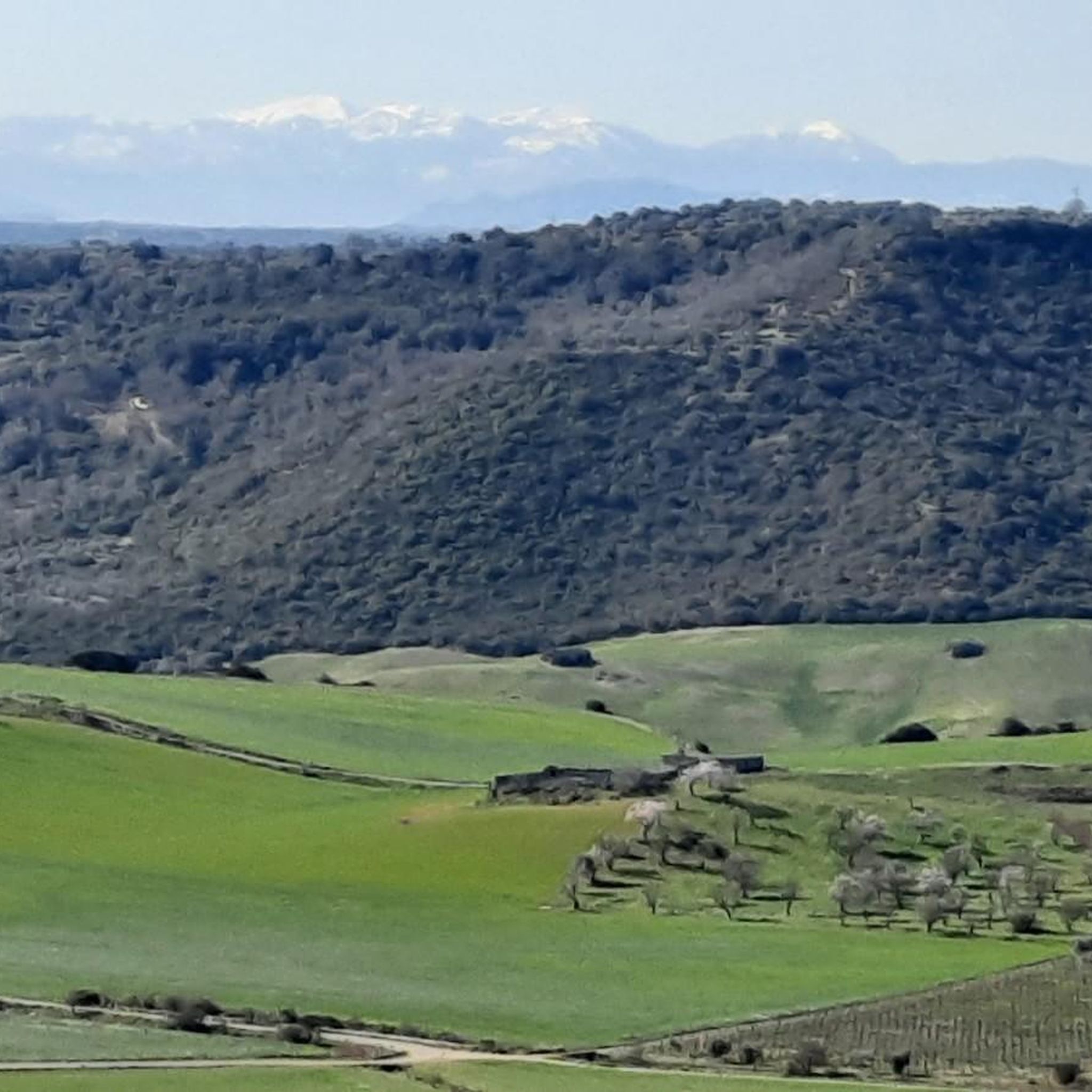
The Via Ellenica del Cammino Materano is one of the most evocative variants of the route, crossing breathtaking landscapes and historical sites. Passing through the Gravina di Laterza, it offers an extraordinary immersion in wild nature, between deep canyons and imposing rock walls, habitat of birds of prey and protected fauna. This stretch connects the territories of Magna Graecia, rich in history and culture, up to Matera, capital of the Sassi. Ideal for hikers looking for an authentic experience between uncontaminated nature and ancient traditions.
0
0
Grotta Croce, located in Gravina di Laterza, is one of the many karst caves in this suggestive canyon in Puglia. Famous for its natural beauty and historical interest, the cave offers spectacular limestone formations. Explored by speleology enthusiasts and hikers, it is part of the Terra delle Gravine Natural Park, an area rich in biodiversity and characterized by deep ravines and hidden caves. Grotta Croce also has archaeological value, with finds that testify to human presence in ancient times.
1
0


Bring lots of water, especially in summer, because on the route back to Matera, crossing the Murgia, there is no possibility of refueling.
1
0

Santa Lucia Bridge, a disused railway bridge over the ravine of the same name
0
0

Grotta Croce is a natural cavity located in the ravine of Laterza, a deep canyon dug by the river Lato. The cave has a shape resembling a Greek cross and a vault 9 meters high, and is inhabited by many birds, such as kestrels and swifts. It is part of the Lipu Oasis, a protected area for nature conservation
2
0

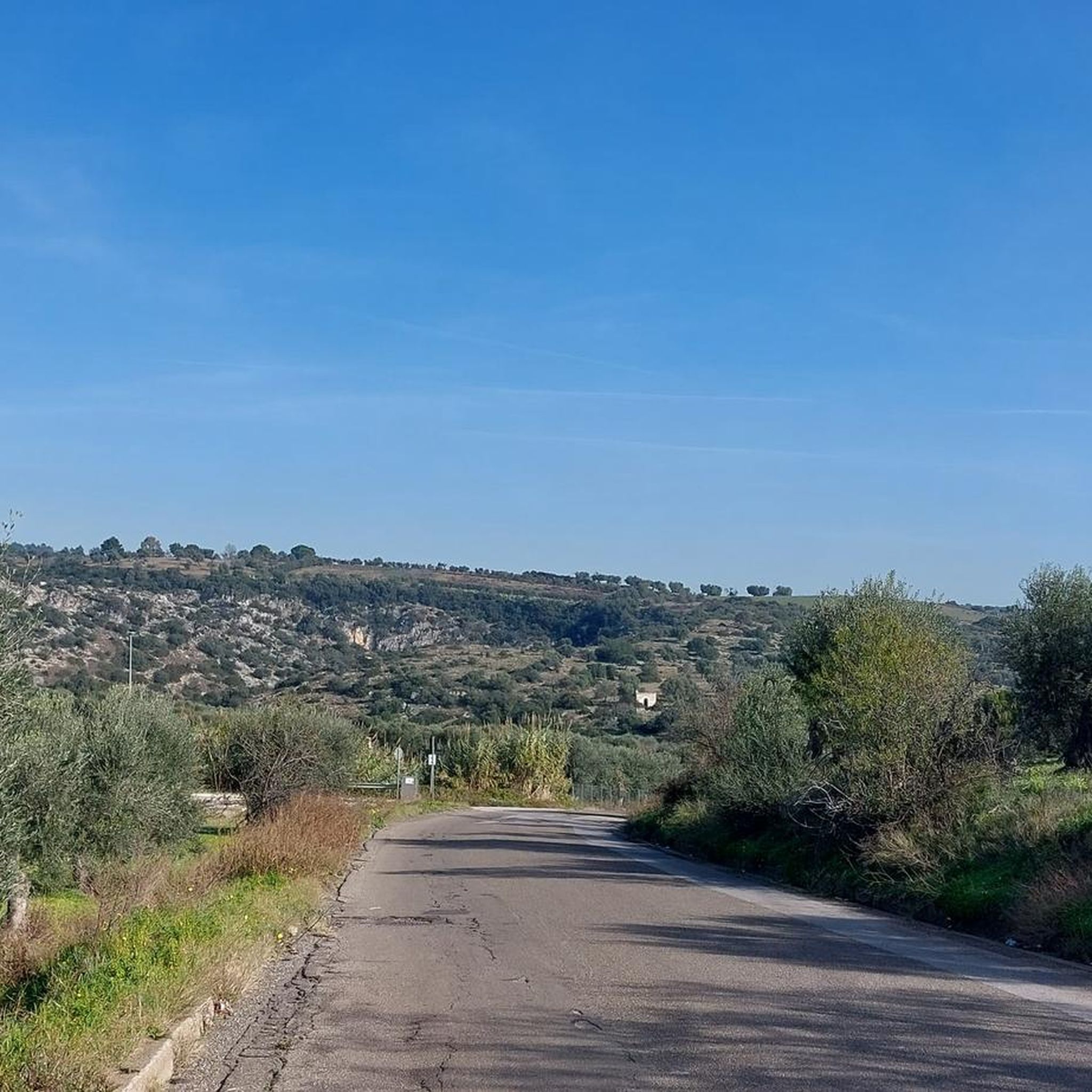
Near the inhabited center, the ravine can only be crossed on foot (or by bike on the shoulder)
1
0
Frequently Asked Questions
What historical or archaeological sites can be found in the Ginosa canyons?
The canyons around Ginosa, particularly the Gravina di Ginosa, are rich in historical and archaeological sites. You can explore ancient rock-cut settlements like the Casale and Rivolta districts, which feature houses and churches carved directly into the rock. These troglodyte villages were inhabited until the 20th century and offer a unique glimpse into past human adaptation to the environment. Additionally, numerous cave churches, some preserving ancient frescoes, are scattered throughout the gravina, such as the Church of Santa Domenica and the Church of Santa Sofia.
What natural features characterize the canyons around Ginosa?
The canyons around Ginosa are defined by deep erosive incisions known as "gravine," which are part of the protected "Terra delle Gravine" natural park. These areas feature impressive geological formations, including steep rock walls that can exceed 100 meters in height, and numerous karst caves. The unique microclimatic conditions support a rich animal and plant biodiversity, typical of the Mediterranean area, including endemic species found in rare low-altitude rocky habitats.
Where can I find the best viewpoints of the Gravina di Laterza?
For impressive vistas of the Gravina di Laterza, a significant canyon in the region, we recommend visiting View over the Gravina di Laterza. This viewpoint offers a spectacular perspective of one of Europe's largest and most dramatic karst gorges, known for its deep walls and rich biodiversity.
What outdoor activities are available near the Ginosa canyons?
The area around Ginosa's canyons offers a variety of outdoor activities. You can find numerous routes for different sports. For example, there are several running trails, including the challenging "Sentiero Italia: Gravina di Laterza Loop." Road cycling enthusiasts can enjoy routes like the "Ginosa and Montescaglioso Loop," while mountain biking options include the "Gravina Stream of Matera loop from Ginosa." You can explore more options in the Running Trails around Ginosa, Road Cycling Routes around Ginosa, and MTB Trails around Ginosa guides.
Are there hiking trails suitable for different difficulty levels in the Ginosa canyons?
Yes, the Ginosa canyon area offers hiking opportunities for various skill levels. While some trails can be challenging, such as sections of the "Sentiero Italia: Gravina di Laterza Loop" which is rated difficult, there are also moderate options. For instance, the Historic Center and Ravine of Laterza is considered family-friendly and intermediate, offering a more accessible experience with beautiful views. Always check the specific route details for difficulty before heading out.
Can I explore ancient cave dwellings in the Ginosa area?
Absolutely. The Gravina di Ginosa is famous for its ancient rock-cut settlements, often referred to as troglodyte villages. Notable examples include the Casale and Rivolta districts, where you can explore deserted cave houses and structures carved directly into the rock. These sites provide a fascinating insight into how people lived in this unique environment for centuries.
What is the best time to visit the Ginosa canyons?
The Ginosa canyons are generally best visited during the spring (April-May) and autumn (September-October) months. During these periods, the weather is typically mild and pleasant, ideal for hiking and exploring the outdoor sites without the intense heat of summer. The natural vegetation is also at its most vibrant, enhancing the scenic beauty.
Are there any long-distance trails that pass through the canyons?
Yes, the CAMMINO MATERANO - Hellenic Way is a significant long-distance trail that offers an immersive experience through the region's canyons. This variant of the Cammino Materano crosses breathtaking landscapes and historical sites, including the Gravina di Laterza, providing an extraordinary journey through wild nature, deep canyons, and imposing rock walls.
What kind of flora and fauna can I expect to see in the Ginosa canyons?
The Gravina di Ginosa boasts a rich animal and plant biodiversity, characteristic of the Mediterranean area. Its unique microclimatic conditions support endemic species. You can expect to see various Mediterranean flora, including olive groves and vineyards in the surrounding agricultural landscape. The canyons are also home to diverse fauna, with birds of prey such as kestrels and swifts inhabiting caves like Grotta Croce in Laterza. The Gravina di Laterza is known to host rare species like the Egyptian vulture and golden eagle.
Are there family-friendly options for exploring the canyons?
Yes, some areas are suitable for families. The Historic Center and Ravine of Laterza is categorized as family-friendly, offering a chance to explore a charming historic town overlooking a verdant ravine. While some trails can be challenging, there are often easier paths or viewpoints that provide a good experience for all ages. Always check specific route details for suitability.
Can I cross the Gravina stream?
Yes, it is possible to cross the Gravina stream in certain areas. For example, near Matera, there's a dirt road that passes over the waters of the Gravina Stream of Matera. However, near inhabited centers, the ravine can often only be crossed on foot or by carrying a bike. It's advisable to bring plenty of water, especially in summer, as refueling points can be scarce on routes crossing the Murgia.
Most popular attractions around Ginosa

Get inspired with the komoot mobile app


Explore more
Already discovered everything in this region? See additional gorges around Ginosa for your next adventure:
