Top 14 Caves around Sgonico / Zgonik
Caves around Sgonico / Zgonik overview: The Trieste Karst region, where Sgonico / Zgonik is situated, features a landscape rich in underground formations. This area is known for its diverse cave systems, offering insights into geological processes and historical uses. Notable caves include those with significant natural features and others adapted for human activity. The region provides various opportunities for exploring these subterranean environments.
Best caves around Sgonico / Zgonik
- The most popular caves is Grotta Nera, a cave…
Last updated: May 18, 2026
Grotta Nera
Highlight • Cave
Translated by Google •
Tip by

Grotta Priamo
Highlight • Cave
Translated by Google •
Tip by

Sign up now to discover places like this
Get recommendations on the best single tracks, peaks, & plenty of other exciting outdoor places.
Sign up for free
Grotta Gigante
Highlight • Cave
Tip by

Mithraeum Cave
Highlight • Cave
archeocartafvg.it
because the cave …
Translated by Google •
Tip by

Water Cave
Highlight • Cave
Translated by Google •
Tip by

Sign up for free to discover even more caves around Sgonico / Zgonik.
Sign up for free
Already have an account?
Start today with a free account
Your next adventure awaits.
Login or Signup

Tips from the Community

Unique example of the cult of the god Mithras in a cave, dating back to Roman times, with interesting finds. Open on Saturday mornings from 10 am to 12 pm, it is best to go with guides for explanations that are otherwise not easy to find.
0
0

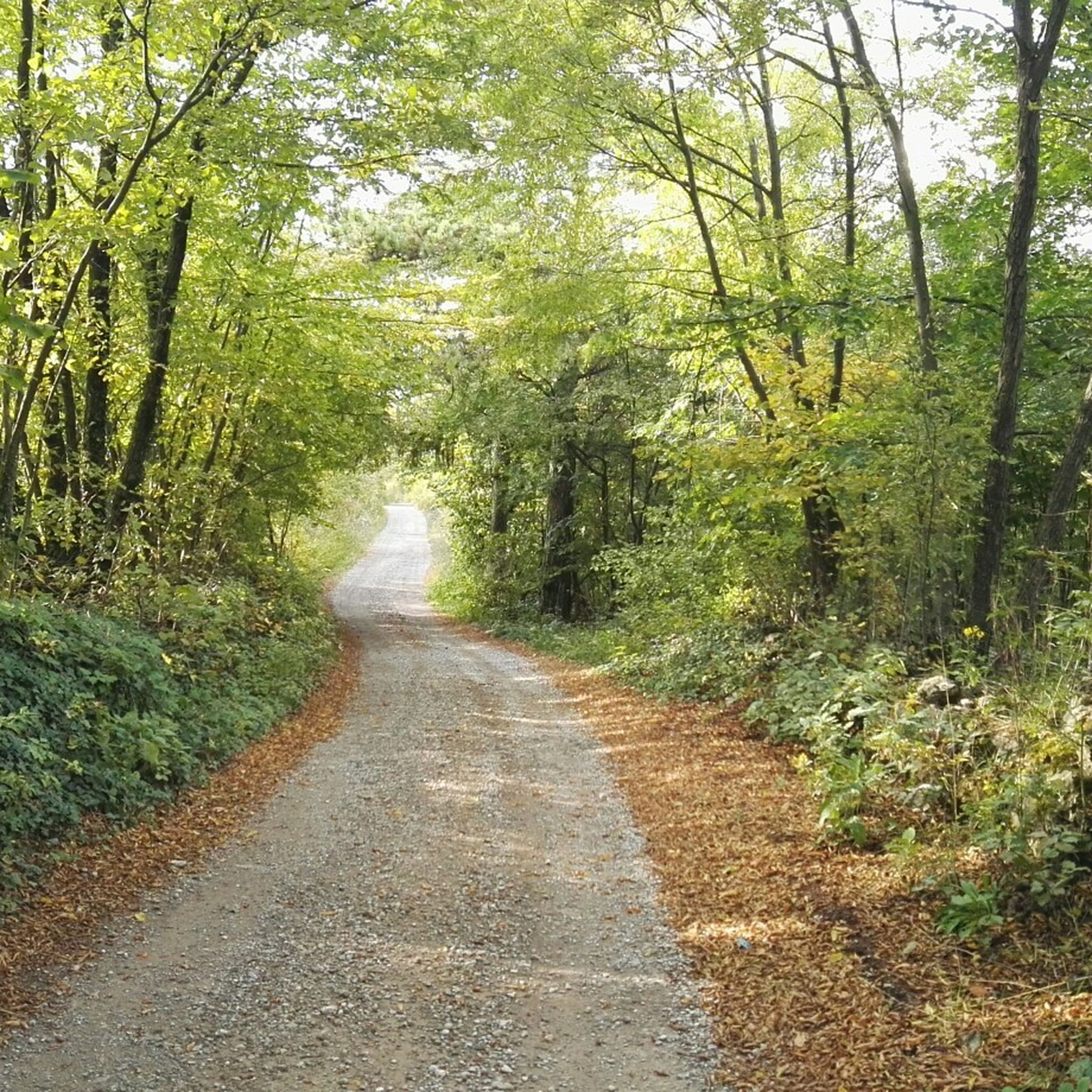
The cave is closed indefinitely due to major damage. Nevertheless, it's worth a visit because of the surrounding forest botanical garden, which offers a good overview of the tree species planted in the forest and the (natural) vegetation on the ground.
2
0


...a scenic route! The church on Monte Grisa is absolutely extraordinary and worth seeing!
1
0

A true jewel hidden in nature, a magical place where water sculpts the land in surprising ways. A unique experience for lovers of nature and underground wonders.
2
0
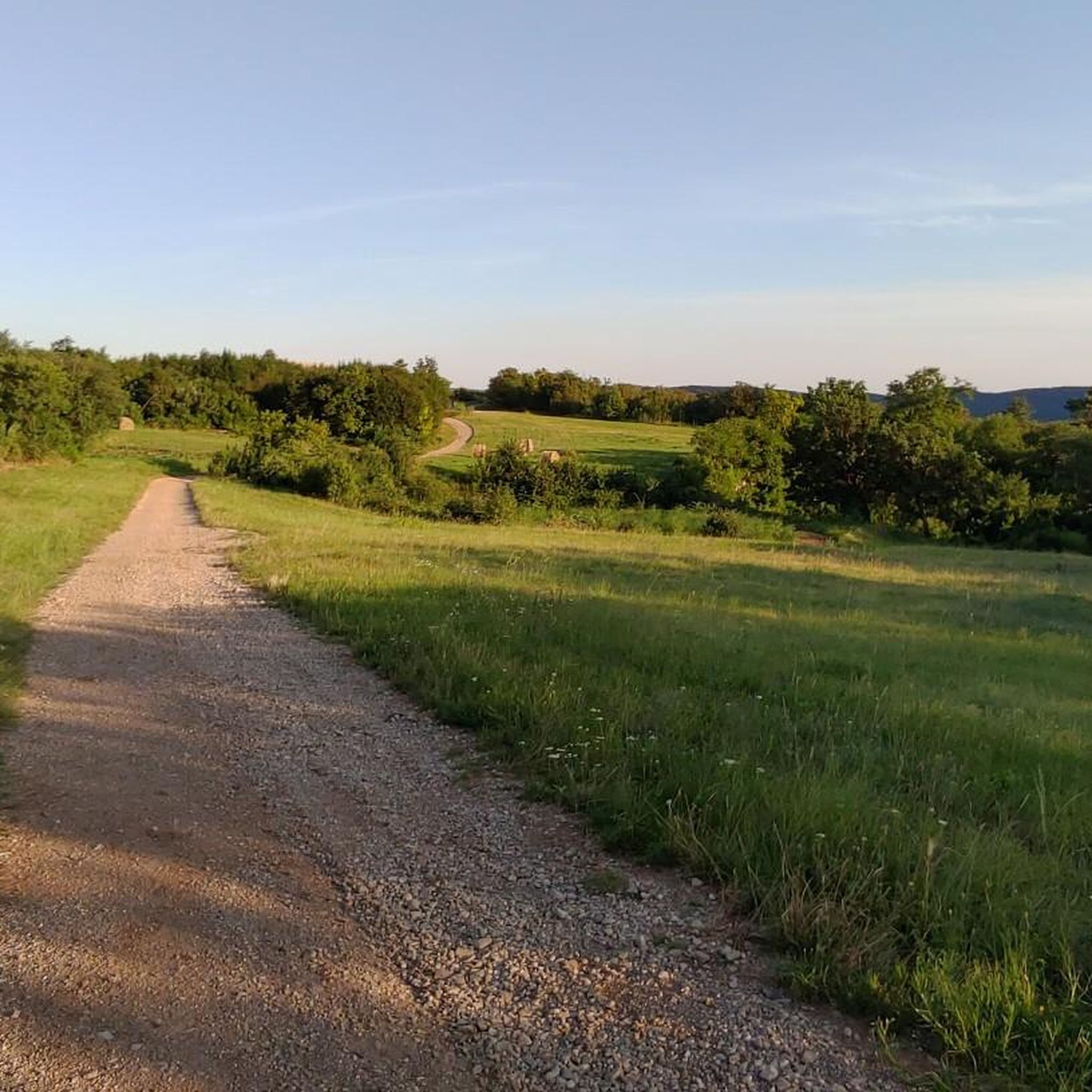
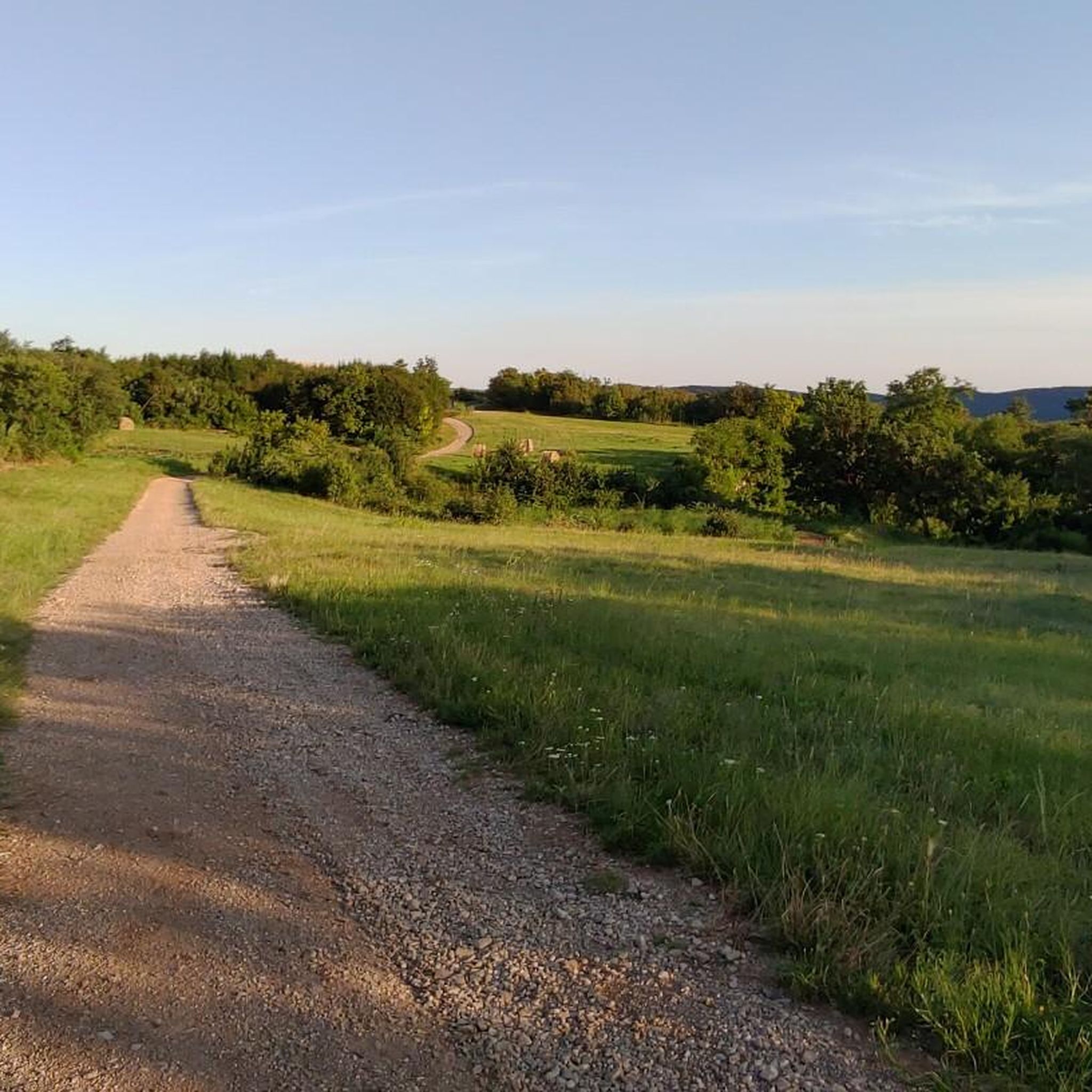
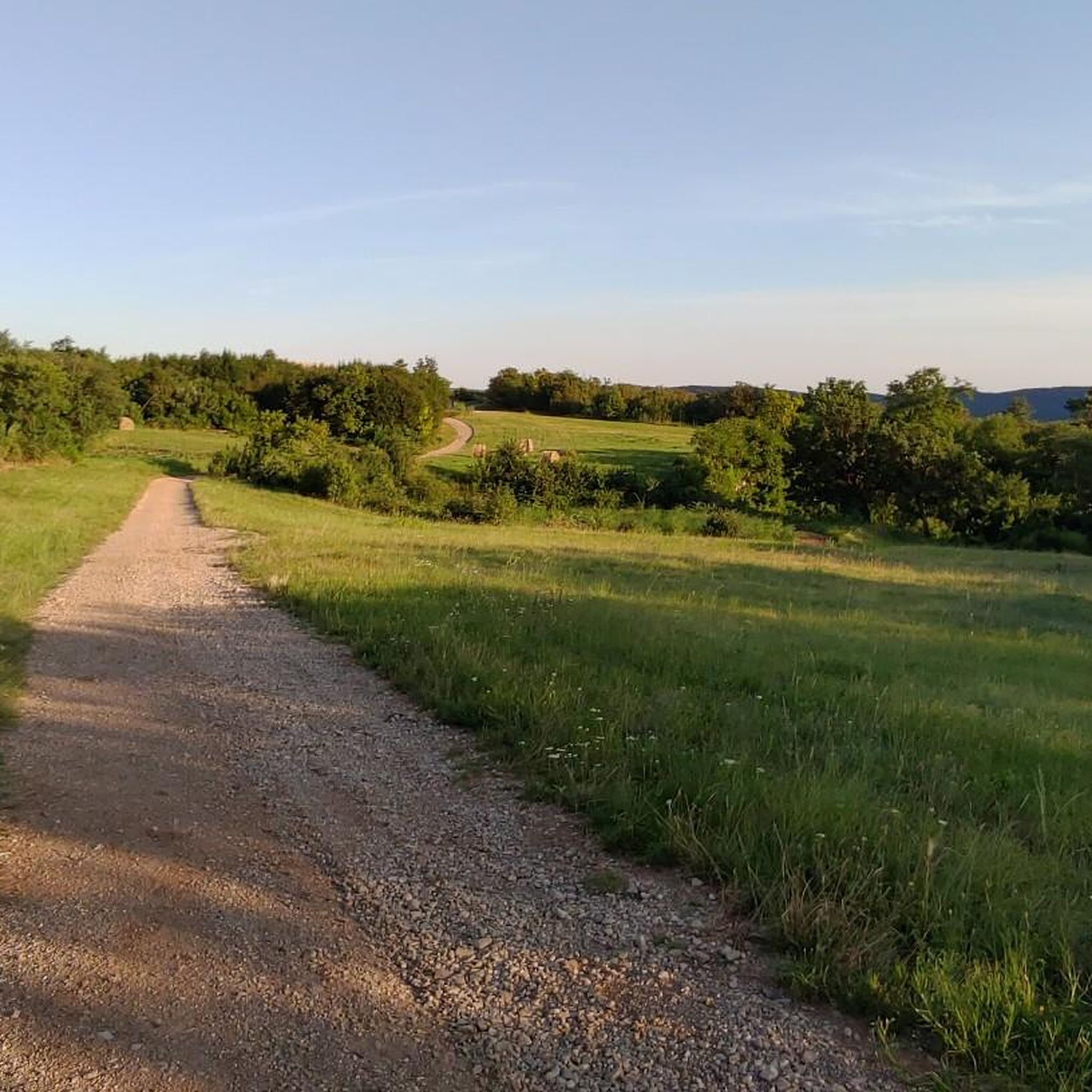
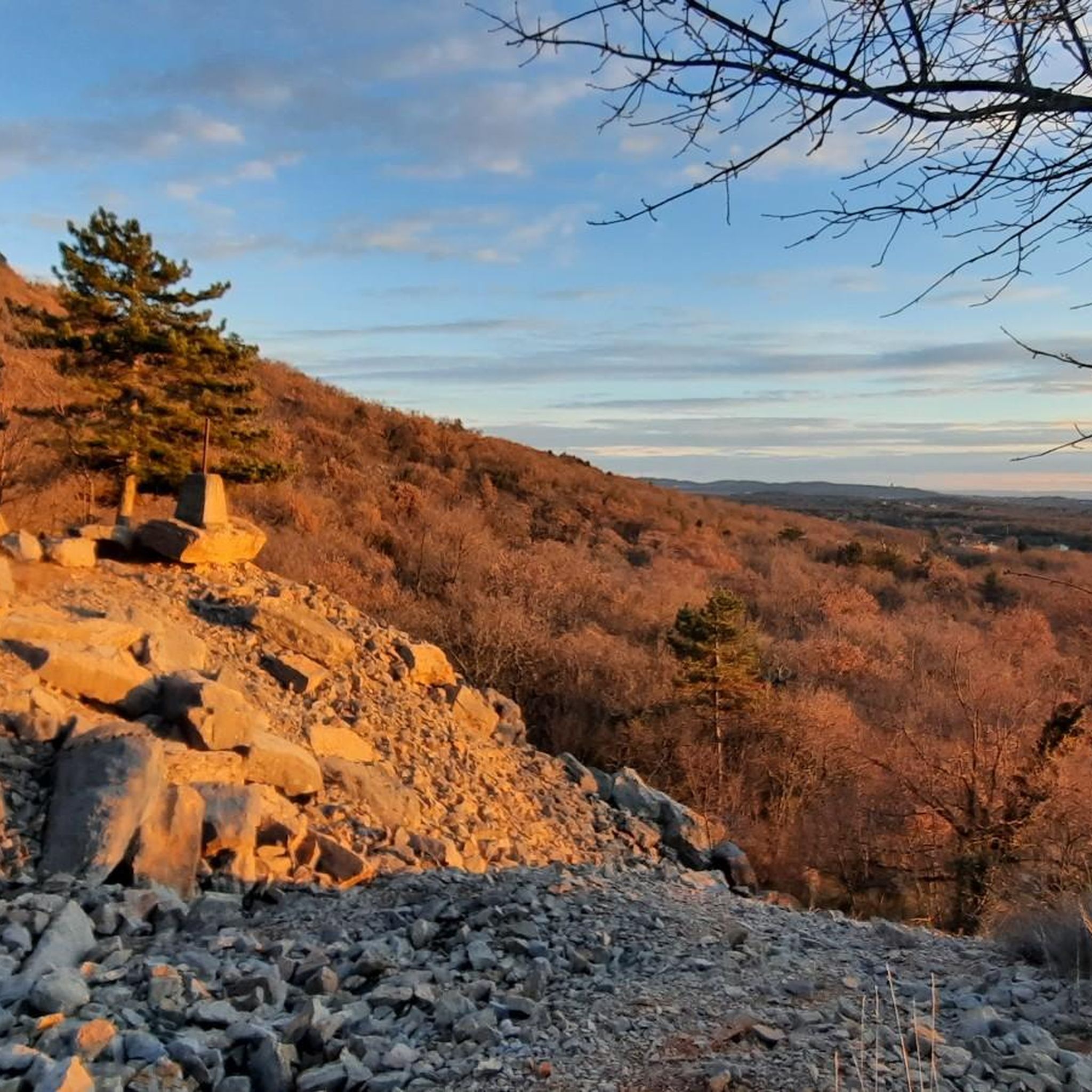
Typical karst landscape scenery.
0
0
A true masterpiece of nature! The Giant Cave leaves you speechless with its majesty and the breathtaking beauty of its underground formations.
0
0
Frequently Asked Questions
What are the most notable caves to visit in the Sgonico / Zgonik region?
The Trieste Karst region is home to several remarkable caves. Among the most notable are Grotta Gigante, known for its colossal dimensions, and Grotta Torri di Slivia, celebrated for its rich and varied concretions. Other interesting caves include Water Cave, a natural monument where water has sculpted the land, and Grotta Priamo, which has historical significance as a former military shelter.
What makes Grotta Gigante a unique cave to explore?
Grotta Gigante holds the Guinness World Record as the largest show cave, with a central cavern measuring 107 meters high, 65 meters wide, and 130 meters long. Visitors are awestruck by its sheer scale and stunning formations, including stalactites and stalagmites up to 12 meters tall. It also hosts scientific instruments for geophysical research due to its stable temperature.
Are there any family-friendly caves in the Sgonico / Zgonik area?
Yes, Grotta Gigante offers accessible guided tours along a well-maintained, electrically lit path, making it suitable for families. Audio guides are available in multiple languages. Grotta Torri di Slivia also provides a unique experience with an 'agribus' ride to the entrance and guided tours in small groups, which can be enjoyable for families.
What kind of geological features can I expect to see in the caves of this region?
The caves in the Sgonico / Zgonik region, part of the Trieste Karst, are rich in diverse geological formations. You can expect to see magnificent stalactites and stalagmites, some of which are exceptionally large, as well as curtains, tubular formations, and stone chandeliers. The Water Cave specifically showcases how water has sculpted the land in unique ways.
What historical insights do the caves around Sgonico / Zgonik offer?
Several caves in the region have historical significance. Grotta Priamo, for instance, was adapted as a military shelter during wartime, with blackened walls and niches from fires and explosives. The Mithraeum Cave is a Karst cave dedicated by the Romans to the cult of the god Mithras, featuring altars and sculptures from that era, though it is not publicly accessible.
What is the best time to visit the caves in Sgonico / Zgonik?
The caves maintain a constant temperature year-round (around 11°C or 52°F in Grotta Gigante), making them a suitable destination in any season. However, it's always advisable to check the specific opening hours and tour availability for each cave, especially during off-peak seasons or holidays.
What should I wear when visiting the caves?
Given the constant cool temperatures inside the caves (around 11°C), it is recommended to wear comfortable clothing and bring a light jacket or sweater, even in summer. Comfortable, sturdy shoes are also essential, as tours often involve walking on uneven surfaces and descending/ascending steps.
Are there any less-known or speleological sites in the region?
Beyond the main tourist caves, the Abisso dei Serpenti (Serpents' Abyss) is a significant speleological site in the Trieste Karst. It's known for its connection to the underground Timavo River and is primarily suited for experienced speleologists rather than general tourists, with descents typically made with rope ladders.
What outdoor activities can I combine with a visit to the caves?
The Sgonico / Zgonik area offers various outdoor activities. You can find numerous hiking trails, such as the Gemina Karst Trail or the Sentiero dei Poeti cultural trail. For those interested in running, there are running routes like the Monte Lanaro summit loop. Additionally, the region provides road cycling routes, including scenic coastal roads.
Is there parking available near the main caves?
Yes, for popular caves like Grotta Gigante, parking is available directly on-site, making access convenient for visitors traveling by car.
What do visitors enjoy most about the caves in Sgonico / Zgonik?
Visitors frequently express awe at the colossal dimensions of caves like Grotta Gigante and appreciate the stunning natural formations. The unique experiences, such as the 'agribus' ride at Grotta Torri di Slivia, and the historical context of sites like Grotta Priamo, are also highly valued. The surrounding natural beauty, including the forest botanical garden near Grotta Nera, adds to the overall appeal.
Are there any caves that are currently closed or have limited access?
Yes, Grotta Nera is currently closed indefinitely due to major damage, though its surrounding forest botanical garden is still worth visiting. The Mithraeum Cave is also not publicly accessible, offering only a small glimpse from the outside.
Most popular routes around Sgonico / Zgonik
Most popular attractions around Sgonico / Zgonik

Get inspired with the komoot mobile app


Explore more
Extend your search for the best caves by checking out these guides of the top ones around Sgonico / Zgonik:
