Top 5 Caves around Manfredonia
Best caves around Manfredonia are found in a region characterized by its karstic limestone geology and proximity to the Gargano coastline. This area offers a blend of archaeological sites and natural formations. The landscape features significant mountains like Monte Calvo and valleys with unique geological structures. Manfredonia serves as a base for exploring both prehistoric cave systems and the dramatic sea caves of the wider Gargano peninsula.
Best caves around Manfredonia
- The most popular caves is Monte Calvo, a…
Last updated: October 3, 2026
Monte Calvo
Highlight • Summit
Translated by Google •
Tip by

Sanctuary of Saint Michael the Archangel
Highlight • Religious Site
Translated by Google •
Tip by

Sign up now to discover places like this
Get recommendations on the best single tracks, peaks, & plenty of other exciting outdoor places.
Tomba di Rotari, San Pietro, and Santa Maria Maggiore (Monte Sant’Angelo)
Highlight • Religious Site
Translated by Google •
Tip by
Abbey of Santa Maria di Pulsano
Highlight • Religious Site
September 8 is the feast for the …
Translated by Google •
Tip by

Basilica Sanctuary of Saint Michael the Archangel
Highlight • Religious Site
Showing Translation
Tip by

Sign up for free to discover even more caves around Manfredonia.
Already have an account?
Start today with a free account
Your next adventure awaits.
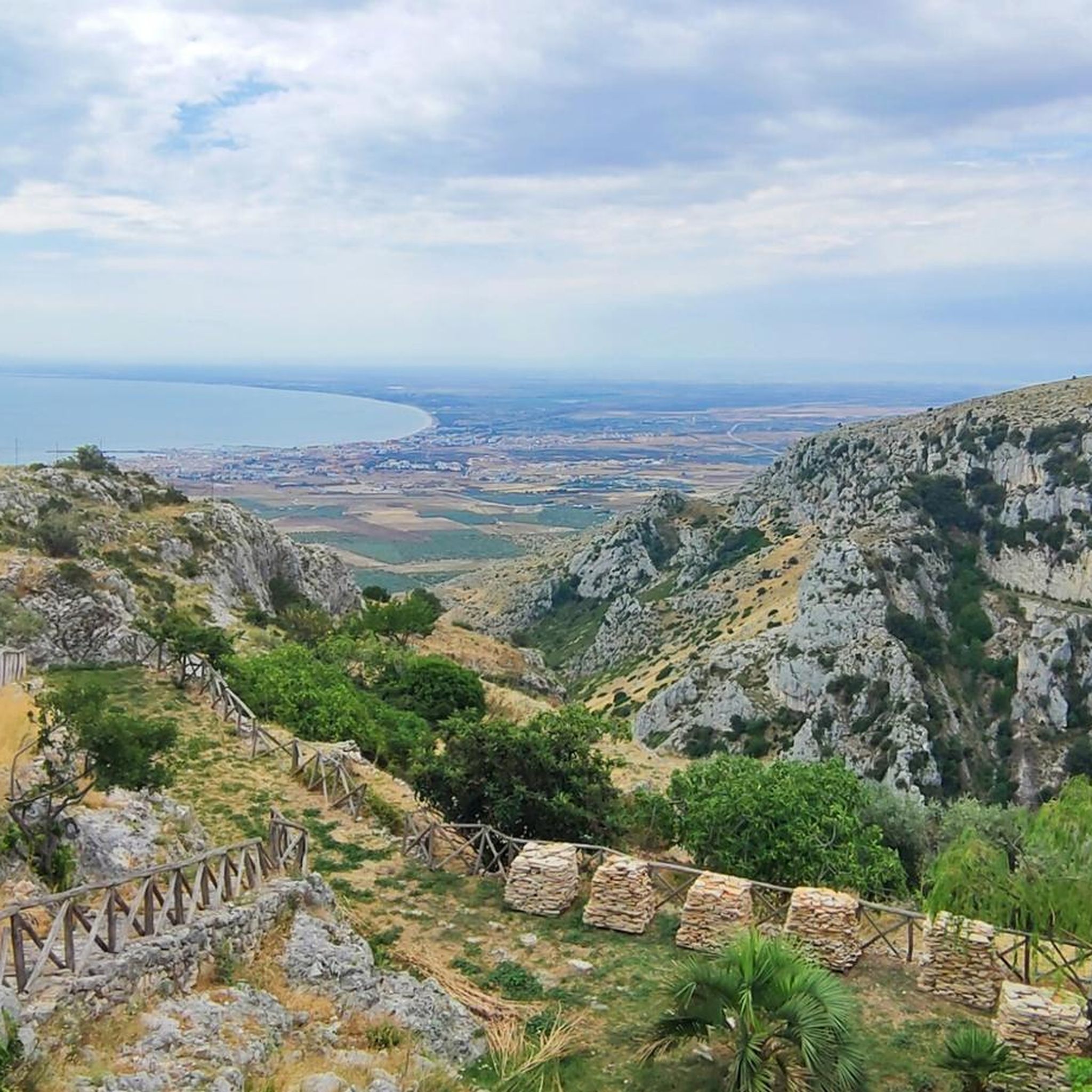
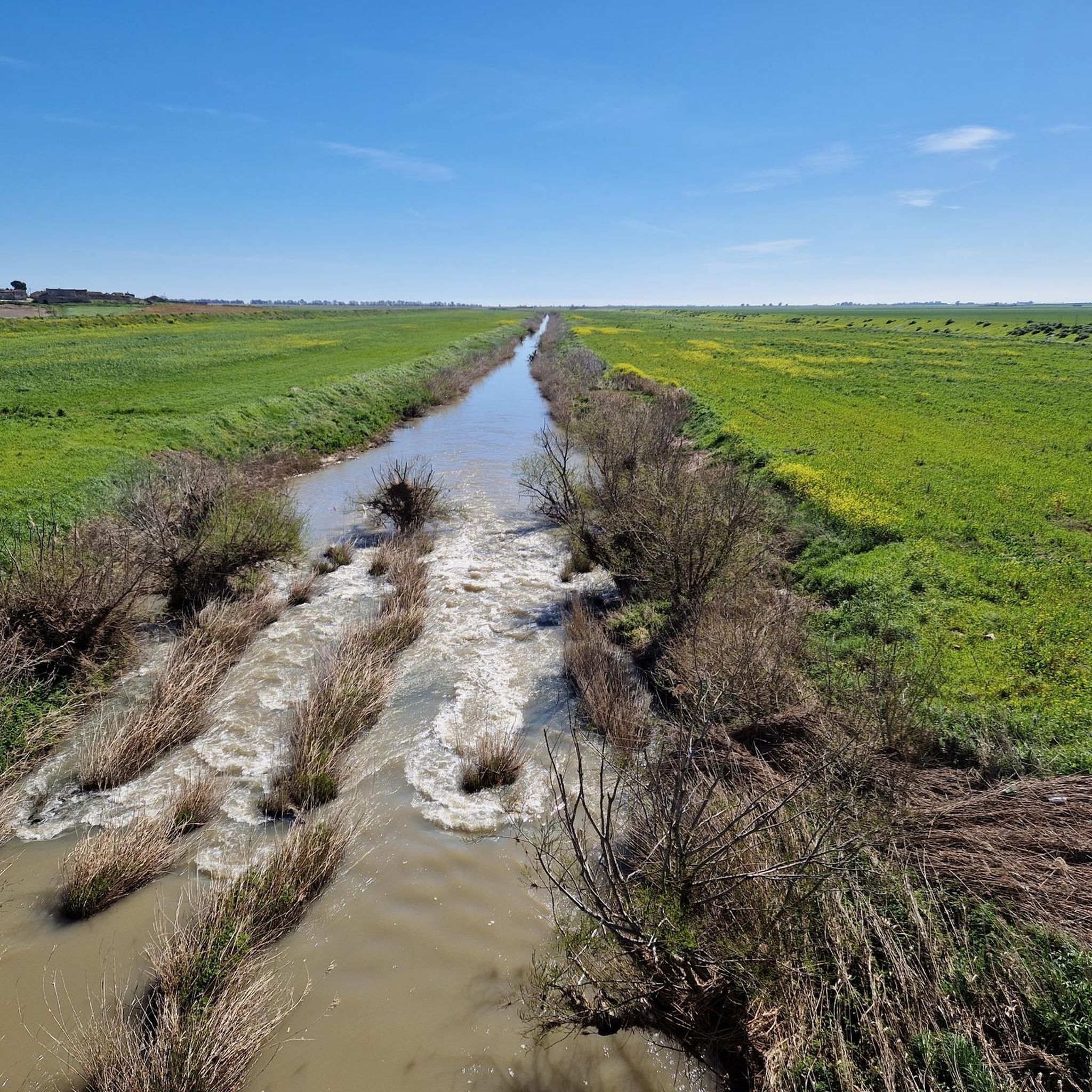
Other adventures around Manfredonia

Tips from the Community

The San Michele Grotto Church is carved out of the rock and contains a worship cell where a statue of the Archangel is venerated. Entering this grotto via very long stairs deep into the mountain inspires awe for God's creation. This impressive grotto church is second to none.
2
0
The oldest famous sanctuary of the Archangel Michael on the Gargano National Park mountains reaches deep into the holy cave. According to legend, the Archangel Michael appeared here to shepherds in the year 492. Visible above ground are the octagonal bell tower of the church from 1273/74 and the two-part entrance hall from 1395. This pilgrimage church served as a model for the veneration of the Archangel Michael and spread as far as Normandy in Northern France, where an abbey was built and consecrated to the Archangel in the year 708, Mont-Saint-Michel. The pilgrimage site is considered one of the oldest pilgrimage sites in the West and has been recognized and visited by numerous popes, including Pope John Paul II on May 24, 1987, at Monte Sant' Angelo.
2
0

On Monte Calvo, it's best to ascend from the east by mountain bike, despite the numerous unnecessary stone steps that clutter the initial section. The trail, which descends west from the summit to connect with the Sentiero delle Anguille, would be less rideable and much more difficult overall.
1
0

This highlight contains three churches: The Tomba di Rotari (left), a building from the 11th and later centuries with several architectural and artistic-historical features. To the right of the portal is the apse of the 12th-century parish church of San Pietro, which collapsed in the 19th century. Next to it, in close proximity, is the 12th-century church of Santa Maria Maggiore. Source: https://de.m.wikipedia.org/wiki/Monte_Sant%E2%80%99Angelo Santa Maria Maggiore is a church in the Apulian town of Monte Sant'Angelo. It dates primarily from the second half of the 12th century and is part of a complex with two other buildings whose connection is unclear. It is known for its façade and the relief above the portal. The church's interior is basilica-style, meaning it has three naves with a raised central nave. Characteristic of the early Gothic alterations are the pointed arcades and transverse arches of the side aisles. These are supported by pillars preceded by half-columns and pilasters. The church has only three bays, and in relation to its relatively short length, the side aisles and nave are very high. In the third bay, facing the semi-hexagonal choir, the nave is vaulted by a small dome with small round-arch windows; otherwise, the nave is covered by a barrel vault with small lunettes. Source and further information: https://de.m.wikipedia.org/wiki/Santa_Maria_Maggiore_(Monte_Sant’Angelo)
2
0
San Michele – the main church of Monte Sant'Angelo – is a grotto church, a church type particularly favored by the Normans in their newly conquered territories. All that can be seen at the top of the mountain is the church's octagonal bell tower (1273/74) and the two-part entrance hall (1395). The church itself is located inside the mountain. San Michele is a pilgrimage church dedicated to the Archangel Michael. Source: https://de.m.wikipedia.org/wiki/Monte_Sant%E2%80%99Angelo
2
0

The Basilica of San Michele Arcangelo, included in the UNESCO heritage, represents one of the most important places of Michaelic worship in Italy. The apparitions of the Archangel in the 5th century AD have given rise to pilgrimages to the cave, consecrated by the celestial Archangel himself, since the Middle Ages.
1
0

1 of the 7 sanctuaries of San Michele that are part of the Sacred Line of San Michele
0
0

Not yet restored, it retains all its old-world charm.
1
0
Frequently Asked Questions
What types of caves can I explore near Manfredonia?
The region around Manfredonia offers a diverse range of caves, including significant karstic limestone caves with archaeological importance and stunning sea caves along the Gargano coastline. You can find prehistoric sites, natural karst formations, and marine grottoes.
Are there any significant archaeological caves near Manfredonia?
Yes, Grotta Scaloria, located in the immediate northern suburb of Manfredonia, is a highly significant archaeological site. It provides evidence of human presence from the Upper Paleolithic, Mesolithic, and Neolithic periods, and is renowned for an ancient 'cult of the waters' practiced by Neolithic people. However, it is not currently open to visitors due to its delicate nature. Finds from Grotta Scaloria are exhibited in the National Archaeological Museums of Manfredonia and Taranto, and the Civic Museum of Foggia. You can learn more about its historical significance on preistoriainitalia.it.
How can I explore the sea caves along the Gargano coast?
The iconic sea caves of the Gargano coastline, such as Grotta Sfondata and Grotta delle Sirene, are best explored via boat tours. These tours typically depart from towns further east than Manfredonia, like Vieste, and offer a unique perspective on the dramatic natural architecture sculpted by the sea.
What makes Grotta Sfondata unique?
Grotta Sfondata, also known as The Smashed Cave, is famous for its partially collapsed ceiling, which creates a large opening to the sky. Sunlight streams through this natural skylight, illuminating the crystal-clear waters inside with vibrant shades of blue and turquoise, creating a visually stunning experience often described as a 'natural cathedral'.
What is the historical significance of the grotto at Monte Sant’Angelo?
The grotto within the complex of Tomba di Rotari, San Pietro, and Santa Maria Maggiore (Monte Sant’Angelo) is carved out of rock and contains a worship cell where a statue of Archangel Michael is venerated. This site is part of a religious building complex with significant historical and architectural features dating back to the 11th and 12th centuries.
Are there caves with interesting geological formations near Manfredonia?
Yes, the Caves of the Valley of Hell are characterized by suggestive karst forms such as stalactites, stalagmites, grooves, corrosion basins, and furrows. This natural monument offers a spectacle of nature within a gorge, showcasing the intricate work of water on limestone.
When is the best time to visit the caves around Manfredonia?
The best time to visit the caves around Manfredonia, especially the sea caves, is generally during the warmer months from late spring to early autumn (May to October). This period offers calmer seas for boat tours and pleasant weather for exploring the surrounding natural areas. For archaeological sites, accessibility depends on specific opening times, which can vary.
What outdoor activities can I do near the caves around Manfredonia?
The region offers various outdoor activities. You can find numerous hiking trails, such as the Valley of the Hermitages of Pulsano Trail. There are also running trails and road cycling routes that allow you to explore the diverse landscapes, including routes that pass by Monte Sant'Angelo and offer views of the Gargano coast.
Can I visit caves on Monte Calvo?
Yes, Monte Calvo, the highest peak in the Gargano massif, features numerous caves that have been inhabited since prehistoric times. Archaeological finds, including rudimentary axes, flints, and tools, confirm human presence in these caves during prehistoric and protohistoric eras.
Are there any caves associated with religious sites near Manfredonia?
Beyond the grotto at Monte Sant’Angelo, the Abbey of Santa Maria di Pulsano, dating back to the end of 500 AD, is another significant religious and historical site that includes caves. It offers fantastic views of the coast and is a destination for pilgrimages, particularly on September 8th for the feast of the Madonna di Pulsano.
What is the Inferno Valley and its connection to caves?
The Inferno Valley is a natural area made up of large limestone ridges and thick vegetation. These gullies were created by the corrosive action of rainwater, and the valley is known to contain numerous caves that visitors can explore, showcasing the region's rich geological features.
Most popular attractions around Manfredonia

Get inspired with the komoot mobile app


Explore more
Extend your search for the best caves by checking out these guides of the top ones around Manfredonia:
