Top 7 Caves around Scurelle
Best caves around Scurelle are located within the broader Valsugana area, a region characterized by its mountainous terrain and significant geological features. This landscape offers a variety of natural and historical underground sites. The area is known for its speleological interest and connections to historical events. Visitors can explore diverse cave systems and formations in this part of Trentino.
Best caves around Scurelle
- The most popular caves is Quota 2093 / Biancardi Gallery WW1, a historical site and cave…
Last updated: November 13, 2026
Cima Caldiera Logistics Base Caves (World War I)
Highlight • Historical Site
Translated by Google •
Tip by

Quota 2093 / Biancardi Gallery WW1
Highlight • Historical Site
Translated by Google •
Tip by
Sign up now to discover places like this
Get recommendations on the best single tracks, peaks, & plenty of other exciting outdoor places.
Castello Tesino Caves
Highlight • Cave
Translated by Google •
Tip by

Busa del Can Sinkhole
Highlight • Cave
Translated by Google •
Tip by

Buso dei Quaranta
Highlight • Cave
Showing Translation
Tip by
Sign up for free to discover even more caves around Scurelle.
Already have an account?
Start today with a free account
Your next adventure awaits.
Popular around Scurelle
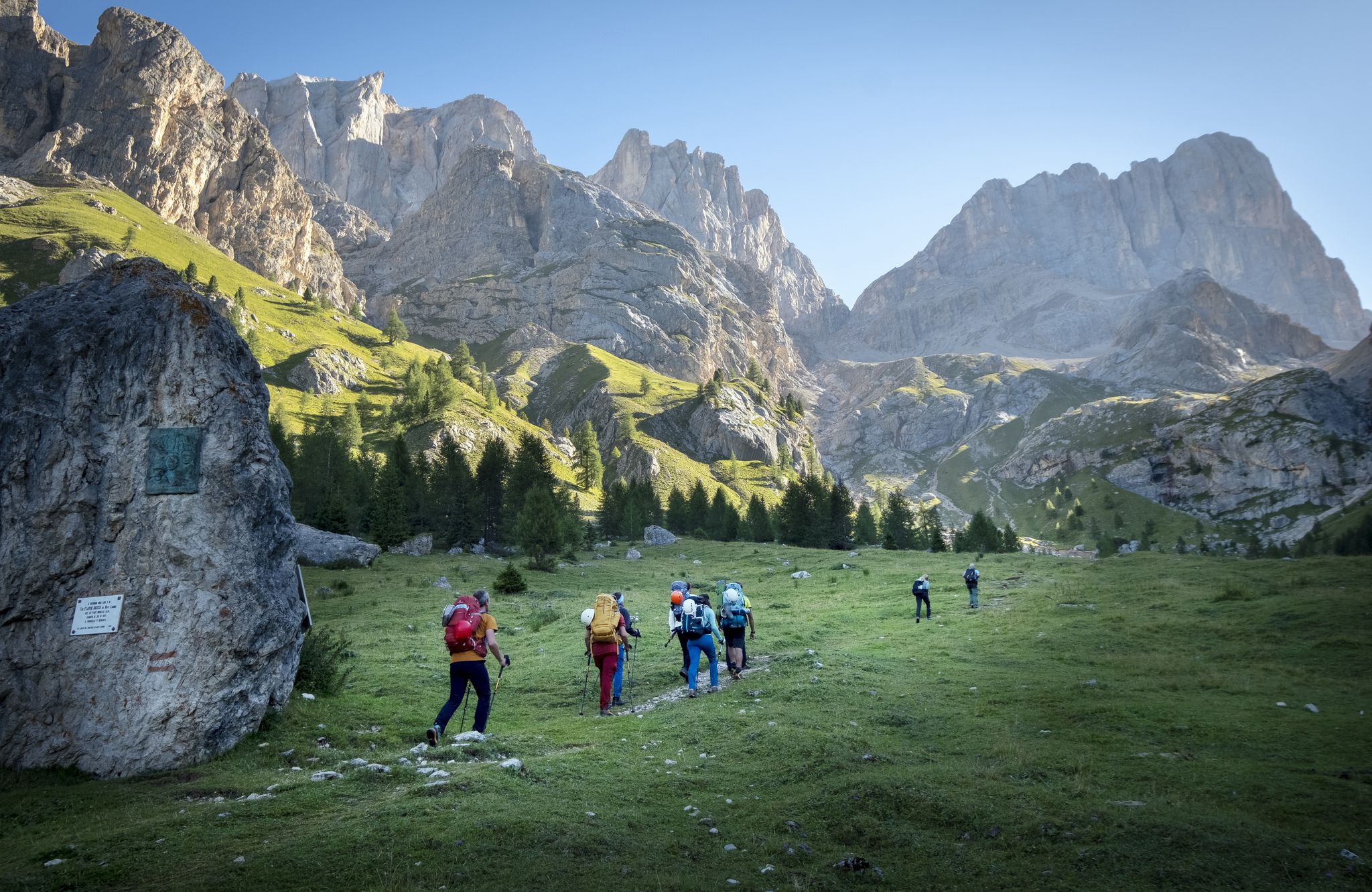
The Path of Peace – journey into Trentino's history
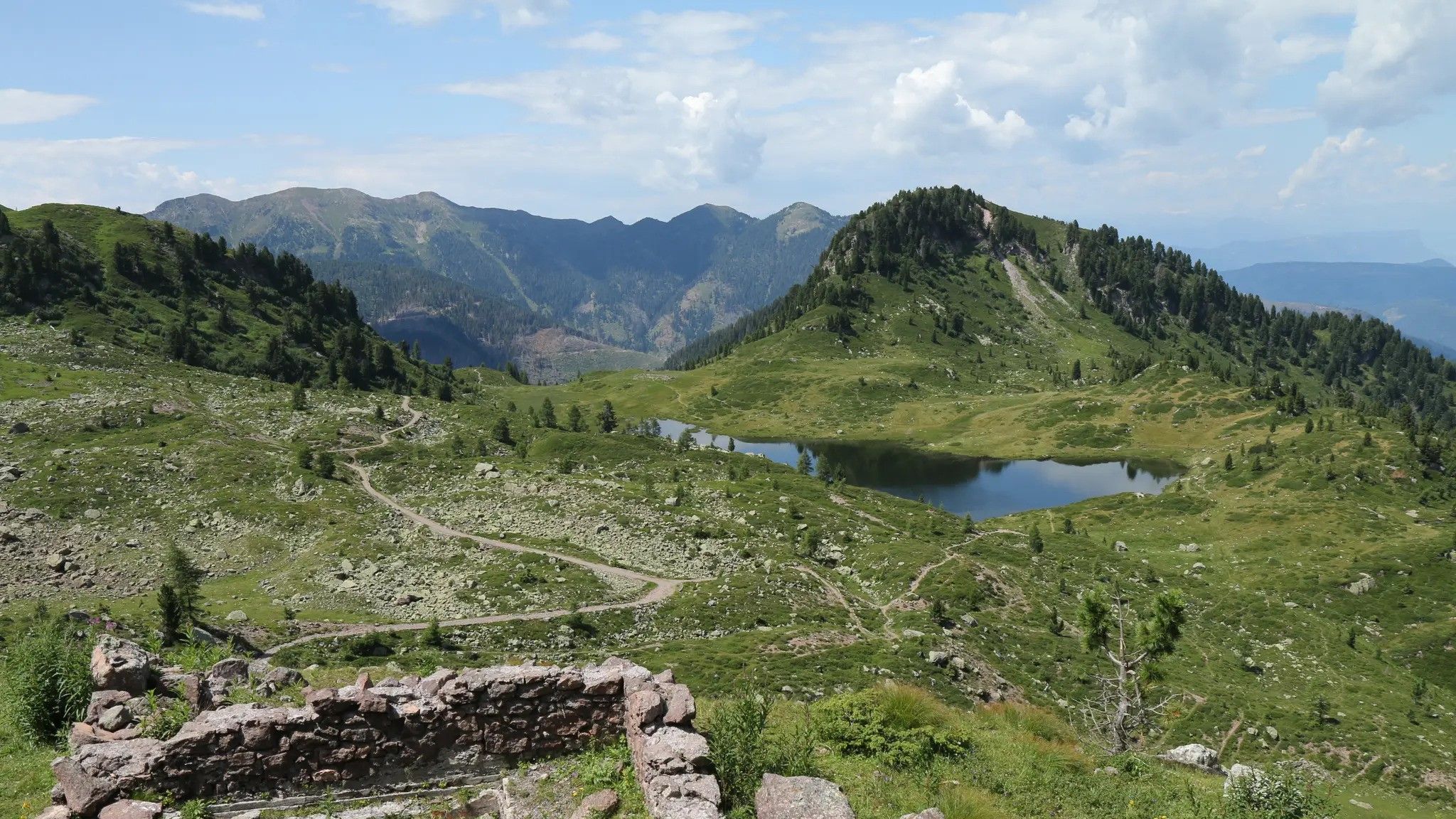
A hut hike through Italy’s Lagorai massif – Alta Via Lagorai Panorama
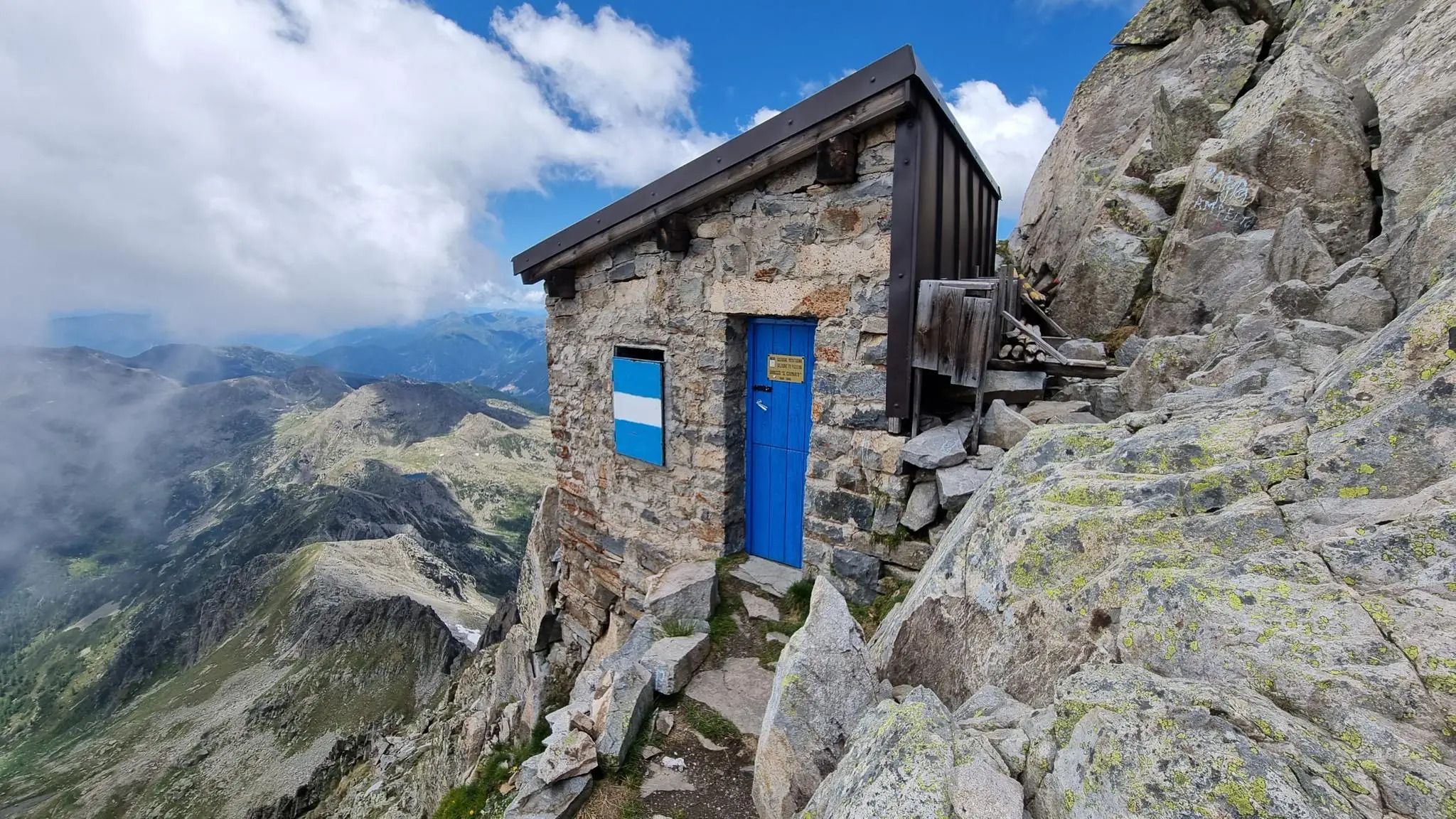
Alta Via del Centenario – hike among vestiges of the First World War in Italy
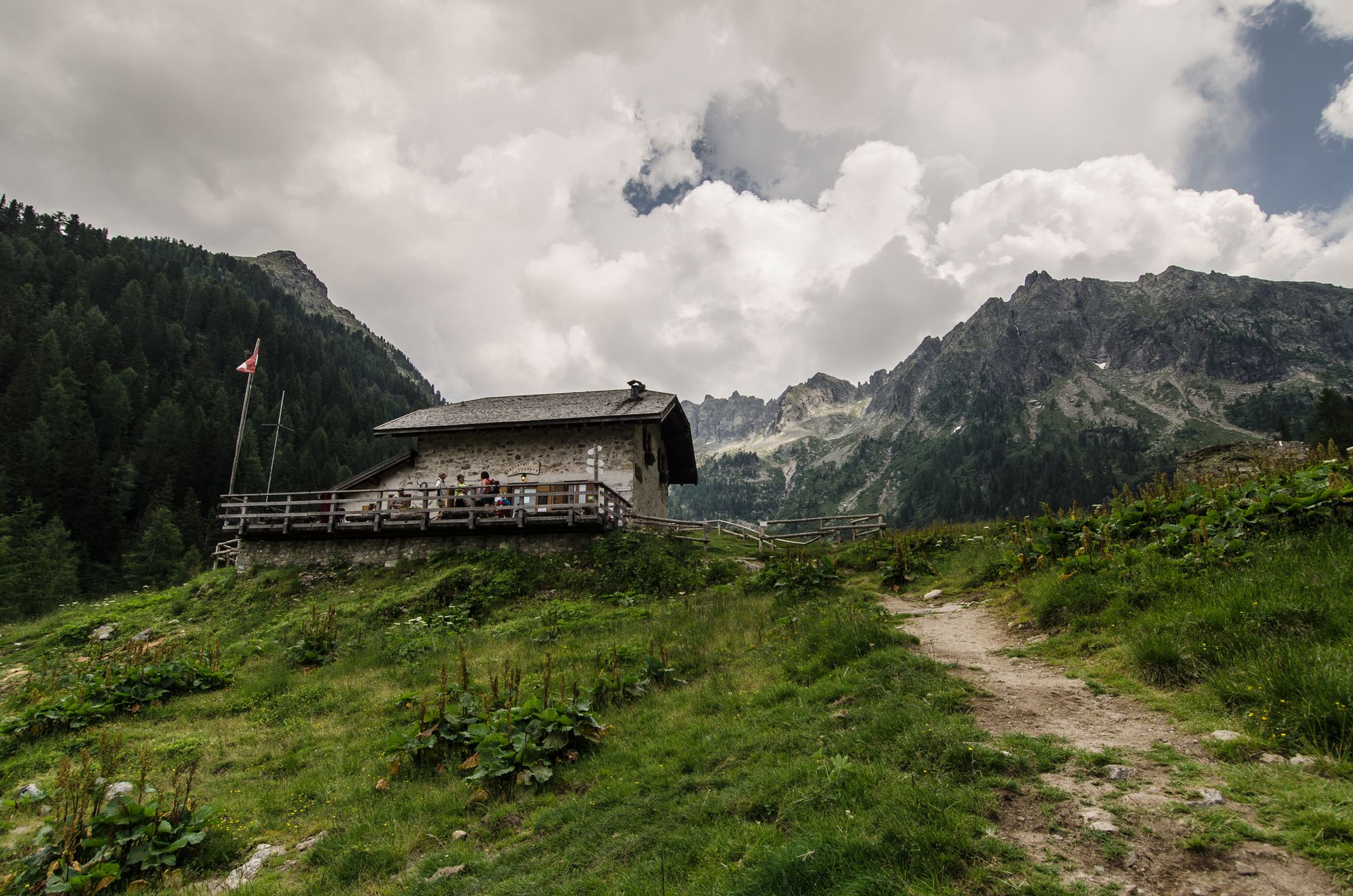
Alta Via del Granito – amidst memories of the Great War
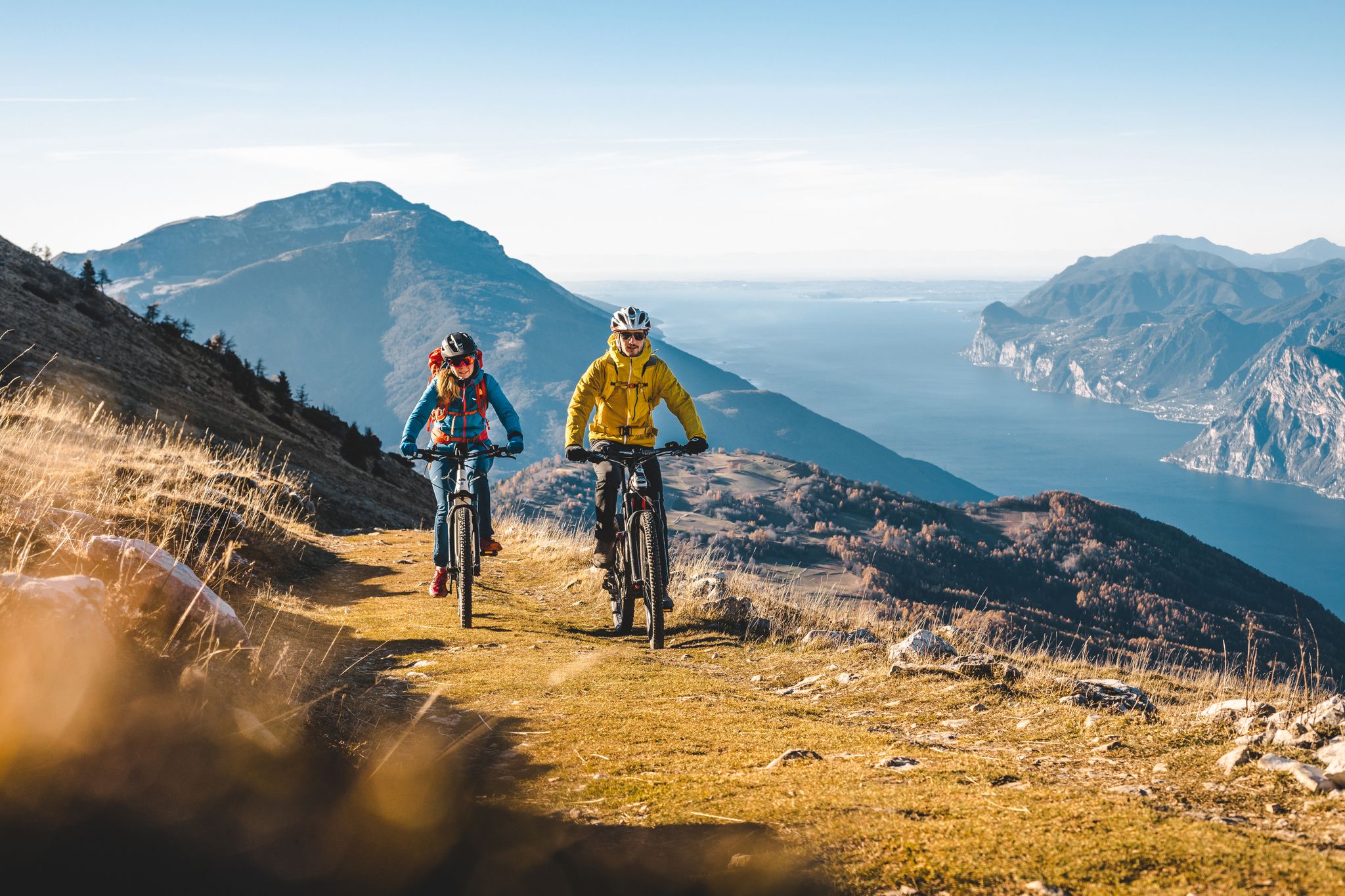
Mountain biking in Trentino in Italy – 10 varied routes
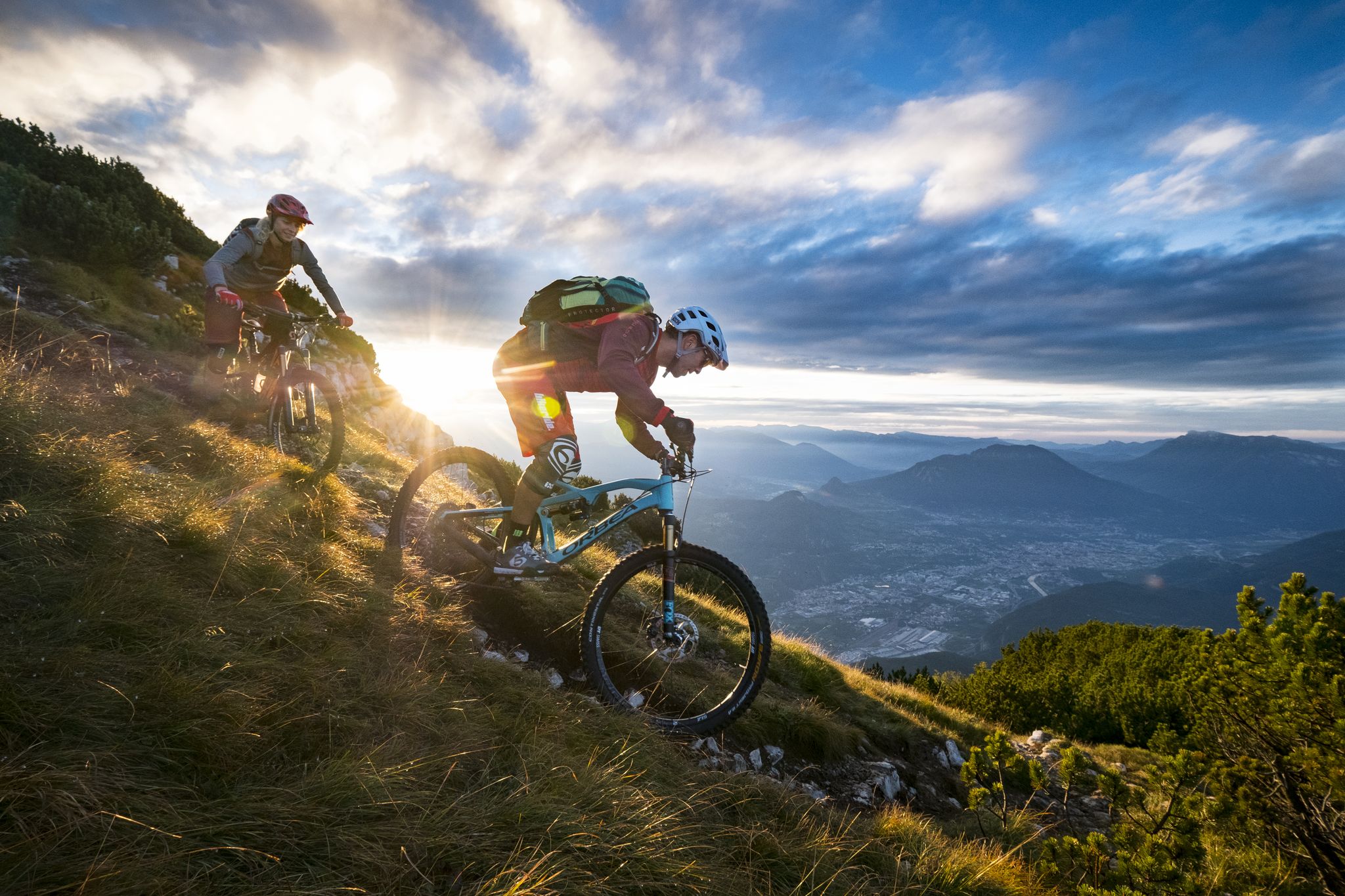
Mountain Biking in Trentino — from the Dolomites to Lake Garda
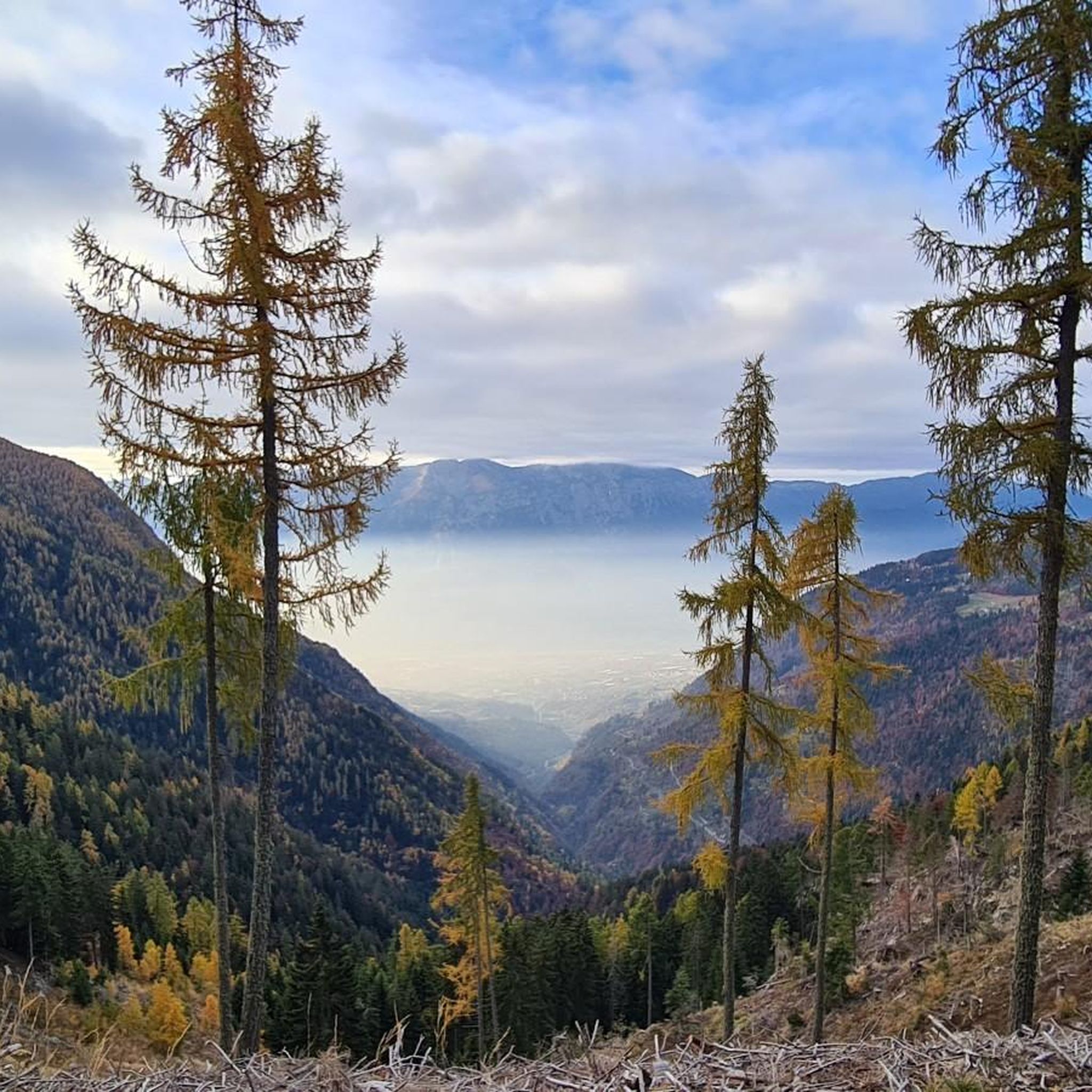
Hiking around Scurelle
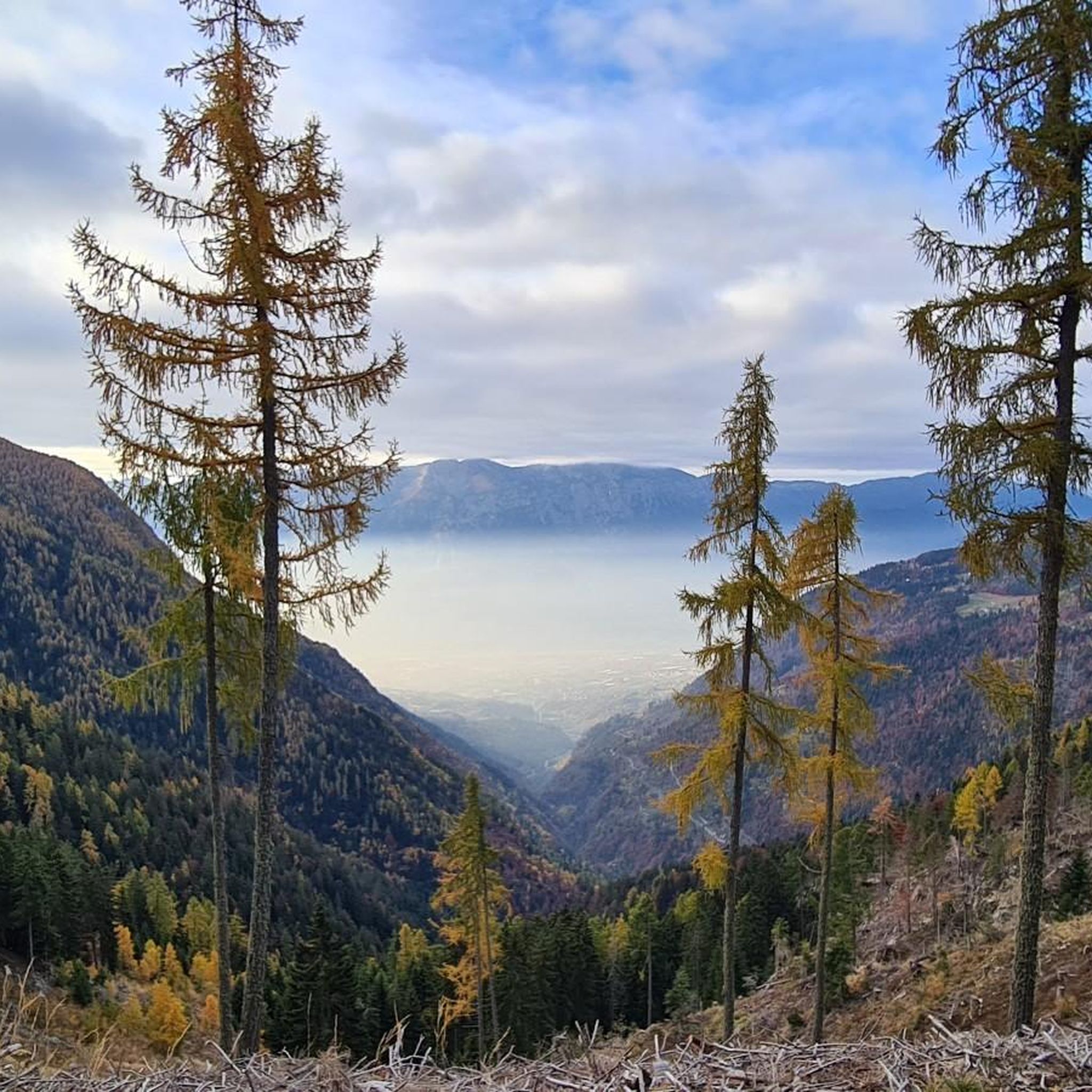
Cycling around Scurelle
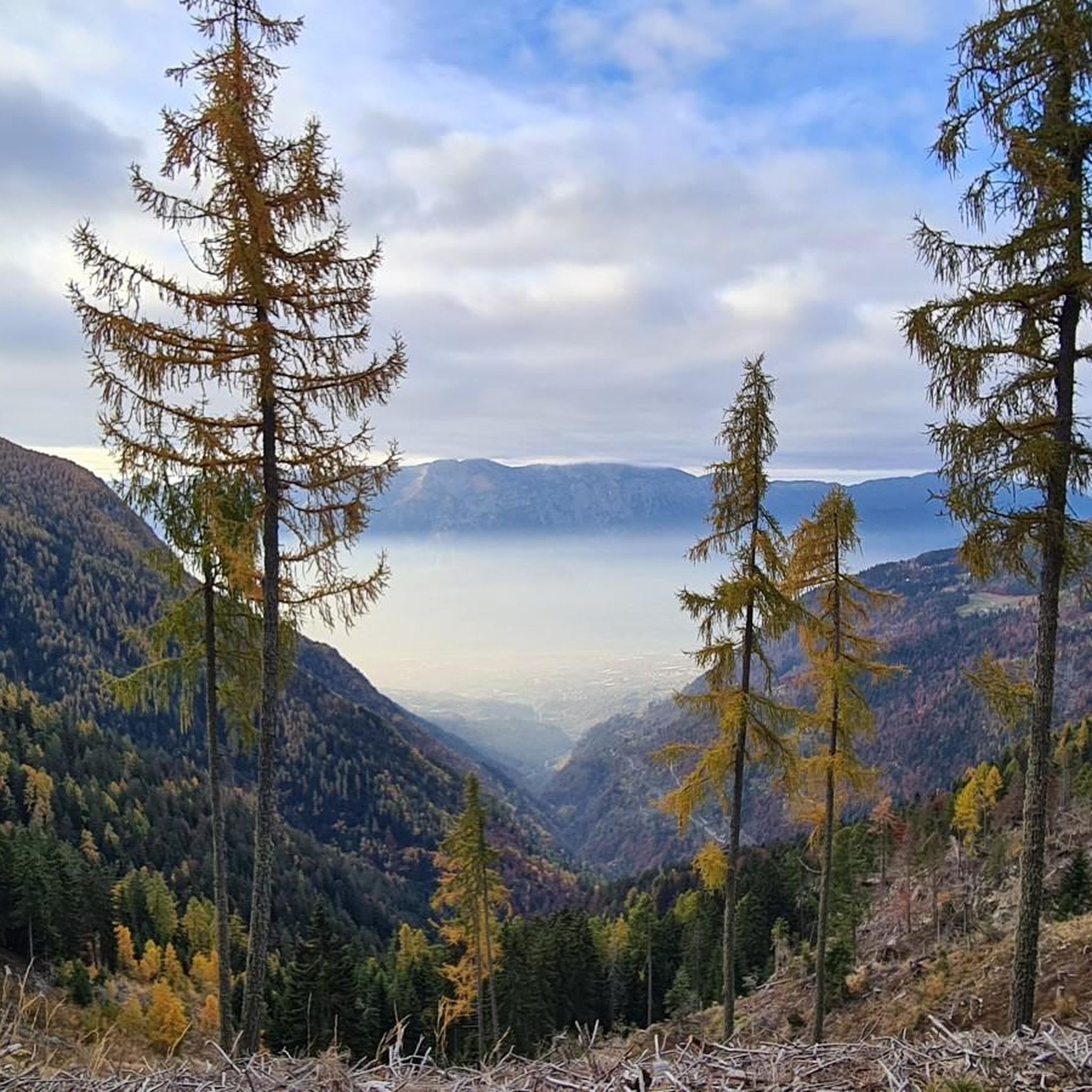
MTB Trails around Scurelle
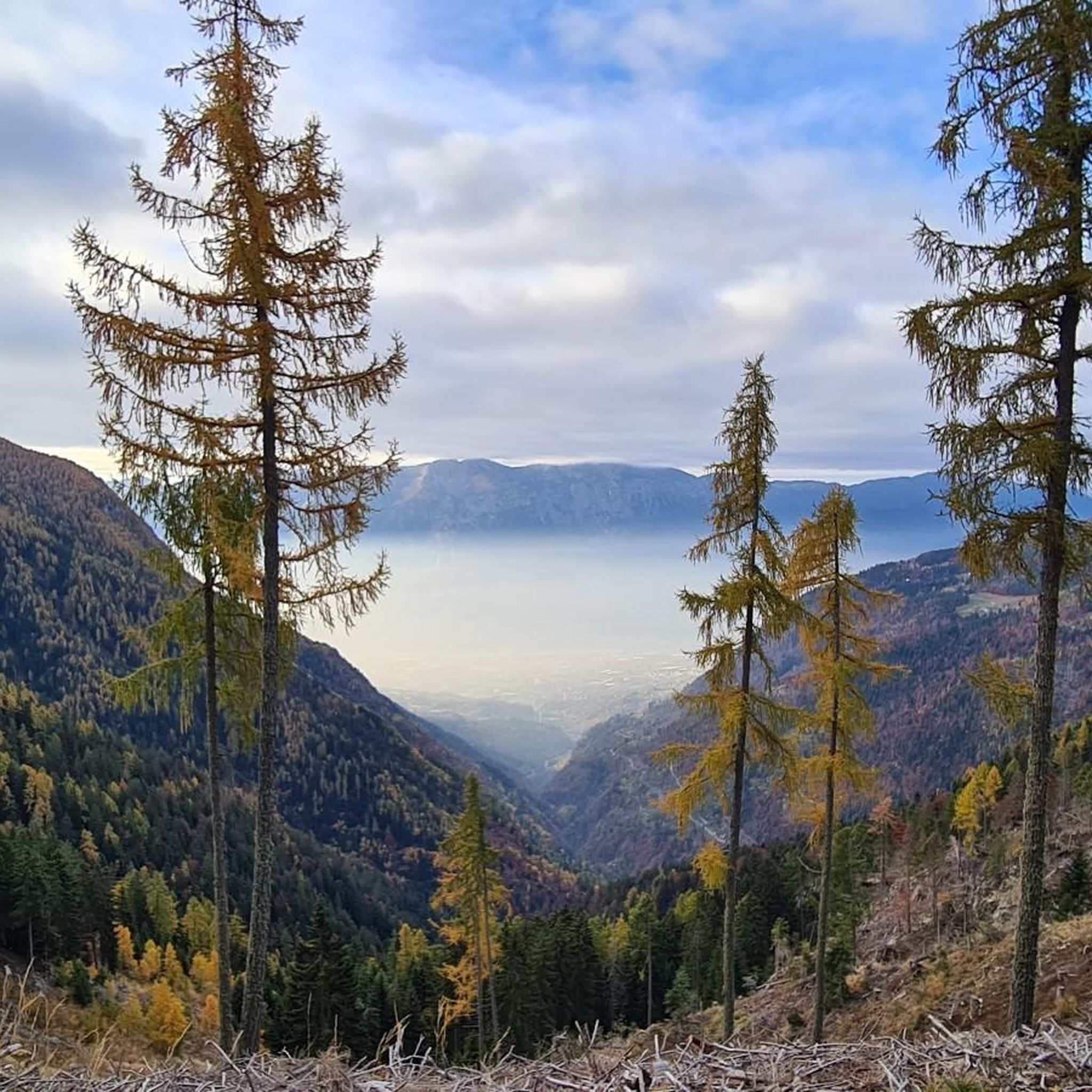
Road Cycling Routes around Scurelle
Other adventures around Scurelle


Tips from the Community

Cave discovered in 1927, named in the local dialect Bus de la Lora, it is explored for about 450 meters. It was a refuge for the cave bear according to studies carried out.
0
0

Very steep section that leads to the top of Ortigara, it is useful to have a headlamp with you
1
0

The tunnel was initially an Austro-Hungarian machine gun emplacement (2093 m), designed to defend the overlooking 2101 m of Mount Ortigara. It was later captured by the Alpine troops during the first attack on June 10, 1917, becoming the headquarters of the Italian command of Colonel Pietro Biancardi, from whom it takes its current name. A must-see on the trail connecting the summit of Mount Ortigara to the Agnella Pass: fascinating, steep, and facilitated by steps and ropes. The imperial emplacements are accessed by descending into a shaft using metal supports (technical descent, only for experts).
1
0
During the First World War, in view of the Battle of Ortigara in 1917, the area on the eastern slopes of Cima Caldiera was transformed into an Italian logistics base of enormous tactical importance: one of the main storage centers for food, ammunition, tools and materials needed for combat and the sustenance of the troops. It was located on the slope sheltered from enemy fire, but close to the front line, to which it was connected by a web of walkways; it was accessible via a wide and comfortable road from Piazzale Lozze, which is now used as a path; the six tunnels dug one after the other, connected internally by a single corridor, served as warehouses and were hidden from view by external wooden barracks that, leaning against the rock, covered the entrances. Two interesting tables show the inventory of the goods stored: food for the soldiers, daily rations and materials for the Engineers.
1
0

Trenches along the path that leads to Cima Caldiera. They are part of the Eco Museum of the Great War. The trenches and the excavated cavities served as warehouses for supplies for the troops of Ortigara.
0
0

Discovered in the early twentieth century and studied throughout the century, the so-called Castello Tesino cave is located at an altitude of 960 metres. It is the only cave in Trentino equipped for tourist visits and stands on the right bank of the Senaiga stream. A karst cavity characterized by tunnels, arabesques, stalactites and stalagmites formed over the millennia, it offers a wonderful experience to those wishing to take part in the guided tours, which normally run from April to October.
0
0
Karst gorge typical of this type of mountain. There are many throughout the plateau, just look carefully at the maps
1
0

Unpaved stretch, not too demanding, from where you can enjoy very beautiful landscapes and on occasion not very frequented passages
1
0
Frequently Asked Questions
What types of caves can I explore near Scurelle?
The area around Scurelle, particularly within the broader Valsugana, offers a diverse range of underground sites. You can explore natural karst formations like the spectacular Buso dei Quaranta sinkhole or the deep Chasm below Cima XII. Additionally, there are significant historical military tunnels such as Quota 2093 / Biancardi Gallery WW1 and the Cima Caldiera Logistics Base Caves (World War I).
Are there any historical caves or sites related to World War I near Scurelle?
Yes, the region has several caves with significant historical importance, particularly from World War I. The Quota 2093 / Biancardi Gallery WW1 was initially an Austro-Hungarian machine gun emplacement and later an Italian command headquarters. The Cima Caldiera Logistics Base Caves (World War I) served as a crucial Italian logistics base for supplies during the Battle of Ortigara.
What are some of the most impressive natural cave formations in the Valsugana area?
The Valsugana area boasts several impressive natural cave formations. The Buso dei Quaranta is a spectacular and enormous karst sinkhole. Another notable natural feature is the Chasm below Cima XII, a deep karst chasm where snow persists even in summer due to its perpetually shaded bottom. The Busa del Can Sinkhole is also a very deep well classified in the Venetian speleological register.
Are there any caves near Scurelle that are suitable for experienced speleologists?
Yes, the Grotta della Bigonda near Selva di Grigno is a vast and complex underground system with over 27 kilometers of tunnels and numerous lakes and siphons. Due to its complexity and the risk of sudden flooding, visits are restricted to experienced individuals accompanied by members of the Grotta di Selva Group.
Can I visit Grotta di Costalta, and what makes it significant?
The Grotta di Costalta, located near Borgo Valsugana, extends for approximately 320 meters. It is significant for its geological and paleontological past, as remains of ibex bones, an animal long extinct in the Trentino mountains, have been discovered within. Visits are permitted only during the summer season, require a reservation, and must be undertaken with an expert guide. You can find more information at visitvalsugana.it.
What is the current status of visits to Grotta del Calgeron?
The Grotta del Calgeron, also known as G.B. Trener, is situated on the right bank of the Brenta River near Grigno. As of recent information, visits to the cave are currently suspended due to ongoing trail work for safety reasons. You can check for updates on its accessibility at visitvalsugana.it.
What kind of outdoor activities can I combine with a visit to the caves near Scurelle?
The area around Scurelle offers numerous outdoor activities. You can find various MTB Trails, including routes like 'Borgo Valsugana – Lake Levico loop'. For hikers, there are challenging Mountain Hikes, such as the 'Cima d'Asta summit loop'. Additionally, Gravel Biking routes like the 'Five Crosses Pass – Passo Brocon loop' are available.
Are there any specific safety considerations when visiting caves in this region?
Yes, safety is paramount. For natural formations like the Busa del Can Sinkhole, the entrance is at street level and unprotected, requiring maximum attention, especially with children or animals. For complex systems like Grotta della Bigonda, visits are restricted to experienced individuals with expert guidance due to potential flooding. Always be aware of your surroundings and any posted warnings.
What should I wear for cave exploration near Scurelle?
When exploring caves, especially those with challenging sections or cold environments like the Quota 2093 / Biancardi Gallery WW1 which can be steep, it's useful to have a headlamp. For areas like the Chasm below Cima XII where snow persists, dressing in layers and wearing sturdy, waterproof footwear is advisable to stay warm and dry.
What do visitors particularly enjoy about the caves around Scurelle?
Visitors appreciate the unique blend of natural beauty and historical significance. The sheer size and hydrological features of caves like Grotta della Bigonda are a draw for speleologists. The historical military tunnels offer a fascinating glimpse into World War I, while the dramatic karst formations like Buso dei Quaranta provide spectacular natural sights. The komoot community has contributed over 10 photos and more than 15 upvotes to these highlights, reflecting their appeal.
Most popular routes around Scurelle
Most popular attractions around Scurelle

Get inspired with the komoot mobile app


Explore more
Extend your search for the best caves by checking out these guides of the top ones around Scurelle:
