Top 5 Waterfalls around Nomi
Waterfalls around Nomi offer a variety of natural attractions within Ishikawa Prefecture, Japan. The region is known for its scenic landscapes, including the notable Nanatsudaki (Seven Waterfalls) which features a series of cascades. These natural landmarks provide opportunities for nature immersion and photography. Nomi City has designated Nanatsudaki as a cultural property, highlighting its local significance.
Best waterfalls around Nomi
- The most popular waterfalls is Hofentol Waterfall, a waterfall hidden in a rocky ravine. This spectacular thirty-meter waterfall is…
Last updated: May 2, 2026
Zambèl Waterfall
Highlight • Waterfall
Translated by Google •
Tip by

Hofentol Waterfall
Highlight • Waterfall
Translated by Google •
Tip by
Sign up now to discover places like this
Get recommendations on the best single tracks, peaks, & plenty of other exciting outdoor places.
Sign up for free
Rio Mous Waterfalls
Highlight • Waterfall
Translated by Google •
Tip by

Basso Alpe Laggina Route
Highlight (Segment) • Trail
Translated by Google •
Tip by

Pisa Vaca Waterfall
Highlight • Waterfall
Translated by Google •
Tip by
Sign up for free to discover even more waterfalls around Nomi.
Sign up for free
Already have an account?
Start today with a free account
Your next adventure awaits.
Login or Signup
Tips from the Community

The Rio Mous waterfalls are a series of cascades between the rocks and lush vegetation of the dense Gon Forest, along the picturesque trail connecting Folgaria to Guardia. The stream flows from Serrada to join the Rio Cavallo (Rosspach in Cimbrian). You cross a beautiful, ancient stone arch bridge, which can only be appreciated by venturing off-trail. Like any torrential waterfall, it's best seen after days of rain, to experience the full force of the water rather than the meagerness of a trickle.
0
0
The Hofental Waterfall is a spectacular thirty-meter waterfall, hidden in a rocky ravine. Around the corner from the beautiful trail that runs through the Gon Forest, you'll be amazed by the rush of water cascading through lush greenery in summer, or by a spectacular frozen landscape in winter! Like any torrential waterfall, it's best visited after a rainy period, to avoid the risk of finding only a trickle flowing. https://www.alpecimbra.it/it/scopri-l-alpe-cimbra/natura-e-cultura/la-cascata-dell-ofentol/74-2245.html
1
0
The Zambel Waterfall ('el Zambelòn' in the local dialect) is an enchanting natural setting: the stream plunges briskly between high rock walls into a natural pool; the cool, clear water flows into a clearing surrounded by greenery; the sun's rays often penetrate it, creating evocative beams of light and rainbows! It's naturally at its best after rainy days. It's also known as the Calliano Waterfall (name of the nearby town), the Rio Cavallo Waterfall (from the name of the stream and the valley of the same name), or the Rosspach/Rossbach Waterfall (the Cimbrian equivalent of the river): the watercourse was so named because it descended from Folgaria in a very winding and impetuous manner, like a restless colt. The waterfall is actually an ancient artificial dam, as evidenced by the stone blocks that compose it entirely, without the use of cement. In the 15th century, the left canal (above the greenhouse) was built for agricultural purposes and likely to fill the defensive moat of nearby Castel Pietra. In the 17th century, the right industrial canal ('roggia') was also built, descending to Calliano and flowing into the Adige River. Over the centuries, it has served to provide mechanical power to countless industrial and manufacturing activities (mills, sawmills, hammer mills, spinning mills). It can be reached from below, via an easy path from Calliano, or from above, via a short route equipped with ropes and steps. In summer, the site is quite popular for cooling off and sunbathing.
1
0

mainly a climatic factor, linked to rainfall and snow melting
0
0

The picturesque Pisavaca Waterfall is a place of outstanding natural beauty
0
0


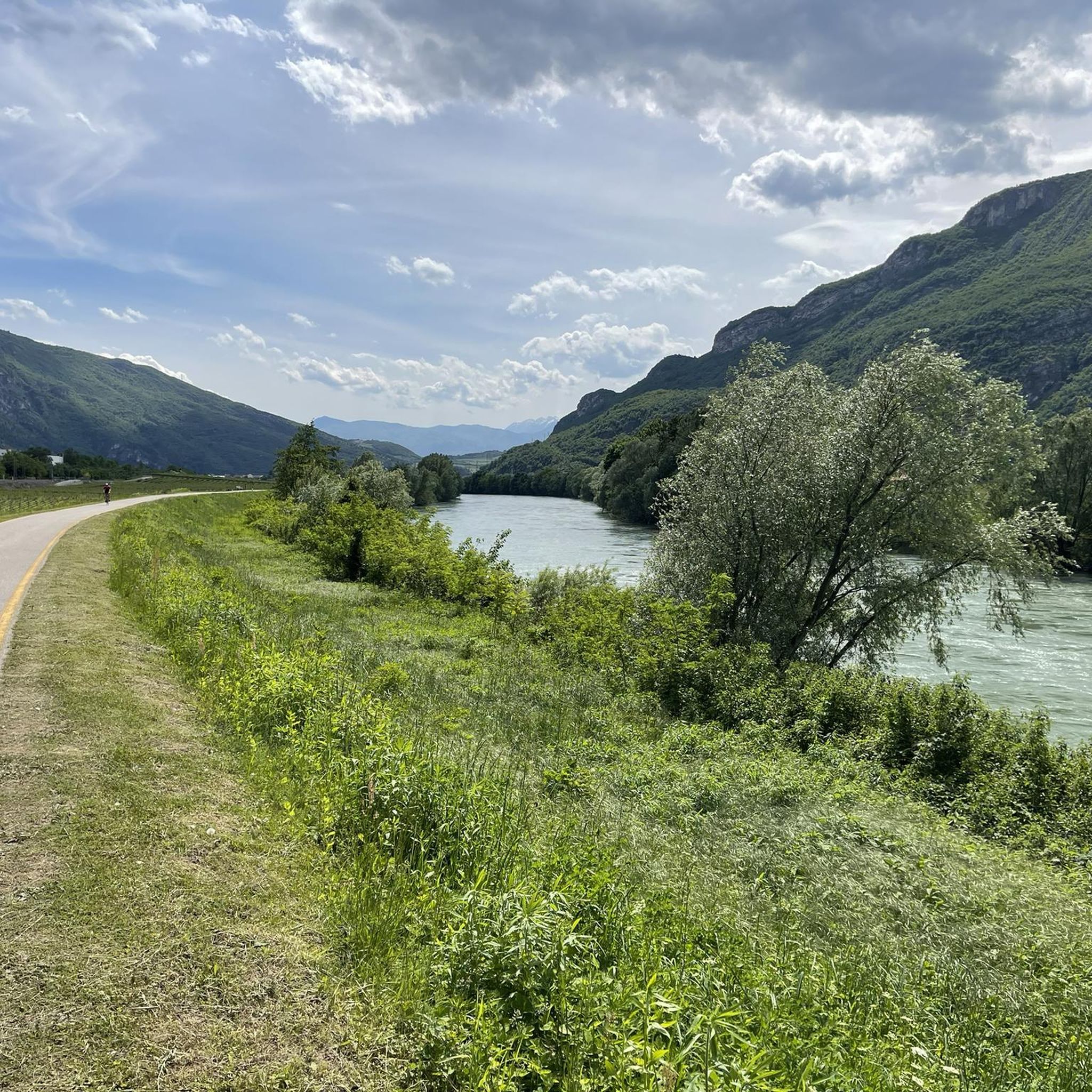
Going downhill from Castellano it presents a rather rough first section with an accentuated slope, very fun for those who face it with a Full MTB. At the halfway point, at the lowest point there is a stream that crosses the trail and starts uphill on a bumpy path up to Dos de l'Altar. From then on, the path is on an almost flat dirt road.
1
0
Frequently Asked Questions
What makes the waterfalls around Nomi unique?
The waterfalls around Nomi offer a diverse range of natural beauty, from the series of seven cascades at Nanatsudaki, known for its historical significance and seasonal charm, to hidden, powerful drops like Hofentol Waterfall. Many are nestled within lush forests and rocky ravines, providing a refreshing escape into nature.
What are some of the most scenic waterfalls in the Nomi area?
Beyond the well-known Nanatsudaki, visitors highly recommend Hofentol Waterfall, a spectacular thirty-meter cascade hidden in a rocky ravine. Another must-see is Rio Mous Waterfalls, a series of cascades amidst rocks and lush vegetation, often featuring an ancient stone arch bridge nearby. The picturesque Pisa Vaca Waterfall is also a popular natural monument.
When is the best time to visit the waterfalls in Nomi?
Many waterfalls, such as Hofentol Waterfall and Rio Mous Waterfalls, are best visited after a rainy period to experience their full force. The Nanatsudaki (Seven Waterfalls) are renowned for their stunning natural scenery that changes beautifully with the seasons, making them a great photography spot year-round. In winter, some waterfalls like Hofentol can offer a spectacular frozen landscape.
Are there any historical aspects to the waterfalls in Nomi?
Yes, Nanatsudaki (Seven Waterfalls) has been cherished since ancient times, with an Edo period poet from Kanazawa even penning a poem about its beauty. Additionally, Zambèl Waterfall, also known as the Calliano Waterfall, is actually an ancient artificial dam with stone blocks dating back to the 15th and 17th centuries, used for agricultural and industrial purposes.
How accessible are the waterfalls in Nomi?
Nanatsudaki (Seven Waterfalls) is quite accessible, with a parking lot conveniently located very close by. It's also reachable by public transport and a short walk from the 'Nagataki' bus stop. For Zambèl Waterfall, you can reach it from below via an easy path from Calliano, or from above using a route equipped with ropes and steps.
Are there family-friendly options for visiting waterfalls in Nomi?
Yes, Nanatsudaki (Seven Waterfalls) features a well-maintained promenade that allows visitors to walk alongside and explore six of the upstream waterfalls, offering intimate views in a tranquil environment suitable for families. The easy path to Zambèl Waterfall also makes it a good option for a family outing.
What outdoor activities can I do near these waterfalls?
The Nomi region offers various outdoor activities. You can explore numerous Mountain Hikes around Nomi, including routes like 'Costa del Cavai – Monte Cavo Ridge' or 'Cima Valdritta Summit Cross'. For cyclists, there are MTB Trails and Road Cycling Routes, such as the 'Al Menador on the tracks of the Giro d'Italia' tour.
Are there hiking trails near the waterfalls in Nomi?
Yes, many waterfalls are integrated into scenic trails. For instance, Rio Mous Waterfalls are found along the picturesque trail connecting Folgaria to Guardia. You can find more detailed information and plan your routes by exploring the Mountain Hikes around Nomi guide.
What kind of natural features can I expect to see at the waterfalls?
You can expect to see a variety of natural features, including high rock walls, natural pools, and lush vegetation surrounding the cascades. Waterfalls like Zambèl Waterfall are known for their cool, clear water and the evocative beams of light and rainbows created by the sun's rays. The area also features dense forests, such as the Gon Forest near Rio Mous Waterfalls.
Is there parking available at the waterfalls?
Yes, for Nanatsudaki (Seven Waterfalls), there is a parking lot conveniently located very close to the waterfalls, making it easily accessible by car.
What should I wear when visiting the waterfalls in Nomi?
Given that many waterfalls are best visited after rain and involve walking on trails, it's advisable to wear comfortable, waterproof footwear with good grip. Layers of clothing are also recommended to adapt to changing weather conditions, especially if you plan to hike or explore for extended periods.
What do visitors enjoy most about the waterfalls around Nomi?
Visitors particularly enjoy the immersive natural experience, the tranquil environment, and the stunning photographic opportunities. The sound and sight of cascading water provide a calming experience, and the diverse landscapes, especially the seasonal changes at Nanatsudaki, are highly appreciated. The unique features like the hidden ravine of Hofentol Waterfall and the historical elements of Zambèl Waterfall also add to the appeal.
Most popular routes around Nomi
Most popular attractions around Nomi

Get inspired with the komoot mobile app


Explore more
Happy to travel a little further afield? Then browse these guides for the best waterfalls around Nomi:
